
Aerolase for Active Acne: Clear Breakouts Without Medication
Persistent acne can be frustrating, especially when breakouts continue despite a careful skincare routine or medication. Active lesions need an approach that addresses more than their visible appearance. LightRx uses the Aerolase Neo Elite, a non-ablative laser designed to treat active acne with minimal to no downtime across skin types and tones.
Aerolase for active acne uses 650-microsecond Nd:YAG laser pulses to target P. acnes bacteria, calm inflammation, and support clearer-looking skin without medication.
This drug-free approach works through precise, gentle energy rather than surface abrasion or extended recovery. Understanding how the pulse technology interacts with acne-related bacteria and inflammation helps explain why Aerolase Neo Elite can be considered for active breakouts. Not only the marks they may leave behind.
Why Choose Aerolase for Active Acne Treatment
Many laser treatments are designed for resurfacing or scar improvement, so providers may recommend waiting until active breakouts have settled. Aerolase Neo Elite is different. Its 650-microsecond, 1064nm Nd:YAG laser is designed to address active acne lesions while remaining gentle on the skin’s surface.
| Factor | Aerolase Neo Elite | Traditional Ablative Lasers |
|---|---|---|
| Treatment during active breakouts | Designed for active lesions | Usually contraindicated during flares |
| Pulse duration | 650 microseconds (sub-thermal) | Longer pulses, more heat spread |
| Cooling or numbing needed | No | Often required |
| Skin type suitability | Fitzpatrick I-VI | Limited in darker skin types |
| Recovery time | No downtime | Days to weeks of peeling |
| Primary target | Active acne, bacteria, oil | Resurfacing, scars, texture |
This comparison is a general guide. Treatment candidacy depends on an individual evaluation by a qualified clinical team, particularly for patients with severe, cystic, or treatment-resistant acne.
A pulse designed to protect the skin’s surface
The Neo Elite delivers energy in an extremely short pulse. The 650-microsecond duration is shorter than the thermal relaxation time of the treatment target, which helps deliver therapeutic energy without allowing heat to spread unnecessarily through surrounding tissue. Because of this pulse design, the treatment does not require cooling or topical anesthesia in the way many traditional laser procedures do.
That distinction matters for people with inflamed, sensitive, or frequently recurring breakouts. Aerolase is non-ablative, meaning it does not remove the outer layer of skin. Patients do not need to plan around the peeling and extended recovery associated with ablative resurfacing. Treatment can be considered as part of an acne-management plan while active lesions are present, subject to an evaluation by a qualified clinical team.
Suitable across Fitzpatrick skin types
The 1064nm Nd:YAG wavelength and pulse profile are intended to make the Neo Elite suitable for all Fitzpatrick skin types, I through VI. This broad skin-type suitability is important because acne affects people across every complexion. And treatment decisions should account for both active inflammation and the risk of unwanted pigment changes. A professional assessment remains essential, particularly when acne is severe, painful, or accompanied by significant discoloration.
Rather than focusing only on the marks acne leaves behind, Aerolase can target active lesions during the treatment process. Its clinical approach includes addressing factors associated with breakouts, including inflammation and the bacterial environment within acne-prone skin. Learn more about the underlying Aerolase Neo Elite technology and how its pulse design supports non-invasive treatment.
Clinical outcomes vary, and Aerolase may not be appropriate for every person or every type of acne. A free personal consultation allows the LightRx team to evaluate your skin and determine whether this approach fits your goals.
How the 650-Microsecond Laser Targets P. acnes Bacteria
Active acne is influenced by several connected processes: excess sebum, bacterial activity, clogged pores, and inflammation. Aerolase Neo Elite addresses these factors with a 650-microsecond pulse at a 1064nm wavelength from a Nd:YAG laser. Rather than relying on a topical or oral medication to reach the source of a breakout, the treatment delivers controlled energy to acne-related structures in the skin.
Selective heating helps regulate excess oil
The 1064nm wavelength can reach the deeper skin structures associated with acne, including the sebaceous glands. The laser’s energy selectively heats these glands while the brief pulse duration helps limit unnecessary heat exposure at the skin’s surface. By reducing sebaceous activity, the treatment can help address one of the conditions that allows pores to become congested and breakouts to persist.
In a randomized, sham-controlled study, sebum production decreased by 18% in the treated group compared with 9% in the sham group. This supports the role of the 650-microsecond Nd:YAG laser as more than a surface-level cosmetic treatment. Clinical outcomes vary, and a professional evaluation is needed to determine whether this approach is appropriate for your skin.
Light energy targets bacterial activity
Cutibacterium acnes, historically called Propionibacterium acnes or P. acnes, produces porphyrins that can interact with specific wavelengths of light. Aerolase treatment targets this bacterial activity as part of its acne-focused mechanism. The clinical study reported a decrease in total porphyrin score, a finding consistent with reduced bacterial activity in treated skin.
That distinction matters for people looking for a non-medication option. A 2025 clinical report describes the 650-microsecond, 1064nm Nd:YAG laser as an effective and safe non-medicinal therapeutic option for mild-to-severe acne vulgaris. Aerolase for active acne does not replace medical care for every patient. But it may offer a drug-free path for people who cannot tolerate certain medications or prefer a non-pharmaceutical treatment plan.
Calming the inflammatory cycle
Acne bacteria, excess oil, and clogged pores can contribute to an inflammatory cascade, leading to redness, swelling, and tender lesions. By addressing bacterial activity and sebaceous gland behavior together, the laser may help reduce the conditions that sustain that cycle. The treatment is non-invasive, and LightRx can assess your acne pattern, skin type, and goals during a free personal consultation before recommending a customized plan.
Sources: PubMed clinical study and Journal of Cosmetic Dermatology clinical report.
Clinical Evidence for Aerolase on Active Breakouts
The clinical evidence for Aerolase on active breakouts includes controlled research, treatment-course outcomes, and real-world dermatologist observations. In a study of the 650-microsecond, 1064-nm Nd:YAG laser, inflammatory lesions decreased by 42% in the treatment group compared with 26% in the sham group. That represents a 62% improvement over sham treatment. The study also reported an 18% reduction in sebum production, compared with 9% in the sham group. These findings are relevant because excess oil and inflammation are central contributors to acne development. Read the published study on PubMed.
Measured lesion and sebum reductions
Additional findings support the value of a complete treatment course rather than judging results after a single visit. In the Saedi study summarized by Aerolase, lesions were reduced by 84% at the end of a 10-week treatment course. Aerolase reports patient satisfaction of approximately 90% to 95% during and after the treatment course. The treatment is not a substitute for an individualized medical evaluation, but these outcomes provide useful context when discussing a non-medicinal approach to acne care.
Evidence beyond active lesions
A survey of 50 dermatologists found that 90% reported improvement in post-inflammatory hyperpigmentation and 82% reported improvement in acne scarring among patients treated with the technology. Those observations concern marks and scars as well as active acne, so they should not be interpreted as the same endpoint as inflammatory lesion reduction. For patients whose breakouts have left uneven tone or texture, LightRx can also discuss options such as treating acne and acne scars.
More recent evidence adds to the clinical picture. A 2025 retrospective study by Olugbade, published in the Journal of Cosmetic Dermatology, described the 650-microsecond Nd:YAG laser as an effective non-medicinal therapeutic option for mild-to-severe acne vulgaris. Taken together, the available findings support Aerolase as a non-invasive treatment option that can be considered within a broader acne plan. With candidacy and expected results determined during a consultation.
What to Expect During Your Aerolase Treatment Sessions
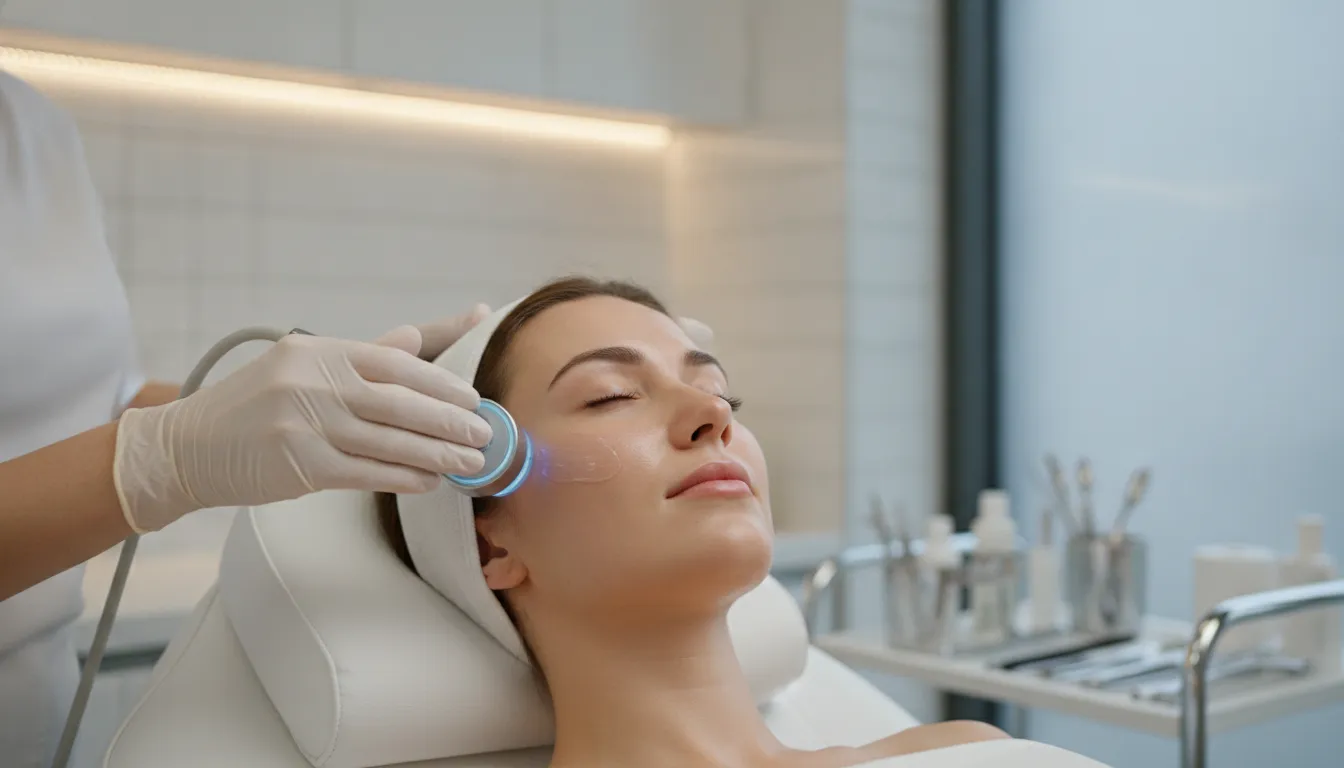
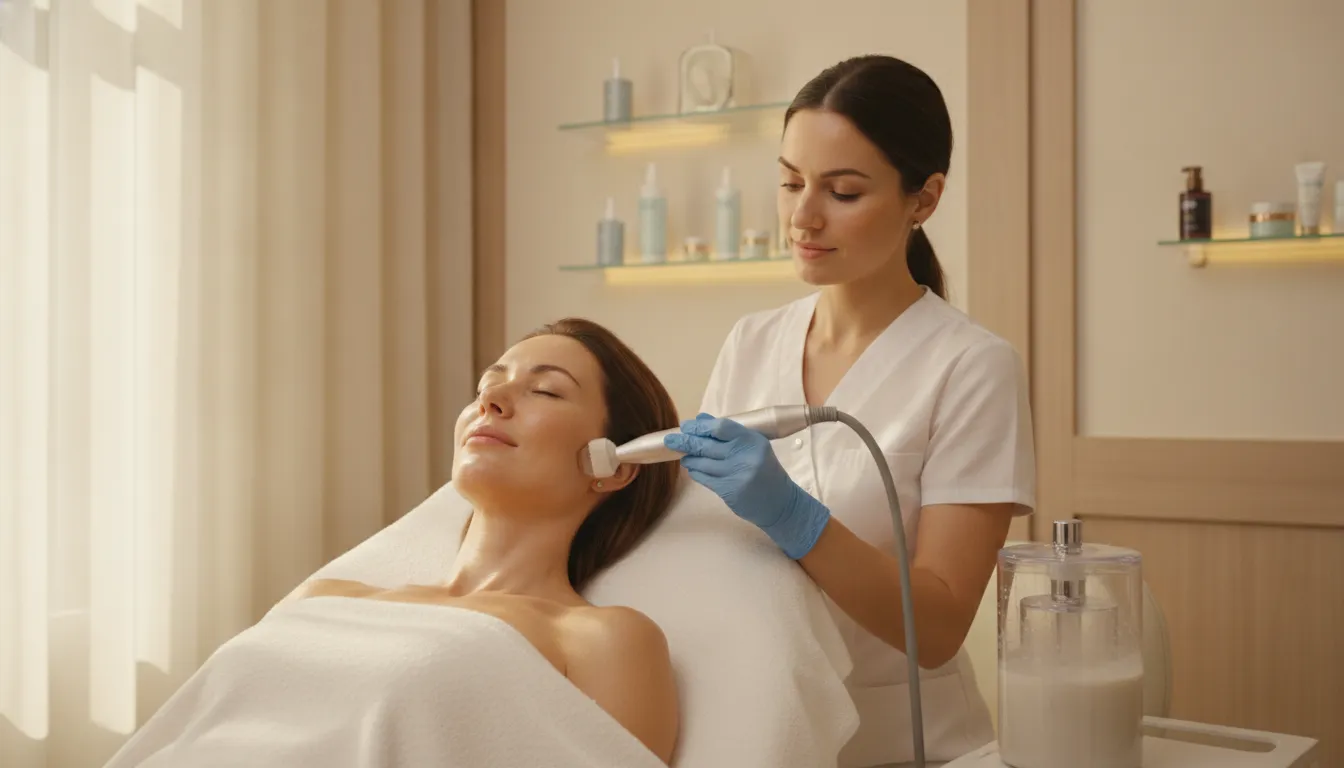
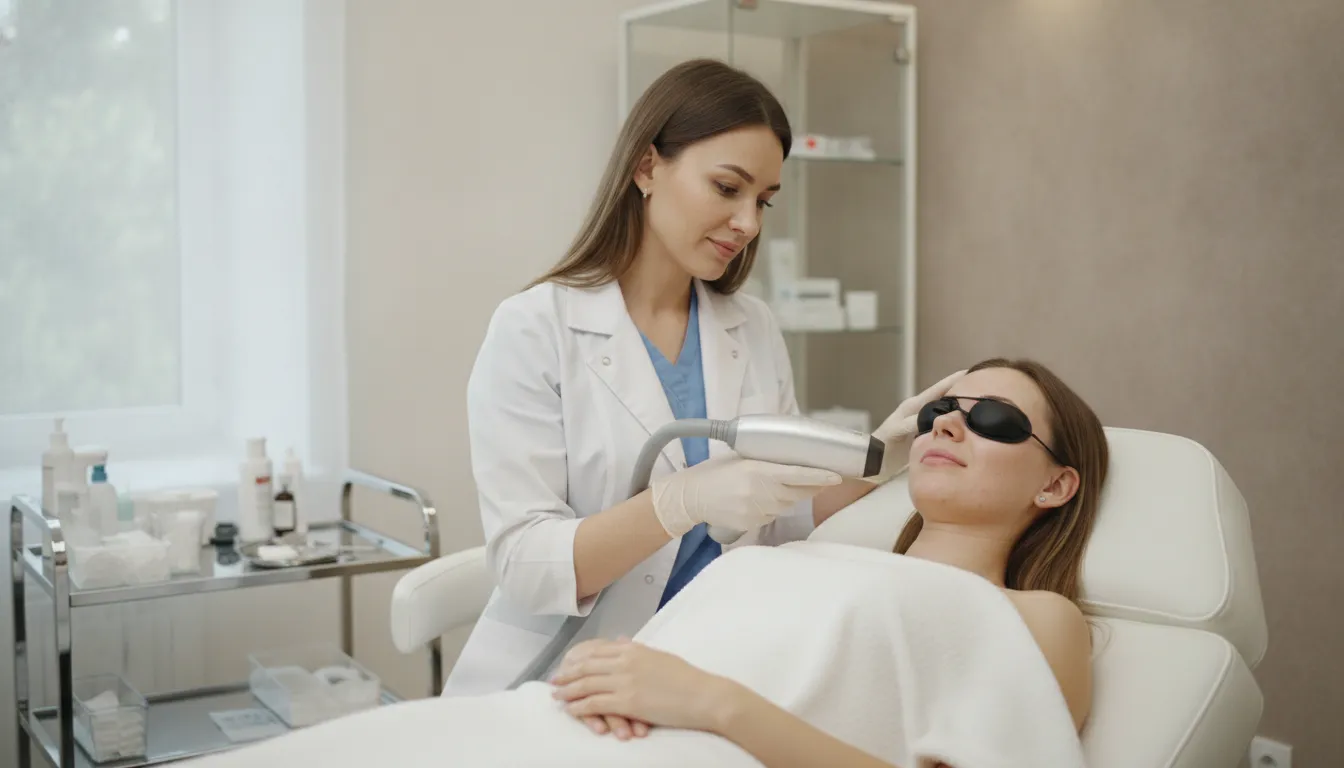
An Aerolase acne appointment is designed to fit into a normal schedule while keeping the experience comfortable and clinically focused. After your provider reviews your skin and confirms that treatment is appropriate, the Aerolase Neo Elite handpiece is passed over the affected areas. The device delivers gentle, rapid pulses of light. Most patients do not need numbing cream or cooling before or during the session.
Many sessions take approximately 15 to 30 minutes, depending on the areas being treated and the extent of your active breakouts. A typical Aerolase treatment schedule follows this pattern:
- Initial assessment and skin evaluation during a free consultation
- A series of treatment sessions scheduled at regular intervals
- Progress evaluations to adjust the plan based on skin response
- Maintenance sessions as needed after active breakouts improve
You may feel brief warmth or a light snapping sensation as the pulses reach the skin. But the treatment is non-ablative and does not involve removing the surface layer of skin. Your provider will adjust the approach based on your comfort, skin type, and treatment goals.
There is no required recovery period after an Aerolase appointment. You can typically return to work, exercise, and other normal activities immediately. Some patients may notice temporary warmth or mild redness, but these effects are generally short-lived. Your provider will give you individualized aftercare instructions, including guidance on products and sun protection.
A personalized series of sessions is typically recommended rather than treating active acne as a one-time event. The appropriate schedule depends on your acne pattern, skin response, and broader treatment plan. Aerolase is intended to support progressive improvement, not to promise instant results. During LightRx’s free personal consultation, the clinical team can evaluate your skin and explain what a reasonable plan may involve. If you want to understand the appointment-planning process in more detail, consult with our team about Aerolase for acne. Clinical outcomes vary, so treatment recommendations should be based on an in-person professional evaluation.
Building a Comprehensive Acne Clearance Plan at LightRx
Managing acne effectively often requires more than addressing a single breakout. At LightRx, your provider can consider active lesions, oil production, skin sensitivity, post-acne texture, and your daily routine when developing a personalized plan. The goal is coordinated care that supports clearer skin while respecting your skin type and treatment history.
Pairing Aerolase with HydraFacial
Aerolase can address active acne beneath the skin’s surface, while HydraFacial supports the condition of the skin on the surface. HydraFacial cleanses away oil, impurities, and buildup, then helps maintain a smoother, refreshed complexion. This surface preparation and maintenance can complement Aerolase, which uses targeted laser energy to address acne-related bacteria and inflammation. Your provider can recommend whether the treatments should be combined in a planned sequence or scheduled separately based on your skin’s needs.
This approach is not a one-size-fits-all protocol. Treatment frequency, product use, and the timing of maintenance appointments should be determined during a professional evaluation. Clinical outcomes vary, so a consultation is an important first step before combining modalities.
Planning for Residual Acne Scarring
Once active breakouts are under better control, the focus may shift toward uneven texture or visible acne scars. Venus Viva uses radiofrequency energy to support skin resurfacing and texture improvement. Learn more about treating acne and acne scars and how this type of care may fit into a longer-term skin health strategy. The timing matters: your provider can determine whether active acne should be addressed first and when resurfacing is appropriate.
Coordinating Care Through Treat2Complete
For patients who may benefit from multiple modalities, LightRx’s bundled treatment plans can coordinate care across a comprehensive treatment program. Treat2Complete is designed around the idea that complementary services can be planned together rather than selected in isolation. With LightRx locations nationwide, patients can also discuss follow-up care at a convenient clinic as their skin changes over time.
Schedule a free personal consultation to discuss your acne history, treatment goals, and the combination of services that may be appropriate for you.
Frequently Asked Questions
What laser is best for active acne?
The best option depends on your acne type, skin characteristics, and treatment history. Aerolase Neo Elite is designed for active breakouts because its 650-microsecond, 1064nm Nd:YAG pulses can address inflammation. Excess sebum, and acne-associated bacterial activity without relying on topical or oral medication. A professional consultation is needed to determine whether it is appropriate for your skin.
Can I have Aerolase treatment while I have active acne?
Yes. Aerolase Neo Elite is specifically used to treat active acne rather than only the discoloration or scarring left behind. The non-ablative treatment delivers gentle laser energy without removing the skin’s surface, making it a potential option when breakouts are present. Your provider will assess active lesions, sensitivity, medications, and any other factors before recommending a plan.
Is Aerolase acne treatment painful?
Most patients describe the treatment as comfortable, and topical numbing or anesthesia is generally not required. You may feel brief pulses of warmth as the device moves across the treatment area. Sensations and tolerance vary, so tell your provider if you feel uncomfortable during the session.
How many sessions are needed for active acne?
There is no single session count for every patient. The recommended series depends on the severity and pattern of your breakouts, how your skin responds, and whether you are using other acne treatments. LightRx will evaluate your skin during a free personal consultation and adjust the schedule as your clinical response becomes clearer.
Does Aerolase require downtime after acne treatment?
Aerolase is non-invasive and typically involves minimal to no downtime, so many patients return to normal activities after treatment. Your skin may have temporary redness or sensitivity, and aftercare recommendations can vary. Follow the individualized instructions provided by your clinical team, especially regarding sun protection and other products.
Ready to Explore a Drug-Free Acne Treatment?
A consultation can help you understand whether Aerolase Neo Elite fits your active acne concerns and broader skin goals. Our team can review your needs, answer questions about treatment, and outline an appropriate next step without adding pressure. To schedule a free personal consultation, contact LightRx Medspa through the online form.