

How to Lose Belly Fat Without Exercise: A Guide
The science behind why belly fat is so difficult to lose is tied to hormones, stress, and the specific type of fat you’re carrying. It’s not just about calories in versus calories out; it’s about creating the right internal environment for your body to let go of stored fat. This is why the question ‘how can you lose belly fat without exercise’ is so relevant—it shifts the focus to the powerful impact of nutrition and daily habits. In this guide, we’ll simplify the science and give you an actionable plan. You’ll learn which foods to prioritize, which habits to adopt, and how to finally address those resistant areas with proven, non-invasive technology.
If you’re struggling with stubborn body fat and have tried everything, and nothing has worked, we have good news. Technology has provided many options for non surgical weight loss that don’t require going under the knife.When it comes to belly fat, it’s important to know that not all fat is created equal. The type of fat you have determines more than just how your clothes fit—it also has a major impact on your overall health. Understanding the difference is the first step in creating a plan that effectively targets the fat you want to lose. It helps you set realistic expectations and choose the right strategies, whether that’s through diet, lifestyle changes, or advanced aesthetic treatments. Let’s break down the two main types of fat found in your abdominal area. ### Subcutaneous vs. Visceral Fat The two primary types of belly fat are subcutaneous and visceral. Subcutaneous fat is the soft, pinchable layer that sits just beneath your skin. It’s the fat you can feel, and while having too much of it can be a concern, it’s generally less harmful from a health perspective. On the other hand, visceral fat is located deep within your abdominal cavity, surrounding vital organs like your liver, stomach, and intestines. You can’t see or pinch visceral fat, but it’s the type that poses a more significant health risk. Having too much of it, even if you appear thin on the outside, can be a serious issue. #### Why Visceral Fat is a Health Concern Visceral fat is metabolically active, meaning it produces hormones and inflammatory substances. According to health experts, an excess of this deep-seated fat can lead to chronic inflammation and insulin resistance, which are major risk factors for serious conditions like type 2 diabetes and heart disease. Because it’s wrapped around your internal organs, it can directly interfere with their function. This makes reducing visceral fat a top priority not just for your appearance, but for your long-term health and well-being. Focusing on strategies that specifically target this harmful fat is key.
The Role of Diet in Fat Loss
While you can’t “spot reduce” fat from your belly with specific exercises, your diet plays the most critical role in reducing overall body fat, including the stubborn kind around your midsection. What you eat directly influences your body’s fat-storing and fat-burning processes. A well-balanced diet rich in whole foods provides the nutrients your body needs to function optimally while helping you shed excess weight. It’s not about extreme restrictions or fad diets; it’s about making sustainable, healthy choices that become a natural part of your routine. By focusing on the quality and quantity of your food, you can create the right internal environment for fat loss to occur. ### The Core Concept: A Calorie Deficit The fundamental principle of weight loss is creating a calorie deficit. It’s a simple concept: weight loss happens when you consistently consume fewer calories than your body burns for energy. When your body doesn’t get enough calories from food to fuel its daily activities, it turns to its stored fat reserves, including belly fat, for energy. This doesn’t mean you need to starve yourself. Instead, focus on eating nutrient-dense, lower-calorie foods that keep you full and satisfied. Tracking your intake for a short period can help you understand your current habits and identify easy places to cut back without feeling deprived. ### Building a Healthy Plate A simple way to manage calories and improve your nutrition is to rethink how you build your meals. A helpful guideline is to fill about two-thirds of your plate with plant-based foods like vegetables, whole grains, beans, and fruits. These foods are typically high in fiber and water, which helps you feel full on fewer calories. The remaining one-third of your plate can be dedicated to lean protein sources like chicken, fish, or tofu, along with a small portion of healthy fats. This approach ensures you get a balanced mix of macronutrients and micronutrients, supporting both fat loss and overall health without requiring complicated calorie counting.
Specific Dietary Changes to Target Belly Fat
Making targeted adjustments to your diet can significantly impact your ability to lose belly fat. Certain foods can either promote or fight inflammation and fat storage, especially in the abdominal area. By incorporating more of the right kinds of foods and reducing others, you can support your body’s natural fat-burning mechanisms. These changes don’t have to be drastic overnight shifts. Instead, think of them as small, consistent upgrades to your daily eating habits that add up to big results over time. Focusing on these specific dietary strategies will help you create a sustainable plan for a leaner midsection and better health. ### Increase Your Fiber Intake One of the most effective changes you can make is to eat more soluble fiber. This type of fiber absorbs water and forms a gel-like substance in your digestive tract, which slows down digestion. This process helps you feel full for longer, naturally reducing your overall calorie intake. Great sources of soluble fiber include oats, barley, apples, citrus fruits, beans, and avocados. Aiming to include a high-fiber food in every meal is a simple way to curb your appetite and support your fat loss goals without feeling like you’re on a restrictive diet. ### Prioritize High-Protein Foods Including a source of lean protein with every meal is another powerful strategy for tackling belly fat. Protein is more satiating than carbohydrates or fats, meaning it keeps you feeling full and can reduce cravings. It also has a higher thermic effect, which means your body burns more calories digesting it compared to other macronutrients. Good choices include fish, lean chicken, eggs, Greek yogurt, and legumes. Making protein a priority helps preserve muscle mass while you lose fat, which is essential for maintaining a healthy metabolism and achieving a toned appearance. ### Reduce Sugar and Refined Carbs Added sugars and refined carbohydrates are major contributors to belly fat. When you consume sugary foods and drinks or processed carbs like white bread and pasta, your blood sugar spikes, leading to an insulin surge that can promote fat storage, particularly in the abdominal area. Reading labels to identify hidden sugars and choosing whole, unprocessed carbohydrates like quinoa, brown rice, and sweet potatoes instead of their refined counterparts can make a huge difference. This simple swap helps stabilize your blood sugar levels and reduces the hormonal triggers that lead to fat accumulation around your middle. ### Choose Healthy Fats and Avoid Trans Fats Not all fats are bad for you. In fact, consuming healthy fats is essential for overall health and can even aid in fat loss. Monounsaturated fats, found in foods like olive oil, avocados, and nuts, can help reduce inflammation and may prevent the accumulation of belly fat. On the other hand, you should completely avoid artificial trans fats, which are often found in processed baked goods and fried foods. These fats are directly linked to increased abdominal fat and a host of other health problems. Making a conscious effort to include healthy fats while eliminating trans fats is a smart move for your waistline. ### Add Probiotic-Rich Foods to Your Diet A healthy gut is closely linked to a healthy weight. Probiotics, the beneficial bacteria found in fermented foods, can help improve your gut health and may play a role in reducing belly fat. Foods like yogurt with live cultures, kefir, sauerkraut, and kimchi are excellent sources of these good bacteria. Research suggests that a balanced gut microbiome can influence how your body regulates appetite, stores fat, and manages inflammation. Incorporating a variety of probiotic-rich foods into your diet is a simple and delicious way to support both your digestive system and your fat loss efforts. ### Consider Drinking Green Tea If you enjoy a warm beverage, swapping one of your daily drinks for green tea could give your metabolism a gentle nudge. Green tea contains two key compounds that can aid in fat loss: caffeine and an antioxidant called epigallocatechin gallate (EGCG). Together, these substances have been shown to support metabolic function and may enhance the body’s ability to burn fat, including visceral fat. While it’s not a magic bullet, replacing high-calorie, sugary drinks with unsweetened green tea is an easy and healthy habit that can complement your other dietary efforts.
Key Lifestyle Habits for Fat Reduction
Beyond what you eat, your daily habits play a significant role in your body’s ability to manage weight and reduce belly fat. Factors like sleep, stress, and hydration can have a profound impact on the hormones that control hunger, cravings, and fat storage. Adopting healthier lifestyle habits works hand-in-hand with your dietary changes to create a comprehensive approach to fat loss. These adjustments often require a shift in mindset and routine, but they are crucial for achieving lasting results. By focusing on these key areas, you can support your body from the inside out and make your fat loss journey more effective and sustainable. ### Get Enough Quality Sleep Never underestimate the power of a good night’s sleep. When you’re sleep-deprived, your body produces more cortisol, a stress hormone that promotes fat storage, especially in the abdominal area. Lack of sleep also disrupts the hormones that regulate appetite, making you feel hungrier and more prone to craving high-calorie, sugary foods. Aim for at least seven to nine hours of quality sleep per night. Establishing a relaxing bedtime routine and creating a comfortable sleep environment can help you meet this goal and keep your fat-storing hormones in check. ### Manage Your Stress Levels Chronic stress can be a major roadblock to losing belly fat. Much like sleep deprivation, high stress levels lead to elevated cortisol production, which signals your body to store fat around your midsection. Finding effective ways to manage stress is crucial. Activities like meditation, deep breathing exercises, yoga, or even just spending time in nature can help lower your cortisol levels. By incorporating stress-reducing practices into your daily routine, you can create a more favorable hormonal environment for fat loss and improve your overall sense of well-being. ### Stay Hydrated Throughout the Day Staying well-hydrated is a simple yet powerful habit for weight management. Drinking plenty of water helps your metabolism function efficiently and can also help you feel full, reducing the chances of overeating. Often, we mistake thirst for hunger, so reaching for a glass of water before a snack can be a game-changer. Try to replace sugary drinks like soda and juice with water, herbal tea, or sparkling water. This easy swap cuts a significant number of empty calories from your diet and keeps your body running smoothly. ### Practice Mindful Eating Habits In our busy lives, it’s easy to eat while distracted, which often leads to overeating. Mindful eating is the practice of paying full attention to your food and the experience of eating. This means slowing down, savoring each bite, and listening to your body’s natural hunger and fullness cues. By eating without distractions like your phone or the TV, you become more aware of when you’re truly satisfied, which can prevent you from consuming excess calories. This simple shift in awareness can help you build a healthier relationship with food and support your fat loss goals. ### Increase Your “Incidental” Movement You don’t have to spend hours at the gym to burn more calories. Increasing your “incidental” movement, also known as Non-Exercise Activity Thermogenesis (NEAT), can make a big difference. This includes all the physical activity you do throughout the day that isn’t formal exercise. Simple changes like taking the stairs instead of the elevator, parking farther away from the store entrance, standing up to take phone calls, or doing some light chores can add up to a significant number of extra calories burned over time. ### Foods and Drinks to Limit Just as important as what you add to your diet is what you choose to limit. Certain foods and drinks are particularly notorious for contributing to belly fat and can easily derail your progress if consumed regularly. Being mindful of these items and reducing your intake is a critical part of any successful fat loss plan. #### Alcohol While an occasional drink is fine for most people, regular alcohol consumption can be a major source of empty calories that contribute directly to belly fat. Many alcoholic beverages are high in sugar and calories, and your body prioritizes metabolizing alcohol over burning fat. This can halt your fat loss progress and lead to weight gain, particularly around your midsection. Cutting back on alcohol or choosing lower-calorie options can make a noticeable difference. #### Sugary Drinks Liquid calories are one of the easiest ways to gain weight without realizing it. Sugary drinks like soda, sweetened iced teas, fruit juices, and fancy coffee drinks are loaded with sugar and calories but do little to make you feel full. Your brain doesn’t register these calories in the same way it does with solid food, so you’re likely to consume just as much at your next meal. As mentioned earlier, eliminating these from your diet is one of the quickest ways to reduce your overall calorie and sugar intake.
When Diet and Lifestyle Aren’t Enough: Best Non-Surgical Fat Removal
Sometimes, even with the most disciplined diet and a healthy lifestyle, stubborn pockets of fat just won’t budge. This can be incredibly frustrating, especially when you’ve put in so much effort and are close to your goals. This is often due to genetics or hormonal factors that make certain areas, like the abdomen, resistant to fat loss. If you find yourself in this situation, it doesn’t mean you’ve failed. It simply means it might be time to explore other options that can help you cross the finish line and achieve the contoured look you’ve been working toward. This is where modern aesthetic technology can be a fantastic partner in your journey. At LightRx, we specialize in advanced, non-surgical treatments designed to target and eliminate these stubborn fat cells permanently. Our services, such as laser lipo and body contouring, use clinically proven technologies to precisely target fat deposits without any incisions or downtime. These treatments work by breaking down fat cells, which are then naturally processed and eliminated by your body. We also offer skin tightening treatments to ensure that as you lose fat, your skin remains firm and smooth. If you’re ready to finally address those persistent problem areas, we invite you to schedule a free consultation with one of our specialists to create a personalized treatment plan.
Can You Really Lose Fat Without Surgery?
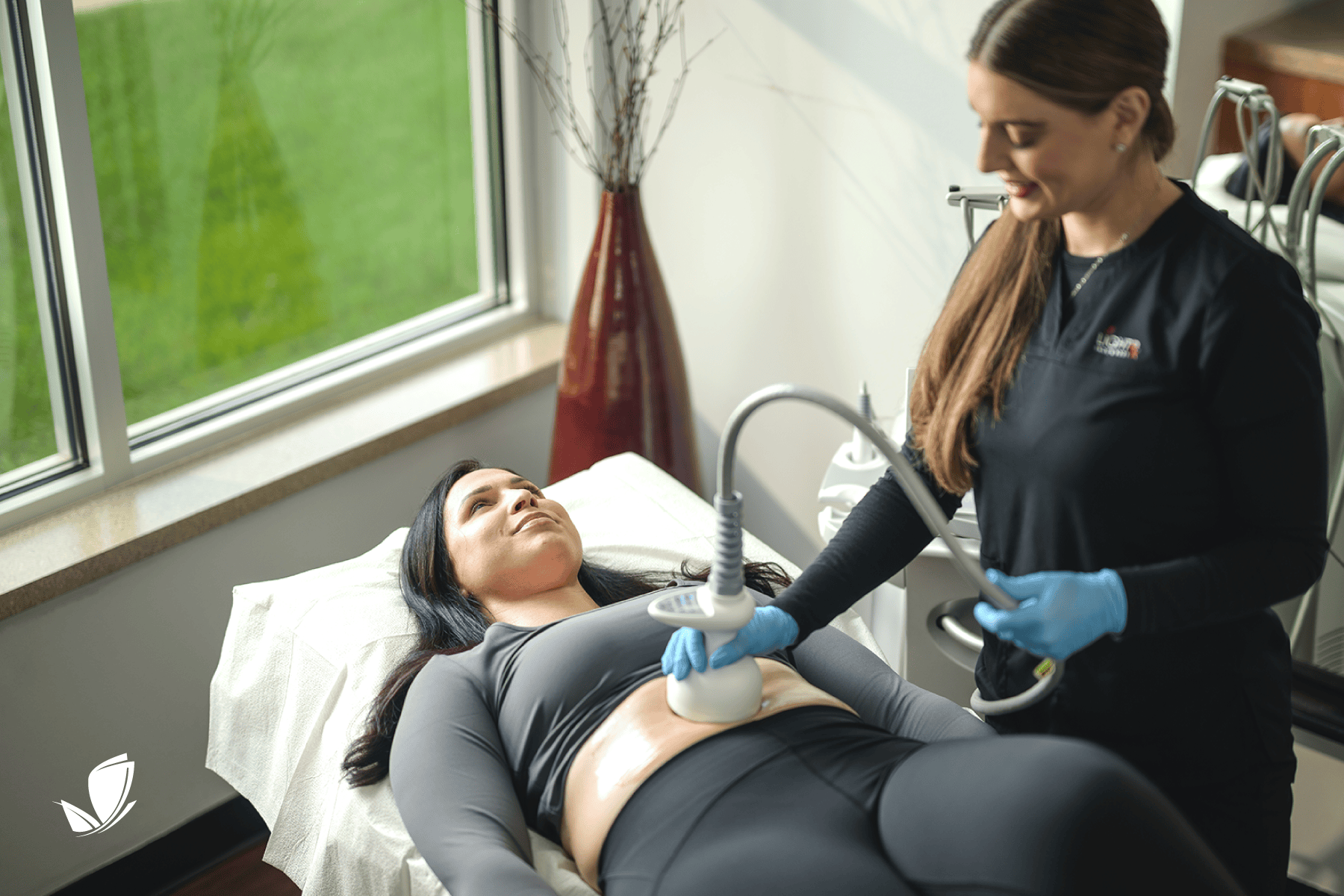
Laser liposuction and body contouring are excellent choices for non surgical weight loss. They are practical solutions for fat removal and body shaping. Laser lipo and body contouring aid in the reduction of fat or loose skin to sculpt a toned, sleek body. It is a clinically approved process that is painless, noninvasive, and comfortable. Body contouring can effectively eliminate stubborn fat in the abdomen, thighs, and “love handles.” This process can deliver the desired results if you drop a dress size, look better in your jeans, or redefine your waistline. At LightRx, we use radio frequencies, low-level lasers, and pulsed magnetic fields to deliver non surgical weight loss that is safe and FDA-approved. Sessions last between 30 minutes to one hour, making them the perfect lunchtime treatment —no downtime or recuperation required.
How Laser Lipo Melts Fat Away
Your aesthetic goals dictate the specific technology we use. If you are interested in fat loss, our laser lipo will melt fat away using low-level lasers. Lasers are administered using treatment pads that break down stored triglycerides into free fatty acids and glycerol. They are then released into the body through the cell membranes and transported to different tissues to be eliminated during exercise and regular activity. Laser liposuction is permanent because your fat cells are destroyed in the targeted area. Following treatment, you will maintain your results if you adopt a healthy diet and exercise plan.
Sculpt and Tighten with Body Contouring
This process uses a combination of radio frequencies and magnetic pulses for skin tightening and body contouring. The radio frequencies work by causing a thermal reaction in the tissues, jumpstarting the body’s natural healing process and resulting in tighter skin. Our system works because the body forms new collagen, which contracts and tightens the surrounding skin. These techniques work great on the face and neck but also work on cellulite on the stomach, thighs, and buttocks. LightRx’s flagship technology, The Venus Bliss, is a non-invasive Lipolysis system. We use this for both laser treatments and body contouring to tighten skin. The laser applicators induce lipolysis for fat reduction, which reduces fat in the targeted area. The Venus Bliss offers the ultimate customer care and comfort with its technology, which features four diode laser applicators that can be used individually or in different configurations to achieve your desired results. VariPulse technology can smooth skin in the abdominal area, reduce facial wrinkling, tighten loose skin on the arms or chin, and reduce cellulite on the thighs, buttocks, or stomach. It also targets unwanted fat for a firmer, more contoured appearance. Venus Legacy and Venus Bliss are cutting-edge technologies at LightRx that offer the latest innovations in fat reduction and skin tightening. Today’s technology offers many options for stubborn fat removal and skin tightening. Eliminate the frustration of endless diets that don’t work or unrealistic exercise plans. Discover a brighter, more confident you! FDA-approved, clinically proven treatments for dramatic results. Our highly trained staff is here to design a customized plan using the latest technology to achieve the look you want without surgery or downtime. Safe, effective, and affordable. Call 877-721-4547 to book a free consultation and receive 60% off our treatment plans by calling today.
Frequently Asked Questions
Why is belly fat so much harder to lose than fat elsewhere? It’s not just in your head; belly fat truly is more stubborn. This is largely due to hormonal factors. Your body’s stress hormone, cortisol, directly encourages fat storage around your midsection, especially the deeper, more harmful visceral fat. When you’re stressed or not sleeping well, your cortisol levels rise, making it difficult for your body to let go of that fat, even if you’re eating well.
If I can’t spot-reduce fat, how do these dietary changes specifically help with my belly? That’s a great question. While you can’t do a crunch to burn fat off your stomach, you can change your body’s overall hormonal and metabolic environment. The dietary strategies mentioned, like cutting back on sugar and prioritizing protein and fiber, help regulate blood sugar and insulin. This reduces the hormonal signals that tell your body to store fat in the abdominal area. So, as you lose fat overall, you’re also addressing the root causes that make your belly a primary storage site.
I feel like I’m doing everything right with my diet and lifestyle, but I’m still not seeing changes. What’s next? This is a very common and frustrating situation. Sometimes, genetics and hormonal predispositions create pockets of fat that are extremely resistant to diet and lifestyle changes. If you’ve built a solid foundation of healthy habits but still have areas that won’t budge, it might be time to consider non-surgical treatments. Technologies like laser lipo and body contouring are designed for this exact scenario, as they can target and eliminate those specific, stubborn fat cells.
Are the results from treatments like laser lipo and body contouring permanent? Yes, the fat cells that are destroyed during these treatments are permanently removed from your body. They don’t grow back. However, it’s important to remember that this doesn’t make you immune to future weight gain. The remaining fat cells in the area and elsewhere in your body can still expand if you don’t maintain a stable, healthy lifestyle. Think of these treatments as a way to permanently sculpt and contour areas that have been resistant to your efforts.
What is the difference between losing weight and losing fat with these methods? Losing weight on the scale can reflect a loss of water, muscle, or fat, and you don’t always have control over which one it is. The goal of the strategies in this post, particularly the non-surgical treatments, is targeted fat reduction. These procedures are designed to specifically destroy fat cells in a chosen area. This helps you lose inches and sculpt your body shape without sacrificing the lean muscle that is so important for a healthy metabolism.
Key Takeaways
- Combine smart eating with healthy habits: What you eat works in tandem with how you live. Prioritize foods high in fiber and protein while also managing stress and getting enough sleep to create an internal environment that supports fat loss.
- Focus your diet on reducing visceral fat: The most effective way to target the deep, harmful fat around your organs is through nutrition. Simple changes, like reducing your intake of sugar and refined carbs, can have a significant impact on your overall health.
- Use technology for the final touches: For the stubborn, pinchable fat that diet and lifestyle can’t resolve, non-surgical treatments can be a great solution. Technologies like laser lipo and body contouring are designed to target these specific areas, helping you achieve your final contouring goals.