

How to Reset Your Stomach: A Simple Wellness Guide
It can be frustrating when you’re eating right and staying active but still dealing with bloating or stubborn areas that won’t budge. The missing piece of the puzzle might be your gut health. An imbalanced digestive system can affect your weight, mood, and how your body processes inflammation. The good news is that you have the power to change it. This article will show you how to reset stomach health with simple, actionable steps, starting with your pantry. These small adjustments can support your overall wellness journey and enhance the results of your fitness efforts.
Rising temperatures, blue skies and blossoming flowers are all tell-tale signs that summer is just around the corner—making now the perfect time to refresh our homes and eating habits! A healthy diet can have a positive impact on your mood, weight, skin elasticity and more. Keep reading for our top 4 helpful tips on how to clean out your kitchen cabinets, swap unhealthy foods for nutritional alternatives, and utilize effective treatments so you can maintain a healthy diet!
Understanding Your Gut Microbiome
Inside your digestive system lives a vast and complex community of trillions of microorganisms—bacteria, fungi, and viruses—collectively known as your gut microbiome. This internal ecosystem is essential for your overall health, playing a critical role in how your body functions every single day. These microbes work hard to break down the food you eat, which helps you absorb essential nutrients and supports your immune system. A balanced and diverse gut microbiome is a cornerstone of well-being, contributing to everything from your energy levels to the clarity of your skin. When your gut is happy, it shows on the outside, which is the perfect complement to any aesthetic goals you have for the summer.
However, when the delicate balance of these microbes is disrupted—a state called dysbiosis—it can contribute to a variety of long-term health concerns. An imbalanced gut can affect your weight, mood, and how your body processes inflammation. The great news is that your gut microbiome is incredibly dynamic and can respond to changes in your diet within just a few days. This means you have significant influence over your gut health. By making thoughtful food choices, you can actively cultivate a healthier internal environment, which is a powerful step toward feeling your absolute best as you head into a new season.
The Community of Microbes Within
Think of your gut microbiome as a garden that you need to tend to. To help the good microbes flourish, you have to provide them with the right kind of nourishment. A diet that supports gut health doesn’t have to be complicated. According to digestive health experts, eating a balanced diet that includes plenty of fiber from fruits, vegetables, and whole grains is fundamental. These foods act as prebiotics, which are essentially food for your healthy gut bacteria. Incorporating fermented foods like yogurt, kefir, and kimchi can also introduce beneficial probiotics directly into your system, further diversifying and strengthening your gut community for better health from the inside out.
1. Ready for a Pantry Reset?
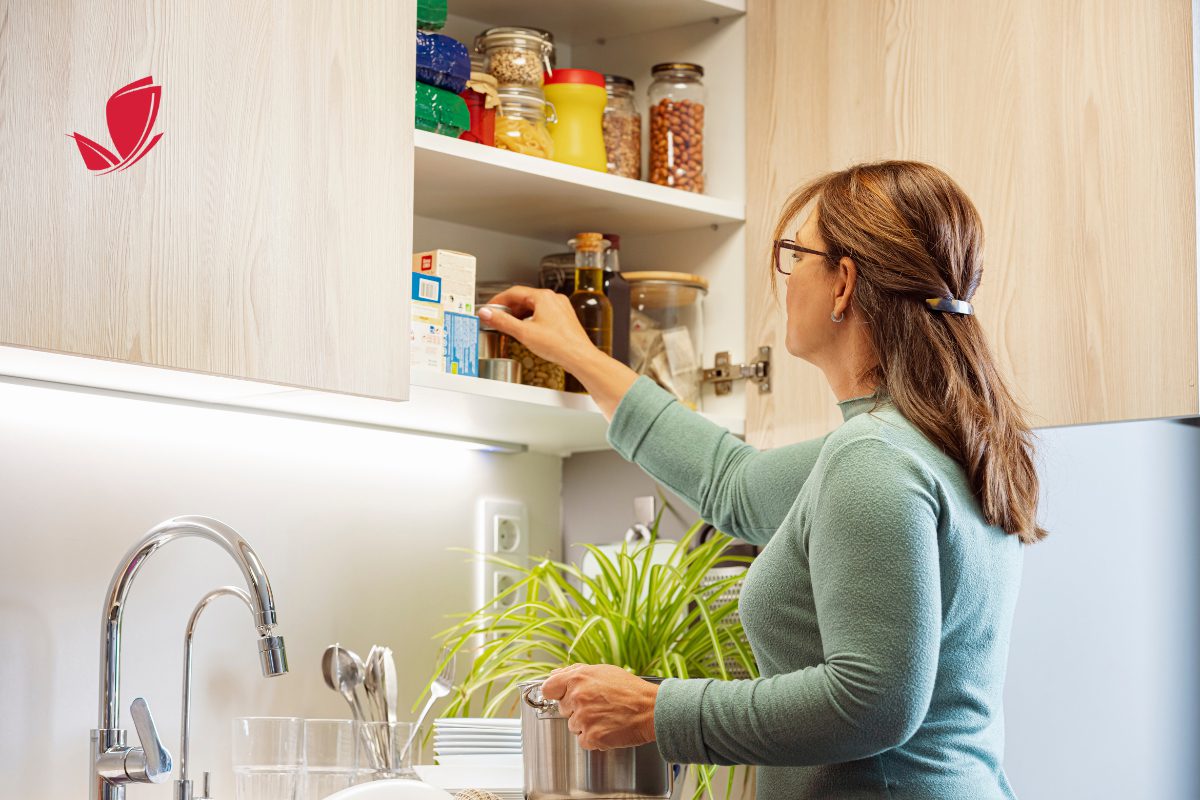
Like the start of any health journey, the decision to remove your favorite munchies can be difficult. However, clearing out your pantry will give you a blank slate to begin stocking up on delicious yet nutritious foods. During the decluttering process, take inventory of your existing expired or opened items like white flour, white and brown sugar, old seasonings and sugary cereals. If you find yourself with a significant amount of unopened nonperishables you don’t plan to use, local food pantries and drives will surely appreciate your donations. Once your cabinets are clutter-free, combine water, vinegar and a few drops of lemon essential oil into a spray bottle so you can spray and wipe down your pantry shelves. Also, consider investing in some airtight organizers to keep food fresh for items that do not already come in canisters. Organizing and storing dry items properly makes refilling and restocking a breeze, and when bags and boxes are not properly stored, you risk attracting bugs to your pantry stash!
2. Restock with These Healthy Pantry Swaps
Now that your cabinets are clean and full of extra space, it’s time to gather the right ingredients and food items to sustain a healthy lifestyle. Opting for nourishing, whole foods low in saturated fat, sugar and sodium isn’t just about staying healthy; it’s about embracing a lifestyle that helps you look and feel your very best inside and out. Classic baking, cooking and high-calorie comfort food items can easily be swapped out for more nutritional food items. Here are some common pantry items that can be exchanged for healthier options:
- Granola (no added sugar) for sugary cereals
- Provides more fiber without the extra sugar
- Plain steel-cut oats for artificially flavored oatmeal
- Reduces sugar intake
- Local sugar-free maple syrup for artificial maple syrup
- Eliminates high fructose corn syrup intake
- Reduced sodium canned vegetables and soups for regular salty canned vegetables and soups
- Decreases processed sodium intake, maintain fiber and low-calorie options
- Grain-free chips to replace potato chips
- Reduces fat, salt and carbohydrate intake
- Chickpea pasta to replace regular pasta
- Adds protein, lowers calorie consumption and reduces carbohydrates
Boosting your immune system can be simple by adding nutritional yeast to your new pantry lineup. Nutritional yeast contains essential macronutrients like Vitamin B-12, B-6 and iron, which can prevent fatigue and anemia, maintain brain development and improve immune system function. Nutritional yeast can be used as a substitute for cheese in comfort foods like mashed potatoes, risotto, scrambled eggs or sprinkled on popcorn in place of butter and salt. Rice is also a powerful food that provides delicious carbohydrates and pairs well with protein, fiber and healthy fats. While white rice is good in moderation, try stocking your pantry with brown rice or quinoa. Both have more fiber than white rice, which aids digestion and increases protein intake. For those with a sweet tooth and a knack for baking, try substituting whole wheat flour for white flour because it can provide more than four times the fiber. If you are looking for a low-carb, gluten-free option, almond and coconut flour add great flavor to recipes and have a long shelf-life. White sugar can be replaced with pure cane sugar, honey, agave or coconut sugar, all of which are natural sources of sweetness and contain more minerals, fiber and antioxidants. Rather than using potentially inflammatory vegetable or canola oils, swap for a high-quality extra virgin olive oil for flavor and refined olive oil for cooking, both of which can lower the risk of heart disease and type 2 diabetes, thanks to their compounds of Vitamin E and polyphenols. More of your healthy fats can come from nuts and seeds like cashews, almonds and pumpkin seeds. Nuts and seeds have been attributed to aiding in weight loss, specifically enhancing loss in the stomach area when eaten as part of a healthy diet. Saturated fat in nuts is very low, as they generally contain more monounsaturated and polyunsaturated fats which are absorbed very slowly in the body, helping maintain good cholesterol and lowering the risk of heart disease. These simple swaps can become permanent faves in your kitchen and help you maintain a healthy diet.
Add Probiotic and Prebiotic Foods
A healthy gut is a happy gut, and it all starts with the tiny microbes living in your digestive system. Think of probiotics as the “good guys”—beneficial bacteria that help keep your gut in balance. You can easily add more of them to your diet by eating fermented foods like yogurt with live cultures, kefir, sauerkraut, and kimchi. To keep these good bacteria thriving, you also need prebiotics, which are essentially food for your probiotics. Foods rich in prebiotic fiber include garlic, onions, bananas, and asparagus. Supporting your gut microbiome this way not only aids digestion but can also lead to clearer, more radiant skin, making it a perfect complement to any skin rejuvenation routine.
Incorporate Soothing Foods, Herbs, and Spices
If you struggle with bloating or digestive discomfort, certain foods and spices can offer natural relief. Ginger, for example, is fantastic for easing nausea, while peppermint can help relax gut muscles to reduce that tight, bloated feeling. Turmeric is a powerful anti-inflammatory that can calm irritation in your digestive tract. You can easily add these to your routine by sipping on ginger or peppermint tea, adding fresh turmeric to smoothies, or making a comforting soup with bone broth, which is known for helping heal the gut lining. Incorporating these soothing ingredients helps your digestive system run smoothly, making you feel lighter and more comfortable in your own skin.
Foods to Limit for Better Gut Health
Just as important as what you add to your diet is what you choose to limit. Highly processed foods, sugary drinks, and excessive alcohol can disrupt the delicate balance of your gut bacteria and lead to inflammation and bloating. Fried and greasy foods can also be hard on your digestive system. Cutting back on these items helps starve the “bad” bacteria and gives the beneficial microbes a chance to flourish. Making mindful choices to reduce these foods supports your overall wellness goals and can even enhance the results of treatments like body contouring by helping you maintain a healthy, stable weight and reducing systemic inflammation.
3. Make Healthy Eating Easy with Meal Prep
Meal prepping with these new pantry staples can be easy and delicious and has numerous advantages like improved nutrition, weight loss, reduced food waste and cost, emotional wellness and decreased food impulsivity. For a well-balanced diet, focus on getting protein, fiber, carbs and healthy fats in each meal. Here’s an example of a meal prep menu to give you the necessary ingredients for a balanced diet:
- Breakfast
- Fruit parfait with plain, nonfat Greek yogurt, strawberries, sugar-free granola, chopped nuts and a drizzle of honey
- Lunch
- Chicken grilled with olive oil, quinoa, red onion, tomato and a vinaigrette of choice in a whole wheat wrap
- Dinner
- Homemade burrito bowl with lean steak, garlic, black beans, brown rice, tomato, onion and lime
- Late-night Snack
- Popcorn sprinkled with some nutritional yeast
Tracking portions and calories is made simple when meal prepping. Consider purchasing a food scale to monitor your food intake because portion and calorie control can be more challenging if you’re eating until you’re full. It can also be harder to track your eating if you’re not being mindful of eating out or do not have meals prepared. Consider meal prepping this spring to take away stress and overindulgence from fast food, and give yourself a deliciously prepared and balanced meal every day!
Beyond Diet: Lifestyle’s Role in Gut Health
While what you eat is the cornerstone of gut health, it’s not the whole story. Your daily habits play a massive role in keeping your digestive system happy and balanced. Think of it as an ecosystem where diet, stress, sleep, and movement all work together. If one area is out of sync, it can affect the entire system. Focusing on your lifestyle as a whole provides a more complete approach to wellness. When you support your body with good sleep, manage stress, and stay active, you’re creating the perfect environment for a healthy gut to thrive, which in turn supports your overall health and even the appearance of your skin.
Manage Stress Through the Gut-Brain Connection
Have you ever had a “gut feeling” or felt “butterflies in your stomach?” That’s the gut-brain connection in action. Your gut and brain are in constant communication, and when you’re chronically stressed, that conversation can turn sour. This stress can disrupt your gut’s delicate balance, leading to digestive issues. To support this connection, it’s essential to build stress-management techniques into your routine. As experts note, “Chronic stress alters the gut-brain connection, so incorporate meditation, yoga, and 7–9 hours of sleep to allow the gut to repair.” Even just a few minutes of deep breathing or a gentle yoga flow can make a difference in calming your nervous system and, by extension, your gut.
Prioritize Quality Sleep for Gut Repair
Sleep is when your entire body gets to rest, repair, and reset—and your gut is no exception. While you’re sleeping, your gut has the chance to heal and regenerate. Skimping on sleep can throw your internal body clock, or circadian rhythm, completely off-kilter, which directly impacts your gut microbes. According to health experts, “Getting enough sleep that matches your body’s natural clock (circadian rhythm) is important for a healthy gut.” Aim for a consistent 7 to 9 hours of quality sleep each night. Creating a relaxing bedtime routine, like turning off screens an hour before bed and making your room cool and dark, can signal to your body that it’s time to wind down and prepare for a night of restorative rest.
Incorporate Regular Exercise
Moving your body is one of the best things you can do for your digestion. You don’t have to run a marathon to reap the benefits; moderate and consistent activity is key. “Regular exercise helps digestion and reduces inflammation,” which are two critical components of a healthy gut. A brisk walk, a bike ride, or a dance class can get things moving in your digestive tract and help promote the growth of beneficial gut bacteria. Plus, exercise is a fantastic stress reliever, which further supports that all-important gut-brain connection. It’s a win-win for your physical and mental well-being, and it perfectly complements the body-shaping results you might be seeking with treatments like body contouring.
Setting Realistic Expectations
Embarking on a journey to improve your gut health is exciting, but it’s important to be patient with yourself and the process. Just as it took time for imbalances to develop, it will take time to restore harmony. There are no magic pills or overnight fixes when it comes to long-term health. Instead, focus on making small, sustainable changes that you can stick with. Celebrating small victories along the way—like having more energy or less bloating—can keep you motivated. Remember that this is a long-term investment in your health that will pay off in how you look and feel for years to come.
How Long Does It Take to Improve Gut Health?
It’s the big question on everyone’s mind: how soon will I see results? The answer depends on your starting point and how consistent you are with your new habits. According to digestive health specialists, “You might see improvements in a few weeks if you make big changes to your diet and lifestyle. Making lasting changes to your gut health usually takes several months.” Some people notice less bloating or more regular digestion within a few weeks of cleaning up their diet. However, creating a resilient and diverse gut microbiome is a marathon, not a sprint. Be patient, stay consistent, and trust that the positive changes you’re making are building a foundation for lasting wellness.
When to See a Doctor for Digestive Issues
While lifestyle changes can work wonders for general gut health, they aren’t a substitute for professional medical advice. It’s crucial to know when your symptoms warrant a trip to the doctor. You should “see a doctor if you have ongoing or severe symptoms like unexplained weight loss, long-lasting diarrhea or constipation, blood in your stool, or severe stomach pain.” These can be signs of a more serious underlying condition that requires medical attention. For aesthetic concerns related to your body, like stubborn fat or cellulite that diet and exercise can’t seem to fix, a different kind of expert can help. You can schedule a free consultation to discuss your goals and create a personalized treatment plan that aligns with your wellness journey.
4. Need an Extra Hand on Your Wellness Journey?
If you’ve been looking for a solution to help eliminate stubborn fat in the abdomen, thighs, arms and “love handles,” consider trying LightRx’s Venus Bliss at your local clinic! This treatment can produce stunning results when paired with a proper diet and regular exercise, as it destroys and flushes out fat cells for a more contoured appearance. After shedding inches in the targeted areas, you can avoid loose skin with our body contouring technology, Venus Legacy. It effectively firms and tightens while reducing the appearance of cellulite, stretch marks, wrinkles and fine lines. Reaching your wellness goal is a journey, but we are here to support you every step of the way. By cleaning out the kitchen cabinets, adding nutritional alternatives, following smart meal preparation tips and getting some extra help from LightRx, you can successfully maintain a healthier diet and embrace a more confident you. At LightRx, we offer complimentary consultations and treatment plans that help you achieve your desired results. Schedule a consultation today and try our non-surgical solutions for a new you!
Frequently Asked Questions
I’m excited to start, but how soon will I actually feel a difference in my digestion? It’s great that you’re ready to jump in! While every person’s body is different, many people notice initial improvements like less bloating and more regular digestion within a couple of weeks of making consistent dietary changes. Think of it as a gradual process. The first positive signs show that you’re on the right track, but creating a truly resilient and balanced gut microbiome takes several months of steady effort. Be patient with yourself and celebrate the small wins along the way.
I have a serious sweet tooth. Do I have to give up all my favorite treats to improve my gut health? Not at all. The goal is progress, not perfection. Instead of trying to eliminate everything you love at once, focus on making smart swaps and adding more nutrient-dense foods to your diet. You can try replacing refined white sugar with natural alternatives like honey or pure maple syrup in your recipes. When a craving hits, reach for a piece of fruit or a square of dark chocolate. Over time, as you nourish your body with whole foods, you may find that your intense cravings for sugar naturally decrease.
Is it better to get probiotics from foods like yogurt and kimchi, or can I just take a supplement? While a probiotic supplement can be helpful for some, I always recommend a food-first approach. When you eat fermented foods like yogurt, kefir, or sauerkraut, you get beneficial bacteria plus a host of other nutrients like fiber and vitamins that work together to support your health. Food sources also provide a wider variety of bacterial strains. Think of supplements as a potential boost, but whole foods should always be the foundation of your gut-health strategy.
You mentioned gut health can affect how I look. Can you explain more about the connection between a happy gut and clearer skin or a flatter stomach? Absolutely. Your gut is like your body’s command center. When it’s out of balance, it can lead to systemic inflammation, which can show up on your skin as acne, redness, or dullness. By calming your gut, you can often calm your skin. As for your stomach, improving digestion directly reduces bloating, which can help your midsection appear flatter. This creates a fantastic foundation for any body contouring goals you may have.
If I’m improving my diet and exercising, why would I also need a treatment like body contouring? Think of diet, exercise, and aesthetic treatments as a powerful team. A healthy lifestyle is essential for your overall wellness and for managing your weight. However, diet and exercise can’t spot-reduce fat; you can’t choose where your body loses it from. Body contouring treatments are designed to target those specific, stubborn areas (like the lower abdomen or thighs) that often resist your best efforts, helping you sculpt the shape you’re working so hard for.
Key Takeaways
- Start with a pantry reset: A healthy gut begins with what you eat. Swap processed items for whole foods rich in fiber, add probiotics from sources like yogurt, and include prebiotics found in foods like garlic and bananas to nourish your digestive system.
- Support your gut beyond the kitchen: Daily habits play a huge role in digestive wellness. Manage stress to support the gut-brain connection, prioritize 7 to 9 hours of sleep for nightly repair, and incorporate regular exercise to aid digestion and reduce inflammation.
- Pair consistent habits with professional support: Sustainable changes, like meal prepping, are key for long-term success. When diet and exercise aren’t enough for stubborn areas, aesthetic treatments can complement your efforts to help you reach your body goals.