

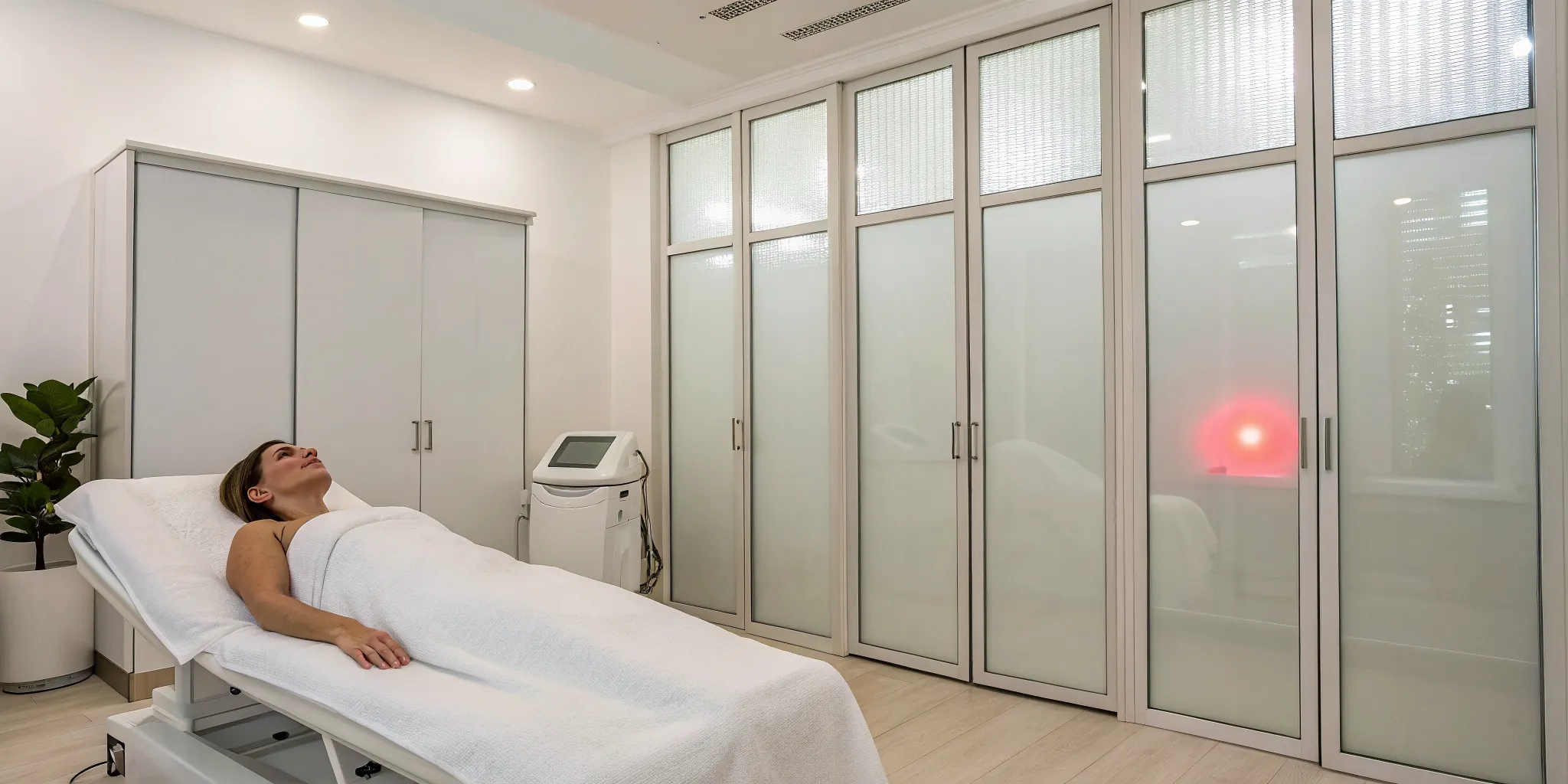
Lipolaser Side Effects: What’s Normal vs. Not?
Laser lipo is a fantastic choice for shaping your body with minimal downtime. But “minimal” doesn’t mean “zero.” Your body still needs time to heal, and knowing what to expect makes all the difference. We’re here to walk you through the most common laser lipo side effects, from temporary bruising to tenderness. Understanding these normal lipo laser side effects, including what to expect with laser belly fat removal, helps you relax during recovery. This way, you can focus on what really matters: enjoying your beautiful new contours.
Key Takeaways
- Mild Side Effects Are a Normal Part of Healing: Expect some temporary bruising, swelling, and redness after your treatment; these are common signs that your body is recovering and should fade within a couple of weeks.
- Your Provider’s Expertise Is Key to Safety: The most effective way to prevent serious risks is to choose a highly trained technician, so be sure to ask about their specific experience with laser lipo during your consultation.
- Follow Aftercare Instructions for the Best Results: Your recovery is in your hands, too. Following your provider’s advice, like wearing your compression garment and staying hydrated, is essential for a comfortable healing process and a great outcome.
What Is Laser Lipo and How Does It Really Work?
If you’ve heard the term “laser lipo,” you might picture something intense, but it’s actually a straightforward cosmetic treatment designed to target and reduce stubborn fat. Think of it as a high-tech way to refine your body’s contours. The procedure uses focused laser energy to break down fat cells in specific areas, like the abdomen, thighs, or arms. Once the laser liquefies the fat, your body’s own lymphatic system naturally processes and removes it.
This method is a popular form of body contouring because it’s precise and effective for those spots that just don’t seem to respond to diet and exercise. Unlike more invasive surgeries, laser lipo is designed to be a minimally invasive option for shaping and sculpting. It’s not a weight-loss solution, but rather a tool to help you achieve the silhouette you’ve been working toward. At LightRx, we use advanced technology to ensure the treatment is tailored to your specific goals, helping you feel more confident in your skin.
Minimally Invasive vs. Non-Invasive: What’s the Difference?
When you hear “laser lipo,” it’s important to know that the term can cover two different types of procedures: minimally invasive and non-invasive. Both use laser technology to target fat, but they work in distinct ways, which also affects the recovery process and potential side effects. Understanding the difference is the first step in choosing the right path for your body and your goals. At LightRx, we focus on providing the most advanced, clinically proven treatments, and our specialists can walk you through which option is best suited for you during a free consultation.
The Minimally Invasive Procedure
The minimally invasive version of laser lipo is a bit more involved. During this procedure, a technician makes a tiny incision in your skin to insert a laser fiber. This laser melts the targeted fat cells directly. Afterward, a small tube is used to gently suction the liquefied fat out of your body. Because it involves a small cut and the physical removal of fat, you can expect a slightly longer recovery period with some localized tenderness and bruising. However, the results are often more immediate since the fat is taken out during the treatment itself.
The Non-Invasive Procedure
With a non-invasive laser lipo treatment, there are no incisions at all. Instead, a special applicator is placed directly on your skin. The device sends controlled laser energy through your skin to heat and destroy the fat cells underneath, leaving the surrounding tissue unharmed. You might feel alternating warm and cool sensations during the session. After the treatment, your body’s lymphatic system naturally processes and eliminates the destroyed fat cells over the next several weeks. This approach is popular because it typically requires no downtime, allowing you to return to your daily activities right away.
How Many Sessions Will You Need?
The number of laser lipo sessions you’ll need is highly personalized and depends on your unique goals, the area being treated, and the type of procedure you choose. Generally, many people achieve their desired results with just one to two treatments for each targeted body part. However, this can vary. The best way to get a clear picture is through a one-on-one consultation. A skilled technician will assess your specific situation, discuss what you hope to achieve, and create a tailored body contouring plan that maps out the recommended number of sessions to get you to your goal safely and effectively.
What to Expect During Your Laser Lipo Treatment
So, what actually happens during a laser lipo session? It’s a simple in-office procedure that typically takes about an hour. First, the treatment area is numbed with a local anesthetic, so you’ll be awake and comfortable the whole time. Your technician then makes a very small incision and inserts a tiny laser fiber just beneath the skin. This laser delivers controlled energy that gently heats and melts the targeted fat cells. In some cases, the liquefied fat is suctioned out through a small tube, while in others, the body is left to clear it away naturally. The whole process is designed for precision and minimal downtime.
Laser Lipo or Traditional Lipo: What’s the Difference?
When people think of fat removal, traditional liposuction often comes to mind. However, laser lipo is quite different. The key distinction is that laser lipo is much less invasive. It requires only tiny incisions, which means less scarring and a significantly faster recovery period. Because the laser energy also helps to coagulate blood vessels as it works, there’s typically less bruising and swelling compared to the traditional method. This makes it an excellent option for targeting smaller, more delicate areas with greater accuracy. It’s a modern approach to laser fat removal that offers a favorable risk profile with effective results.
Provider Control and Predictability of Results
The final outcome of your laser lipo treatment is a team effort between you, your body, and your provider. The skill of your technician plays a huge role in how predictable and smooth your results will be. An experienced professional has a deep understanding of how to use the laser’s controlled energy to precisely target and melt fat cells, essentially sculpting the treatment area. This level of control is what helps create the refined contours you’re looking for. The predictability of the outcome is directly tied to your provider’s expertise and the quality of the technology they use. That’s why it’s so important to choose a clinic where technicians are highly trained in advanced body contouring techniques, ensuring you get consistent, beautiful results.
What Are the Most Common Laser Lipo Side Effects?
One of the biggest draws of laser lipo is that it’s a minimally invasive procedure with a much smoother recovery than traditional surgery. Still, it’s helpful to know what to expect as your body heals. The most common side effects are typically mild, temporary, and a normal part of the recovery process. Think of them as signs that your body is responding to the treatment and beginning to contour your new shape.
Most of these effects resolve on their own within a few days to a couple of weeks. Your experience will depend on your individual healing process and the area you had treated. Knowing what’s normal can give you peace of mind and help you focus on your recovery and exciting results. Below, we’ll walk through the most common reactions so you can feel fully prepared for your post-treatment journey.
Expect Some Bruising and Swelling
It’s completely normal to see some bruising and swelling in the treated area after your session. This is your body’s natural inflammatory response kicking in to heal the tissue. The level of bruising and swelling can vary from person to person, but it’s generally mild and looks similar to a standard bruise you might get from a bump. Most of this subsides within the first week or two as your body adjusts. Following your aftercare instructions, like wearing a compression garment as advised, is key. This simple step can help manage swelling and support a quicker, more comfortable recovery.
Why Your Skin Might Feel Red and Sensitive
You might notice that the skin in the treated area looks red and feels warm to the touch, almost like a mild sunburn. This is a direct result of the thermal energy from the laser and is a very common reaction. The area may also feel a bit tender or sensitive for a short time, which is perfectly normal. This redness and warmth typically fade within a few hours to a couple of days after your procedure. It’s a temporary response as your skin calms down post-treatment, so there’s no need for concern. Just be gentle with the area.
Is Temporary Numbness Normal?
Some people experience a temporary feeling of numbness or a “pins and needles” sensation in the skin around the treated area. The heat generated by the laser can temporarily affect the superficial nerve endings in your skin, leading to these altered sensations. Don’t worry, this is almost always temporary and is a known side effect. As the area heals over the following days and weeks, your normal sensation will gradually return. It’s just another sign that your body is recovering from the inside out and adapting to its new contours. Patience is key here as your nerves recalibrate.
How Long Can Numbness Last?
So, how long should you expect this numbness to stick around? While it varies for everyone, most people find that normal sensation starts to return within a few days to a few weeks. Think of it as your body’s internal wiring doing a soft reboot. The nerve endings just need a little time to recover from the heat and settle back into their routine. Patience is your best friend during this phase of recovery from your laser lipo treatment. As the swelling goes down and the tissues heal, you’ll notice the sensation gradually coming back. It’s a positive sign that your body is healing beautifully.
Understanding Minor Skin Discoloration
Along with some bruising, you might see some minor, temporary skin discoloration or patchiness as your body heals. This can happen as the body works to process and eliminate the treated fat cells through its natural lymphatic system. This is different from more significant skin irregularities and typically evens out on its own as the swelling goes down and your final results begin to appear. Consistent aftercare and staying hydrated can help your body’s natural processes work efficiently, resolving these minor changes smoothly and revealing your beautiful, even-toned skin underneath. It’s a temporary phase in your transformation.
Beyond the Basics: Rare but Serious Laser Lipo Risks
While laser lipo is an FDA-cleared and widely trusted procedure, it’s smart to be aware of all potential outcomes, including the less common ones. Understanding the full picture helps you make a confident and informed decision about your treatment plan. The most significant factor in preventing serious complications is the skill and experience of your provider. Choosing a reputable medical spa with highly trained technicians who use advanced, well-maintained technology is the best way to protect your health and ensure a great result.
Serious risks are very uncommon, but they can include thermal burns, infection, lasting nerve damage, or uneven skin texture. These issues are often linked to improper technique or outdated equipment. During your free consultation, we’ll discuss your health history and any personal risk factors to make sure you are an ideal candidate for the procedure. Our goal is to provide a safe, comfortable experience that delivers the beautiful, natural-looking results you want.
Does Laser Lipo Cause Cancer?
Let’s tackle a big question that sometimes comes up: does laser lipo cause cancer? It’s a valid concern anytime you’re considering a new treatment, but I want to put your mind at ease. The short answer is no. The technology used in laser lipo is designed to deliver controlled thermal energy specifically to fat cells, causing them to break down. It doesn’t use the kind of ionizing radiation associated with cancer risk, like UV rays or X-rays. In fact, according to medical experts, there is no scientific proof that this procedure causes cancer. Choosing an FDA-cleared treatment performed by a qualified professional ensures the technology is being used safely and effectively, targeting only the fat you want to get rid of.
Understanding Seromas and Hematomas
You might come across the terms “seroma” and “hematoma” when researching laser lipo, so let’s clarify what they are. A hematoma is essentially a collection of blood under the skin, like a more significant bruise, while a seroma is a pocket of clear fluid that can sometimes accumulate. While these sound a bit intimidating, it’s important to know that they are considered rare occurrences with minimally invasive procedures like laser lipo. According to the Cleveland Clinic, these fluid collections can form in some instances but are not a common outcome. This is another reason why following your aftercare plan is so crucial. Wearing your compression garment and allowing your body adequate time to rest helps minimize swelling and fluid buildup, significantly reducing the risk of these issues.
How to Avoid Skin Burns from Laser Lipo
A common question is whether the laser’s heat can cause burns. It’s a valid concern. The technology is specifically designed to target and liquefy fat cells while leaving surrounding tissues, like skin and muscle, unharmed. However, in the hands of an inexperienced technician, there is a small risk of the laser’s thermal energy causing a burn on the skin or underlying tissue. This happens when the heat isn’t managed correctly during the procedure. Our technicians at LightRx are rigorously trained in precise energy delivery to keep your skin safe while effectively treating fat cells, ensuring your body contouring treatment is both successful and secure.
Minimizing Your Risk of Infection
Because some forms of laser lipo involve tiny incisions, there is a slight risk of infection. This is true for any procedure that creates an opening in the skin. We minimize this risk by performing all treatments in a completely sterile environment and following strict safety protocols. After your session, following your aftercare instructions is crucial for preventing infection. We’ll provide you with clear, simple guidelines on how to keep the area clean and protected as it heals. Proper care at home is your best defense against this rare complication, helping you achieve a smooth and worry-free recovery.
What About Nerve Damage or Lasting Numbness?
It’s normal to experience some temporary numbness in the treated area as it heals, but this feeling typically fades within a few weeks. In very rare instances, a nerve can be irritated or damaged during the procedure, which could lead to prolonged or even lasting changes in sensation. An expert provider understands the body’s anatomy and knows how to work safely around major nerves. Their precise technique is essential for protecting nerve tissue while targeting unwanted fat. This is why choosing a provider with extensive experience in laser fat removal is so important for your long-term safety and results.
Preventing Lumps, Bumps, and Uneven Skin
The goal of laser lipo is to create a smoother, more refined body shape. However, if the fat isn’t removed evenly, it can sometimes result in a lumpy or wavy appearance on the skin’s surface. This risk is higher when the treatment is performed too close to the skin. Achieving a sleek, uniform result requires artistry and a deep understanding of how to sculpt the body. A skilled technician uses a meticulous, layered approach to fat removal, ensuring the final contour is balanced and natural. This attention to detail is key to avoiding irregularities and getting the smooth outcome you envision.
What Is the “Cobblestone” Effect?
The “cobblestone” effect is a term for the lumpy, dimpled texture that can sometimes appear on the skin after a lipo procedure. Just imagine the surface of a cobblestone street—that’s the look it describes. This irregularity happens when fat isn’t removed uniformly during the treatment, creating high and low spots beneath the skin. While the goal of laser lipo is to achieve a smooth, sleek contour, this unwanted texture can occur if the procedure is performed too aggressively or too close to the skin’s surface. This is exactly why your technician’s skill is so critical. A trained expert knows how to remove fat evenly, preventing this from happening and ensuring your final result is beautifully smooth, not bumpy.
How Much Pain Should You Expect with Laser Lipo?
It’s completely normal to wonder about pain when considering any new treatment. The good news is that laser lipo is designed to be a much more comfortable experience than traditional liposuction. Because it’s minimally invasive, the process and recovery are generally smooth. Most people find the procedure very tolerable and the recovery period quick. Your comfort is a top priority, and the technology is built to minimize discomfort while delivering effective results. Let’s break down what you can realistically expect to feel during and after your session.
What Does Laser Lipo Feel Like?
During the laser lipo treatment, you can expect to feel a gentle warming or tingling sensation in the targeted area. This is the laser energy working to liquefy the fat cells beneath your skin. Before the procedure begins, a local anesthetic is applied to numb the area, ensuring you remain comfortable from start to finish. Unlike surgical procedures that require general anesthesia, you’ll be awake and aware. Most clients describe the feeling as unusual but not painful. The goal is to make the experience as relaxed as possible while the advanced technology does its work to contour your body.
Your Recovery Timeline: Day by Day
After your session, it’s common to experience some mild soreness and tenderness in the treated area. Many people compare this feeling to the muscle soreness you’d have after a good workout. This is a normal part of your body’s healing process. You might also see some minor swelling or bruising, which typically subsides within a few days. The recovery for laser lipo is remarkably fast. Most people are able to return to their normal daily activities within a day or two, making it a convenient option for those with busy schedules.
When to Expect Final Results
It’s completely understandable to want to see your new, sculpted contours right after your treatment. However, patience is your best friend during this phase. Your final results will appear gradually as your body heals and processes the treated fat cells. For the first couple of weeks, swelling and bruising will hide the initial changes. Behind the scenes, your body’s lymphatic system is working hard to naturally flush out the liquefied fat. You’ll start to notice improvements as the swelling subsides, but the full, final outcome of your laser lipo treatment typically becomes visible over the next three to six months. This gradual transformation is what helps the results look so natural, and the added benefit of collagen stimulation can also improve skin tightening in the area.
Simple Ways to Manage Post-Treatment Discomfort
Following your aftercare instructions is the best way to ensure a smooth and comfortable recovery. Your technician will provide a personalized plan, but some general tips can help. Wearing a compression garment is often recommended to reduce swelling and support the healing tissues. Staying well-hydrated by drinking plenty of water also aids the recovery process. If you feel any soreness, over-the-counter pain relievers are usually sufficient, but always follow your provider’s specific advice. Following these simple steps will help you feel your best and see great results from your body contouring treatment.
What Increases Your Risk of Laser Lipo Side Effects?
While laser lipo is a safe and effective treatment for many people, it’s not a one-size-fits-all solution. A few key factors can influence your personal experience, including the likelihood and severity of side effects. Understanding these variables helps you prepare for your treatment and have a more open conversation with your provider about what to expect. Your health history, skin characteristics, and even the technician you choose all play a role in your final results and recovery. By being aware of these elements, you can take an active part in making your laser lipo journey as smooth and successful as possible.
How Your Health History Affects Your Risk
Your overall health is a major factor in how your body responds to any aesthetic treatment. Certain pre-existing medical conditions, especially those affecting your skin or circulation, can increase the risk of side effects. According to the Cleveland Clinic, it’s important to discuss your full medical history with a professional to minimize any potential risks. This is why a thorough consultation is so critical. Being upfront about everything, from skin sensitivities to chronic illnesses, allows your provider to create a safe and effective treatment plan tailored just for you. It’s the best way to ensure you’re a good candidate for the procedure and that your health is the top priority.
Health Conditions to Discuss with Your Provider
Your provider needs the full picture of your health to keep you safe and ensure you get the best possible results. This includes everything from autoimmune disorders and circulatory problems to any medications you’re taking or even a history of keloid scarring. As the Cleveland Clinic notes, discussing your complete medical history is essential for minimizing risks. This transparency allows your technician to customize the treatment settings and confirm that laser lipo is truly the right choice for you. It’s all about creating a personalized plan that puts your safety and results first, which is exactly what we focus on during your free consultation.
Why Pregnancy and Nursing Are Contraindications
Laser lipo is not for individuals who are pregnant, trying to become pregnant, or breastfeeding. This is a standard safety protocol across the industry, and as the Cleveland Clinic states, pregnant women should not undergo the procedure. The primary reason is simple: the effects of the laser energy on a developing fetus or a nursing baby have not been studied, and no reputable provider would ever risk it. Your body also undergoes significant hormonal shifts during this time, which can affect healing and treatment outcomes. The best course of action is to wait until after you’ve finished nursing to consider body contouring treatments. Your health and your baby’s health are the top priority.
Does Your Skin Type or Treatment Area Matter?
Everyone’s body is unique, and your skin type and the specific area you’re treating can affect your recovery. Some people are naturally more prone to bruising or swelling, and these reactions can vary depending on the treatment zone. For example, an area with thinner skin might show more redness or sensitivity immediately after the procedure compared to an area with more fatty tissue. This is completely normal. An experienced technician will assess your skin and the treatment area to anticipate how your body might react, adjusting the procedure as needed to ensure your comfort and safety while still achieving great results.
Considering Skin Laxity Before Treatment
Let’s talk about skin elasticity, or what professionals call “skin laxity.” This is a crucial piece of the puzzle when planning your laser lipo treatment. Think about it: when you remove the fat that’s been supporting the skin, you want the skin to bounce back and create a smooth, firm contour. If your skin has lost some of its natural elasticity due to age, genetics, or significant weight changes, it might not retract as tightly on its own. An experienced technician will evaluate your skin’s condition during your consultation. They can determine if laser lipo alone will give you the sleek results you want, or if pairing it with a skin tightening treatment would be a better approach to ensure a beautifully smooth and natural-looking outcome.
Why Choosing the Right Provider Is Everything
The skill and expertise of your provider are arguably the most important factors in minimizing risks. Choosing a highly experienced, certified technician is crucial for both your safety and the quality of your results. An expert knows how to handle the advanced technology properly, reducing the chances of issues like skin burns or uneven contours. They can also accurately assess your candidacy and set realistic expectations. Make sure the facility is clean, professional, and uses FDA-cleared equipment. Asking about your provider’s credentials and their experience with body contouring treatments will give you the confidence that you’re in capable hands.
How to Minimize Laser Lipo Side Effects
While laser lipo is known for its minimal downtime, you play a huge role in making your recovery as smooth as possible. Taking a few proactive steps before and after your treatment can make a world of difference in your comfort, healing, and final results. Think of it as a partnership between you and your provider. Your technician handles the expert treatment, and you handle the self-care that helps your body heal beautifully.
Following a solid aftercare plan helps manage common side effects like swelling and bruising, allowing you to get back to your routine more quickly and see your new contours sooner. Your provider will give you a detailed list of instructions tailored specifically to you, but understanding the general game plan ahead of time can help you feel prepared and confident. From the initial consultation to your post-treatment care, every step is designed to give you the best and safest outcome.
Your Pre-Treatment Checklist
Your journey to a great result starts before you even set foot in the treatment room. The most important first step is having an open and honest conversation with your provider during your consultation. Be ready to discuss your full medical history, including any skin conditions or circulation issues you might have. This information helps your technician tailor the laser lipo treatment to your specific needs and minimize any potential risks. It’s also the perfect time to ask questions and get a clear picture of what to expect. Your provider may also advise you to avoid certain medications, like aspirin, that can increase bruising.
The Importance of Quitting Smoking Before Treatment
If you’re a smoker, one of the most impactful steps you can take for a successful outcome is to quit before your treatment. Smoking significantly impairs your body’s circulation by constricting blood vessels, which is a crucial detail to consider. According to the American Society of Plastic Surgeons, good blood flow is essential for healing. When circulation is poor, it can slow down your recovery, increase the risk of infection, and even compromise your final results. Being honest about your smoking habits during your consultation allows your provider to create the safest plan for you, which will likely include stopping smoking for a specific period before and after your procedure to ensure your body can heal efficiently.
Follow These Aftercare Tips for Best Results
After your session, your provider will give you a set of personalized aftercare instructions. Following these guidelines is crucial for proper healing and achieving the best possible results. This plan will likely include wearing a compression garment, staying well-hydrated, and taking any recommended medications to manage discomfort. It’s also important to give your body time to rest and recover. While you can typically return to daily activities quickly, you’ll want to hold off on strenuous exercise for a short period. Listening to your body and your provider’s advice is the surest way to a smooth and speedy recovery.
Protecting Your Skin from the Sun Post-Treatment
After your treatment, think of your skin as needing a little extra TLC. It’s common for the treated area to feel warm and appear slightly red, similar to a mild sunburn. This is just a temporary reaction to the laser’s thermal energy and a sign that your body is starting its healing process. To protect this sensitive skin, it’s best to avoid direct sun exposure for a couple of weeks. Sun exposure can increase irritation and potentially lead to hyperpigmentation on the healing tissue. If you can’t keep the area covered with clothing, be diligent about applying a broad-spectrum SPF 30 or higher. Protecting your skin is a simple but vital step in your aftercare, ensuring your skin rejuvenation results are as even and beautiful as possible.
Guidelines for Returning to Strenuous Exercise
I know you’re probably eager to get back to your fitness routine, but it’s important to give your body the time it needs to heal properly. You can expect some mild soreness, much like the feeling after a tough workout, which is completely normal. While you can usually return to daily activities and light walking within a day or two, you should hold off on strenuous exercise for at least a week, or until your provider gives you the go-ahead. Jumping back into intense workouts too soon can increase swelling and bruising, potentially delaying your recovery. Listen to your body and ease back into your routine gradually. This patience will pay off, supporting a smooth recovery and helping you enjoy your new body contouring results even sooner.
Compression Garments and Other Tips for a Quick Recovery
You’ll likely be asked to wear a compression garment over the treated area for a specific period. While it might not be the most fashionable accessory, it’s incredibly important. These garments help reduce swelling and bruising by applying gentle, even pressure, which also supports the healing tissues. Another key tip is to drink plenty of water. Staying hydrated is essential for helping your lymphatic system flush out the fat cells that were treated during the procedure. Pairing these steps with a healthy diet will support your body’s natural healing process and help you enjoy your body contouring results even sooner.
A Note on Fluid Drainage After Minimally Invasive Lipo
Let’s touch on something you might hear about: fluid drainage. While it sounds a bit clinical, it’s a completely normal and even helpful part of the healing process for some minimally invasive lipo procedures. This fluid is often a combination of the numbing solution used during treatment and your body’s natural inflammatory response. As your lymphatic system gets to work flushing out the liquefied fat cells, this excess fluid is also processed and removed. This is why staying hydrated is so important—it helps your body’s natural systems perform the essential work of laser fat removal efficiently. Following your aftercare, especially wearing your compression garment, will also help manage this process, ensuring your recovery is as smooth and quick as possible.
When Should You Call Your Doctor About Side Effects?
After any treatment, it’s completely normal to pay close attention to how your body is feeling. The key is knowing which sensations are a standard part of the healing process and which ones might signal a need to check in with your provider. Understanding this difference will help you feel confident and in control during your recovery. While serious complications are rare, being informed is the best way to ensure your experience is smooth and successful from start to finish.
How to Tell Normal Healing from a Problem
It’s important to remember that your body is adjusting after your laser lipo treatment. You can expect some mild, temporary reactions in the treated area. Things like bruising, swelling, redness, and some tenderness are all common signs that your body is healing itself. You might also notice a bit of numbness or a tingling sensation, which typically fades over a few days. Most people feel ready to return to their daily routine within a day or two. While some soreness might linger, these symptoms are generally mild and should improve each day.
Red Flags: When to Seek Help Immediately
While the vast majority of recoveries are straightforward, you should contact your provider immediately if you notice anything unusual. Pay close attention to signs of a potential infection, such as fluid or discharge from the treatment area, excessive bleeding, or severe pain that isn’t managed by recommended methods. Other red flags include significant swelling that gets worse instead of better or any blistering on the skin. These issues are very rare, especially when you’re in the hands of an experienced professional, but it’s always best to be cautious. Your provider is your partner in this process, so never hesitate to reach out with concerns.
How Do Laser Lipo Side Effects Compare to Other Treatments?
When you’re exploring options for fat reduction, it helps to see where each treatment falls on the spectrum from non-invasive to surgical. Laser lipo sits in a unique middle ground, offering significant results without the intensity of traditional surgery. Understanding how its side effects stack up against other popular methods can give you a clearer picture of what to expect and help you decide which path is the right one for your body and your goals.
The recovery from laser fat removal is typically much quicker and more comfortable than surgical procedures, but it might involve a little more downtime than a completely non-invasive treatment. It’s all about finding the right balance between the results you want and the recovery process you’re comfortable with. Let’s break down the key differences so you can feel confident in your choice.
What Are the Side Effects of Traditional Lipo?
Laser lipo is often compared to traditional liposuction, but it’s important to know they are very different procedures. Traditional liposuction is a more invasive surgery that involves larger incisions and more aggressive fat removal. Because of this, it comes with a longer list of potential side effects, including significant recovery time, extensive bruising, and prolonged swelling.
The risks of complications like infection, scarring, and fluid or blood collections under the skin are also higher with surgical liposuction. In contrast, laser lipo is a minimally invasive technique designed to be gentler on the body, leading to a smoother and faster recovery with fewer potential complications.
Are Non-Invasive Alternatives Any Safer?
On the other end of the spectrum are completely non-invasive body contouring treatments. These procedures typically have the mildest and most fleeting side effects, such as temporary redness, minor swelling, or tenderness in the treated area that usually resolves within hours or a few days.
While laser lipo’s side effects are still considered minor, they can be slightly more pronounced than those from non-invasive methods. You might experience bruising or numbness that lasts a bit longer. The trade-off is that laser lipo can often produce more noticeable and immediate results, making it an excellent option for those who want a powerful treatment without the downtime of surgery.
What to Ask Your Provider Before Your Laser Lipo Treatment
Your consultation is more than just an appointment; it’s a two-way interview. This is your chance to get comfortable with your provider and ensure you have all the information you need to feel confident about your treatment plan. A great provider will welcome your questions and give you clear, honest answers. To get the most out of this conversation, come prepared with a list of questions covering their experience, your personal health factors, and what you can realistically expect from the procedure. This dialogue is the foundation for a safe and successful experience with any of our aesthetic treatments. It helps build trust and ensures that both you and your provider are on the same page about your goals and the path to achieving them. Think of this meeting as your opportunity to gather all the facts, so you can make an informed decision that feels right for you. A thorough consultation sets the stage for your entire treatment journey, from the procedure itself to your recovery and final results. It’s about creating a partnership built on transparency and shared goals. Feeling prepared for this discussion is the first step toward a positive outcome, so let’s break down exactly what you should be asking.
Ask About Their Credentials and Experience
First things first, you want to know you’re in capable hands. Don’t be shy about asking about your provider’s background and specific experience with laser lipo. A technician who has performed this procedure many times will understand the nuances of the technology and how to achieve the best results safely.
Come to your consultation ready to ask:
- How many laser lipo treatments have you performed?
- What is your training and certification with this specific device?
- Can I see before-and-after photos of your previous clients with similar body types?
An experienced professional will have a portfolio ready and will be happy to walk you through their qualifications, ensuring you feel secure in their care.
Be Open About Your Health and Medical History
Your health history is a key piece of the puzzle. To create a safe and effective treatment plan, your provider needs the full picture. Be prepared to openly discuss your medical background, including any skin conditions, circulation issues, allergies, or medications you are currently taking. This information allows your provider to identify any potential risks and customize the laser lipo procedure to your specific needs. Think of it as a partnership. Your honesty helps your technician minimize risks and tailor the treatment to give you the best possible outcome, ensuring your safety and satisfaction are the top priorities.
What Kind of Results Can You Realistically Expect?
Understanding what laser lipo can and cannot do is crucial for being happy with your final look. This treatment is fantastic for targeting stubborn pockets of fat and refining your shape, but it’s not a weight-loss method. Use your consultation to align your goals with what the procedure can deliver.
Ask specific questions like:
- Based on my body and goals, what results can I realistically expect?
- How many sessions do you think I will need?
- What will my recovery look like?
A good provider will give you a straightforward assessment and help you visualize the outcome. This ensures you go into your body contouring journey with clear, achievable expectations.
Addressing Significant Loose Skin: Other Options to Consider
One important aspect to discuss during your consultation is skin elasticity. While the thermal energy used in laser lipo can provide a subtle firming effect, its main job is to reduce fat, not dramatically tighten skin. If you have existing skin laxity or are concerned about loose skin after the fat is gone, it’s a good idea to explore other options. For a truly smooth and firm result, you might consider pairing your treatment with dedicated skin tightening treatments. These procedures are specifically designed to boost collagen and improve your skin’s firmness, creating a comprehensive plan that addresses both fat and skin for a complete transformation.
Making an Informed Decision About Laser Lipo
Deciding on a cosmetic treatment like laser lipo is a big step, and it’s smart to weigh the benefits against any potential side effects. The good news is that laser lipo is widely considered a safe and effective way to target stubborn fat and contour your body. One of the biggest draws for many people is the minimal downtime. According to the Cleveland Clinic, most people can get back to their normal activities within a few days, which is a major advantage if you have a busy schedule. This quick recovery makes it a practical choice for achieving your body goals without a long interruption to your life.
However, the single most important factor for a safe procedure and beautiful results is the person performing it. Choosing a qualified, experienced professional is non-negotiable. A true expert will conduct a thorough consultation, review your medical history, and discuss any personal risk factors to ensure you’re a good candidate. This conversation is key to minimizing risks and setting you up for a smooth experience. This is why we always start with a free personal consultation to create a treatment plan that’s right for you.
Understanding how the treatment works can also help you feel more at ease. Laser lipo uses targeted laser energy to gently liquefy fat cells, making them easy to remove. This advanced laser technology allows for precise fat removal in specific areas, helping you achieve a slimmer, more sculpted appearance. By doing your homework and selecting a provider you trust, you can feel great about your decision and get excited about the results ahead.
Related Articles
- Lipo Laser Near Me: Cost, Results & How to Choose
- What Is Laser Light Lipo? A Complete Guide
- Laser Lipo: A Complete Guide to How It Works
Frequently Asked Questions
How is laser lipo different from traditional liposuction? Think of laser lipo as a modern, refined approach to fat reduction. The main difference is that it’s minimally invasive. While traditional liposuction is a surgery that physically removes fat, laser lipo uses targeted heat to liquefy fat cells, which your body then clears away naturally. This means smaller incisions, less trauma to the surrounding tissue, and a much faster, more comfortable recovery period.
How long does it take to recover from laser lipo? The recovery is one of the best parts. Most people are back to their regular daily activities within a day or two. You can expect some mild soreness, similar to what you’d feel after a workout, along with some swelling and bruising. These effects are temporary and typically fade within a couple of weeks. Following your personalized aftercare plan is the key to a quick and smooth healing process.
Is the fat removal from laser lipo permanent? Yes, the fat cells that are treated during the procedure are permanently removed from your body. However, it’s important to remember that this isn’t a free pass. The remaining fat cells in your body can still grow if you gain weight. To maintain your new contours long-term, it’s best to stick with a stable, healthy lifestyle.
Will I have scars after the procedure? Because the procedure only requires a very tiny opening to insert the laser fiber, any resulting marks are incredibly small. They are typically so minor that they fade over time and become barely noticeable, if at all. This is a huge advantage compared to the more significant scarring often associated with traditional surgical methods.
Who is the ideal candidate for laser lipo? Laser lipo is best for people who are already near their target weight but struggle with specific pockets of stubborn fat that won’t budge with diet and exercise. It’s not a weight-loss solution, but rather a body contouring tool designed to fine-tune your shape. The ideal candidate is in good overall health and has realistic expectations about achieving a smoother, more refined silhouette.


