
How Much Does Botox Cost? A Complete Price Guide
It can be tempting to look for the lowest price when considering a cosmetic treatment. But when it comes to Botox, the real value isn’t found in a bargain. You’re investing in your safety, your appearance, and the expertise of the person performing the treatment. The skill of your provider is the single most important factor in achieving beautiful, natural-looking results. Understanding how their experience and training contribute to the overall Botox cost is key to making a smart decision. We’ll explore why paying for expertise is so important and how to find a qualified provider who delivers results worth the investment.
Planning for Botox is about more than just your first appointment; it’s about creating a sustainable part of your self-care routine. Since the results are temporary, understanding the ongoing botox cost is key to maintaining your look without any financial stress. Budgeting becomes simple when you know what to expect. From your initial treatment to follow-up sessions every few months, having a clear financial plan makes the process feel manageable and empowering. We will walk through how to anticipate your expenses, explore flexible payment options, and create a personalized budget that works for you and your aesthetic goals.
Key Takeaways
- Your final cost is unique to you: The price of Botox depends on the number of units required for your specific goals, the complexity of the treatment area, and your provider’s expertise.
- Prioritize expertise for the best results: Your provider’s skill is the most critical factor, so verify their credentials and confirm they use authentic, FDA-approved products to ensure your safety and achieve a natural look.
- Make Botox fit your budget with smart planning: Look for new patient specials, ask about membership programs to save on recurring treatments, and plan for follow-up appointments every three to four months to maintain your results.
First Things First: What Is Botox and How Does It Work?
If you’re curious about smoothing out fine lines and wrinkles, you’ve likely heard of Botox. It’s one of the most popular and trusted cosmetic treatments available, and for good reason. At its core, Botox is a brand name for a purified protein called Botulinum toxin. When administered by a trained professional, it works by temporarily relaxing the specific facial muscles that cause wrinkles from repeated expressions like smiling, frowning, or squinting. Think of it as pressing pause on the muscle movements that create crow’s feet, forehead lines, and the “11s” between your brows, giving your skin a chance to smooth out.
The goal isn’t to freeze your face or make you look unnatural. A skilled practitioner targets only the tiny muscles responsible for creating unwanted lines, leaving you with a refreshed and well-rested appearance. It’s an FDA-approved treatment with a long history of safety and effectiveness, making it a reliable choice for anyone looking to address the signs of aging. The key is a personalized approach that respects your natural facial structure, ensuring the results enhance your features rather than change them. This is why starting with a professional consultation is so important to map out a plan that aligns with your aesthetic goals.
The Science Behind the Smooth
Let’s get into how Botox actually achieves that smooth finish. The treatment uses a neurotoxin derived from a bacterium known as Clostridium botulinum. While “toxin” might sound intimidating, the product used for cosmetic purposes is highly purified, regulated, and administered in extremely small, precise doses. It works by blocking the nerve signals to the targeted muscles, preventing them from contracting. When the muscle can’t contract, the overlying skin relaxes and softens. This process is highly specific, affecting only the areas treated, which is how an expert can smooth your forehead lines without affecting your ability to raise your eyebrows naturally.
A Brief History of Botox
Interestingly, Botox wasn’t originally developed for cosmetic use. It began its journey in the medical field to treat conditions like muscle spasms and crossed eyes. Doctors noticed a welcome side effect in their patients: the skin around the treated areas became smoother, and wrinkles faded. This discovery paved the way for its cosmetic application, and after extensive research and clinical trials, it was approved by the FDA for treating frown lines. Since then, it has become a household name in aesthetics, trusted by millions for its predictable and effective results in creating a more youthful appearance.
What to Expect During and After Your Treatment
Knowing what the process involves can make your first treatment feel much more comfortable. The entire experience is designed to be straightforward and fit easily into your schedule. From the quick injection process to the gradual appearance of results, understanding the timeline helps you plan accordingly and appreciate the subtle transformation. It’s also important to have a clear picture of how long the effects last so you can decide on a maintenance schedule that works for you. This ensures you can consistently enjoy your refreshed look without any surprises along the way.
The Treatment Process
A typical Botox appointment is surprisingly quick, often lasting only about 10 to 15 minutes. Your journey will start with a free consultation where a licensed medical professional discusses your goals and analyzes your facial anatomy to determine the precise injection points. During the treatment itself, your provider will use a very fine needle to administer the Botox into the targeted muscles. Most people report feeling only a tiny pinch, and discomfort is minimal. There’s no downtime required, so you can immediately return to your daily activities, making it a true “lunchtime” procedure.
When Will You See Results?
Patience is key, but you won’t have to wait long. While some people start to notice a subtle softening of their lines within 24 to 48 hours, the full effect of your Botox treatment will typically become visible within 7 to 14 days. As the product settles and the targeted muscles fully relax, you’ll see a gradual smoothing of the treated area. This phased onset helps the results look natural and seamless, as if you’re simply looking more rested and refreshed each day. Your provider will usually schedule a follow-up appointment to assess your results and make any necessary touch-ups.
Long-Term Use and Effects
Botox provides a temporary solution, with results generally lasting between three to four months. As the effects wear off, the nerve signals will reconnect with the muscles, and their movement will gradually return. To maintain your smooth, youthful look, you’ll need to schedule follow-up treatments. Many people find that consistent treatments can also have a preventative benefit, as the relaxed muscles are less likely to etch deeper lines into the skin over time. Planning for regular appointments is easy, and options like membership programs can make ongoing treatments more affordable and convenient.
What’s the Real Botox Really Cost?
When you’re considering Botox, one of the first questions you probably have is about the price. The truth is, there’s no single, simple answer. The final cost of your treatment is tailored to you, your goals, and a few other key factors. Think of it less like buying a product off the shelf and more like investing in a personalized service. Understanding how providers calculate the price will help you know what to expect and plan for your aesthetic goals. Let’s break down the main components that determine what you’ll pay for your treatment.
Understanding the National Average Cost
So, what’s the ballpark figure? Nationally, Botox pricing can be a bit of a moving target, but it generally falls somewhere between $10 and $30 per unit. According to Facial Aesthetics, a typical treatment for common areas like forehead lines or crow’s feet might use between 20 and 40 units, putting the total cost for a session anywhere from $325 to $600. Of course, this can shift based on where you live—you might see higher per-unit prices in major cities. The number of units you’ll need is completely personalized, depending on the area you’re treating and your desired results. This is why a professional consultation is so important; it gives you a precise quote tailored just for you.
Will Insurance Cover Botox?
This is a question I hear all the time, and it’s an important one for budgeting. The short answer is that health insurance almost never covers Botox when it’s for cosmetic purposes. As Dermacare points out, these treatments are considered elective, so you should plan for the cost to be out-of-pocket. While Botox is sometimes used for medical conditions and may be covered in those specific cases, its use for smoothing wrinkles falls squarely in the cosmetic category. The best approach is to assume insurance won’t be part of the equation and explore other options, like payment plans or membership programs, which can make the treatments more affordable.
How Botox is Priced Per Unit
The most common way Botox is priced is by the unit. A “unit” is simply a measure of the amount of product used. On average, you can expect the cost to be somewhere between $10 and $25 per unit, with a single session typically costing between $300 and $600. The exact price per unit often depends on the provider’s experience. This pricing model is great for you because it ensures you only pay for exactly what you need to achieve smooth, natural-looking results without over-treating.
Per-Unit vs. Per-Area Pricing
While most medspas charge by the unit, you might also come across per-area pricing. This is a flat-rate model where you pay a set price for a specific zone, like your forehead or the crow’s feet around your eyes. This can seem simpler for budgeting, but it’s not always the most personalized approach. Since everyone’s facial anatomy and goals are different, a flat rate might not accurately reflect the amount of Botox you actually need. You could end up paying for more than necessary or not getting enough for the results you want. It’s always a good idea to ask your provider how they structure their Botox cost and discuss which method aligns best with your treatment plan to ensure you’re getting the best value and outcome.
Why Your Treatment Area Impacts the Final Cost
The number of units you need directly relates to the area you want to treat. Different facial muscles require different amounts of Botox to relax effectively. For example, treating frown lines between the eyebrows typically requires about 20 units. Crow’s feet around the eyes might also take around 20 units, while horizontal forehead lines can use anywhere from 10 to 30 units. During your free consultation, a specialist will assess your muscle movement and discuss your desired outcome to determine the precise number of units needed for your skin rejuvenation goals.
Does Your City Affect Your Botox Price?
Just like with many other services, where you live plays a role in how much you’ll pay for Botox. You can expect to see higher prices in major metropolitan areas. For instance, a clinic in a large city might charge $20 to $35 per unit, while one in a smaller town could be closer to the $10 to $15 range. This difference is tied to the higher cost of running a business in a big city. It’s a standard market factor, but it’s good to be aware of it so you can find a reputable provider with pricing that aligns with your local market.
What Really Determines Your Final Botox Price?
When you start looking into Botox, you’ll quickly find that there isn’t a single, flat price. The final cost is a personalized figure that depends on several key elements. Think of it less like buying a product off the shelf and more like commissioning a piece of art for your face. From the artist’s skill to the canvas size, different factors come together to determine your total investment. Understanding these variables will help you know what to expect and make an informed decision for your aesthetic goals.
Why an Expert Provider Might Cost More
This is probably the most important factor, and for good reason. You’re not just paying for the Botox itself; you’re paying for the skill, training, and experience of the person injecting it. A qualified provider is a licensed medical professional, like a board-certified dermatologist or a highly trained nurse practitioner, who has specialized training in facial anatomy and injection techniques. Choosing an experienced injector ensures your treatment is not only effective but also safe. While a lower price from an uncertified provider might seem tempting, investing in expertise minimizes risks and gives you the best chance at achieving beautiful, natural-looking results from any of our services.
How Many Units Will You Actually Need?
Botox is typically priced per unit, and the number of units you need is completely unique to you. Your facial muscles, treatment goals, and the areas you want to address all play a role. For example, treating frown lines between the eyebrows might require around 20 units, while a more comprehensive treatment for forehead lines and crow’s feet could use more. During your consultation, your provider will assess your facial structure and discuss your desired outcome to create a personalized treatment plan. This plan will outline the exact number of units needed, giving you a clear idea of the total cost before you begin.
Example: Cost for a “Full Face” Treatment
To see how these factors come together, let’s look at an example of a “full face” treatment. This typically involves addressing the three most common areas for Botox: the frown lines between the eyebrows, the crow’s feet around the eyes, and the horizontal lines across the forehead. Treating the frown lines and crow’s feet each usually requires about 20 units. The forehead can vary more depending on your muscle strength, but it often takes another 10 to 30 units. This brings the total for a comprehensive treatment to roughly 50 to 70 units.
Using the average price range of $10 to $25 per unit, you can see how the final cost takes shape. A 60-unit treatment, for instance, could range from $600 to $1,500. This example highlights why a one-on-one consultation is so crucial. A specialist can assess your unique facial anatomy and aesthetic goals to give you a precise quote, ensuring your skin rejuvenation plan is perfectly tailored to you and your budget. This personalized approach guarantees you only pay for what you truly need to achieve your desired results.
Med Spa vs. Dermatologist: How Clinic Choice Affects Price
Where you get your treatment also influences the price. The cost of living and market rates in your city play a significant part. For instance, the price per unit in a major metropolitan area is often higher than in a smaller town. The type of clinic matters, too. A dedicated medical spa that invests in the latest technology, a comfortable environment, and a highly trained staff may have different pricing than a general practice. This difference reflects the quality of the overall experience, from the initial consultation to the follow-up care, ensuring you receive premium service and attention.
Why Some Treatment Areas Are More Expensive
Not all areas of the face are created equal when it comes to Botox. Some spots are more complex to treat than others, requiring a higher level of precision and a deeper understanding of facial anatomy. Common areas like forehead lines or the “11s” between your brows have fairly standard unit requirements. However, more advanced techniques, like a “lip flip” or treating neck bands, demand a delicate touch and specific expertise. The complexity of the injection pattern and the number of units required for these areas will be factored into your final price. Your provider will explain the strategy for your specific Botox treatment to ensure you get the best possible results.
Botox and Beyond: Other Uses and Alternatives
While Botox is famous for smoothing out forehead lines and crow’s feet, its capabilities extend far beyond those common concerns. The world of injectables is full of options, and understanding them helps you make the best choice for your goals. Whether you’re looking to address other issues, add volume, or simply explore different brands, there’s likely a solution that fits. Knowing the difference between Botox, fillers, and other neurotoxins is the first step in creating a treatment plan that truly works for you. Let’s look at some of the other uses for Botox and the alternatives available.
More Than Just Forehead Lines: Off-Label Botox Uses
It might surprise you to learn that Botox has several “off-label” applications that go beyond cosmetic wrinkle reduction. These uses showcase just how versatile this treatment can be. For example, medical professionals use Botox to treat conditions like hyperhidrosis, or excessive sweating, by injecting it into areas like the underarms to block the nerve signals that activate sweat glands. It’s also an FDA-approved treatment for chronic migraines, providing relief for many who suffer from debilitating headaches. These applications demonstrate that Botox can be a powerful tool for improving your overall quality of life, not just your appearance.
Botox vs. Dermal Fillers: What’s the Difference?
People often use “Botox” and “fillers” interchangeably, but they work in completely different ways. Think of it like this: Botox subtracts wrinkles by relaxing the muscles that cause them, while dermal fillers add volume to fill in lines and restore youthful contours. Botox is ideal for dynamic wrinkles caused by expression, like frown lines. Fillers, on the other hand, are perfect for static wrinkles that are present even when your face is at rest, or for plumping up areas like the cheeks and lips. They are often used together in a comprehensive skin rejuvenation plan to achieve a balanced and natural-looking result.
Meet the Family: Other Neurotoxins Like Dysport and Xeomin
Botox may be the most well-known name, but it’s not the only neurotoxin on the market. Products like Dysport and Xeomin are also FDA-approved and work similarly by relaxing muscles. While they share the same active ingredient, their formulations have subtle differences. For instance, Dysport has a slightly different protein structure that can cause it to spread a bit more, which can be an advantage when treating larger areas like the forehead. Xeomin is known as a “naked” injectable because it contains no additives, which may reduce the chance of developing antibodies to it over time. An experienced provider can help you decide which product is best suited for your specific needs and anatomy.
How Can You Make Botox More Affordable?
Let’s be honest, consistent Botox treatments are an investment in yourself. But that doesn’t mean you have to drain your savings to maintain your results. With a little planning and some insider knowledge, you can make your Botox budget work for you without ever sacrificing the quality of your care. It’s all about knowing where to look for savings and how to take advantage of programs designed to reward you for your loyalty. Think of it as being a smart, savvy consumer of aesthetic treatments. Here are a few practical ways to make your Botox treatments more accessible.
Look for New Patient Offers and Deals
If you’re new to Botox or considering switching providers, you’re in a great position to save. Many medical spas extend special offers to first-time clients as a warm welcome. This is a fantastic way to experience a clinic’s services and see if their approach is the right fit for you, all while getting a price break on your initial treatment. Before booking, always check the promotions page on a clinic’s website or simply ask what new patient specials are available when you call. It’s a common practice in the industry, so don’t be shy about inquiring. These introductory deals can significantly lower the cost of your first session.
Ask About Memberships and Loyalty Programs
For those who know Botox will be a regular part of their routine, a membership program is often the most cost-effective route. We created our LightRx membership program for this very reason. These programs reward your commitment with exclusive pricing, discounts on treatments, and other perks not available to the general public. Think of it like a gym membership for your skin. You pay a recurring fee or commit to a certain number of treatments and, in return, you get consistent savings throughout the year. Loyalty programs, like Allē, also let you earn points on your treatments that you can redeem for future discounts.
LightRx Membership Benefits
Our membership program is all about making your self-care routine easy and affordable. Think of it as a subscription that gives you access to exclusive, members-only pricing on Botox and our other aesthetic treatments. With predictable monthly payments, you can easily plan your budget and enjoy consistent savings throughout the year. The perks aren’t just for Botox, either—members also receive special discounts on popular services like skin rejuvenation and dermal fillers. The LightRx membership is the perfect fit if you want to maintain your results without stressing over costs, making your aesthetic goals a sustainable part of your lifestyle.
Keep an Eye Out for Seasonal Promotions
Keep an eye out for special promotions, especially around holidays or events like National Botox Day in November. Medical spas often run limited-time deals that can offer significant savings. Following your provider on social media or signing up for their email newsletter is the best way to stay informed about these opportunities. Another great strategy is to ask about package deals. If you’re interested in treating multiple areas or combining Botox with other treatments like dermal fillers, your provider may offer a bundled price that is more affordable than paying for each service separately.
Your Botox Safety Checklist: Prep and Aftercare
Getting beautiful, natural-looking results from Botox goes beyond finding the right price. It’s about making sure you’re a good candidate, preparing properly for your appointment, and following the right aftercare steps. Your safety and satisfaction are the top priorities, and a little preparation can make all the difference in your experience. Think of this as your go-to guide for a smooth and successful treatment, from the initial consultation to enjoying your final results. Following these guidelines helps protect your investment and ensures you love the way you look.
Who Is a Good Candidate for Botox?
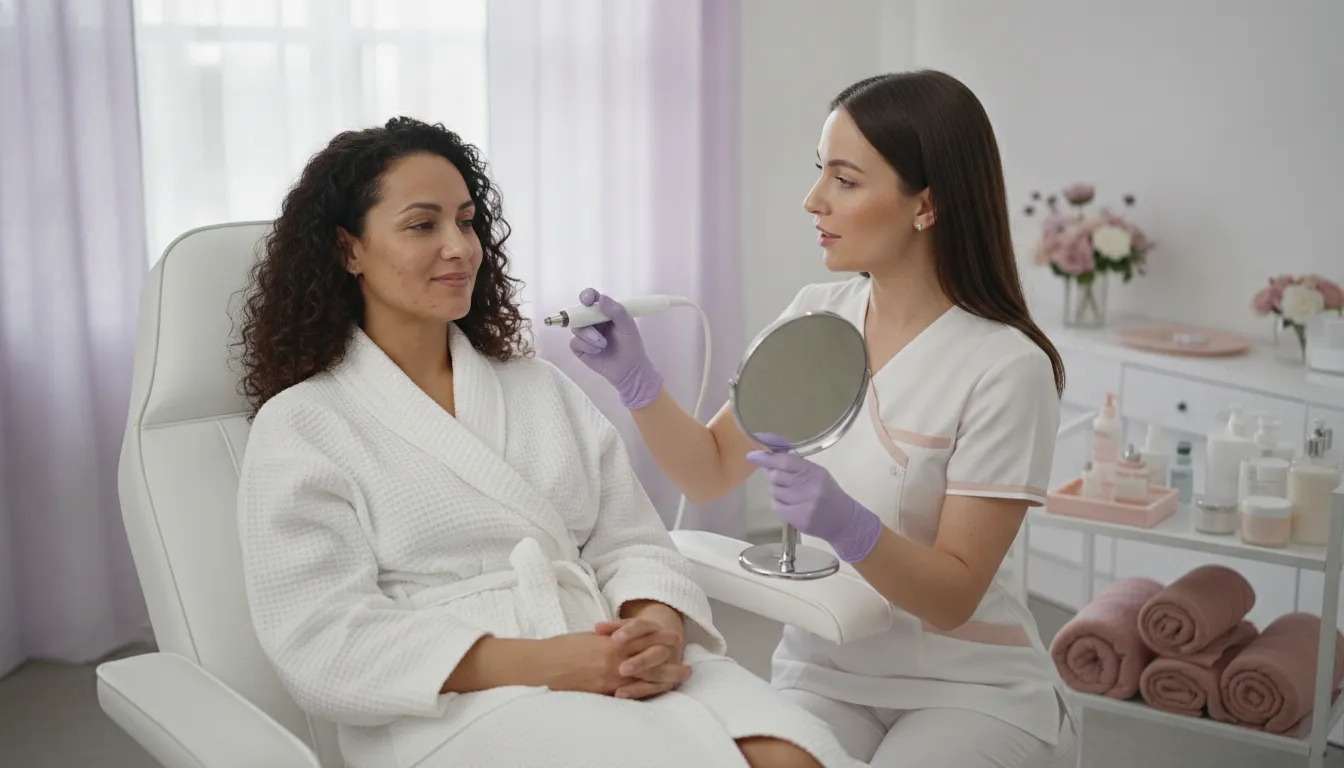
Generally, if you are in good health and have realistic expectations, you are likely a great candidate for Botox. It’s an excellent option for adults who want to soften dynamic wrinkles—the lines that appear when you make facial expressions, like frowning or smiling. The number of units you need is completely unique to you, as it depends on your facial muscles and treatment goals. The best way to know for sure if Botox is right for you is to schedule a consultation. This one-on-one time with a specialist allows them to understand your goals and confirm that you’re a suitable candidate for the treatment.
Before Your Appointment: How to Prepare
A little prep work can go a long way in minimizing potential side effects like bruising. In the week leading up to your appointment, it’s a good idea to avoid blood-thinning medications and supplements, such as aspirin, ibuprofen, and fish oil. It’s also wise to skip alcohol for at least 24 hours before your treatment. The most important step, however, is your consultation. During your free consultation, a specialist will assess your muscle movement and discuss your desired outcome to determine the precise number of units needed for your skin rejuvenation goals. Come prepared with any questions you have—a great provider will be happy to answer them.
After Your Treatment: Ensuring the Best Results
What you do after your appointment is just as important as what you do before. To ensure the Botox settles correctly and gives you the best outcome, follow a few simple rules. Avoid rubbing or massaging the treated areas for at least 24 hours. You should also skip strenuous exercise and avoid lying down flat for about four to six hours post-treatment. Choosing an experienced injector ensures your treatment is not only effective but also safe. While a lower price from an uncertified provider might seem tempting, investing in expertise minimizes risks and gives you the best chance at achieving beautiful, natural-looking results from any of our services.
What If My Results Look Uneven?
First, don’t panic. It takes time for Botox to fully settle, so it’s best to wait about two weeks to see the final results. Sometimes, one side of the face may respond slightly differently, or one muscle might be stronger than another. Not all areas of the face are created equal, and some spots are more complex to treat, requiring a high level of precision. This is completely normal, and it’s often an easy fix. If you notice any asymmetry after two weeks, simply contact your provider. A quick touch-up appointment can usually correct any unevenness and ensure your results are perfectly balanced.
Choosing the Right Botox Provider (It’s Not Just About Price)
Finding the right person to administer your Botox is just as important as the treatment itself. The skill of your provider directly impacts your safety and your results. A great injector will listen to your goals and create a natural-looking outcome, while an inexperienced one can leave you with disappointing or even concerning effects. To make sure you’re in good hands, here are a few key things to look for when selecting your provider.
Check for Medical Training and Certifications
First things first, check their credentials. A qualified Botox provider should be a licensed healthcare professional, like a board-certified dermatologist, plastic surgeon, or a highly trained nurse practitioner. Don’t be shy about asking about their specific training in cosmetic injections. You want someone who not only has the medical background but also has extensive, hands-on experience with facial anatomy and injection techniques. A reputable provider will be happy to share their qualifications and show you before-and-after photos of their work. This ensures they have the expertise to deliver the results you want safely.
Confirm They Use FDA-Approved Botox
This is a non-negotiable. Your provider must use authentic, FDA-approved Botox. It might sound obvious, but some places try to cut corners with diluted or counterfeit products, which can be ineffective and dangerous. During your consultation, ask to see the vial or packaging to confirm you’re getting the real deal. Reputable medspas prioritize client safety and will only use high-quality, approved dermal fillers and injectables. This commitment to quality is a clear sign that you’re at a trustworthy clinic that values your well-being over its profit margins.
Look for Transparent Pricing (No Surprises!)
While you don’t want to choose a provider based on price alone, you absolutely deserve to know what you’re paying for. A trustworthy clinic will offer a clear and detailed breakdown of costs during your consultation. This should include the price per unit and an estimate of how many units you’ll need for your desired treatment area. Be wary of any provider who is vague about pricing or pressures you into a decision. A professional will give you all the information you need to make a confident choice without any surprise fees later on.
How to Spot Red Flags When Price Shopping
If a deal on Botox seems too good to be true, it probably is. Extremely low prices can be a major red flag, often indicating an inexperienced injector or a diluted product. Remember, you are paying for the provider’s skill, experience, and the quality of the product. Investing a little more in a highly-trained professional can save you from costly corrections down the road. Instead of chasing bargain-basement prices, look for reputable clinics that offer memberships or loyalty programs. These are great ways to make treatments more affordable without compromising on safety or quality.
Modern Botox: Trends and Techniques
Botox has come a long way from its early days. It’s no longer just about treating existing deep-set wrinkles. The conversation has shifted toward prevention, subtlety, and a much wider audience. Today, people are using Botox in more nuanced ways to achieve a refreshed, natural look rather than a “frozen” one. From micro-dosing for a softer effect to a growing number of men embracing the treatment, the world of injectables is constantly evolving. Let’s explore some of the modern trends and techniques that are shaping how we think about and use Botox today.
The Rise of “Baby Botox”
You may have heard the term “Baby Botox” recently, and it’s exactly what it sounds like: a lighter, more subtle approach to injectables. Instead of waiting for deep lines to form, many people in their late 20s and early 30s are opting for smaller doses of Botox as a preventative measure. This technique uses micro-injections to soften the muscle contractions that cause wrinkles, effectively slowing down the aging process before it really gets started. The goal isn’t to erase all expression but to smooth out the early signs of fine lines, maintaining a natural and youthful appearance with minimal downtime.
Botox for Men: A Growing Trend
The old stigma around men getting cosmetic treatments is quickly becoming a thing of the past. More and more men are seeking out Botox to look and feel their best. For many, it’s about maintaining a competitive edge in the workplace by appearing more rested and approachable. For others, it’s simply a part of their self-care routine. Men often seek treatment for frown lines and crow’s feet to achieve a subtly refreshed look that enhances their features without looking obvious. This growing trend shows that wanting to feel confident in your appearance is universal.
Unexpected Perks: Can Botox Affect Your Mood?
Here’s a fascinating side effect you might not expect: some research suggests Botox can have a positive impact on your mood. Think about it—when you frown or scowl, you’re using specific facial muscles. Botox works by relaxing those muscles. By preventing your face from making expressions associated with stress, anger, or sadness, you might actually feel happier. Patients often report a boost in self-esteem and confidence after a skin rejuvenation treatment, not just because they love their results, but because they physically can’t frown as easily. It’s a unique connection between how we look and how we feel.
The Tipping Question: What’s the Etiquette?
Tipping etiquette can be confusing, especially when it comes to medical aesthetic treatments. So, should you tip your Botox injector? The short answer is that it’s not generally expected. Your provider is a licensed medical professional, and tipping isn’t standard practice in a medical setting. That said, if you feel your injector provided exceptional service, listened carefully to your needs, and delivered amazing results, a tip is always a thoughtful gesture of appreciation. It’s never required, but it’s a kind way to say thank you if you feel they’ve gone above and beyond for you.
Budgeting for Your Botox Maintenance
Think of Botox as part of your ongoing self-care routine, not just a one-time expense. Because the results are temporary, a little financial planning can make all the difference in maintaining your look without stressing your wallet. Budgeting for Botox is completely doable when you know what to expect and how to plan for it. It’s all about creating a sustainable strategy that fits your lifestyle. By mapping out your treatment schedule, exploring flexible payment options, and getting a personalized plan, you can make Botox a seamless part of your budget. Let’s walk through how to make it work for you.
How Often Will You Need Touch-Ups?
One of the most important things to know about Botox is that its beautiful, smoothing effects last about three to four months. To maintain your results, you’ll want to schedule regular follow-up appointments. Knowing this from the start is your key to smart budgeting. Instead of seeing it as a surprise expense, you can plan for it as a predictable, quarterly investment. A great way to manage this is to set aside a small amount of money each month. That way, when it’s time for your next treatment, the funds are already there, and it feels much more manageable.
Ask About Financing and Payment Options
Even with careful planning, the cost of a treatment can feel like a big expense to pay all at once. That’s where financing and payment plans come in. Many modern medspas understand that clients appreciate flexibility, which is why they offer options to help spread out the cost over time. This allows you to get your treatments when you need them without disrupting your cash flow. At LightRx, we offer a membership program that provides exclusive pricing and perks, making it easier and more affordable to keep up with your aesthetic goals. Always ask about available payment options during your consultation.
Get Your Personalized Treatment Plan at LightRx
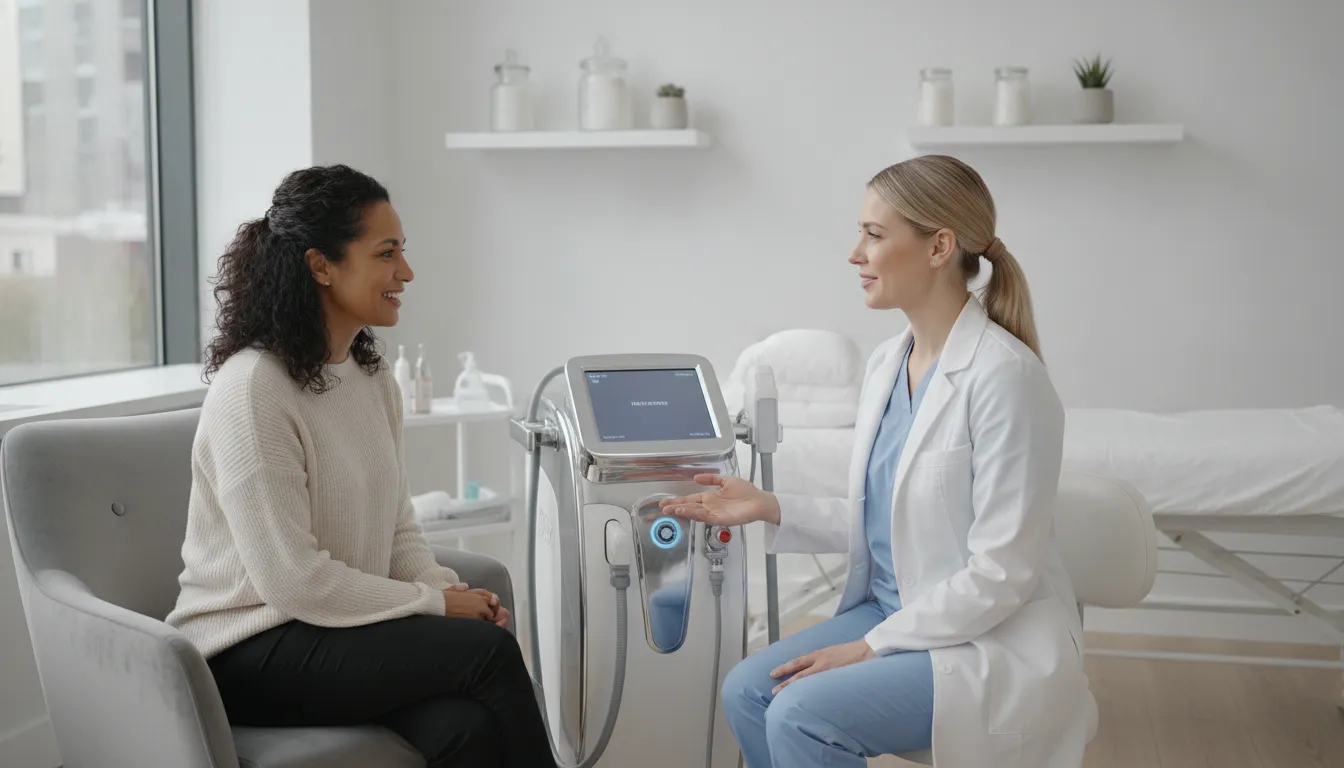
Googling “Botox cost” will only get you so far. The truth is, the final price is unique to you, your facial anatomy, and your specific goals. The only way to get a truly accurate cost is to have a one-on-one consultation with a trained specialist. During your free consultation at LightRx, our experts will talk with you about the look you want to achieve and determine the precise number of units you’ll need. This creates a personalized treatment plan and gives you a clear, upfront price with no guesswork. It’s the most effective way to build a realistic budget for your aesthetic treatments.
Related Articles
- How to Find Affordable Botox Near Me (Safely)
- Botox Near Me Guide: Choosing a Safe Provider
- How to Find the Best Botox Near Me: A Guide
- How to Find the Best Botox Near Me: 5 Key Tips
- How to Find Safe Botox Deals Near Me
Frequently Asked Questions
Is Botox priced per treatment or per unit? Botox is almost always priced by the unit. This method ensures you only pay for the exact amount of product needed to achieve your desired results. The number of units required depends on the treatment area and your specific muscle strength, which is why a personalized consultation is so important for determining your final cost.
Why does the cost of Botox vary so much between clinics? Several factors contribute to the price difference you see. A provider’s level of experience and training is a major component, as you are paying for their expertise. The clinic’s location also plays a role, with prices often being higher in larger cities due to increased operating costs.
How often will I need to get Botox to maintain my results? Typically, the effects of Botox last for about three to four months. To keep your results looking consistent and smooth, most people schedule follow-up appointments three to four times a year. Knowing this schedule ahead of time makes it much easier to plan and budget for your treatments.
I found a place that offers Botox for a really low price. Is it safe to go there? An unusually low price can be a warning sign. It might suggest that the provider is inexperienced, using a diluted product, or not using an authentic, FDA-approved product. Your safety and results are directly linked to the quality of the product and the skill of the injector, so it’s wise to be cautious of deals that seem too good to be true.
How can I get an exact price for my Botox treatment? The best way to get an accurate price is to schedule a free consultation. During this meeting, a specialist will assess your facial anatomy, discuss your goals, and determine the precise number of units you’ll need. This gives you a clear, personalized price quote with no hidden surprises.