

Medical Weight Loss GLP-1s: What to Expect From LightRx’s Program
Managing a healthy weight is often a complex journey that goes far beyond calorie counting. Modern medical science has developed powerful tools to support sustainable weight reduction, and GLP-1 receptor agonists are among the most effective options available today. These FDA-cleared medications work with your body’s natural biology to control hunger and reduce cravings, offering a clinically proven path to meaningful results.
Ready to start your medical weight loss journey? Schedule a free consultation with LightRx today to learn how our GLP-1 program can help you achieve your goals.
Our medical weight loss GLP-1s program helps you lose body fat by mimicking natural hormones to control hunger and reduce cravings. These FDA-cleared and clinically proven medications slow digestion, which helps you feel full much longer after eating smaller portions. Under professional clinical supervision, patients typically lose 10% to 15% of their total body weight over several months when combined with a structured treatment plan. This comprehensive approach is not a temporary quick fix, but a supervised journey designed to deliver safe, long-term health improvements. By working with our team of authoritative experts, you receive ongoing support, personal dose adjustments, and custom care designed for your specific wellness goals.
Medical Weight Loss GLP-1s: Understanding GLP-1 Agonists and How They Support Weight Loss
GLP-1 receptor agonists are a class of medications that have transformed the landscape of medical weight management. These compounds work by amplifying the effects of a hormone your body already produces naturally, creating a powerful tool for appetite control and metabolic regulation.
GLP-1 agonists are synthetic versions of the natural glucagon-like peptide-1 hormone. They bind to receptors in the brain and digestive system to reduce appetite, slow gastric emptying, and improve blood sugar control for sustained weight reduction.
What Is the GLP-1 Hormone?
GLP-1 is a hormone your body already makes naturally throughout the day. It is produced in your gut and released when you eat. This hormone signals your brain that you are full, slows down how fast food leaves your stomach, and helps regulate your blood sugar levels. Research from Stanford Medicine explains that this natural system is the foundation for how GLP-1 medications work. By understanding this biology, you can see why these treatments go beyond simple appetite suppression.
How GLP-1 Medications Replicate Natural Hormones
GLP-1 receptor agonists are synthetic versions that mimic the natural GLP-1 hormone. They bind to the same receptors in your brain and digestive system to produce a stronger and longer-lasting effect. According to Harvard Medical School, GLP-1 drugs lower blood sugar only when it is elevated, which makes them safer to use than some older diabetes medications that work regardless of glucose levels. This targeted mechanism helps reduce appetite, manage cravings, and support steady weight reduction over time. Semaglutide, the active ingredient in several FDA-approved medications, is available under the brand names Ozempic, Wegovy, and Rybelsus, each approved for specific indications by the National Institutes of Health.
Why a Clinical Program Matters
Using these medications without proper medical oversight can lead to inconsistent dosing and missed opportunities for monitoring. A medical weight loss program provides the structure needed to use these powerful tools safely. Your provider will determine the right medication, starting dose, and titration schedule based on your health profile. This personalization is what separates a clinical program from simply obtaining the medication elsewhere.
What Weight Loss Results Can You Expect with Medical Supervision?
Embarking on a journey with GLP-1 medications can lead to significant health changes. Understanding what results to expect and when they occur helps you stay on track. With a medical weight loss program, you receive the professional guidance needed to make your progress both safe and steady.
Patients typically lose 10% to 15% of total body weight over several months with GLP-1 therapy. Results appear gradually, with measurable changes starting between weeks 5 and 8 and significant progress by months 3 to 6 under continued clinical supervision.
Average Weight Loss Percentages
Clinical data shows that GLP-1 medications are highly effective for reducing body mass. On average, patients typically lose 10% to 15% of their body weight over several months on these medications, according to the Mayo Clinic. For those using tirzepatide, clinical trials have shown weight loss of up to 20% at the highest doses. These numbers represent real, measurable outcomes that go far beyond what traditional diet and exercise alone typically achieve.
| Comparison | Semaglutide (Wegovy/Ozempic) | Tirzepatide (Zepbound/Mounjaro) |
|---|---|---|
| Average weight loss | 10% to 15% of body weight | Up to 20% of body weight |
| Mechanism | GLP-1 receptor agonist | GLP-1 + GIP receptor agonist |
| Dosing frequency | Weekly injection | Weekly injection |
| Typical timeframe for results | 3 to 6 months | 3 to 6 months |
| FDA-approved for weight loss | Yes (Wegovy) | Yes (Zepbound) |
The Progressive Weight Loss Timeline
Weight loss on GLP-1 medications happens gradually. In the first two to four weeks, most patients notice reduced appetite and fewer cravings. Measurable weight changes typically begin between weeks five and eight. The most significant results occur between three and six months of consistent use. Your medical weight loss program follows this natural timeline while adjusting your treatment to keep you progressing toward your goals.
The Role of Clinical Supervision
Clinical supervision ensures that your weight loss is both safe and effective. Regular check-ins with a provider allow for dose adjustments, side effect management, and progress tracking. This ongoing support is a key differentiator of the LightRx approach and helps patients stay motivated and on track throughout their journey.
Interested in learning more? Contact us to discuss your weight loss goals with a provider who can create a personalized plan for you.
How the LightRx Medical Weight Loss Program Works
The LightRx medical weight loss program follows a structured, step-by-step process designed to maximize results while prioritizing patient safety. Each phase builds on the previous one, creating a comprehensive approach to sustainable weight management.
The LightRx program progresses through five defined stages: consultation and health review, personalized prescription initiation. Gradual dose titration with monitoring, integrated nutrition and lifestyle support, and ongoing progress evaluation with adjustment for optimal results.
- Your Free Consultation and Health History Review – Every journey begins with a thorough evaluation. Your provider reviews your medical history, discusses your weight loss goals, and determines whether a GLP-1 program is right for you. This face-to-face assessment ensures safety from day one and sets realistic expectations for your results.
- Personalized Prescription and Initiation – Once cleared, your provider prescribes the right medication and starting dose. Most GLP-1 medications are administered as weekly subcutaneous injections. As Harvard Health notes, the initial dose is intentionally low to help your body adjust. LightRx provides video tutorials and ongoing support so you feel confident managing your treatment.
- Titration and Ongoing Monitoring – Your provider gradually increases your dose over several weeks in a process called titration. According to the National Institutes of Health, this measured approach minimizes side effects while maximizing results. Most patients notice measurable changes between weeks five and eight, with significant progress by months three to six.
- Nutrition and Lifestyle Support – Medication alone is not the complete picture. Your care team provides nutritional recommendations, exercise guidance, and strategies to preserve muscle mass during weight loss. This comprehensive support ensures that the weight you lose comes from fat rather than lean tissue. Setting you up for long-term success even after you reach your goal weight.
- Evaluating Your Progress and Next Steps – At regular check-in appointments, your provider evaluates your progress and adjusts your plan as needed. This is also the time to consider complementary treatments. For patients who have reached a plateau or want to address remaining concerns, combining GLP-1 treatments with body contouring can help refine your results. The 12-week Treat2Complete program at LightRx offers a structured path to comprehensive body transformation.
Managing Side Effects and Supporting Your Body During Treatment
Every medical treatment comes with considerations, and GLP-1 therapy is no different. Understanding potential side effects and how to manage them helps you stay on track with confidence under the guidance of your clinical team.
The most common side effects of GLP-1 medications are gastrointestinal and typically subside within weeks as your body adapts. Proper titration, protein-rich nutrition, and resistance training help preserve muscle mass while maximizing the benefits of treatment.
Common Gastrointestinal Side Effects
The most frequently reported side effects of GLP-1 medications are gastrointestinal. These can include nausea, occasional vomiting, diarrhea, or constipation. These effects are most common when starting treatment or increasing the dose. The National Institutes of Health notes that these symptoms can often be managed through careful titration under provider supervision. Most patients find that these effects lessen significantly within a few weeks as their body adapts.
The Importance of Muscle Preservation
One of the less discussed aspects of rapid weight loss is the risk of losing muscle mass. According to the Mayo Clinic, over 30% of weight lost on medication programs can come from muscle if nutrition and exercise are not properly managed. This is where clinical supervision becomes invaluable. Your provider will help you maintain a protein-rich diet and incorporate resistance training to preserve lean tissue. Losing fat while keeping muscle is the key to achieving a toned, healthy appearance rather than a gaunt or sagging look.
How Titration Minimizes Side Effects
Titration is the practice of starting at a low dose and gradually increasing over time. According to clinical research from the National Institutes of Health, using a gradual titration protocol helps the body adapt to the medication and reduces the severity of gastrointestinal side effects. Your provider will set a personalized titration schedule that balances effectiveness with tolerability, adjusting the pace based on how your body responds.
Enhancing Your Results: Combining GLP-1 Therapy with Body Contouring
Medical weight loss addresses the scale number, but many patients also want to reshape their body contour. Combining GLP-1 therapy with body contouring treatments creates a comprehensive approach that delivers both weight reduction and aesthetic refinement.
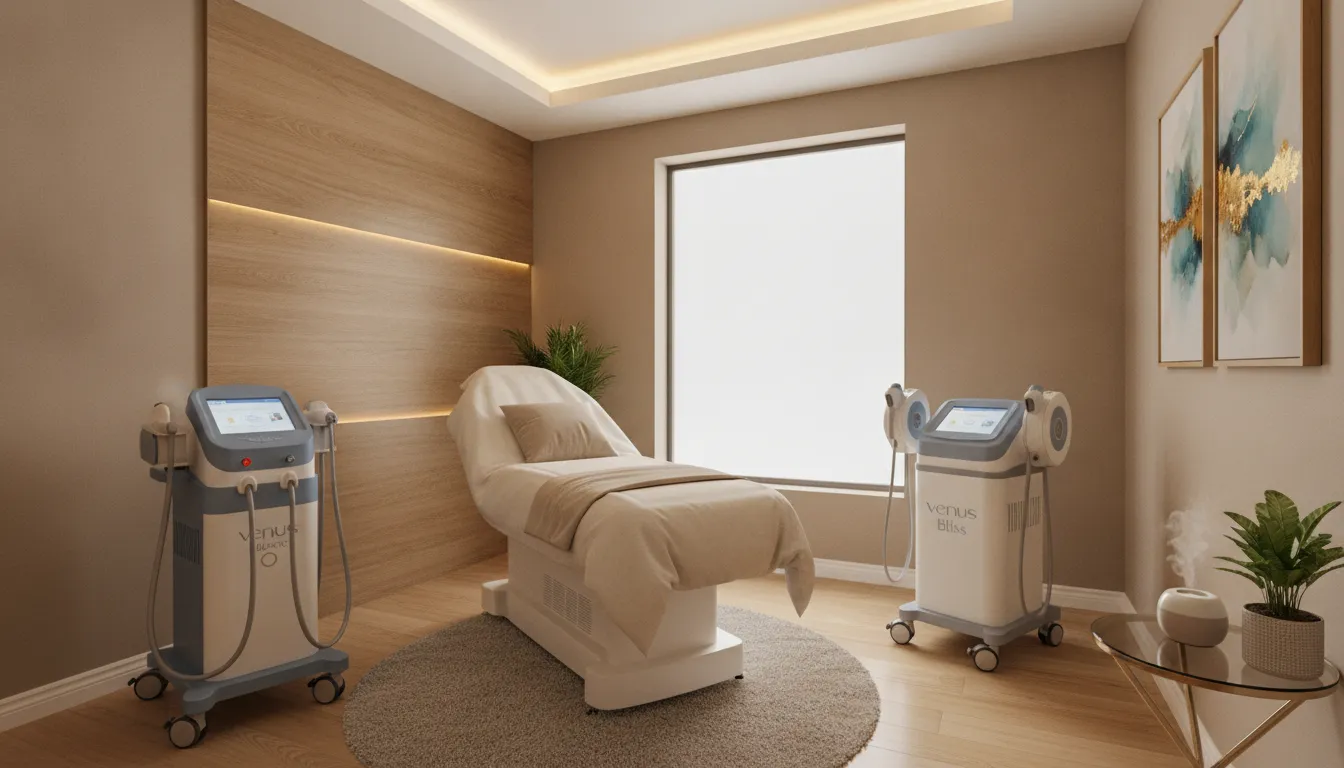
Pairing GLP-1 weight loss with body contouring treatments like Venus Bliss or Venus Legacy addresses stubborn fat pockets and skin laxity that diet alone cannot correct. Delivering both weight reduction and aesthetic refinement in a coordinated treatment plan.
When Lifestyle Interventions Are Not Enough
Even with significant weight loss, some areas of the body may retain stubborn pockets of fat. These areas are typically resistant to both diet and medication, and they require targeted treatment. Body contouring technologies like Venus Bliss use diode laser and radiofrequency energy to reduce fat cells in specific areas such as the abdomen, flanks, and thighs. For patients who have lost substantial weight, professional body contouring can address these remaining concerns.
How Weight Loss Affects Your Skin
Rapid or significant weight loss can leave the skin loose or sagging, particularly around the abdomen, arms, and thighs. This happens because the skin has stretched to accommodate a larger body volume and does not always snap back after fat reduction. Treatments like Venus Legacy skin tightening use radiofrequency energy to stimulate collagen production, helping the skin contract and tighten over several sessions. This complementary approach ensures that your results look smooth and natural rather than loose or deflated.
Targeting Stubborn Fat Pockets
Even after reaching your goal weight, areas like the lower abdomen, love handles, and inner thighs may retain fat. Body contouring treatments can target these specific areas with precision. When combined with a medical weight loss program, these treatments create a coordinated plan that addresses both overall weight reduction and targeted aesthetic concerns. Many patients at LightRx choose this dual approach to achieve results that neither treatment could deliver alone.
Understanding the Investment in Medical Weight Loss
Investing in your health through a medical weight loss program requires understanding the financial commitment involved. While costs vary based on individual treatment plans, knowing what to expect helps you plan effectively.
GLP-1 medications for weight loss typically cost between $800 and $1,200 per month without insurance. LightRx offers transparent pricing and flexible payment options. Many patients find that their health insurance partially covers treatment when prescribed for appropriate medical indications.
Navigating Insurance Coverage and Benefits
Insurance coverage for GLP-1 medications varies widely by provider and plan. Some insurers cover these medications for weight loss when prescribed as part of a supervised medical program. Others require prior authorization or limit coverage to specific diagnoses. Your LightRx care team can help you understand your insurance benefits and navigate the authorization process. They work with you to determine what your plan covers and what out-of-pocket costs you can expect.
Understanding Out-of-Pocket Costs
Without insurance, GLP-1 medications for weight loss typically cost between $800 and $1,200 per month, depending on the specific medication and dosage. This cost typically includes the medication itself, the clinical supervision, and the ongoing monitoring that makes a medical program effective. Many patients find that the investment in a structured program pays for itself through improved health outcomes and reduced long-term healthcare costs.
The Value of Clinical Supervision
When you choose a medical weight loss program, you are paying for more than just the medication. You receive professional oversight, personalized dose adjustments, nutritional guidance, and ongoing support. This comprehensive approach significantly increases your chances of achieving and maintaining your weight loss goals compared to obtaining the medication outside of a clinical setting.
Frequently Asked Questions About Medical Weight Loss GLP-1s
How long does it take to lose 20 pounds on GLP-1s?
Most patients lose 10% to 15% of total body weight over several months. For someone starting at 200 pounds, losing 20 pounds typically takes 8 to 16 weeks, depending on individual metabolism, adherence to the treatment plan, and lifestyle factors. Results vary based on dosage, consistency, and whether the program includes nutritional guidance.
Which GLP-1 is strongest for weight loss?
Tirzepatide (Mounjaro/Zepbound) has shown the highest average weight loss in clinical trials, with patients losing up to 20% of their body weight at the highest doses. Semaglutide (Wegovy/Ozempic) follows closely with average losses of 10% to 15%. Your provider at LightRx will recommend the medication best suited to your health profile and weight loss goals.
Does medical insurance cover GLP-1s for weight loss?
Coverage varies widely by insurance provider and plan. Some insurers cover GLP-1 medications for weight loss when prescribed through a supervised medical program, while others require a diagnosis of obesity or a related condition. The LightRx team can help you verify your benefits and navigate any prior authorization requirements.
Can you take GLP-1s and still drink alcohol?
Moderate alcohol consumption is generally not contraindicated with GLP-1 medications. But alcohol can increase the risk of gastrointestinal side effects like nausea and may interfere with blood sugar regulation. Your provider can give you personalized guidance based on your specific health profile and treatment plan.
Do you regain weight after stopping GLP-1s?
Some weight regain is common after discontinuing GLP-1 medications, which is why the LightRx program emphasizes building sustainable nutrition and lifestyle habits during treatment. The lifestyle support component helps patients maintain their results long after they transition off medication.
How is compounded semaglutide different from brand-name GLP-1s?
Compounded semaglutide is prepared by licensed pharmacies using the same active ingredient as brand-name medications but is not FDA-reviewed as a drug product. LightRx offers compounded semaglutide as part of its medical weight loss program, with the same clinical supervision protocols applied to ensure patient safety and treatment efficacy.
Ready to Start Your Medical Weight Loss Journey?
The path to sustainable weight loss is clearer than ever with GLP-1 therapy. LightRx offers a comprehensive medical weight loss program that combines FDA-cleared medications with expert clinical supervision, nutritional guidance, and complementary body contouring options. Whether you are just beginning to explore your options or ready to take the next step, our team is here to support you throughout your transformation.
Take the first step today. Schedule your free consultation with LightRx and discover how our medical weight loss program can help you achieve the results you deserve.