

Any Way to Tighten Loose Skin? Your Guide to What Works
You’ve put in the work—eating well, staying active, maybe even celebrating an amazing weight loss. Yet, some stubborn spots and a bit of skin laxity remain. It’s frustrating when diet and exercise can only take you so far. If you’re looking for any way to tighten loose skin without going under the knife, you’re in the right place. Modern non-surgical treatments are the perfect finishing touch, designed to target those specific areas that just won’t cooperate. We’ll break down the best options and help you figure out if they’re the right next step for you.
Key Takeaways
- Trust the Process for Natural-Looking Results: Non-surgical treatments work with your body’s own systems to clear away fat cells or rebuild collagen. This means your results will appear gradually over several weeks, ensuring a subtle and natural transformation rather than an overnight change.
- Your Provider and Plan Are Crucial: The safety and success of your treatment depend on FDA-cleared technology and an experienced provider. A thorough consultation is essential to create a personalized plan that matches your specific goals and confirms you’re a good candidate.
- Think of Treatment as a Head Start: While these procedures permanently eliminate targeted fat cells, a healthy lifestyle is key to maintaining your new shape. Committing to balanced habits protects your investment and ensures you enjoy your results for the long term.
Understanding Loose Skin and Its Causes
Before we can talk about solutions, it’s important to understand what’s happening beneath the surface. Loose skin, or skin laxity, is a common concern that can stem from a variety of factors. It’s not just about aesthetics; it’s about the health and structure of your skin. When you lose a significant amount of weight, for example, your skin may not shrink back to fit your new, smaller frame because it was stretched for a prolonged period. This is a completely normal part of the process. Understanding the root causes can help you set realistic expectations and choose the most effective path forward, whether that involves lifestyle adjustments or professional treatments.
Why Skin Loses Firmness Over Time
The journey to looser skin is often a gradual one, influenced by a combination of your life story, your genes, and the natural aging process. Significant life events like pregnancy or major weight loss can accelerate this change, leaving you with skin that doesn’t quite bounce back. It’s a shared experience for many, and it happens because the very structure of our skin changes. Recognizing these factors is the first step in addressing them. While we can’t turn back the clock on aging or change our genetics, we can take steps to support our skin’s health and explore treatments that help restore its firmness and tone.
The Role of Age, Genetics, and Weight Loss
Three of the biggest players in skin laxity are age, genetics, and weight fluctuations. As we get older, our skin naturally produces less of the proteins that keep it firm. Some people are also genetically predisposed to having less elastic skin. But one of the most common reasons for noticeable loose skin is significant weight loss. When you gain weight, your skin stretches to accommodate the increased volume. After you’ve worked hard to lose that weight, the skin doesn’t always have enough elasticity to shrink back into place, which can leave you with excess folds. This is especially true if the weight loss is rapid. LightRx uses advanced body contouring technologies to help address both stubborn fat and skin laxity.
How Collagen and Elastin Affect Skin Laxity
At the heart of skin firmness are two essential proteins: collagen and elastin. Think of collagen as the scaffolding that gives your skin its structure and strength, and elastin as the elastic bands that allow it to stretch and return to its original shape. As we age, our bodies’ production of both proteins slows down. According to the American Board of Cosmetic Surgery, this natural decline is a primary cause of sagging skin. This is where treatments designed for skin tightening can make a real difference, as they work by stimulating your body to produce new collagen, helping to rebuild that supportive structure from within.
Is It Loose Skin or a Thin Layer of Fat?
Sometimes, what appears to be loose skin is actually a thin layer of stubborn subcutaneous fat that sits just beneath the surface. It can be tricky to tell the difference on your own. A simple way to check is the pinch test: true loose skin feels thin and can be lifted easily, much like the skin on the back of your hand. If what you can pinch feels thicker and more substantial, it’s likely a combination of skin and a small amount of fat. Understanding this distinction is key because it determines the best course of treatment. A professional consultation can provide clarity, helping you create a plan that targets either skin, fat, or both for the best possible results.
The Physical and Emotional Challenges of Loose Skin
The impact of loose skin goes far beyond the physical. After achieving a major goal like significant weight loss, discovering you have excess skin can be disheartening. It can make you feel self-conscious and may even lead to feelings of anxiety or sadness, preventing you from fully enjoying your accomplishment. Physically, it can cause chafing, rashes, and discomfort, making it difficult to exercise or find clothes that fit well. It’s important to acknowledge these feelings and remember that you’re not alone. Addressing loose skin isn’t just about appearance; it’s about restoring your comfort and confidence so you can embrace the healthy new you.
Lifestyle Strategies for Improving Skin Elasticity
While professional treatments offer the most dramatic results for skin tightening, your daily habits play a huge supporting role. Think of your lifestyle as the foundation for healthy, resilient skin. The food you eat, the way you move your body, and the products you use all contribute to your skin’s overall elasticity and appearance. By making a few strategic adjustments, you can help your skin look and feel its best from the inside out. These strategies won’t create a surgical-level lift, but they are powerful tools for maintaining your skin’s health and maximizing the results of any treatments you pursue.
The Impact of Diet and Hydration on Skin Health
What you put on your plate directly affects your skin’s ability to repair and rebuild itself. To support collagen production, focus on a diet rich in nutrients. Foods high in omega-3 fatty acids, like salmon and walnuts, are fantastic for skin health. You should also load up on fruits and vegetables packed with vitamins C and E, such as citrus fruits, berries, and leafy greens. These antioxidants help protect skin cells from damage. And don’t forget about hydration! Drinking plenty of water is essential for maintaining skin moisture and elasticity, helping it stay plump and resilient.
How Strength Training Helps Firm Your Appearance
Exercise is another powerful tool for improving the appearance of loose skin. While cardio is great for overall health, strength training is particularly effective for this purpose. When you lose a significant amount of fat, there can be a void left behind. Building lean muscle through resistance training helps to fill that space, creating a firmer, more toned foundation underneath the skin. This can make the skin appear tighter and smoother. Focusing on exercises that build muscle in the areas where you have loose skin can create a noticeable improvement in your overall contour.
What to Know About Skin-Firming Creams and Lotions
The beauty aisle is filled with creams and lotions promising to firm and lift sagging skin, but it’s important to have realistic expectations. Most topical products simply can’t penetrate deep enough into the skin to make a structural difference. However, some ingredients can offer modest improvements. Products containing retinoids, like retinol, can help stimulate your body’s natural collagen production over time. While a cream won’t deliver the same results as a professional skin rejuvenation treatment, using a high-quality moisturizer and a retinoid can be a beneficial part of your overall skin care routine.
Habits That Can Harm Skin Elasticity
Just as some habits can help your skin, others can actively harm it. Sun exposure is one of the biggest culprits, as UV rays break down collagen and elastin at an accelerated rate. Always wear a broad-spectrum sunscreen to protect your skin. Smoking is another major factor, as it constricts blood vessels, depriving your skin of the oxygen and nutrients it needs to stay healthy. Similarly, excessive alcohol consumption can dehydrate your skin and deplete its vital nutrients. Avoiding these habits is one of the best things you can do to preserve your skin’s firmness for the long term.
How Non-Surgical Treatments Reshape Your Body
It’s easy to be curious—and maybe a little skeptical—about how non-surgical treatments can deliver such noticeable results without any incisions. The truth is, it’s not magic; it’s science. These advanced technologies are designed to work with your body’s natural systems to reduce fat and tighten skin. By using targeted energy, heat, or cold, these treatments trigger processes that your body already knows how to do, just giving them a focused push in the right direction. Let’s break down exactly what’s happening beneath the surface.
How Treatments Target and Reduce Fat
When we talk about non-surgical fat reduction, we’re talking about methods that target and eliminate stubborn fat cells without surgery. One popular approach uses controlled cooling to freeze fat cells, a process that causes them to crystallize and die off. Another effective method is Laser Fat Removal, which uses targeted heat to disrupt the structure of fat cells. In both cases, once the fat cells are damaged, your body’s lymphatic system naturally flushes them out over the following weeks and months. This is a gradual process that leads to a slimmer, more contoured appearance in the treated area.
How to Tighten Loose Skin Without Surgery
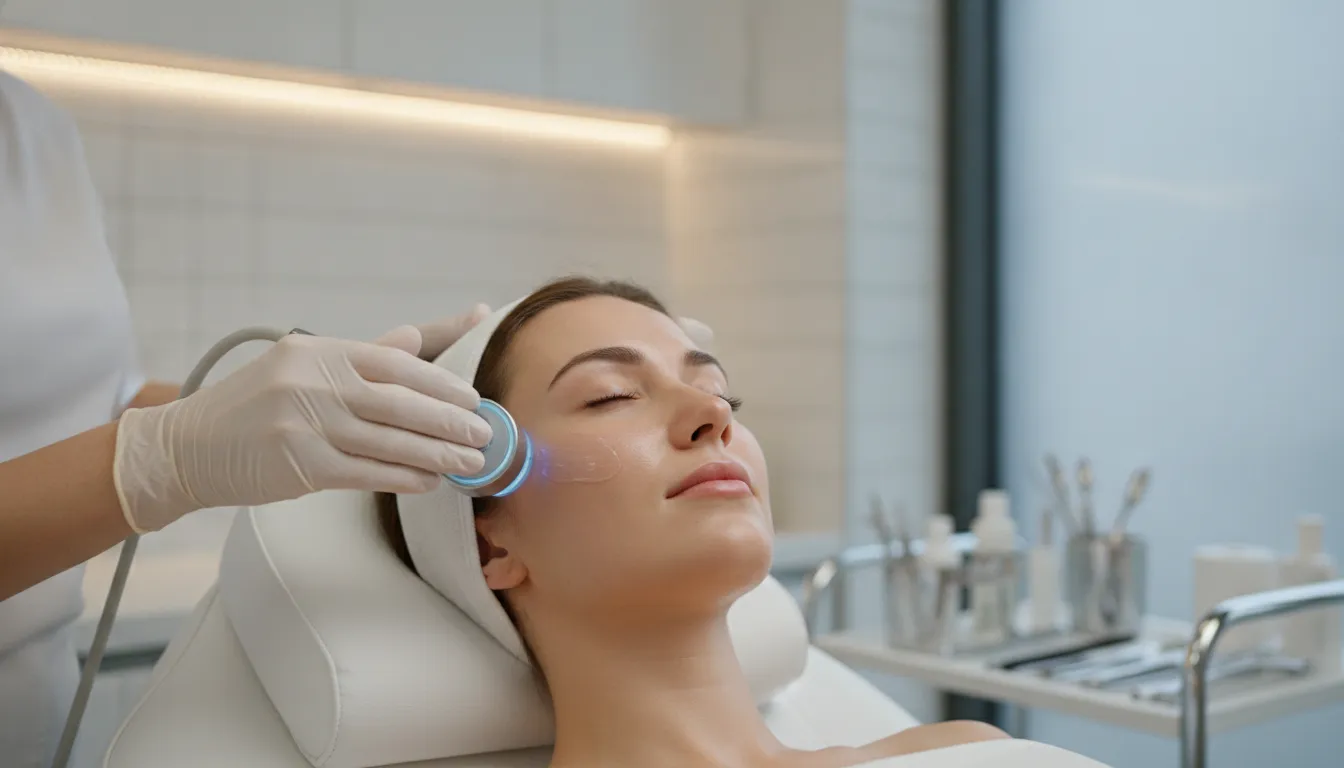
The key to firm, youthful skin is collagen and elastin—two proteins that give your skin its structure and elasticity. As we age, our bodies produce less of them, leading to sagging and wrinkles. Non-surgical skin tightening treatments are designed to restart that production. Technologies like radiofrequency (RF) therapy gently heat the deeper layers of your skin, which signals your body to create new collagen. The result is a gradual firming and lifting effect. It’s a way of reminding your skin how to repair and rejuvenate itself, leading to a smoother and more toned look over time.
Stimulating New Collagen and Elastin Growth
The real magic behind non-surgical skin tightening is its ability to kickstart your body’s own production of collagen and elastin. These two proteins are the building blocks of firm, resilient skin, but their production slows down over time. Treatments that use targeted energy, like heat, create a controlled healing response deep within the skin’s layers. This signals your body to get back to work building new, strong collagen and elastin fibers. It’s a regenerative process that gradually restores your skin’s underlying support structure, leading to a naturally firmer and more lifted appearance without any artificial intervention.
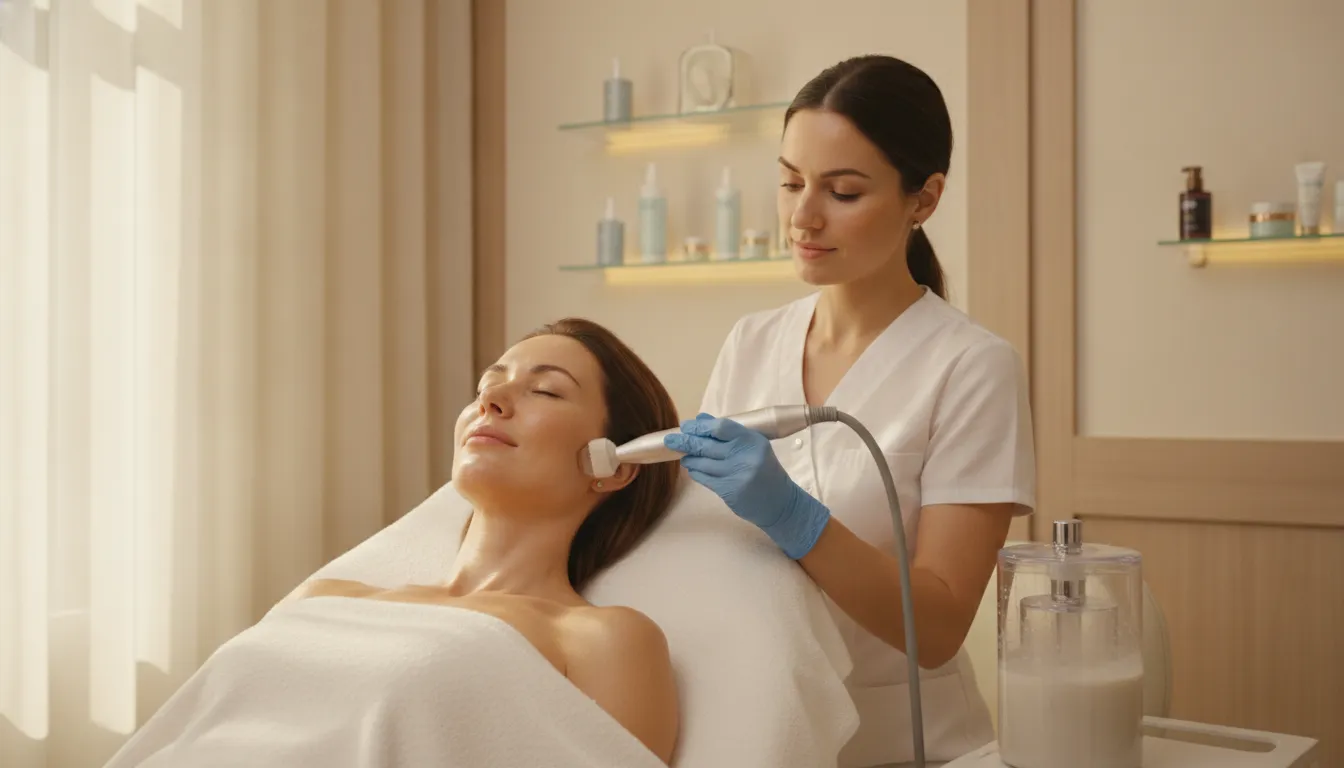
Radiofrequency (RF) therapy is a leading technology for this process. It delivers gentle, consistent heat to the deeper skin tissues, which is the ideal trigger for new collagen growth. Over the following weeks, as these new fibers form, you’ll notice your skin becoming smoother and tighter. At LightRx, we use advanced RF technology in our skin tightening treatments to help you achieve these results. By working with your body’s natural capabilities, we can help you restore a more youthful and toned look that is entirely your own.
Busting the Biggest Myths About Non-Surgical Treatments
There are a lot of misconceptions out there, so let’s clear a few up. One common myth is that the results are temporary. While it’s true you can gain new weight, the specific fat cells eliminated during a treatment are gone for good. Another myth is that you’ll see a dramatic change immediately after your appointment. These treatments rely on your body’s natural clearing-out process, which takes time. You can typically expect to see the full results develop over several weeks or months. Patience is key, as your body works to reveal a more sculpted you.
Your Guide to Non-Surgical Treatments
When you start exploring non-surgical treatments, you’ll find a variety of technologies designed to address different goals. From targeting stubborn fat to tightening loose skin, these options use advanced science to help you achieve your desired look without the downtime of surgery. Understanding how each one works is the first step in figuring out which approach is the right fit for you. Most treatments fall into a few main categories: those that use temperature, those that use energy, and those that are injectable.
Using Heat and Cold to Sculpt Your Body
Some of the most popular non-surgical treatments use temperature to their advantage. These methods apply controlled cold or heat to target and eliminate fat cells permanently. For example, cryolipolysis uses precisely controlled cooling to freeze fat cells, which are then naturally flushed out by your body over time. This process can reduce fat in a treated area by up to 25% per session. On the other end of the spectrum, laser fat removal treatments use targeted heat to break down fat cells. The damaged cells are cleared away by your body’s lymphatic system, with final results typically visible after about 12 weeks. Both options are non-invasive and require no recovery time.
Using Energy Waves to Firm and Tone
Energy-based devices offer another powerful way to reshape your body and rejuvenate your skin. Radiofrequency (RF) treatments, for instance, use heat to kickstart your body’s natural collagen and elastin production. This is an excellent option for skin tightening on the face, neck, and arms. Ultrasound technology uses focused sound waves to disrupt the walls of fat cells, causing them to break down. There are also treatments that use High-Intensity Focused Electromagnetic (HIFEM) technology to build muscle while reducing fat. These innovative approaches are great for comprehensive body contouring without requiring a single incision.
Injectables That Dissolve Fat
For targeting smaller, specific areas of fat, injectable treatments can be a great solution. The most well-known is an injectable form of deoxycholic acid, a substance your body naturally produces to help absorb fats. When injected into areas like the fat beneath the chin, it destroys the fat cells so they can no longer store or accumulate fat. Once you’ve achieved your desired look, the results are typically long-lasting, especially when you maintain a stable weight. These treatments are just one of many aesthetic services that can help you refine your appearance with precision and minimal downtime.
Can You Combine Treatments for Better Results?
Sometimes, the best strategy involves more than one type of treatment. Creating a personalized plan that combines different technologies can deliver truly comprehensive results. For example, you might pair a fat reduction treatment that uses cold therapy with a radiofrequency treatment to tighten the skin in that same area. This layered approach allows you to address multiple concerns at once for a more complete transformation. A skilled technician can help you design a treatment schedule that safely and effectively combines different methods to help you reach your specific goals. The key is to create a plan that is tailored just for you.
Is a Non-Surgical Treatment Right for You?
You’re intrigued by the idea of non-surgical treatments—and for good reason! They offer incredible results without the downtime of surgery. But before you book your first appointment, it’s important to figure out if you’re the right fit. These treatments aren’t a magic wand; they’re advanced tools designed for specific goals and body types. Understanding your candidacy is the first step toward getting the results you’ll love. It’s all about matching the right person with the right technology. Let’s walk through the key factors that determine if these treatments are a perfect match for you.
Finding the Right Fit for Your Body Type
When it comes to non-surgical body contouring, the ideal candidate is someone who is already close to their target weight. Think of these treatments as the finishing touch—they’re designed to address those stubborn pockets of fat that just won’t budge, no matter how many salads you eat or gym sessions you crush. As experts often note, non-surgical fat removal is best for people who have small, stubborn pockets of fat that won’t go away with diet and exercise. This isn’t a solution for significant weight loss, but rather a way to sculpt and refine your shape. If you have specific areas you want to target, you’re likely in the right ballpark.
What About Your Skin Type and Tone?
Your skin’s condition plays a huge role, especially for skin tightening procedures. These treatments work best for people with mild to moderate skin laxity. What does that mean? It’s the kind of loose skin you might notice after weight loss or pregnancy—it’s lost some of its snap-back, but it isn’t excessively sagging. The technology is designed to stimulate your body’s natural collagen production to firm things up. If you have good skin elasticity overall, you’ll see the most effective results from a skin tightening treatment. A professional consultation is the best way to assess your skin’s condition and determine if it’s a good candidate.
The Health and Safety Checklist
Your health and safety are always the top priority. To be a good candidate, you should be in good overall health and free from any conditions that could interfere with the treatment or healing process. This is why a thorough consultation is so important. It’s essential to talk to a qualified professional to discuss your options and decide which treatment is best for you. During your free consultation at LightRx, we’ll go over your medical history to ensure the procedure is completely safe for you. Honesty here is key to a safe and successful outcome that aligns with your wellness goals.
Health Conditions That May Affect Your Candidacy
Let’s be direct: your well-being is the number one priority. Certain health conditions can affect how your body responds to treatment, which is why a transparent conversation about your medical history is so important. For example, if you are pregnant or breastfeeding, have an active skin condition like eczema in the target area, or have certain autoimmune disorders, some treatments may not be suitable for you. The same goes for individuals with electronic implants like pacemakers, as energy-based devices could interfere with them. This isn’t about disqualifying you; it’s about protecting you and ensuring we choose from the safest and most effective aesthetic services for your unique situation. A thorough consultation ensures your treatment plan is perfectly aligned with both your aesthetic goals and your overall health.
Getting Clear on Your Desired Results
What are you hoping to achieve? Having clear, realistic goals is crucial. Think of this process as a “50/50 partnership” between you and your treatment provider. The technology does its part, but your commitment to a healthy lifestyle helps maintain those beautiful results long-term. Are you looking to smooth out some cellulite on your thighs or achieve a firmer-looking abdomen? Being specific helps us tailor a treatment plan just for you. When you have a clear vision and realistic expectations, you set yourself up for a result that not only looks great but feels great, too.
How to Choose the Right Treatment for You
With so many effective non-surgical options available, figuring out the best path forward can feel like a big decision. But it doesn’t have to be overwhelming. The key is to match the right technology to your specific goals, body, and lifestyle. By considering a few key factors, you can confidently choose a treatment plan that will help you look and feel your best.
What to Consider Before You Choose
First, let’s talk about what makes these treatments so appealing. Non-surgical procedures are designed to address the stubborn fat and loose skin that diet and exercise often can’t resolve on their own. If you have specific areas you’d like to refine, these treatments can be a fantastic solution. Most of our services are FDA-cleared, take less than a couple of hours per session, and require little to no downtime. This means you can get back to your busy life right away. The best treatment for you will ultimately depend on your aesthetic goals, your timeline, and how much recovery time you’re comfortable with.
Best Treatments for Stomach, Thighs, and Arms
Different technologies are designed to work best on specific parts of the body. Are you hoping to address a double chin, smooth your abdomen, or target your inner and outer thighs? Common treatment areas also include love handles, bra fat, and the upper arms. The size and location of your target area will help determine the ideal approach. For example, some applicators are designed to fit the contours of smaller areas like under the chin, while others are built to cover larger surface areas like the stomach. A personalized body contouring plan will ensure the technology is perfectly suited to the area you want to treat.
What Results Can You Expect?
It’s important to have realistic expectations about your timeline. Unlike surgical procedures, the results from non-surgical treatments appear gradually as your body naturally processes and eliminates the targeted fat cells. You might start to see noticeable changes in as little as one month after your first couple of treatments. The best part? Once those fat cells are gone, they don’t grow back. Your final, sculpted results are typically visible within six to twelve weeks. This gradual transformation looks natural, and the long-lasting outcome makes it a worthwhile process for achieving the shape you want.
A Realistic Timeline for Seeing Changes
One of the most important things to understand about non-surgical treatments is that the results don’t appear overnight. This isn’t a quick fix; it’s a strategic process that works in harmony with your body. After one of these non-surgical aesthetic treatments targets and damages unwanted fat cells, your body’s lymphatic system takes over the job of naturally flushing them out. This is a gradual, internal cleanup that happens over the following weeks and months. So, while you won’t walk out of your appointment with a completely new shape, you can rest assured that your body is already beginning the transformation process from the inside out.
So, what does this timeline actually look like? Many people start to see the first subtle changes about a month after their initial sessions. However, the most noticeable and final results from your body contouring plan typically become visible within six to twelve weeks. Patience is your best friend during this phase, as your body needs time to complete its work and reveal your new, more sculpted contours. The best part is that this gradual change looks incredibly natural, and because those treated fat cells are permanently eliminated, the results are designed to be long-lasting.
Breaking Down the Cost of Treatment
The cost of non-surgical fat reduction and skin tightening varies based on a few things: the technology used, the size of the area being treated, and the number of sessions needed to achieve your desired results. For example, treating a small area like the chin will naturally cost less than a larger area like the abdomen. During your free consultation, we’ll create a personalized treatment plan tailored to your goals and budget. This ensures you know exactly what to expect before you begin. We can also discuss our membership options, which can make your aesthetic journey more affordable.
What to Expect During the Treatment Process
Deciding to pursue a non-surgical treatment is a big step, and it’s completely normal to wonder what the process actually looks like. Knowing what to expect from your first meeting to your final session can help you feel confident and prepared. The journey is designed to be straightforward and comfortable, focusing on your specific goals from start to finish. It all begins with a simple conversation.
What Happens at Your Consultation?
Your first consultation is arguably the most important part of the process. This is where you and a trained technician sit down to have an open conversation about your goals. It’s your chance to ask every question you have and share what you’d like to achieve. The technician will assess your areas of concern, discuss your options, and work with you to create a personalized treatment plan. This isn’t about a one-size-fits-all solution; it’s about finding the right approach for your body. You’ll learn about the technology used for treatments like body contouring and get a clear idea of the results you can realistically expect. Looking at before-and-after photos of previous clients can also be incredibly helpful in visualizing what’s possible.
What to Expect on Treatment Day
One of the best parts about non-surgical treatments is how easily they fit into a busy schedule. Most sessions are quick, often lasting less than an hour. You can relax comfortably while the technician uses advanced, FDA-cleared technology to target fat cells or tighten skin. Because these treatments are non-invasive, the surface of your skin is never broken. This means the process is typically painless, with many clients describing the sensation as a gentle warmth. There’s no need for anesthesia, and you can get right back to your day afterward. Whether you’re coming in for laser fat removal or another service, the goal is to provide a safe, comfortable, and effective experience every time.
Is There Any Downtime?
The term “recovery” barely applies to most non-surgical treatments because there is little to no downtime. Unlike surgical procedures that require you to take time off to heal, you can typically resume your normal activities immediately after your session. You might notice some slight redness, minor swelling, or sensitivity in the treated area, but this is completely normal. These effects are temporary and usually fade within a few hours to a couple of days. Your technician will give you all the information you need on what to expect for your specific treatment. The convenience of having no required downtime is a major reason so many people find these treatments to be a practical solution for achieving their aesthetic goals.
Your Post-Treatment Skincare Plan
After your treatment, a little bit of care goes a long way in supporting your results. Your technician will provide you with specific aftercare instructions tailored to your treatment plan. Generally, it’s important to stay hydrated by drinking plenty of water, which helps your body process and flush out the targeted fat cells. Protecting your skin from the sun is also key, so applying a broad-spectrum sunscreen daily is a must. Continuing a healthy lifestyle with a balanced diet and regular exercise will help you maintain your results for the long term. Think of these simple steps as the perfect way to complement your skin tightening treatments and keep you feeling your best.
Are These Treatments Safe and Effective?
It’s the big question on everyone’s mind: Do these treatments actually work, and are they safe? The short answer is yes, but the full answer is a bit more nuanced. The safety and success of any non-surgical treatment depend on a few critical factors coming together perfectly. Think of it as a three-legged stool: you need proven technology, a skilled provider, and realistic expectations. When one of these is wobbly, the results can be, too.
First, the technology itself has to be top-notch. We’re talking about medical-grade devices that have been rigorously tested and cleared for use. Second, the person operating that technology needs to be an expert. The best equipment in the world won’t give you the results you want if the technician isn’t properly trained and experienced. Finally, it’s about understanding what these treatments can and can’t do. They are incredible tools for sculpting and refining, but they aren’t a replacement for a healthy lifestyle. When you have all three of these elements in place, you create the ideal conditions for a safe, effective treatment that you’ll be thrilled with.
Why FDA Clearance Is a Non-Negotiable
When you’re exploring your options, you’ll see the term “FDA-cleared” a lot, and for good reason. This is your first and most important checkpoint for safety. FDA clearance means a medical device has been reviewed by the Food and Drug Administration and is considered safe and effective for its intended purpose. At LightRx, we use FDA-cleared, clinically proven devices to melt fat, address cellulite, and tighten skin without surgery or downtime. This isn’t just a fancy label; it’s your assurance that the technology is backed by science and has met stringent safety standards. Never settle for a treatment that doesn’t use FDA-cleared equipment.
A Realistic Look at Potential Side Effects
Because non-surgical treatments don’t break the skin, the risk of serious side effects is very low. Unlike surgical procedures that require significant recovery time, most people can get right back to their day after a session. You might experience some temporary, mild side effects like redness, slight swelling, or tenderness in the treated area, but this usually subsides within a few hours to a couple of days. The goal of treatments like laser fat removal is to deliver results with minimal disruption to your life. During your consultation, we’ll walk you through exactly what to expect so you feel completely comfortable.
Choosing Your Provider: Why Experience Is Key
The person performing your treatment is just as important as the technology they’re using. An experienced and highly trained provider knows how to customize the treatment to your specific body and goals. They can accurately assess your skin and tissue, select the right settings on the machine, and apply the technology in a way that maximizes your results while ensuring your safety. A true professional will also conduct a thorough consultation to make sure you’re a good candidate in the first place. Their expertise is what transforms a standard procedure into a personalized body contouring experience that helps you achieve the look you want.
What These Treatments Can (and Can’t) Do
It’s essential to have realistic expectations about what non-surgical treatments can achieve. These procedures are designed for body sculpting and targeting stubborn areas of fat or loose skin—they are not weight-loss solutions. The results are often gradual, appearing over several weeks or months as your body naturally processes the treated fat cells or builds new collagen. A trustworthy provider will be transparent with you about the kind of results you can realistically expect. They’ll help you understand the process and set achievable goals, ensuring you’re happy with your final outcome and the investment you’ve made in yourself.
How to Maintain Your Long-Term Results
You’ve invested in yourself with a non-surgical treatment, and now you want to make sure those amazing results stick around. The great news is that maintaining your new look is completely within your control. It’s all about pairing your treatment with a few simple, healthy habits. Think of it as protecting your investment and enjoying the benefits for years to come. Here’s how you can do just that.
When Will You See Results?
One of the best things about non-surgical treatments is how subtly the results appear. You won’t walk out of your appointment looking drastically different. Instead, changes develop gradually, with most people starting to see a noticeable difference in about six weeks. The final, full results typically settle in around the 12-week mark. This slow and steady progression feels more natural and keeps your aesthetic journey private. And the best part? These results are designed to last, especially when you keep your weight stable.
How Diet and Exercise Protect Your Investment
Think of your treatment as a fantastic head start and a healthy lifestyle as the key to going the distance. While treatments like laser fat removal permanently destroy targeted fat cells, they don’t prevent new ones from forming. To keep your results looking their best, it’s important to maintain a stable weight through balanced nutrition and regular movement. You don’t need to adopt an extreme diet or workout plan—just consistent, healthy choices that make you feel good. This ensures the beautiful contours you’ve achieved remain your new normal.
Do You Need Follow-Up Treatments?
Your aesthetic journey is a partnership between you and your provider. Depending on your goals, you might need a few sessions to achieve the best possible outcome. This is a normal and expected part of the process. Your treatment plan is customized for you, and follow-up appointments are essential for tracking your progress and ensuring you’re on the right path. Sticking with your recommended treatment schedule and checking in with your technician allows them to make sure you get the results you’re hoping for. It’s all about teamwork.
Simple Tips to Make Your Results Last
A few simple daily habits can make a huge difference in preserving your results. Staying well-hydrated is crucial, as it helps your body function at its best. If you’ve had a skin rejuvenation treatment, protecting your skin from the sun is non-negotiable. Beyond that, a consistent skincare routine and a healthy lifestyle are your best friends. For even more comprehensive results, many people find success by combining treatments. For example, pairing a fat reduction service with a skin tightening treatment can create a smoother, more toned appearance overall. These small steps help you enjoy your results for the long haul.
How Do Non-Surgical Options Stack Up?
When you start looking into body contouring and skin tightening, you’ll find a lot of different options. It’s smart to compare them to figure out what aligns with your goals, budget, and lifestyle. Understanding the key differences between non-surgical treatments and traditional surgery, and how different technologies can work together, will help you make a confident decision. Let’s break down how these treatments stack up against each other.
Non-Surgical vs. Surgical: What’s the Difference?
The most significant difference is right in the name: non-surgical treatments don’t involve incisions, general anesthesia, or lengthy hospital stays. Instead, they use advanced technologies to target fat cells and tighten skin from outside the body. Think of them as a way to address those stubborn areas that diet and exercise just won’t touch. Most of these FDA-cleared treatments take less than a couple of hours per session and require little to no recovery time. You can often get back to your daily routine right away. Surgical options, like liposuction, are more invasive and are designed for more significant fat removal, but they come with the risks and extended downtime associated with surgery.
When Is Surgery the Most Effective Option?
While non-surgical treatments are fantastic for refining and toning, it’s important to recognize when they might not be enough. Surgery becomes the most effective path forward when dealing with a significant amount of loose skin, particularly after major weight loss of 100 pounds or more. In these cases, the excess skin has been stretched beyond its ability to retract on its own, and non-invasive methods can’t remove it. Surgery is also the necessary choice if the loose skin is causing physical health issues, such as recurring rashes, infections, or discomfort that limits your daily movement. It’s about finding the right tool for the job, and for extensive skin laxity, surgery is often that tool.
Common Surgical Procedures for Loose Skin
If you and your doctor decide that surgery is the best route, there are several established procedures designed to remove excess skin and reshape specific areas of the body. These are typically performed by a plastic surgeon and are tailored to your unique needs. Common options include a tummy tuck (abdominoplasty) to address the abdomen, an arm lift (brachioplasty) for the upper arms, and thigh or lower body lifts to contour the legs and buttocks. Each of these procedures involves a surgeon making incisions to remove the excess skin and then carefully suturing the remaining skin for a tighter, smoother appearance.
Understanding Surgical Recovery and Timelines
Opting for surgery is a major decision, and a significant part of that is understanding the recovery process. Unlike non-surgical treatments that let you get back to your life immediately, surgical procedures require a substantial healing period. Recovery can take weeks or even months, during which your activity will be limited. It’s also important to know that these procedures will leave permanent scars, though a skilled surgeon will place them as discreetly as possible. The full results may not be visible for up to a year or more as swelling subsides and scars mature. This significant commitment is why many people first explore non-surgical body contouring to see if their goals can be met without the downtime.
Pairing Treatments for Maximum Impact
Sometimes, the best approach isn’t just one treatment but a combination of them. Your body is unique, and a personalized plan can deliver more comprehensive results. For example, you might start with a laser fat removal treatment to reduce unwanted fat in your abdomen and then follow up with a skin tightening procedure to address any skin laxity. This layered approach helps create a smoother, more toned appearance. During your consultation, a technician can assess your specific needs and recommend a customized treatment plan that might involve using different technologies to help you achieve your desired outcome.
Are Non-Surgical Options Cost-Effective?
Generally, non-surgical treatments are less expensive than their surgical counterparts. You’re not paying for things like general anesthesia, operating room fees, or an overnight hospital stay. The final cost will depend on the technology used, the size of the area you’re treating, and how many sessions you need to see results. While it’s an investment, the minimal downtime also means you won’t have to take extended time off from work, which is another financial factor to consider. The best way to get a clear picture of the cost is to schedule a free consultation to discuss your goals and get a personalized quote.
How to Make the Final Decision
Deciding on the right treatment is a personal choice, and it’s one you don’t have to make alone. The most important step is to talk with a qualified professional. An expert can evaluate your goals, body type, and skin condition to recommend the most effective options for you. They’ll walk you through what each treatment involves, what kind of results you can realistically expect, and answer any questions you have. This collaborative approach ensures you feel comfortable and confident in the path you choose. Your provider is your partner in this process, helping you create a plan that fits your life and helps you feel your best.
Related Articles
Frequently Asked Questions
How many treatments will I actually need? This is one of the most common questions, and the honest answer is that it’s completely unique to you. The number of sessions depends on the area you’re treating, the specific technology we use, and the results you’re hoping to achieve. During your initial consultation, we’ll create a personalized plan that maps out the recommended number of treatments to get you to your goal.
Is there a difference between losing weight and reducing fat with these treatments? Yes, and it’s an important distinction. When you lose weight through diet and exercise, your fat cells shrink, but they don’t go away. Non-surgical fat reduction treatments, on the other hand, physically eliminate fat cells from a targeted area. This is why these procedures are so effective for sculpting specific spots, like love handles or under the chin, that don’t respond to traditional weight loss efforts.
Do the treatments hurt? Because these treatments are non-invasive, most people find them to be very comfortable. You won’t have to worry about needles or incisions. Depending on the technology used, you might feel a warming or cooling sensation in the treatment area, but it’s generally well-tolerated. Many clients just relax, read, or catch up on emails during their session.
What happens if I gain weight after my treatment? The fat cells that are eliminated during your treatment are gone for good and won’t come back. However, the remaining fat cells in your body can still grow larger if you gain weight. This is why maintaining a stable weight through a healthy lifestyle is the best way to ensure your beautiful, sculpted results last for the long term.
Can I get back to my normal routine, including workouts, right away? Absolutely. One of the biggest advantages of non-surgical treatments is the lack of downtime. You can return to your daily activities, including heading to the gym, immediately after your appointment. You might have some mild redness or tenderness in the treated area, but it shouldn’t stop you from getting on with your day.