
How Long After Botox Can I Sleep On My Side? A Guide
Getting Botox is the easy part. The hard part? Sifting through all the aftercare advice, especially when it comes to your sleep. If you’re asking, “how long after Botox can I sleep on my side?” you’ve come to the right place. It’s one of the most common questions, and the answer is crucial for getting the best results. We’ll cut through the confusion and give you the clear, simple guidelines for sleeping after Botox, so you can rest easy knowing you’re protecting your investment.
This article will discuss the procedure, the myth about sleeping position, and pre- and post-treatment care.
What to Expect During Your Botox Appointment
Botox is a purified protein called botulinum toxin A. It is one of the most widely used cosmetic injectables because of its safety and ability to smooth fine lines and wrinkles.
You can easily schedule your visit during lunch because it is quick, straightforward, and requires no downtime.
Always use a trusted Med Spa like LightRx to ensure you have qualified technicians who can effectively administer Botox in the right areas of your face to achieve the results you desire.
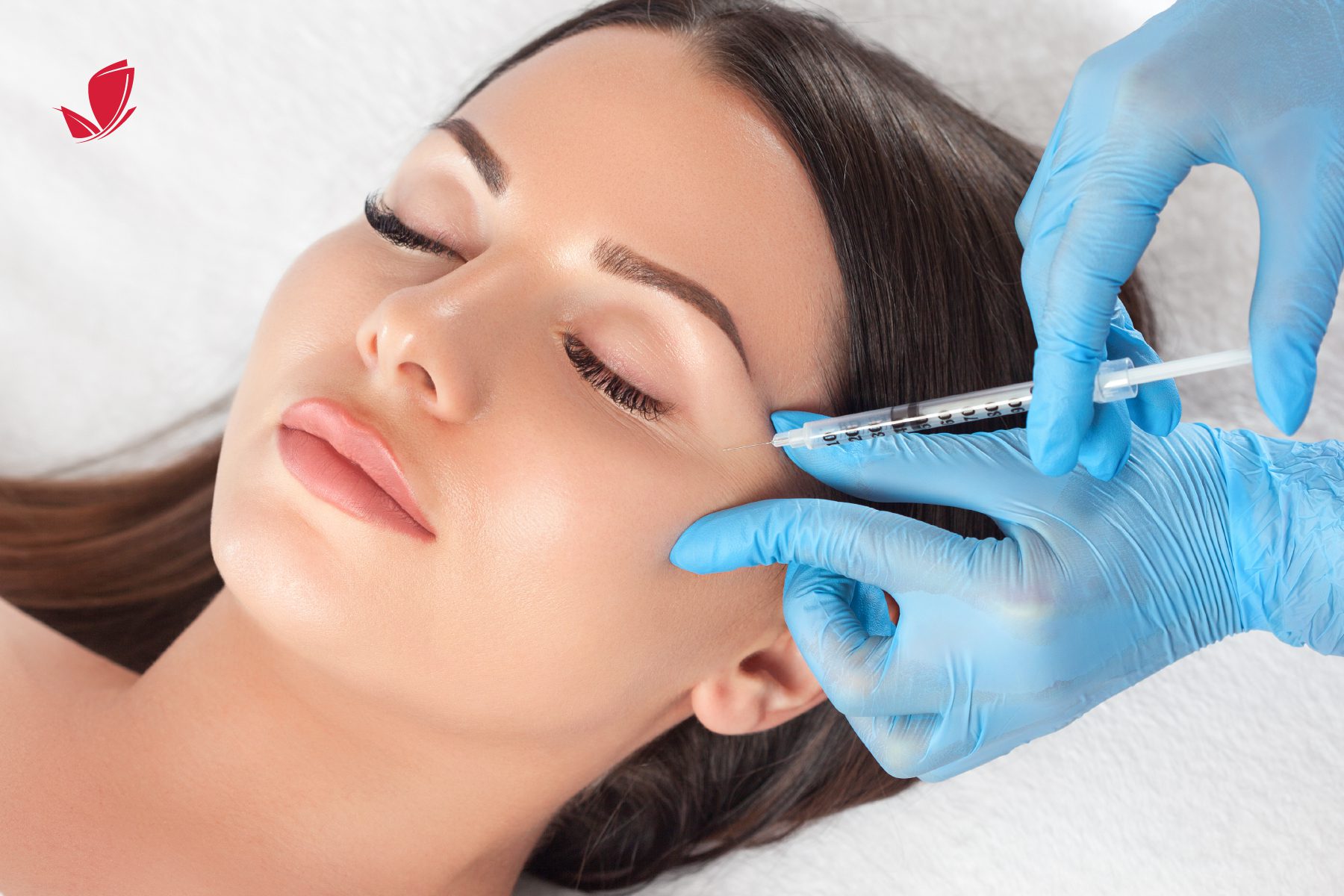
- A tiny needle is used to inject a small amount of Botox into the targeted facial muscles.
- Botox relaxes these muscles, temporarily reducing muscle contraction.
- This reduced movement of the targeted facial muscles effectively smooths your skin, minimizing fine lines and wrinkles.
What is Botox?
A Trusted Treatment for Fine Lines and Wrinkles
If you’re looking for a reliable way to smooth out fine lines and wrinkles, you’ve likely heard of Botox. It’s one of the most popular and trusted cosmetic injectables available, and for good reason. Botox is a purified protein, botulinum toxin A, that works by temporarily relaxing the specific facial muscles that cause wrinkles when you make expressions. By reducing these muscle contractions, the skin above appears smoother and more refreshed. It’s a targeted approach that addresses dynamic wrinkles—like crow’s feet and forehead lines—at their source, helping you achieve a natural-looking, more youthful appearance without altering your ability to show emotion.
Botox by the Numbers
The popularity of Botox isn’t just based on word-of-mouth. Numerous studies have confirmed its safety and effectiveness, making it a go-to choice for millions of people seeking non-invasive cosmetic treatments. Its consistent results and high patient satisfaction rates have solidified its reputation as a leading solution for facial rejuvenation. When administered by a trained professional, Botox provides predictable outcomes, which is why so many people return for treatments to maintain their results and feel more confident in their skin.
Why Proper Aftercare is Crucial for Your Results
The Risk of Botox Migration: Why Sleeping Position Matters
Getting the best results from your Botox treatment goes beyond the appointment itself; proper aftercare is key. One of the most important instructions is to avoid lying down for at least four hours after your injections. This simple step is crucial because it helps prevent “Botox migration,” which is when the product moves from the intended muscle to a nearby area. If Botox migrates, it can lead to unwanted side effects like a drooping eyelid or an uneven smile. Giving the Botox time to settle into the targeted muscles ensures it works exactly where it’s supposed to.
For the first night, it’s best to sleep on your back. Applying pressure to the treated areas by sleeping on your side or stomach can cause the Botox to spread. After the first 24 hours, this risk significantly drops, as most of the Botox has had time to bind to the nerves in the targeted muscles. By following these simple aftercare guidelines, you protect your investment and help ensure you achieve the smooth, natural-looking results you want. Following your technician’s advice is the best way to protect the effects of your treatment.
How Long After Botox Can I Sleep On My Side?
One of the most common misconceptions is that you can’t sleep in certain positions after Botox because it may migrate to other areas of the face. This is simply not true. Why is that?
Precise injection: Botox is highly targeted. It is injected into very specific muscles and stays localized where it has been injected.
No migration: Once the Botox has been injected, it doesn’t spread significantly beyond the injection site.
The First 4-6 Hours: The Importance of Staying Upright
While Botox settles into place relatively quickly, the first few hours after your appointment are crucial for ensuring it works exactly as intended. The most important guideline is to remain upright. According to the experts at La Vie Clinic, “For the first four hours after your Botox treatment, it’s very important to stay sitting or standing upright. Do not lie down or nap.” This simple step helps the product bind to the targeted muscles without any interference from gravity or pressure. Think of it as giving your treatment the perfect environment to get started. Plan for a relaxing afternoon of sitting up—catch up on a show, read a book, or work at your desk—but save any naps for later.
The First 24-48 Hours: Sleeping on Your Back
When it’s finally time for bed, your sleeping position becomes the next point of focus. For the best results, it’s recommended that you sleep on your back for the first night. This position prevents you from putting sustained pressure on the treated areas of your face, which could potentially affect the final outcome. It’s a small adjustment for one night that helps protect your investment and ensure everything settles perfectly. After that initial period, you can typically return to your preferred sleeping style. As a general guideline, “After a full 24 hours have passed since your Botox treatment, it’s generally okay to go back to sleeping in your usual position, including on your side.”
Tips for Sleeping Safely After Your Treatment
Getting the best possible outcome from your Botox treatment involves a little bit of care, especially when you sleep. The main goal is to avoid putting unnecessary pressure on the injection sites while the product settles. The most critical advice is to “Avoid touching, rubbing, or putting pressure on the areas where you got injections.” This means being mindful not to press your face into your pillow. Keeping your head slightly elevated with an extra pillow can also be helpful, as it can reduce minor swelling and makes it a bit harder to roll onto your stomach or side during the night.
A couple of other simple preparations can make a big difference. Before your appointment, make sure you have fresh, clean pillowcases ready for your bed. This minimizes the risk of bacteria coming into contact with the small injection points on your skin, promoting a clean and smooth healing process. Taking these small, proactive steps helps ensure that your results look as fantastic as you envisioned. Your technician will provide you with a complete list of aftercare instructions, and following them closely is the best way to support your treatment and enjoy the beautiful, natural-looking results.
How to Comfortably Stay on Your Back All Night
If you’re a dedicated side or stomach sleeper, the thought of spending a whole night on your back might seem challenging. Luckily, there are a few tricks to make it more comfortable and prevent you from rolling over in your sleep. One clever hack is to use a travel pillow. As La Vie Clinic suggests, “You can wear a U-shaped travel pillow around your neck (backwards) to keep your head centered.” You can also create a supportive “nest” by placing firm pillows on either side of your body, which acts as a gentle barrier to keep you in place. Remember, it’s just for one or two nights, and this small effort helps ensure your results are flawless.
What to Do If You Accidentally Sleep on Your Side
Waking up in a panic because you’ve rolled onto your side is a common fear, but there’s no need to worry. The consensus among experts is that a brief time on your side is unlikely to cause any problems. If you find yourself in this situation, “don’t panic. Gently turn onto your back and avoid touching your face.” The primary concern is prolonged and direct pressure on the treated areas, which is not likely to happen if you just momentarily shift positions. So, if you wake up on your side, simply adjust your position and go back to sleep. Your results should be just fine.
Your Botox Before-and-After Care Guide
Sleeping after Botox isn’t a major concern, but certain pre- and post-treatment care tips should be followed for the best results.
Before Your Appointment
You should consult with a qualified provider like LightRx Med Spas before receiving Botox. They will review your medical history, discuss your goals, and design a treatment plan that meets your needs.
- Disclosure: Inform your technician of any medications you are currently taking or any medical conditions.
- Book early: By booking your appointment early in the day whenever possible, you will avoid any sleep interference since you will be past the 4-hour window.
- Avoid blood thinners: To minimize bruising, it is often recommended to stop taking blood thinners a few days before treatment. However, this should be discussed during your initial consultation and with your doctor. It is also wise to discuss what herbs and supplements you are taking to be safe.
After Your Appointment
To get the best results, follow these aftercare suggestions.
- Minimize touching: Don’t rub or massage the treated areas for several hours after injection.
- Upright posture: While specific sleep positions aren’t necessary, maintaining an upright position for a few hours after treatment is recommended to minimize swelling. If you are sleepy, it is best to nap in an upright position in a chair or recliner.
- Sleeping position: It is optimal to sleep on your back the first night, but it is not necessary if you aren’t a back sleeper.
- Avoid strenuous activity: Strenuous exercise should be avoided for a day or two after receiving Botox injections.
- Sun protection: To protect your skin, it is a good practice to wear sunscreen daily with an SPF of 30 or higher.
Key Activities to Avoid for the First 24 Hours
Avoid Strenuous Exercise and Heat Exposure
To ensure your Botox settles perfectly, it’s best to take a brief break from your usual high-intensity activities. For at least 24 hours after your treatment, you should avoid strenuous exercise, heavy lifting, or anything that gets your heart rate up and makes you sweat. Increased blood flow can contribute to bruising and swelling at the injection sites. It’s also wise to stay away from direct heat sources like saunas, hot tubs, or steam rooms for the first day or two. Keeping your body cool and calm helps the Botox work exactly where it was intended, giving you the smooth, refreshed look you want without any complications.
Steer Clear of Alcohol
While you might be tempted to celebrate your fresh new look with a glass of wine, it’s best to wait at least 24 hours. Alcohol acts as a blood thinner, which can increase your chances of bruising and swelling around the injection sites. Even a small amount can make a difference in your initial recovery. By skipping happy hour for just one evening, you’re helping your skin heal more quickly and cleanly. This simple step is an easy way to protect your investment and ensure your Botox treatment delivers the best possible results with minimal side effects.
Postpone Other Facial Treatments
Give your face a little breathing room after your appointment. It’s important to postpone any other facial treatments for at least 24 hours, and sometimes longer, depending on the procedure. This includes facials, chemical peels, microdermabrasion, or facial massages. Applying pressure or using active ingredients on the treated areas too soon can interfere with how the Botox settles into the muscle. Your technician placed the injections with precision, and allowing the area to remain undisturbed is key to achieving the desired outcome. You can always schedule your favorite spa treatments for a later date.
Be Gentle with Makeup and Skincare
For the first day, a hands-off approach is the best policy. Avoid touching, rubbing, or putting any significant pressure on the areas where you received injections. This means being mindful when washing your face or applying skincare products—use a gentle touch and avoid vigorous scrubbing. It’s also a good idea to skip wearing tight hats, headbands, or goggles that press on the treated areas. While you can apply makeup, try to do so gently and avoid products that require a lot of blending or rubbing. This helps prevent the Botox from shifting before it has fully settled.
Understanding Potential Side Effects
Common and Mild Reactions to Expect
It’s completely normal to experience a few minor and temporary reactions after your Botox appointment. Most people notice some slight swelling, tenderness, or small red marks at the injection sites, but these typically fade within a few hours. You might also see some slight bruising, which should resolve within a few days. A mild headache is another common side effect that can occur shortly after treatment but usually goes away quickly. These reactions are simply your body’s response to the injections and are generally no cause for concern. They are a normal part of the process as you await your beautifully smooth results.
When to Contact Your LightRx Provider
While serious side effects are rare, it’s important to know what to look for. If you experience anything beyond the mild reactions mentioned above, don’t hesitate to get in touch with your provider. You should contact your LightRx clinic right away if you notice a noticeable drooping of an eyelid or eyebrow, as this could indicate the Botox has affected a nearby muscle. Additionally, any signs of infection, such as increasing pain, warmth, or pus at an injection site, or signs of an allergic reaction like hives or difficulty breathing, require immediate medical attention. Your safety and results are the top priority.
Maintaining Your Botox Results Long-Term
Scheduling Your Next Appointment
One of the best things about Botox is that it offers a temporary, non-permanent solution to fine lines and wrinkles. The effects typically last between three to six months. To maintain your smooth, youthful appearance, consistency is key. Scheduling regular follow-up appointments will ensure your results never completely fade, allowing you to enjoy the benefits without interruption. Your LightRx technician can help you determine the ideal treatment schedule based on your unique goals and how your muscles respond. Planning ahead for your next aesthetic treatment makes it easy to keep your look fresh all year round.
How Sleep Habits Can Affect Wrinkles Over Time
While your sleeping position right after Botox isn’t a major concern, your long-term sleep habits can impact your skin’s appearance. Consistently sleeping on your side or stomach can press your face into the pillow, creating compression lines that may eventually turn into permanent “sleep wrinkles.” If you’re looking to preserve your smooth skin for as long as possible, training yourself to sleep on your back can be beneficial. This position avoids putting pressure on your facial skin, helping to maintain the results of your Botox and prevent new lines from forming over time. It’s a simple lifestyle tweak that can support your skincare goals.
Why Your Choice of Injector Is So Important
Using only highly trained, experienced technicians is crucial for your safety and the effectiveness of the treatment. Here’s why:
- Expertise: A qualified Med Spa technician can assess your anatomy and muscle movements to determine the precise injection locations for your facial habits to achieve the best results.
- Dosage: An experienced provider will use the appropriate dosage of Botox to achieve your desired outcome while minimizing the risk of any side effects.
- Safety: Using the proper injection techniques and sterile equipment keeps you safe.
- Realistic expectations: A reputable Med Spa will discuss what you can expect for your post-treatment look.
While you don’t have to worry too much about your specific sleeping position after Botox, it is wise to use an experienced provider and follow all your pre and post-treatment advice for a safe and successful experience.
Contact LightRx today for a free consultation.
Frequently Asked Questions
Is it really okay to sleep on my side after the first 24 hours? Yes, it’s generally fine. The most critical period is the first night, when we recommend sleeping on your back to avoid putting sustained pressure on the injection sites. After 24 hours have passed, the Botox has had sufficient time to settle into the targeted muscles, so you can return to your preferred sleeping position without worry.
I’m a stomach sleeper and just can’t stay on my back. What should I do? Don’t stress. The main goal is to minimize direct, prolonged pressure on your face for that first night. You can try propping pillows around your body to create a barrier that makes it harder to roll over completely. If you do wake up on your stomach, just gently reposition yourself. A brief moment in your usual position is very unlikely to impact your final results.
Why is avoiding exercise and alcohol so important after my appointment? Both strenuous exercise and alcohol increase blood flow, which can worsen bruising and swelling at the injection sites. Taking a one-day break from the gym and happy hour is a simple way to help your skin heal cleanly and quickly. This small sacrifice helps ensure you get the best, smoothest outcome from your treatment.
How long does it take to see the full effects of Botox? While you might notice some subtle changes within a few days, the final, optimal results typically appear about one to two weeks after your appointment. This gives the product enough time to fully relax the targeted muscles. Most people enjoy their refreshed look for about three to six months before scheduling a follow-up treatment.
Is it normal for my forehead to feel a bit tight or heavy afterward? Yes, a sensation of tightness or heaviness in the treated area is a very common and temporary feeling, especially for first-timers. This is just a sign that the Botox is beginning to take effect on the muscles. The sensation usually fades within a week or two as you get used to the feeling of the newly relaxed muscles.
Key Takeaways
- Stay upright for at least four hours post-treatment: This is the most important rule to follow. It gives the Botox time to settle properly into the targeted muscles, which prevents it from moving to unintended areas and ensures it works exactly where you want it to.
- Sleep on your back for the first night: To get the best results, try to sleep on your back for one night. This position avoids putting sustained pressure on the injection sites, which helps protect your investment and allows everything to settle perfectly.
- Pause strenuous exercise and alcohol for 24 hours: Activities that increase blood flow, like a tough workout or a glass of wine, can also increase your chances of bruising and swelling. Taking a brief break helps your skin heal cleanly and supports a smooth recovery.