

Acne Scar Removal Near Me: What Really Works
We all want our skin to look its best. It’s less about vanity and more about looking as good on the outside as we feel on the inside. But when stubborn acne scars get in the way, it’s frustrating. If you’re a bit of a skeptic after reading endless anti aging skin care blogs, I get it. Your search for “acne scar removal near me” proves you’re ready for real results. My personal goal is confidence—whether that’s on a Zoom call or finally rocking that cute 50s bikini top. Let’s get you that same feeling.
As we age, time takes its toll in the form of wrinkles, sagging skin, and dull complexions. Do we have to live with this?
Thankfully, no. As technological advancements in skincare continually evolve, we have many options for non-surgical anti-aging treatments.
First, Let’s Understand Acne Scars
Before we get into solutions, it’s important to know what we’re dealing with. Acne scars are more than just a frustrating reminder of a breakout; they are permanent changes to your skin’s texture. Understanding the what and why is the first step toward finding a treatment that actually works for you. It helps you ask the right questions and set realistic goals for your skin journey. Not all marks left behind by acne are true scars, and different types of scars respond to different treatments. Let’s break down the basics so you can feel confident and informed as you explore your options for achieving smoother, clearer skin.
What Causes Acne Scars?
So, what’s happening under the surface? An acne scar forms when a blemish, like a cyst or pimple, penetrates the skin deeply and damages the tissues beneath it. As your skin rushes to repair this damage, its production of collagen—the protein that gives skin its structure—can go a little haywire. If your body produces too little collagen in response to the wound, you’re left with a depression or pit in the skin. If it produces too much, you’ll see a raised scar. This healing process is what creates that lasting change in your skin’s texture, which won’t go away on its own.
The Difference Between Scarring and Discoloration
It’s easy to confuse the dark or red spots left after a pimple with actual scars, but they are two different things. Those colored marks are known as post-inflammatory hyperpigmentation (PIH) or post-inflammatory erythema (PIE). While annoying, they are not permanent. They represent inflammation and pigment changes in the skin and typically fade on their own over several months. True acne scars, on the other hand, are textural changes—either depressed or raised—and are permanent unless you seek professional treatment. Knowing the difference is key, as it determines whether you need time or treatment.
Types of Acne Scars
Acne scars aren’t a one-size-fits-all issue. They come in different shapes and sizes, and identifying which type you have is crucial for finding the most effective treatment. Most people have a combination of scar types, which is why a personalized treatment plan is so important. Generally, scars fall into two main categories: depressed (atrophic), where there’s a loss of tissue, and raised (hypertrophic), where there’s an overgrowth of tissue. Let’s look at the common culprits within each category so you can get a better sense of what you’re seeing on your skin.
Depressed (Atrophic) Scars
These are the most common types of acne scars and appear as pits or indentations in the skin. They form when not enough collagen is produced during the healing process. There are three main kinds. Ice pick scars are deep, narrow pits that look like the skin was punctured with a tiny ice pick. Boxcar scars are broader, box-like depressions with sharply defined edges. Finally, rolling scars have a wave-like appearance across the skin, with smooth edges that make the skin’s surface look uneven and “rolling.” Each type sits at a different depth in the skin, requiring a specific approach to smooth them out.
Raised (Hypertrophic) Scars
Unlike atrophic scars, raised scars happen when your body produces too much collagen as a wound heals, creating a bump of excess tissue on the skin’s surface. A hypertrophic scar is a firm, raised scar that stays within the boundaries of the original acne lesion. A keloid scar is a more aggressive type of raised scar that can grow much larger than the original spot. Keloids can be itchy or painful and are more common in people with deeper skin tones. Because these scars involve excess tissue, treatments are focused on reducing their size and flattening them.
Your Guide to Professional Acne Scar Treatments
Once you’ve identified your scar types, it’s time to explore professional treatments. While at-home products can help with discoloration and minor texture issues, true acne scars require more powerful solutions to see significant improvement. Professional treatments work by either removing damaged layers of skin, stimulating new collagen to fill in depressions, or breaking down excess scar tissue. At a medspa, experts can combine different technologies to target your specific concerns, giving you a much better result than a single approach could. These clinically proven methods are the gold standard for creating real, lasting change in your skin’s texture.
Laser Skin Rejuvenation
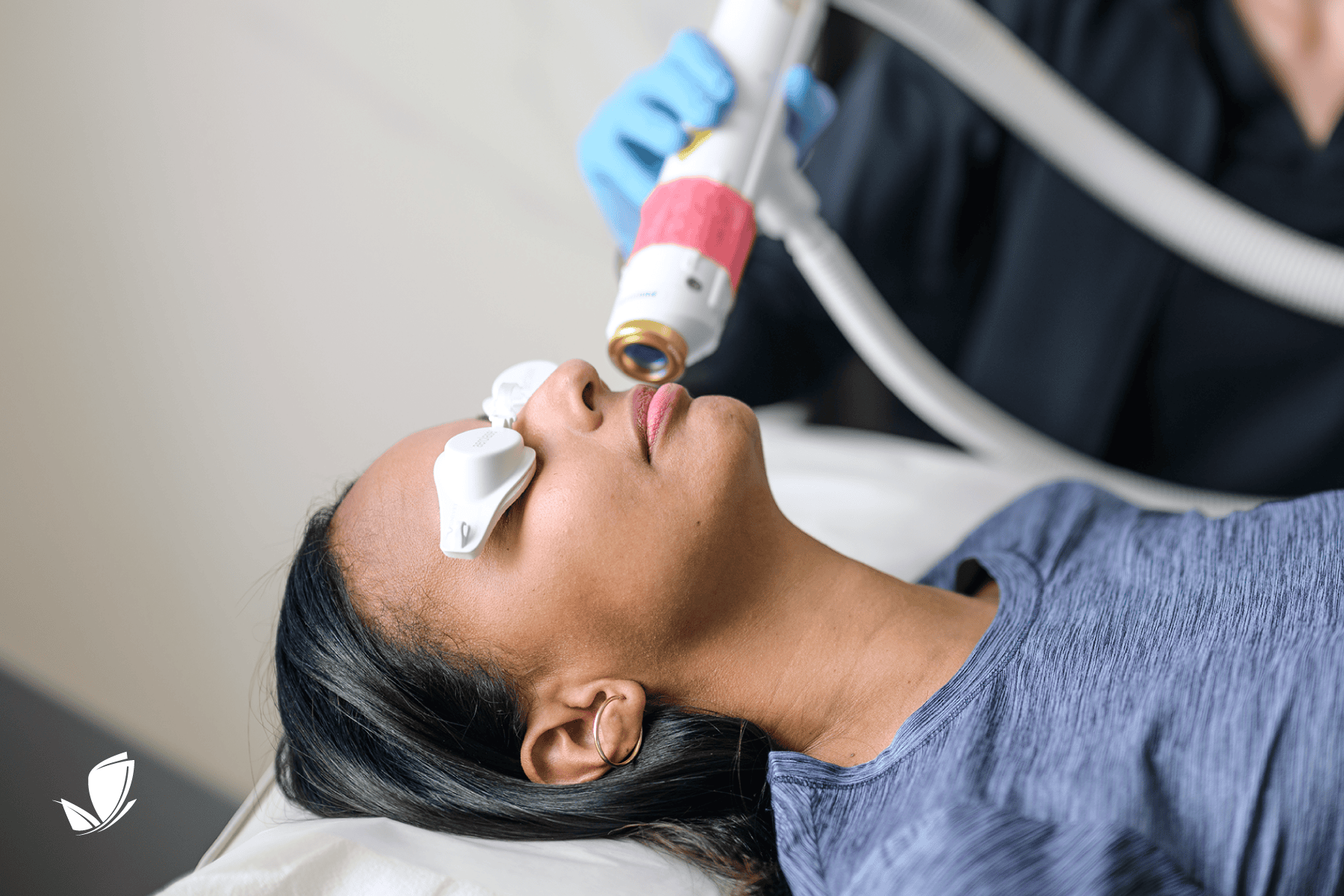
Laser treatments are one of the most effective ways to address acne scars. They work by using focused light energy to either remove the outer layer of skin (ablative lasers) or to heat the underlying skin (non-ablative lasers). This process stimulates your body’s natural healing response and encourages the production of new, healthy collagen. Over time, this new collagen helps to smooth out the skin’s surface, reducing the appearance of scars. At LightRx, we use advanced, FDA-cleared technology for skin rejuvenation to safely and effectively treat scars, improving both texture and tone for a clearer complexion.
Chemical Peels and Microneedling
Chemical peels and microneedling are two other powerhouse treatments for scar reduction. A professional chemical peel uses a solution to remove the outer layers of skin, revealing smoother, less damaged skin underneath. They can be particularly effective for shallower atrophic scars and hyperpigmentation. Microneedling, also known as collagen induction therapy, uses fine needles to create tiny, controlled micro-injuries in the skin. This triggers a healing cascade, which generates new collagen and elastin, helping to fill in and smooth out scars from the inside out. Both treatments are fantastic for improving overall skin texture.
Dermal Fillers
For certain types of depressed scars, especially rolling and some boxcar scars, dermal fillers offer an immediate improvement. A skilled practitioner can inject a filler substance, typically one containing hyaluronic acid, directly beneath the scar. This instantly lifts the depression, bringing it level with the surrounding skin and creating a smoother surface. While the results are temporary—lasting from several months to over a year, depending on the filler used—it’s a great option for quick correction with no downtime. It can also be combined with other treatments that build collagen for longer-lasting results.
Other Medical Procedures
For very specific and stubborn scars, a medical professional might recommend a minor surgical procedure. These are typically reserved for deep or prominent scars that don’t respond as well to resurfacing treatments alone.
- Subcision: This is used for rolling scars. A special needle is inserted to break up the fibrous bands that are pulling the skin down and creating the depression. This releases the scar, allowing it to rise.
- Punch Excision: Best for deep ice pick or boxcar scars, this procedure involves using a tiny, cookie-cutter-like tool to cut out the scar. The small wound is then closed with a stitch, leaving a much smaller, less noticeable line.
- Steroid Injections: For raised hypertrophic and keloid scars, injecting a corticosteroid directly into the scar tissue can help break it down, reducing inflammation and causing it to flatten over time.
Building Your Treatment Plan
Now that you know the options, how do you put it all together? Creating an effective treatment plan isn’t about picking one procedure from a menu. It’s about developing a strategic, personalized approach that addresses your unique skin and scar types. This is not a journey you should take alone. Working with an experienced professional is the most important step you can take to ensure you get the best possible results safely. They will act as your guide, helping you understand what your skin needs and what you can realistically achieve.
Finding the Right Professional for Your Scars
The success of your acne scar treatment heavily depends on the skill of the person performing it. You need a professional who has a deep understanding of skin anatomy, scar types, and the full range of available technologies. Look for a reputable medspa or dermatology clinic with licensed and experienced technicians or clinicians. Don’t be afraid to ask about their experience with acne scars specifically. The best way to start is with a consultation. At LightRx, we offer a free personal consultation to assess your skin, discuss your goals, and create a plan tailored just for you.
Why a Custom, Combination Approach is Key
Since most people have a mix of scar types, a single treatment method is rarely enough to deliver the best outcome. A truly effective plan often involves combining different modalities. For example, you might use subcision to release a tethered rolling scar, a filler to lift the depression, and laser resurfacing to smooth the overall texture and improve discoloration. This multi-pronged approach allows a practitioner to target each scar with the most appropriate tool. A custom plan ensures that you’re not just treating the skin, but strategically rebuilding it for the smoothest, most even result.
Special Considerations for Skin of Color
If you have a medium to deep skin tone, it’s especially important to work with a provider who has experience treating skin of color. Melanin-rich skin has a higher risk of developing post-inflammatory hyperpigmentation (dark spots) or even hypopigmentation (light spots) after certain treatments, especially more aggressive lasers and deep chemical peels. An experienced professional will know which technologies are safest for your skin tone, such as specific laser wavelengths, and will adjust treatment parameters to minimize risks. They can ensure your treatment plan effectively targets scars without compromising your beautiful skin tone.
Setting Realistic Expectations for Treatment
Embarking on a journey to treat acne scars is exciting, but it’s also a process that requires patience. It’s crucial to have a realistic mindset from the start. The goal of treatment is significant improvement, not complete eradication. No treatment can make a scar vanish 100%, but with the right plan, you can achieve a dramatic reduction in its appearance, leading to smoother skin and renewed confidence. Understanding the timeline, costs, and recovery involved will help you stay positive and committed throughout the process, ensuring you’re happy with your final results.
Understanding the Timeline and Results
Patience is your best friend when it comes to scar revision. Most treatments rely on your body’s own collagen production to work, and that process takes time. While you might see some initial changes within a few weeks, the most significant and lasting results typically appear over three to six months, and can even continue improving for up to a year. Most people also need a series of treatments, spaced several weeks or months apart, to achieve their desired outcome. Trust the process and your provider’s timeline—good things are happening under the surface.
A Note on Treatment Costs and Recovery
It’s important to know that acne scar treatments are considered cosmetic, which means they are almost never covered by health insurance. The cost can vary widely depending on the type of treatment, your geographic location, and the number of sessions you need. Recovery time also varies; some treatments have virtually no downtime, while others may require a few days of social downtime as your skin heals. To make treatments more accessible, some places offer payment plans or memberships that can help you manage the investment in your skin over time.
How to Support Your Results at Home
Your professional treatments are the heavy lifters, but what you do at home every day plays a huge supporting role in your success. A solid at-home skincare routine is essential for protecting your investment and enhancing your results. The right habits can help your skin heal more effectively, prevent new scars from forming, and maintain the smooth, clear complexion you’ve worked so hard to achieve. Think of it as a team effort between you and your provider—they handle the advanced treatments, and you handle the daily maintenance.
Rule #1: Get Active Acne Under Control
This is the most important rule of all. You can’t effectively treat old scars if you’re constantly developing new ones. Continuing to have active breakouts will undermine the progress made from your professional treatments. Before or during your scar revision journey, work with your provider to get your acne under control. This might involve prescription topicals, oral medications, or a targeted skincare routine. Once you stop the cycle of breakouts, you can fully focus on repairing the past damage without worrying about creating more in the future.
Rule #2: Daily Sunscreen is Non-Negotiable
If you do only one thing for your skin, let it be this. Sun exposure is the enemy of healing skin. UV rays can darken scars, making them more noticeable, and slow down the healing process by causing inflammation. After any professional treatment, your skin is especially vulnerable to sun damage. You must commit to wearing a broad-spectrum sunscreen with an SPF of 30 or higher every single day, rain or shine. This single habit will protect your skin, preserve your treatment results, and prevent premature aging—it’s a win-win-win.
Helpful At-Home Skincare Ingredients
While over-the-counter products can’t erase deep scars, certain ingredients can support your professional treatments and improve overall skin texture and tone. Retinoids (like retinol) are superstars for speeding up cell turnover and stimulating collagen. Vitamin C is a powerful antioxidant that can help brighten post-inflammatory hyperpigmentation and support collagen synthesis. Alpha-hydroxy acids (AHAs) like glycolic acid can gently exfoliate the skin’s surface to improve texture and fade discoloration. Incorporating these into your routine, as recommended by your provider, can help maintain and even enhance your results.
Why Does Our Skin Age?
Aging skin can be attributed to a multitude of factors. Some are natural processes, and others are environmental, such as:
- Collagen and elastin loss: Skin cells regenerate more slowly. Our outer skin layer thins, while our inner layer loses collagen and elasticity, leading to wrinkles and sagging.
- Fat loss: As our skin’s fat layer decreases, it leads to a loss of volume and elasticity, resulting in a sunken appearance.
- Sun exposure, pollution, smoking, and diet can all lead to premature aging.
Your Guide to Younger-Looking Skin
At LightRx, we focus on how to look younger with non-invasive treatments, including skin tightening and Botox for wrinkle reduction.
Skin tightening: At LightRx, we utilize a combination of low-level lasers, radio frequencies, and magnetic pulses that induce a thermal reaction in the skin, jump-starting your body’s natural healing processes to naturally tighten your skin.
The resulting new collagen formation contracts and tightens your skin for youthful, vibrant results. Perfect for the face and neck area, but can also be used effectively on other parts of your body.
BOTOX Treatments: How to look younger quickly, Botox treatments are your answer. Botox is a highly purified neurotoxin that is injected into specific areas to block the nerve signals to targeted muscles.
Botox effectively stops muscle contraction, reducing fine lines, crow’s feet, and wrinkles. It is a safe and effective treatment that works quickly, with no downtime required to achieve a relaxed, youthful appearance. It is one of the most popular cosmetic treatments available.
How to Maximize Your Treatment Results
Discover how to look younger using add-on treatments that prolong and enhance your results.
LightRx offers a range of options, including facials, laser treatments, and contouring, to enhance the benefits of our other services.
Facials for Rejuvenation and Tightening
Hydrafacial is a skin rejuvenation treatment that effectively opens pores, removing dirt, oil, and other impurities to restore your skin to a healthier, cleaner, and more hydrated appearance.
Venus Viva: FDA-cleared and clinically proven to improve the general texture of your skin by targeting issues like wrinkles, discoloration, acne scarring, and stretch marks.
Sofwave: Works like our other treatments to activate the body’s natural healing process and enhance the ability to form new collagen. It is a standout treatment that reduces fine lines and wrinkles.
Aerolase Neo Elite: A powerful choice to treat everything from loose, wrinkled skin to acne, acne scarring, and psoriasis.
Body Skin Tightening Treatments
Venus Legacy is an innovative treatment for body contouring and sculpting. It uses radio frequencies and magnetic pulses in a patented (MP)2 technology that reduces cellulite, tightens the skin, and rejuvenates it to lessen the appearance of stretch marks, wrinkles, and aging.
New collagen formation yields impressive results and can be applied to the face, neck, back, stomach, and thighs.
Sculpt Your Shape with Body Contouring
Body contouring targets stubborn fat in the abdomen, thighs, and “love handles” that dieting alone won’t budge.
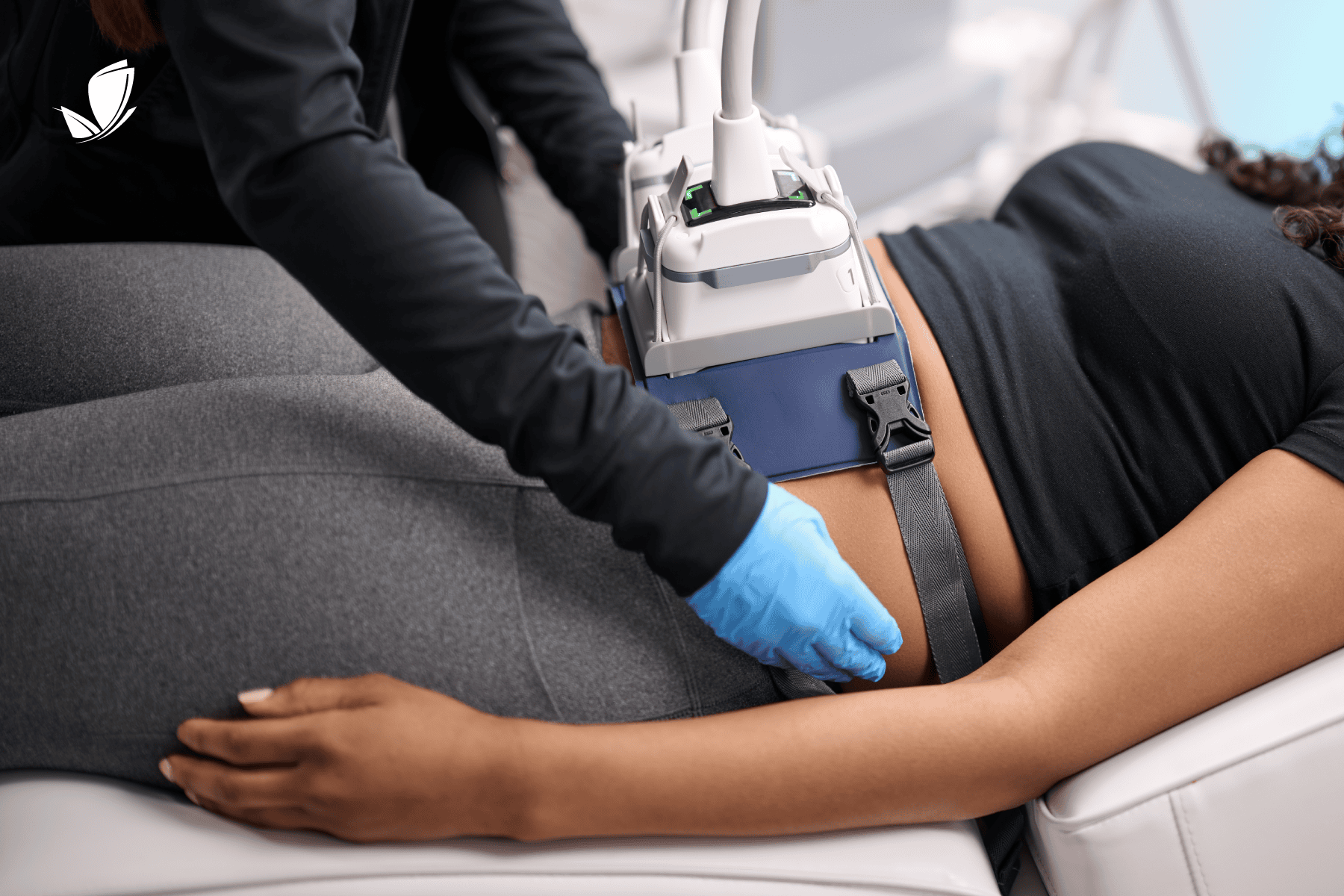
Our Venus Bliss uses radio frequencies, low-level lasers, and pulsed magnetic fields to safely melt fat and stimulate collagen growth for tighter, more youthful-looking skin.
Body contouring treatments are safe and FDA-approved, offering a two-pronged approach to fat loss and skin tightening.
The combination of laser lipo and skin tightening gets you the results you’re after.
Find Your Youthful Glow at LightRx
Age is just a number. At LightRx, you can count on us to understand all of your skincare needs. Our innovative treatments are designed to be combined for maximum impact and to prolong your results.
Our trained technicians specialize in analyzing your skin to create a personalized treatment plan tailored to meet your unique goals.
Look younger without surgery at LightRx. Schedule a free consultation today!
Frequently Asked Questions
How do I know which treatment is right for my specific scars? The best way to figure this out is through a professional consultation. Since most of us have a mix of different scar types, like rolling, boxcar, or ice pick scars, there isn’t a single magic bullet. A trained technician can properly assess your skin’s texture and create a personalized plan that might combine different technologies, such as laser resurfacing and microneedling, to give you the most effective results.
Will the treatments for acne scars hurt? This is a very common and fair question. Your comfort is a top priority, and most clients find the treatments quite manageable. Depending on the procedure, you might feel a sensation of warmth or a light prickling, but it’s not typically described as painful. Your provider will walk you through exactly what to expect and ensure you are as comfortable as possible during the entire process.
How long will it take before I see a real difference in my skin? Patience is a key part of the process because most treatments work by encouraging your body to build new collagen. While you might notice some initial improvements, the most dramatic and lasting results often develop over three to six months following a series of sessions. Think of it as rebuilding your skin from the inside out, which is a gradual but very effective journey.
Can professional treatments make my acne scars disappear completely? The goal of any scar revision plan is to achieve significant improvement, not complete eradication. While no treatment can make a scar vanish 100%, the right plan can dramatically smooth your skin’s texture and reduce the visibility of scars to a point where they are far less noticeable. This level of improvement is what helps restore your skin’s smooth appearance and your confidence.
Why do I need professional treatments if I already have a good skincare routine at home? A great at-home routine is essential for maintaining your skin’s health and managing surface issues like discoloration. However, true acne scars are permanent textural changes that sit deep within the skin. Over-the-counter products can’t physically rebuild that damaged tissue. Professional treatments use powerful, targeted energy to stimulate deep collagen production and remodel the skin in a way that at-home care simply cannot.
Key Takeaways
- Know Your Scars First: Understanding the difference between temporary dark spots and permanent textural scars, like ice pick or rolling types, is crucial. This knowledge helps you set realistic goals and choose a treatment that will actually work for your specific skin.
- Partner with a Pro for a Custom Plan: The best results come from a personalized strategy, not a single treatment. Working with an experienced professional to combine therapies like lasers, microneedling, or fillers ensures you are targeting each type of scar in the most effective way.
- Make Your Results Last at Home: Your daily habits are essential for protecting your investment. The two most important rules are getting active acne under control to prevent new scars and wearing sunscreen every single day to protect healing skin and maintain your progress.