

The Complete RF Cost: A Full Price Breakdown
Choosing the right skin tightening treatment involves weighing your options, and cost is a huge part of that decision. While it’s tempting to look for the lowest price, true value comes from getting safe, effective results from a provider you trust. Understanding the complete rf cost allows you to accurately compare it to other procedures and see where it fits into your budget. This guide breaks down all the components of the price, from the provider’s expertise to the technology they use. We’ll give you the knowledge you need to assess the full value of RF skin tightening and make an informed choice for your skin.
If you’ve ever wondered why there isn’t a standard price list for aesthetic treatments, it’s because every plan is as unique as the person receiving it. The final rf skin tightening cost is built from several key components that are tailored to your specific needs and goals. The size of the treatment area, the number of sessions required for the best outcome, and even the provider’s level of experience all play a role in shaping the final price tag. Instead of a single number, think of it as a personalized quote. Here, we’ll explain each of these factors in detail so you can see exactly what you’re paying for and plan your budget without any surprises.
Key Takeaways
- Pricing is personalized: The final cost for RF skin tightening varies based on the treatment area, the number of sessions you need, and your provider’s expertise, so a personal consultation is the best way to get an accurate quote.
- Affordable options exist: You can make RF treatments fit your budget by exploring payment plans, purchasing session packages for a discount, and considering memberships for long-term savings and added value.
- Choose value over the lowest price: The right provider combines experience with transparent pricing. Use your free consultation to confirm their credentials, ask direct questions about the total cost, and get a clear treatment plan.
What Is RF Skin Tightening & How Does It Work?
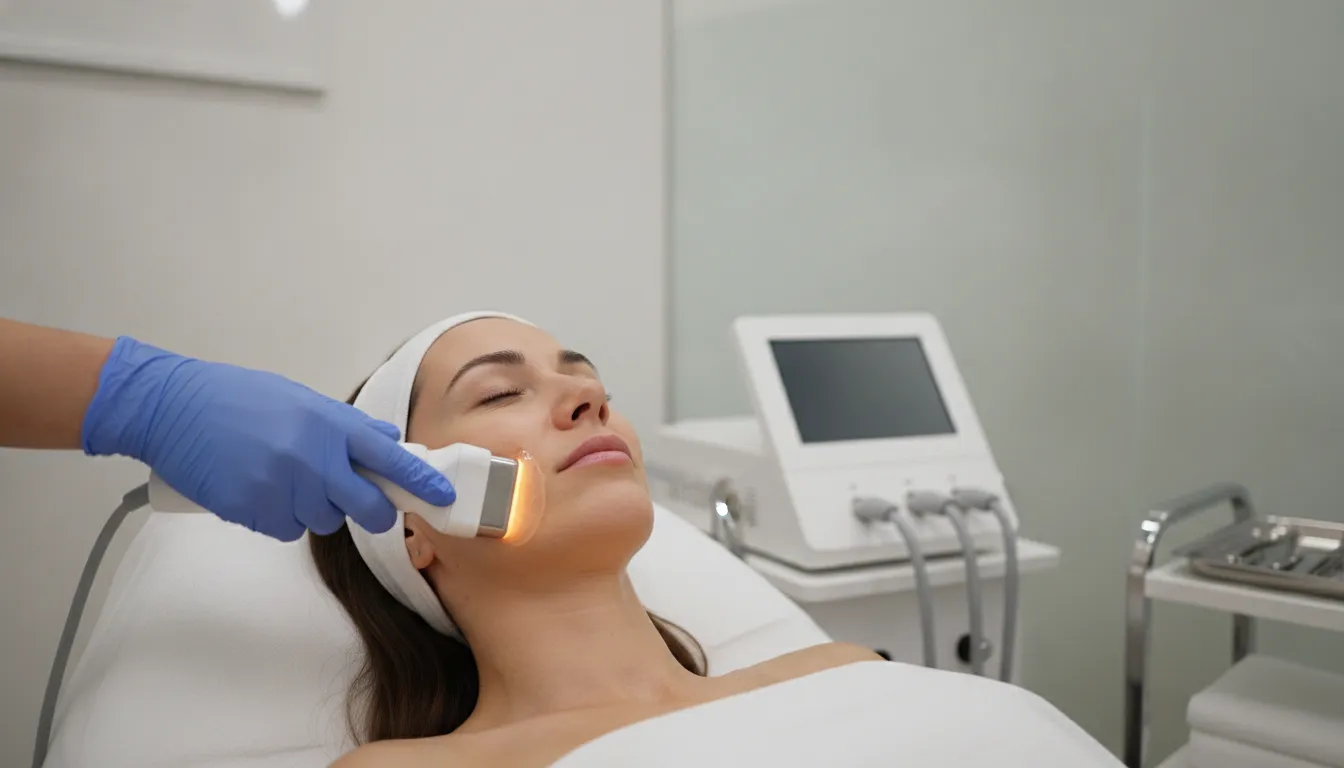
If you’ve started to notice your skin isn’t quite as firm as it used to be, you’re not alone. Radiofrequency (RF) skin tightening is a non-surgical treatment that helps restore your skin’s youthful look without any incisions or downtime. This procedure uses gentle radio waves to warm the deeper layers of your skin. This controlled heat acts as a signal, telling your body to ramp up its production of collagen and elastin, the two key proteins responsible for keeping your skin firm, smooth, and elastic. It’s a way to work with your body’s natural processes to achieve a tighter, more refreshed appearance.
How Radiofrequency Creates Firmer Skin
Think of collagen and elastin as your skin’s internal support system. Collagen provides the structure and firmness, while elastin gives it that healthy bounce. As we get older, our bodies naturally produce less of both, which leads to sagging skin and wrinkles. RF skin tightening treatments directly address this by gently heating the skin’s tissue, which stimulates fibroblast cells to create new collagen and elastin. This process effectively rebuilds your skin’s foundation from the inside out, resulting in a naturally firmer and smoother surface over time.
What Are the Benefits of RF Skin Tightening?
One of the best things about RF skin tightening is that it’s widely considered both safe and effective. The results appear gradually, as your body needs time to produce new collagen. Many people see continued improvements for up to six months following their treatment sessions. And the benefits are long-lasting. The results from an RF treatment plan can last for a year or even longer, making it a fantastic option for sustained skin rejuvenation. You get visible results without the risks and recovery time associated with surgery.
Addressing a Range of Skin Concerns
Beyond just firming, RF treatments are a powerhouse for complete skin rejuvenation. This technology is incredibly versatile, helping your skin heal itself to look and feel better by improving skin tone, texture, and the appearance of pores. It also softens fine lines and wrinkles and can even address loose skin, dark spots, and stretch marks. For those who have struggled with acne, RF microneedling is especially effective at fading stubborn scars. The treatment works by breaking down old scar tissue and encouraging new, healthy skin to grow in its place, creating a smoother and more even complexion over time.
Effectiveness and Clinical Results
The confidence in RF treatments isn’t just based on happy clients; it’s supported by clinical research. Studies show that patients see significant improvements, with some reporting a 51%–60% improvement in the appearance of acne scars and a 40%–50% improvement in overall skin texture. This effectiveness comes from the treatment’s dual action. The microneedles create tiny, controlled injuries that signal your skin to start its natural healing process, while the radiofrequency heat tightens existing collagen and stimulates new collagen production deep within the skin. This powerful combination helps rebuild your skin’s structure for lasting, visible results.
Where Can You Use RF and What’s a Session Like?
RF technology is incredibly versatile and isn’t just for the face. It can effectively treat loose skin on the neck, chest, arms, abdomen, and thighs. Because the treatment is completely non-invasive, there are no cuts or stitches involved. Most people describe the sensation as a warm, comfortable feeling on the skin. Best of all, there is little to no downtime, so you can schedule a session and get right back to your daily routine afterward. It’s a convenient way to work on your body contouring goals without disrupting your life.
What to Expect During the Procedure
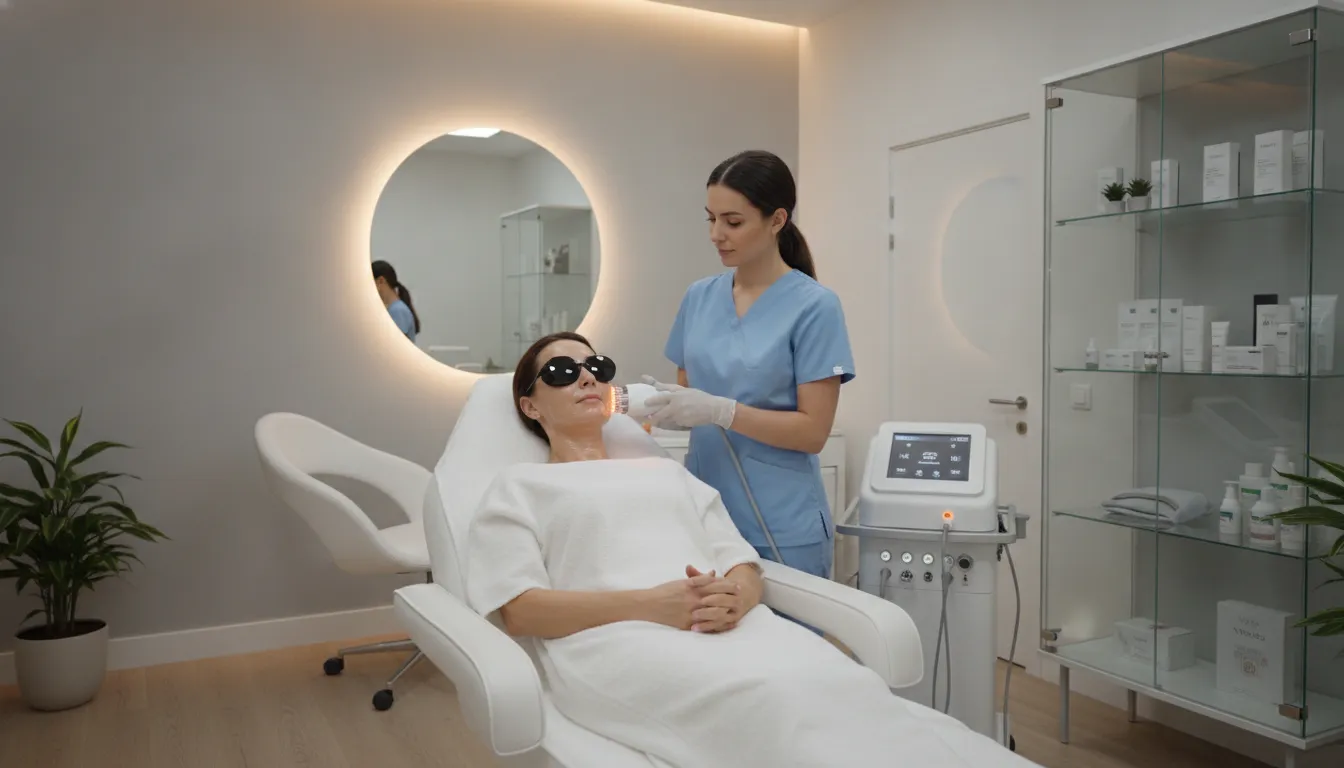
Knowing what will happen during your appointment can make the whole experience feel more comfortable. First, your technician will thoroughly clean the treatment area and apply a numbing cream, which usually sits for about an hour to ensure you’re as comfortable as possible. During the treatment itself, many people describe the sensation as a quick, warm snap, similar to a rubber band against the skin. After the session, it’s normal for your skin to look a bit pink or reddish, like you have a mild sunburn, but this typically fades within a day or two. You’ll be advised to skip makeup for a couple of days to let your skin breathe and begin the natural skin rejuvenation process. It’s a straightforward procedure with minimal fuss.
Preparing for Your RF Session
Before you commit to any treatment, your first step should always be a conversation with a qualified professional. This is your chance to ask questions and get a feel for the provider. During a free consultation, a technician will assess your skin, discuss your aesthetic goals, and help you decide if RF skin tightening is the right fit. Based on your unique needs, they will recommend a specific number of treatments and outline a plan designed to give you the best results. This initial meeting is essential for creating a personalized approach and ensuring you feel confident and informed before your first session begins.
Is RF Skin Tightening Right for You?
While RF skin tightening is a versatile and effective treatment for many, it’s not a one-size-fits-all solution. Understanding who makes a great candidate—and who should hold off on the treatment—is crucial for both your safety and your results. Certain skin conditions, health factors, and even medications can affect whether RF is the best choice for you right now. Taking a moment to review these guidelines can help you make an informed decision and set realistic expectations for your skin rejuvenation journey. Let’s look at who typically sees the best results and who should explore other options.
Ideal Candidates and Treatment Limitations
You’re likely a great candidate for RF skin tightening if you’re looking to address common signs of aging or skin damage. This treatment works wonders for people with mild to moderate skin laxity, fine lines, wrinkles, and uneven skin texture. It’s also an excellent option for reducing the appearance of acne scars and large pores. One of the biggest advantages of RF technology is that it’s considered safe for all skin types and tones, making it an inclusive choice for skin rejuvenation. If you want to achieve firmer, smoother skin without undergoing surgery, RF treatments offer a powerful and non-invasive alternative.
Who Should Avoid RF Treatments?
Safety always comes first, so there are a few situations where you should avoid RF treatments. If you have any active skin infections, open wounds, or active cold sores in the treatment area, it’s best to wait until your skin has fully healed. This procedure is not recommended for those who are pregnant or breastfeeding. Additionally, individuals with certain blood disorders, who are taking blood thinners, or who have used Accutane within the last six months should not undergo RF treatments. Always be transparent about your health history during your consultation to ensure your provider can choose the safest, most effective path for you.
What’s the Average Cost of RF Skin Tightening?
When you start looking into RF skin tightening, one of the first questions you’ll have is about the price. The cost can vary quite a bit, with single sessions ranging anywhere from $250 to over $4,000. This wide range exists because the final price depends on several key factors, including the specific area you want to treat, the type of RF technology used, and how many sessions you’ll need to get the results you’re looking for.
Think of it less like a fixed price tag and more like a personalized investment in your skin. A smaller area like the skin around your eyes will naturally cost less than a larger area like your abdomen. Similarly, a more intensive treatment like RF microneedling will have a different price point than a standard RF session. To give you a clearer picture, let’s break down what you can generally expect to pay and what influences those numbers.
How Treatment Area Affects Your RF Cost
The size of the treatment area is one of the biggest factors in determining the cost of your RF session. Larger areas require more time and resources, so the price reflects that. Here’s a general idea of per-session costs based on common treatment zones:
- Face and Neck: This is a popular area for targeting fine lines and sagging skin. You can typically expect prices to range from $200 to $1,200.
- Abdomen: For tightening loose skin on the stomach, especially after pregnancy or weight loss, sessions can range from about $175 to $4,000.
- Arms and Legs: Treating areas like the upper arms or thighs can cost anywhere from $100 to $4,500, depending on the size and complexity of the area.
Does RF Microneedling Cost More?
Not all RF treatments are the same, and the technology used directly impacts the price. Standard, non-invasive RF is generally the more affordable option, with sessions often falling between $250 and $500. This treatment delivers radiofrequency energy to the skin’s surface to stimulate collagen.
On the other hand, RF microneedling is a more intensive treatment that combines radiofrequency with microneedling to deliver energy deeper into the skin. This dual-action approach often produces more dramatic results, so its price is higher, typically ranging from $600 to $4,000 per session. Our advanced skin tightening treatments use proven technology to help you achieve your goals.
What’s the Cost Per RF Session?
It’s important to remember that the prices you see are almost always for a single session. While you’ll likely see some improvement after just one treatment, most people need a series of sessions to achieve their desired outcome. A typical treatment plan might include three to six sessions, spaced a few weeks apart.
Many providers offer package deals if you purchase multiple sessions upfront, which can significantly lower the cost per session. This is a great way to commit to your treatment plan while making it more budget-friendly. Exploring memberships can also provide excellent value and make consistent treatments more accessible.
Don’t Believe These RF Pricing Myths
One of the biggest myths about professional skin treatments is that they are always financially out of reach. While RF skin tightening is an investment, it’s often more accessible than people think, especially when you consider the long-term value. When compared to the high cost, risks, and lengthy downtime of surgical procedures like a facelift, non-invasive treatments offer a compelling alternative.
Instead of assuming it’s unaffordable, it helps to see the full picture. Many clinics offer payment plans or packages to make the cost more manageable. The best first step is always a free consultation, where you can get a personalized quote for the specific services you’re interested in and discuss your budget.
What Factors Affect Your Complete RF Cost?
When you start looking into RF skin tightening, you’ll quickly notice that there isn’t a single, standard price. The cost can vary quite a bit, and that’s because the final price tag is shaped by a few key factors. Think of it like commissioning a custom piece of art; the size, materials, and artist’s experience all play a role in the final cost. The same logic applies to aesthetic treatments. Understanding these variables will help you get a clearer picture of what to expect and allow you to plan your budget accordingly. From the specific area you want to treat to the number of sessions required for your goals, each element contributes to your personalized skin tightening plan and its total cost. Let’s break down exactly what influences that final number.
How the Treatment Area Changes the Price
It makes sense that treating a larger area of your body will cost more than a smaller one. The amount of time, product, and technical skill required simply increases with the surface area. For example, addressing skin laxity on your full abdomen or thighs is a more involved process than treating a smaller, more delicate area like the skin around your eyes or along your jawline. Costs can vary significantly based on the treatment zone, with facial sessions having a different price point than full body contouring. The complexity of the area also matters. A flat surface is often simpler to treat than a contoured one that requires more precision and maneuvering of the device.
How Many Sessions Will You Need?
RF skin tightening is a process, not a one-and-done event. While you’ll likely see some improvement after your first session, the real magic happens over a series of treatments. Collagen and elastin production is a gradual process, so multiple sessions are usually needed to build on your results and achieve a significant, lasting change. Most providers recommend a package of three to six sessions for the best outcome. The good news is that clinics often offer a discount if you purchase a package upfront, which can lower the per-session cost. This approach not only helps your wallet but also ensures you’re committed to the full treatment plan for optimal results.
Why an Experienced Provider Might Cost More
The person behind the device matters. A treatment performed by a highly experienced, certified technician at a reputable medical spa will likely have a different price point than one from a provider with less training. You are paying for their skill, knowledge of skin anatomy, and ability to deliver safe, effective results. Experienced professionals know how to customize the treatment to your specific skin type and concerns, minimizing risks and maximizing benefits. Choosing a trusted provider is an investment in your safety and the quality of your outcome. At LightRx, every client receives a free personal consultation to ensure their treatment plan is built around their unique goals.
Where You Live Matters
Just like the cost of housing or a cup of coffee changes depending on your zip code, so does the price of aesthetic treatments. Medspas in major metropolitan areas with a higher cost of living typically have higher overhead expenses, like rent and salaries, which are reflected in their pricing. So, a session in New York City or Los Angeles might cost more than the exact same treatment in a smaller town. This geographic difference is a standard factor across many industries. While you can’t change your location, being aware of this can help you manage your expectations when researching prices in your area.
Does the Type of RF Machine Affect the Price?
Not all RF devices are created equal. The aesthetic technology field is constantly evolving, with newer machines offering more advanced features, better results, and enhanced safety profiles. A clinic that invests in the latest, state-of-the-art, FDA-cleared equipment may have higher prices to reflect that investment. While it might be tempting to go for the cheapest option, the quality of the technology used can directly impact your experience and the effectiveness of your skin rejuvenation treatment. Better equipment often means more comfortable sessions and more reliable, consistent outcomes, making it a worthwhile factor in your decision.
Adding Enhancements: The Cost of PRP and Other Combinations
To get even more out of your RF treatment, you can pair it with other procedures. A popular and powerful combination is RF microneedling with Platelet-Rich Plasma (PRP). This duo works together to seriously amplify your results. The microneedling creates tiny channels in your skin, the RF heat stimulates collagen deep within, and then the PRP, which is derived from your own blood, delivers a concentrated dose of growth factors to supercharge the healing process. This combination can lead to even more dramatic improvements in skin texture and firmness. Adding PRP to a session typically costs an extra $200 to $400. While it increases the price, the enhanced results for your skin rejuvenation goals can make it a valuable addition to your treatment plan.
How Does RF Cost Compare to Other Treatments?
When you’re exploring options for firmer, smoother skin, it’s smart to look at the whole picture. The price tag is just one piece of the puzzle. You also want to consider the technology, recovery time, and the kind of results you can expect. Radiofrequency is a popular and effective choice, but it’s not the only one out there. Understanding how it stacks up against other treatments like lasers, ultrasound, and even surgery can help you feel confident in your decision.
Comparing these options helps you find the perfect fit for your goals, lifestyle, and budget. Some treatments offer more dramatic results but come with significant downtime, while others provide a gentler approach. Let’s break down how RF skin tightening compares to the alternatives so you can see where it delivers the most value.
RF vs. Laser: A Cost Comparison
Both radiofrequency and laser treatments are fantastic non-invasive options for stimulating collagen and achieving firmer skin. They work toward the same goal but use different energy sources. While lasers use focused light to heat the skin, RF uses radiofrequency waves. The cost for both is often comparable, so the choice usually comes down to your specific skin concerns and your provider’s recommendation. RF is known for being incredibly safe and effective, and you may continue to see your skin get tighter for up to six months after your skin tightening treatment as new collagen forms.
RF vs. Ultrasound: A Cost Comparison
Ultrasound therapy, like Ultherapy, is another non-surgical option for skin tightening. The main difference is that ultrasound energy can reach deeper layers of the skin compared to RF. However, this deeper treatment often comes with a higher price tag. On average, RF skin tightening costs around $755 per session, while ultrasound therapy can average closer to $993. For many people, RF provides excellent results for surface-level concerns like fine lines and skin laxity without the higher cost, making it a more accessible option for overall skin rejuvenation.
RF vs. Surgery: A Cost Comparison
Comparing RF treatments to surgical options like a facelift is like comparing apples and oranges. A facelift will deliver more dramatic and permanent results, but it’s a major surgical procedure with significant costs, risks, and a lengthy recovery period. RF skin tightening offers a fantastic alternative for people who want noticeable results without the downtime. While the effects of RF aren’t as long-lasting as surgery, the procedure is far less invasive. It’s the perfect middle ground for achieving a more youthful appearance without committing to going under the knife.
RF vs. At-Home Microneedling
It can be tempting to try at-home microneedling rollers, but they don’t compare to a professional RF microneedling treatment. At-home rollers use needles that can puncture the skin at an angle, creating tiny tears that risk scarring and infection. Professional treatments, in contrast, use advanced devices with sterile, single-use needles that enter the skin vertically at a precise depth, ensuring safety and effectiveness. Plus, RF microneedling adds radiofrequency heat into the equation. This addition is what makes the treatment so powerful for addressing skin laxity and deeper scars, delivering a level of skin rejuvenation that traditional microneedling alone can’t match.
How RF Compares to Other Non-Surgical Alternatives
When you look at the full menu of non-surgical treatments, RF skin tightening holds a unique position. While options like laser treatments and ultrasound therapy also work to stimulate collagen, they use different types of energy to get there. The choice often comes down to your specific goals and skin condition. Lasers are excellent for surface-level concerns, while ultrasound can target deeper tissue layers. RF technology provides a versatile middle ground, effectively treating fine lines, wrinkles, and moderate skin laxity with a strong safety profile and minimal discomfort, making it a go-to choice for many people seeking noticeable, natural-looking results without significant downtime.
Is It a Good Long-Term Investment?
Absolutely. One of the biggest advantages of RF skin tightening is that it’s a non-surgical procedure that delivers lasting results. Most people find their tighter, firmer skin can last for a year or even longer. Because it works by stimulating your body’s own collagen production, the results look completely natural. While you may need occasional maintenance sessions to keep up with the natural aging process, RF treatments are a viable and effective long-term solution for improving your skin’s appearance. It’s an investment in yourself that pays off with every glance in the mirror.
What to Expect After Your RF Treatment
You’ve completed your RF session, and now the journey to firmer skin truly begins. The work doesn’t stop when you leave the treatment room; in fact, your post-treatment care is just as crucial as the procedure itself for achieving those beautiful, lasting results. Knowing what to expect in the hours and days that follow will help you support your skin’s natural healing process and ensure you get the most out of your investment. From managing temporary side effects to adjusting your skincare routine, here’s a straightforward guide to your recovery.
The Recovery Process: Downtime and Healing
One of the best parts of RF skin tightening is that there’s virtually no real downtime. Immediately after your session, your skin will likely be a bit pink or reddish and feel warm, similar to a mild sunburn. This is a completely normal reaction and usually subsides within 24 hours, though it can sometimes last a couple of days. You might also notice some minor swelling or tiny pinprick marks, which fade quickly. Some people experience what’s known as “skin purging,” where underlying congestion comes to the surface as small breakouts. Don’t worry—this is temporary and a sign that your skin is clearing itself out. Your skin may also start to peel lightly after three to five days as it sheds old cells to make way for new, refreshed skin.
Your Post-Treatment Skincare Routine
To get the best results from your skin tightening treatment, you’ll need to give your skin some extra love. Your provider will give you specific aftercare instructions, and it’s important to follow them carefully. The golden rules are simple: keep your skin hydrated and protected. Use a gentle, soothing moisturizer to calm the skin and support its healing process. Most importantly, be diligent about applying a broad-spectrum sunscreen with at least SPF 30 every single day. Your skin will be more sensitive to the sun after treatment, and protecting it is non-negotiable. You’ll also want to press pause on any harsh skincare products, like retinoids, exfoliants, or strong acids, for about a week to avoid irritation.
Understanding the Potential Risks
RF skin tightening is widely considered a safe and effective procedure, with most side effects being mild and temporary. The most common reactions are the redness, swelling, and slight irritation we’ve already covered. However, the success and safety of your treatment are heavily dependent on the skill of your provider. When performed improperly, there is a risk of more serious issues like dark spots or even scarring. This is why choosing a reputable provider with certified technicians is so important. During your free consultation, we can determine if you are an ideal candidate, which helps minimize risks and ensures the treatment is perfectly tailored to your skin and goals.
How Can You Make RF Treatments More Affordable?
Investing in yourself with RF skin tightening feels great, but it’s also important to feel good about the price. The good news is that you have options. With a little planning, you can create a payment strategy that makes your aesthetic goals achievable without straining your finances. Let’s walk through some practical ways to make RF treatments fit comfortably within your budget.
Ask About Payment Plans and Memberships
Breaking down a larger cost into smaller, predictable payments can make a huge difference. Many medspas offer financing options that allow you to pay for your treatments over time. It’s always worth asking about these during your consultation. Another fantastic way to save is by joining a membership program. For instance, our monthly memberships are designed to help you maintain your results with exclusive discounts and bonus treatments. This approach not only makes ongoing care more affordable but also adds extra value, helping you stay on track with your beauty goals.
Look for Package Deals and Special Offers
One of the simplest ways to reduce the cost per treatment is to buy a package. Most providers offer a discount when you purchase multiple sessions upfront compared to paying for them one by one. This is perfect for RF treatments, as you’ll likely need a series of sessions to see the best results. Keep an eye out for seasonal promotions and special offers, too. You can often find great deals that make starting your treatment plan even more accessible. During your free consultation, be sure to ask about any current package deals or specials. This simple question can lead to significant savings.
Does Insurance Cover RF Skin Tightening?
This is a common question, and the short answer is typically no. Because RF skin tightening is considered a cosmetic procedure, it’s not covered by health insurance. These treatments are elective, meaning they are performed to improve appearance rather than to address a medical necessity. For the same reason, you usually can’t use funds from a Health Savings Account (HSA) or Flexible Spending Account (FSA) to pay for them. While it’s always a good idea to check the specific rules of your plan, it’s best to budget for RF treatments as an out-of-pocket expense.
Watch Out for These Potential Hidden Costs
To create an accurate budget, you need a clear picture of the total investment. The initial quote you receive is a great starting point, but remember that the final cost can vary. The total price often depends on the number of sessions required to achieve your desired outcome, which can differ from person to person. If you decide to treat multiple areas or combine RF with other services, that will also affect the final price tag. The best way to avoid surprises is to discuss your goals in detail during your consultation. Ask your provider for a comprehensive treatment plan that outlines the expected number of sessions and the total cost.
How to Choose the Right Provider for Your Budget
Finding the right provider for RF skin tightening isn’t just about searching for the lowest price. It’s about finding the best value, which means getting incredible results from a qualified professional who makes you feel comfortable. The cheapest option isn’t always the best, especially when it comes to your skin. Your goal is to find a reputable medspa that offers transparent pricing and a clear treatment plan tailored to you.
Think of your initial consultation as an interview. You’re not just there to get a price quote; you’re there to see if the provider is the right fit for your aesthetic goals and your wallet. A great provider will be upfront about costs and work with you to create a plan that aligns with your budget. This is your opportunity to get all your questions answered so you can move forward with confidence.
What to Look for in a Provider’s Background
Before you even think about pricing, do a little homework on the provider. Look for a medspa with experienced, licensed technicians and positive client reviews. Check out their before-and-after photos to see if their results match the look you’re going for. A provider’s expertise is a huge factor in the quality of your outcome. Many reputable clinics, including LightRx, offer a free consultation to get started. This is the perfect, no-pressure way to meet the team, see the facility, and get a feel for their approach before making any financial commitment.
What to Expect During Your Consultation
Your consultation is where you’ll get a clear picture of what the treatment can do for you. This is your time to discuss your skin goals, point out your areas of concern, and ask every question you have. A good technician will listen, assess your skin, and explain how RF skin tightening can help. They should then create a personalized treatment plan just for you. Be open about your budget. This allows the provider to suggest a plan that works for you, whether it involves a certain number of sessions or focuses on specific priority areas.
Smart Questions to Ask About Pricing
To avoid any surprises down the road, it’s important to ask specific questions about the cost. Don’t be shy; a transparent provider will be happy to break it all down for you.
Here are a few smart questions to ask:
- What is the total cost for the entire treatment plan you’re recommending?
- What does that price include? Are there any separate fees for consultations or follow-ups?
- Do you offer a discount if I purchase a package of multiple sessions?
- What do your payment plan or membership options look like?
Getting these details upfront helps you compare providers accurately and make a fully informed decision.
Ask for a Clear Treatment Timeline
The total cost of your RF treatment is directly linked to the number of sessions you’ll need. While some people see noticeable results after just one session, most require a series of treatments to achieve their desired outcome. During your consultation, ask your provider for a realistic timeline. How many sessions do they recommend for your specific goals? How far apart will they be scheduled? Understanding the full treatment timeline for skin tightening is essential for budgeting correctly and managing your expectations for when you’ll see that firmer, more youthful-looking skin.
Related Articles
- Best Skin Tightening Treatment: A Complete Guide
- Your Guide to Non Surgical Skin Tightening Near Me
- Radio Frequency and Skin Tightening: A Guide
Frequently Asked Questions
Is RF skin tightening painful? Most people find the treatment to be quite comfortable. You’ll feel a gentle warming sensation in the treatment area as the radiofrequency energy goes to work on the deeper layers of your skin. It’s a sign that the technology is stimulating that new collagen production. Your technician will ensure the temperature is always at a comfortable and effective level for you.
How soon will I see results from my treatment? You might notice your skin looks a little tighter right after your first session, but the most significant results appear gradually. This is because it takes time for your body to build new collagen and elastin. Most people see continued improvements over two to six months following their treatment series as their skin’s support structure is rebuilt from within.
How many treatments will I actually need? This is a great question, and the answer is different for everyone. The ideal number of sessions depends on your specific skin goals, the area you’re treating, and your skin’s starting condition. During your free consultation, we’ll create a personalized plan for you, but a typical series includes three to six treatments, scheduled a few weeks apart to achieve the best outcome.
Can I combine RF skin tightening with other treatments? Yes, absolutely. RF skin tightening often works beautifully as part of a larger skin rejuvenation plan. It can be paired with other treatments to address different concerns, like sun damage or fine lines. The best way to figure out the right combination for you is to discuss all of your aesthetic goals during your consultation so we can build a comprehensive plan.
Is RF skin tightening a good alternative to a facelift? It’s a fantastic non-surgical alternative for people who want to see a noticeable improvement in skin laxity without the cost, risks, and recovery time of surgery. While a facelift will produce more dramatic results, RF skin tightening offers a powerful way to achieve a firmer, more youthful appearance in a completely non-invasive way. It’s the perfect choice for creating natural-looking results.