
How Long Is Microneedling Downtime, Really?
You’ve seen the incredible before-and-after photos and heard the rave reviews. Microneedling delivers real results by working with your skin’s natural healing process. But what really happens after the appointment? Understanding the microneedling downtime is just as important as the treatment itself. Don’t worry, it’s not about hiding away for a week. Instead, think of it as a short, manageable phase where your skin needs a little extra TLC to kickstart its renewal. Here, we’ll walk you through every step so you know exactly what to expect on your way to radiant skin.
Key Takeaways
- Microneedling kickstarts your skin’s natural renewal: The treatment uses fine needles to create micro-injuries, signaling your body to produce new collagen and elastin for smoother, firmer skin.
- Expect minimal downtime and a simple recovery: Your skin will likely look and feel like it has a mild sunburn for a couple of days. Gentle skincare and consistent sun protection are the most important steps for a smooth healing process.
- Patience pays off with cumulative results: You’ll notice an initial glow soon after treatment, but the real changes in skin texture and firmness appear after four to six weeks. The most transformative results are achieved through a series of sessions, as each one builds on the last.
Microneedling 101: What It Is and How It Works
If you’re looking for a way to refresh your complexion, you’ve likely heard of microneedling. It’s a popular treatment, and for good reason. At its core, microneedling is a non-surgical procedure designed to trigger your skin’s own healing abilities to address a variety of concerns. It works by creating controlled micro-injuries in the skin with very fine, sterile needles.
Now, the word “injury” might sound a little intense, but it’s actually the key to the whole process. These tiny punctures are just enough to signal your body to start its natural repair cycle. This response involves producing fresh, new collagen and elastin, the essential proteins that give your skin its structure and elasticity. Think of it as a gentle nudge that reminds your skin how to heal and rebuild itself, resulting in a smoother, firmer, and more radiant appearance. It’s an effective way to achieve comprehensive skin rejuvenation by working with your body’s natural functions.
How It Triggers Your Skin’s Natural Renewal
So, what’s happening beneath the surface during a microneedling treatment? When the fine needles create micro-channels in your skin, your body registers it as a wound that needs healing. This immediately kicks your internal repair system into high gear. Your body starts generating new tissue and, most importantly, ramps up the production of collagen and elastin.
These two proteins are the building blocks of healthy, youthful skin. Collagen provides firmness and structure, while elastin allows your skin to stretch and bounce back. As we age, our natural production of both slows down. Microneedling effectively restarts that production line, helping your skin rebuild itself from within. The result is a stronger, thicker, and more resilient skin barrier with improved texture and tone.
What Can Microneedling Do for Your Skin?
The beauty of microneedling is that its benefits are both immediate and progressive. By stimulating your skin’s natural regeneration, it addresses a wide range of concerns. You can expect to see a noticeable improvement in skin texture, a more even skin tone, and a healthy glow. It’s also highly effective at reducing the appearance of fine lines, wrinkles, and acne scars.
It’s important to remember that the best results build over time. Microneedling is typically performed as a series of treatments, as each session encourages more collagen and elastin growth. Over the course of your treatment plan, your skin becomes stronger and smoother. This offers lasting results that can even help you simplify your at-home skincare routine, making it a fantastic investment in your skin’s long-term health.
A Safe Option for Different Skin Tones
A common question about any skin treatment is whether it’s suitable for different skin tones. With microneedling, the answer is a resounding yes. It’s widely considered a safe and effective option for almost everyone, from the fairest complexions to the richest, deep tones. Unlike some laser treatments that use heat and can pose a risk of discoloration for darker skin, microneedling works mechanically. It stimulates your skin’s natural healing response without targeting melanin, which significantly reduces the risk of hypopigmentation, or the lightening of the skin. This makes it a versatile choice for anyone looking to improve their skin’s texture and tone.
However, the skill of your provider is key, especially if you have a darker skin tone. While the risks are lower than with other procedures, there is still a potential for post-inflammatory hyperpigmentation (PIH) if the treatment isn’t performed correctly. An experienced technician understands the nuances of treating different skin types and will customize the procedure to ensure your safety and deliver the best results. At LightRx, our experts are trained to tailor every skin rejuvenation treatment to your unique needs, ensuring you get the beautiful outcome you’re looking for without compromising your skin’s health.
What to Expect During Your Microneedling Session
If you’re considering microneedling, you probably have a lot of questions about what the actual appointment involves. The good news is that it’s a straightforward and minimally invasive treatment designed to work with your body’s natural healing abilities. Knowing the step-by-step process can help you feel confident and prepared from the moment you walk in. From prepping your skin to what you’ll feel during the session and what to expect immediately after, here’s a clear breakdown of the entire experience.
Getting Ready: How to Prep for Your Session
Getting your skin ready for microneedling is simple and helps ensure you get the best possible results. A few days before your appointment, try to stay out of the sun as much as you can, as treatment can’t be performed on sunburnt skin. You’ll also want to pause your use of strong skincare products. For about three to five days prior, stop using active ingredients like retinoids, exfoliants, and anything that can make your skin more sensitive. On the day of your treatment, it’s best to arrive with a clean face, free of any makeup or lotions. This gives your specialist a fresh canvas to work with.
Skincare and Sun Exposure Adjustments
Think of the week before your microneedling session as a “less is more” approach to skincare. Your main goal is to ensure your skin is calm and not overly sensitive. Sun exposure is the biggest thing to watch out for. You’ll want to avoid direct sun and tanning beds for at least five days beforehand, as the treatment cannot be performed on sunburned skin. It’s also time to give your more potent skincare products a temporary break. For about three to five days prior, pause the use of active ingredients like retinoids, exfoliating acids (such as glycolic or salicylic acid), and anything else that can increase skin sensitivity. This simple prep work helps your skin respond beautifully to the treatment and is a key step to achieve your desired skin rejuvenation.
Lifestyle Preparations Before Your Appointment
A little bit of planning can make your post-treatment experience even more comfortable. It’s a good idea to schedule your microneedling appointment when you have some flexibility afterward. Booking it before a weekend or a day off allows your skin to rest without the pressure of immediately returning to work or social events. While most people feel ready to resume their normal activities within a day or two, giving yourself that buffer can be a nice bit of self-care. Also, try to avoid intense workouts, saunas, or anything that generates a lot of heat and sweat for a couple of days before and after your session. This helps keep your skin calm and supports a smooth, easy healing process for all of our treatments.
The Treatment Itself: What It Feels Like
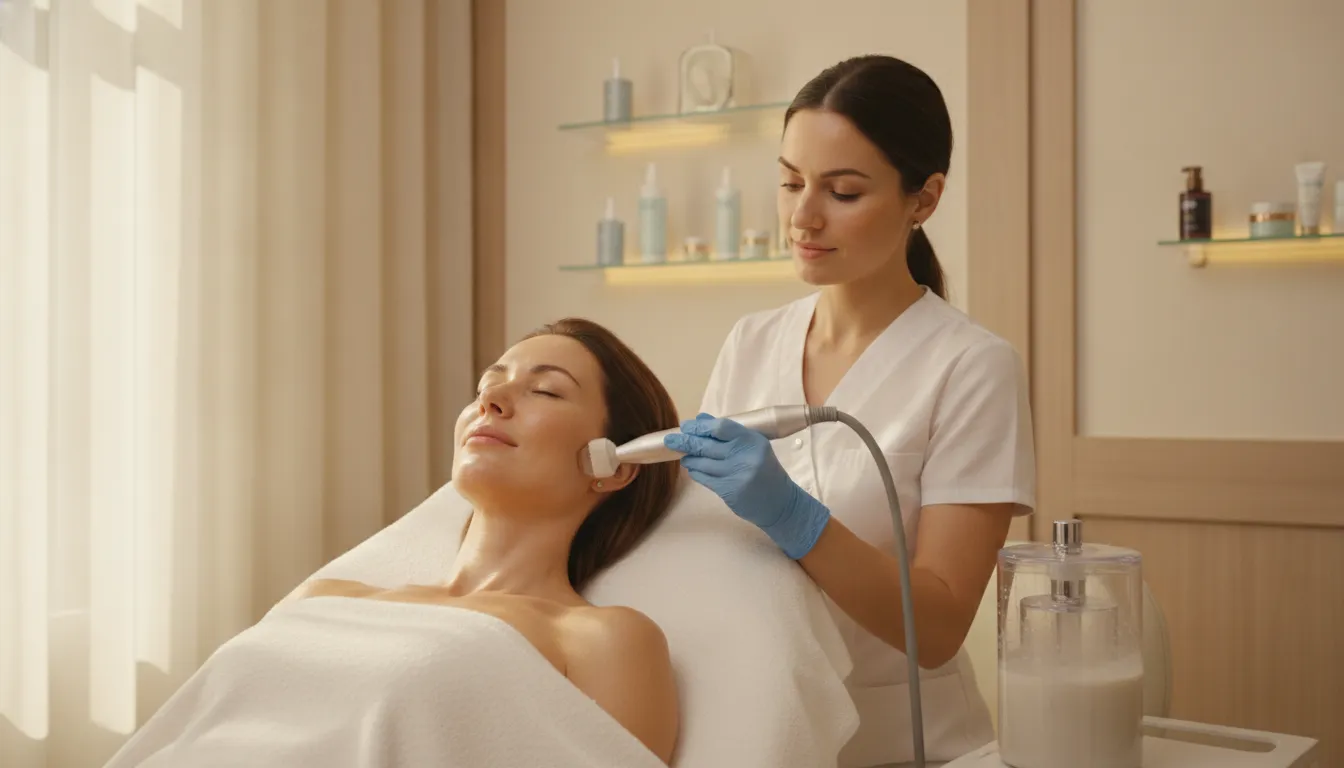
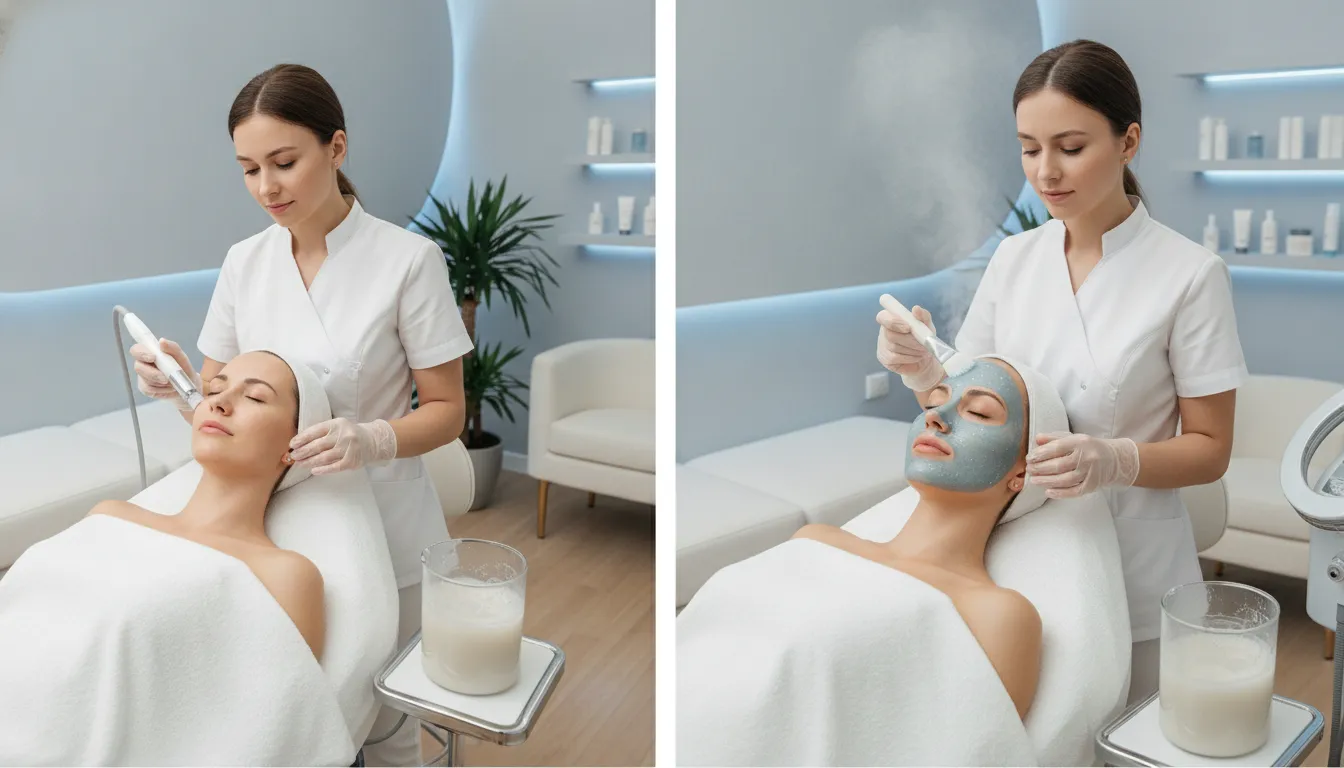
Your comfort is the top priority during a microneedling session. The first thing your technician will do is apply a topical numbing cream to the treatment area. You’ll relax for about 20 to 30 minutes while it takes full effect. Once your skin is numb, the specialist will use a sterile, single-use microneedling pen to gently pass over your skin. This device creates tiny, controlled micro-injuries that trigger your skin’s natural collagen and elastin production. Most people describe the sensation as a light vibration or a mild prickling feeling, not pain. The entire process is part of a comprehensive approach to skin rejuvenation and is typically finished in about 30 minutes.
Common Sensations During the Procedure
Thanks to the numbing cream, the sensations during microneedling are very manageable. Most people compare the feeling to a light vibration or a gentle prickling as the pen moves across the skin. You might notice the sensation is a bit more pronounced on bonier areas, like your forehead or along the jawline, compared to your cheeks. The device also makes a soft buzzing sound, which is completely normal. Your technician will check in with you throughout the treatment to make sure you’re comfortable, making the entire process a key step in your skin rejuvenation journey.
That Post-Treatment Glow (and Redness)
Immediately after your treatment, your skin will likely be red and feel a bit warm and tight, similar to a mild sunburn. You might also notice some minor swelling. This is a completely normal and expected reaction. In fact, it’s a great sign. This inflammation is the first stage of your skin’s healing process, which is exactly what we want to stimulate. The initial intensity of the redness usually calms down within the first 24 hours. Think of it as your skin getting to work on building fresh, new collagen for that smooth, glowing complexion you’re after.
A Note on RF Microneedling
As you explore your options for skin renewal, you might come across a treatment called RF microneedling. Think of it as the next level of traditional microneedling. It uses the same core principle of stimulating collagen through micro-injuries but adds another powerful technology to the mix to amplify the results. This advanced approach is especially effective for addressing concerns like skin laxity and deeper textural issues, making it a popular choice for comprehensive skin rejuvenation.
How It Differs from Traditional Microneedling
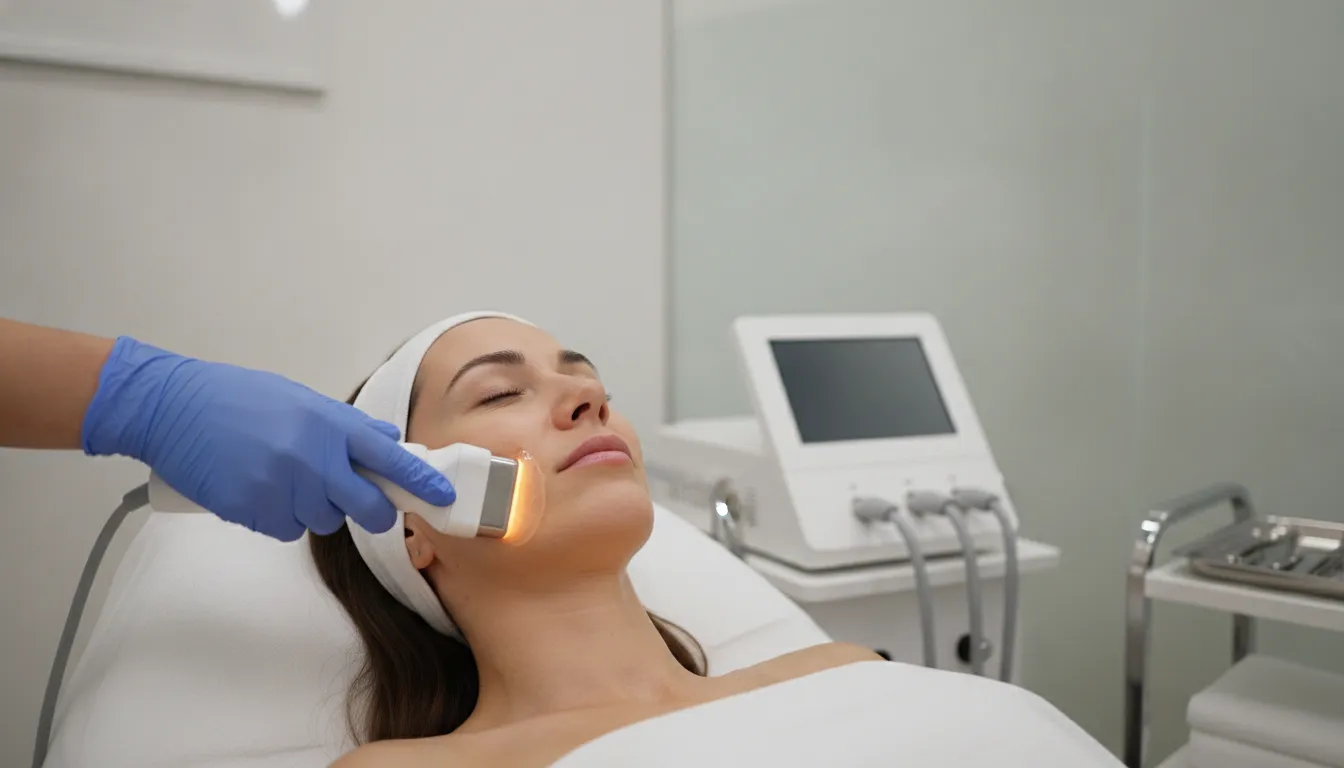
The key difference is right in the name: radiofrequency (RF). RF microneedling combines the fine needles of a standard treatment with controlled radiofrequency energy. This energy gently heats the deeper layers of your skin as the needles create micro-channels. This dual approach enhances collagen and elastin production more effectively than traditional microneedling alone. The added heat gives your skin’s renewal process an extra boost, which is particularly great for achieving noticeable skin tightening and improving overall skin structure. It’s a way to get more significant results from each session.
Recovery and Considerations for RF Microneedling
The recovery for RF microneedling is quite similar to the traditional method, though the initial effects can feel a bit more intense. Immediately after your session, your skin will likely be red and feel warm, much like a mild sunburn, and you might see some slight swelling. These effects typically calm down within one to three days. In the first few days, your skin might also feel a little dry or tight, and you could experience some light flaking as it heals. Most people feel comfortable returning to their daily activities within a day or two. The most important aftercare step is sun protection. You’ll want to minimize sun exposure for about 10 days and be diligent about applying a broad-spectrum sunscreen with an SPF of 30 or higher every single day.
How Long Is Microneedling Downtime?
One of the best things about microneedling is how little it interrupts your life. When people ask about downtime, they’re usually surprised to learn it’s quite minimal. For most, the recovery period lasts just two to five days. You can expect your skin to look and feel like it has a mild sunburn for the first 24 to 48 hours. This means some redness, a little bit of swelling, and a feeling of warmth and sensitivity.
Most people feel comfortable returning to work and their usual activities within a day or two. After the initial redness fades, you might notice some minor peeling or dryness as your skin begins its renewal process. This is completely normal and a sign that the treatment is working. Within about a week, these effects typically resolve, revealing smoother, more radiant skin underneath. The goal of skin rejuvenation is to get that fresh glow, and microneedling delivers it without demanding a long, complicated recovery. It’s a powerful treatment that respects your busy schedule.
Your Microneedling Downtime Timeline
Knowing what to expect each day can make the healing process feel much more manageable. Here’s a simple timeline of what your skin will likely go through after a microneedling session:
- Day 1: Immediately after your treatment, your skin will be moderately red and feel warm to the touch, similar to a fresh sunburn. This is your body’s natural healing response kicking in. By the evening, the initial intensity should start to fade.
- Days 2-3: The redness will continue to subside. Your skin might feel a bit tight, dry, or start to show some light flaking. Don’t pick at it; this is just the old, dull skin making way for the new.
- Days 4-5: By this point, most of the visible side effects and sensitivity should be gone. Your skin will start feeling smoother and looking brighter as it continues to heal.
The First Two Weeks: A Closer Look
Let’s zoom in on what happens after you leave your appointment. For the first 24 to 48 hours, your skin will have that “spent a little too much time in the sun” look and feel—red, warm, and a bit tight. This is the starting line for your skin’s renewal process, and it’s a great sign that your body is getting to work. By day three, you’ll notice the redness has significantly calmed down, but your skin might feel a bit dry or taut. This is all part of the plan. Your body is busy repairing those micro-channels, laying the foundation for fresh, healthy skin to emerge.
As you move toward the end of the first week, you might experience some light flaking. It can be tempting to help it along, but it’s so important to let your skin shed naturally. This is the final step of sloughing off old, dull cells to make way for the new ones underneath. Once this phase passes, you’ll get your first real glimpse of the results: a smoother texture and a brighter, more even-toned complexion. This initial glow is just the beginning of the incredible skin rejuvenation that’s happening beneath the surface.
Entering the second week, your skin’s surface should be fully healed. Any residual dryness or flaking will be gone, and you’ll be able to resume your normal skincare routine (with your specialist’s guidance, of course). Your complexion will look noticeably refreshed, and your skin will feel softer to the touch. While the visible downtime is over, the most exciting part is still underway. Deep within the dermis, your body is continuing to build new collagen and elastin. This internal rebuilding process will continue for the next four to six weeks, which is when you’ll see the most significant improvements in firmness and texture.
Why Your Healing Time Might Be Different
While the day-by-day guide is a great general roadmap, your personal healing time can vary. A few key factors play a role in how quickly your skin bounces back. The intensity of your treatment is a big one; a session targeting deeper acne scars will naturally require a bit more recovery time than one focused on general texture.
Your skin’s unique characteristics also matter. If you have naturally sensitive skin, you might stay red a little longer than someone with less reactive skin. Your overall skin type can influence the healing process, too. This is why a personalized consultation is so important. A specialist can tailor the treatment to your specific skin concerns and goals, giving you a clearer picture of what your individual recovery will look like and helping you choose from a range of services that are right for you.
Microneedling Downtime: Fact vs. Fiction
Let’s clear up a few common myths about microneedling recovery. First, many people worry that the treatment is painful and the downtime is difficult. In reality, a numbing cream is applied beforehand to keep you comfortable, and the recovery is more of a “social” downtime due to redness, not a period of actual discomfort. It’s a safe and effective procedure when performed by a trained professional.
Another misconception is that microneedling is a one-time fix. While you will absolutely see a beautiful improvement in your skin’s texture and glow after just one session, the most transformative and lasting results come from a series of treatments. Think of it as a workout for your skin; consistency is what builds that strong, healthy collagen for long-term benefits.
Caring for Your Skin During Recovery
The days following your microneedling appointment are when the real magic starts to happen beneath the surface. Your body is kicking into high gear to build fresh, new collagen. Knowing what to expect during this healing phase can help you relax and give your skin the support it needs. The downtime is generally minimal, but being prepared makes the process smooth and stress-free.
Your skin’s journey back to radiance is a natural process. The initial redness and sensitivity are signs that your body has started its powerful renewal cycle. This is the foundation for the beautiful, long-term results you’re looking for, like improved texture and a more even tone. Think of this time not as downtime, but as productive rejuvenation time for your skin.
Is This Normal? What to Look for as You Heal
It’s completely normal for your skin to look and feel like it has a mild sunburn for the first 24 to 48 hours. You can expect some redness, minor swelling, and a feeling of tightness or sensitivity. This is the desired inflammatory response that stimulates the skin rejuvenation process. Within two to five days, this initial redness will fade, and you might notice some light flaking as your skin cells turn over.
While this initial healing phase is brief, it’s important to know the difference between a normal reaction and something that needs a specialist’s attention. The typical redness and swelling should steadily improve each day. If you notice the redness getting worse, or if it lasts longer than a week, it’s a good idea to check in. True warning signs are rare but include things like pus, severe pain, or a warm feeling in a specific area, which could indicate an infection.
Common Sensations: Itching, Soreness, and Bruising
Beyond the initial sunburn-like feeling, you might experience a few other sensations as your skin heals. Itching is a common one, and while it can be a little annoying, it’s actually a good sign that your skin is actively repairing itself. Some minor soreness or sensitivity to the touch is also normal, especially in the first day or two. Bruising is less common but can occasionally happen, particularly in delicate areas like under the eyes. All of these sensations are part of the natural healing cascade that microneedling initiates to achieve smoother, firmer skin and effective skin tightening. Just remember to be gentle with your skin and avoid scratching.
Visual Signs of Healing: Scabs and Rawness
After the first day or two, as the initial redness fades, you’ll move into the next phase of healing. This is when you might notice your skin becoming dry, and some light flaking or peeling may begin. It’s tempting to want to scrub it away, but please don’t. This is your skin’s way of shedding the old, dull outer layer to make room for the fresh, new skin underneath. Think of it as your skin literally turning over a new leaf. This flaking is a positive sign that the treatment is working exactly as it should to reveal a more radiant complexion and is a key part of the skin rejuvenation process.
How to Calm Redness and Soothe Your Skin
Your main job after microneedling is to be gentle with your skin. Keep it clean, hydrated, and protected. Use a mild, hydrating cleanser and a simple, soothing moisturizer recommended by your technician. Avoid any harsh or active skincare ingredients for the first few days, including retinols, vitamin C serums, and exfoliating acids. These can be reintroduced once your skin is no longer sensitive.
Sun protection is non-negotiable. Your skin is extra vulnerable after treatment, so applying a broad-spectrum SPF 50 or higher is essential to protect it from sun damage. A cool compress can also help calm any initial discomfort or swelling. By following a simple and gentle routine, you help your skin heal efficiently and get the best possible results from your aesthetic treatments.
At-Home Soothing Techniques
To help your skin through its healing phase, focus on simple, calming care. If you’re feeling any discomfort or notice swelling, a clean, cool compress can offer immediate relief. Stick to the basics with your skincare routine for the first few days: use a gentle, hydrating cleanser and a simple, soothing moisturizer. This is the time to give your active ingredients a short break, so hold off on any retinols, vitamin C serums, or exfoliating acids until your skin is no longer sensitive. Most importantly, be diligent with sun protection. Your skin is more vulnerable as it heals, so applying a broad-spectrum SPF 50 or higher every day is essential to calm redness and soothe your skin while protecting your results.
When to Call Your Specialist
Trust your instincts. If something doesn’t feel right during your recovery, it’s always best to reach out to your specialist. We are here to support you through the entire process. Give us a call if you experience redness or swelling that lasts for more than a week or seems to be getting worse instead of better.
You should also contact us immediately if you see any signs of a possible infection, such as pus, discharge, or severe pain. An allergic reaction, like hives or a rash after using a new product, is another reason to get in touch. While complications are uncommon, your safety and peace of mind are our top priorities. We can help you determine if what you’re experiencing is normal or requires a different approach, similar to how we manage care for treatments like dermal fillers.
Your Game Plan for a Faster Recovery
Your microneedling treatment is done, and now the real magic begins: the healing process. What you do in the hours and days after your appointment is just as important as the treatment itself. Following a few simple aftercare steps will help you get those glowing results faster and make your recovery as smooth as possible. Think of it as protecting your investment in your skin. By giving your skin the right support, you ensure it can repair itself beautifully, revealing a smoother, more radiant complexion. Here’s how you can help the process along.
Your Microneedling Aftercare Checklist
Right after your treatment, your skin is working hard to repair itself. Your job is to create the perfect environment for it to do so. First, give your skin a break from makeup for at least 24 to 48 hours. This allows the tiny micro-channels to close up without the risk of irritation or clogged pores. Your skin is also extra sensitive to the sun, so a broad-spectrum sunscreen with SPF 50+ is non-negotiable. Apply it generously anytime you might be exposed to daylight, even if you’re just sitting by a window. This simple step is crucial for protecting your results and preventing hyperpigmentation as part of your overall skin rejuvenation journey.
The First 24 Hours: A Hands-Off Approach
During the first 24 hours, the best thing you can do for your skin is to leave it alone. It will likely feel warm, tight, and look red, much like a mild sunburn, but this is a positive sign that the healing has begun. Your only tasks are to keep it clean with a gentle cleanser and apply any post-treatment products recommended by your specialist. Avoid touching your face, and resist the urge to apply any of your usual skincare products, especially those with active ingredients. This initial phase is crucial for successful skin rejuvenation, as it allows the micro-channels to close and the natural collagen-building process to start without interruption.
Post-Treatment Skincare: The Dos and Don’ts
When it comes to your post-microneedling skincare routine, less is definitely more. Stick with a gentle, hydrating cleanser and a simple, soothing moisturizer to keep your skin clean and comfortable. Avoid anything with harsh active ingredients for the first few days. That means pressing pause on products containing retinols, vitamin C, or exfoliating acids like AHAs and BHAs. These ingredients are fantastic for your skin normally, but they can be too intense and cause irritation while it’s healing. The goal is to calm and hydrate, not to stimulate. Once your skin feels back to normal, you can gradually reintroduce your usual products.
Lifestyle Tips for Your Best Results
How you treat your body can have a big impact on how well your skin heals. It’s a good idea to skip intense workouts, saunas, or anything that makes you sweat heavily for the first 24 to 48 hours. This helps minimize inflammation and redness. Hydration is also key, so be sure to drink plenty of water. You can support your skin from the inside out by eating foods rich in antioxidants, like berries, spinach, and nuts. At the same time, try to avoid alcohol and smoking for a few days, as they can slow down your body’s natural healing process and dehydrate your skin.
Nutrition and Habits to Support Healing
What you put into your body plays a huge role in how your skin recovers. Think of it as fueling the renewal process from the inside out. Hydration is your top priority, so keep a water bottle handy and drink plenty of it throughout the day. This helps your skin stay plump and supports its natural healing functions. You can also give your skin an extra hand by eating foods packed with antioxidants, which help calm inflammation. Berries, leafy greens like spinach, and nuts are all fantastic choices. Since microneedling is all about building new collagen, which is a protein, ensuring you’re eating enough lean protein can also provide your body with the necessary building blocks. This holistic approach is a cornerstone of successful skin rejuvenation and helps you achieve that lasting glow.
When Will You See Your Microneedling Results?
One of the most exciting parts of any new skin treatment is anticipating the results. While you’ll likely notice a fresh, rosy glow as soon as the initial redness fades, the most significant changes from microneedling appear over time. Think of it as a long-term investment in your skin’s health. The treatment creates the opportunity, but your body does the real work of rebuilding and renewing from within.
Microneedling works by stimulating your body’s natural collagen and elastin production. This process isn’t instant; it’s a gradual regeneration that happens over weeks and months. Patience is your best friend here. While some people see changes sooner than others, the journey to smoother, firmer skin is a marathon, not a sprint. The best results come to those who trust the process and give their skin the time it needs to heal and rejuvenate.
From Healing to Glowing: Your Results Timeline
Right after your treatment, you might notice your skin looks plumper and more radiant. This initial effect is mostly due to temporary swelling and inflammation. The true, lasting results start to show up about four to six weeks after your first session. This is the typical amount of time your body needs to produce a meaningful amount of new collagen and elastin.
As these new skin-supporting proteins build up, you’ll begin to see improvements in texture, tone, and overall clarity. This is when the magic really starts to happen, revealing the foundation for lasting skin rejuvenation.
The 2-to-4-Week Mark: Seeing Deeper Changes
Once you’re past that initial “sunburn” phase of the first couple of days, your skin starts to reveal its first hint of progress. The redness fades, and you might see some light flaking or feel a bit dry. This is a great sign—it means your skin is turning over old cells to make way for new, healthy ones. By the end of the first week, you’ll likely notice your complexion looks smoother and has a fresh, subtle glow. This is the immediate payoff, but the real transformation is still happening beneath the surface as your skin gets busy rebuilding itself.
During the two-to-four-week period, your body is in full collagen-production mode. While the initial glow is exciting, the most significant changes to your skin’s structure are just getting started. This is when the new collagen and elastin begin to firm up your skin, soften fine lines, and improve overall texture. It’s a gradual process, so you might not see dramatic changes overnight. Instead, you’ll notice a progressive improvement in your skin’s resilience and smoothness. This foundational repair work is what leads to the lasting benefits of skin tightening and rejuvenation.
Why the Best Results Take Time
Microneedling results are cumulative, meaning they get better with each treatment. A single session can certainly give your skin a nice refresh, but a series of treatments is usually recommended for more dramatic and durable changes. Each appointment builds on the progress of the last one, helping to thicken and strengthen your skin over time.
This progressive improvement is especially effective for addressing concerns like fine lines, acne scars, and loss of firmness. With a full treatment course, you’re not just temporarily improving your skin’s appearance; you’re fundamentally changing its structure for the better. This leads to more resilient skin and a smoother, more youthful complexion that continues to improve for months after your final session.
How to Maintain Your Microneedling Glow
Getting the beautiful results you want from microneedling is a team effort between you and your technician. Following your aftercare instructions is the single most important thing you can do. Proper care protects your skin while it’s healing and ensures the collagen-building process goes smoothly.
Beyond aftercare, having realistic expectations is key. Microneedling is a powerful tool, but it works with your body’s unique healing abilities. Committing to a healthy lifestyle and a consistent skincare routine will support and extend your results. A personalized treatment plan is the best way to ensure you achieve your specific goals, so discussing your desired outcomes during a free consultation will set you up for success with all of our services.
Planning Your Treatment Schedule
Getting the most out of your microneedling treatments is all about smart planning. While you’ll see a beautiful glow after just one session, the real, lasting changes come from consistency. Think of it like starting a new fitness routine; one workout is great, but a full program is what transforms your body. The same principle applies to your skin. A well-planned series of treatments ensures you’re building on your results and giving your skin the best possible chance to regenerate. This approach allows you to work toward your specific goals, whether that’s softening fine lines or reducing acne scars, and helps you time your sessions perfectly around your life.
How Many Sessions Will You Need?
The number of microneedling sessions you’ll need really depends on your unique skin and what you want to achieve. Microneedling results are cumulative, which means they get better with each treatment. While a single session is perfect for a quick refresh, a series of three to six treatments, spaced about four to six weeks apart, is typically recommended for more significant and lasting improvements. Each appointment builds on the progress of the last, helping to steadily increase collagen production and strengthen your skin over time. A personalized consultation will help map out the ideal treatment plan to achieve your specific skin rejuvenation goals.
Timing Your Treatment Around Big Events
If you have a wedding, vacation, or photoshoot on the horizon, a little planning can ensure your skin is looking its absolute best. It’s a good idea to schedule your microneedling appointment about 7 to 10 days before your big event. This gives your skin plenty of time to move through the initial healing phase of redness and light flaking. By the time your event arrives, the downtime will be over, and you’ll be left with that fresh, radiant glow that microneedling is famous for. Scheduling it this way allows you to enjoy the full benefits of the treatment without any of the tell-tale signs of recovery.
How Microneedling Compares to Other Treatments
When you’re exploring options for improving your skin’s texture and tone, you’ll find there are many effective paths you can take. Microneedling is a fantastic choice for many people, but it’s helpful to understand how it fits in with other popular treatments like chemical peels and laser therapies. Each one works in a different way to achieve beautiful results, and the best option for you depends on your skin type, your specific concerns, and your lifestyle. Knowing the key differences can help you feel confident in the treatment plan you choose, ensuring it aligns perfectly with your aesthetic goals and your schedule.
Microneedling vs. Chemical Peels and Lasers
Microneedling is a powerful tool, but it works with your body’s unique healing abilities. While chemical peels and laser treatments can also improve skin texture and tone, they often involve more downtime and potential side effects. Microneedling, on the other hand, typically has minimal downtime, allowing you to return to your daily activities quickly. It creates physical micro-channels to stimulate collagen, whereas chemical peels use acids to exfoliate the top layers of skin and lasers use light and heat energy. The right choice depends on your goals, but microneedling is often favored for its gentle yet effective approach to skin renewal, making it a cornerstone of many of our aesthetic treatments.
Related Articles
- Microneedling for Stretch Marks: What to Expect
- Skin Rejuvenation Treatment: A Complete Guide
- 5 Top Skin Rejuvenation Treatments in Grand Blanc
Frequently Asked Questions
Does microneedling hurt? This is probably the most common question I get, and it’s a fair one. Your comfort is a top priority, which is why the treatment always starts with a topical numbing cream. Once it takes effect, most people describe the sensation as a light vibration or a gentle prickling feeling, not as pain. It’s generally very manageable, and the entire process is quite quick.
How many sessions will I actually need? The number of treatments really depends on what you want to achieve. If you’re looking for a general refresh and a healthy glow, you might be happy after just one to two sessions. For more specific concerns, like reducing the appearance of acne scars or fine lines, a series of three to six treatments is typically recommended. During your consultation, a specialist will help create a plan tailored specifically to your skin and your goals.
How long will my microneedling results last? Because microneedling stimulates your own collagen production, the results are quite long-lasting. The new collagen your body creates is permanent. However, your skin will continue its natural aging process. To maintain your results and continue to support your skin’s health, many people choose to have a maintenance session once or twice a year.
Is microneedling safe for all skin types? Microneedling is considered safe and effective for most skin types and tones. It’s a great option for many people because it doesn’t involve heat, which can sometimes be a concern for darker skin tones. That said, it’s not suitable for everyone. If you have active acne, certain skin infections, or other specific conditions, the treatment may not be right for you. A professional consultation is the best way to confirm if you’re a good candidate.
When can I start wearing makeup again? It’s best to give your skin a little break from makeup for at least 24 to 48 hours after your treatment. The procedure creates tiny, open channels in your skin, and they need time to close. Keeping your skin clean and free of makeup during this initial healing period helps prevent potential irritation or clogged pores, ensuring you get the best possible outcome.