

Microneedling Old Stretch Marks: Does It Really Work?
The idea of using tiny needles on your skin might sound intimidating, but it’s one of the most effective ways to get your skin to heal itself. It’s not about adding anything artificial—it’s about signaling your body to do what it does best: regenerate. So, does microneedling help stretch marks, even the stubborn, faded ones? The answer is a definite yes. By creating a targeted healing response, microneedling old stretch marks breaks down damaged tissue and replaces it with fresh, smooth skin. It’s a way to truly remodel your skin from the inside out.
Key Takeaways
- It activates your skin’s own healing power: Microneedling creates tiny, controlled injuries that signal your body to produce new collagen. This fresh collagen remodels the damaged tissue of stretch marks, making them smoother and less visible from the inside out.
- Patience and consistency are essential for results: This isn’t a one-time fix. Real improvement comes from a series of three to six treatments, with the most noticeable changes appearing over several months as your skin generates new collagen. The goal is significant improvement, not total erasure.
- Professional treatment is the safest, most effective option: While DIY rollers exist, they lack the power to effectively treat stretch marks and carry risks like infection or scarring. A trained technician uses sterile, medical-grade tools to safely customize the treatment depth, leading to far better and more reliable results.
Does Microneedling Really Work on Stretch Marks?
If you’ve ever wondered how tiny needles can make a difference on something as stubborn as stretch marks, you’re not alone. The concept might sound a little intense, but the science behind it is actually quite simple and brilliant. Microneedling works by tapping into your skin’s own natural ability to heal and repair itself. It’s not about adding anything artificial; it’s about prompting your body to create fresh, new skin from within.
Think of it as a controlled reset for the areas where stretch marks have formed. The treatment creates a pathway for your skin to remodel the damaged tissue, replacing it with smoother, healthier skin. This process addresses the texture and color of stretch marks, helping them blend more seamlessly with the surrounding skin. It’s a targeted approach that gets right to the source of the issue.
It’s All About Rebuilding Collagen
At its core, microneedling is all about collagen and elastin. These two proteins are the building blocks of your skin, responsible for its firmness, smoothness, and elasticity. When stretch marks form, the collagen and elastin fibers in that area have been torn and damaged. Microneedling helps fade these marks by breaking down that old, disorganized scar tissue. This process signals your body to get to work producing new, neatly organized collagen and elastin fibers. This fresh foundation helps rebuild the skin’s structure, leading to a visible improvement in the appearance of stretch marks. It’s a key part of many skin rejuvenation treatments for this very reason.
How It Repairs Skin from the Inside Out
So, how does microneedling actually trigger this healing response? The treatment uses a specialized device to create thousands of tiny, controlled micro-injuries in the top layer of your skin. Don’t worry, these are superficial and precisely managed by a trained technician. Your body perceives these micro-channels as wounds and immediately kicks its natural repair process into high gear. It rushes to create new collagen to “heal” the area. This new collagen fills in the damaged, broken-down tissue of the stretch mark, effectively plumping it up from the inside out and smoothing its texture. It’s a clever way to direct your body’s healing power exactly where you want it.
What the Research Says
It’s one thing to understand the concept, but it’s another to know that science backs it up. Research confirms that microneedling effectively taps into your body’s own healing mechanisms to rebuild damaged skin from the inside out. The treatment creates tiny, controlled micro-channels that your body perceives as an injury, signaling it to produce a fresh wave of collagen. This new collagen remodels the disorganized scar tissue that forms a stretch mark, making the skin smoother and reducing its visibility. It’s important to note that for the best results, it’s recommended to treat stretch marks that are at least a year old. Addressing them too early could interfere with the body’s initial, natural healing process, so a little patience goes a long way.
Why It Works Better Than Topical Creams
Many of us have tried creams and lotions that promise to erase stretch marks, often with disappointing results. The reason is simple: stretch marks are a structural issue deep within your skin’s dermal layer. Most topical products can’t penetrate deep enough to make a real difference. Microneedling, however, physically reaches the layer where the damage exists. It works by breaking down the old scar tissue and prompting your body to replace it with new, healthy collagen and elastin. This is also why professional treatment is so important. While at-home rollers exist, they don’t have the power to effectively treat stretch marks and can introduce risks like infection or scarring. A trained technician uses sterile, medical-grade equipment to safely customize the treatment, ensuring far better and more reliable results.
Does Microneedling Work on Old Stretch Marks?
Timing can play a role in your results. Newer stretch marks, which often appear red, pink, or purple, tend to respond more readily to treatment. This is because they are still in an active healing phase and have better blood supply. Older stretch marks that have faded to a silvery or white color have less inflammation and can be more challenging, but they can still see significant improvement. That said, it’s generally recommended to wait until your stretch marks are at least a year old before starting treatment. This ensures you don’t interfere with your body’s initial, natural healing process. A consultation with a professional can help determine the perfect treatment plan for your specific needs and improve overall skin tightening.
What to Expect: Your Microneedling Timeline
I know you’re excited to see results, and it’s helpful to have a clear picture of the journey ahead. Microneedling is a process that works with your body’s natural healing cycle, so patience is part of the plan. It’s not an overnight fix, but the gradual improvements are well worth the wait. Let’s break down the timeline and what you can realistically expect to see.
How Many Sessions Will You Need?
While every person’s treatment plan is unique, most people need between three and six sessions to achieve the best results. We’ll space these appointments about four to six weeks apart, which is the sweet spot for this treatment. This schedule gives your skin the time it needs to fully heal and ramp up its collagen production between visits. Rushing the process won’t get you there faster; consistency is key. The exact number of sessions will depend on factors like the age and depth of your stretch marks, which is something we’ll map out together during your free consultation.
When Will You See a Difference?
This is the big question, right? While you might notice some initial plumping and a healthy glow after your first session, the most significant improvements happen over time. Because microneedling relies on your body’s natural collagen production, visible changes in skin texture and color typically appear within three to six months. Think of it as a long-term investment in your skin’s health. The results build gradually and can even continue to improve for up to six months after your final treatment. That’s because the new collagen is still settling in and remodeling the skin from within, making it stronger and smoother.
What Kind of Results Can You Realistically Expect?
Let’s be real: while microneedling is incredibly effective, it’s designed to significantly improve the appearance of stretch marks, not make them vanish completely. The goal is to create a smoother, more even skin surface that blends beautifully with the surrounding skin. The treatment helps your body generate new, healthy tissue, which softens the texture of the stretch marks and helps them fade. You can expect a major improvement in your skin’s appearance, with stretch marks becoming much less noticeable. It’s all about achieving natural-looking skin rejuvenation that helps you feel amazing in your own skin.
The Professional Microneedling Session: Step-by-Step
Knowing what to expect can make all the difference in feeling confident and excited about your treatment. A professional microneedling session is a straightforward and well-managed process designed for your comfort and safety. From the initial chat about your goals to the actual treatment, every step is planned to give you the best possible results. Let’s walk through exactly what a session looks like, so you can feel fully prepared.
How to Prepare for Your Appointment
Your journey begins with a one-on-one consultation. This is your time to talk with a qualified provider about your skin, your goals, and any questions you have. They’ll assess your stretch marks and map out a personalized treatment plan. To get your skin ready for the big day, your technician will give you specific instructions, which often include avoiding direct sun exposure and certain skincare products like retinoids or harsh exfoliants for a few days beforehand. It’s also a good idea to steer clear of anything that can thin your blood, like aspirin or ibuprofen, to minimize potential irritation. Following these simple guidelines helps ensure your skin is in the best possible condition for treatment.
What Happens During the Treatment
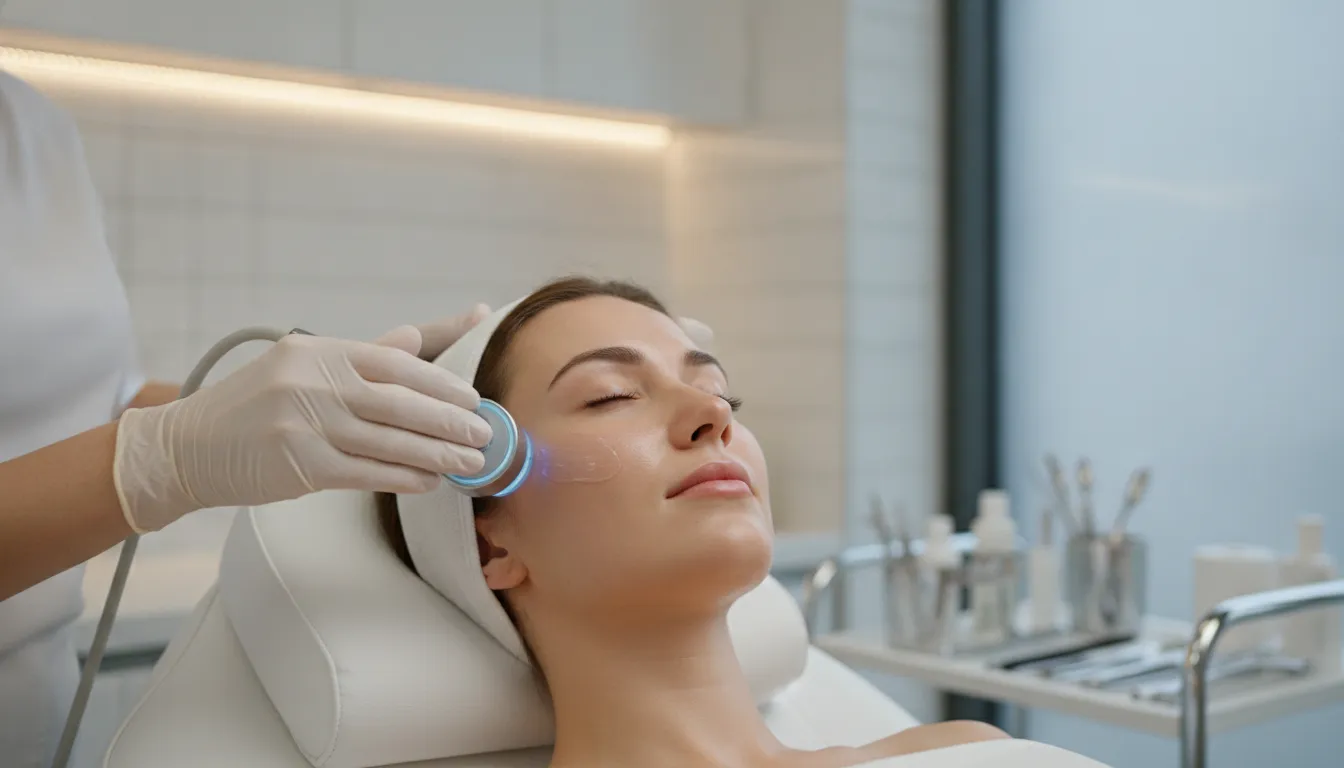
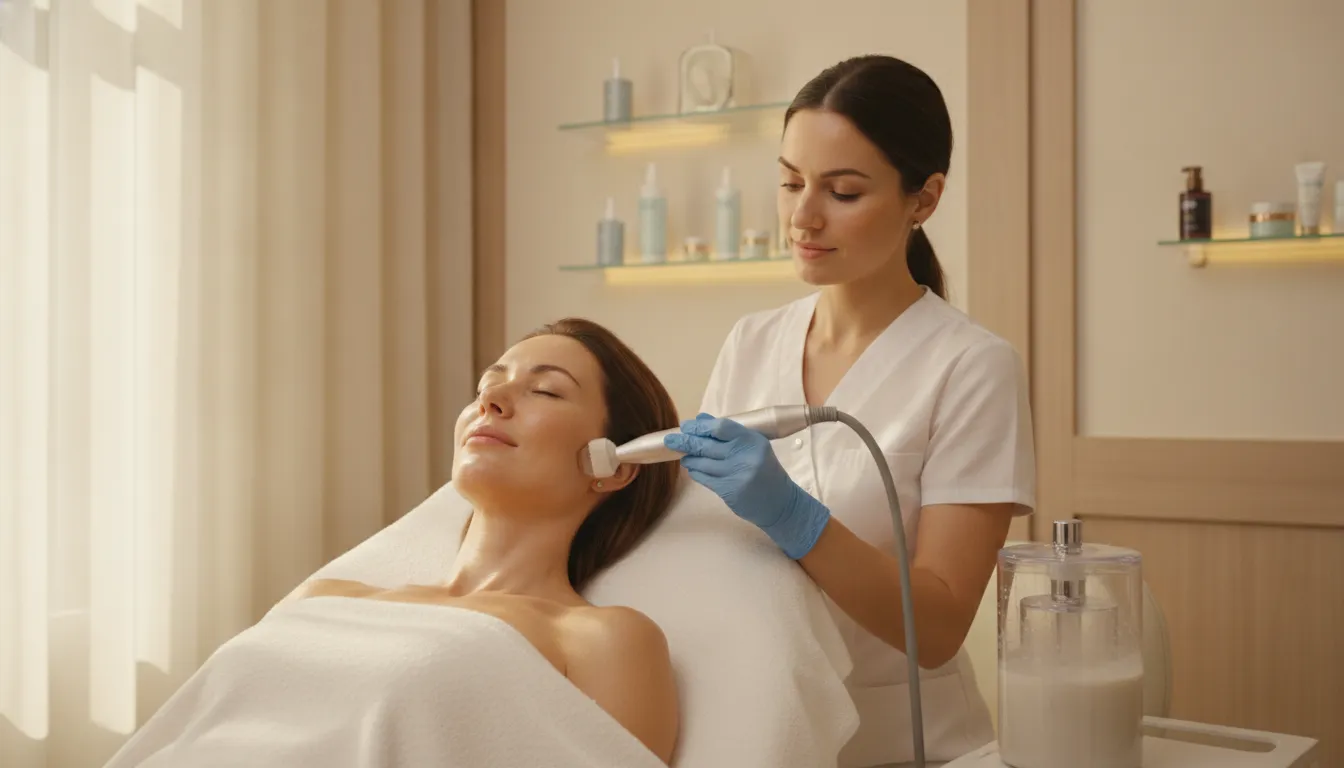
When you arrive for your appointment, the first step is to make you comfortable. Your technician will cleanse the treatment area and apply a topical numbing cream to ensure the process is as painless as possible. Once your skin is numb, they will use a professional-grade microneedling device, gliding it over the stretch marks. Many people describe the sensation as a light buzzing or vibration. The device creates thousands of tiny, controlled micro-channels in your skin, a process that typically takes about 30 minutes. This action is the key to kickstarting your body’s natural healing cascade, signaling it to start building fresh, new collagen right where you need it for effective skin rejuvenation.
How to Choose a Qualified Provider
This is not the time to bargain hunt. When it comes to microneedling, your safety and results depend entirely on the skill of your provider. You should always seek treatment from a licensed esthetician, nurse, or doctor who is certified in microneedling and has proven experience treating stretch marks. A true professional will use sterile, single-use needle cartridges and medical-grade equipment to customize the treatment depth for your specific skin needs. This expertise is what separates a safe, effective procedure from the risks associated with at-home rollers, which can cause scarring or infection. At LightRx, our technicians are highly trained to deliver the best and safest aesthetic treatments available.
Understanding the Cost
It’s smart to think of microneedling as an investment in your skin and confidence. The cost of a single professional session typically ranges from $200 to $700. This price can vary based on a few factors, including the size of the area being treated, your geographic location, and the provider’s level of experience. Since most people need a series of treatments to achieve their desired results, many medspas offer packages that can make the overall cost more accessible. During your initial consultation, you’ll receive a clear and detailed quote based on your personalized treatment plan, so there are no surprises along the way.
Is Microneedling for Stretch Marks Right for You?
Microneedling is an incredible tool for improving the texture of stretch marks, but it’s not the perfect solution for everyone. Deciding if it’s the right path for you involves looking at your skin, the age of your stretch marks, and your overall health. Think of it like a partnership between you and your treatment provider. The goal is to find the safest, most effective way to get you closer to your goals, which means considering all the factors that make your skin unique. This isn’t a one-size-fits-all treatment, and what works wonders for one person might not be the best fit for another.
The best way to know for sure is to have a conversation with a professional. During a free consultation, a technician can assess your skin and talk through your expectations. They’ll help you understand what microneedling can realistically achieve for your specific stretch marks and determine if you’re a good candidate. This step ensures you can move forward with confidence, knowing you’ve chosen a treatment plan tailored just for you. Many of our skin rejuvenation treatments begin with this kind of personalized planning, because a successful outcome starts with a solid plan.
Are You a Good Candidate for Microneedling?
The ideal candidate for microneedling is someone in good overall health who wants to improve the texture and appearance of their stretch marks. It’s an effective option for both men and women dealing with these common skin concerns. If you have stretch marks on your stomach, thighs, hips, or arms, microneedling can help soften their appearance by stimulating new collagen growth in those areas. The best candidates also have realistic expectations. Microneedling offers significant improvement, not complete erasure, and understanding this from the start is key to being happy with your results.
What Microneedling Can’t Do for Loose Skin
While microneedling is a powerhouse for improving skin texture and fading stretch marks, it’s important to have a clear picture of its limits. One of the main questions people have is about its effect on loose skin. The collagen production it stimulates can lead to some mild firming, which is a great bonus. However, for significant skin laxity, microneedling might not be enough on its own. It’s designed to remodel the skin’s surface and improve its quality, not to remove or substantially tighten excess skin. If significant looseness is your primary concern, you might explore treatments specifically focused on skin tightening. A professional can help you create a plan that addresses all your goals.
Who Should Skip This Treatment?
Your safety is always the top priority, so there are a few situations where it’s best to postpone microneedling. If you have an active skin infection, a breakout of acne, eczema, or psoriasis in the area you want to treat, you should wait until your skin has cleared. The treatment could irritate these conditions and make them worse. It’s also generally not recommended for those who are pregnant or have a history of keloid scarring. This is another reason why professional treatments are so important; they ensure a trained eye is evaluating your skin for any potential risks before you begin.
What’s the One-Year Rule for Stretch Marks?
Patience can make a big difference when it comes to treating stretch marks. For microneedling to be most effective, it’s best to wait until your stretch marks are at least a year old. When stretch marks are new, they are often red or purple and are still in an active healing phase. Treating them too early can interfere with your body’s natural repair process. Once they have faded to a silvery-white color, it means the initial inflammation has subsided, and your skin is ready for collagen induction therapy. This timing helps ensure the treatment works with your body, not against it.
A Note on Skin Tone and Sensitivity
One of the great things about microneedling is that it’s a versatile treatment that is generally safe for all skin types. Unlike some laser therapies, there is a lower risk of pigmentation issues for those with darker skin tones. While it’s commonly used on the face, experts also use it to address stretch marks and other concerns on many areas of the body. If you have very sensitive skin or a condition like rosacea, you can still be a candidate. A skilled technician will simply adjust the needle depth and technique to ensure your skin tightening treatment is comfortable and effective without causing unnecessary irritation.
Your Guide to Microneedling Aftercare
Knowing what to do after your microneedling session is just as important as the treatment itself. Proper aftercare helps your skin heal beautifully and ensures you get the best possible results. Your skin will be sensitive, so treating it gently is the top priority. Think of this period as the final, crucial step in your skin renewal process. Following a few simple guidelines can make all the difference in your recovery and the final appearance of your stretch marks. Your technician will give you specific instructions, but here’s a general idea of what your post-treatment care will look like.
Redness and Recovery: What’s Normal?
Right after your treatment, it’s completely normal for your skin to look and feel like it has a mild sunburn. You can expect some temporary redness, tenderness, and maybe a bit of swelling in the treated area. Over the next few days, you might also notice some itchiness, dry skin, or light peeling as your skin begins its natural exfoliation and healing process. Don’t worry, this is all part of the plan. These effects are typically mild and should clear up on their own within a few days to two weeks, revealing smoother, fresher skin underneath.
The 3 Stages of Skin Healing
Understanding what happens beneath the surface can help you appreciate the process. Your skin’s recovery unfolds in three key phases. First is the inflammation stage—that initial redness and swelling you see right after treatment. This is your body’s natural alarm system, signaling that it’s time to start repairing. Next, over several weeks, comes the new tissue growth stage. This is where your body gets busy building fresh collagen and elastin, breaking down the old scar tissue to lay a new, stronger foundation. Finally, the remodeling stage takes place over the following months. During this phase, the new skin gets stronger and more organized, which is what ultimately makes stretch marks appear smoother and less noticeable. This entire cycle is a powerful form of natural skin rejuvenation.
The Do’s and Don’ts of Aftercare
Your main job after microneedling is to be gentle with your skin. The most important rule is to keep the treated area clean to prevent any irritation or infection. For the first week, you’ll want to pause your use of any harsh skincare products. We’ll get into the specifics of that in a bit. It’s also best to avoid intense exercise, hot tubs, and saunas for at least three days. Sweating can irritate your sensitive skin, so take it easy for a little while. Following these steps is key to supporting your skin’s rejuvenation process.
Can I Go in the Sun or Work Out?
Your skin is extra vulnerable to the sun after microneedling, so avoiding direct sun exposure is critical. Sunscreen is always a must, but it’s especially important now to protect the healing skin from UV damage, which can lead to hyperpigmentation. Try to stay out of the sun for the first few days, and when you do go outside, use a high-SPF, broad-spectrum sunscreen. As mentioned, you’ll also want to skip strenuous workouts, saunas, and steam rooms for a few days. This helps keep your skin cool and calm, preventing any extra redness or irritation while it heals.
Which Skincare Products Should You Avoid?
When we say “harsh skincare products,” we’re mainly talking about active ingredients that can be too intense for freshly treated skin. For at least a week after your procedure, you should avoid using any products containing retinoids, vitamin C, or exfoliants like alpha-hydroxy acids (AHAs) and beta-hydroxy acids (BHAs). These ingredients can cause irritation and interfere with the healing process. Instead, stick to a gentle, hydrating cleanser and a simple, soothing moisturizer. Your technician can recommend the best products to use while your skin recovers and you work toward your skin tightening goals.
Should You Try Microneedling at Home?
When you start looking into microneedling, you’ll quickly find a ton of at-home devices, from simple derma rollers to more advanced pens. It can be tempting to try a DIY approach, but when it comes to getting visible, lasting results for stretch marks, a professional treatment is in a league of its own. The difference comes down to safety, effectiveness, and the ability to customize the treatment for your specific skin concerns. A trained technician uses sterile, medical-grade equipment and has the expertise to give you the best outcome without the risks that come with going it alone.
Why a Professional Session is Worth It
In a professional setting, your microneedling treatment is completely tailored to you. A skilled technician assesses your skin type, the age and depth of your stretch marks, and your overall goals before ever starting. They can precisely control the needle depth, ensuring the micro-injuries are deep enough to stimulate significant collagen production without causing damage. This level of customization is key to getting real results. At-home rollers have much shorter, fixed-length needles that can’t safely reach the dermal layer where collagen is made. Professional treatments provide the power and precision needed for meaningful skin rejuvenation and textural improvement.
Needle Depth: The Professional Difference
When it comes to treating stretch marks, needle depth is everything. These marks aren’t just on the surface; they form in the deeper layer of your skin, the dermis. To make a real difference, the microneedles have to reach this layer to trigger new collagen growth. This is where professional treatments truly shine. A trained technician uses a medical-grade device with adjustable needles, allowing them to customize the depth—often between 1.5 to 2.0 mm for stretch marks—to safely and effectively target the damaged tissue. This precision ensures you get the most effective body contouring results without risking injury. At-home rollers simply can’t compare, as their short, fixed needles barely scratch the surface and can’t create the meaningful change needed to remodel deep scar tissue.
What Can Go Wrong with DIY Rollers?
While at-home microneedling kits are widely available, they don’t pack the same punch as a professional session. The biggest limitation is the needle length; DIY devices are designed to be safer for home use, which means they can’t penetrate deeply enough to effectively remodel scar tissue like stretch marks. Beyond limited results, there are real risks involved. Improperly sterilizing a device can lead to infection, and using the wrong technique can cause skin tearing, hyperpigmentation, or even new scarring. A professional treatment eliminates these risks by using sterile, single-use needle tips and proven techniques to protect your skin’s health.
What is Microneedling with Radiofrequency?
One of the best parts of working with a professional is getting access to advanced technology that enhances your results. Many clinics now offer microneedling combined with radiofrequency (RF) energy. This treatment delivers RF heat deep into the dermis through the microneedles, creating an even more powerful collagen and elastin response. The added heat helps tighten the skin, which is a fantastic benefit for areas with stretch marks that may also have some skin laxity. This combination approach allows for superior skin tightening and texture improvement, taking your results to the next level.
Potential Risks of RF Microneedling
While adding radiofrequency to microneedling can seriously amplify results, it also introduces a different set of considerations. It’s a more powerful treatment, and with more power comes the need for more expertise. The U.S. Food and Drug Administration (FDA) has noted that when not performed correctly, RF microneedling can lead to serious issues like burns, scars, and even nerve damage. This isn’t meant to scare you, but to empower you. It highlights why choosing a provider isn’t just about finding a good deal; it’s about finding a highly trained technician who understands the technology inside and out. Your safety and results depend entirely on the skill of the person performing the treatment.
Understanding Facial Fat Loss
One of the most talked-about risks associated with RF microneedling is the potential for facial fat loss. This happens when the heat generated by the radiofrequency energy is delivered too deeply or at too high a setting, damaging the delicate layer of fat that sits just beneath the skin. This unintended damage can lead to a hollowed or sunken appearance, which is the opposite of the youthful, plump look most of us are after. As one plastic surgeon noted, “RF microneedling can cause fat loss in the face…when the heat from the treatment damages the fat layer under the skin.” This is why a deep understanding of facial anatomy is critical. A skilled technician knows exactly how to adjust the device to target the skin for skin tightening without affecting the underlying fat, ensuring the treatment rejuvenates your skin safely.
Can You Combine Microneedling with Other Treatments?
Microneedling is a versatile treatment that works well as part of a broader skincare plan. While it’s excellent for stretch marks, it also helps reduce fine lines, improve acne scars, and create a more even skin tone. During a professional consultation, a provider can create a comprehensive plan that pairs microneedling with other therapies to address all of your goals. For example, you might combine it with other body contouring treatments or different types of skin therapies to achieve a complete transformation. This strategic approach ensures every treatment complements the others, leading to more dramatic and satisfying results.
Comparing Microneedling to Other Stretch Mark Treatments
When you’re looking for a solution for stretch marks, it’s easy to feel overwhelmed by all the options out there. From lasers to peels, every treatment promises results, but they all work in very different ways. Understanding these differences is the key to choosing the right path for your skin. Microneedling stands out because of its unique approach to rebuilding the skin from the inside out. It’s not about resurfacing the top layer as much as it is about fundamentally repairing the damaged structure underneath. Let’s look at how it compares to a couple of other popular treatments so you can see what makes it such an effective choice.
Laser Skin Resurfacing
Laser treatments are another powerful tool in the world of skin rejuvenation, and they can also be effective for stretch marks. Lasers typically use focused light and heat to remove the outer layer of skin and stimulate collagen production in the layers below. While both lasers and microneedling aim for that same collagen-building goal, their methods are different. Microneedling creates a physical pathway to the dermis, breaking down old scar tissue and signaling the body to create new, organized collagen. This mechanical approach can be a great option for many skin types. The best choice often depends on your specific skin concerns and goals, which is why a professional consultation is so important for creating a personalized skin rejuvenation plan.
Chemical Peels and Microdermabrasion
You might have heard of chemical peels or microdermabrasion for improving skin texture and tone. These treatments are fantastic for surface-level concerns because they work by exfoliating the outermost layer of skin. However, stretch marks are a deeper issue. They form in the dermis, the middle layer of your skin, where collagen and elastin fibers have torn. Most topical treatments, including peels and microdermabrasion, simply can’t reach this deep layer to fix the underlying problem. Microneedling has a distinct advantage here because it physically penetrates the skin to the exact depth needed to break up scar tissue and trigger true remodeling. It gets right to the source of the issue, making it a more targeted and effective solution for the textural damage caused by stretch marks.
Microneedling Myths, Busted
When you’re looking into treatments for stretch marks, it’s easy to get lost in a sea of information. Microneedling is an incredibly effective option for skin rejuvenation, but there are a lot of myths floating around about what it can and can’t do. Let’s clear up some of the most common misconceptions so you can go into your treatment with confidence and realistic expectations. Understanding the facts will help you appreciate the real, beautiful results you can achieve.
Myth: Your Stretch Marks Will Vanish Completely
Let’s set the record straight: microneedling can dramatically improve the appearance of stretch marks, but it doesn’t make them vanish completely. Think of it as a powerful renovation, not a magic wand. Stretch marks are a form of scarring, which means they represent a lasting change in your skin’s structure. The treatment works by stimulating collagen to rebuild and repair the area, which helps to lighten and smooth them significantly. The goal is to make them far less noticeable so you can feel more confident in your skin, not to achieve perfectly flawless skin.
Myth: The Results Are Instant
Patience is key when it comes to microneedling. While you might notice a healthy glow shortly after your session, the real magic happens beneath the surface over time. The treatment creates tiny micro-injuries to kickstart your body’s natural healing process and collagen production, which doesn’t happen overnight. Many people expect immediate results, but the most significant changes typically appear several weeks to months after your treatment series as new, healthy tissue forms. Your skin needs time to rebuild, so trust the process.
Myth: Microneedling Will Damage Your Skin
This myth can be scary, but it’s based on a misunderstanding of how microneedling works. The procedure intentionally creates “controlled damage” to the skin, which is precisely what triggers the production of new collagen and elastin. When performed by a trained professional, these micro-channels are precise and heal quickly, leading to stronger, smoother skin. The risk of actual damage comes from improper technique or using at-home devices that can be too aggressive. Professional treatments ensure the process is safe, controlled, and effective for renewing your skin.
Myth: One Session is All You Need
While a single microneedling session can give your skin a nice refresh, it’s not a one-time solution for reducing stretch marks. Achieving a visible and lasting reduction requires a series of treatments. Each session builds on the last, progressively stimulating more collagen to fill in and smooth the stretch marks. To get the best results, it’s often recommended to have a series of four to six treatments, spaced about a month apart. This consistent approach gives your skin the sustained collagen support it needs for meaningful change.
Related Articles
- Laser Treatment for Stretch Marks: A Complete Guide
- Inner Thigh Laser Stretch Mark Removal: The Full Guide
Frequently Asked Questions
Does microneedling for stretch marks hurt? This is easily the most common question I get, and it’s a fair one. We’re talking about needles, after all. Your technician will apply a topical numbing cream to the treatment area before starting, which makes the whole process much more comfortable. Most people describe the sensation as a light vibration or a mild prickling feeling rather than sharp pain. It’s generally very tolerable, and the session is over before you know it.
How long will my results last? Because microneedling stimulates your body to create its own new, permanent collagen, the results are very long-lasting. The smoother texture you achieve is yours to keep. However, our skin continues to age, and new stretch marks can form. Many people choose to have a maintenance session once a year or so to keep their skin firm and continue to support that healthy collagen production.
Why is professional treatment so much better than using a derma roller at home? The main differences are safety and effectiveness. Professional devices use sterile, single-use needles that can be adjusted to the precise depth needed to remodel the scar tissue of a stretch mark. At-home rollers have much shorter needles that can’t safely reach that layer, so they can’t create the same level of collagen response. A professional also uses specific techniques to prevent skin damage, infection, or scarring, which are real risks with DIY devices.
Can microneedling really help old, white stretch marks? Yes, it absolutely can. While newer, red or purple stretch marks often respond a bit faster, microneedling is still one of the most effective treatments for older, silvery-white ones. The treatment works by breaking down the old scar tissue and rebuilding the skin’s foundation with new collagen, regardless of the stretch mark’s age. You may need a few more sessions to achieve your desired results for older marks, but significant improvement in their texture and visibility is very possible.
What does the recovery actually feel like day-to-day? Immediately after your session, you can expect the area to be red and feel warm, similar to a mild sunburn. This feeling usually subsides within 24 to 48 hours. Over the next few days, your skin might feel a little dry, tight, or slightly itchy as the healing process begins. Some light flaking or peeling is also normal around day three or four. Throughout this time, you can go about your daily life; you just need to be gentle with your skin and diligent with sunscreen.