
How to Treat Stretch Marks on Inner Thighs
Feeling hesitant to wear shorts because of stretch marks on your inner thighs? You’re not alone. While these lines are completely normal, wanting smoother skin is a valid choice for your confidence. You’ve probably tried creams and oils that don’t deliver, and there’s a reason: they can’t reach the deeper layers of skin where the scarring happens. Laser treatments are different. They work from the inside out to rebuild your skin’s texture and tone. This isn’t about chasing perfection; it’s about feeling great in whatever you choose to wear.
Key Takeaways
- Go Beyond Surface-Level Creams: Laser treatments target the deeper layer of skin where stretch marks actually form. By stimulating your body’s natural collagen production, this approach helps rebuild the skin from within for a level of improvement that topical products simply can’t match.
- Commit to the Process for Lasting Results: Achieving smoother skin is a gradual journey, not an overnight fix. A series of treatments is necessary to give your skin time to heal and generate new collagen, with each session building on the progress of the last.
- A Personalized Plan is Non-Negotiable: The best results come from a treatment plan tailored to your unique skin, as well as the age and color of your stretch marks. A professional consultation is the most important step to set realistic goals and ensure your treatment is both safe and effective.
What Are Stretch Marks and Why Do They Appear on Inner Thighs?
Stretch marks, or striae if you want to get technical, are essentially tiny tears in the skin’s supportive middle layer, the dermis. They happen when the skin stretches or shrinks too quickly for its elastic fibers to keep up. Think of it like a rubber band being pulled too far, too fast—it can lose its original shape. This rapid change causes the collagen and elastin fibers to break, and as the skin heals, those familiar lines appear. The inner thighs are a common spot for them because this area often experiences changes in size due to weight fluctuations, muscle growth from exercise, or hormonal shifts during puberty and pregnancy.
Understanding the Causes: From Hormones to Genetics
So, what exactly triggers this rapid stretching? It’s usually a combination of factors, and it’s not always about weight gain. Hormonal fluctuations play a huge role, as they can affect your skin’s elasticity and its ability to withstand stress. Genetics are also a major player; if your mom or grandmother had stretch marks, you’re more likely to get them, too. Certain medical conditions that involve hormonal imbalances can also make you more susceptible. Understanding the root cause isn’t about placing blame, but about recognizing that these marks are often a natural result of your body’s journey through different life stages.
Hormonal Changes and Medical Conditions
Hormones like cortisol can weaken the skin’s elastic fibers, making stretch marks more likely to form. This is why they often appear during puberty, pregnancy, or periods of rapid weight change, when your hormone levels are all over the place. Certain medical conditions, such as Cushing’s syndrome or Marfan syndrome, can also increase cortisol levels or affect the skin’s connective tissues, leading to stretch marks. Even prolonged use of corticosteroid creams or medications can have a similar effect. It’s a reminder that what’s happening inside our bodies often shows up on the outside, and stretch marks are no exception.
The Role of Genetics and Lifestyle Factors
Genetics often have the final say in whether you’ll get stretch marks. If your family members have them, you’ve likely inherited a predisposition for skin that is less elastic. Beyond genetics, lifestyle factors like rapid muscle gain from weightlifting or significant weight fluctuations can put extra strain on your skin. While you can’t change your DNA, you can focus on maintaining a stable weight and building muscle gradually to give your skin time to adjust. This approach helps minimize the stress on your skin’s fibers, potentially reducing the severity or number of stretch marks that form over time.
What Do They Look and Feel Like?
Stretch marks look different depending on how old they are and your natural skin tone. When they first show up, they are typically red, pink, purple, or dark brown. This is because the tearing in the dermis makes the blood vessels underneath more visible. At this stage, they might also feel slightly raised and can sometimes be itchy or irritated as the skin is actively healing. Over time, these fresh marks will gradually fade and flatten, eventually settling into a silvery, white, or light-colored hue that is a few shades lighter than your surrounding skin.
The Difference Between New and Old Stretch Marks
The most obvious difference between new and old stretch marks is their color. New marks, known as striae rubrae, are vibrant and reddish or purplish because of the visible blood vessels. They are also more responsive to treatment since the healing process is still active. As they mature, they become striae albae—older, paler marks that have lost their pigmentation. These white or silvery lines are essentially scars, and the blood vessels have narrowed, making them less noticeable but also more challenging to treat with topical creams alone. This is why professional treatments often focus on rebuilding collagen to improve their texture.
Common Symptoms and Texture
Aside from their color, the texture of stretch marks is another key characteristic. When you run your fingers over them, you might notice a slight indentation or ridge in the skin. New stretch marks can sometimes feel itchy as the skin stretches and heals, but this sensation usually fades as they mature. Older stretch marks typically don’t cause any physical discomfort and feel smooth or slightly indented to the touch. The texture change is due to the breakdown of collagen and elastin, which are the proteins responsible for your skin’s firmness and plumpness, a process that skin rejuvenation treatments aim to reverse.
How Common Are Stretch Marks?
If you have stretch marks, you are in very good company. They are incredibly common, affecting people of all ages, genders, and body types. Research shows that around 90% of women will develop stretch marks at some point in their lives, often during puberty or pregnancy. While they are more prevalent in women, men are not immune; about 10% of men experience them, too, typically from growth spurts or rapid muscle gain. Seeing them on your own body can feel isolating, but it’s helpful to remember that the vast majority of people have them somewhere.
Other Areas Where Stretch Marks Can Appear
While the inner thighs are a frequent location, stretch marks can show up anywhere the skin has been stretched. The most common areas include the stomach and breasts, especially after pregnancy. The hips, buttocks, and upper arms are also prime spots due to fat storage and muscle growth. You might also find them on your lower back or behind your knees, particularly after a significant growth spurt during your teenage years. Essentially, any part of your body that experiences rapid changes in size is susceptible, making stretch marks a widespread and normal part of life for many.
Can You Prevent or Treat Stretch Marks at Home?
While it’s nearly impossible to completely prevent stretch marks, especially if you’re genetically predisposed to them, there are steps you can take at home to support your skin’s health and potentially minimize their appearance. At-home care focuses on keeping your skin hydrated, nourished, and as elastic as possible to help it better withstand stretching. Think of it as giving your skin the best possible tools to handle change. While topical creams and oils won’t erase existing marks, they can improve skin texture and are most effective when used on new, reddish stretch marks. Consistency is key with any at-home routine.
Lifestyle Tips for Healthy Skin
Healthy skin starts from within. Simple lifestyle habits can make a big difference in your skin’s resilience and overall appearance. Staying well-hydrated and eating a balanced diet rich in skin-supporting nutrients are foundational steps. These practices help maintain your skin’s elasticity from the inside out, making it better equipped to stretch without tearing. While these tips aren’t a guaranteed way to prevent stretch marks, they contribute to healthier, more supple skin, which is always a good thing. It’s about creating a supportive environment for your skin to thrive, no matter what changes it goes through.
The Role of Diet and Hydration
What you eat and drink directly impacts your skin’s health. Drinking plenty of water is crucial for keeping your skin soft, hydrated, and flexible. Dehydrated skin is less elastic and more prone to damage. A nutrient-rich diet also plays a vital role. Foods high in zinc, protein, and vitamins A, C, and D help support collagen production and skin repair. Think citrus fruits, leafy greens, nuts, and fish. By nourishing your body with the right building blocks, you’re helping to fortify your skin’s structure and improve its ability to bounce back from stress.
Topical Creams, Oils, and Exfoliation
Many people turn to topical treatments to manage stretch marks. Moisturizers containing ingredients like cocoa butter, shea butter, vitamin E oil, or hyaluronic acid can help keep the skin supple and well-hydrated, which may improve its ability to stretch. While these products can’t eliminate deep marks, they can sometimes soften their appearance, especially when the marks are new. Gentle exfoliation can also help by removing dead skin cells and encouraging cell turnover, which may slightly improve the texture of the skin over time. For more significant texture and color correction, professional skin tightening and resurfacing treatments are often necessary.
How Does Laser Treatment Work on Inner Thigh Stretch Marks?
If you’re looking for a way to address stretch marks on your inner thighs, you’ve probably come across laser treatments. So, what exactly are they? Laser treatment for stretch marks is a non-invasive, FDA-approved procedure that helps reduce their appearance. It’s a popular choice because it’s effective and involves very little discomfort. Think of it as a modern approach to skin rejuvenation that works with your body’s natural healing processes.
Instead of relying on creams that only treat the surface, lasers go deeper to make a real difference. The goal is to smooth the skin’s texture and even out its tone, making those lines much less noticeable. During a free consultation, a technician can assess your specific stretch marks and confirm if this treatment is the right fit for you. It’s a straightforward way to feel more confident in your skin without resorting to surgery or unproven topical solutions.
What Happens When the Laser Meets Your Skin?
The science behind laser treatments is pretty fascinating. High-intensity light energy is directed at the stretch marks, passing through the top layer of skin to reach the tissue underneath. This targeted energy gently warms the deeper layers, which kicks your body’s collagen production into high gear. Collagen is the protein responsible for your skin’s structure and elasticity, and producing more of it helps thicken and smooth out the skin from within. As new, healthy skin cells form, the appearance of stretch marks begins to fade, leaving your skin looking healthier and more uniform.
Which Type of Laser Is Right for You?
It’s helpful to know that “laser treatment” isn’t a one-size-fits-all term. There are different types of lasers, and each one is designed to address specific concerns. For example, a pulsed dye laser (PDL) is excellent for newer, reddish, or purple stretch marks because it targets the pigment and reduces discoloration. Other lasers are better suited for stimulating new skin growth or correcting texture in older, white, or silvery stretch marks. The right type of laser for you depends on the age and color of your stretch marks, which is why a personalized treatment plan is so important for getting the best results from our services.
Why Choose Lasers Over Other Treatments?
When you’re looking for a way to address stretch marks on your inner thighs, you’ll find a lot of options out there. From creams and oils to more intensive procedures, it can be tough to figure out what actually works. Laser treatments stand out because they work on a deeper level than topical products and offer significant results without the downtime of surgery. This technology uses focused light energy to target the underlying structure of your skin, encouraging your body’s natural healing process. By stimulating new collagen and elastin production, lasers can effectively remodel the skin, reducing the texture and discoloration of stretch marks and creating a smoother, more even appearance. It’s a modern, clinically-proven approach for anyone seeking real improvement.
Lasers vs. Creams: Which One Actually Works?
Many of us start our journey with topical creams, lotions, and oils. While these products can be great for keeping your skin hydrated, they rarely deliver on the promise of removing stretch marks. That’s because stretch marks are a form of scarring that occurs in the dermis, the middle layer of your skin. Creams can’t penetrate deeply enough to repair that damage. Laser skin rejuvenation, on the other hand, sends targeted energy precisely to that deeper layer. This process triggers collagen production right where the scar tissue is, helping to rebuild the skin from the inside out. While no treatment can make stretch marks vanish completely, lasers offer a significant, visible reduction that creams simply can’t match.
How Do Lasers Compare to Microneedling or Chemical Peels?
Beyond creams, you might hear about other professional treatments like microneedling and chemical peels. Microneedling uses tiny needles to create micro-injuries, which prompts your skin to produce more collagen and elastin to heal itself. Chemical peels work by removing the top layers of skin to encourage fresh, new skin growth. Both can improve skin texture over time. Laser treatments, however, take a different approach. Instead of physically disrupting the skin’s surface, they use focused light energy to heat the tissue deep within the dermis. This stimulates collagen production at the source of the stretch mark without the same kind of surface-level intervention. While all three are forms of skin rejuvenation, lasers offer a highly targeted way to remodel the skin from the inside out, often with less downtime.
Laser Treatment vs. Surgery: What’s the Difference?
On the other end of the spectrum are surgical procedures like a thigh lift. Surgery can be very effective because it physically removes the excess skin where stretch marks are located. However, this is an invasive option that requires general anesthesia, incisions, and a considerable recovery period with potential scarring. Laser treatments offer a powerful body contouring alternative for those who want noticeable results without the risks and downtime of surgery. As a non-invasive procedure, it doesn’t involve any cuts or needles. You can typically return to your daily activities right after a session, making it a much more practical choice for fitting into a busy life while still working toward your aesthetic goals.
The Top Benefits: A Precise and Safe Solution
One of the greatest advantages of using lasers for stretch marks is the technology’s precision and safety. These devices are designed to target only the scar tissue, leaving the surrounding healthy skin completely untouched. This focused approach minimizes side effects and allows for a controlled, predictable outcome. At LightRx, we use FDA-cleared technology, ensuring that the treatments meet strict safety and effectiveness standards. The procedure itself is generally comfortable, with most people feeling little to no pain. This combination of precision, safety, and comfort makes laser treatment a reliable and trusted method for improving skin texture and achieving smoother-looking skin tightening results.
A Look Inside Your Laser Treatment Appointment
Walking into your first laser treatment can feel a little mysterious, but knowing what’s ahead makes all the difference. The process is straightforward, and your technician’s top priority is making sure you’re comfortable and informed. From prepping your skin to the actual laser application, every step is designed for safety and effectiveness. Let’s break down what happens during a typical session so you can feel confident and prepared for your appointment.
Your Pre-Treatment Checklist
Proper preparation is key to getting the best results from your treatment. Your provider will give you a detailed list of instructions, but a few general rules apply. For about two weeks before your appointment, you’ll want to avoid direct sun exposure and tanning beds, as treated skin is more sensitive to UV light. You should also steer clear of self-tanners. It’s a good idea to pause your use of certain skincare products on the treatment area, like those containing retinol or salicylic acid, as they can increase skin sensitivity. Think of it as giving your skin a clean slate before the treatment begins.
What Happens During the Procedure?
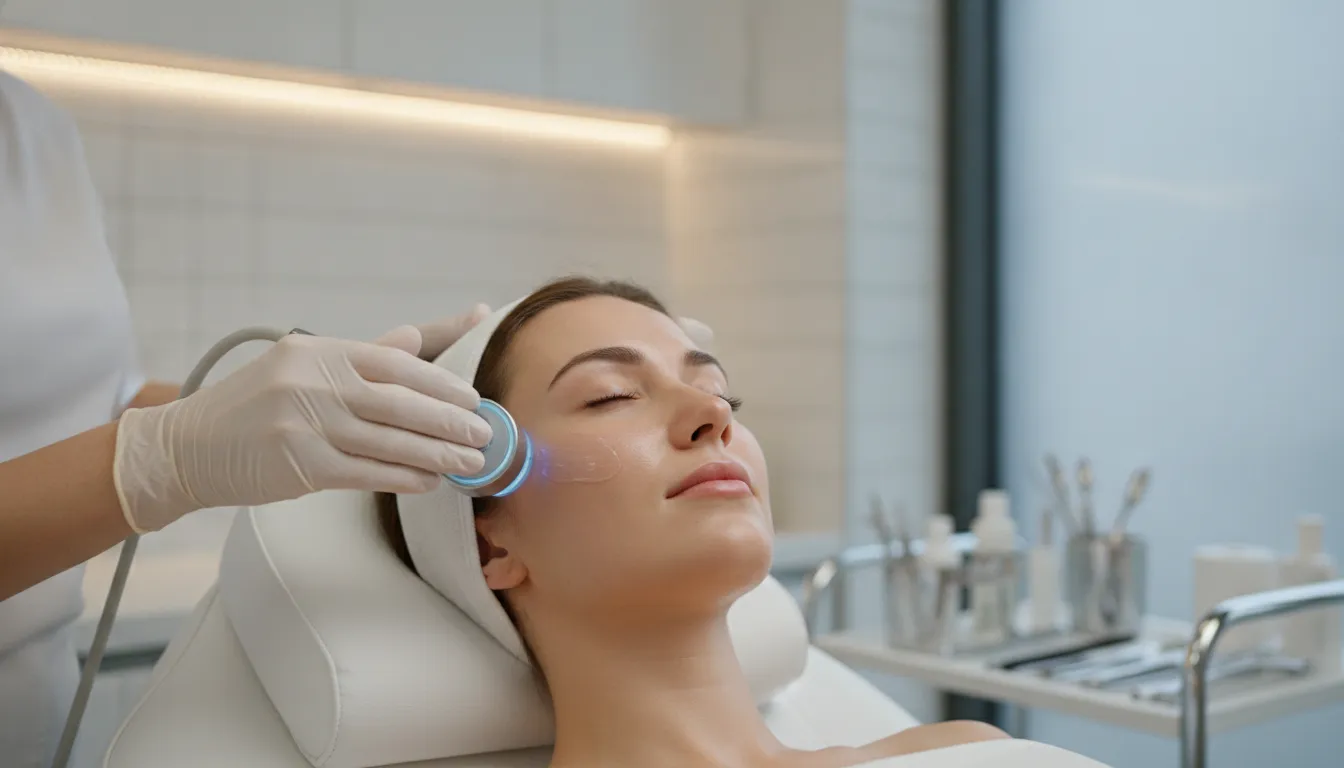
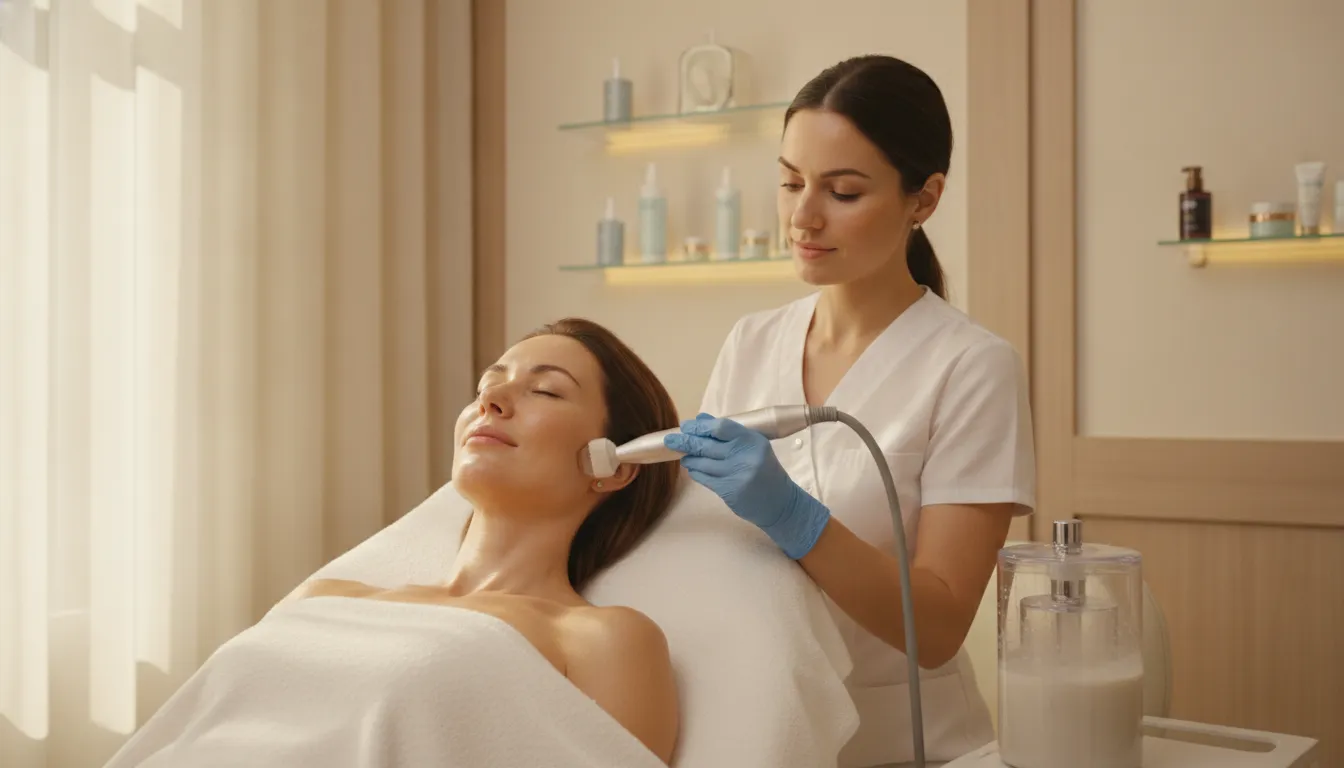
When you arrive, the first step is usually applying a topical numbing cream to your inner thighs to keep you comfortable. Once the area is prepped, the treatment can begin. Your technician will use a handheld laser device that delivers targeted pulses of light to the stretch marks. Many people describe the sensation as a quick, warm snap, similar to a rubber band against the skin. The entire session is relatively fast, typically lasting between 30 and 45 minutes. This process is a form of skin rejuvenation that stimulates collagen and helps your skin heal from within.
Does Laser Stretch Mark Removal Hurt?
Your comfort is a top priority throughout the session. While everyone’s pain tolerance is different, most people find laser stretch mark removal very manageable. Thanks to the numbing cream and advanced laser technology, there is usually little to no pain. You might feel some warmth or a slight tingling sensation during the procedure. Afterward, it’s common to experience temporary redness, mild swelling, or itching in the treated area, but these effects typically fade within a few hours to a couple of days. Your technician will explain everything you might feel, so there are no surprises along the way.
How Many Sessions Will You Need?
One of the first questions on everyone’s mind is, “How long will this take?” It’s a great question, and the answer is that it’s different for everyone. Think of your laser stretch mark removal as a personalized journey rather than a one-size-fits-all solution. The number of sessions you’ll need depends entirely on your unique situation—your skin, the characteristics of your stretch marks, and your personal aesthetic goals. We don’t follow a rigid formula because your body is unique. Instead, we focus on creating a treatment plan that’s designed just for you during your initial consultation.
Most people find they need between three and ten sessions to achieve the results they’re looking for. These appointments are typically spaced several weeks apart to give your skin the time it needs to heal and regenerate between treatments. This careful timing is key to getting the best possible outcome and ensuring the process is both safe and effective. It allows your body’s natural healing response to kick in, stimulating collagen and elastin production that gradually remodels the skin from within. Rushing the process won’t yield better results; patience is part of the strategy. We’ll go over all the details together so you know exactly what to expect every step of the way.
What Determines Your Treatment Plan?
Several key factors help us determine the right number of treatments for you. The age and color of your stretch marks play a big role; newer, reddish-purple marks often respond more quickly than older, silvery-white ones. Your skin type and tone are also important considerations, as they can influence how your skin reacts to the laser. Finally, the size of the area being treated and the depth of the stretch marks will help shape your unique plan. A free consultation is the best way to get a clear picture of what your treatment journey will look like.
How Far Apart Are the Sessions?
On average, you can expect to schedule between three and ten laser sessions. Each appointment is quick and straightforward, usually lasting about 30 to 45 minutes, so you can easily fit it into your day. We’ll schedule these sessions several weeks apart. This isn’t just for scheduling convenience—this waiting period is essential. It gives your skin time to heal and allows your body to start its natural collagen production process, which is what ultimately smooths and repairs the skin. This gradual approach to skin rejuvenation ensures each treatment builds on the last for beautiful, lasting results.
What Kind of Results Can You Realistically Expect?
It’s important to have a clear and realistic understanding of what laser treatment can achieve. While it can dramatically improve the appearance of stretch marks, the goal is significant fading and smoothing, not 100% removal. The treatment works to rebuild collagen and elastin, which makes the stretch marks much smoother and helps them blend in with your surrounding skin. After completing your sessions, you can expect the texture and color to be far less noticeable. The aim is to restore your skin’s appearance and your confidence, leaving you with smoother skin you feel great about.
How Much Does Laser Treatment for Inner Thighs Cost?
Let’s talk about one of the most practical aspects of any cosmetic treatment: the cost. Understanding the financial side of laser stretch mark removal helps you plan and feel confident in your decision. Think of it as an investment in yourself and your comfort. The total price can vary quite a bit from person to person because every treatment plan is tailored to your specific skin and goals. We believe in being transparent about pricing so you can make an informed choice without any surprises.
Several key factors influence the final cost. The size of the treatment area is a major one—treating a small patch of stretch marks will cost less than addressing a larger area. The age and color of your stretch marks also matter. Newer, reddish or purple marks often respond more quickly to treatment than older, silvery-white ones, which might require more sessions. The specific laser technology used is another important factor. Different lasers are designed for different skin types and concerns, and more advanced systems may come with a higher price tag but can offer superior results. Finally, the geographic location of the medspa and the expertise of the practitioner performing the treatment will also affect the price. A highly experienced technician in a major city will likely charge more, but that expertise is often worth the investment for your safety and results.
What’s the Average Cost Per Session?
On average, a single laser session to treat stretch marks costs between $200 and $600. This range depends on a few key things, like the city where the clinic is located, the experience of the person performing your treatment, and the type of laser technology being used. More advanced lasers might come with a higher price tag but can often deliver more effective results. The best way to get an accurate price is to schedule a free consultation. This allows a specialist to assess your stretch marks and map out a plan that’s just for you, giving you a precise cost per session.
Calculating Your Total Cost
Laser stretch mark removal isn’t a one-and-done treatment. To see a significant difference, most people need between three and ten sessions. These appointments are usually scheduled four to six weeks apart to give your skin plenty of time to heal and generate new collagen. Because the number of sessions varies, the total investment will too. Someone with newer, lighter stretch marks might need fewer treatments than someone with older, more pronounced ones. Your personalized skin rejuvenation plan will outline the recommended number of sessions to help you achieve the smooth skin you’re looking for.
Payment Plans and Financing Options
Feeling good about your skin should be accessible, and flexible payment options can make it much easier to fit treatments into your budget. Many medspas understand this and offer ways to help you manage the cost. You can often find financing plans through services like Klarna, Affirm, or CareCredit, which allow you to pay in installments. At LightRx, we also offer a membership program that provides exclusive pricing on our services. During your consultation, don’t hesitate to ask about all the available payment and financing options. We can help you find a solution that works for you.
When Will You See Results from Laser Treatment?
It’s completely normal to be excited about seeing your final results. While laser treatments are highly effective, it’s important to remember that this is a process, not an overnight fix. Your skin needs time to heal and generate new, healthy tissue. The journey to smoother skin is gradual, with improvements appearing over several weeks and months. Patience is key, and understanding the timeline will help you appreciate the subtle changes as they happen, leading up to that final, confidence-inspiring outcome. Let’s walk through what you can realistically expect and when you can expect it.
Immediate vs. Long-Term Changes
Your results will unfold over a series of appointments. Most people need between three and ten sessions to achieve their desired look. These treatments are typically scheduled several weeks apart, giving your skin the necessary time to recover and respond. This spacing is crucial because the laser works by stimulating your body’s natural collagen production, a process that continues long after you leave our office. You’ll likely start to notice improvements in texture and color after the first few sessions, with the most significant changes becoming visible a few months after your final treatment as new collagen remodels the skin.
Will My Stretch Marks Disappear Completely?
Let’s be direct about what laser treatments can achieve. The goal is to significantly reduce the appearance of stretch marks, not to erase them completely. Think of it as fading them into the background. Because stretch marks are a type of scar, they can’t be totally removed. However, laser therapy can dramatically improve their texture and color, making them much less noticeable. After completing your treatment plan, you can expect the skin on your inner thighs to look smoother and more even-toned. This significant reduction is what helps so many of our clients feel more comfortable and confident in their skin.
What Affects Your Final Results?
Your individual results will depend on a few key factors, which is why a personal consultation is so important. The age and color of your stretch marks play a big role. Newer stretch marks that are still red or purple tend to respond more quickly to treatment because they have more active blood vessels for the laser to target. Older, silvery-white stretch marks can still be improved, but may require a different approach or more sessions. Your skin type and tone are also considered when creating your personalized skin rejuvenation plan to ensure the safest and most effective treatment.
How to Care for Your Skin After Treatment
The laser treatment is just the first step—your aftercare routine is what helps your skin heal beautifully and reveal the best possible results. The recovery process for laser stretch mark removal is typically straightforward, with minimal downtime. Your main job is to be gentle with your skin and give it the support it needs as it repairs itself. Following your technician’s guidance is key to ensuring your skin heals properly and you love your final look.
Is Redness and Swelling Normal?
After your session, it’s completely normal for your skin to show signs that it’s starting the healing process. You can expect to see some mild redness, swelling, and irritation in the treated area, which often feels similar to a light sunburn. Some people also experience minimal discomfort, but rest assured, this is temporary. These effects are a positive sign that your body is getting to work creating new collagen and elastin to repair the skin from within. They usually calm down on their own within a few days, leaving your skin ready to continue its skin rejuvenation journey and reveal a smoother texture over time.
Your Recovery Do’s and Don’ts
Your technician will give you a detailed list of aftercare instructions tailored just for you—be sure to follow them closely for the best outcome. Generally, this involves keeping the treated area clean and moisturized with gentle, non-irritating products. It’s also crucial to protect your inner thighs from sun exposure, as the new skin will be very sensitive to UV rays. Opt for loose, comfortable clothing made from soft fabrics to avoid friction and irritation while you heal. Remember, while laser treatments can dramatically improve the appearance of stretch marks, the goal is significant fading, not 100% removal. Patience and proper care are your best friends during this time.
When Should You Call Your Provider?
We want you to feel confident and comfortable throughout your entire treatment process, including your recovery at home. While the side effects mentioned above are a normal part of healing, you should always trust your instincts. If you notice anything that seems unusual, or if the redness and swelling appear to be getting worse instead of better after a few days, please don’t hesitate to call us. Our team is here to answer your questions and make sure your healing is on track. There are no silly questions when it comes to your health and results, so it’s always better to reach out for peace of mind and professional guidance.
Is This Treatment Right for You?
Deciding to pursue any cosmetic treatment is a big step, and it’s smart to do your homework. While laser treatments offer a fantastic, high-tech solution for reducing the appearance of stretch marks, they aren’t a universal fix for everyone. Your unique skin, the characteristics of your stretch marks, and your overall health all play a role in determining if this is the right path for you. Think of this as your personal checklist to see if laser treatment aligns with your goals and what you can realistically expect from the process.
The most reliable way to get a definitive answer is by talking one-on-one with a treatment specialist. A professional consultation allows an expert to assess your specific situation, listen to your concerns, and give you a personalized recommendation. They can confirm if you’re a good candidate, explain the science behind the technology, and map out what your treatment plan would look like. This conversation is all about making sure you feel confident and informed before moving forward with any skin rejuvenation treatments. Let’s walk through the key factors to consider so you can feel prepared for that discussion.
Are You a Good Candidate for Laser Treatment?
So, who sees the best results with laser stretch mark removal? The great news is that most people are considered good candidates for the treatment. If you’re bothered by the appearance of stretch marks on your inner thighs and are looking for a non-surgical way to improve their texture and color, you’re already on the right track. An ideal candidate is someone in good general health who has realistic expectations about the outcome. It’s important to understand that the goal is significant improvement and fading, not complete erasure. While the results can be dramatic, lasers work to make stretch marks much less noticeable rather than making them vanish forever.
Who Should Avoid This Treatment?
Your safety is always the top priority. Laser stretch mark removal is a non-invasive procedure with a strong safety record, and the technologies used are typically FDA-cleared. Most clients experience very little discomfort during the session. However, certain health conditions can make laser treatments unsuitable. This includes being pregnant or breastfeeding, having an active infection or rash in the treatment area, or having a history of keloid scarring. During your free consultation, it’s essential to be open about your full medical history. This ensures your technician can clear you for treatment and design a plan that is both safe and effective for your body.
Does It Matter How Old Your Stretch Marks Are?
Did you know that not all stretch marks are the same? Their age and color are major factors in how they respond to laser treatment. Newer stretch marks, which are typically red or purple, are much easier to treat. That vibrant color indicates that blood vessels are still present beneath the skin, giving the laser a clear target to work on and effectively kickstart collagen production.
Older stretch marks that have faded to a white or silvery color can still be treated, but the approach is different. Since the underlying pigment and blood vessels are gone, the laser focuses more on resurfacing the texture and stimulating new collagen to help the marks blend in with the surrounding skin. While these dermal scars won’t disappear completely, their appearance can be significantly improved.
How to Choose the Right Provider
Finding the right person to trust with your skin is a big deal. The provider you choose can make all the difference in your experience and your results. It’s about more than just the technology; it’s about expertise, honesty, and a personalized approach. To help you find the best fit, let’s go over what to look for, what to ask, and what to avoid.
What to Ask During Your Consultation
Your consultation is the perfect time to get all your questions answered. Don’t be shy—a great provider will be happy to walk you through everything. Start with the basics: “Is this treatment FDA-approved?” and “What can I expect in terms of discomfort?” While laser stretch mark removal is a non-invasive procedure with little to no pain, it’s good to confirm.
Also, be sure to ask about recovery. A good follow-up question is, “What are the common side effects?” You should expect to hear about temporary, mild irritation, redness, or swelling. Understanding the full picture of the treatment and aftercare process will help you feel confident and prepared for your sessions.
Qualities of a Great Provider
When you’re researching medspas, look for a place that prioritizes both technology and a personalized experience. The best clinics use advanced, clinically proven equipment to perform their skin rejuvenation treatments. The procedure itself should be straightforward and relatively quick, without major complications.
A reputable medspa will also be upfront about results. While laser treatments can dramatically improve the texture and color of stretch marks, they may not remove them completely. Look for a provider who sets realistic expectations and creates a treatment plan tailored specifically to your skin and goals. They should offer a range of services and be able to explain why a particular laser is the right choice for you.
Warning Signs to Watch Out For
One of the biggest red flags is a provider who makes promises that sound too good to be true. If someone guarantees they can make your stretch marks “totally disappear,” it’s best to walk away. Honest, experienced professionals know that while treatment can significantly fade stretch marks, complete eradication isn’t a realistic outcome.
Be wary of anyone who downplays the importance of a consultation or rushes you into a decision. A trustworthy provider will take the time to assess your skin, discuss your medical history, and answer all your questions thoroughly. Avoid clinics that can’t show you before-and-after photos of their own clients or seem hesitant to discuss their qualifications and experience. Your safety and satisfaction should always be the top priority.
Related Articles
- Laser Treatment for Stretch Marks: A Complete Guide
- Top Treatments for Stretch Mark Reduction | LightRx Expert Advice
- Laser Therapy for Stretch Marks: What to Know | LightRx Confidence
Frequently Asked Questions
Is laser stretch mark removal painful? Most people find the treatment very manageable. We use a topical numbing cream to keep you comfortable, and the laser technology itself is designed to be as gentle as possible. Many clients describe the sensation as a quick, warm snap, similar to a rubber band against the skin. It’s a fast process, and any discomfort is minimal and brief.
Are the results from laser treatment permanent? Yes, the improvements you see in your existing stretch marks are long-lasting. The treatment works by rebuilding the collagen structure within your skin, which permanently alters the scar tissue for a smoother appearance. However, it’s important to remember that laser treatment doesn’t prevent new stretch marks from forming in the future due to things like weight changes or pregnancy.
How soon after my last session will I see the final results? You’ll likely notice improvements in your skin’s texture and color throughout your series of treatments. However, the most significant results appear after your treatment plan is complete. Your body continues to produce new collagen for several months, so you can expect to see the final, optimal outcome about three to six months after your last session.
Can I get laser treatment for stretch marks if I have a darker skin tone? This is a great question. Yes, people with darker skin tones can be treated, but it requires a provider with specific expertise and the right type of laser technology. Certain lasers are safer for melanin-rich skin to avoid the risk of hyperpigmentation. A thorough consultation is essential to determine the safest and most effective approach for your specific skin type.
Why do I need multiple sessions instead of just one? Laser stretch mark treatment is a gradual process that works with your body’s natural healing cycle. Each session stimulates a new wave of collagen production, building on the progress of the last. Spacing the treatments out gives your skin the time it needs to heal and regenerate properly. This layered approach ensures a safer process and leads to more significant, lasting improvement in the skin’s texture and tone.