
Is RF Skin Tightening Worth It? A Complete Guide
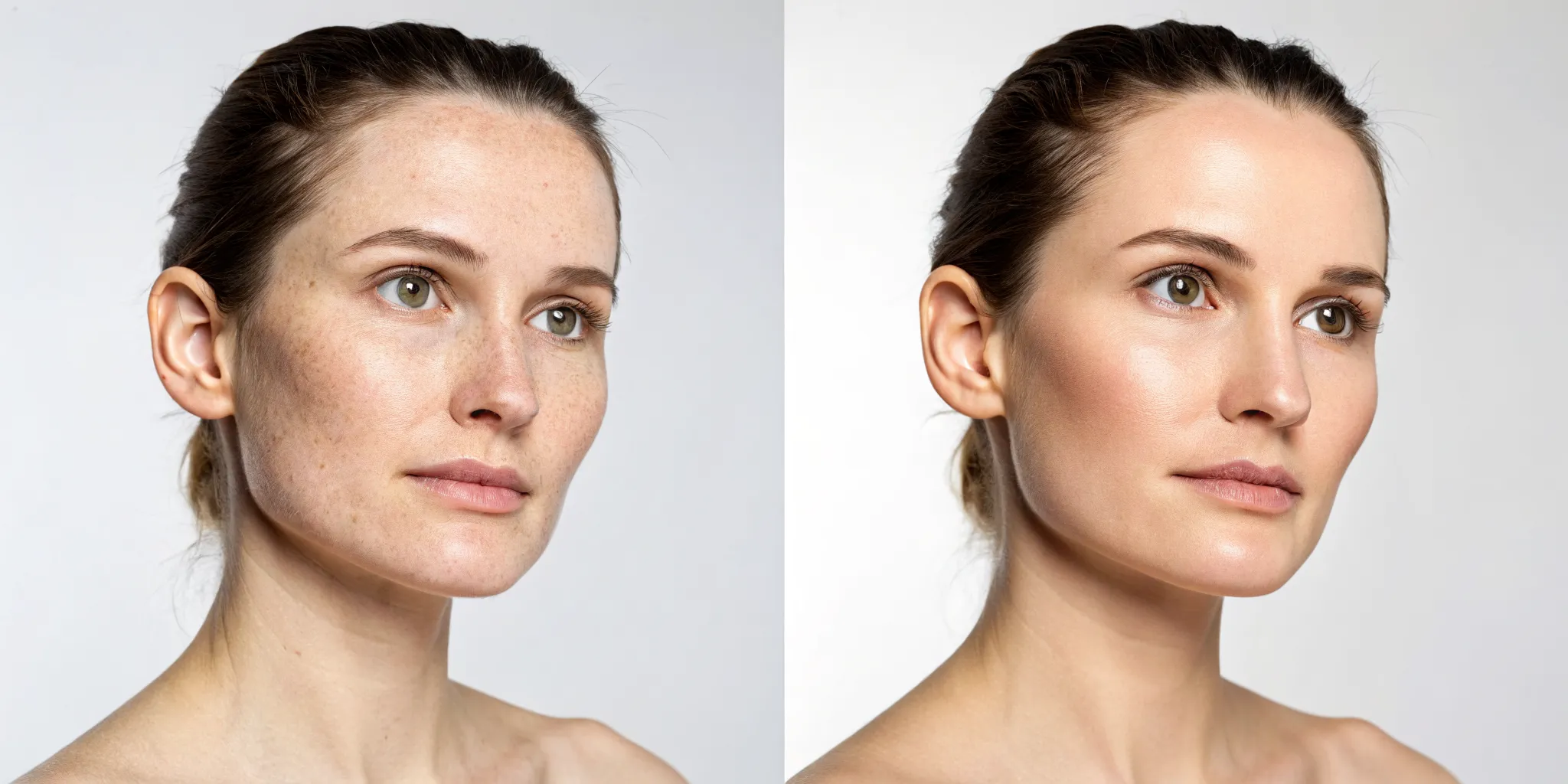
Those incredible transformation photos online? The ones with smoother jawlines and firmer necks? It’s hard not to see them and wonder, “Could that work for me?” Many of those stunning rf skin tightening before and after pictures aren’t magic—they’re science. The treatment, RF skin tightening, uses advanced radiofrequency technology to encourage your skin to rebuild itself from the inside out. It’s a fascinating process, and we’re about to pull back the curtain and show you exactly how it works.
Key Takeaways
- RF works by stimulating natural collagen: The treatment uses radiofrequency energy to warm deep skin layers, which signals your body to create new collagen and elastin. This rebuilds your skin’s structure from the inside for a genuinely firmer appearance.
- Lasting results appear gradually: Your best results will become visible three to six months after your final session. This is because it takes time for your body to produce the new, strong collagen that creates a smoother and more lifted look.
- A custom plan is non-negotiable: The ideal number of sessions varies for everyone, so a personalized plan is essential for success. Use a consultation to discuss your goals, get a clear cost breakdown, and ensure the treatment is perfectly suited to your skin.
How Does RF Skin Tightening Work?
It might sound complex, but the idea behind RF skin tightening is actually quite simple. The treatment uses advanced technology to work with your body’s own natural renewal processes. By sending targeted energy into the deeper layers of your skin, we can encourage it to rebuild and repair itself from the inside out. This process helps create a firmer, smoother, and more lifted appearance without the need for invasive procedures.
The magic happens in two key steps. First, we use a specific type of energy to create a gentle warming effect deep within the skin. This warmth is precisely controlled and feels comfortable, but it’s significant enough to get your skin’s attention. Second, your body responds to this signal by producing more of the proteins that give your skin its structure and elasticity. Let’s look at exactly how that works.
The Science Behind Radiofrequency Energy
Radiofrequency (RF) is a type of energy that we can use to gently heat the dermis, which is the thick layer of skin beneath the surface you see. Think of it as a targeted warmth that bypasses the top layer of your skin and gets right to where the work needs to be done. This is where your body produces collagen and elastin, the essential proteins that keep your skin firm and plump.
During a skin tightening treatment, a specialized device delivers this RF energy precisely to the target area. The controlled heat is the catalyst for change. It creates a gentle thermal effect that signals your skin cells to get to work, all without affecting the surrounding tissue. It’s a smart and effective way to address skin laxity at its source.
How RF Heats the Skin to Stimulate Healing
The controlled heat from the radiofrequency device works in two fantastic ways. First, it causes the existing collagen fibers in your skin to contract and tighten, which can give you a subtle, immediate lift right after your session. But the most significant change happens over the following weeks and months. This gentle warming acts as a signal, telling your body to start its natural repair process. It effectively wakes up the cells responsible for producing new, healthy collagen and elastin. This is what truly rebuilds your skin’s underlying support system, gradually improving firmness and reducing the appearance of sagging skin.
Types of Radiofrequency Technology
It’s also helpful to know that different types of RF technology can be used to match your specific needs. The main categories are Monopolar, Bipolar, and Fractional RF. Monopolar RF sends energy deeper into the skin, making it great for improving overall firmness. Bipolar RF keeps the energy more focused and closer to the surface, which is ideal for delicate areas. Finally, some advanced treatments combine radiofrequency with other technologies to address texture and tone in addition to laxity. During a free consultation, our technicians will assess your skin and goals to determine which of our different treatment options is the perfect fit for you.
How RF Treatments Stimulate New Collagen
That gentle heat we just talked about does something amazing: it kickstarts your body’s natural healing response. When the dermis is warmed to a specific temperature, your body thinks it’s experienced a minor injury and immediately begins the repair process. A major part of this process is creating brand-new collagen and elastin fibers.
Think of collagen as the scaffolding that holds your skin up. As we age, this scaffolding weakens, leading to sagging and wrinkles. RF treatments tell your body to build more scaffolding. This new collagen strengthens and thickens the skin, resulting in a firmer texture and a more lifted appearance. This process of skin rejuvenation happens gradually, as your body needs time to produce these new fibers, leading to natural-looking and lasting results.
When Will You See RF Skin Tightening Results?
One of the most exciting parts of any new treatment is seeing the results unfold. With RF skin tightening, the process is a gradual transformation that works in harmony with your body’s natural renewal cycle. Unlike treatments that offer instant but temporary changes, radiofrequency builds lasting improvements from deep within the skin. The energy prompts your body to create new, strong collagen and elastin, which takes a little time.
Think of it like planting a garden. You won’t see a full bloom overnight, but with the right care, you’ll soon see sprouts, then buds, and finally, beautiful, vibrant flowers. Your skin follows a similar timeline. The initial treatment is like planting the seeds, and over the following weeks and months, you get to watch your skin become firmer, smoother, and more youthful. Understanding this timeline helps you appreciate every stage of the process and know exactly what to look forward to after each session.
What Kind of Results Can You Realistically Expect?
Realistically, you can expect a visible improvement in skin laxity and overall texture. This isn’t about achieving an artificial or “pulled” look; it’s about restoring your skin’s natural firmness. As your body produces new collagen, you’ll notice that fine lines appear softer and areas with sagging, like the jowls or neck, look more defined. The treatment is fantastic for creating a smoother, more toned appearance on both the face and body. Many people find it’s a key part of their body contouring plan because it tightens the skin as part of the overall shaping process. The final outcome is a refreshed, more youthful look that appears completely natural because it’s the result of your own skin rebuilding itself.
What to Expect Right After Treatment
Right after your appointment, you’ll likely notice some mild redness and a bit of swelling in the treated area. This is completely normal and actually a good sign. It shows that your skin is responding to the radiofrequency energy and the collagen-rebuilding process has begun. These effects are temporary and usually fade within 24 to 48 hours.
The best part is that there’s virtually no downtime. You can get back to your daily routine right away, though it’s always a good idea to follow the specific post-treatment care instructions from your technician. This immediate phase is all about letting your skin start its rejuvenation journey.
Watching Your Results Develop (1-6 Months)
This is when the real magic starts to happen. While you might see some initial firming within the first couple of weeks, the most significant changes appear over the next three to six months. As your body produces new collagen and elastin, you’ll see the texture of your skin improve. It will start to feel tighter, and fine lines will become less noticeable.
This gradual improvement is what makes the results of RF skin tightening look so natural. Your skin is genuinely rebuilding itself from the inside out. Patience is key during this phase, as your body is working hard behind the scenes to create that smooth, firm foundation.
How to Maintain Your Long-Term Results
Your peak results will typically appear around three to six months after your final session. At this point, your new collagen and elastin are fully developed, revealing smoother, tighter, and more lifted skin. With a consistent skincare routine and proper sun protection, these beautiful results can last for one to two years.
To get the most out of your treatment, we create a personalized plan tailored to your specific goals. Many of our clients choose to schedule maintenance sessions to keep their collagen production active and extend their results even longer. It’s a fantastic way to continue investing in your skin’s long-term health and appearance.
How to Spot Authentic Before-and-Afters
Before-and-after photos are exciting. They offer a glimpse into what’s possible and can be a huge motivator for starting a new treatment. But to get a true sense of the results you can expect, you need to know how to look at these images with a critical eye. Not all photos are created equal, and understanding what to look for can help you spot authentic results and set realistic expectations for your own journey. Think of it as becoming a savvy art critic, only the masterpiece is rejuvenated skin.
The goal is to find photos that show genuine, impressive transformations without any smoke and mirrors. A great before-and-after gallery tells a story of consistent, high-quality care. It showcases the provider’s skill and gives you confidence in their work. By learning to identify the hallmarks of a real result and the red flags of a misleading image, you can make a more informed decision about your treatment and provider.
Identifying Genuine Improvements in Photos
When you’re looking at photos of successful skin tightening treatments, focus on the texture and contour of the skin. You should see a visible improvement in firmness and a reduction in sagging or fine lines. Real results look natural. The skin should appear smoother, more lifted, and healthier, but it should still look like real skin, complete with pores and normal texture. Look for consistency in the photos, where the lighting and angle are the same in both shots. This ensures you’re comparing apples to apples and seeing the true impact of the treatment itself, not just the effect of a flattering camera angle.
Common Myths About Your Results Timeline
One of the biggest myths is that you’ll walk out of your first appointment looking completely transformed. While you might notice some initial plumping, the best results from RF skin tightening appear gradually. The treatment works by stimulating your body’s natural collagen production, a process that takes time. You’ll likely see initial improvements within a few weeks, but the peak results often become visible three to six months after your treatment series is complete. This gradual skin rejuvenation is what creates such a natural, lasting effect. Authentic before-and-after photos are often taken several months apart to showcase this full transformation.
Red Flags to Watch for in Before-and-Afters
Learning to spot red flags will help you filter out misleading photos. Pay close attention to the lighting. Is the “before” photo taken in harsh, unflattering light, while the “after” is shot in soft, bright light? This simple trick can dramatically change how skin appears. Also, check the person’s pose and expression. A slight tilt of the head or a smile in the “after” photo can create the illusion of a lift. Be wary of any signs of digital editing, like blurred skin texture or altered facial features. A trustworthy provider will present their full range of services with clear, consistent, and unretouched photos.
How Many RF Skin Tightening Sessions Will You Need?
One of the most common questions we get is, “How many treatments will it take to see results?” The honest answer is: it’s different for everyone. While some people notice a difference after just one appointment, the real magic happens over a series of sessions. Your treatment plan is designed specifically for you, your skin, and your goals. Think of it not as a single event, but as a process to rebuild your skin’s firmness from the inside out. Let’s break down what a typical treatment schedule looks like and what factors might influence your personal plan.
What a Standard Treatment Plan Looks Like
While you might feel a subtle lift and glow right after your first session, the most significant and lasting improvements come from a full treatment course. For optimal results, most people benefit from a series of four to six skin tightening treatments. These sessions are usually scheduled two to four weeks apart. This timing is strategic; it gives your skin enough time to respond to the radiofrequency energy and kickstart the collagen production cycle before the next session builds on that progress. This cumulative approach ensures you get the best possible outcome that looks natural and lasts.
What Affects Your Personal Treatment Plan?
Your treatment plan isn’t a one-size-fits-all prescription. The number of sessions you need depends entirely on your unique situation. Your technician will consider several factors during your free consultation, including your specific aesthetic goals, your skin type and condition, and the area you want to treat. For example, someone looking to address minor skin laxity may need fewer sessions than someone with more pronounced sagging. How your skin responds to the initial treatments also plays a role in tailoring the rest of your plan. This personalized approach ensures your aesthetic treatments are perfectly aligned with your desired results.
Maintaining Your Results with Follow-Up Sessions
After completing your initial series of treatments, you’ll want to protect your investment and enjoy your newly firm skin for as long as possible. The best way to do this is by adopting a healthy lifestyle. Consistent skincare, diligent sun protection, and avoiding smoking will help preserve your new collagen. Because the natural aging process continues, we recommend periodic maintenance sessions to keep your skin looking its best. These touch-up appointments, often scheduled once or twice a year, help maintain collagen production and keep your results looking fresh. Our LightRx membership options can make it easy and affordable to stay on top of your maintenance plan.
Your RF Skin Tightening Appointment: Step-by-Step
Knowing what’s coming can make any new experience feel more comfortable. From the moment you settle into the treatment chair to the days following your session, here’s a straightforward guide to your RF skin tightening appointment and recovery. We’ll walk you through what the treatment feels like and how to care for your skin afterward to ensure you get the beautiful results you’re looking for.
How to Prepare for Your Appointment
Getting ready for your RF treatment is simple and starts with a conversation. The first step is your free consultation, where you’ll talk with a technician about your skin goals and medical history. This is the perfect time to ask all your questions and make sure the treatment is right for you. In the two weeks before your appointment, you’ll want to give your skin a little extra care. Try to avoid direct sun exposure, smoking, and any harsh treatments like chemical peels or other laser procedures. It’s also a good idea to pause the use of irritating skin creams and any blood-thinning medications to ensure your skin is calm and ready for the session.
What Happens During the 30- to 60-Minute Session
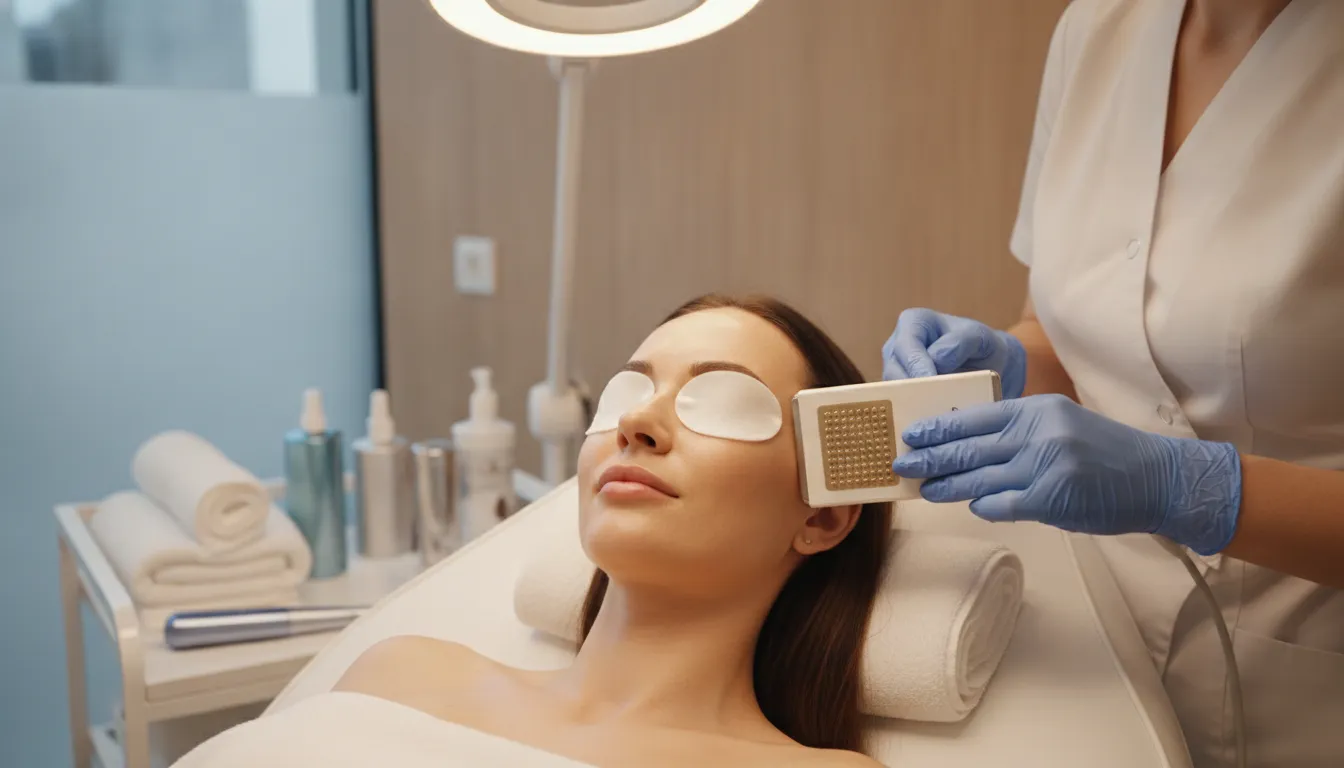
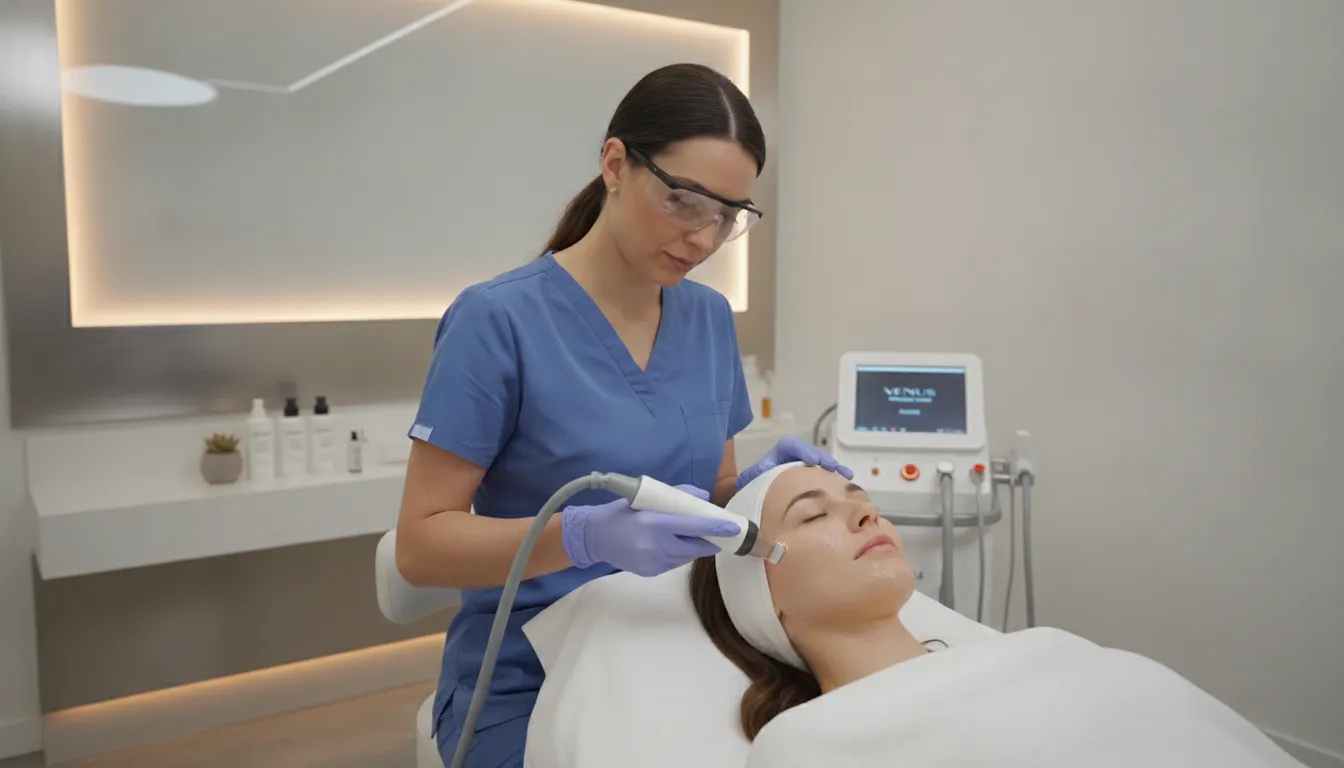
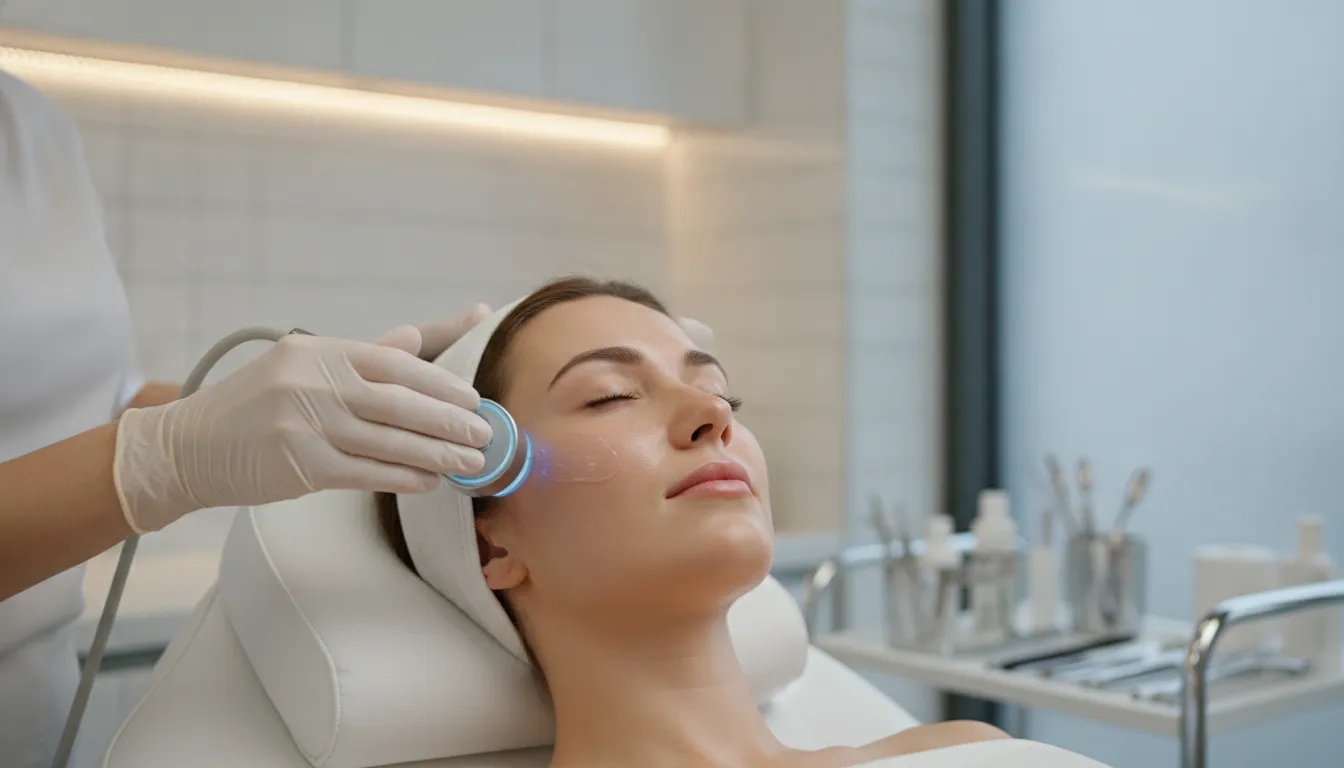
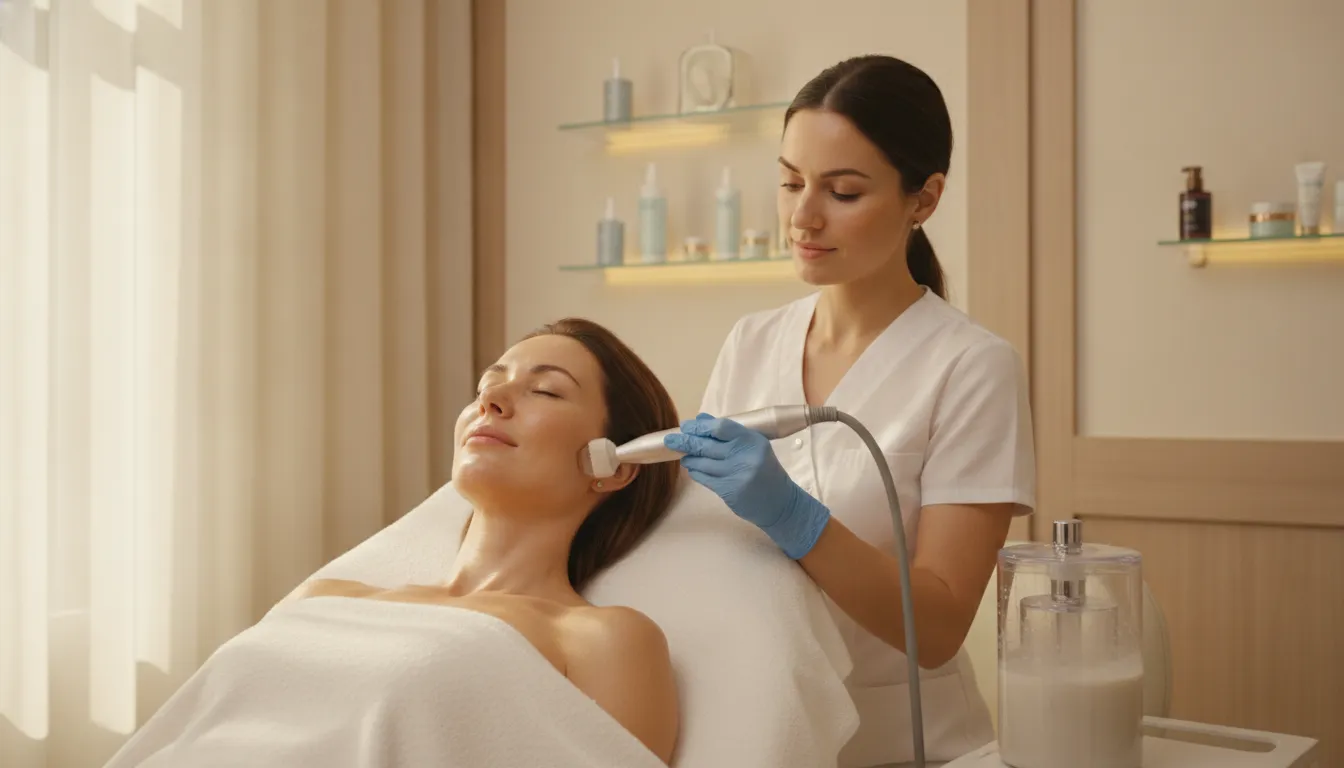
When you arrive for your treatment, your technician will make you comfortable and start by thoroughly cleansing the area being treated. They will then apply a specialized gel to your skin, which helps the RF device glide smoothly and ensures the energy is delivered effectively. As the technician moves the handheld device over your skin, you’ll feel a gentle, warming sensation. This warmth is the radiofrequency energy penetrating the deeper layers of your skin, or the dermis. This controlled heat is precisely what triggers your body’s natural healing response, signaling it to start producing new, firming collagen without affecting the surrounding tissue. The entire skin tightening process is comfortable, non-invasive, and typically takes between 30 and 60 minutes.
Does RF Skin Tightening Hurt?
If you’re worried about discomfort, you can relax. Most people describe the sensation of an RF skin tightening treatment as a warm, tingling feeling, similar to a deep-tissue massage. Your technician will apply a conductive gel to your skin and glide the device over the target area. The radiofrequency energy gently heats the deeper layers of your skin to get that collagen production started. For more sensitive areas, a numbing cream can be applied beforehand to make the entire process as comfortable as possible.
Is There Any Downtime After Treatment?
One of the best parts about RF skin tightening is that there’s virtually no downtime. You can get back to your daily routine right after your appointment. It’s common to experience some mild redness, swelling, and a warm sensation in the treated area for a day or two, but this typically fades quickly. Some people also notice minor dryness or peeling a few days later as the skin rejuvenates. These effects are temporary and a normal part of the skin’s renewal process.
Simple Aftercare for the Best Results
Taking care of your skin after your session is simple but important for achieving the best outcome. First, drink plenty of water. Proper hydration helps your body produce new collagen and can lead to better results. For the next few weeks, you’ll want to be gentle with the treated area. That means avoiding other skin treatments like chemical peels, waxing, or microdermabrasion. It’s also a good idea to skip intense workouts and excessive heat (like saunas) for a couple of days to let any swelling subside. Your technician will give you a personalized aftercare plan during your free consultation.
Safety and Potential Side Effects of RF Skin Tightening
It’s completely normal to have questions about the safety of any new treatment. You want to know that you’re making a smart choice for your skin and your health. The good news is that radiofrequency technology has a long-standing safety record in the medical field. When performed by a trained professional, RF skin tightening is considered a very low-risk procedure. The key is to understand what to expect and to choose a provider who prioritizes your well-being. Let’s go over the safety profile of RF skin tightening so you can feel confident and informed.
Is RF Skin Tightening FDA-Approved?
Yes, radiofrequency technology for cosmetic use is cleared by the FDA, which is a critical benchmark for safety and effectiveness. This clearance means the devices have been reviewed to ensure they perform as advertised without posing unreasonable risks. At LightRx, we exclusively use FDA-cleared technology because your safety is our top priority. While the treatment is considered safe for all skin tones, it’s important to have a professional assess your skin. A personalized consultation ensures the treatment is perfectly suited to you and helps minimize any potential risks, allowing you to focus on the exciting results ahead.
Understanding Potential Risks and Side Effects
Even with non-invasive treatments, it’s wise to be aware of potential side effects. With RF skin tightening, the most common effects are very mild and temporary. Serious complications are rare and are almost always linked to inexperienced technicians or improper use of the equipment. An experienced provider knows how to precisely control the energy levels to keep you safe while delivering effective results. Knowing what to expect helps you move forward with confidence, understanding that the minor, temporary reactions are just a normal part of your skin’s powerful renewal process.
Common, Temporary Side Effects
Immediately after your session, you’ll probably see some mild redness and feel a bit of warmth in the treated area. You might also experience some minor swelling. Think of this as a positive sign—it’s visible proof that the radiofrequency energy has successfully stimulated the deeper layers of your skin. This response shows that the collagen-building process has officially begun. These effects are completely normal and typically disappear on their own within 24 hours, leaving you free to go about your day without any real downtime.
How an Experienced Provider Minimizes Risks
The single most important factor in ensuring a safe treatment is the skill of your provider. An experienced technician understands the nuances of how RF energy interacts with different skin types and body areas. They know how to calibrate the device perfectly to deliver effective heat to the dermis without harming the outer layer of your skin, which is key to preventing burns or other complications. This is why a free consultation is so important. It’s our chance to assess your skin and your opportunity to feel confident that you’re in expert hands.
What to Do if You Experience Discomfort
Most people find RF skin tightening to be a comfortable and relaxing experience. The sensation is often described as a warm, deep-tissue massage. However, everyone’s sensitivity is different. The most important thing you can do is maintain open communication with your technician during the treatment. If the warmth ever feels too intense, just say so. They can immediately adjust the settings to ensure you remain comfortable throughout the entire session. Your feedback is essential to a successful and pleasant treatment, so never hesitate to speak up.
Is RF Skin Tightening Right for You?
Deciding on any new treatment is a personal choice, and it’s important to know if it aligns with your specific skin goals. While a one-on-one consultation with a trained technician is the best way to get a definitive answer, you can get a great sense of whether radiofrequency is a good fit by looking at a few key factors. This treatment is incredibly versatile, but it shines brightest for certain concerns.
Think of RF skin tightening as a way to firm up the foundation of your skin. It’s designed to address laxity and texture from within by stimulating your body’s natural collagen production. If you’re looking for a non-invasive method to achieve a smoother, tighter appearance without the downtime of surgery, you’re in the right place. Let’s walk through who typically sees the best results and what to consider before booking your appointment.
Who Is a Good Candidate for This Treatment?
The ideal candidate for RF skin tightening is someone who is starting to see mild to moderate skin laxity. This might look like fine lines around the eyes or mouth, a slight softening of the jawline, or skin that just doesn’t feel as firm as it used to. It’s a fantastic option for addressing the early signs of aging in a way that looks completely natural.
To get the most out of your treatments, it helps to be in good overall health and have realistic expectations. RF technology delivers gradual, cumulative results, not an overnight transformation. Think of it as a process of rebuilding and strengthening your skin over time for a refreshed, more youthful appearance.
What Areas Can Be Treated with RF?
One of the best things about RF technology is just how versatile it is. It’s not just for your face. This treatment can be used almost anywhere you’re experiencing skin laxity or want a smoother, firmer appearance. Popular areas include the face, especially for defining the jawline and reducing jowls, as well as the delicate skin on the neck and décolletage. But it doesn’t stop there. We can also use it for body contouring on the abdomen to tighten loose skin after pregnancy or weight loss, on the arms to address that ‘crepey’ texture, and even on the thighs and buttocks to help reduce the appearance of cellulite. Because it works effectively on all skin types, it’s a fantastic option for a wide range of concerns, from fine lines to more significant sagging.
How Age and Skin Condition Play a Role
One of the best things about RF skin tightening is that it isn’t limited to a specific age group. Your skin’s condition is far more important than the number of candles on your birthday cake. For younger clients, it can be a proactive step to keep collagen production strong and delay more visible signs of aging. For those with more mature skin, it’s an effective way to restore firmness and improve texture.
Plus, radiofrequency is generally safe for all skin types and tones. Unlike some light-based therapies that can pose risks for darker skin, RF energy targets the deeper layers of the skin without affecting the pigment on the surface. This makes it a wonderfully inclusive option for anyone looking for skin rejuvenation.
When to Explore Other Skin Tightening Options
Radiofrequency is a powerful tool, but it’s important to understand its scope. If you have significant skin sagging, RF treatments alone may not deliver the dramatic lift you’re hoping for. In these cases, surgical procedures like a facelift might be a more suitable path. A professional consultation is the perfect setting to discuss the degree of skin laxity you have and determine the most effective approach.
Sometimes, the best plan involves a combination of treatments. For instance, if you’re concerned with both skin laxity and volume loss, you might pair RF skin tightening with dermal fillers to restore fullness. The key is creating a personalized plan that addresses all of your aesthetic goals.
RF Skin Tightening vs. Other Treatments
When you start exploring cosmetic treatments, the number of choices can feel overwhelming. From lasers and injectables to full surgical procedures, how do you know which path is right for you? Radiofrequency (RF) skin tightening holds a unique place in the world of aesthetics because it effectively bridges the gap between topical treatments and more invasive options. It’s a powerful, non-surgical way to firm up loose skin and encourage your body’s natural rejuvenation process.
Understanding how RF stacks up against other popular treatments can help you make a confident and informed decision. Whether you’re comparing it to other non-invasive technologies or considering it as an alternative to surgery, it’s all about finding the best fit for your specific goals, lifestyle, and comfort level. Let’s break down the key differences to see where RF skin tightening shines.
RF Tightening vs. Other Non-Invasive Options
In the realm of non-surgical treatments, RF skin tightening stands out for its versatility and deep-acting approach. While treatments like chemical peels and microdermabrasion focus on refining the skin’s surface, RF works from the inside out. It uses energy to gently heat the deeper layers of your skin, triggering new collagen and elastin production for a firmer foundation. One of its biggest advantages is that it’s generally safe for all skin tones, which isn’t always the case with certain laser treatments that can pose risks for darker skin. This makes skin tightening an inclusive option for a wide range of people seeking a natural-looking lift.
Combining RF with Microneedling
Think of RF skin tightening and microneedling as a power couple in the world of skincare. On its own, microneedling creates tiny, controlled micro-channels in the skin, which prompts your body to heal itself by producing new collagen. When you add radiofrequency to the mix, the energy is delivered directly into these channels, reaching deeper layers of the skin more effectively. This dual-action approach supercharges the collagen-rebuilding process. As medical experts note, this combination is especially effective for improving skin texture. When used together, these treatments can make concerns like acne scars less noticeable, giving you a smoother and more even-toned complexion as part of a total skin rejuvenation plan.
Can RF Be Combined with Injectables like Botox?
Absolutely. In fact, combining RF skin tightening with injectables like Botox or dermal fillers is a popular strategy for a more comprehensive facial refresh. These treatments address different signs of aging. RF tightening works on improving skin laxity and firmness by building collagen over time. Meanwhile, Botox relaxes the muscles that cause dynamic wrinkles (like crow’s feet), and dermal fillers restore lost volume in areas like the cheeks. Using them together allows you to tackle skin quality, wrinkles, and volume loss all at once. As noted by the Cleveland Clinic, RF can be performed alongside these other cosmetic treatments, but timing is key. A personalized consultation will help you create a schedule that allows each treatment to work its best.
RF Tightening vs. Surgical Procedures
For those who aren’t ready for the commitment of surgery, RF skin tightening is an excellent alternative. A surgical facelift or tummy tuck can deliver dramatic results, but it also comes with anesthesia, significant downtime, and potential scarring. RF treatments offer a way to achieve noticeable firming and lifting without any of those drawbacks. The results are more gradual and subtle than surgery, creating a refreshed and natural look rather than a drastic change. Think of it as turning back the clock a bit, not resetting it completely. It’s a perfect fit if you want to see real improvement as part of a larger aesthetic plan without pressing pause on your life.
How Much Does RF Skin Tightening Cost?
Investing in your skin is a big decision, and it’s smart to have a clear picture of the costs involved. The price of RF skin tightening isn’t one-size-fits-all because every treatment plan is personalized. Understanding what goes into the final cost helps you make an informed choice that feels right for you and your budget. At LightRx, we believe in total transparency, which is why we start every client relationship with a free personal consultation to create your unique plan.
What Determines the Price of Your Treatment?
The cost for an RF skin tightening session typically ranges from a few hundred to a few thousand dollars. This variation comes down to a few key factors. First is the size of the treatment area; treating a smaller area like the skin around your eyes will naturally cost less than a larger area like your abdomen. Second, your total investment depends on the number of sessions needed to achieve your desired outcome. Most people require a series of treatments for the best results. Finally, the provider’s experience and the technology they use can influence the price. An experienced technician using state-of-the-art equipment for skin tightening ensures you get a safe and effective treatment.
Average Cost per Session by Treatment Area
To give you a clearer picture, let’s break down the typical costs per session based on the area you want to treat. Keep in mind these are general estimates, and your personal plan will give you the exact pricing. For smaller areas like the face, you might see prices ranging from $200 to $500 per session. Treating the neck, another common area for skin laxity, often falls between $150 and $400 per session. Larger body areas, such as the abdomen or thighs, naturally require more time and resources, so the cost can range from $300 to $800 per session. These figures help you understand the investment for a single appointment, and we’ll build your full treatment plan around the number of sessions you’ll need to achieve your goals for smoother, firmer skin.
Key Questions to Ask at Your Consultation
Your consultation is the perfect time to get all your questions answered, so don’t be shy. Come prepared with a list to ensure you have all the details. A great provider will happily walk you through everything.
Here are a few key questions to ask:
- Based on my goals, how many sessions do you recommend?
- What is the total cost for the entire treatment plan?
- Do you offer payment plans or memberships that could make it more affordable?
- What results can I realistically expect, and when will I see them?
Asking these questions will give you a complete financial picture and help you feel confident as you move forward with your treatment.
How to Choose the Right Provider
Finding the right person to perform your RF skin tightening treatment is just as important as the technology itself. A skilled provider not only ensures your safety but also tailors the treatment to your specific skin goals, making all the difference in your final results. When you’re ready to take the next step, you want to feel confident that you’re in capable hands.
So, how do you find a professional you can trust? It comes down to doing a little homework, asking the right questions, and knowing what to look for. A great provider will be transparent about their process, their experience, and the kind of results you can realistically expect.
Reviewing a Provider’s Portfolio
Before-and-after photos are your best friend when vetting a provider. This is your chance to see their work firsthand. As you browse through their gallery, look for clear, consistent images that showcase real patient results. You want to see a variety of outcomes on different people, which demonstrates the provider’s experience. Pay attention to the quality of the photos; they should be well-lit and taken from similar angles to give you an honest comparison. Authentic photos of actual patients are a sign of a trustworthy clinic that is proud of the results they help people achieve.
The LightRx Approach to RF Skin Tightening
At LightRx, we believe in a personalized and transparent process. Our skin tightening treatments use advanced radiofrequency technology to gently heat the deeper layers of your skin. This process stimulates your body’s natural collagen and elastin production, which are the key building blocks for firm, smooth skin. During your free consultation, we’ll discuss your goals and map out a treatment plan. For the best results, we typically recommend a series of sessions, often spaced about four to six weeks apart, to give your skin time to regenerate and build new collagen between appointments. This steady approach ensures gradual, natural-looking, and long-lasting firmness.
Related Articles
- Tighten Loose Skin Without Surgery: What Works
- 5 Top Skin Tightening Treatments for Face
- Radio Frequency and Skin Tightening: A Guide
- skin tightening Archives | LightRx
Frequently Asked Questions
Does RF skin tightening hurt? Most people find the treatment quite comfortable and relaxing. You’ll feel a gentle, deep warming sensation as the device moves over your skin, which many compare to a hot stone massage. We use a special gel to help the device glide smoothly, and your technician will constantly check in with you to ensure the temperature feels right. Your comfort is our top priority.
When will I actually see a difference in my skin? You may notice a subtle lift and a healthy glow right after your first session, but the most impressive results appear gradually. The treatment works by prompting your body to build new collagen, a process that takes time. You can expect to see more significant firming and smoothing over the three to six months following your treatment series as your skin rebuilds from within.
How long will my results last? With a completed treatment series, your firmer, smoother skin can last for one to two years. The results are long-lasting because the treatment helps your body create its own new collagen. To get the most out of your investment, we recommend a consistent at-home skincare routine and periodic maintenance sessions to keep your skin looking its best.
What parts of the body can be treated with RF skin tightening? This treatment is incredibly versatile and can be used almost anywhere you’re experiencing mild to moderate skin laxity. Some of the most popular areas include the face, especially around the jawline and under the eyes, as well as the neck, abdomen, arms, and thighs. During your consultation, we can create a plan to address your specific areas of concern.
Is there any downtime after a session? One of the best things about RF skin tightening is that there is practically no downtime. You can return to your normal activities, including work, right after your appointment. You might experience some mild redness or warmth in the treated area for a few hours, but this is temporary and fades quickly on its own.