

5 Best Tightening Lasers to Reduce Loose Skin and Wrinkles
When you hear ‘skin tightening,’ you probably think about correcting sagging skin that’s already there. But what if you could play the long game? Many of us are now using advanced procedures as a preventative measure, keeping our skin firm and elastic for years to come. By starting treatments before significant laxity shows up, you’re essentially telling your natural collagen to stay active and strong. It’s a powerful investment in your skin’s future. We’ll cover the 5 best tightening lasers to reduce loose skin and wrinkles, helping you find the best face tightening treatment for your goals.
Key Takeaways
- These treatments kickstart your skin’s natural repair process: By using targeted energy like radiofrequency and ultrasound, non-surgical methods prompt your body to build new collagen, which gradually firms and lifts the skin for an authentic, refreshed appearance.
- Expect gradual improvements, not instant changes: The best results appear over three to six months as new collagen forms. To protect your investment and keep your skin looking its best, plan for periodic maintenance sessions as part of your long-term skincare strategy.
- Your ideal treatment plan is a personalized one: There is no single best option for everyone. A professional consultation is the most important step to identify your specific skin concerns and match you with the most effective technology for the results you want.
The 5 Best Non-Surgical Face Tightening Treatments
If you’re looking for ways to firm up sagging skin without the downtime of surgery, you have some incredible options. Modern aesthetic technology gives us effective, non-invasive ways to get a tighter, more youthful look. These treatments generally work by using targeted energy to gently heat the deeper layers of your skin. This process encourages your body’s natural production of collagen and elastin, the essential proteins that keep your skin firm and plump. The result is a gradual, natural-looking lift that improves over time as your skin rebuilds its supportive structure from within. It’s a great way to address concerns like jowls, fine lines, and a loss of definition along the jawline.
At LightRx, we specialize in creating personalized skin tightening plans using clinically proven technologies. We believe in finding the right fit for your specific goals, because the best treatment is the one that’s tailored to you. Let’s walk through some of the most popular and effective non-surgical treatments available today, so you can get a clearer picture of what might work best for you. If you’re in the Raleigh–Durham area and want to find the best laser tightening treatment for your face and body, book a free skin consultation at LightRx Raleigh and let our specialists guide you. For Charlotte residents ready to address loose skin and wrinkles with a proven laser treatment, book a consultation at LightRx Charlotte to find the right option for your skin type and goals. If you’re in the Pittsburgh area and want to explore which tightening laser is right for you, book a skin tightening consultation at LightRx Pittsburgh to speak with a specialist.
Radiofrequency (Thermage FLX) for Smoothing
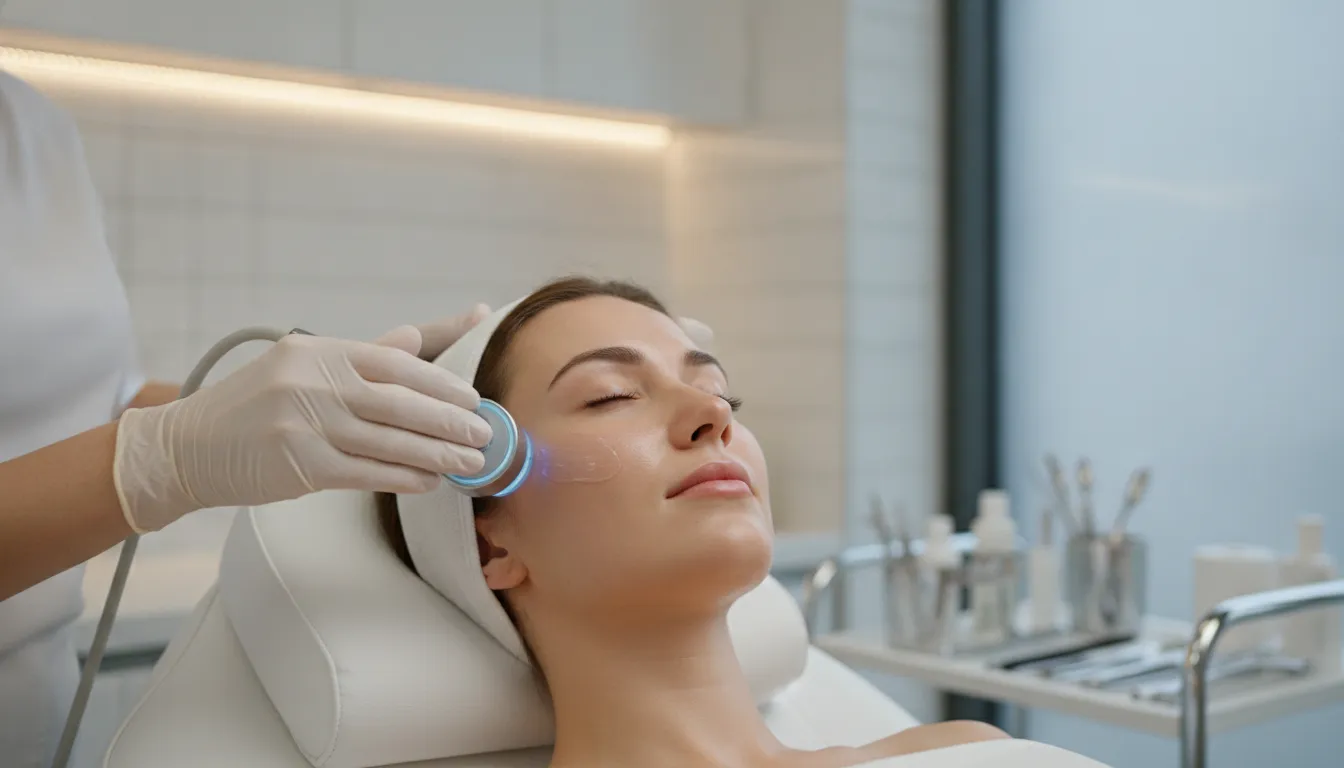
Radiofrequency, or RF, treatments use energy to heat the dermis, your skin’s deeper layer. This heat stimulates collagen production, which helps firm the skin and smooth out fine lines and wrinkles. A well-known example of this technology is Thermage FLX. What many people love about RF treatments is their efficiency; you can often see noticeable results after just one session, with continued improvements over the following months. It’s a fantastic option for someone who wants a powerful treatment with minimal interruption to their daily life. The American Academy of Dermatology notes that results can last for a year or more.
Thermi
Another excellent radiofrequency option is Thermi. This treatment uses controlled heat to gently warm the deeper layers of your skin, which kicks your natural repair process into gear. This encourages new collagen to form, leading to firmer skin and a reduction in wrinkles over time. As dermatology experts explain, the use of radiofrequency energy is a proven way to get that smoother, more elastic look without any invasive procedures. It’s all about working with your body to rebuild that youthful structure from the inside out.
What I appreciate about Thermi is that the results appear gradually and look incredibly natural. You’ll likely start to see changes within the first month or two, but the real magic happens over the next three to six months as that new collagen builds up. This slow and steady improvement means you just look more refreshed, not like you’ve had “work done.” It makes Thermi a great choice if you’re playing the long game and want to proactively maintain your skin’s firmness.
To get the most out of Thermi, your provider will likely recommend a series of treatments. A typical plan might involve a few sessions spaced about a month apart to really build on your results. Think of it less as a one-time fix and more as an ongoing investment in your skin’s health. By making it a regular part of your self-care routine, you’re helping to keep your skin firm and vibrant for the long haul. A personalized consultation can help map out the perfect schedule for your specific skin tightening goals.
Ultrasound Therapy (Ultherapy) for Lifting
Ultrasound therapy takes a different approach by using focused sound waves to target the skin’s deepest foundational layer, known as the SMAS. This is the same layer that surgeons adjust during a facelift, which is why treatments like Ultherapy can deliver such impressive lifting and tightening effects. It’s particularly effective for defining the jawline, lifting the brow, and tightening skin on the chin and neck. Because it reaches so deep, ultrasound provides a strong foundation for a lifted, more sculpted appearance. This method is one of the most popular non-surgical procedures for skin tightening.
Sofwave
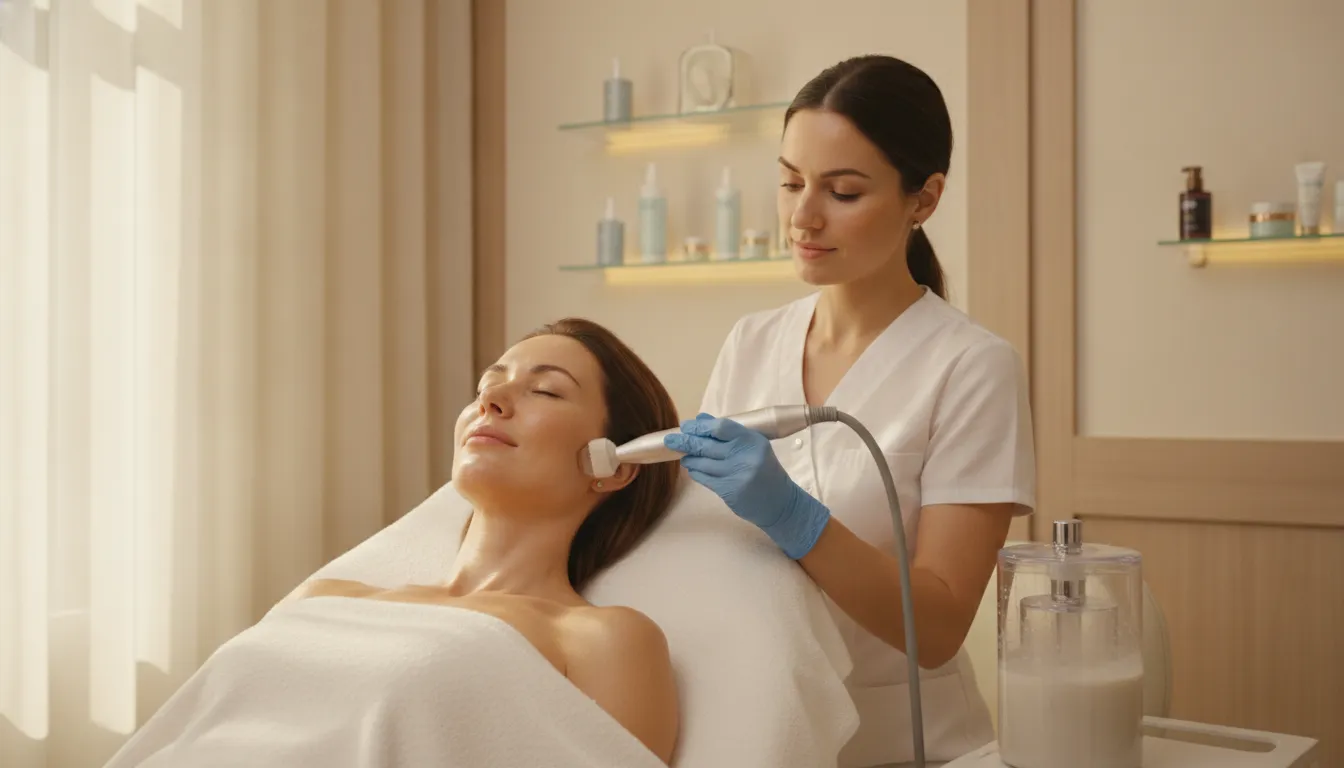
Sofwave is another fantastic treatment that uses ultrasound technology to get the job done. It works by sending parallel beams of ultrasound energy into the mid-dermis, gently heating the tissue to kickstart your body’s collagen and elastin production. This makes it an excellent choice for smoothing fine lines and wrinkles on the face and neck. Because it focuses on this specific skin layer, it’s particularly effective for improving skin texture and addressing the earlier signs of aging, making it a popular preventative option for those wanting to stay ahead of the curve.
One of the biggest draws of Sofwave is its efficiency and convenience. A typical session is quick, usually lasting less than an hour, and since it’s non-invasive, you can get back to your day immediately with no downtime. You can expect to see initial improvements within a few weeks, but the best results unfold over about three months as your skin rebuilds its collagen framework from within. This gradual process is what delivers such a refreshed and natural-looking outcome, making it a favorite among aesthetic experts for its reliable results.
RF Microneedling (Morpheus8) for Resurfacing
Imagine combining the collagen-stimulating power of microneedling with the skin-tightening benefits of radiofrequency energy. That’s exactly what RF microneedling does. Treatments like Morpheus8 use tiny needles to create micro-channels in the skin, then deliver RF energy deep into the tissue. This dual-action approach not only triggers a powerful healing response and new collagen growth but also helps remodel fat. It’s an excellent choice for contouring areas like the jowls and jawline, improving skin texture, and achieving an overall firmer look. This treatment is a cornerstone of many skin rejuvenation programs.
Laser Skin Tightening for Fine Lines
Laser treatments use focused light energy to gently heat the underlying skin, which stimulates new collagen growth. Unlike more aggressive laser resurfacing, laser skin tightening is gentler and requires little to no downtime. This technology is great for improving your skin’s overall texture and tone while also reducing fine lines and wrinkles. It works by sending heat deep into the skin without damaging the top layer, making it a safe and effective option for many skin types. The result is skin that looks and feels firmer and smoother over time.
Ablative vs. Nonablative Lasers: What’s the Difference?
When exploring laser treatments, you’ll often hear the terms “ablative” and “nonablative.” Think of it as the difference between a major renovation and a deep clean. Ablative lasers are more intensive; they work by removing the thin, outer layer of your skin and heating the underlying tissue. This process triggers significant collagen production, leading to dramatic results for smoother, tighter skin. However, this intensity means a longer recovery period. On the other hand, nonablative lasers are less aggressive. They heat the deeper skin layers to stimulate collagen without damaging the surface, as noted by the Mayo Clinic. This means shorter recovery times, but the improvements appear more gradually over several treatments.
CO2 Lasers (e.g., Active FX, Fraxel Repair)
CO2 lasers are a powerful type of ablative laser, known for delivering impressive results. They are especially effective for treating significant sun damage, deep wrinkles, and even acne scars. These lasers work by removing the top layer of skin while heating the deeper layers to kickstart new collagen growth. Some advanced CO2 lasers, like Fraxel Repair, use a fractional approach. Instead of treating the entire skin surface, they create tiny, targeted columns of treatment, leaving the surrounding skin untouched. This technique helps speed up the healing process while still providing the powerful resurfacing benefits needed to address more stubborn skin concerns.
Erbium YAG Laser
The Erbium YAG laser is another excellent option for skin resurfacing, often considered a slightly less intense alternative to the CO2 laser. It works by precisely removing very thin layers of skin, which encourages your body’s natural healing response. This process stimulates the production of new collagen, resulting in skin that looks smoother and more youthful. It’s a great choice for reducing the appearance of fine lines, certain scars, and dark spots. Because it’s so precise, it allows for a controlled treatment that can be tailored to your specific skin rejuvenation goals, helping you achieve a refreshed and more even complexion.
Pulsed Dye Laser (VBeam)
If your primary concerns include redness, broken capillaries, or rosacea alongside a desire for firmer skin, the Pulsed Dye Laser (PDL) might be the perfect fit. This nonablative laser sends a concentrated beam of light to the top layer of your skin, which is absorbed by blood vessels. This energy helps reduce redness and improve overall skin color while also gently heating the tissue to stimulate collagen. The result is tighter skin with a more even tone and a reduction in fine lines. It’s a fantastic multi-tasking treatment that addresses both texture and discoloration without significant downtime.
Clear + Brilliant
Think of Clear + Brilliant as a gentle introduction to laser treatments or a perfect maintenance tool. It’s a mild fractional laser designed to fight the early signs of aging and maintain your skin’s healthy glow. The treatment helps improve skin tone and texture, minimizes the appearance of pores, and gives your skin a radiant look. Because it’s so gentle, it requires little to no downtime, making it easy to fit into a busy schedule. It’s an ideal choice if you’re looking to be proactive about your skin’s health or want to keep your complexion looking its best between more intensive treatments. A free consultation can help determine if it’s the right starting point for you.
Plasma Energy (Renuvion) for Contraction
For those seeking more dramatic and long-lasting results without committing to a full surgical procedure, plasma energy is a groundbreaking option. A treatment like Renuvion uses helium gas energized by radiofrequency to create a precise stream of plasma. This plasma energy simultaneously heats and cools the tissue, causing the skin to contract and tighten significantly. It’s a more advanced treatment that can produce truly transformative results, especially when addressing moderate to severe skin laxity. It’s a powerful tool in our range of aesthetic services designed to help you achieve your goals.
Micro-Coring (Ellacor) for Wrinkle Reduction
Micro-Coring is a fascinating and newer approach to tackling wrinkles, and the Ellacor device is leading the charge. This technology uses incredibly fine, hollow needles to remove microscopic columns of skin. This process triggers your body’s powerful healing response, encouraging it to generate fresh collagen and tighten the skin from within. What makes this treatment so appealing is that it can significantly reduce wrinkles with very little downtime and almost no scarring, according to dermatology experts. You might notice some initial tightening right away, but the real magic happens over the next three to six months as your skin rebuilds. This gradual improvement ensures your results look completely natural, making it a great option for subtle yet effective rejuvenation.
How Do These Treatments Actually Tighten Skin?
It might seem like magic, but the science behind non-surgical skin tightening is actually quite simple. These advanced treatments work by tapping into your body’s natural healing abilities. Instead of invasive procedures, they use sophisticated technology to encourage your skin to repair and rebuild itself from the inside out. This process results in a firmer, smoother, and more youthful appearance over time. The best part is that each method can be tailored to your specific skin concerns, ensuring the treatment is just right for you. Let’s look at exactly how they get the job done.
They Kickstart Your Natural Collagen Production
At the heart of these treatments is one key goal: to kickstart your body’s production of collagen and elastin. Think of these proteins as the essential support structure for your skin. Collagen provides firmness and strength, while elastin gives your skin its bounce and flexibility. As we age, our bodies produce less of both, which leads to sagging and wrinkles. Non-surgical treatments gently warm the deeper layers of your skin, signaling your body to create new, healthy collagen. This is a natural skin rejuvenation process that helps your skin regain its structure and firmness gradually and effectively.
They Use Controlled Heat to Remodel Skin
To create that collagen-building signal, these treatments rely on targeted energy. Technologies like radiofrequency (RF) and ultrasound deliver controlled heat to the precise depths of your skin where collagen is produced. This gentle warming is what triggers the body’s healing response. It’s a highly controlled process that doesn’t harm the surface of your skin, which is why there’s often little to no downtime. Different devices use different forms of energy, but the underlying principle is the same. They all use heat to stimulate the biological process that leads to effective skin tightening and a visibly refreshed look.
They Target the Deeper Layers of Your Skin
One of the biggest advantages of modern skin tightening is its precision. These treatments aren’t a one-size-fits-all solution. Instead, they can be adjusted to target specific layers of your skin to address your unique concerns. For example, some technologies are designed to work on the superficial layers to smooth fine lines, while others can reach the deeper foundational tissues to create a lifting effect for sagging skin. This ability to customize the depth and intensity of the treatment allows your technician to create a plan tailored just for you. This precision is key to achieving the best possible results and a truly personalized outcome.
What Results Can You Expect (and How Long Do They Last?)
One of the most common questions I get is about results: what will I really see, and how long will it last? It’s a great question. Unlike surgical procedures that create an immediate and dramatic change, non-surgical skin tightening is all about gradual, natural-looking improvement. Think of it as helping your skin help itself. These treatments work by stimulating your body’s own collagen production, which takes a little time to build up.
The timeline and longevity of your results will depend on a few things: the specific treatment you choose, your skin’s starting condition, your age, and your lifestyle habits (like sun exposure and skincare routines). While some people notice a subtle plumping effect right away, the most significant changes appear over several months as new collagen forms, creating a firmer, smoother, and more lifted appearance. We’ll walk through what you can expect, from the first few weeks to a year or more down the road, so you can go into your treatment feeling confident and informed.
What You’ll See Right Away vs. Over Time
Patience is key when it comes to non-surgical skin tightening. While you might leave your appointment with a temporary “glow” or a slightly tighter feel, this initial effect is usually due to minor swelling and the immediate contraction of collagen fibers. The real, lasting results aren’t instant. The main goal of these treatments is to kickstart your body’s natural healing process to build new, strong collagen and elastin. This process unfolds over weeks and months, leading to gradual improvements in your skin’s firmness and texture. So, enjoy the initial boost, but know the best is yet to come.
How Long Your Results Will Last
How long you can enjoy your newly tightened skin varies by the type of technology used. Each treatment stimulates collagen in a slightly different way, which affects the durability of the results. For instance, the effects of RF microneedling often last for about a year before a touch-up might be desired. Other energy-based treatments like Ultherapy can provide results that last for a year or even two. Your technician will help you understand the expected longevity of your chosen skin tightening treatment and create a long-term plan to maintain your beautiful results.
Mapping Out Your Results Timeline
You can typically expect to see the most noticeable results develop over three to six months following your final treatment session. This is the sweet spot when your body has had enough time to produce a significant amount of new, healthy collagen. As this fresh collagen network strengthens, you’ll see your skin become firmer, fine lines soften, and your facial contours appear more defined. To keep your skin looking its best, your provider may recommend maintenance sessions every year or so. This proactive approach helps you stay ahead of the natural aging process.
How Many Sessions Will You Need?
The number of treatments you’ll need isn’t a set number; it’s tailored to your skin and your goals. Generally, a treatment plan involves multiple sessions to achieve the best results. Think of it like a workout plan for your skin—each session builds on the progress of the last one. Most people find that a series of three to five treatments, typically spaced about a month apart, is ideal for achieving the best outcome. This schedule gives your skin the time it needs to heal and ramp up collagen production between appointments. During your consultation, a technician will assess your skin’s condition and discuss your desired outcome to create a personalized plan just for you.
The Importance of FDA-Approved Treatments
When you’re considering any cosmetic procedure, safety should always be the top priority. This is why choosing an FDA-approved treatment is so important. The FDA clearance signifies that the technology has been rigorously tested and proven to be both safe and effective for its intended purpose, like reducing wrinkles and tightening skin. This approval gives you peace of mind, knowing you’re not only investing in a treatment that works but also one that meets high safety standards. At LightRx, we exclusively use FDA-cleared technologies because we are committed to providing treatments that are backed by science and deliver reliable, beautiful results.
What’s a Realistic Outcome for You?
It’s important to have a clear and realistic picture of what non-surgical treatments can achieve. These procedures are incredibly effective for addressing mild to moderate skin laxity, improving skin texture, and giving your face a refreshed, more youthful appearance. However, they are not a substitute for a surgical facelift. The goal is to achieve a natural-looking enhancement, not to completely alter your appearance. During your free consultation, we can discuss your specific goals and determine the best treatment plan to help you achieve the beautiful, authentic results you’re looking for.
Treatable Areas Beyond the Face
While we’ve been focusing on the face, it’s important to know that these technologies aren’t limited to just one area. Skin laxity is a common concern on many parts of the body, and modern treatments are versatile enough to address them effectively. Many people look for solutions to firm up loose skin on the neck, chest, abdomen, arms, and even inner thighs or above the knees. For example, ultrasound therapy is highly effective for lifting and tightening the neck and chin. Other energy-based skin tightening treatments can be used on the stomach, legs, and arms to improve overall firmness. This flexibility allows for a comprehensive plan, helping you achieve smoother, more toned skin on virtually any part of your body.
What Is Recovery Really Like?
One of the best parts about non-surgical skin tightening is how easily it fits into a busy schedule. Unlike surgical procedures that require significant downtime, these treatments are designed to get you back to your life with minimal interruption. Still, it’s smart to know what to expect during the recovery process. Let’s walk through the common side effects, what your post-treatment plan might look like, and some myths that need clearing up.
How to Prepare for Your Treatment
Getting ready for your skin tightening treatment is straightforward, but a little prep work can make a big difference. The most important step is your initial consultation. This is where you and a specialist can talk through your goals, assess your skin, and create a personalized treatment plan. There’s no one-size-fits-all answer, so this conversation is essential for matching you with the right technology. At LightRx, we offer a free consultation to ensure you feel confident about your options. We’ll also give you specific pre-treatment instructions, which might include avoiding sun exposure or pausing certain skincare products for a few days.
It’s also helpful to prepare mentally by setting realistic expectations. These treatments work with your body’s natural healing process, stimulating new collagen for gradual, authentic-looking results. This isn’t an overnight transformation; the most significant improvements typically appear over three to six months as your skin rebuilds from within. Understanding this timeline helps you appreciate the subtle changes along the way. The goal is a refreshed, firmer version of you, achieved through a process that supports your skin’s long-term health and is central to our skin tightening philosophy.
Common Side Effects to Expect (They’re Temporary!)
After a skin tightening session, it’s normal to see some minor, temporary effects. Most people experience a bit of redness, and some might have slight swelling or bruising in the treated area. Think of it like the flush you get after a good workout. These effects are typically very mild and usually fade within a few hours to a couple of days. You can go right back to your daily activities without any major adjustments. It’s also helpful to know that results appear gradually as your body produces new collagen, so patience is key.
Understanding the Potential Risks
While non-surgical treatments have an excellent safety record, it’s always smart to understand any potential risks. The most common side effects are the temporary and mild ones we’ve already touched on, like redness and minor swelling. This is just your skin’s natural response as it begins the healing process. In rare cases, energy-based treatments can have other risks. For instance, radiofrequency therapy could cause a burn if the device isn’t handled correctly, which is why choosing a highly trained and certified technician is so important. These minimal risks are a world away from those tied to surgical procedures, which can include infection, scarring, and nerve damage, making non-invasive options a clear choice for many.
How Much Downtime Does Each Treatment Require?
Forget blocking off weeks for recovery. Most non-surgical skin tightening treatments are quick, often taking between 30 and 90 minutes per session. You can easily schedule an appointment during your lunch break and head right back to work afterward. While you might feel some warmth or a tingling sensation during the procedure, it’s generally well-tolerated. The beauty of these advanced aesthetic treatments is that they work beneath the skin’s surface without causing significant disruption, meaning you can enjoy the benefits without the lengthy downtime associated with surgery.
Caring for Your Skin After Treatment
To get the most out of your treatment, a little post-care goes a long way. Your technician will give you specific instructions, but a good plan generally includes protecting your skin from the sun and following a quality skincare routine. To maintain your firm, smooth results, regular maintenance sessions are often recommended. Think of them as tune-ups for your skin. Working with a skincare expert to create a personalized treatment plan ensures your sessions are scheduled effectively to help you sustain that youthful look and keep your skin looking its best over time.
Common Recovery Myths, Busted
Let’s clear up a couple of common misconceptions. First, non-surgical treatments don’t deliver the immediate, dramatic results of a surgical facelift. Instead, they offer a more natural-looking improvement that builds over several weeks and months as your collagen rebuilds. Second, many people think they should wait until their skin is already sagging to seek treatment. However, starting treatments earlier can be a great preventative step, helping your skin maintain its firmness and elasticity for longer. It’s about proactive care, not just reactive correction.
Is Non-Surgical Skin Tightening Right for You?
Deciding if a treatment is the right fit for you is the most important step. Non-surgical skin tightening is an incredible option for many people, but it’s helpful to understand who makes the best candidate and what factors play into getting great results. Let’s walk through what you should consider before booking a consultation.
Does Your Skin Type and Age Matter?
If you’re starting to notice common signs of aging, non-surgical treatments can be a fantastic choice. These procedures are designed to address concerns like sagging skin, the formation of jowls around the jawline, and loose skin under the chin or on the neck. The goal of skin tightening is to help your face and neck appear firmer and more youthful with very little recovery time. It’s an effective way to refresh your appearance by working with your body’s natural collagen production. If you’re looking for a lift without the downtime of surgery, this might be exactly what you need.
Health Factors to Keep in Mind
The best candidates for non-surgical skin tightening are typically those with mild to moderate skin laxity. Think of it as being for skin that has lost some of its firmness but doesn’t have a significant amount of excess to be removed. These treatments are not designed to produce the same results as a surgical facelift, which is better suited for more advanced skin sagging. A professional consultation is the best way to have your skin assessed. A trained technician can determine if you’ll see the results you want from a non-surgical approach.
Who Should Avoid These Treatments?
While non-surgical skin tightening is a fantastic option for many, it’s not the right fit for everyone. Certain factors can make these treatments less suitable. For example, if you have certain health conditions like an autoimmune disease, a history of forming thick scars (keloids), or have recently used specific acne medications, you might not be an ideal candidate. Another key consideration is your degree of skin laxity. These procedures work best for mild to moderate skin laxity. If your skin has more significant sagging, a surgical facelift may be a more effective route to achieve your goals. A professional consultation is the best way to review your health history and determine the safest, most effective approach for you.
When Is a Facelift a Better Option?
It’s just as important to know when a non-surgical treatment isn’t the right fit. If you have a lot of sagging skin, these procedures might not give you the dramatic improvement you’re hoping for. Honesty is key here. While non-surgical options are powerful, they have their limits. In cases of more significant skin laxity, a surgical procedure like a facelift or neck lift might be a more effective path to achieving your goals. A good provider will always be upfront about what you can realistically expect and help guide you toward the best solution.
What Determines a Successful Outcome?
Two major factors will shape your outcome: patience and your provider. The results from non-surgical treatments appear gradually over several weeks or months as your body produces new collagen. You’ll likely need a series of sessions to see the best results, followed by maintenance treatments to keep your skin looking firm. Just as important is the skill of your provider. The quality of your results and your safety depend on their experience. Choosing a reputable clinic with certified technicians ensures you’re getting expert care with proven aesthetic treatments.
How Much Does Face Tightening Cost?
Let’s talk about one of the biggest questions on everyone’s mind: the cost. Investing in a skin tightening treatment is investing in yourself, and it’s smart to understand what goes into the pricing. The final cost isn’t a simple, one-size-fits-all number. Instead, it’s a reflection of a personalized plan designed specifically for your skin and your goals. Think of it less like buying a product off the shelf and more like commissioning a custom piece of art.
The price can vary significantly based on the technology used, the areas you want to treat, and how many sessions you’ll need to see the beautiful results you’re looking for. For example, treating a smaller area like the skin around your eyes will naturally have a different price point than treating your full face and neck.
Because every person’s skin is unique, the best way to get a clear picture of the cost is by coming in for a free consultation. During this chat, a technician will assess your skin, listen to your goals, and map out a treatment plan that’s tailored just for you. This ensures you’re not paying for anything you don’t need and that you have a transparent understanding of the investment from the very beginning.
A Price Breakdown for Each Treatment
While a personalized consultation is the only way to get an exact quote, it helps to have a general idea of the investment. On average, non-surgical skin tightening treatments can range from $1,000 to $4,000 per session. This is a broad range because different technologies come with different price points. For instance, a treatment that uses advanced radiofrequency technology might be priced differently than one using ultrasound. Remember, this is just a ballpark figure. Your specific needs will determine the final cost, which is why discussing your goals with a professional is such a crucial first step.
What Factors Affect the Final Price?
Several key factors determine your final price. One of the most significant is the technology used for your treatment, as some devices are more advanced than others. The size of the treatment area also plays a big role; treating a larger area like the abdomen will cost more than a smaller one like the jawline. Another major factor is the number of sessions required to achieve your desired outcome. While some people see great results after one session, others may need a series of treatments to get there. Finally, the experience and skill of your provider are factored into the cost, ensuring you receive a safe and effective treatment.
Budgeting for Future Touch-Ups
To keep your skin looking firm and youthful, it’s helpful to think of skin tightening as an ongoing part of your self-care routine. While treatments that stimulate a strong collagen response can provide results that last for several years, your skin will continue its natural aging process. Scheduling regular maintenance sessions is the best way to protect your initial investment and prolong your results. These follow-up appointments, often recommended once or twice a year, help keep your collagen production active and prevent skin laxity from returning. Your personalized treatment plan will include a recommended schedule for maintenance, making it easy to plan ahead.
How to Choose the Best Face Tightening Treatment for You
With so many effective options available, finding the right one for your unique skin and goals is the most important step. The best treatment is the one that’s tailored specifically to you. Thinking through your desired outcomes, understanding how different technologies work, and asking the right questions will help you and your technician create the perfect plan. Let’s walk through how to make a confident and informed decision for your skin.
Which Treatment Is Most Effective?
Non-surgical skin tightening treatments are designed to give your face and neck a firmer, more youthful appearance with minimal recovery time. They are fantastic for addressing common signs of aging like sagging skin, jowls, and looseness under the chin. Most of these treatments work by using energy, like radiofrequency (RF), to gently heat the deeper layers of your skin. This heat kickstarts your body’s natural collagen production. Collagen is the protein that keeps your skin firm and elastic, so encouraging your body to make more of it results in tighter, smoother skin over time.
Aligning Your Goals with the Right Treatment
It’s important to have realistic expectations. These treatments are ideal for people with mild to moderate skin laxity who want a noticeable lift without surgery. If you have more significant sagging, a surgical procedure might be a better fit. For many people, the best approach involves a combination of treatments. For example, pairing a treatment that tightens the deep layers of skin with one that improves surface texture can deliver beautiful, natural-looking results. A personalized treatment plan is key to addressing all of your concerns and achieving the look you want.
What to Ask During Your Consultation
Your consultation is the perfect time to get all your questions answered and feel confident about your decision. Don’t be shy about asking everything on your mind. A great technician will be happy to walk you through the process.
Here are a few key questions to bring with you:
- Which treatment do you recommend for my specific goals?
- What kind of results can I realistically expect, and when will I see them?
- What does the treatment feel like?
- How many sessions will I need?
- Is there any downtime or special aftercare required?
This conversation is the first step in building a partnership with your provider to achieve your aesthetic goals.
Making Your Final Decision
As you make your final choice, keep the treatment timeline in mind. While you might see some initial firming, the most significant results typically appear over three to six months as your body builds new collagen. To maintain your results long-term, you’ll likely need follow-up sessions. When performed by a skilled professional, these treatments have a very low risk of side effects and are quite quick, usually taking an hour or less per session. Planning for ongoing care through a membership program can also make it easier to keep your skin looking its best.
Related Articles
- 5 Top Skin Tightening Treatments for Face
- 4 Best Skin Tightening Treatments for the Face
- Tighten Loose Skin Without Surgery: What Works
- Any Way to Tighten Loose Skin? Yes, Here’s How
Frequently Asked Questions
Do these skin tightening treatments hurt? This is probably the most common question I hear, and it’s a great one. Most people describe the feeling as a warm or tingling sensation rather than pain. Depending on the technology used, you might feel brief moments of heat. Your technician’s top priority is your comfort, and they will ensure the treatment is well within your tolerance. It’s a very different experience from surgery, with no need for major anesthesia.
How do I know which treatment is the right one for me? It can feel overwhelming when there are so many great options. The key is that you don’t have to figure it out alone. Each technology works a bit differently; for example, some are better for providing a deep lift, while others excel at improving surface texture and fine lines. The best way to find your perfect match is during a consultation, where a professional can assess your skin’s specific needs and recommend the treatment that will give you the results you’re looking for.
Are the results from non-surgical skin tightening permanent? The treatments create new, real collagen that your body won’t lose overnight, so the results are definitely long-lasting. However, the natural aging process doesn’t stop. Think of it this way: we are slowing things down and rebuilding your skin’s foundation, but you’ll still continue to age. That’s why maintenance sessions are so helpful. They allow you to stay ahead of the curve and keep your skin looking firm and fresh for years to come.
Can I combine skin tightening with other treatments like Botox or fillers? Yes, and this is often how people get the most comprehensive and natural-looking results. Skin tightening treatments are fantastic for addressing skin laxity and improving overall firmness. Injectables like Botox and dermal fillers work differently by relaxing wrinkles caused by muscle movement or restoring lost volume. Using them together allows you to address multiple signs of aging at once for a beautifully refreshed appearance.
What exactly happens during a consultation? A consultation is simply a conversation about you and your goals. A trained technician will sit down with you to discuss what you’d like to achieve, examine your skin, and answer all of your questions. Based on that discussion, they will explain which treatment options would be most effective for you, what to expect during the process, and what the timeline and investment look like. It’s a relaxed, no-pressure way to get expert advice and create a plan that feels right for you.