
How Much Does a Microneedling Treatment Cost?
Ever wondered why one clinic charges so much more for microneedling than another? You’re not alone. The truth is, the total cost microneedling treatment isn’t arbitrary. It’s directly influenced by key factors like the provider’s expertise, the clinic’s location, and the technology being used. This isn’t about hunting for a bargain; it’s about understanding what you’re paying for to get safe and effective results. We’ll break down each component of the price, so you can make a smart, informed decision for your skin and know exactly what you’re investing in.
Key Takeaways
- Multiple Factors Influence the Price: Your total cost for microneedling is shaped by where you live, your provider’s qualifications, and the specific type of treatment you select to meet your skin goals.
- Commit to Multiple Sessions for Best Results: Microneedling delivers its most significant results through a series of three to six treatments, so ask about package deals or memberships to make the full plan more affordable.
- Clarify the Total Investment in Your Consultation: Remember to budget for aftercare products and know that insurance will not cover this cosmetic procedure; a good consultation will provide a clear breakdown of all costs.
What is Microneedling?
If you’re looking for a way to refresh your skin’s appearance, you’ve likely heard about microneedling. At its core, microneedling is a cosmetic treatment that uses a special device with tiny, sterile needles to create very small, controlled punctures in the skin. It might sound a bit intense, but this process is designed to work with your body’s natural healing abilities.
These micro-injuries signal your skin to kick into repair mode, which involves producing more collagen and elastin. Think of collagen and elastin as the essential building blocks that keep your skin firm, smooth, and youthful. As we age, our natural production of these proteins slows down, leading to common concerns like wrinkles and sagging. Microneedling essentially gives your skin a gentle nudge to ramp up that production again. It’s a popular and effective method for overall skin rejuvenation because it helps improve your skin’s texture and tone from the inside out.
How Does Microneedling Actually Work?
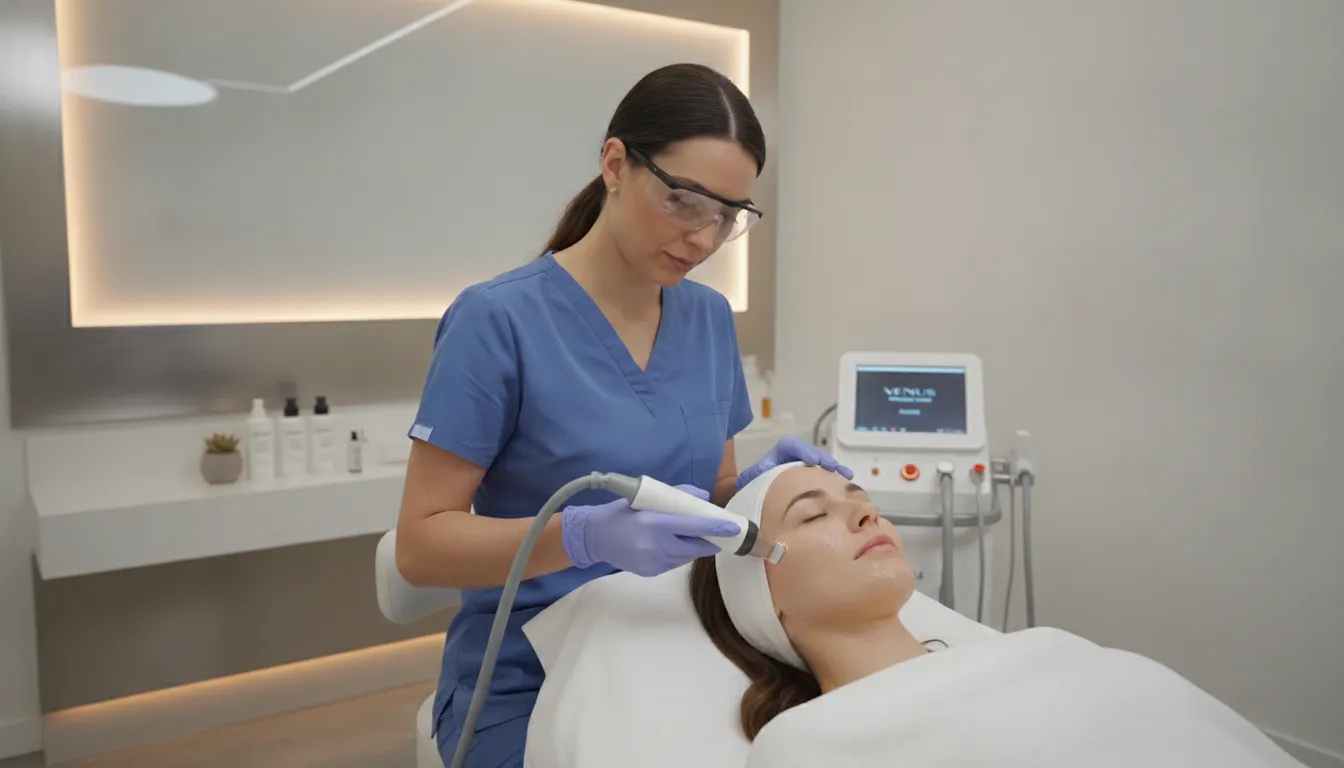
During a microneedling session, a trained technician glides a pen-like device across the treatment area. The fine needles on the device create tiny channels in the top layer of your skin. This action triggers your body’s natural healing cascade. Your skin recognizes these micro-punctures as injuries that need fixing and immediately starts producing new, healthy tissue rich in collagen and elastin. As the skin heals over the following weeks, this new collagen helps fill in fine lines, plump the skin, and smooth out textural irregularities, revealing a fresher and more vibrant complexion.
The Science of Collagen Induction
So, what’s happening beneath the surface? It all comes down to collagen. This protein is the main structural component of your skin, responsible for its firmness and elasticity. As we get older, collagen production naturally declines. Microneedling cleverly uses your body’s own healing mechanisms to counteract this. The tiny punctures created during the treatment are perceived by your body as minor injuries, which triggers a response to heal and repair. This healing process involves generating fresh, new collagen. Essentially, you’re signaling your skin to rebuild itself with stronger, healthier tissue, which helps improve the skin’s texture and reduce the appearance of scars and wrinkles from within.
Boosting Blood Flow and Circulation
Beyond just stimulating collagen, microneedling also enhances circulation in the treated areas. When your skin initiates its healing response, it increases blood flow to deliver oxygen and vital nutrients to the cells. This improved circulation is a key part of what gives you that post-treatment “glow.” Better blood flow contributes to overall skin health, helping to flush out toxins and support the new collagen structures being formed. It’s a dual-action benefit: you’re not only rebuilding your skin’s foundation with more collagen but also improving the very systems that keep it nourished and vibrant for a healthier, more radiant complexion.
What Can Microneedling Do for Your Skin?
The beauty of microneedling lies in its versatility. Because it stimulates your skin’s own regenerative process, it can address a wide range of concerns. Many people turn to microneedling to reduce the appearance of fine lines and wrinkles, giving their skin a smoother, more youthful look. It’s also fantastic for improving skin texture by minimizing large pores and softening the appearance of acne scars or even stretch marks. If you struggle with uneven skin tone, such as dark spots or hyperpigmentation from sun damage, microneedling can help break up the pigment for a more even complexion. The treatment also contributes to overall skin tightening, giving you a firmer, more lifted appearance.
Addressing Common Skin Concerns
The real magic of microneedling is how it tackles so many different skin issues at once. By prompting your skin to create its own new collagen and elastin, it addresses concerns at their source. If you’re bothered by fine lines and wrinkles, the treatment helps plump the skin from within for a smoother surface. It’s also incredibly effective for improving skin texture, whether that means minimizing the look of large pores or softening stubborn acne scars. For those dealing with uneven skin tone, like dark spots from sun damage or lingering redness, microneedling helps break up pigmentation and promotes cellular turnover, leading to a brighter, more uniform complexion.
Treatable Areas Beyond the Face
While the face is the most common area for microneedling, its benefits aren’t limited to just your complexion. The treatment is just as effective on the neck and décolleté (your chest area), which are often among the first places to show signs of aging. By treating these areas, you can achieve a more cohesive and youthful appearance overall. Furthermore, microneedling can be used on other parts of the body to address concerns like stretch marks on the abdomen or thighs, or even to rejuvenate the skin on the back of your hands. Discussing your goals during a consultation will help determine all the areas where you can see improvement with our aesthetic treatments.
How Long Do Microneedling Results Last?
One of the best parts about microneedling is that the results are both natural and long-lasting. Since the treatment stimulates your body’s own collagen production, you aren’t just getting a temporary fix. Most people see the full effect of their treatment series last for six to twelve months, and sometimes even longer. To maintain that fresh, smooth appearance, a maintenance session once or twice a year is a great strategy. This continued stimulation helps keep your collagen levels up, ensuring your skin stays firm and vibrant. Committing to a long-term plan makes it easier to sustain your results, which is why exploring a LightRx membership can be a smart way to manage ongoing care.
Microneedling for Mature Skin and Hormonal Changes
As we get older, and particularly as hormonal shifts from perimenopause and menopause occur, our skin’s natural ability to produce collagen and elastin declines significantly. This leads to more noticeable wrinkles, loss of firmness, and a generally duller complexion. Microneedling is an excellent choice for mature skin because it directly counteracts these changes. By creating controlled micro-injuries, it forces the skin to build new, healthy collagen, effectively turning back the clock on a cellular level. This process helps restore elasticity and provides noticeable skin tightening, making it a powerful tool for anyone looking to refresh their appearance and combat the effects of aging.
What to Expect from a Microneedling Session
Deciding to try a new treatment is exciting, but it’s also natural to wonder what the experience will actually be like. Knowing the step-by-step process can help you feel confident and prepared. From your initial consultation to your post-treatment glow, a professional microneedling session is a very structured and controlled process. Your technician is there to guide you through every phase, ensuring you are comfortable and informed. Let’s walk through what you can expect when you come in for a microneedling treatment, so you can focus on the fantastic results ahead.
Pre-Treatment Preparation
Your journey to healthier skin starts with a conversation, not with needles. Before your first session, you’ll have a consultation with a trained professional to discuss your skin concerns, goals, and medical history. This is the perfect time to ask all your questions and get a feel for the clinic. Based on this discussion, your provider will confirm if you’re a good candidate and create a personalized treatment plan. They may also give you instructions to follow before your appointment, like avoiding certain skincare ingredients or sun exposure. At LightRx, we start with a free personal consultation to ensure we design a plan that’s perfectly tailored to you.
During the Treatment Session
On the day of your appointment, your comfort is the top priority. Your technician will cleanse your skin and apply a topical numbing cream to the treatment area. This cream sits for about 20-30 minutes to ensure the procedure is as comfortable as possible. Once your skin is numb, the technician will use the microneedling device to methodically work across your skin, creating those tiny micro-channels. You might feel a slight vibrating or prickling sensation, but the numbing cream does a great job of minimizing any discomfort. The entire process is precise, sterile, and handled by a skilled professional.
How Long Does a Session Take?
The microneedling portion of the treatment is surprisingly fast. The actual process of the device moving over your skin typically takes about 30 minutes, depending on the size of the area being treated. However, you should plan for your total appointment to last about an hour to an hour and a half. This allows ample time for the pre-treatment consultation, application and activation of the numbing cream, the procedure itself, and the application of a soothing serum or lotion afterward. It’s an efficient treatment that can easily fit into your day.
Recovery and Aftercare
Immediately after your session, your skin will likely be red and feel warm, similar to a mild sunburn. This is a completely normal reaction and a sign that your body’s healing process has been activated. Your technician will apply a calming serum to soothe the skin before you leave. The initial redness usually subsides significantly within 24 to 48 hours. Following the aftercare instructions provided by your technician is the most important thing you can do to protect your skin as it heals and to ensure you get the beautiful results you’re looking for.
Common Side Effects to Expect
As your skin begins its regeneration process, you can expect a few common and temporary side effects. Along with redness and mild swelling, it’s normal to experience some skin sensitivity, itching, or even a little pinpoint bleeding or bruising right after the procedure. In the days that follow, you might notice your skin feels dry or starts to peel. This is just your skin shedding its old, dull top layer to make way for the fresh, new skin underneath. These effects are all part of the healing process and typically resolve within a few days.
Post-Treatment Care Instructions
Proper aftercare is essential for achieving optimal results from your microneedling treatment. Your technician will provide you with a detailed set of instructions to follow at home. Generally, this involves being very gentle with your skin for the first few days. You’ll need to avoid direct sun exposure and wear a broad-spectrum sunscreen diligently. It’s also crucial to steer clear of harsh skincare products containing active ingredients like retinol, vitamin C, or acids (glycolic, salicylic). Instead, stick to the gentle cleanser and hydrating, soothing products recommended by your provider to support your skin’s recovery.
Is Microneedling Right for You?
While microneedling is a versatile and effective treatment for a wide range of skin concerns, it isn’t the perfect fit for everyone. The most important factors in any aesthetic treatment are your safety and the likelihood of achieving your desired results. A good provider will always prioritize this, conducting a thorough evaluation to determine if microneedling is the best option for your unique skin type, health history, and specific goals. For many, it’s a game-changer for improving skin texture and tone. For others, a different treatment might be more appropriate. Understanding who should and shouldn’t get microneedling is key to making an informed decision about your skincare journey.
Who Should Avoid Microneedling?
Safety always comes first. To ensure a positive and safe outcome, there are certain situations where microneedling is not recommended. You should avoid this treatment if you have active skin cancer, open wounds, sores, or active acne breakouts in the area you want to treat. It’s also not suitable for individuals with bleeding or clotting disorders, or those who are pregnant or nursing. If you have an allergy to stainless steel or topical anesthetics, this procedure may not be for you. Finally, if you are currently taking or have recently taken isotretinoin (Accutane), you’ll need to wait before having microneedling. A thorough consultation will cover these points to ensure it’s a safe choice for you, and if not, we can explore other skin rejuvenation options.
How Much Does a Microneedling Treatment Cost?
So, let’s talk numbers. One of the first questions on everyone’s mind is, “How much does microneedling cost?” The honest answer is: it varies. There isn’t a single price tag, but we can definitely look at the typical ranges to give you a clear idea. Nationally, the average cost for a microneedling treatment is around $950, but it’s common to see prices anywhere from $700 to nearly $1,900.
This wide range comes down to a few key factors, including where you live, the expertise of your technician, and whether you add any complementary treatments to your session. Think of it less like buying a product off the shelf and more like investing in a personalized service tailored to your skin’s unique needs. Understanding these variables will help you figure out what to expect for your specific treatment plan and find a provider that fits your budget.
How Location Impacts Microneedling Prices
Where you get your treatment done plays a huge role in the final cost. Just like a cup of coffee costs more in a major city, so does microneedling. For example, a session in a state like Michigan might cost around $300, while that same treatment could be closer to $950 in California or even over $1,200 in New York. This difference is tied to the local cost of living and the demand for aesthetic services. A clinic in a bustling downtown area will generally have higher prices than one in a smaller town. The key is to research providers in your specific area to get an accurate sense of the local pricing.
Average Costs in Different U.S. Cities
To give you a clearer picture, let’s look at some real-world numbers. The cost differences between states can be pretty surprising. For instance, you might find a microneedling session in Michigan for around $295 or in Ohio for about $331. As you move to states with a higher cost of living, those prices climb. In Florida, the average is closer to $485, while in California, you could be looking at $939 per session. And in a major hub like New York, the price can jump to over $1,200. These figures, often detailed in online pricing guides, show just how much geography influences what you’ll pay. It’s a good reminder to research what’s typical in your city before you book a consultation.
What’s the Price Per Microneedling Session?
The price per session also depends on what’s included in your treatment. A standard microneedling session typically runs between $200 and $700. However, many people choose to enhance their results by adding other elements. For instance, incorporating growth factors or specialized serums can bring the cost to the $500 to $650 range. If you opt for microneedling with PRP (Platelet-Rich Plasma), which uses your own plasma to support healing, you can expect to pay between $800 and $900 per session. It’s also important to remember that achieving your desired skin rejuvenation goals often requires a series of treatments, usually three to six, so be sure to factor that into your overall budget.
Estimating the Total Cost of a Full Treatment Plan
To get a realistic idea of your total investment, it’s important to think beyond a single session. Microneedling delivers the best results over time, and most people need a series of treatments to achieve their goals. Typically, a full plan involves anywhere from three to six sessions, spaced about a month apart. When you go in for your consultation, ask about package deals or memberships. Many medspas offer discounts when you purchase multiple treatments upfront, which can make the full plan more affordable. For example, our LightRx Prime Membership is designed to help you save on a complete treatment series, ensuring you get the best results without breaking the bank.
What Affects the Price of Microneedling?
When you start looking into microneedling, you’ll notice that the price can vary quite a bit. This isn’t random; several key factors influence the final cost of your treatment plan. Think of it like getting a custom haircut. The price depends on the stylist’s experience, the salon’s location, and whether you’re just getting a trim or adding complex color. Similarly, the cost of microneedling is shaped by the provider’s expertise, the clinic’s location, the specific type of treatment you choose, and the overall quality of the facility.
Understanding these variables helps you set a realistic budget and find a provider that fits your needs and financial comfort zone. It’s not just about finding the cheapest option, but about understanding what you’re paying for. A higher price might reflect more advanced technology or a provider with specialized training, which can lead to better, safer results. As we break down these factors, you’ll get a clearer picture of what goes into the pricing and feel more confident in your decision to invest in your skin.
Why an Expert Provider Might Cost More
Who performs your microneedling treatment is one of the biggest factors in its cost. A board-certified dermatologist or plastic surgeon will generally charge more than a licensed aesthetician in a medical spa. This price difference comes down to their level of medical training and experience, especially when addressing more complex skin concerns. While an aesthetician at a reputable medspa is highly trained and skilled in performing microneedling for cosmetic improvements, a doctor’s oversight can be crucial for certain skin conditions. The key is to ensure your provider is qualified, experienced, and makes you feel comfortable.
Comparing Costs: Board-Certified Doctor vs. Licensed Aesthetician
The person performing your microneedling treatment is a major factor in the final cost. A session with a board-certified dermatologist or plastic surgeon will typically be on the higher end, often ranging from $600 to $1,500. This premium price reflects their extensive medical training and expertise in handling more severe or complex skin conditions. If you’re dealing with deep acne scarring or other significant dermatological issues, the oversight of a doctor can provide an essential layer of safety and specialized care. Their diagnostic skills allow them to tailor the treatment in ways that go beyond general cosmetic improvements, justifying the higher investment for those who need it.
On the other hand, you have highly skilled licensed aestheticians in a medical spa setting. They offer a more accessible price point, with sessions generally falling between $100 and $700. This is an excellent option for most people looking to address common concerns like fine lines, large pores, and overall skin texture. Just remember that you’ll likely need a series of three to six treatments to see the best results, so it’s smart to think about the total cost. Ultimately, your choice should come down to your specific skin goals. For general rejuvenation, an experienced aesthetician is a fantastic choice, while more complex issues may call for a doctor’s care.
How Clinic Location Influences Price
Just like with real estate, location matters. A clinic in a major metropolitan area like New York City or Los Angeles will likely have higher prices than one in a smaller town. This is simply due to higher overhead costs, including rent, utilities, and staff salaries. While you might find lower prices in less populated areas, it’s important to balance cost with convenience and the clinic’s reputation. Don’t let location be the only deciding factor; prioritize the quality of care and the expertise of the staff to ensure you get the best possible results for your investment.
How Treatment Type Changes the Price Tag
Not all microneedling is the same. A standard microneedling session, which uses a pen-like device with fine needles to create micro-injuries, is the most basic option. However, many clinics now offer advanced treatments like RF microneedling, which combines traditional microneedling with radiofrequency energy to further enhance collagen production and skin tightening. Because it involves more sophisticated technology, RF microneedling costs more per session. Adding serums or platelet-rich plasma (PRP) will also increase the price. These advanced options are a core part of modern skin rejuvenation and can deliver more dramatic results.
The Impact of Treatment Area and Needle Depth
The size of the area you want to treat is another straightforward factor in the cost. A session focused solely on your face will naturally cost less than one that also includes your neck and chest. The more surface area your technician covers, the more time and resources the treatment requires. Beyond the size, the depth of the needle penetration also plays a part. Deeper treatments, often necessary for addressing significant acne scars or deeper wrinkles, require a higher level of skill and precision from your provider. This customization ensures you get effective results for your specific concerns, whether it’s general rejuvenation or more intensive skin tightening, and that level of expertise is often reflected in the price.
Paying for the Experience: Facility & Amenities
The overall experience and quality of the facility also play a role in pricing. A high-end medical spa with state-of-the-art equipment and a luxurious atmosphere may charge more than a smaller, more basic clinic. Many facilities also offer ways to make treatments more affordable. Ask about package deals, which allow you to purchase a series of sessions at a discounted rate. This is often the most cost-effective approach, as microneedling typically requires multiple treatments for optimal results. Some clinics also have memberships that provide savings on various services, making it easier to maintain your results long-term.
Microneedling Cost Comparison: Which Type Fits Your Budget?
Microneedling isn’t a one-size-fits-all treatment, and the type you choose has a big impact on the final price. The main differences come down to the technology used and whether any special serums are added to amplify your results. Let’s look at the most common options so you can see how they stack up.
The Cost of a Standard Microneedling Treatment
This is the classic microneedling treatment. It uses a device with fine needles to create tiny micro-injuries in the skin, which kicks your body’s natural healing process into high gear to produce more collagen. It’s a fantastic option for improving skin texture, minimizing acne scars, and softening fine lines. The cost for a standard session typically falls between $200 and $700. You might find prices closer to $250 in a smaller town, while a session in a major city could be around $500. It’s a solid entry point for effective skin rejuvenation.
What to Expect for RF Microneedling Costs
RF microneedling combines the classic technique with radiofrequency energy. As the needles create micro-channels, they also deliver heat deep into the dermis. This extra step provides a powerful boost to collagen and elastin production, making it incredibly effective for addressing skin laxity and more significant texture issues. Because it’s a more advanced treatment, the price is higher, generally ranging from $800 to $2,500 per session. This is a go-to treatment for noticeable skin tightening and can produce more dramatic results than standard microneedling alone.
Adding PRP or Serums: How It Affects the Price
To get even more out of your session, you can add specialized serums or Platelet-Rich Plasma (PRP). PRP therapy uses a concentration of your own blood platelets, which are full of growth factors, to supercharge the healing process. A microneedling session with PRP often costs between $800 and $900. Other options include potent serums with growth factors, which usually run from $500 to $650 per session. These add-ons deliver powerful ingredients deep into the skin through the micro-channels, enhancing your final results. Exploring all available services can help you decide if an enhanced treatment is right for you.
Professional vs. At-Home Microneedling Costs
When you see at-home microneedling rollers for under $50, it’s tempting to think you can get the same results for less. Let’s break down the costs and what you’re really getting. A professional microneedling session typically costs between $200 and $700, while at-home devices range from about $30 to $200. The price difference reflects a huge gap in technology, safety, and effectiveness. At-home rollers have much shorter needles that barely scratch the surface, which might offer a temporary glow but won’t create the controlled micro-injuries needed for significant collagen production. Professional treatments use medical-grade devices in a sterile setting, ensuring the needles penetrate to the precise depth required for real, lasting skin rejuvenation. Ultimately, you’re paying for an expert’s skill and the assurance of a safe, effective procedure that delivers visible results.
Are There Any Hidden Costs to Microneedling?
When you’re budgeting for microneedling, it’s smart to look beyond the per-session price tag. The quote you receive for the treatment itself is the main expense, but a few other factors can influence your total investment. A reputable clinic will always be transparent about these costs during your initial meeting, ensuring you have a clear picture before you commit.
At LightRx, we start every client with a free consultation to create a personalized plan that outlines the full cost, so you won’t encounter any surprises. Thinking about these potential extras ahead of time helps you plan your budget accurately and focus on what really matters: getting incredible results for your skin.
Are Consultations and Numbing Cream Included?
Before your first treatment, you’ll have a consultation to discuss your skin goals. While many medspas, including LightRx, offer this initial meeting for free, some clinics charge a fee that can range from $50 to $150. It’s always a good idea to ask about this when you book. Additionally, a topical numbing cream is typically applied before the procedure to ensure you’re comfortable. Most providers include this in the session price, but some may list it as a separate charge. Be sure to clarify if this, or any enhancing serums used during the treatment, are part of the package.
Budgeting for Your Aftercare Routine
Proper aftercare is essential for protecting your skin as it heals and for making your results last. Your provider will give you specific instructions, but you can generally expect to need a few key products. A gentle cleanser, a hydrating moisturizer, and a broad-spectrum sunscreen with at least SPF 30 are non-negotiables. Some clinics provide a starter kit with these items, while others will recommend specific products for you to purchase. Factoring in the cost of high-quality skincare will support your skin rejuvenation journey and safeguard your investment.
The Potential Cost of Aftercare Products
While some clinics provide a small starter kit, you should plan on purchasing your own aftercare products. Depending on the brands you and your provider select, you can expect to spend between $75 and $200 for a complete routine. It helps to view this not as an extra cost, but as a vital part of your treatment. Using the right products—especially a quality sunscreen—is essential for protecting your sensitive, healing skin from sun damage. This step ensures your beautiful results last and truly safeguards the investment you’ve made in your skin’s health.
What Other Expenses Might Come Up?
One of the best ways to manage the total cost of microneedling is to ask about package deals. Since most people need a series of treatments to achieve their desired outcome, clinics often offer a discount for purchasing multiple sessions at once. This can lead to significant savings compared to paying for each appointment individually. It’s also worth asking about any memberships or loyalty programs the clinic offers. These programs can provide ongoing discounts on treatments and products, making it more affordable to maintain your results over time.
How to Budget for Your Microneedling Treatment
Thinking about microneedling as a total investment rather than a one-time expense is the best way to plan your budget. The final price tag depends on your specific skin goals and the treatment plan designed to get you there. While a single session can give your skin a nice glow, lasting and transformative results come from a series of treatments. Let’s break down what you should consider when planning for the full cost.
How Many Sessions Will You Need?
Microneedling is a process, not a quick fix. To achieve significant improvements in skin texture, tone, and firmness, you’ll likely need a series of treatments. Most people see the best results from a course of three to six sessions, each spaced about four weeks apart. This schedule allows your skin to heal and build new collagen between appointments. Committing to a full series is key for targeting concerns like acne scars or fine lines. This means your total investment will likely be more than the cost of a single session, so it’s wise to plan for a complete skin rejuvenation plan from the start.
Adjusting Treatment Frequency for Your Goals
The number of sessions you’ll need isn’t set in stone; it’s tailored to what you want to achieve. If your goal is a general refresh for a brighter complexion and improved texture, you might see great results after just three treatments. However, if you’re looking to address more specific or stubborn issues, like deep-set acne scars, significant sun damage, or noticeable fine lines, you’ll likely need a more extensive series of up to six sessions. Committing to the full recommended plan is crucial for these deeper concerns because it gives your skin the repeated stimulation it needs to build substantial new collagen. During your free consultation, your technician will assess your skin and discuss your goals to create a personalized treatment schedule that sets you up for success.
Can You Save Money with Packages or Memberships?
One of the smartest ways to manage the cost of microneedling is to look for package deals. Since multiple sessions are necessary for optimal results, many medspas offer a discount when you purchase a series of treatments upfront. This can lead to significant savings compared to paying for each session individually. At LightRx, we offer memberships that make consistent treatments more affordable and help you stay on track with your skin care goals. During your free consultation, always ask about available packages or membership options to get the best value.
Saving with Package Deals and Referral Programs
One of the smartest ways to approach the cost of microneedling is to think about the entire treatment plan, not just a single appointment. Because you’ll get the best results from a series of sessions, most clinics offer package deals that provide a significant discount when you buy them upfront. It’s a great way to save money while committing to your skin goals. You should also ask if your provider has a referral program; many will give you a credit for sending friends their way. When you combine these options with the ongoing discounts from clinic memberships, you make it much easier to maintain your beautiful results over the long run.
Does Insurance Cover Microneedling?
This is a common question, and the answer is straightforward: insurance almost never covers microneedling. Because it is considered a cosmetic procedure aimed at improving the skin’s appearance, it isn’t deemed medically necessary by insurance providers. You should plan for microneedling to be an out-of-pocket expense. Understanding this from the beginning helps you budget properly without expecting any reimbursement. This is standard for most aesthetic services designed to help you look and feel your best.
Using Your Health Savings Account (HSA)
Since insurance doesn’t cover cosmetic treatments, you might be looking for other ways to budget for microneedling. A great option to explore is your Health Savings Account (HSA). This allows you to use pre-tax dollars for your treatment, which can make the investment in your skin feel much more manageable. While it depends on your specific plan, some providers do allow you to pay for microneedling using an HSA. Before you book, the most important step is to contact your HSA administrator directly to confirm that the procedure is an eligible expense. Once you have that confirmation, you can confidently discuss payment during your consultation and plan for the full cost of your treatment series.
Is the Cost of Microneedling Worth It for You?
Deciding on a new skincare treatment is a big step, and it’s smart to weigh all the factors. Microneedling is an incredible option for so many people, but the right choice always comes down to your specific skin goals, lifestyle, and budget. Thinking through the financial side and comparing it to other treatments will help you feel confident in your decision. Let’s walk through the key questions to ask yourself and your provider to determine if microneedling is the perfect fit for you.
Your Options for Financing and Insurance
Microneedling is considered a cosmetic treatment, which means it’s usually not covered by health insurance. It’s best to plan for this as an out-of-pocket expense. The good news is that many medspas understand this and offer flexible payment options to make the investment more manageable. At LightRx, we offer memberships and packages that can help you save on a series of treatments. During your consultation, we can discuss all the payment and financing avenues available to you, ensuring you find a plan that fits comfortably within your budget without any stress or surprises.
How Microneedling Compares to Other Skin Treatments
When you look at the price tag, it’s helpful to consider the value microneedling offers compared to other treatments. It’s a popular and less invasive way to achieve incredible skin rejuvenation by stimulating your body’s own collagen and elastin production. While more intensive procedures like laser resurfacing can have a higher upfront cost, a series of microneedling sessions often provides beautiful, smooth skin for a year or two at a more accessible price point. It’s a fantastic middle-ground for those who want noticeable results without the downtime or cost of more aggressive treatments.
Alternative Anti-Aging Treatments
Microneedling is a powerhouse for stimulating collagen, but it’s not the only player in the anti-aging game. Depending on your primary concerns, other treatments might be a better fit or work beautifully alongside microneedling. For example, if dynamic wrinkles—the lines that appear when you smile or frown—are your main issue, Botox might be a more direct solution. If you’re looking to restore lost volume in areas like your cheeks, dermal fillers could be the answer. Treatments like chemical peels and lasers also offer powerful results for concerns like sun damage and uneven skin tone. The best approach often involves a personalized plan, which is why a thorough consultation is so important to map out the right path for your skin.
Combining Microneedling with Other Procedures
Sometimes, the best results come from a team effort. Microneedling is often combined with other procedures to amplify its effects. A popular upgrade is RF microneedling, which adds radiofrequency energy to the treatment. This delivers heat deep into the skin, providing an extra push for collagen production and more significant skin tightening. Another common practice is to apply specialized serums or Platelet-Rich Plasma (PRP) during the session. The micro-channels created by the needles allow these powerful ingredients to penetrate deeper than they ever could on their own, supercharging the healing and rejuvenation process. These add-ons will increase the overall cost, but they can also deliver more dramatic and faster results, making them a worthwhile investment for many.
What to Ask During Your Consultation
Your consultation is the perfect time to get all your questions answered and feel completely comfortable with your treatment plan. A great provider will always be transparent and happy to walk you through everything. To get the most out of your appointment, come prepared with a few questions. Always ask for the full price upfront, including any potential add-ons or aftercare products. You should also ask how many sessions they recommend for your specific goals, what kind of results you can realistically expect, and what the aftercare process looks like. A professional consultation is key to creating a personalized plan that’s right for your skin and health.
Related Articles
- Your Guide to Non Surgical Skin Tightening Near Me
- Best Skin Tightening Treatment: A Complete Guide
- Microneedling for Stretch Marks: What to Expect
- Affordable Botox Near Me for a Sculpted Jawline?
Frequently Asked Questions
How many microneedling sessions will I really need? The number of sessions depends entirely on your skin and what you want to achieve. For a general refresh and a healthy glow, you might be happy after three or four treatments. If you’re looking to address more specific concerns like deep acne scars or significant texture issues, you may need a series of six or more sessions. The best way to get a clear answer is during a consultation, where a technician can create a plan tailored just for you.
Does microneedling hurt? This is probably the most common question, and the answer is, not really. Before the treatment begins, your technician will apply a topical numbing cream to the area. This makes the whole process quite comfortable. Most people describe the sensation as a light vibration or a gentle prickling feeling, but it’s generally very tolerable.
What is the recovery time like after a treatment? You can expect your skin to look and feel like you have a mild sunburn for about 24 to 48 hours after your session. This redness is completely normal and a sign that your skin’s healing process has begun. Most people feel comfortable returning to work or their usual activities the very next day. Your provider will just advise you to avoid direct sun exposure and harsh skincare products for a few days while your skin heals.
Why should I consider paying more for RF microneedling? Think of RF microneedling as a two-in-one treatment. It combines the collagen-stimulating benefits of traditional microneedling with radiofrequency energy, which delivers heat deep into the skin. This heat gives your collagen and elastin production an extra push, resulting in more dramatic skin tightening and smoothing. While it costs more per session, the results are often more significant and may require fewer treatments overall to reach your goals.
Is it safe to do microneedling at home with a derma roller? While at-home derma rollers are widely available, they are not a substitute for professional microneedling. Professional treatments use sterile, single-use needles that penetrate the skin at a precise and controlled depth to safely trigger collagen production. At-home devices have shorter needles that can’t produce the same results and pose a high risk of infection, scarring, and skin damage if not used or sterilized perfectly. For safe and effective results, it’s always best to see a trained professional.