
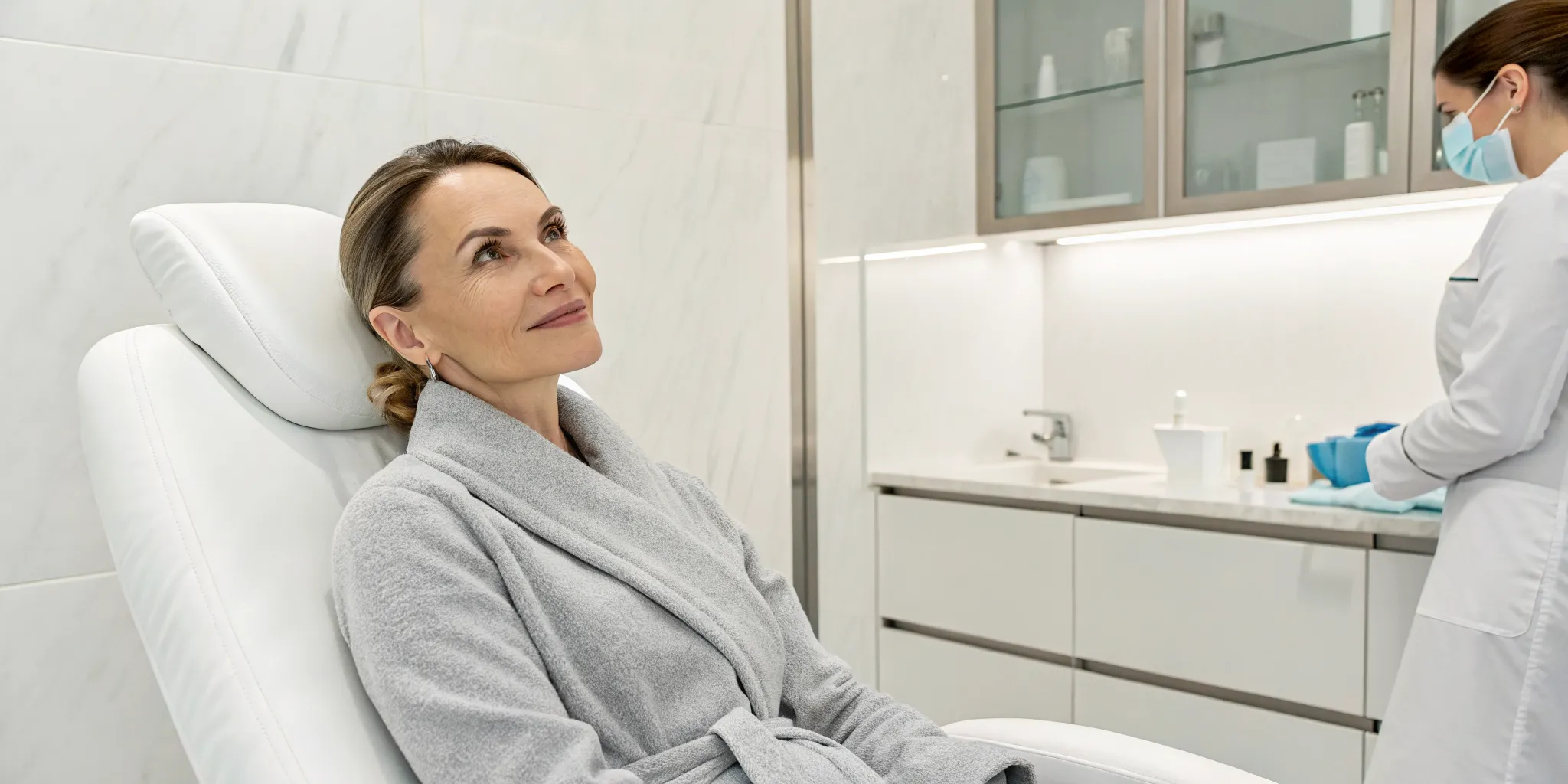
Botox for Crow’s Feet: What to Know Before You Go
Let’s talk about the biggest fear when it comes to injectables: looking “frozen.” It’s a valid concern and a myth that has kept too many people from feeling their best. The truth? When done right, the results are beautifully subtle. The goal isn’t to erase your expressions—it’s to soften the lines they leave behind. This guide will separate fact from fiction. We’ll explain exactly how Botox for crow’s feet works to give you a natural, refreshed appearance, so you can keep smiling without the lines sticking around.
Key Takeaways
- Botox relaxes the source of the wrinkle: Instead of just filling lines, Botox works by temporarily relaxing the specific muscles around your eyes that contract when you smile, allowing the skin to smooth out naturally.
- The process is quick and results are gradual: Your appointment only takes a few minutes, with visible smoothing appearing within a few days. To maintain your look, plan for follow-up treatments every three to four months.
- Your provider choice determines your results: A natural, refreshed look is the goal, not a “frozen” one. Choosing a qualified, experienced injector is the most important step for ensuring a safe treatment and beautiful results.
What Are Crow’s Feet and Why Do I Have Them?
You know those little lines that fan out from the corners of your eyes when you smile or laugh? Those are crow’s feet. They’re a totally normal part of a life full of expression, but they can sometimes make us look more tired or older than we feel. While they don’t pose any health risks, many people look for ways to soften their appearance for a more refreshed and smoother look.
Understanding what causes these fine lines is the first step in figuring out how to treat them. They aren’t just a sign of aging; they’re a roadmap of your facial movements and how your skin has changed over time. From squinting in the sun to laughing with friends, the muscles around your eyes are constantly at work. Over the years, these repeated actions, combined with natural changes in your skin’s structure, create the lines we call crow’s feet. Exploring options for skin rejuvenation can help address these concerns and restore a more youthful appearance.
From Smile Lines to Static Wrinkles
Crow’s feet form from a combination of muscle movement and skin changes. Every time you squint, smile, or laugh, the muscles around your eyes contract, causing the overlying skin to fold. When you’re younger, your skin is elastic enough to bounce right back. These temporary lines are called “dynamic wrinkles” because they only appear with movement.
Over time, however, years of repeated expressions start to leave their mark. The constant folding and creasing can cause those dynamic lines to become permanently etched into your skin, even when your face is at rest. This is why treatments like Botox are so effective; they work by relaxing the specific muscles responsible for creating these lines in the first place.
Dynamic vs. Static Wrinkles: What’s the Difference?
To really get what’s happening with crow’s feet, it helps to know there are two types of wrinkles. First, you have dynamic wrinkles. These are the lines that appear with movement—the crow’s feet that show up when you laugh, the surprise lines on your forehead, or the frown lines that pop up when you’re concentrating. They’re directly tied to the muscles under your skin contracting. When you’re younger, your skin has plenty of elasticity, so it bounces right back to a smooth surface once your expression relaxes. These lines are temporary, appearing only when your facial muscles are active.
Eventually, those dynamic lines can stick around for good. This is when they become static wrinkles—the lines that are visible even when your face is completely at rest. This happens because years of repeated muscle contractions, combined with a natural loss of collagen and skin elasticity, cause the lines to become etched into your skin. As research from Healthline notes, the constant folding eventually creates a permanent crease. This is precisely why a treatment like Botox is so effective; it targets the source by relaxing the muscle, which smooths the overlying skin and helps prevent those dynamic movements from creating deeper, static lines.
Are Your Daily Habits Causing Crow’s Feet?
Beyond muscle movements, several other factors play a role in how prominent your crow’s feet become. As we age, our skin naturally loses collagen and elastin, the proteins that provide structure and elasticity. This loss makes the skin thinner and less able to spring back, turning dynamic wrinkles into “static wrinkles” that are always visible.
Sun exposure is another major contributor. UV rays accelerate the breakdown of collagen and elastin, making your skin more susceptible to wrinkling. Lifestyle habits like smoking can also speed up the aging process. Think of it as a combination of internal and external factors. While you can’t stop the clock, you can manage these influences and explore treatments like skin tightening to help firm up the delicate skin around your eyes.
How Does Botox for Crow’s Feet Actually Work?
It’s easy to think that treating wrinkles means filling them in, but that’s not how Botox works its magic. Instead of adding volume, Botox addresses the root cause of dynamic wrinkles like crow’s feet: muscle movement. Every time you smile, laugh, or squint, the muscles around your eyes contract, folding the skin. Over time, these folds become permanent lines.
Botox offers a simple and effective way to soften these lines by relaxing the specific muscles responsible for creating them. It’s a targeted treatment that smooths the skin for a naturally refreshed and well-rested appearance. Let’s look at exactly how it accomplishes this.
A Quick Look at the Science
At its core, Botox is a highly purified protein that acts as a neuromodulator. Think of it as a pause button for overactive muscles. When injected in very small, precise amounts, it works by temporarily blocking the nerve signals that tell a muscle to contract. Without that signal, the muscle can’t tighten up.
This process is what makes it so effective for dynamic wrinkles. The muscles that cause crow’s feet are no longer able to create the deep creases when you express yourself. The overlying skin gets a chance to smooth out, making existing lines much less noticeable. It’s a straightforward and clinically proven way to achieve smoother skin around the eyes.
How Botox Relaxes Your Eye Muscles
The lines we call crow’s feet are caused by the orbicularis oculi, the circular muscles that frame your eyes. These are the muscles you use to squint in the sun or crinkle your eyes when you laugh. A skilled technician will carefully inject Botox into specific points in these muscles. The goal is not to stop you from showing expression, but to soften the intensity of the muscle contractions.
By relaxing these muscles, the skin on the surface becomes smoother, and the fine lines fade. This targeted approach is a key part of our overall strategy for skin rejuvenation. The result is a subtle but significant change that helps you look more rested and youthful, without ever looking unnatural or “frozen.”
Botox and Other Neuromodulators
While Botox is the most well-known name, it’s actually a brand name for a specific type of treatment called a neuromodulator. Think of it like how people say “Kleenex” when they mean tissue. Neuromodulators are highly purified proteins that work by temporarily relaxing the muscles responsible for creating dynamic wrinkles. While Botox was the first and is the most famous, other FDA-approved options like Dysport and Xeomin are also available. All of these treatments share a similar mechanism, targeting the same muscle contractions to achieve a smoother, more refreshed appearance. The best choice for you depends on your specific goals and your provider’s recommendation, but they all aim to deliver natural-looking results.
The Proof is in the Results: Efficacy and Clinical Data
It’s one thing to hear that a treatment works, but it’s another to see the proof. When it comes to something for your face, you want to know that it’s not only effective but also safe. The good news is that Botox isn’t new to the scene. It has a long track record backed by scientific research and approval from regulatory bodies. The data from clinical studies speaks for itself, showing just how well it works to smooth out those fine lines around the eyes. Let’s look at the facts so you can feel confident in your decision.
A History of Success: FDA Approval
You’ve probably heard of the FDA, but what does their approval really mean? It means a treatment has gone through rigorous testing to prove it’s both safe and effective for its intended use. Botox has a well-documented history of success, earning FDA approval for treating crow’s feet back in 2013. This wasn’t a quick process; it was the result of extensive clinical trials that clearly showed its ability to reduce the appearance of those lines. A few years later, in 2017, it was also approved for forehead lines, further cementing its status as a reliable and trusted solution for dynamic wrinkles. This official backing provides peace of mind that you’re choosing a treatment with a proven history.
What Clinical Studies Show About Effectiveness
The numbers from clinical studies are pretty impressive and show a clear difference. In one major study, physicians found that 30 days after treatment, 67% of patients who received Botox had “none or mild” crow’s feet, compared to just 7% of those who received a placebo. More importantly, 58% of the patients themselves felt their lines were minimal, versus only 5% in the placebo group. Patient satisfaction is also incredibly high, with 60% of people treated with Botox reporting they were “satisfied” or “very satisfied” with their results. The effects typically last for about three to four months, making it a manageable part of your beauty routine. These studies confirm that Botox delivers noticeable, satisfying results that help people feel better about their appearance.
What to Expect at Your Botox Appointment
Thinking about getting Botox can feel like a big step, but the appointment itself is surprisingly straightforward. From the moment you walk in for your chat with a professional to the quick treatment, the process is designed to be comfortable and clear. We want you to feel confident and informed every step of the way. Knowing what happens during the appointment can help ease any nerves and get you excited about your results. Let’s walk through what your visit for crow’s feet treatment will look like at LightRx.
Starting with Your Free Consultation
Your journey starts with a simple conversation. Before any treatment, you’ll sit down with one of our technicians for a free consultation. This is your time to ask anything and everything. We’ll talk about the results you’re hoping for, how Botox works, and what you can realistically expect. We will also go over your medical history to ensure the treatment is a safe fit for you. Think of it as a collaborative session where we create a personalized plan just for you. We’ll cover the costs, potential side effects, and how often you might want to come back for touch-ups to maintain your look.
What Happens During the Injection?
Once we’ve created your treatment plan, the injection process itself is very fast. Your technician will start by cleansing the skin around your eyes. To make you as comfortable as possible, we can apply ice or a topical numbing cream to the area, though many people find it isn’t necessary. Using a very fine needle, your technician will inject tiny amounts of Botox into the specific muscles that cause crow’s feet to form when you smile or squint. Our team is highly trained in facial anatomy, ensuring the injections are precise for natural-looking results. We offer many different aesthetic services, and our expertise ensures a safe and effective treatment.
Does It Hurt? And How Long Does It Take?
You’ll be surprised at how quickly the treatment is over. The injections typically take only a few minutes, making it an easy appointment to fit into a busy day. Most people describe the sensation as a tiny pinch that lasts for just a second. Afterward, it’s common to see a little bit of redness or minor swelling around the injection sites, similar to a bug bite. This is completely normal and usually disappears within 24 hours. You can go right back to your daily activities afterward, as there’s no real downtime required. It’s one of the simplest ways to achieve effective skin rejuvenation with minimal interruption to your life.
After Your Botox: The Results Timeline
One of the best parts about getting Botox for crow’s feet is how quickly you get to enjoy the results. While the change isn’t instant, it’s a gradual and natural-looking transition to smoother skin. The key is to have a little patience as the treatment begins to work its magic.
Your results will unfold over a few days, and soon you’ll see those fine lines around your eyes begin to soften. It’s an exciting process, and understanding the timeline will help you know exactly what to look forward to after your appointment.
When Will You See Smoother Skin?
You won’t have to wait long to see a change. Most people start to notice the effects of their Botox treatment within three to four days. During this time, the product is working to relax the specific muscles that cause crow’s feet to form when you smile or squint.
You’ll see a visible reduction in the lines around your eyes, giving the area a smoother and more refreshed appearance. The full effect is typically visible after about two weeks. This quick turnaround makes it a fantastic option for looking your best before a special event or just as part of your regular self-care routine.
How Long Do the Effects Last?
The beautiful, line-smoothing effects of Botox typically last for three to four months. This can vary slightly from person to person depending on factors like your metabolism and the strength of your facial muscles. Over time, your body will naturally process the Botox, and you’ll notice the muscle movement gradually returning.
This is completely normal and expected. Think of Botox as a temporary pause button for the muscles that cause wrinkles. It’s a key part of a consistent skin rejuvenation plan that helps you maintain a youthful look without committing to anything permanent.
How to Maintain Your Results
To keep the skin around your eyes looking smooth, consistency is key. Scheduling your follow-up appointments every three to four months will help you maintain your results without interruption. Regular treatments can even have a long-term benefit. By keeping the muscles relaxed, you prevent them from creating deeper, static wrinkles over time. Think of it as preventative care for your skin. Our team at LightRx can help you set up a treatment schedule that fits your goals and lifestyle, making it easy to keep up with your membership and enjoy your refreshed look year-round.
Planning Your Follow-Up Treatments
To keep your crow’s feet looking smooth, you’ll want to schedule follow-up injections every few months. Most of our clients find that getting treatments two to three times a year is the perfect frequency to maintain their results seamlessly. Sticking to a regular schedule can even help train the muscles to relax over time, potentially extending the time between your appointments.
During your consultation, we’ll discuss a personalized treatment plan that fits your goals and lifestyle. A LightRx membership can also make it simple and affordable to keep up with your treatments and enjoy consistent, beautiful results all year long.
An Unexpected Perk: The Subtle Brow Lift
While you’re focused on smoothing out those lines by your eyes, you might notice a pleasant surprise: a subtle lift at the tail of your eyebrows. This happens because the muscle responsible for crow’s feet, the orbicularis oculi, also pulls the brow downward slightly. When a Botox treatment relaxes this muscle, that downward pull is released. This allows the forehead muscles to gently lift the outer brow without resistance, creating a more open and awake appearance. It’s a perfect example of how a precise treatment can create a harmonious, refreshed look that goes beyond just targeting a single wrinkle, contributing to an overall more youthful and rested expression.
Understanding Potential Botox Side Effects
It’s completely normal to have questions about what happens after your treatment. Like any cosmetic procedure, Botox has potential side effects, but the good news is that most are minor and temporary. Knowing what to expect can help you feel confident and prepared. The most important factor in a safe and successful treatment is choosing a qualified, experienced provider who can answer all your questions and guide you through the process.
Common (and Totally Normal) Side Effects
Right after your appointment, you might notice a few things around the injection sites. A little bit of swelling, redness, tenderness, or even some light bruising is very common. Think of it as your skin’s normal reaction to the injection itself. These effects are typically mild and should fade on their own within a few days. Most people find they can get right back to their daily routine without any significant downtime. It’s all part of the process as the product settles in and starts to work its magic on those crow’s feet.
A Note on Droopy Eyelids: What the Data Says
Let’s talk about a side effect that sometimes comes up in conversation: the dreaded droopy eyelid. While it sounds scary, it’s important to know that this is a very rare and temporary issue. It can happen if the Botox migrates slightly from the targeted crow’s feet muscles to the muscle responsible for lifting the eyelid. However, clinical data shows this affects only about 1-2% of patients. The most critical factor in preventing this is the skill of your provider. An experienced injector has a deep understanding of facial anatomy and uses precise injection techniques to ensure the product stays exactly where it’s needed. This expertise is what gives you beautiful, natural results while keeping side effects to an absolute minimum.
What Are the Rare but Serious Risks?
While serious side effects are uncommon, it’s important to be aware of them. In rare cases, issues like infection, significant bleeding, a severe headache, or uneven facial expressions can occur. These complications are almost always linked to the skill of the person performing the injection. This is why we can’t stress enough how crucial it is to see a certified and experienced professional. A skilled technician understands facial anatomy precisely, ensuring the Botox is placed correctly for beautiful, natural-looking results while minimizing any risks.
Your Aftercare Checklist
Following a few simple guidelines after your treatment will help you get the best results. For the first four hours, avoid strenuous exercise, sunbathing, saunas, or lying flat. It’s also best not to rub, scratch, or put heavy pressure on the treated areas. These precautions help keep the Botox exactly where it needs to be. If you feel sore, take it easy for a day or two. You can apply makeup as long as your skin isn’t irritated. To manage any bruising, you can gently apply a cold compress for the first 24 hours and try sleeping with your head slightly elevated for a couple of nights.
Is Botox for Crow’s Feet Right for You?
Deciding on any cosmetic treatment is a personal choice, and it’s smart to have all the facts first. If you’re wondering whether Botox is the right move for your crow’s feet, the answer depends on your goals, your health, and what you hope to achieve. Let’s walk through what makes someone a good fit for this treatment so you can feel confident in your decision.
Who Makes a Great Candidate?
If you look in the mirror and are bothered by the fine lines branching out from the corners of your eyes, you’re already on the right track. Generally, anyone who shows signs of aging like crow’s feet or frown lines can benefit from this treatment. The ideal candidate is someone in good overall health who has realistic expectations for what Botox can do. It’s not about erasing every single line, but about softening them for a smoother, more rested appearance. If your goal is to refresh your look and reduce the appearance of these dynamic wrinkles, you’re likely a great candidate.
Who Should Wait? Health and Age Factors
While there’s no “perfect” age for Botox, many people start considering it in their 30s and 40s to treat existing crow’s feet and prevent them from deepening. In fact, studies show these lines are often the most bothersome facial feature for women between 30 and 65. Your health is the most important factor, though. During your free consultation, it’s crucial to share your full medical history. This includes any allergies, skin infections near the eye area, or neurological conditions. Being open with your technician ensures the treatment is safe and effective for you, helping you achieve that refreshed look you want from our aesthetic services.
When Botox Isn’t Enough: Combining Treatments
While Botox is a powerhouse for smoothing crow’s feet, sometimes a more comprehensive approach delivers the most natural and balanced results. Think of your face as a whole; treating just one area can occasionally highlight others. For a truly harmonious look, it’s often beneficial to address related expression lines at the same time. Treating frown lines and forehead lines along with crow’s feet is not only safe but can create a more cohesive and refreshed appearance. You can also pair Botox with other treatments for even better outcomes. For instance, while Botox relaxes the muscles causing dynamic wrinkles, dermal fillers can restore lost volume under the eyes, which can further soften the appearance of crow’s feet. It’s about creating an overall look that is subtly rejuvenated, not just targeting a single spot.
Alternative Treatments for Crow’s Feet
Botox is one of the most popular and effective ways to treat crow’s feet, but it’s not the only option available. If you’re not quite ready for Botox or are looking for a different approach, there are several other fantastic treatments that can help soften those lines around your eyes. Dermal fillers, for example, work differently by adding subtle volume to plump up static wrinkles that are visible even when you’re not smiling. Other powerful alternatives focus on improving the quality of your skin itself. Treatments like laser resurfacing and chemical peels are designed to promote collagen production and reveal smoother, healthier skin. We also offer advanced skin tightening procedures that use technology to firm up the delicate skin in that area. The best way to know which path is right for you is to come in for a chat, where we can explore all the options together.
How Much Does Botox for Crow’s Feet
One of the first questions on everyone’s mind is, “How much will this cost?” It’s a completely valid and important part of your decision-making process. The investment you make in Botox for crow’s feet can vary based on a few key factors, from the number of units you need to your specific aesthetic goals.
Think of it less like a one-size-fits-all price tag and more like a personalized treatment plan. The final cost is tailored to you. During your free consultation, we’ll go over all the details, so you’ll have a clear and complete picture of the investment before moving forward. We believe in total transparency, ensuring you feel confident and informed about every aspect of your treatment, including the price. Let’s break down what goes into determining the cost.
Factors That Affect the Price of Botox
Botox is priced per unit, and the cost per unit can range from about $9 to $20. For treating crow’s feet, the number of units needed can vary. While some people may only need around 10 units (five for each eye), the manufacturer often recommends 24 units to achieve the best, most lasting results. The exact amount you’ll need depends on the strength of your facial muscles and your desired outcome.
To maintain your smooth new look, you’ll likely need follow-up treatments two to three times a year, as the effects of Botox typically last for three to four months. We’ll discuss a personalized treatment schedule that works for you and your goals during your consultation.
Estimating the Cost of a Typical Session
So, what does that look like for a single appointment? Using the typical range of 10 to 24 units for crow’s feet and a cost between $9 and $20 per unit, you can get a good idea of the investment. A single session could range anywhere from about $90 on the lower end to around $480 on the higher end. This difference comes down to your unique needs—how many units are required to achieve the smooth, natural look you want—and the specific pricing at your chosen medspa. This is why the initial consultation is so important. It’s where we determine the precise number of units for your personalized treatment plan, giving you a clear and accurate cost with no surprises.
Making Your Treatment Affordable
Because Botox for crow’s feet is a cosmetic treatment, it’s generally not covered by health insurance. We understand that this is an important consideration, and we want to make your aesthetic goals accessible. That’s why we offer flexible payment solutions to fit your budget.
Our LightRx membership program is a popular option that helps make regular treatments more affordable. During your initial consultation, our team will walk you through all the pricing details and payment options available. We’re here to help you find a plan that makes you feel comfortable and confident, so you can focus on looking forward to your amazing results without financial stress.
Let’s Bust Some Common Botox Myths
If you’re considering Botox, you’ve probably heard a few things that gave you pause. From fears of a frozen face to questions about safety, there’s a lot of misinformation out there. Let’s clear the air and separate fact from fiction so you can feel confident about your decision. Understanding the truth behind these common myths is the first step toward getting the natural, refreshed look you want.
Myth #1: You’ll Look “Frozen” or Unnatural
This is probably the biggest myth about Botox, and it’s one worth clearing up right away. The goal of a great Botox treatment isn’t to stop you from showing emotion; it’s to soften the lines that those emotions create over time. When administered by a skilled professional, Botox simply relaxes the specific, tiny muscles responsible for creating crow’s feet. You’ll still be able to smile, laugh, and express yourself freely. The only difference is that the skin around your eyes will look smoother and more refreshed when your face is at rest. A talented injector ensures your results look completely natural, never frozen.
Myth #2: It’s Dangerous or Just for “Older” People
Let’s talk about safety. Botox has been FDA-approved for cosmetic use for decades and has a long-standing safety record when performed by a qualified medical professional. As for age, there’s no magic number for when you should start. The right time is completely personal and depends on your unique skin and goals. Some people start preventative treatments in their late 20s, while others wait until their 40s or 50s. The best way to know if it’s right for you is to schedule a free consultation where a specialist can assess your needs and create a personalized plan.
How to Choose the Right Botox Provider
Choosing where to get your Botox treatment is just as important as deciding to get it in the first place. The right provider ensures your safety, comfort, and helps you get the beautiful, natural-looking results you want. Think of it as finding a partner for your aesthetic journey. You want someone who is experienced, listens to your goals, and makes you feel completely at ease. A great medspa will prioritize your well-being and create a personalized plan just for you, starting with a detailed conversation about what you hope to achieve.
Finding a Qualified and Reputable Medspa
When you’re researching medspas, start with the credentials. Look for a facility staffed by licensed and certified medical professionals with extensive training in cosmetic injectables. The environment should feel clean, professional, and welcoming from the moment you walk in. A top-tier provider will always use FDA-cleared products like Botox Cosmetic. They should also offer a comprehensive consultation to discuss your goals, review your medical history, and answer all your questions without any pressure. This initial meeting is key to building trust and ensuring you and your provider are on the same page about your treatment plan.
The Importance of an Expert Injector: Understanding “Danger Zones”
The success of your treatment comes down to one thing: the skill of your injector. While Botox itself is a safe and proven product, achieving beautiful, natural-looking results requires a deep understanding of facial anatomy. An experienced technician knows precisely where to place each injection to relax the target muscles without affecting surrounding areas. This expertise is what prevents issues like uneven expressions or a “frozen” look. Serious side effects are incredibly rare, but when they do happen, they are almost always tied to the injector’s technique. Choosing a qualified provider is the single most important step you can take to ensure a safe and successful treatment.
Why a Personalized Treatment Plan Matters
Botox is not a one-size-fits-all solution. Your face is unique, and your treatment plan should be too. During your free consultation, our technicians take the time to understand your specific goals and analyze your facial structure. We’ll discuss everything from the number of units needed to achieve your desired look to the best schedule for follow-up appointments. This personalized approach ensures the final cost is tailored directly to you, with no surprises. To maintain your results, most clients visit two to three times a year. A LightRx membership can make it simple and affordable to stick with your plan and enjoy a consistently refreshed look all year long.
Don’t Forget to Ask These Questions
Your consultation is the perfect time to get all the information you need to feel confident. Don’t be shy about asking questions. Start by asking about your injector’s experience, specifically with treating crow’s feet. You can ask to see before-and-after photos of their previous clients. Also, be sure to cover the specifics of the treatment itself. Ask what you can expect during the appointment, what the aftercare instructions are, and what potential side effects you should watch for. Finally, get a clear understanding of the cost and what the maintenance schedule will look like to keep your results looking fresh.
Getting Ready for Your Botox Appointment
A little prep work goes a long way in making your Botox appointment smooth, comfortable, and successful. Taking a few simple steps beforehand helps minimize the chance of bruising and ensures you get the beautiful, natural-looking results you want. Think of it as setting the stage for your treatment. When you feel prepared, you can walk into your appointment feeling confident and relaxed, ready to let our expert technicians work their magic. We’re here to guide you every step of the way, starting with what to do before you even arrive.
Your Pre-Appointment To-Do List
In the week leading up to your appointment, it’s best to avoid alcohol and any blood-thinning medications or supplements, like aspirin, ibuprofen, and fish oil. This simple step can significantly reduce the likelihood of bruising at the injection site. On the day of your treatment, please arrive with a clean, makeup-free face. This allows your technician to have a clear view of the treatment area and ensures the process is as hygienic as possible. During your free consultation, we will discuss all of this in detail, including a personalized aftercare plan to help you maintain your results.
What Should I Bring to My Appointment?
Please come prepared to discuss your medical history. Be ready to share a list of any medications, supplements, or health conditions you have. This information is crucial for our technicians to ensure your Botox treatment is both safe and effective for you. It’s also a great idea to jot down any questions you have beforehand. Whether you’re curious about the number of units you’ll need or what to expect in the days following your treatment, we want you to feel fully informed. Your comfort and confidence are our top priorities, and we’re here to answer everything.
Related Articles
- Botox Near Me Guide: Choosing a Safe Provider
- How to Find Affordable Botox Near Me (Safely)
- Your Guide to Finding the Best Botox Spa Near Me
- What Are Bunny Lines & Can Botox Fix Them?
Frequently Asked Questions
Will the injections for crow’s feet hurt? Most people say the injections feel like a quick, tiny pinch that lasts only for a moment. The needle we use is extremely fine, which helps make the process very comfortable. If you’re feeling nervous, we can always apply a topical numbing cream or ice to the area beforehand to ensure you feel at ease.
What happens if I decide to stop getting Botox? Will my wrinkles look worse? This is a common concern, but you can relax. If you stop your treatments, the muscles around your eyes will gradually regain their full range of motion, and your crow’s feet will slowly return to how they looked before you started. They will not become worse than they were originally.
Is Botox the same thing as a dermal filler? No, they work in completely different ways. Botox is a neuromodulator that relaxes the specific muscles that cause dynamic wrinkles like crow’s feet to form. Dermal fillers, on the other hand, are designed to add volume to areas of the face, filling in static lines or restoring youthful contours.
Can I combine Botox with other skin treatments? Absolutely. Many of our clients create a comprehensive skin rejuvenation plan that includes Botox alongside other services like skin tightening or laser treatments. During your consultation, we can discuss your overall goals and create a personalized schedule that spaces out your treatments appropriately for the best possible results.
Is it ever too early to start getting Botox for crow’s feet? There isn’t a “right” age to start, as it really depends on your skin and your goals. Some people begin treatments in their late 20s or early 30s as a preventative step to keep deep lines from setting in. The best way to know if the timing is right for you is to come in for a free consultation so we can assess your skin and discuss your desired outcome.