

Is a 70-90% Reduction in 6 Laser Sessions Realistic?
A one-size-fits-all approach just doesn’t work for laser hair removal. While a laser hair removal percent reduction 70 90 after 6 sessions study sets a fantastic benchmark, your personal journey to smoothness is unique. The goal is a significant, long-term hair reduction. But your results depend on factors like hair color and skin tone. For example, your legs might need 6-8 sessions to achieve that 70-90% reduction. This is because the laser is only effective during the hair’s anagen growth phase, making a personalized plan essential for hitting those amazing, lasting results.
Key Takeaways
- Your Session Count is Unique to You: The number of treatments you need isn’t a set number; it’s based on your specific hair color, skin tone, and the body part you’re treating, which is why most people require between 6 and 12 sessions.
- Sticking to Your Schedule is Key: Laser hair removal is only effective when hair is in its active growth phase, so following the recommended 4 to 8 week schedule between appointments is the most important step for achieving the best results.
- Aim for Significant Reduction, Not Total Elimination: The goal is permanent hair reduction, which means you can expect up to 80% less hair. Plan for occasional maintenance sessions to keep your skin smooth and address any new hair growth.
How Many Laser Sessions Do You Really Need?
One of the most common questions we hear is, “How many laser hair removal sessions will I actually need?” It’s a great question, because the answer isn’t the same for everyone. While it’s definitely a process, understanding the timeline can help you set clear expectations for achieving that smooth, hair-free skin you’re looking for. The number of treatments depends on a few key factors, including the area you’re treating and your hair’s unique growth cycle.
Session Estimates by Body Area
As a general guideline, most people need between six to eight sessions to see a significant reduction in hair, often up to 80%. However, certain areas of the body are more influenced by hormones, which can make hair growth a bit more stubborn. For places like your face, underarms, or bikini line, you might need closer to 10 or 12 sessions for the best results. This is also why scheduling varies; we typically recommend appointments every four to six weeks for these hormonal areas and every six to eight weeks for places like your legs or arms, aligning with their specific growth patterns.
Why One Session Is Never Enough
The main reason you’ll need multiple sessions is that your hair grows in different stages. Laser hair removal is most effective when the hair is in its active growth phase, called the Anagen phase. At any given time, only a fraction of your hair is in this stage. To effectively treat every follicle, we need to schedule several appointments to catch each hair as it enters the Anagen phase. Factors like your hair color, hair thickness, and skin tone also play a role in how many treatments you’ll need. This is why a personalized treatment plan, created during a free consultation, is so important for your success.
What Factors Influence Your Treatment Plan?
If you’re wondering how many laser hair removal sessions you’ll need, the honest answer is: it depends. There’s no magic number because every person’s body is unique. Your treatment plan is tailored specifically to you, and several key factors play a role in determining how many appointments you’ll need to get that smooth, hair-free skin you’re looking for. Think of it as a personalized recipe for your results.
The primary elements that influence your treatment schedule are your hair color and thickness, your skin tone, the specific area you’re treating, and even your hormones. For example, someone with thick, dark hair and fair skin might see results faster than someone with fine, lighter hair. During your free consultation, a technician will assess all these factors to give you a realistic timeline and a clear picture of what to expect. This personalized approach ensures your laser hair removal plan is designed for maximum effectiveness, getting you the best possible results safely and efficiently.
How Your Hair Color and Texture Play a Part
The science behind laser hair removal is pretty fascinating. The laser works by targeting the melanin, which is the pigment that gives your hair its color. A strong contrast between your hair and skin allows the laser to zero in on the hair follicle with incredible precision. This is why the treatment is most effective on dark, coarse hair. That dark pigment absorbs the laser’s energy, which then damages the follicle and prevents future growth.
If you have blonde, red, grey, or white hair, the process can be a bit trickier. These lighter hair colors contain less melanin, giving the laser a much smaller target to hit. While modern technology has improved, dark hair still responds the best. Thicker hair also has an advantage, as it contains more pigment and provides a larger target for the laser.
Does Your Skin Tone Affect the Outcome?
Just as hair color is important, so is your skin tone. The laser needs to be able to distinguish between the pigment in your hair and the pigment in your skin. Historically, this meant that the ideal candidate had light skin and dark hair. However, technology has come a long way, and today’s advanced lasers make it possible to safely treat a much wider range of skin tones.
At LightRx, we use equipment that can be adjusted to match your specific skin and hair type. For darker skin tones, our technicians use lasers with longer wavelengths that bypass the skin’s surface pigment and focus solely on the hair follicle. This is why it’s so important to be treated by a trained professional who understands the nuances of different skin rejuvenation and hair removal technologies.
Why the Treatment Area Matters
Where you want the hair removed also makes a big difference in your treatment timeline. Different parts of your body have different hair growth cycles and densities. Areas where hair growth is driven by hormones, like the upper lip, underarms, and bikini line, tend to be more stubborn. The hair is often thicker and more resilient, so you might need more sessions, typically somewhere between 10 and 12, to achieve your desired results.
On the other hand, larger areas with less hormonal influence, such as the legs, arms, or back, usually respond more quickly. For these spots, most people find that six to eight sessions are enough to see a significant reduction in hair growth.
The Role of Hormones and Your Health
Your hormones are a major driver of hair growth, and they can definitely affect your laser hair removal journey. Hormonal fluctuations from conditions like Polycystic Ovary Syndrome (PCOS), or life stages like pregnancy and menopause, can trigger new hair to grow. While the laser can effectively treat the hair that’s currently active, it can’t prevent new follicles from developing later due to these hormonal shifts.
This is why some people may need occasional maintenance sessions down the road to catch any new growth. It’s also why discussing your health history during your consultation is so important. Being open about any hormonal conditions allows your technician to create a more effective and realistic treatment plan tailored to your body’s unique needs.
Why a Pre-Treatment Consultation Is Important
Think of your pre-treatment consultation as the strategy session for your skin. It’s so much more than a preliminary chat; it’s where a trained technician creates a plan that’s all about you. They’ll assess your unique hair color, thickness, and skin tone for the area you want to treat. This is also your chance to get answers and understand *why* multiple sessions are needed by learning about your hair’s growth cycle. By discussing your health history and any hormonal factors, your technician can map out a realistic and effective treatment schedule, setting you up for the best possible results from day one.
Why Timing Your Sessions with Hair Growth Is Crucial
If you’ve ever wondered why you can’t just get one laser session and be done, the answer lies in your hair’s natural growth cycle. Timing is everything when it comes to effective laser hair removal. The laser needs to catch each hair at the perfect moment to work its magic, and since your hairs aren’t all on the same schedule, multiple sessions are essential. Think of it like this: your hair follicles are a team, but they don’t all show up for work at the same time. Our goal is to treat every single one when it’s most receptive.
This is why a one-size-fits-all approach just doesn’t work. Your treatment plan is designed around your body’s unique rhythm. Sticking to the recommended schedule for your appointments ensures that we can target the maximum number of active hair follicles during each visit. Missing an appointment or spacing them too far apart can mean missing a crucial growth phase, which can set back your progress. Following the schedule your technician provides is the single best thing you can do to get the smooth, lasting results you’re looking for. It’s a bit like a strategic game where patience and consistency are your best moves. By working with your body’s natural processes instead of against them, we can achieve a much higher rate of success and ensure your investment in yourself pays off beautifully.
Understanding the Three Phases of Hair Growth
Every single hair on your body goes through a three-phase cycle. First is the Anagen, or growth, phase. This is when the hair is actively growing and is firmly attached to its root (the papilla). The laser is most effective during this stage because it has a direct pathway to the follicle’s base to disable it. Next is the Catagen, or transition, phase, where the hair stops growing and detaches from the root. Finally, there’s the Telogen, or resting, phase, where the old hair falls out to make way for a new one.
Why the Anagen Phase Is Key for Effective Treatment
Laser hair removal only works when the hair is in the Anagen phase. Since only about 20% of your hair is in this active growth stage at any given time, one session can only treat that fraction of follicles. This is why consistent, correctly spaced appointments are so important. Each session is designed to catch the next wave of hairs that have entered the Anagen phase. By following a strategic schedule, you ensure that over the course of your treatments, we can effectively target every follicle and achieve the best possible reduction.
How to Schedule Appointments for the Best Results
So, what does the ideal schedule look like? It depends on the treatment area. Hair growth is often faster in areas influenced by hormones, like your face, underarms, or bikini line. For these spots, we typically schedule sessions every four to six weeks. For other areas where growth is a bit slower, like your legs or arms, appointments are usually spaced six to eight weeks apart. During your free consultation, we’ll create a personalized laser hair removal plan that aligns perfectly with your hair growth cycle for optimal results.
When to Book Your Next Session
Understanding when to book your next appointment is essential for getting the results you want. The effectiveness of the treatment is tied directly to your hair’s growth cycle, specifically the Anagen phase when hair is actively growing. Since only about 20% of your hair is in this stage at any given time, multiple sessions are necessary to target every follicle. As a general rule, we recommend scheduling appointments every four to six weeks for hormonal areas like the face or bikini line, and every six to eight weeks for larger areas like your legs. Sticking to the schedule your technician helps you create is the most important step, as it ensures you target the maximum number of active follicles during each visit for smoother, longer-lasting results.
What Kind of Results Can You Realistically Expect?
When you decide to invest in laser hair removal, you’re probably picturing a future with smooth, hair-free skin and no more razors. That future is absolutely achievable, but it’s helpful to understand what the journey looks like. The process is more of a gradual fade than an instant disappearance. Your results will depend on your unique hair and skin type, the area being treated, and your consistency with appointments.
Think of it this way: each session targets a new wave of hair follicles that have entered the right stage of growth. With every treatment, you’ll notice the hair in the target area becoming finer, sparser, and lighter. While the term “permanent hair removal” is often used, the FDA approves the treatment for “permanent hair reduction.” This is an important distinction. The goal is to significantly reduce the amount of hair, leaving you with skin that feels smooth and looks clear. For most people, this means saying goodbye to daily shaving or frequent waxing for good.
Is a 70-90% Hair Reduction Possible After 6 Sessions?
Let’s talk numbers. While everyone’s body responds differently, most people need about six to eight sessions to achieve a dramatic change. You can realistically expect to see up to 80% less hair in the treated area after completing your initial series of treatments. Some sources even note that most patients achieve a 70-90% permanent reduction in hair. The best part? Any hair that does eventually grow back is typically much lighter, finer, and far less noticeable than it was before you started your laser hair removal journey.
Understanding the Statistics on Hair Reduction
So, what do the numbers actually look like? As a general rule, you can expect to see up to an 80% permanent reduction in hair after completing your initial series of treatments. For most people, this takes about six to eight sessions. However, for those more stubborn, hormonally-driven spots like the face or bikini line, you might be looking at closer to 10 or 12 sessions to get the best results. The goal of laser hair removal is to significantly reduce hair growth, not eliminate it entirely. This is why planning for occasional maintenance appointments is a normal part of keeping your skin consistently smooth and tackling any new hairs that might pop up over time.
Your Timeline for Seeing Smoother Skin
You won’t have to wait until your final session to see progress. In fact, you can expect to see a 10% to 25% reduction in hair after your very first treatment. This immediate feedback is incredibly motivating. As you continue with your appointments, the results will become more and more obvious. You’ll notice that the hair grows back much slower and thinner, and the patches of smooth skin will get larger. After a few sessions, many people find they can ditch their razors and shaving cream for weeks at a time.
What to Expect After Your First Few Sessions
After your first couple of sessions, you’ll start to see the magic happen. In the days and weeks following a treatment, you’ll notice what looks like stubble, but it’s actually the treated hairs being pushed out of the follicle. This shedding process is a great sign that the laser did its job! Once those hairs fall out, you’ll enjoy a period of wonderfully smooth skin. With each appointment, the hair that does grow back will be noticeably finer and sparser. This gradual improvement is exactly what you want to see, and it’s why sticking to your schedule for your laser hair removal treatments is so important. It’s a step-by-step process that builds on itself, getting you closer to your long-term goals with every visit.
Maintaining Your Results with Touch-Up Sessions
Once you’ve completed your initial set of sessions and are loving your smooth skin, you’ll want to keep it that way. Because our bodies can always develop new hair follicles (thanks, hormones!), a little upkeep is key. Most people find that they need occasional maintenance treatments to stay on top of any new growth. Scheduling a touch-up session once every six to twelve months is usually enough to target any fine, light hairs that may appear and keep your skin looking flawless year-round. Think of it as a simple check-in to protect your investment.
Understanding Potential Risks and Side Effects
It’s completely normal to have questions about the safety of any cosmetic treatment, and it’s smart to be informed. The good news is that when performed by a trained professional, laser hair removal is very safe. The most common side effects are minor and temporary, and understanding what to expect can help you feel more confident and prepared for your appointments. The key is to ensure you’re in the hands of professionals who use FDA-cleared technology and prioritize your well-being, which is why our team is dedicated to making your experience as safe and comfortable as possible.
Common, Temporary Reactions
The most frequent reactions you’ll see after a session are redness and some slight swelling around the hair follicles. In fact, one study found that these temporary effects, like redness and swelling, were experienced by nearly all patients. Think of it as a sign that the laser has done its job effectively. This response usually looks and feels like a mild sunburn and typically fades within a few hours to a couple of days. Your technician will give you simple aftercare instructions, like avoiding hot showers and applying a soothing lotion, to help your skin calm down quickly and comfortably.
Managing Discomfort During Treatment
Many people worry that laser hair removal will be painful, but most find it very tolerable. The sensation is often described as a quick snap, like a rubber band against the skin. Research confirms this, with patients generally rating the discomfort as low on the pain scale. Plus, modern laser systems have built-in cooling mechanisms that continuously cool your skin during the treatment, which makes a huge difference in comfort. Your technician will also check in with you throughout the session. Open communication is key, so if you ever feel uncomfortable, they can adjust the settings to ensure the process is as pleasant as possible for you.
A Rare Side Effect: Paradoxical Hypertrichosis
While extremely uncommon, it’s worth knowing about a rare side effect called paradoxical hypertrichosis. This is when hair in or near the treated area grows back thicker and darker. Research suggests this is more likely to occur in women with darker skin tones and on hormonally sensitive areas like the face and neck. This is precisely why a professional assessment is so critical. During your free consultation, a skilled technician will evaluate your skin type, hair, and medical history to determine the safest and most effective treatment settings, which helps minimize this already small risk and ensures your plan is tailored to you.
How to Prepare for Your Laser Hair Removal Appointments
Getting the best results from your laser hair removal treatments isn’t just about what happens during your appointment. Proper preparation and aftercare are just as important for achieving that smooth, hair-free skin you’re looking for. By following a few simple steps before and after each session, you can make the process more comfortable, effective, and safe. Think of it as setting the stage for success. Your technician will give you specific instructions tailored to your skin and hair type during your free consultation, but here’s a general guide on what to expect and how to care for your skin throughout the process. Taking these small steps helps ensure every session is as productive as possible, getting you closer to your goals with each visit.
Your Pre-Session Checklist for Success
First things first, let’s talk prep. For about six weeks leading up to your first appointment, you’ll need to stop waxing, plucking, or using electrolysis on the treatment area. The laser needs to “see” the hair follicle to work, and these methods remove it completely. Shaving is perfectly fine, and you should actually shave the area the day before your session. This removes the hair from the surface of the skin while leaving the root intact for the laser to target. You’ll also want to avoid direct sun exposure and tanning beds. Treating tanned skin can increase the risk of side effects, so keep the area covered or use a good SPF.
What to Avoid Before Your Appointment
To make sure your session is as effective as possible, there are a few things you’ll need to put on pause. The most important one is to stop any hair removal methods that pull the hair out from the root—this means no waxing, plucking, or electrolysis for at least six weeks before your appointment. The laser needs that root intact to do its job. Also, try to stay out of the sun and away from tanning beds. Sun exposure can make your skin more sensitive and increase the risk of side effects. Finally, in the days leading up to your treatment, avoid using harsh skincare products like retinoids or strong exfoliants on the area. Following these simple guidelines helps ensure your laser hair removal treatment is both safe and successful.
What to Expect During Your Treatment
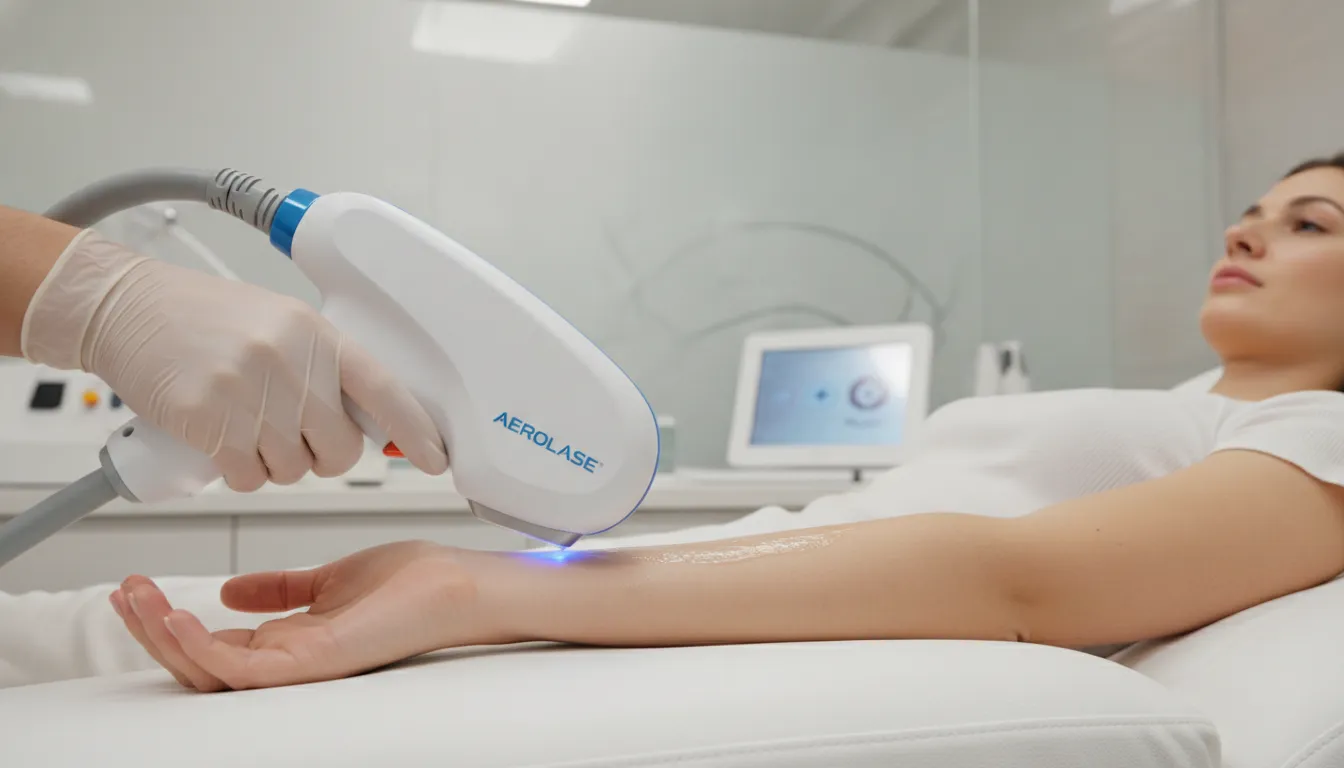
When you arrive for your laser hair removal appointment, your technician will make sure you’re comfortable and ready to go. They will start by cleaning the treatment area. Depending on the sensitivity of the area, a numbing gel might be applied, which usually takes about 30 to 60 minutes to take effect. For your safety, everyone in the room will wear protective eyewear. During the treatment, the technician will hold your skin taut and move the laser device over the area. Many people describe the sensation as a series of warm pinpricks or a rubber band snapping lightly against the skin. The whole process is relatively quick, though the exact time depends on the size of the area being treated.
How Long Does a Session Take?
The time you’ll spend in the treatment room really depends on the size of the area you’re targeting. A smaller spot, like your upper lip, can be done in just a few minutes—quicker than your morning coffee run. Medium-sized areas, such as your underarms or bikini line, typically take around 20 to 30 minutes per session. If you’re treating a larger area like your full legs or back, you can expect the appointment to last anywhere from 30 to 60 minutes. This efficiency is one of the best parts of modern laser hair removal; even a full-body session can often be completed in a little over an hour, making it easy to fit into your schedule.
Simple Aftercare for Healthy, Smooth Skin
After your session, your skin might look and feel like it has a mild sunburn. This is a normal reaction and usually subsides within a few hours to a day. To soothe any discomfort, you can apply a cool compress to the area. For the first 24 to 48 hours, it’s best to avoid anything that could irritate your skin further. This includes hot showers, saunas, swimming pools, and strenuous exercise that causes a lot of sweating. Most importantly, continue to protect your skin from the sun. Avoid direct sunlight and tanning beds, and be diligent about applying sunscreen to the treated area. Following these simple aftercare steps will help your skin heal quickly and ensure you get the best possible results from your treatment.
The First 48 Hours: Key Aftercare Tips
Your skin’s main job in the first two days after treatment is simply to heal. It’s normal for the area to feel sensitive and look a bit red, similar to a mild sunburn. You can ease any discomfort with cool compresses and by applying a gentle, fragrance-free moisturizer. The most important rule during this time is to avoid heat and friction. That means no hot showers, baths, saunas, or steam rooms. You should also skip strenuous workouts that lead to sweating and stay out of chlorinated pools. Think of it as giving your skin a little break to recover and prepare for the amazing results ahead. Proper aftercare is a crucial step in any skin rejuvenation process, ensuring you heal beautifully and safely.
Laser Hair Removal Myths vs. Reality
When you’re considering laser hair removal, it’s easy to get caught up in visions of perfectly smooth, hair-free skin. But it’s just as easy to get tripped up by myths about how long it takes to get there. Understanding the timeline is key to having a great experience, so let’s clear up a few common misconceptions. The process is a journey, not a single destination, and knowing what to expect will help you appreciate the amazing results as they unfold.
Myth: It’s a One-and-Done Fix
One of the biggest myths is that laser hair removal is a “one-and-done” deal. While the results are long-lasting, it’s more accurately described as permanent hair reduction. The treatment is incredibly effective at disabling hair follicles, but it doesn’t always eliminate every single hair forever. Hormonal changes, for example, can sometimes trigger new hair growth down the line. That’s why most people plan on occasional maintenance sessions to keep their skin consistently smooth. Think of it less like a single event and more like a long-term solution that makes daily shaving or monthly waxing a thing of the past.
Fact: Your Treatment Plan Is Unique to You
There is no magic number of sessions that works for everyone. Your journey is unique to you. Most people need between six and eight sessions to see a significant reduction in hair, but this can vary widely. Areas where hair growth is influenced by hormones, like the face or bikini line, might require a few more sessions to achieve the best results. Your specific hair color, hair thickness, and skin tone also play a big role in shaping your treatment schedule. A personalized treatment plan is designed to give you the most effective and efficient path to smooth skin.
Setting Realistic Goals for Long-Term Hair Reduction
Patience is your best friend during the laser hair removal process. Because the laser targets hair in its active growth phase, sessions need to be spaced out correctly, usually every four to six weeks. This timing is crucial for catching as many follicles as possible in the right stage. You’ll likely start seeing a difference after just a few appointments, with hair growing back finer and more slowly. The goal is to achieve a major reduction in hair, not 100% bareness overnight. By setting realistic expectations and sticking to your recommended schedule, you’ll be thrilled with the final outcome.
Is Laser Hair Removal the Right Choice for You?
Deciding on laser hair removal is a personal choice, and it’s important to know if it’s the right fit for your skin, hair, and goals. While the technology has come a long way, making it an option for more people than ever, a few factors can influence your results. The best way to get a definitive answer is to talk with a professional who can assess your specific needs. A free consultation is the perfect first step to creating a personalized treatment plan that works for you.
Who Is an Ideal Candidate for Laser?
Traditionally, the best results from laser hair removal were seen in people with light skin and dark, coarse hair. This is because the laser targets the melanin, or pigment, in the hair follicle. The strong contrast between dark hair and light skin makes it easier for the laser to find its target without affecting the surrounding skin. However, thanks to major advancements in laser technology, many more people can now be treated safely and effectively. Modern lasers can be adjusted to suit different skin tones, so don’t count yourself out if you don’t fit that classic profile.
How Laser Works on Different Hair and Skin Tones
Your unique combination of skin and hair color plays the biggest role in how well the treatment works. Because the laser needs pigment to do its job, it’s not effective on blonde, red, gray, or white hair. These hair colors simply don’t have enough melanin for the laser to lock onto. For those with darker skin tones, it’s crucial to use a specific type of laser, like the Nd:YAG 1064nm laser, which can bypass the pigment in the skin and focus solely on the hair follicle. This ensures a safe treatment that minimizes any risk of skin discoloration.
Advanced Laser Technology vs. IPL
You might have heard about IPL (Intense Pulsed Light) treatments and wondered how they compare to laser hair removal. While both use light to target hair, they work very differently. IPL uses a broad spectrum of scattered light, almost like a camera flash, which makes it less precise. Advanced laser technology, on the other hand, uses a single, concentrated wavelength of light that is specifically absorbed by the melanin in your hair follicles. This precision makes it a more effective tool for achieving significant, long-term hair reduction. Because the energy is so focused, trained technicians can also adjust the laser to safely treat a wider variety of skin tones, ensuring the treatment is both safe and effective by targeting the follicle without affecting the surrounding skin.
When to Explore Other Hair Removal Methods
It’s helpful to think of laser hair removal as “laser hair reduction.” While it can dramatically reduce unwanted hair, it doesn’t always guarantee 100% permanent removal for everyone. Most people see a significant, long-lasting reduction, but some fine or light hair might remain, and occasional touch-up sessions may be needed down the road. If you have a hormonal condition like PCOS, you might find that you need more initial sessions and more frequent maintenance. Setting realistic expectations is key to being happy with your results and your investment.
Related Articles
- Laser Hair Removal Before and After: What to Expect
- Virginia Beach Laser Hair Removal: A Complete Guide
- Laser Hair Removal Greenville SC: Cost & Top Clinics
- Laser Hair Removal Mesa AZ: Your 2025 Cost Guide
Frequently Asked Questions
What happens if I miss an appointment or need to reschedule? Life happens, and sometimes rescheduling is unavoidable. However, consistency is really important for getting the best results. Because the laser targets hair in a specific growth phase, your appointment schedule is timed to catch the most active follicles. If you miss a session or space your appointments too far apart, you might miss a key growth cycle, which could delay your results and potentially require more sessions overall. It’s best to stick to the plan as closely as possible, but if you must reschedule, let your technician know so they can advise you on the best time for your next appointment.
Will all my hair be gone forever after my sessions are complete? The goal of laser hair removal is permanent hair reduction, which means you can expect a significant, long-lasting decrease in hair. Most people see up to an 80% reduction in hair after completing their initial series of treatments. While many follicles will be permanently disabled, some may eventually produce a new hair, which is often much finer and lighter than before. This is why occasional maintenance sessions, maybe once or twice a year, are recommended to keep your skin consistently smooth.
Why can’t I get laser hair removal on my blonde, red, or gray hair? The technology works by targeting the pigment, or melanin, within the hair follicle. Dark hair has a lot of melanin, which gives the laser a clear target to focus on. Blonde, red, gray, and white hair lack this pigment, so the laser has nothing to lock onto. Without a target, the treatment simply isn’t effective on these lighter hair colors.
What does the treatment actually feel like? This is one of the most common questions, and the answer varies a bit from person to person and depends on the area being treated. Most people describe the sensation as a quick, warm snap, similar to a rubber band lightly flicking against the skin. The feeling only lasts for a moment as the laser pulses. Technicians work quickly, and many modern laser devices have built-in cooling mechanisms to keep your skin comfortable throughout the session.
I have a hormonal condition like PCOS. Will laser hair removal still work for me? Yes, laser hair removal can be a great option for managing unwanted hair growth caused by hormonal conditions like Polycystic Ovary Syndrome (PCOS). The treatment can effectively reduce existing hair. However, because these conditions can stimulate new hair follicles to grow over time, you may find that you need more initial sessions than average and require more frequent maintenance treatments to keep the new growth under control. It’s important to discuss your condition during your consultation so your technician can create a realistic and effective plan for you.