
Laser Hair Removal: A Guide to Getting Smooth Skin
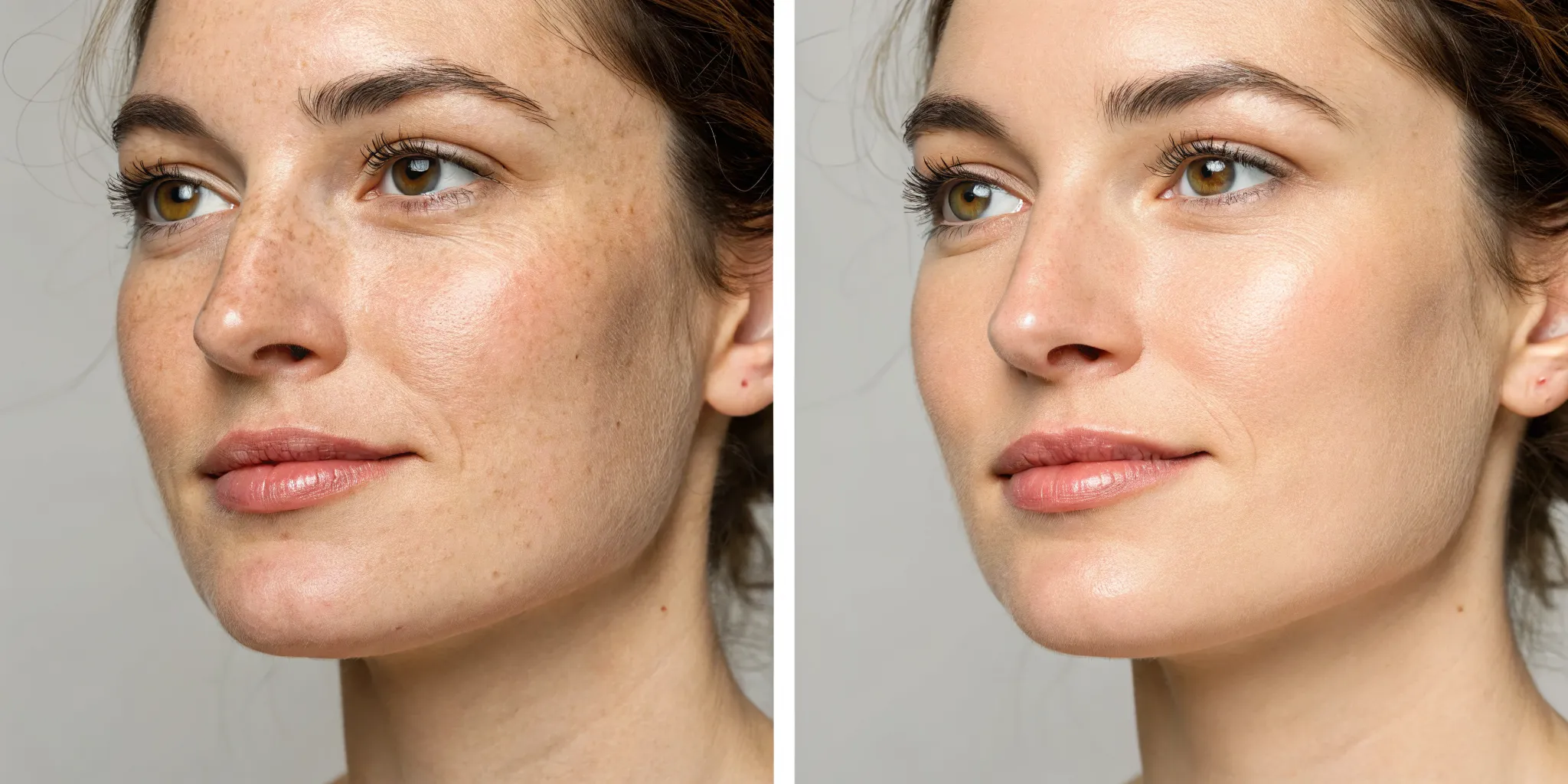
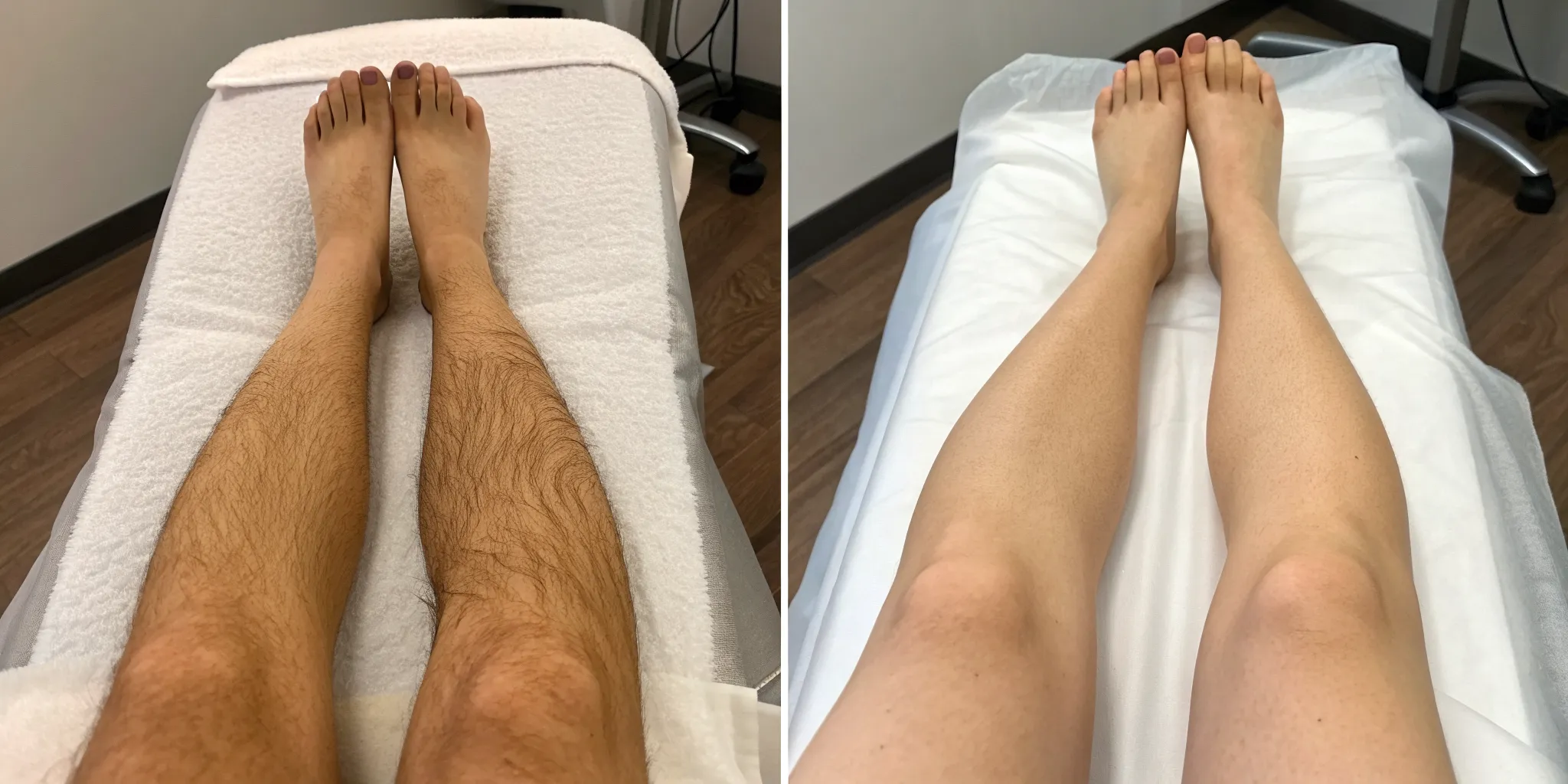
You’ve seen the incredible laser hair removal before and after photos. They promise more than just hair-free legs—they show off silky-smooth skin, a permanent end to razor burn, and a life free from constant upkeep. But what does it really take to get those results? This isn’t an instant fix. It’s a science-backed journey that requires a series of treatments tailored just for you. Here, we’ll break down the entire process, from how many sessions you’ll need to what you can expect along the way, so you can get that long-lasting smoothness you’re looking for.
Key Takeaways
- Commit to the Full Treatment Plan: Laser hair removal targets hair in its active growth phase, which is why you will need multiple sessions, typically seven to ten, to effectively treat every follicle and achieve the smoothest, most lasting results.
- Proper Prep and Aftercare are Non-Negotiable: Your results are directly impacted by how you care for your skin. Avoid sun exposure and waxing before your appointment, and protect your skin from heat and sun while using gentle products afterward.
- Expect Permanent Hair Reduction, Not Total Removal: The treatment is designed for a significant reduction in hair, not complete elimination forever. You can expect a 70% to 90% decrease, with any returning hair being much finer and lighter, and yearly touch-ups can maintain your results.
So, What Is Laser Hair Removal & How Does It Actually Work?
If you’re tired of the endless cycle of shaving, waxing, and plucking, you’ve probably considered a more lasting solution. That’s where laser hair removal comes in. Think of it as a high-tech way to press the pause button on hair growth, giving you smoother skin without the daily upkeep. The procedure uses a concentrated beam of light, or laser, to target unwanted hair right at the source. The science behind it is pretty straightforward: the laser is attracted to the dark pigment (melanin) in your hair. When the light hits the hair, it converts into heat, which then travels down to the hair follicle. This heat strategically damages the follicle, making it much harder for hair to grow back. Over a series of treatments, this process significantly slows down and reduces future hair growth. Our laser hair removal treatments are designed to give you that long-term smoothness, freeing you from the daily hassle of razors and wax strips. It’s a safe, FDA-cleared medical procedure that precisely targets hair without harming the surrounding skin, making it one of the most popular aesthetic treatments available.
How Lasers Pinpoint Unwanted Hair
The key to effective laser hair removal is timing. Your hair grows in different cycles, and the laser is most effective when the hair is in its active growth stage. Because not all of your hair is in the same stage at the same time, you’ll need multiple sessions to catch each follicle at the right moment. This is why consistency is so important for achieving the best results. After a treatment, the hair doesn’t vanish instantly. Instead, it will shed over the next few days to weeks. This can sometimes look like the hair is still growing, but it’s actually the follicle pushing the treated hair out. Patience is part of the process, and with each session, you’ll notice the hair growing back slower, finer, and much sparser.
The Technology Behind the Treatment
Not all lasers are created equal, and the technology has come a long way. The procedure uses a concentrated beam of light that is specifically attracted to the melanin, or pigment, in your hair. When the laser is activated, this light energy converts to heat, which travels down the hair shaft to the follicle. This heat damages the follicle, inhibiting its ability to produce new hair. At LightRx, we use advanced, FDA-cleared technology that can safely and effectively treat a wide variety of skin types and tones. This ensures the energy is absorbed by the hair and not the surrounding skin, which is key to getting those smooth, long-lasting results you see in before and after photos.
How Settings Are Customized for You
A successful laser hair removal journey is never a one-size-fits-all experience. It’s a highly personalized process that begins with a thorough consultation. During your initial visit, a trained technician will assess your skin tone, hair color, and hair thickness. This information is crucial for determining the exact settings on the laser device. The technician will carefully calibrate the laser’s wavelength and energy level to create a treatment plan that is both safe and effective for you. This customization ensures the laser is strong enough to target the hair follicles but gentle enough to protect your skin. This tailored approach is why professional treatments deliver superior results compared to at-home devices and is a critical step in your skin rejuvenation journey.
Is Laser Hair Removal Right for Your Skin & Hair Type?
You may have heard that laser hair removal works best on people with light skin and dark hair. Historically, this was true because the laser needs a clear contrast to effectively target the dark pigment in the hair follicle without affecting the skin. The bigger the difference between your skin color and hair color, the easier it was for the laser to do its job. However, technology has come a long way. Modern lasers are much more sophisticated and can now safely and effectively treat a wider range of skin tones and hair colors. During your free consultation, a specialist can assess your unique skin and hair type to determine the best approach for you, ensuring the treatment is both safe and successful.
Why Hair Color Matters
The effectiveness of laser hair removal really comes down to contrast. The laser works by targeting the pigment, or melanin, in your hair follicles. As the Mayo Clinic points out, the treatment is most successful when there’s a clear difference between your hair and skin color, like dark hair on light skin. Dark brown and black hair have a high concentration of melanin, which makes them an easy target for the laser’s energy. This energy is what damages the follicle and stops future growth. On the flip side, hair colors like blonde, gray, white, and red contain much less pigment, making it harder for the laser to “see” and treat them effectively. While technology is always improving, the amount of melanin in your hair is still a major factor in getting the best possible laser hair removal results.
Considering Underlying Health Conditions
It’s also important to know that laser hair removal treats the hair itself, not the underlying reason for its growth. For some people, excessive hair growth is connected to hormonal conditions. Polycystic ovary syndrome (PCOS), for example, can stimulate new hair growth even after you’ve started treatment. This means that while the laser can effectively remove the unwanted hair you have now, your body might continue to produce new hair because of the hormonal imbalance. As a result, you may need ongoing maintenance sessions to keep your skin smooth. This doesn’t mean the treatment isn’t working; it just highlights how your unique biology plays a role. Discussing your medical history during a free consultation is a key step in setting realistic expectations and creating a treatment plan that’s right for you.
Common Laser Hair Removal Myths, Busted
One of the biggest misconceptions about laser hair removal is that it’s a one-time, permanent fix. It’s more accurate to call it permanent hair reduction. While the results are very long-lasting, it doesn’t always mean every single hair will be gone forever. The treatment dramatically reduces the number of active hair follicles, and the ones that do grow back produce hair that is significantly thinner, lighter, and less noticeable. Many people find that after completing their initial series of treatments, they are hair-free for years. Some may need a touch-up session every year or so to maintain perfectly smooth skin. Ultimately, it’s a modern solution that helps you break up with your razor for good.
Choosing the Right Laser Hair Removal Provider
What to Look for in a Clinic
Okay, so you’re sold on the idea of silky-smooth skin, but where do you go? Finding the right provider is arguably the most important step in your laser hair removal journey. This isn’t like picking a new nail salon; it’s a medical aesthetic procedure that requires expertise and precision. You want to find a clinic that prioritizes your safety and is equipped to deliver the results you’re looking for. When you’re researching your options, focus on a few key areas: the qualifications of the staff, the quality of the technology they use, and their consultation process. A reputable clinic will be transparent about all of these things, ensuring you feel confident and informed before you even begin your first session.
The Importance of Medically Supervised Treatments
Let’s be direct: laser hair removal involves powerful technology, and you want it in the hands of a trained professional. This is why medical supervision is non-negotiable. The Mayo Clinic advises choosing a provider who is board-certified in a field like dermatology or cosmetic surgery, or at the very least, ensures the technician performing the treatment is properly trained and supervised. This level of oversight is critical for your safety. A medically supervised environment means the team understands skin and hair biology, can accurately assess your candidacy for the treatment, and knows how to manage any potential side effects. It’s the difference between a safe, effective procedure and a risky one. At LightRx, all our aesthetic treatments are FDA-cleared and performed by highly trained technicians, so you know you’re in capable hands.
How to Prep for Your Laser Hair Removal Appointment
Getting ready for your laser hair removal appointment is straightforward, but a little prep work goes a long way in making sure you get the best possible results. Following these steps helps ensure your treatment is safe, comfortable, and effective. Think of it as setting the stage for smoother skin. It all starts with a few simple dos and don’ts before you even walk into the treatment room.
Your Simple Pre-Treatment Checklist
Your journey to smoother skin should always begin with a professional consultation. This initial meeting is essential for creating a treatment plan that’s tailored specifically to you. During your chat, a specialist will review your health history, discuss your goals, and determine if laser hair removal is the right fit for your skin and hair type. It’s also the perfect opportunity for you to ask any questions you have. A good provider will make sure you feel completely comfortable and informed before moving forward, ensuring your treatment is both safe and effective from the very start.
What to Stop Doing Before Your Appointment
For about six weeks leading up to your appointment, it’s important to avoid sun exposure and all forms of tanning, including tanning beds and self-tanning lotions. Laser hair removal works best when there’s a strong contrast between your skin and hair color, and tanned skin can increase the risk of discoloration. You’ll also need to stop waxing, tweezing, or using any hair removal methods that pull the hair out from the root. The laser needs to target the pigment in the hair follicle, so the root must be present for the treatment to work. Sticking to shaving is the way to go.
Medications to Pause Before Treatment
Certain medications can make your skin more sensitive to light, so it’s important to review what you’re taking with your treatment specialist. You may need to temporarily stop using blood-thinning medicines, like aspirin, before your procedure to reduce the risk of bruising. However, you should never stop taking a prescribed medication without talking to your doctor first. During your initial consultation, be sure to share your complete medical history and a list of any medications or supplements you use. This transparency allows your specialist to ensure your treatment is as safe and effective as possible, and they can coordinate with your doctor to create a plan that works for you.
Skincare Products to Avoid
To get your skin ready for laser treatment, you’ll want to simplify your skincare routine. For about two weeks before your appointment, it’s best to stop using products that contain strong active ingredients like glycolic acid, salicylic acid, and retinoids. These ingredients can increase skin sensitivity and raise the risk of irritation from the laser. Instead, switch to a gentle cleanser and a simple moisturizer in the days leading up to your session. This helps ensure your skin is calm and prepared, allowing the laser to work effectively without causing unnecessary redness or discomfort. Taking a short break from these products is a small step that makes a big difference in your comfort and your final results.
Shaving & Skincare Prep: Getting It Right
Shaving the treatment area 24 to 48 hours before your session is a crucial step. This trims the hair down to the surface, allowing the laser to focus its energy directly on the hair follicle beneath the skin instead of singing the hair above it. On the day of your appointment, make sure the area is completely clean. Avoid applying any lotions, creams, deodorants, or makeup to the skin that will be treated. Arriving with clean, bare skin ensures the laser can work effectively and helps prevent any potential irritation. Proper skin care is a key part of many aesthetic services.
What to Expect During Your Consultation
Your consultation is a personalized planning session. A specialist will sit down with you to discuss everything from your medical history to your desired results. They will assess your skin and hair to confirm you’re a good candidate and may even perform a small patch test to see how your skin reacts. This is your time to get clear on what to expect, including the number of sessions you’ll likely need and the total cost. At LightRx, we use this time to build a custom treatment plan just for you, ensuring your path to smooth skin is clear and predictable.
Reviewing Your Medical History
This part of your consultation is more than just paperwork; it’s a crucial step in tailoring the treatment to you. A specialist will sit down with you to go over your health history, any medications you’re taking, and any skin conditions you might have. This conversation is vital because certain factors, like hormonal imbalances or medications that cause photosensitivity, can affect your results and safety. Being open and thorough here allows your provider to create a plan that is not only effective but also perfectly safe for your body. It’s all part of a comprehensive approach to ensure our aesthetic treatments align with your personal health and wellness goals.
The Purpose of a Patch Test
Think of the patch test as a dress rehearsal for your skin. Before committing to a full session, the specialist will apply the laser to a small, discreet patch of skin in the treatment area. This quick test serves two important purposes. First, it allows them to see exactly how your skin and hair react to the laser, helping to confirm you’re a good candidate. Second, it helps them fine-tune the laser’s settings to the perfect level for your specific skin tone and hair color. This simple step minimizes risk and ensures your full laser hair removal treatment will be as safe and effective as possible.
Your Appointment Day: What Happens During & After
Knowing what to expect can make your laser hair removal experience feel much more comfortable and straightforward. From the moment you lie back in the treatment chair to the weeks following your session, here’s a clear breakdown of the process and the results you can anticipate.
A Look Inside Your Laser Hair Removal Appointment
Once you’re settled in the treatment room, your technician will give you protective eyewear and make sure you’re comfortable. They will then use a small, handheld laser device, moving it methodically over the targeted area. Many people describe the sensation as a quick, warm snap, similar to a rubber band against the skin. The length of your appointment depends entirely on the size of the area being treated; an upper lip might take just a few minutes, while full legs will take longer. Remember, laser hair removal is a process. You’ll need several treatments to catch each hair in its active growth phase, and you may need occasional maintenance sessions down the road to keep your skin smooth.
Prepping the Skin with Numbing Cream and Cooling Gel
Your comfort is a top priority during any treatment. To make your laser hair removal session as pleasant as possible, your technician will prep your skin with a couple of key steps. For sensitive areas, a topical numbing cream can be applied about 30 to 40 minutes before the treatment starts, which helps take the edge off the laser’s warm, snapping sensation. Right before the laser is used, a cool gel is smoothed over the treatment area. This gel serves two important purposes: it keeps your skin cool and calm under the laser’s energy, and it helps the handheld device glide smoothly across your skin. These simple but effective steps are standard practice to ensure you feel relaxed and comfortable from start to finish.
How Your Skin Will Look & Feel Right After
Right after your treatment, it’s completely normal for your skin to show some mild redness and swelling. Think of it as looking and feeling like a slight sunburn. This reaction is a good sign, as it shows the hair follicles have responded to the laser energy. For most people, this sensitivity subsides within a few hours, though it can sometimes last for a day or two. You can gently apply a cool compress or ice pack to the area to help soothe any discomfort and reduce swelling. This temporary reaction is a small step on the path to smoother skin, and our team is always here to guide you through your skin rejuvenation journey.
Soothing Your Skin: How to Handle Side Effects
Proper aftercare is key to getting the best results and keeping your skin happy. In the first 24 to 48 hours, treat your skin gently. Avoid hot showers, saunas, steam rooms, and strenuous exercise that causes heavy sweating. Instead, cleanse the area with a mild soap and lukewarm water, patting it dry instead of rubbing. If your skin feels a little tender, you can apply a soothing, unscented lotion or pure aloe vera gel. It’s also a good idea to wear loose, soft clothing over the treated area to prevent any friction or irritation. Following these simple steps will help your skin heal quickly and effectively after any of our aesthetic services.
When Will You Start Seeing Results?
Patience is important when it comes to seeing your final results. Your hair won’t fall out immediately during the treatment. Instead, the treated hairs will begin to shed over the next several days to weeks. It might even look like new hair growth at first, but this is just the follicle pushing the hair out. With each session, you’ll notice the hair that grows back is finer, lighter, and much less dense. After you complete your full treatment plan, you can expect a significant reduction in hair. Many people enjoy smooth, hair-free skin for years before any potential touch-ups are needed, making it a fantastic long-term solution similar to other treatments like dermal fillers.
Potential Risks and Side Effects of Laser Hair Removal
It’s completely normal to have some questions about what happens after your treatment. While laser hair removal is a safe, FDA-cleared medical procedure, it’s smart to be aware of the potential side effects. The good news is that the most common reactions are mild and temporary. Think of them as your skin’s way of saying, “Okay, the laser did its job!” Choosing a reputable provider who performs a thorough consultation is the best way to minimize risks and ensure a smooth experience from start to finish.
Common, Mild Reactions
You can expect some redness, slight swelling, and a bit of discomfort in the treated area, much like a mild sunburn. This is a sign that the hair follicles have responded to the laser’s energy. These effects typically fade within a few hours to a couple of days, and you can easily manage them with a cool compress or a soothing, gentle lotion. This immediate response is a normal part of the process and indicates that the treatment is working as intended to reduce future hair growth.
Less Common Side Effects to Be Aware Of
Beyond the typical redness and swelling, there are a few other side effects that can occur, though they are much less common. These reactions often depend on your skin type, hair color, and how closely you follow pre- and post-treatment care instructions. Being informed about these possibilities helps you know what to watch for and reinforces why professional guidance is so important. At LightRx, our specialists are trained to assess your skin and customize the treatment to minimize these risks, ensuring your safety and comfort are the top priorities throughout your journey.
Changes in Skin Color and Texture
In some cases, the laser can affect the melanin in your skin, not just your hair. This can lead to the treated skin becoming slightly darker (hyperpigmentation) or lighter (hypopigmentation). These changes are usually temporary and fade over time, but they can sometimes be more persistent. This is one of the main reasons why avoiding sun exposure before and after your treatment is so critical. Tanned skin makes it harder for the laser to distinguish between skin and hair pigment, increasing this risk. Following your aftercare plan helps your skin heal properly and is a key part of any successful skin rejuvenation process.
Rare Risks: Burns, Scarring, and Increased Hair Growth
While extremely rare, more significant side effects like blistering, crusting, or scarring can happen. These risks are significantly higher when the procedure is performed by an inexperienced technician or with improper equipment. This is why it’s essential to choose a medically supervised facility where treatments are handled by certified professionals. Another very uncommon side effect is called paradoxical hypertrichosis, where hair in the treated or surrounding area grows back thicker and darker. A thorough consultation helps determine if you are a good candidate for laser hair removal and ensures the correct settings are used for your specific skin and hair type, making these rare risks even less likely.
How Many Laser Hair Removal Sessions Will You Need?
One of the most common questions about laser hair removal is, “How many treatments will it take?” While it would be amazing to get perfectly smooth skin after just one visit, the reality is that it’s a process. For most people, achieving the best results requires a series of appointments. Think of it as a commitment that pays off in the long run with silky, hair-free skin.
Generally, you can expect to need between seven and ten sessions to see optimal results. This number isn’t random; it’s based on the science of how your hair grows. Each session builds on the last, gradually reducing hair growth until the treated area is smooth. Your technician will work with you to create a personalized treatment plan during your consultation, ensuring you get the best outcome for your specific needs.
Why Your Hair’s Growth Cycle Is Key
The secret to effective laser hair removal lies in understanding your hair’s growth cycle. Every hair on your body goes through different phases, but the laser is only effective during one of them: the anagen, or new-growth, phase. During this stage, the hair is actively growing and firmly attached to its follicle, allowing the laser’s energy to travel down the hair shaft and effectively disable the follicle.
Because only a fraction of your hair is in the anagen phase at any given time, multiple sessions are essential. Spacing your appointments several weeks apart allows time for the next set of hairs to enter the growth phase. This strategic timing ensures that each laser hair removal session targets a new batch of active follicles for the most thorough and lasting results.
Factors That Determine Your Treatment Plan
Your laser hair removal plan isn’t a one-size-fits-all prescription. Several personal factors influence how many sessions you’ll need to achieve your goals. The most significant variables include your hair color, skin type, and the specific area you’re treating. For example, coarse, dark hair on light skin tends to respond more quickly than fine, lighter hair.
Hormonal areas, like the face or bikini line, might also require more sessions than areas like the legs or underarms. During your free consultation, a specialist will assess these factors to give you a realistic estimate of your treatment timeline. This personalized approach ensures your treatment plan is tailored perfectly to you.
A Realistic Timeline for Smooth Skin
Patience is key when it comes to seeing your final laser hair removal results. While you won’t walk out of your first appointment completely hair-free, you will see changes soon after. Typically, you can expect the treated hairs to start shedding about one to three weeks after your session. It’s important to know that this shedding can sometimes look like new hair growth, but don’t worry, it’s a sign the treatment is working.
With each subsequent session, you’ll notice fewer and fewer hairs growing back, and the ones that do will likely be finer and lighter. This gradual reduction is exactly what you want to see. Following your recommended treatment schedule is the best way to get the results you want and achieve lasting smoothness.
How Treatment Intervals Vary by Body Area
Your treatment schedule isn’t just a series of random dates on a calendar; it’s strategically designed to match the unique hair growth cycles on different parts of your body. Think about it—the hair on your face grows much faster than the hair on your legs. That’s why your appointments for facial areas will be closer together, usually every four to six weeks. For areas like the underarms or bikini line, we’ll typically space them six to eight weeks apart. And for larger areas with slower growth, like your arms and legs, you might only need a session every ten to twelve weeks. Following this customized timeline is crucial for targeting each follicle at just the right moment, ensuring you get the most effective and long-lasting reduction possible.
What Kind of Results Can You Realistically Expect?
It’s exciting to think about the final outcome of your laser hair removal journey. While everyone’s experience is unique, the goal is always the same: smoother skin and a permanent reduction in unwanted hair. The transformation doesn’t happen overnight, but with each session, you’ll notice a significant change. Let’s break down what you can realistically expect to see in the mirror, from your first treatment to your long-term results.
The Before & After: Spotting the Difference
Before you start, your reality probably involves thick, coarse hair and the endless cycle of shaving or waxing. You might also be dealing with frustrating ingrown hairs or razor bumps. After your initial laser hair removal session, your skin may look a little red or feel sensitive for a day or two, which is completely normal. The real magic starts about one to two weeks later when the treated hairs begin to shed. After completing your treatment plan, you’ll see a dramatic reduction in hair density. Any hair that does grow back will be much thinner, lighter, and far less noticeable, leaving your skin looking and feeling smoother than ever.
How Your Hair Will Change After Each Session
One of the most significant results is the change in hair density. Most people experience a 70% to 90% reduction in hair in the treated area after completing their full series of sessions. This means you can finally say goodbye to dense, dark stubble. The hair that remains is typically much finer and softer, making it far less visible. This reduction also means you’ll have fewer ingrown hairs, a common and often painful side effect of traditional hair removal methods. The overall effect is clearer, smoother skin that feels great and simplifies your daily routine. Our goal is to provide a range of services that help you feel confident in your skin.
The Goal: Getting That Smooth, Soft Skin
Beyond just removing hair, laser treatments transform the texture of your skin. Without constant shaving or waxing, your skin is free from the irritation, nicks, and razor burn that can cause redness and bumps. After your sessions, the treated area will feel incredibly smooth and soft to the touch. The absence of hair follicles casting a dark shadow under the skin, often called “five o’clock shadow,” also gives your skin a clearer, more even-toned appearance. This is a key part of the overall skin rejuvenation process, as it leaves your skin looking healthy and polished without the need for daily upkeep.
Making Your Results Last: Long-Term Care
Laser hair removal offers long-lasting results, but it’s best to think of it as a permanent hair reduction, not total removal forever. After your initial series of treatments, you can expect your smooth, hair-free skin to last for several months or even years. Hormonal changes or individual hair growth patterns might cause a few fine hairs to appear over time. To keep your skin looking its best, a touch-up session once or twice a year is often recommended. These maintenance appointments are quick and ensure your results remain consistent. Our membership options make it easy to plan for long-term care and keep your skin smooth year-round.
Caring For Your Skin After Laser Hair Removal
You’ve completed your session, and you’re one step closer to smoother skin. What you do after your appointment is just as important as how you prepare. Following a solid aftercare routine helps you achieve the best outcome from your treatment while keeping your skin healthy and calm. Think of it as the final, crucial step in your journey. Proper care minimizes irritation, prevents complications, and ensures you get the lasting, silky-smooth results you want. Here’s a straightforward guide to taking care of your skin after your laser hair removal session.
Your Simple Post-Treatment Checklist
It’s completely normal for your skin to show some redness and swelling for one to three days after your appointment, similar to a mild sunburn. To soothe any discomfort, you can apply aloe vera gel or a gentle cooling cream to the treated area. Don’t expect the hair to disappear instantly. The targeted hair follicles will shed the hair gradually over a few weeks. You might notice some patchy regrowth between appointments, which is also normal. Your next session will target the hairs that were in a different growth phase, leading you closer to your final result.
Using Hydrocortisone Cream for Swelling
If you find that the redness and swelling are sticking around a bit longer than you’d like, you might wonder about other options. A low-strength, over-the-counter hydrocortisone cream can be helpful in these situations. It works by calming inflammation, which can reduce both the swelling and any itchiness you might be feeling. However, it’s not something you should reach for without guidance. Before applying any medicated cream, it’s always a smart move to check in with your treatment specialist. They can confirm if it’s the right choice for your skin and provide specific instructions to ensure you’re supporting your skin’s healing process after your laser hair removal treatment.
Sun, Saunas & Sweat: What to Avoid Post-Treatment
Your skin is extra sensitive after a laser treatment, so protecting it is a top priority. You’ll need to stay out of direct sunlight and avoid tanning beds for at least six weeks after your session. When you are outside, make it a habit to apply a broad-spectrum sunscreen with at least SPF 30 to the treated areas. For the first 24 hours, it’s also best to avoid activities that generate a lot of heat. This includes taking hot showers or baths, visiting a sauna or steam room, and engaging in strenuous exercise. Keeping your skin cool helps prevent potential irritation or discoloration.
Your Post-Treatment Skincare: The Dos & Don’ts
When it comes to your skincare routine, simple and soothing is the way to go. Stick with gentle, unscented lotions or aloe vera gel to keep your skin calm and hydrated. For up to a week after your treatment, you should avoid any harsh or exfoliating products. That means pausing your use of retinoids, alpha-hydroxy acids (AHAs), and beta-hydroxy acids (BHAs). Instead, use a mild cleanser and a basic moisturizer. Your specialist can always provide personalized recommendations that work well with your laser hair removal treatment plan.
When to Call Your Specialist
We are here to support you every step of the way. While mild side effects like redness and irritation are common and typically fade on their own within a few days, we want you to feel confident and comfortable throughout your treatment process. If you have any questions or if something doesn’t feel right, please don’t hesitate to call your LightRx specialist. No question is too small, and our team is always ready to provide guidance. We will review all aftercare instructions with you during your consultation to ensure you know exactly what to expect.
Related Articles
- Laser Hair Removal Mesa AZ: Your 2025 Cost Guide
- The Ultimate Guide to Brazilian Laser Hair Removal
- Virginia Beach Laser Hair Removal: A Complete Guide
- Laser Hair Removal Orland Park: A Complete Guide
Frequently Asked Questions
Is laser hair removal really permanent? It’s best to think of it as permanent hair reduction. After you complete your series of treatments, you can expect a dramatic decrease in hair, with many people enjoying smooth skin for years. The treatment disables the hair follicles, but hormones and your body’s natural processes can sometimes cause new, finer hairs to appear over time. That’s why a quick touch-up session once a year or so is often recommended to maintain those perfectly smooth results.
I’m worried about the pain. Does laser hair removal hurt? Most people describe the feeling as a quick snap, like a rubber band hitting the skin. While everyone’s tolerance for discomfort is different, the sensation is very brief and most clients find it quite manageable. The technology is designed to be as comfortable as possible, and your technician will ensure you’re at ease. Any mild redness or sensitivity afterward usually fades within a few hours, and a cool compress can help soothe the skin.
Why is it so important to only shave, not wax or pluck, before my treatment? This is a crucial step for getting great results. The laser works by sending light energy down the hair shaft to the root, or follicle, which is located beneath the skin’s surface. Waxing and plucking pull the entire hair out, including the root. If the root isn’t there, the laser has nothing to target, and the treatment for that specific follicle won’t be effective. Shaving leaves the root intact, giving the laser a clear path to do its job.
I have a darker skin tone. Will laser hair removal still work for me? Absolutely. While older laser technology worked best with high contrast (light skin and dark hair), modern advancements have made the treatment safe and effective for a much wider range of skin tones. Today’s lasers are more sophisticated and can precisely target the hair follicle without affecting the surrounding skin pigment. The best way to know for sure is to come in for a free consultation, where a specialist can assess your specific skin and hair type and create a safe treatment plan for you.
How much time should I plan between my laser hair removal sessions? Typically, appointments are scheduled about four to six weeks apart. This timing isn’t arbitrary; it’s strategically planned to align with your hair’s natural growth cycle. Your hair grows in different phases, and the laser is most effective during the active growth stage. Spacing out your sessions allows time for the next group of dormant hairs to enter this active phase, ensuring we can target as many follicles as possible over the course of your treatment plan for the most thorough results.
Understanding the Cost of Laser Hair Removal
Let’s talk about one of the most practical questions on everyone’s mind: what is the investment for laser hair removal? While the promise of smooth, hair-free skin is exciting, it’s important to have a clear picture of the costs involved. The price isn’t a simple, one-size-fits-all number; it’s tailored to your individual needs, much like the treatment itself. Several key factors come into play, from the size of the area you want to treat to the number of sessions required to achieve your desired results. Understanding these variables will help you see the full value of the treatment and plan accordingly for your journey to smoother skin.
Average Cost Per Session
To give you a general idea, studies have shown that the average cost of a laser hair removal session is around $389. However, it’s best to view this number as a starting point rather than a fixed price. The cost can fluctuate significantly based on where you live and the specifics of your treatment plan. A small area like the upper lip will naturally cost less per session than a larger area like the full legs or back. The best way to get an accurate and personalized quote is to schedule a free consultation, where a specialist can assess your needs and outline a complete plan for you.
Factors That Influence the Price
The final cost of your laser hair removal journey depends on a few key elements. The size of the treatment area is the most obvious factor—larger areas require more time and resources. The number of sessions you need also plays a big role; most people require a series of treatments to effectively target every hair follicle in its growth phase. Your unique hair and skin type can influence this number as well. Finally, the expertise of the provider matters. At LightRx, your treatment is part of a personalized plan designed by specialists using FDA-cleared technology, ensuring you get safe and effective body contouring and hair removal results.
Does Insurance Cover Laser Hair Removal?
In most cases, laser hair removal is considered a cosmetic procedure, which means it is typically not covered by health insurance. Insurance plans are designed to cover medical necessities, and since removing unwanted hair is usually done for aesthetic reasons, it falls outside of that scope. There can be rare exceptions if the hair growth is a symptom of a documented medical condition, but this is not common. It’s always a good idea to check with your insurance provider directly, but you should generally plan for the treatment to be an out-of-pocket investment in yourself.
Laser Hair Removal vs. Other Methods
With so many hair removal options available, from traditional shaving and waxing to other clinical treatments, it’s helpful to see how laser hair removal stacks up. It stands out by offering a long-term reduction in hair growth, saving you countless hours and dollars over time compared to temporary methods. Unlike shaving, it helps eliminate razor burn and ingrown hairs, and it’s far less repetitive than waxing. When compared to other permanent solutions, it offers a unique balance of efficiency, comfort, and lasting results, making it a preferred choice for many seeking smooth, carefree skin.
Comparing Laser Hair Removal and Electrolysis
Electrolysis is another professional method that offers permanent hair removal, but it works very differently. It uses a fine probe to send an electric current directly into each individual hair follicle. While it is effective for all hair and skin colors, this follicle-by-follicle approach makes it a very slow and meticulous process. Because of this, electrolysis is often best suited for very small areas, like stray hairs on the face. For larger areas like the legs, back, or bikini line, laser hair removal is much more efficient, treating many follicles with each pulse of light and making the overall process faster.
A Note on At-Home Laser Devices
You’ve probably seen at-home laser hair removal devices advertised online, and it’s tempting to consider a DIY approach. However, it’s crucial to understand the difference. These at-home gadgets are classified as cosmetic tools, not medical devices, so they aren’t held to the same rigorous safety and effectiveness standards as professional equipment. They operate at much lower energy levels, which means they are far less powerful and typically deliver less noticeable or lasting results. For a safe treatment that provides significant, long-term hair reduction, choosing a professional medspa that uses FDA-cleared technology is always the best path forward.