

Laser Hair Removal How It Works: What to Expect
“Is it permanent?” “Does it hurt?” “How many sessions will I need?” These are the questions on everyone’s mind when they consider laser hair removal. Getting clear, honest answers is essential before you commit. The truth is, the answers to all these questions are rooted in understanding ‘laser hair removal how it works.’ The procedure uses targeted heat to damage hair follicles, which explains why multiple sessions are needed and what the sensation feels like. In this guide, we’ll tackle all your biggest questions and walk you through the entire process, so you can feel completely prepared and excited for your journey.
Key Takeaways
- It Works by Targeting the Hair Follicle: The laser uses light to create heat that damages the hair follicle, which is what stops or slows regrowth. You’ll need several sessions because hair grows in cycles, and this ensures every follicle is treated during its active phase for the best results.
- The Goal Is Permanent Hair Reduction: While the results are incredibly long-lasting, the treatment is designed to permanently reduce the amount of hair, not remove every single one forever. Any hair that does regrow is typically much finer and lighter, and yearly touch-ups can maintain your smooth skin.
- Aftercare Is Essential for Your Results: How you care for your skin before and after treatment directly impacts your outcome. Avoid sun exposure and waxing beforehand, and use sunscreen and gentle products afterward to protect your skin and ensure a safe, effective process.
What Is Laser Hair Removal?
If you’re tired of the endless cycle of shaving, waxing, and plucking, you’ve probably wondered about a more lasting solution. That’s where laser hair removal comes in. It’s a medical procedure that uses a concentrated beam of light, or a laser, to target and remove unwanted hair. The light is absorbed by the pigment in your hair, which converts to heat and damages the hair follicle. This process inhibits or delays future hair growth, giving you smoother skin for much longer than other methods.
Unlike shaving that just cuts hair at the surface or waxing that temporarily pulls it from the root, laser hair removal gets to the source of the problem. It’s a popular and effective way to achieve significant, long-term hair reduction. While it’s not always permanent, many people experience a dramatic decrease in hair growth that lasts for years. The treatments are precise, quick, and can be tailored to your specific skin and hair type. It’s a fantastic option for anyone looking to simplify their routine and feel confident in their skin without the daily hassle of hair removal.
How It Compares to Shaving and Waxing
Let’s be honest, shaving is a chore that offers a day or two of smoothness before stubble returns. Waxing gives you a few weeks of hair-free skin, but it comes with significant pain and the risk of pesky ingrown hairs. Laser hair removal is a completely different approach. Instead of just removing the hair, it damages the follicle responsible for growing it. The laser’s light targets the dark pigment in the hair root, creating heat that disrupts the follicle’s ability to produce new hair. This means you’ll see a major reduction in hair growth over time, and the hair that does grow back is often finer and lighter. It’s a clear winner for long-term results.
Popular Treatment Areas
One of the best things about laser hair removal is its versatility. You can safely treat unwanted hair on almost any part of your body. Some of the most popular treatment areas for women include the underarms, bikini line, legs, and upper lip. Many people also choose to treat their arms or chin. For men, common areas include the back, chest, and shoulders. Because the laser can target specific spots with precision, it’s perfect for both small areas like the space between your eyebrows and larger areas like your full legs. Our team can help you create a plan that covers all the services you need to feel your best.
How Does Laser Hair Removal Work?
If you’ve ever wondered about the magic behind laser hair removal, it’s actually a fascinating blend of science and technology. The process is much more sophisticated than shaving or waxing because it tackles unwanted hair at the source. Instead of just removing the hair that’s visible, laser hair removal uses focused light to damage the follicle where the hair grows from. This approach is what leads to long-term smoothness and a significant reduction in hair growth over time. It’s a precise method designed to give you lasting results, making it one of the most popular aesthetic treatments available.
The Science of Targeting Hair Follicles
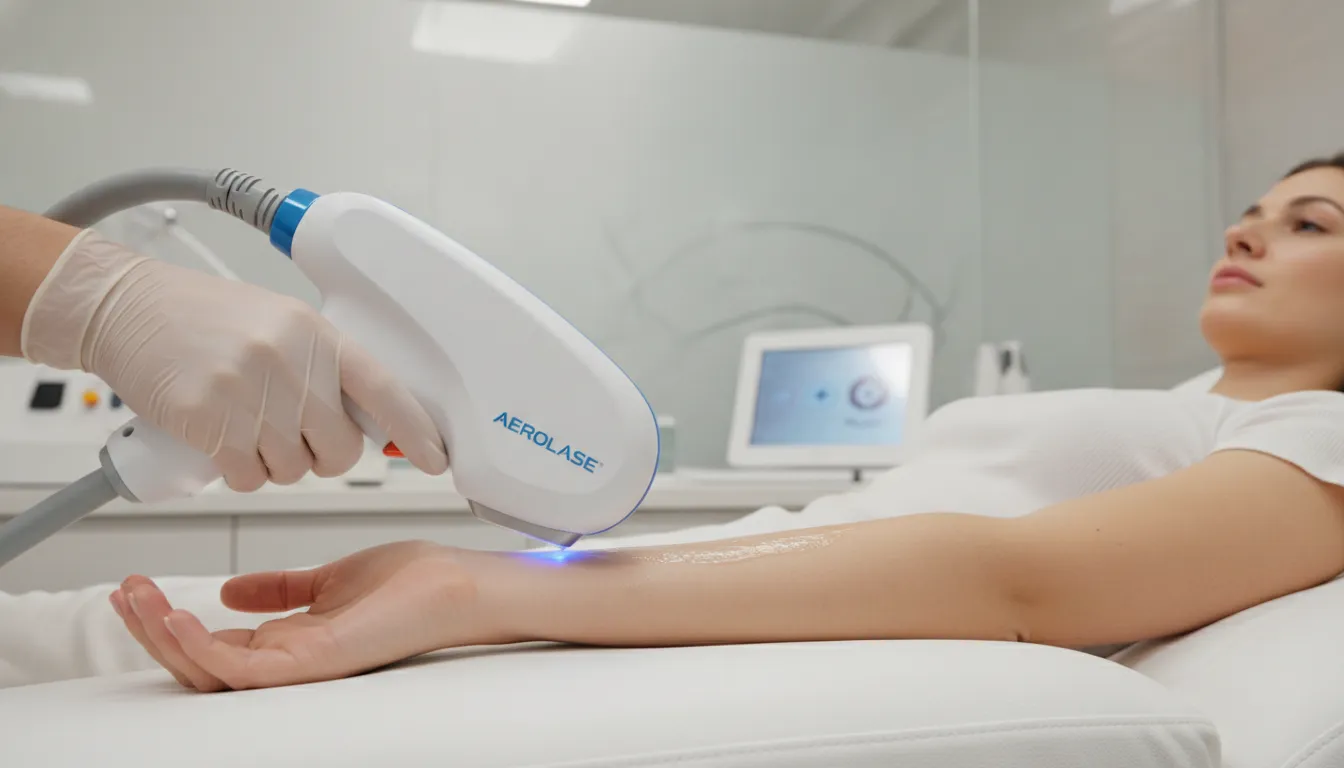
At its core, laser hair removal works by targeting the pigment, or melanin, in your hair. Think of the laser as being programmed to seek out dark colors. When the concentrated beam of light is applied to your skin, it’s immediately absorbed by the melanin in the hair shaft. This is why the treatment is so precise; the light energy bypasses the surrounding skin and goes straight for the hair. This targeted approach allows the device to focus its energy exactly where it’s needed, which is deep inside the hair follicle, without affecting the nearby tissue.
Using Heat to Prevent Regrowth
Once the laser’s light is absorbed by the hair’s pigment, it converts into heat. This heat travels down the hair shaft to the base of the follicle, which is responsible for producing new hair. The thermal energy carefully damages the follicle, impairing its ability to grow hair in the future. This process is known in the medical world as selective photothermolysis, which is a technical way of saying it uses light (photo) and heat (thermo) to destroy (lysis) a specific target. It’s this controlled damage that stops or significantly slows down regrowth, leading to the smooth skin you’re looking for. Our advanced services use this same principle of targeted energy for a variety of treatments.
Why Multiple Sessions Are Key
You might wonder why you can’t just get one treatment and be done. The reason is that your hair grows in cycles, and the laser is only effective during the active growth phase, known as the anagen phase. At any given time, only a fraction of your hair is in this stage. The other hairs are either resting or transitioning. To catch every hair in its active growth phase, you need a series of treatments spaced several weeks apart. This timing ensures that as new hairs enter the anagen phase, we can treat them effectively. Most people achieve their desired results after about six to eight sessions.
Is Laser Hair Removal Really Permanent?
This is probably the number one question on your mind, and the honest answer is a little more nuanced than a simple yes or no. While laser hair removal can create incredible, long-lasting results, the industry standard and FDA-approved term is “permanent hair reduction,” not “permanent hair removal.” It’s a small but important distinction.
The goal of laser hair removal is to significantly reduce the number of hairs in a treated area, leaving your skin smoother for much longer than shaving or waxing ever could. For many people, the results feel permanent because the regrowth is so minimal and fine that it’s barely noticeable. Think of it less as a magic wand that makes every single hair vanish forever, and more as a highly effective way to get off the endless treadmill of shaving and waxing. Over the course of your treatments, you’ll see a dramatic decrease in hair, leading to that smooth, carefree skin you’re looking for.
Understanding “Permanent” Hair Reduction
So, what does “permanent hair reduction” actually mean? It means that after a full series of treatments, you can expect a substantial and lasting decrease in hair growth. The process works by sending a concentrated beam of light into the hair follicle. The pigment, or melanin, in your hair absorbs this light, which then converts to heat. This heat damages the follicle, making it unable to produce new hair.
Because hair grows in cycles, not every follicle is active at the same time. That’s why multiple sessions are necessary to catch each hair in its growth phase. While many follicles are successfully disabled for good, some may eventually recover or new ones can become active due to hormonal changes.
What to Expect from Hair Regrowth Over Time
Most people see a huge reduction in hair after their initial set of treatments. The best part is that any hair that does eventually grow back is usually much finer, lighter, and far less noticeable than before. Many of our clients find they can completely ditch their daily shaving routine and stop worrying about stubble or irritation. It’s a game-changer for feeling confident in your skin.
While some people enjoy smooth, hair-free skin for years, others might need a touch-up session every year or so to maintain their results. According to the Mayo Clinic, most people need a series of treatments to achieve optimal hair reduction. We’ll work with you to create a personalized plan that gets you the best possible outcome.
Is Laser Hair Removal Right for You?
Thinking about laser hair removal is exciting, but it’s smart to figure out if it’s the best fit for your goals, skin, and hair. While the technology has come a long way, a few factors can influence your results. Making an informed choice is the first step toward feeling confident and happy with your outcome. The best way to know for sure is to talk with a professional during a free consultation, but doing your own research first is empowering. It helps you ask the right questions and understand the process on a deeper level. To help you get started, we’ll walk through some of the most important things to consider. We’ll cover how your skin and hair type play a role, important health factors to be aware of, and clear up some common myths about who makes a good candidate for the treatment.
How Skin Tone and Hair Color Factor In
Traditionally, laser hair removal works best when there’s a strong contrast between your skin and hair color, like dark hair on light skin. This is because the laser is designed to target the pigment, or melanin, in the hair follicle. The contrast helps the laser focus its energy on the hair without affecting the surrounding skin. However, technology has advanced significantly. Modern lasers are now much more effective and can safely treat a wider range of skin tones. While it’s still true that very light hair (blonde, gray, or red) can be trickier to treat because it lacks pigment, a consultation with an expert can determine the right approach for you.
Health Considerations to Keep in Mind
Your overall health is an important part of the conversation. Because this is a medical aesthetic treatment, you should always disclose your full health history during your consultation. Be sure to mention if you are pregnant, have a history of keloid scarring, or have active infections or skin conditions in the area you want to treat. Certain medications, especially some acne treatments, can make your skin more sensitive to light, so it’s crucial to discuss everything you’re taking. Having your treatment performed by a trained and experienced technician is essential for safety. They will know how to select the right settings for your specific skin and hair type to give you the best results.
Busting Myths About Who’s a Candidate
Let’s clear up a big one: laser hair removal is technically “permanent hair reduction,” not permanent hair removal. While many people experience a dramatic and lasting loss of hair, it doesn’t always remove every single hair forever. Some follicles may be resistant, or new ones might become active later due to hormonal changes. Any hair that does grow back is typically much finer, lighter, and less noticeable than before. For most people, the freedom from constant shaving or waxing makes it a worthwhile investment. It’s about achieving a significant reduction and enjoying the long-term convenience that comes with smoother skin and fewer ingrown hairs.
What to Expect During Your Appointment
Walking into your first laser hair removal appointment can feel like a big step, but knowing what’s ahead can make the entire process feel more comfortable and exciting. From the initial chat to the treatment itself, we want you to feel prepared and confident. Let’s walk through what your appointment will look like, step by step, so you know exactly what to expect on your journey to smoother skin.
Your Initial Consultation
Your journey starts with a conversation. Before any lasers are involved, you’ll have a free consultation with one of our skilled technicians. This is your time to ask every question you have. We’ll go over your health history, discuss any medications you’re taking, and make sure laser hair removal is the right fit for you. We’ll also assess your skin and hair type to create a personalized treatment plan that will deliver the best results. Think of this as a planning session where we map out your path to silky-smooth skin together.
How to Prepare for Your Session
Getting ready for your appointment is simple, but a few key steps will make your treatment more effective. For about four to six weeks before your session, you’ll need to stop waxing, plucking, or using any hair removal methods that pull hair from the root. Shaving is perfectly fine; in fact, we’ll ask you to shave the treatment area the day before your appointment. It’s also important to avoid direct sun exposure and tanning beds, as treatment is safest on skin that isn’t recently tanned. Consistently using a broad-spectrum sunscreen will help protect your skin.
What the Treatment Actually Feels Like
This is the question on everyone’s mind: Does it hurt? Most people describe the sensation as a quick, warm snap, similar to a rubber band hitting the skin. While everyone’s pain tolerance is different, many of our clients say it’s far more comfortable than waxing. The laser technology we use includes a cooling feature to help keep your skin comfortable throughout the process. The sensation is temporary and lasts only for a moment as the laser targets each hair follicle. Our technicians are experts at making the experience as quick and comfortable as possible.
How Long Each Session Takes
The time you’ll spend in the treatment room depends entirely on the area you’re having treated. A small area like the upper lip or underarms can be done in just a few minutes, literally during a lunch break. Larger areas, such as the legs or back, might take closer to an hour. During your initial consultation, we will give you a clear idea of how long each session will last. Since hair grows in cycles, you will need multiple sessions to achieve your desired results, but each visit gets you one step closer to lasting smoothness.
How Many Sessions Will You Need?
“So, how many times do I actually have to come in?” This is one of the first questions everyone asks, and it’s a great one. The short answer is that it varies, but most people see their best results after a series of treatments. Think of it less like a single appointment and more like a short-term project for long-term smoothness. While general guidelines suggest anywhere from six to eight sessions for the best outcome, the journey is different for everyone. It’s a process, but it’s one that leads to incredible, lasting results.
The exact number of laser hair removal treatments you’ll need is unique to you. That’s why a personalized consultation is so important. During your free consultation with us, we’ll talk about your goals, assess your hair and skin type, and map out a schedule that makes sense for you. The sessions are typically spaced several weeks apart, which might seem like a long time, but there’s a very good reason for it. This timing is designed to catch the hair at just the right point in its growth cycle, which is crucial for making the treatment effective. This strategic approach ensures you get the most out of every single visit.
Factors That Shape Your Treatment Plan
Your treatment plan isn’t a random guess; it’s based on your body’s unique biology. A few key things influence how many sessions you’ll need, starting with your natural hair growth cycle. The laser is most effective when it targets hair in its active growth phase, and since not all hairs are in this phase at the same time, spacing out your appointments is crucial. Your treatment area also matters, as hair on your face might grow differently than hair on your legs. The best results are often seen in people with a strong contrast between their skin and hair color, like dark hair on light skin, because it helps the laser zero in on the follicle.
Planning for Long-Term Upkeep
Once you’ve completed your initial series of treatments, you can look forward to a huge reduction in hair. The goal is to get you to a point where you barely have to think about unwanted hair. For many, this means enjoying smooth skin for years. However, our bodies are always changing, and factors like hormone levels can sometimes cause new hair to appear. To keep your results looking flawless, you might find that a touch-up session once or twice a year is all you need. It’s a tiny commitment for maintaining that effortlessly smooth feeling long term.
Your Guide to Aftercare and Side Effects
Knowing what to expect after your laser hair removal session can make the entire process feel smoother and more comfortable. Your journey to silky skin doesn’t end when you leave the clinic; proper aftercare is essential for achieving the best results and keeping your skin happy. Think of it as the final, easy step in your treatment plan. Here’s a simple guide to post-treatment care and a look at some common, temporary side effects you might experience.
What to Do Immediately After Treatment
It’s completely normal for your skin to look and feel like it has a mild sunburn after your session. You might notice some redness or slight swelling around the treated hair follicles for a few hours. To help ease any discomfort, you can gently apply a cool compress or an ice pack to the area. This can feel incredibly soothing and helps reduce any inflammation. Depending on your skin’s reaction, your technician may also apply a special cream to calm the skin before you leave. Just remember, these effects are temporary and a sign that the treatment is working.
Products and Activities to Avoid
For the first 24 to 48 hours after your treatment, it’s best to treat your skin with a little extra care. Avoid anything that could cause irritation, such as hot showers, saunas, steam rooms, and strenuous exercise that makes you sweat. You should also steer clear of harsh skincare products, including exfoliants, scrubs, and products containing retinol or glycolic acid on the treated area. The most important thing to avoid is sun exposure. This includes direct sunlight, tanning beds, and sun lamps, as your skin will be more sensitive.
Why Sun Protection Is Crucial
Protecting your skin from the sun is non-negotiable, both before and after your treatments. Sun exposure can make your skin more sensitive and increase the risk of side effects like discoloration. More importantly, tanned skin can make your laser hair removal treatment less effective. The laser works by targeting the pigment in your hair follicles, and a tan can cause the laser to be absorbed by the skin instead of the hair. To get the most out of every session, apply a broad-spectrum sunscreen with SPF 30 or higher to the treated areas every single day.
Understanding Common Side Effects
The most common side effects are minor and temporary. You can expect some redness and slight swelling around the hair follicles, which typically subsides within a few hours. Some people may also experience temporary changes in skin pigment, with the treated area becoming slightly lighter or darker. This is more common for individuals with darker skin tones but usually resolves on its own. During your free consultation, our team will walk you through all our services and discuss what you can personally expect based on your skin and hair type, so you can feel confident and prepared.
Ready for Your Smoothest Skin?
If you’re tired of the endless cycle of shaving or the discomfort of waxing, laser hair removal might be the perfect solution you’ve been searching for. This innovative procedure uses concentrated light beams to target and damage hair follicles, which significantly reduces hair growth over time. Think of it as getting to the root of the problem, literally, for long-lasting smoothness.
To achieve the best results, you’ll need a series of treatments. Most people find that six to eight sessions, spaced about six to eight weeks apart, do the trick. This is because your hair grows in different cycles, and the laser is most effective when the hair is in its active growth phase. While it requires some patience, many people find the investment is well worth it for the lasting smoothness and freedom from pesky ingrown hairs.
After a session, it’s normal to experience some mild redness and swelling, but this typically subsides within a few hours. A cold pack can help soothe your skin and ease any discomfort. The key to amazing results is consistency with your appointments and working with a skilled provider who understands your goals. With the right care, you can look forward to the convenience and confidence that comes with beautifully smooth skin.
Related Articles
- 5 Things to Know Before Getting Laser Hair Removal in Detroit
- Laser Hair Removal for Men: A Complete Guide
- Laser Hair Removal Mesa AZ: Your 2025 Cost Guide
- Your VA Beach Laser Guide
- Laser Hair Removal Before and After: What to Expect
Frequently Asked Questions
What’s the difference between “permanent hair reduction” and “permanent hair removal”? This is a great question because it gets to the heart of setting realistic expectations. “Permanent hair reduction” is the term used by the FDA, and it means you’ll see a significant and lasting decrease in the number of hairs in a treated area. For many people, the results are so dramatic that they feel permanent. However, some follicles can be stubborn or new ones can become active later due to things like hormonal shifts. So, while you might not eliminate every single hair forever, you will achieve a level of smoothness that makes daily shaving or monthly waxing a thing of the past.
Can I get laser hair removal if I have a darker skin tone? Yes, absolutely. While it’s true that the earliest laser technologies worked best on light skin with dark hair, the equipment used today is far more advanced. Modern lasers are designed to be safely and effectively used on a much wider spectrum of skin tones. The key is using the right type of laser and settings for your specific skin. This is why a professional consultation is so important; a trained technician can assess your skin and create a treatment plan that is both safe and effective for you.
What happens to the hair between my appointments? Can I shave? After your treatment, the targeted hairs don’t vanish instantly. Over the next one to three weeks, you will notice these hairs begin to shed, which can look like slow regrowth at first. This is a good sign that the treatment worked. You can and should shave between your sessions; in fact, we ask that you shave the day before your next appointment. Just be sure to avoid waxing, plucking, or anything that pulls the hair out from the root, as the laser needs the follicle to be intact to work.
Why do I have to wait so long between sessions? The waiting period between sessions, typically six to eight weeks, might feel long, but it’s a crucial part of the strategy. Your hair grows in different cycles, and the laser is only effective on hairs that are in their active growth phase. Spacing out your appointments gives the dormant hairs time to enter this active phase so we can target them in the next session. Following this schedule ensures we can treat the maximum number of follicles over time, leading to your best possible results.
Is laser hair removal safe? When performed by a certified and experienced technician using FDA-cleared technology, laser hair removal is a very safe procedure. The most common side effects are minor and temporary, such as redness or slight swelling in the treated area, which usually disappears within a few hours. A thorough consultation is the first step in ensuring your safety, as it allows us to understand your health history and confirm that you are a good candidate for the treatment.