

Laser Hair Removal Sensitive Skin Safety Guide
Sensitive skin can handle laser hair removal, but the treatment plan matters. Careful preparation and aftercare help limit irritation without treating every flush as a warning sign.
Laser hair removal sensitive skin concerns deserve a personalized plan built around your skin type, treatment area, medications, and history of reactions. With proper assessment and settings, laser hair removal is generally safe, although reactive skin may develop more discomfort, redness, or temporary swelling. The American Academy of Dermatology notes that numbing can help when a small area is treated and the skin is very sensitive. Before treatment, follow your provider’s directions about sun exposure, hair removal methods, and active skincare products that could make skin more reactive. Afterward, use gentle care and watch how your skin responds; your provider can explain expected irritation and signs that need medical attention.
Redness alone does not mean treatment is unsafe, but your reaction history and current skincare routine matter. Before planning preparation and aftercare, the first question is Is laser hair removal safe for sensitive skin? The path to a clear answer begins here.
Laser Hair Removal Sensitive Skin: Is laser hair removal safe for sensitive skin?
Laser hair removal can be appropriate for sensitive skin when a trained provider tailors the treatment to the person. Sensitive skin is not one fixed condition, so the safest approach depends on how your skin reacts. No provider can promise a reaction-free session, but careful screening and test settings can lower avoidable risk.
An individualized skin assessment
Before treatment, a provider should ask about past reactions, current skin concerns, medicines, and recent sun exposure. They should also examine the treatment area and discuss your skin tone, hair color, and goals. These details help the provider decide whether to proceed, delay treatment, or suggest another option.
Tell the provider what “sensitive” means for you. Examples might include easy redness, stinging after skin care, or irritation from shaving or waxing. A clear description is more useful than the label alone.
Clinical guidance for laser hair removal says a thorough history and physical exam are essential before treatment. That review can uncover factors that may affect suitability or the chance of irritation. Bring a list of medicines and skin products, and do not stop prescribed medicine without clinical direction.
Patch testing and tailored settings
For reactive skin, a patch test gives the provider a small area to assess before a full session. Published research notes that treatment settings were adjusted based on skin reaction during patch testing. This step helps guide choices such as energy level and treatment timing.
Laser hair removal sensitive skin plans should be tailored rather than copied from a standard template. Settings that work well for one person may cause too much heat or discomfort for another. For a broader look at the process, review LightRx’s guide to laser hair removal.
During the consultation, ask how the clinic handles unexpected discomfort. You should know how your response is checked during a session and how settings can be changed. Clear answers support an informed choice without suggesting that all risk can be removed.
Realistic reactions and aftercare
Temporary irritation and skin sensitivity can occur after diode laser hair removal, along with burns or changes in skin color. That does not mean every person will have these effects. It does mean your provider should explain likely reactions, warning signs, and when to seek care.
Your skin may need calm, simple care after treatment. Post-treatment clinical guidance recommends avoiding sun exposure and using soothing agents to help limit irritation. Follow your provider’s specific plan, since sensitive skin may need more time before you resume active skin products.
A professional consultation should set realistic expectations for comfort, timing, and results. Ask what device will be used, how settings are selected, and what happens if your skin reacts. The right plan balances your goals with your skin’s response at each visit.
How laser hair removal works on sensitive skin
Controlled treatment for unwanted hair
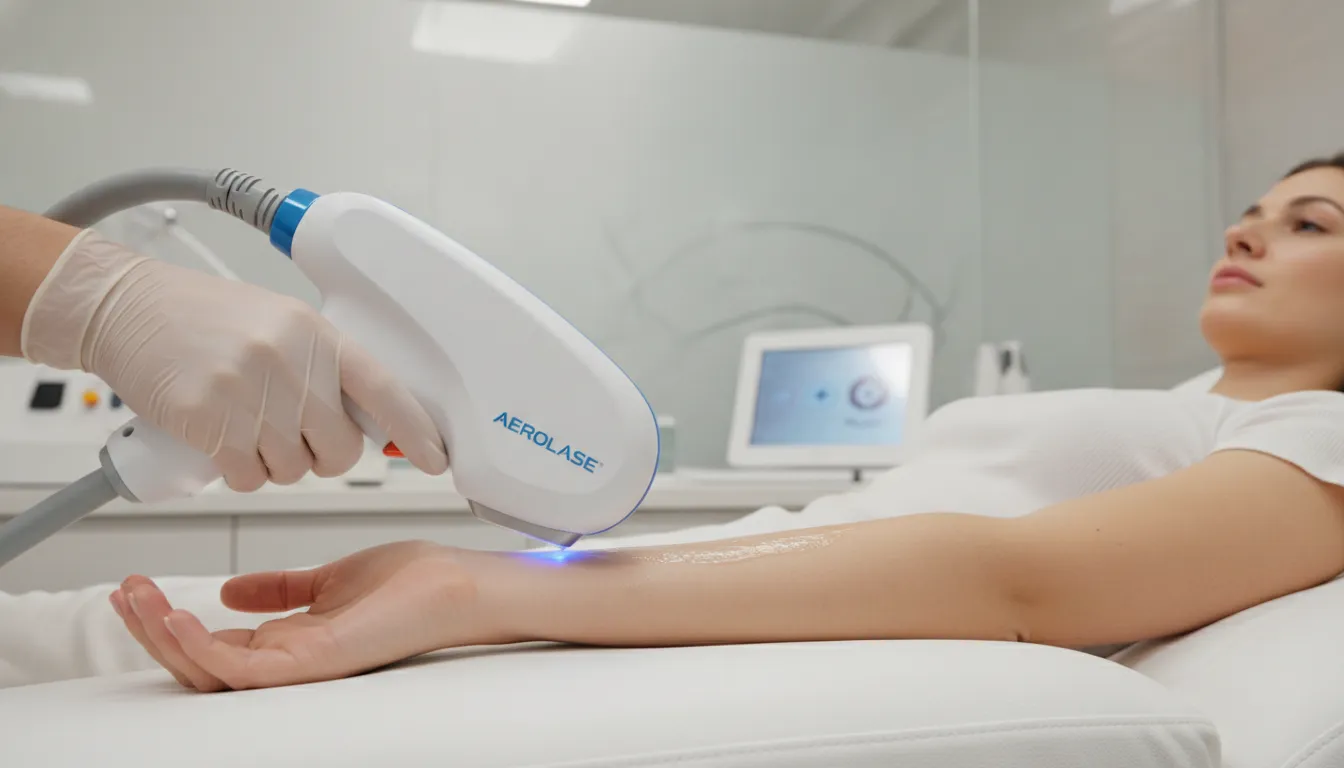
Professional laser hair removal sends controlled light pulses into the treatment area. The goal is to affect unwanted hair while protecting the skin around it. Because hair and skin traits vary, the same setup will not suit every person. With reactive skin, careful setup matters as much as the laser itself.
During each pass, the provider watches how the skin responds. That response helps guide the settings used for the rest of the treatment. This approach is central to laser hair removal, since a professional can adapt the session rather than follow one fixed plan.
Settings shaped by a skin assessment
Before treatment, a provider should review your health history and examine the planned area. This step helps reveal factors that may affect safety or comfort. A medical review can also show whether treatment should wait. A thorough history and physical exam are key steps before laser hair removal.
A patch test can add another layer of useful information. The provider treats a small spot, then checks the skin’s response before moving forward. Research describes adjusting treatment settings based on that reaction. For laser hair removal on sensitive skin, this small trial can help shape a more measured plan.
Settings may also change from one visit to the next. The provider considers your prior response and the skin’s condition that day. The aim is not to use the strongest setting possible. It is to choose a setting that supports the treatment goal while limiting needless irritation.
Sensitive skin versus a sensitive body area
Sensitive skin and a sensitive treatment area are not the same issue. Sensitive skin tends to react easily across more than one part of the body. A sensitive area may feel tender because of its location, even when the person’s skin is not usually reactive.
This difference changes the questions a provider asks. Someone with reactive skin may need a broad review of past irritation and current skin care. Someone treating the face may need an area-specific plan. LightRx offers more context on treating sensitive areas, including facial skin.
Both cases call for close observation during treatment. Short-term irritation, hypersensitivity, burns, or changes in skin color can occur after diode laser hair removal. These risks make honest feedback important. Tell the provider what you feel and share any skin changes noticed after a prior session.
How to prepare sensitive skin before treatment
Good preparation can help limit needless irritation during laser hair removal for sensitive skin. Since each person’s skin reacts differently, your provider’s instructions should guide every choice before your visit.
Start with an open consultation
Begin with a consultation so the provider can assess your skin, hair, goals, and concerns. Laser systems have different uses, limits, and possible complications, so a careful review matters. An overview of laser hair removal systems explains why professional assessment is part of safe treatment planning.
Share your full health history and any past skin reactions. Tell the provider about prescriptions, over-the-counter medicines, supplements, topical products, recent procedures, and active irritation. This includes tretinoin, acids, and other products that may affect the treatment area. Do not stop a prescribed product unless its prescriber or your treatment provider tells you to do so.
A cautious preparation sequence
Use this sequence as a discussion guide, then follow the timing and details given by your provider:
-
Ask whether a test spot is right for your skin. It may help the provider see how the area responds before a full session.
-
Avoid tanning and limit sun exposure as directed. Tell the provider about any recent sunburn, tan, or change in skin color.
-
Pause waxing, plucking, or other removal methods that pull hair from the root, based on the provider’s timeline. A preparation source also advises avoiding sun exposure and waxing before treatment.
-
Ask when and how to shave the area. Use a clean razor and gentle technique, and report any cuts or razor burn.
-
Review your skin care routine with the provider. Ask which active products or harsh treatments should be paused, and when they may be used again.
-
Arrive with clean skin unless told otherwise. Skip makeup, lotion, oil, fragrance, deodorant, or other products on the treatment area.
When plans may need to change
Contact the provider before the appointment if the area becomes sunburned, broken, inflamed, or unusually reactive. Also report new medicines or skin products. The provider can decide whether the session should proceed, use a different plan, or wait until the skin settles.
Preparation should support comfort without relying on guesswork. LightRx uses personalized plans, and its guide to laser hair removal offers more context about the treatment process. Bring questions to your consultation, then follow the plan made for your skin.
What reactions are normal after laser hair removal?
Expected short-term changes
Some redness, mild swelling, warmth, or tenderness can be expected after laser hair removal. The skin may look and feel like it has a mild sunburn. Small bumps around treated hairs can also appear as the follicles respond to the treatment.
These changes are often short lived. The Mayo Clinic notes that common symptoms usually fade within a few hours. Sensitive skin may feel more reactive, so follow the care steps your provider gave you.
Quick reaction guide
This guide can help you sort expected reactions from changes that need a call. It is not a diagnosis. If you are unsure about a reaction, contact your treatment team and describe what you see and feel.
Watch the treated area over time instead of judging it at one moment. Note whether redness, swelling, and discomfort are easing as your provider described. A change that grows or spreads deserves a call, even if it began as a mild reaction.
| What you notice | Expected short-lived reaction | Reason to call the treatment team |
|---|---|---|
| Redness | Mild and limited to the treated area | Spreading, worsening, or not easing as advised |
| Swelling | Small bumps around treated hairs | Marked swelling or swelling beyond the treated area |
| Skin sensation | Warmth or mild tenderness | Severe or increasing pain |
| Skin surface | Temporary dryness or mild sensitivity | Blisters, open skin, crusting, or drainage |
| Skin color | Brief pinkness after treatment | A new color change that concerns you |
When to contact your treatment team
Call promptly if discomfort grows instead of easing, or if the skin forms blisters or open areas. Also call about drainage, marked swelling, or a color change that concerns you. Your provider can review the reaction and tell you what to do next.
Do not wait for a planned follow-up if a reaction seems severe or keeps getting worse. Avoid picking, scrubbing, or trying strong products while you wait for guidance. These actions may add friction to skin that is already reactive.
Reactions can differ by body area and skin type. Facial skin may need added care, so review guidance on treating sensitive areas before a facial session. A personalized plan also gives your team a baseline for judging changes.
For laser hair removal on sensitive skin, take a clear photo if a reaction changes. Note when it began and whether it is improving. Those details help the treatment team give useful guidance without asking you to guess what is happening.
Gentle aftercare for sensitive skin
After laser hair removal, sensitive skin may need a simple routine and close attention. Follow the instructions from your provider, since they reflect your skin, treatment area, and laser settings. This overview of laser hair removal can also help you understand what to expect before and after a visit.
Cooling and calm skin care
Mild redness or swelling can happen after treatment. These effects often settle within a few hours, according to the Mayo Clinic’s laser hair removal guide. Sensitive skin may take more care, so watch the area instead of judging it by another person’s response.
Use a cool compress only if your provider recommends it. Keep the cloth clean, and place it gently against the skin without rubbing. Do not put ice straight on the treated area.
- Wash with lukewarm water and a gentle cleanser, if approved.
- Pat the area dry with a clean, soft towel.
- Use only the moisturizer or soothing product your provider suggests.
- Pause scrubs, acids, retinoids, and scented products until your provider says to restart them.
Less is often better during early aftercare. Adding several new products can make it hard to tell what caused a reaction. If a familiar product stings or burns, stop using it and ask your provider what to use instead.
Sun, heat, and friction
Freshly treated skin can be easier to irritate. Protect it from direct sun and use the sun protection method your provider recommends. Ask when you may apply sunscreen, which type to choose, and how often to reapply it.
Heat and rubbing may also make sensitive skin feel less comfortable. Your provider may advise a short pause from hot showers, saunas, hard workouts, tight clothing, or rough fabrics. The right timing depends on the treated area and how your skin responds.
- Choose loose, soft clothing over the treated area.
- Avoid scratching, picking, waxing, or scrubbing the skin.
- Wait for provider approval before restarting strong skin care products.
Good aftercare starts with a plan that fits your skin. The LightRx laser hair removal service includes a treatment plan based on individual skin types and goals. Bring a list of your skin care products to each visit so your provider can adjust guidance as needed.
Signs that need a call
Keep track of how the treated area looks and feels. A quick photo in steady light can help you show changes to your provider. Contact the clinic if discomfort gets worse, a reaction concerns you, or healing does not follow the course they described.
Call promptly about blisters, marked swelling, severe pain, or signs of infection. Do not try to treat an unexpected reaction with strong products on your own. Your provider can review the symptoms and tell you the safest next step.
Why a personalized consultation matters
A personalized consultation gives your provider the context needed to plan laser hair removal for sensitive skin. It also gives you time to discuss past reactions, current concerns, and what a typical response may look like. The goal is a thoughtful starting point, not a promise of a specific result.
Your skin and treatment history
Your provider may ask how your skin reacts to heat, shaving, waxing, skincare products, or past aesthetic treatments. Share any history of lasting redness, swelling, pigment changes, burns, or discomfort. These details help the provider assess your needs before recommending a plan.
The treatment area matters because skin can respond differently across the face and body. For example, a discussion about treating sensitive areas may cover concerns unique to facial skin. Your provider can explain what to expect for your chosen area and whether laser hair removal suits your goals.
Products, medications, and sun exposure
Bring a full list of prescription medicines, over-the-counter products, supplements, and topical skincare used near the treatment area. Mention retinoids, exfoliating acids, acne products, and any recent changes in your routine. Do not stop a prescribed medicine on your own; ask the prescribing clinician and your laser provider for guidance.
Be clear about recent sun exposure, tanning, sunburn, or changes in skin color. Your provider may also ask about upcoming travel or outdoor plans that could affect scheduling. Honest answers help the provider decide whether to proceed, adjust the plan, or wait until your skin is ready.
Patch testing and a tailored plan
A patch test may be appropriate when your skin history or the treatment area calls for added caution. It gives the provider a small area to observe before treating a larger one. The test does not guarantee how every session will feel or how your skin will respond.
Laser systems have different indications, contraindications, and possible complications, according to this clinical overview. That is why the provider should tailor device choices, settings, timing, and aftercare to your assessment. If you currently wax, discuss comfort and skin sensitivity and when to change your hair removal routine.
Before leaving, ask which changes should prompt a call and what skin care to use between visits. Confirm how to prepare for the first session and when the plan may need review. This shared plan can reduce uncertainty while keeping expectations realistic.
Frequently Asked Questions
Is laser hair removal recommended for sensitive skin?
Laser hair removal can be suitable for sensitive skin after a professional evaluates the treatment area, skin type, and medical history. Sensitive skin may experience more discomfort, so the provider may adjust the treatment plan or discuss numbing options. The American Academy of Dermatology notes that numbing the area can help when treating very sensitive skin.
What preparation is needed for laser hair removal on sensitive skin?
Follow the provider’s instructions and tell them about medications, active irritation, recent tanning, and products used on the treatment area. Avoid waxing because the laser needs the hair follicle present, and protect the area from sun exposure. Ask when to pause retinoids, acids, or other irritating products. Do not stop prescription medication without guidance from the prescribing clinician.
How can I minimize irritation after laser hair removal?
Keep the treated area cool, clean, and protected from direct sun. Use only gentle products recommended by the provider, and avoid rubbing, picking, hot showers, or strenuous exercise until irritation settles. Mild redness and swelling can occur after treatment. The Mayo Clinic reports that these common symptoms usually resolve within a few hours.
Can I get laser hair removal if I use tretinoin?
Possibly, but disclose tretinoin use before scheduling laser hair removal. Tretinoin can make skin more reactive, so a qualified provider must assess the treatment area and explain when to pause use, if appropriate. The timing can depend on the product strength, treatment location, and skin condition. Never stop prescription tretinoin without first consulting the clinician who prescribed it.
Are there side effects of laser hair removal on sensitive skin?
Temporary redness, swelling, and discomfort are common after laser hair removal, and sensitive skin may react more strongly. Less common risks can include blistering or changes in skin color. A professional consultation helps identify personal risk factors and choose suitable settings. Contact the provider promptly if pain worsens, blisters develop, or irritation lasts longer than the expected recovery period.
Ready to Plan Laser Hair Removal for Sensitive Skin?
Waiting while irritation concerns remain unresolved can delay your hair removal goals and leave you guessing about the right next step. Starting now gives you time to discuss past reactions, current sensitivities, preparation, and aftercare before choosing a treatment plan. A professional consultation can help you ask focused questions and decide whether the available approach fits your skin and comfort needs.
Ready to move forward without rushing the decision? Schedule a no-pressure consultation to talk with a LightRx professional about your sensitive skin, concerns, and goals. Bring notes about previous irritation, products you use, and questions you want answered so the conversation can focus on a practical path forward together.