
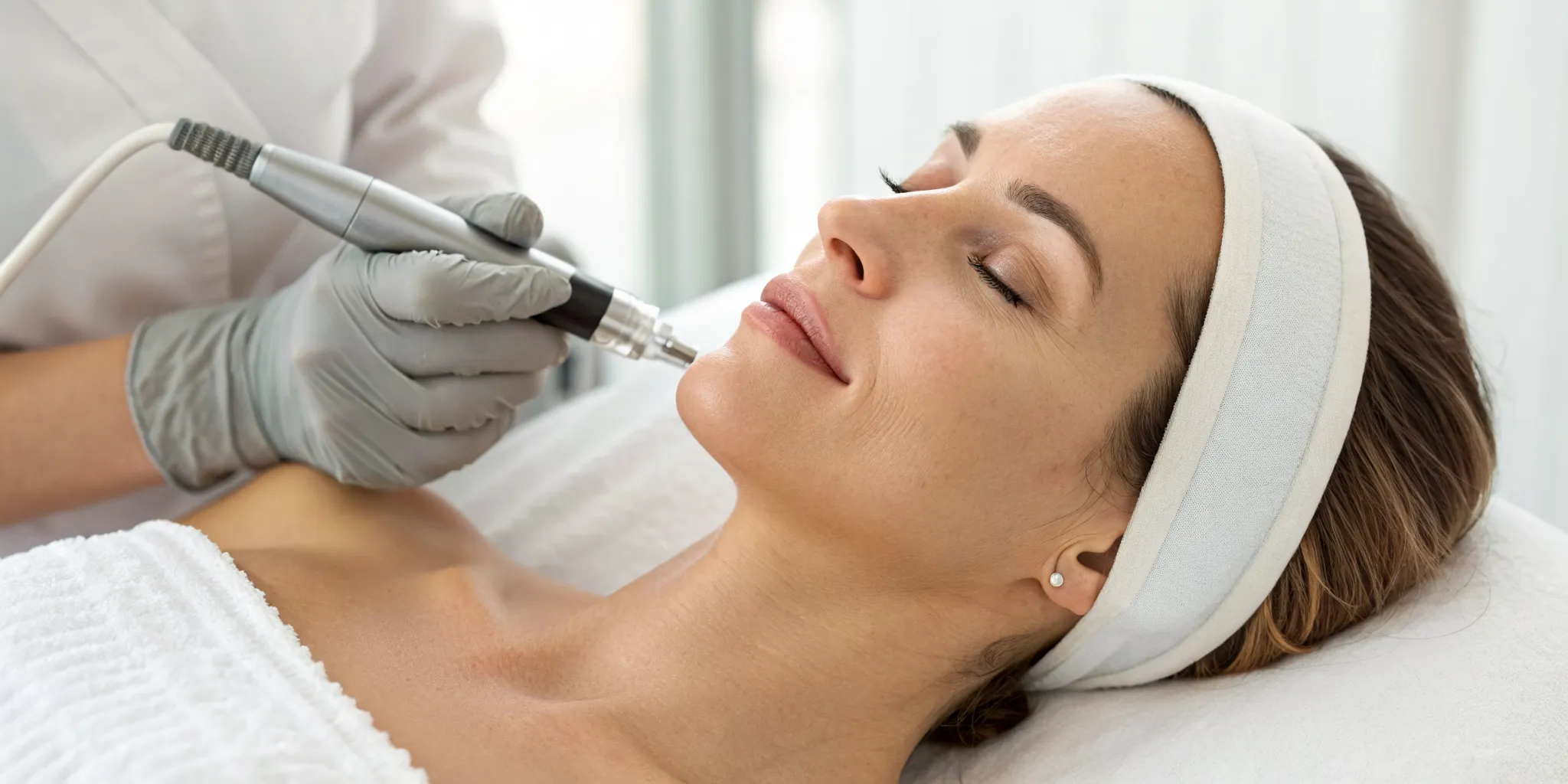
Microneedling for Fine Lines: What You Need to Know
It’s a common myth that you should wait until wrinkles are firmly established before seeking a professional treatment. But the truth is, a smart skincare strategy can be both proactive and corrective. Whether you’re in your late twenties hoping to preserve your skin’s firmness or you’re looking to soften lines that have already appeared, you have powerful options. Using microneedling for fine lines is a perfect example of this versatility. By stimulating your body’s natural collagen production, it helps strengthen your skin’s foundation. This makes it an effective solution for improving overall texture and resilience at any age, helping you achieve a smoother complexion now and maintain it for years to come.
Key Takeaways
- It rebuilds skin from within: Microneedling prompts your skin’s natural healing response, encouraging it to create new collagen and elastin. This internal rebuilding process is what fills in fine lines and improves your skin’s overall texture and firmness.
- Results require a series of treatments: Think of microneedling as a workout for your skin; the results are cumulative. Lasting improvement for fine lines usually requires a series of three to five professional treatments, spaced four to six weeks apart, to give your skin time to regenerate.
- Aftercare is non-negotiable: Your post-treatment routine is just as important as the treatment itself. To get the best results, focus on two key actions: keeping your skin hydrated and applying a broad-spectrum sunscreen daily to protect your sensitive, healing skin.
What Is Microneedling and How Does It Work?
If you’ve heard the buzz about microneedling, you might be picturing something intense. But the concept is actually quite simple and brilliant. Microneedling is a professional skin treatment that uses a special device with tiny, sterile needles to create very small, controlled punctures in the skin. Think of it as gently waking up your skin’s own repair system.
This process is designed to kickstart a natural healing cascade that refreshes and rebuilds your skin from the inside out. It’s a popular and effective method for addressing a wide range of skin concerns, especially the fine lines and wrinkles that come with age. By working with your body’s own functions, microneedling offers a way to achieve smoother, firmer, and more youthful-looking skin. It’s one of the most requested skin rejuvenation treatments for a reason.
How It Uses Your Skin’s Natural Healing Power
At its core, microneedling harnesses your skin’s incredible ability to heal itself. When the fine needles create micro-injuries in the top layers of your skin, they send a signal to your body that a repair is needed. Your skin responds immediately by launching its natural healing process. This isn’t like an accidental cut or scrape; it’s a highly controlled procedure that triggers a regenerative response exactly where you want it. This response is what helps refresh the skin’s surface, leading to a healthier and more vibrant appearance over time.
Rebuilding Your Skin with Collagen and Elastin
So, what happens during this healing process? Your body gets to work producing two crucial proteins: collagen and elastin. Collagen is what gives your skin its firmness and structure, while elastin provides that youthful bounce and elasticity. As we age, our natural production of both slows down, which leads to fine lines and sagging. The micro-injuries from the treatment essentially tell your body to ramp up the production of new collagen and elastin. This influx of fresh proteins helps rebuild your skin’s supportive matrix, making it plumper, smoother, and more resilient from within.
What Skin Concerns Can Microneedling Address?
While microneedling is fantastic for fine lines, its benefits don’t stop there. Because it focuses on rebuilding the skin’s foundation, it can improve a variety of common texture and tone issues. It’s a versatile treatment that can be tailored to your specific goals. If you’re looking to improve your overall complexion, you might find that microneedling is an excellent fit.
Some of the most common concerns it can help with include:
- Acne scars
- Fine lines and wrinkles
- Enlarged pores
- Uneven skin tone or discoloration
- Mild scars from burns or injury
- Stretch marks
- Loose or thin skin
Our team can help you determine if microneedling is the right choice among our other aesthetic services during your free consultation.
How Does Microneedling Target Fine Lines?
So, how exactly does this treatment work its magic on those pesky lines? It’s not about covering them up; it’s about encouraging your skin to rebuild itself for a smoother, firmer appearance. Microneedling gets to the root of the issue by using your body’s own healing abilities to create lasting change. Think of it as a workout for your skin, strengthening it from the inside out.
Smoothing Wrinkles from Within
Microneedling works by creating tiny, controlled micro-injuries in your skin using a specialized tool with ultra-fine needles. This might sound intense, but it’s a precise process that signals your body to kickstart its natural repair cycle. These micro-channels reach the dermis, the deeper layer of your skin where collagen and elastin live. In response, your skin produces a fresh supply of these essential proteins. Collagen provides structure and firmness, while elastin gives your skin its bounce. This new collagen helps fill in fine lines and wrinkles, effectively smoothing your skin’s surface from within for a refreshed, more youthful look. This process is a core part of effective skin rejuvenation.
Improving Your Skin’s Texture and Tone
While microneedling is fantastic for fine lines, the benefits don’t stop there. The same collagen and elastin production that smooths wrinkles also works wonders for your overall skin texture and tone. If you deal with rough patches, enlarged pores, or a generally dull complexion, this treatment can help. As your skin heals and rebuilds, you’ll notice it becomes softer and more supple. The increased cell turnover can also help diminish the appearance of sun damage and hyperpigmentation, leading to a more even and radiant skin tone. It’s a comprehensive approach that improves your skin’s health and appearance, giving you that sought-after glow and contributing to overall skin tightening.
Why Professional Treatments Beat At-Home Rollers
You’ve probably seen at-home derma rollers online or in stores, but it’s important to know they aren’t the same as a professional treatment. The needles on at-home devices are much shorter, so they don’t penetrate the skin deeply enough to trigger significant collagen production. While they might help your serums absorb a little better, they won’t deliver the same transformative results for fine lines. Professional microneedling is performed by a trained technician using medical-grade equipment. These devices can be adjusted to reach the precise depth needed to create real change in your skin. This ensures a safe, effective, and customized treatment that delivers visible, long-lasting improvement. For meaningful results, you’ll want to explore professional services.
Is Microneedling Right for You?
Deciding if a treatment is the right fit for you is the most important step. While microneedling is a fantastic option for many people looking to reduce fine lines, it’s not a one-size-fits-all solution. Your skin type, age, and overall health play a big role in determining if this is the best path for your goals. Let’s walk through who makes a great candidate for microneedling and when it might be better to consider other options.
The Best Skin Types and Tones for Treatment
One of the best things about microneedling is that it’s suitable for a wide variety of people. Unlike some laser treatments that can pose risks for deeper skin tones, microneedling is safe for all skin types and tones. It carries a very low risk of causing hyperpigmentation (dark spots), which makes it an excellent choice if you have darker skin and are concerned about discoloration. Whether your goal is overall skin rejuvenation or targeting specific fine lines, this treatment works with your skin, not against it.
Is There a “Right” Age for Microneedling?
There’s no magic number or perfect age to start microneedling. It’s really about what your skin needs. That said, many people begin to see the most benefit in their late 20s and beyond, as the first signs of aging, like fine lines around the eyes and mouth, start to appear. It’s a great way to get ahead of wrinkle formation and keep your skin firm and smooth. It can also effectively address existing fine lines, making it a versatile treatment whether you’re looking for prevention or correction.
When to Skip This Treatment
Microneedling is incredibly effective, but it’s not for everyone. It’s important to be honest about your health history to ensure a safe and successful outcome. You should definitely talk to your specialist during your free consultation if you have any active skin conditions like eczema, psoriasis, or frequent cold sores. The same goes if you have active acne, are taking certain acne medications, or have a history of keloid scarring. It’s also crucial to mention if you have blood disorders, are on blood thinners, or are undergoing cancer treatment. Your provider will help you determine the safest, most effective treatment for your unique situation.
Your Microneedling Appointment: What to Expect
Knowing what happens during a microneedling appointment can make the entire experience feel more comfortable and exciting. From the initial prep to the treatment itself, it’s a straightforward process designed to give you the best results. Let’s walk through exactly what your appointment will look like, so you can feel confident and prepared.
How to Prep for Your Treatment
Your journey starts with a conversation. Before your first session, you’ll meet with a skin care professional for a free consultation to discuss your goals and medical history. This is your time to ask questions and get personalized advice. To prepare your skin for the best outcome, your technician might recommend a specific skincare routine for a few weeks leading up to your appointment. This could include using products with Vitamin A or C to get your skin in top shape. Think of it as getting your canvas ready for a masterpiece. Proper preparation helps ensure the skin rejuvenation process is as effective as possible.
A Step-by-Step Look at the Process
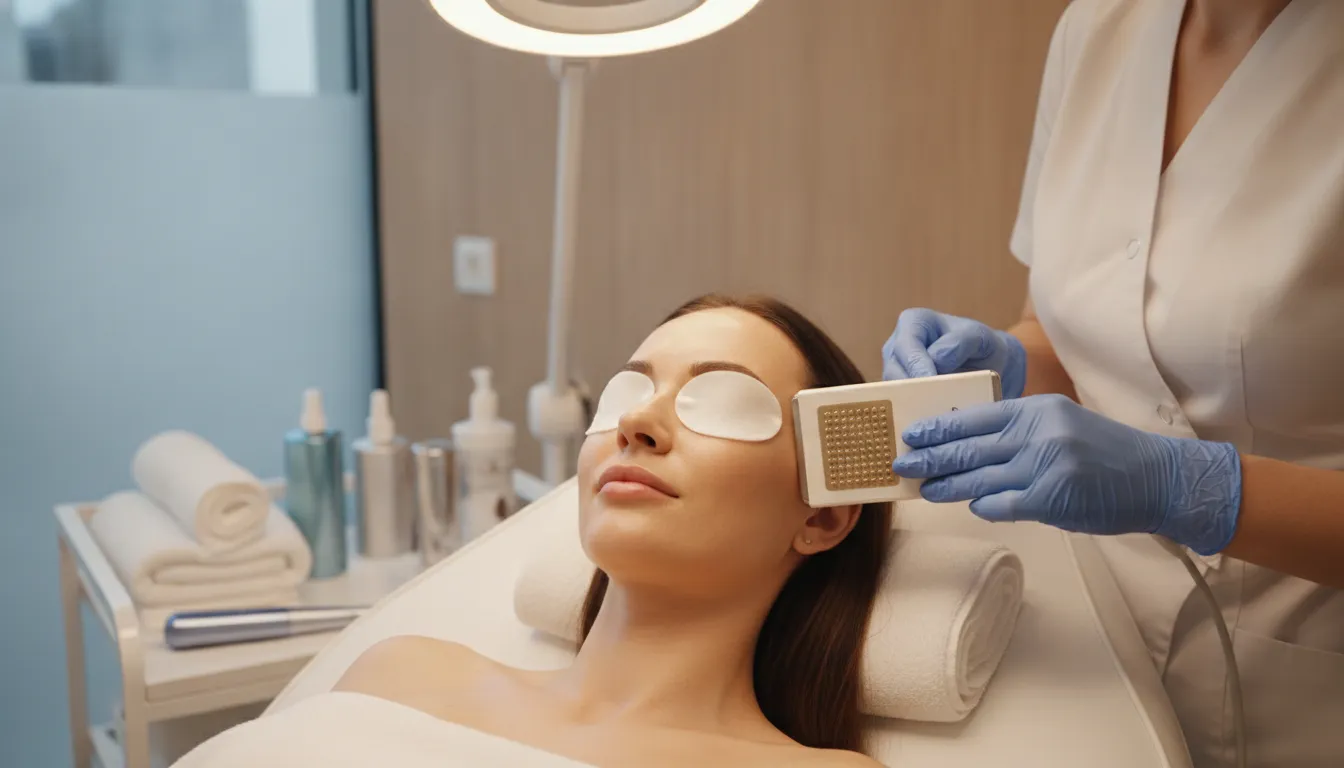
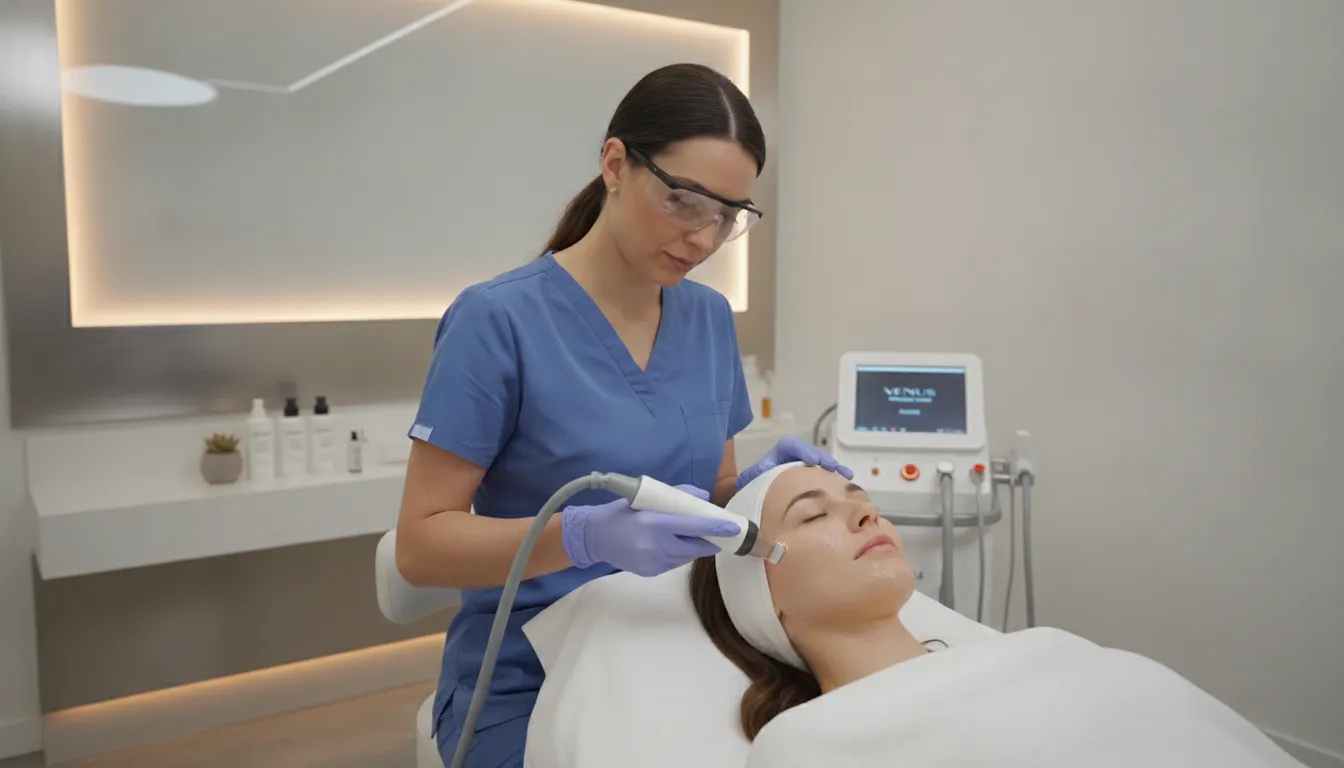
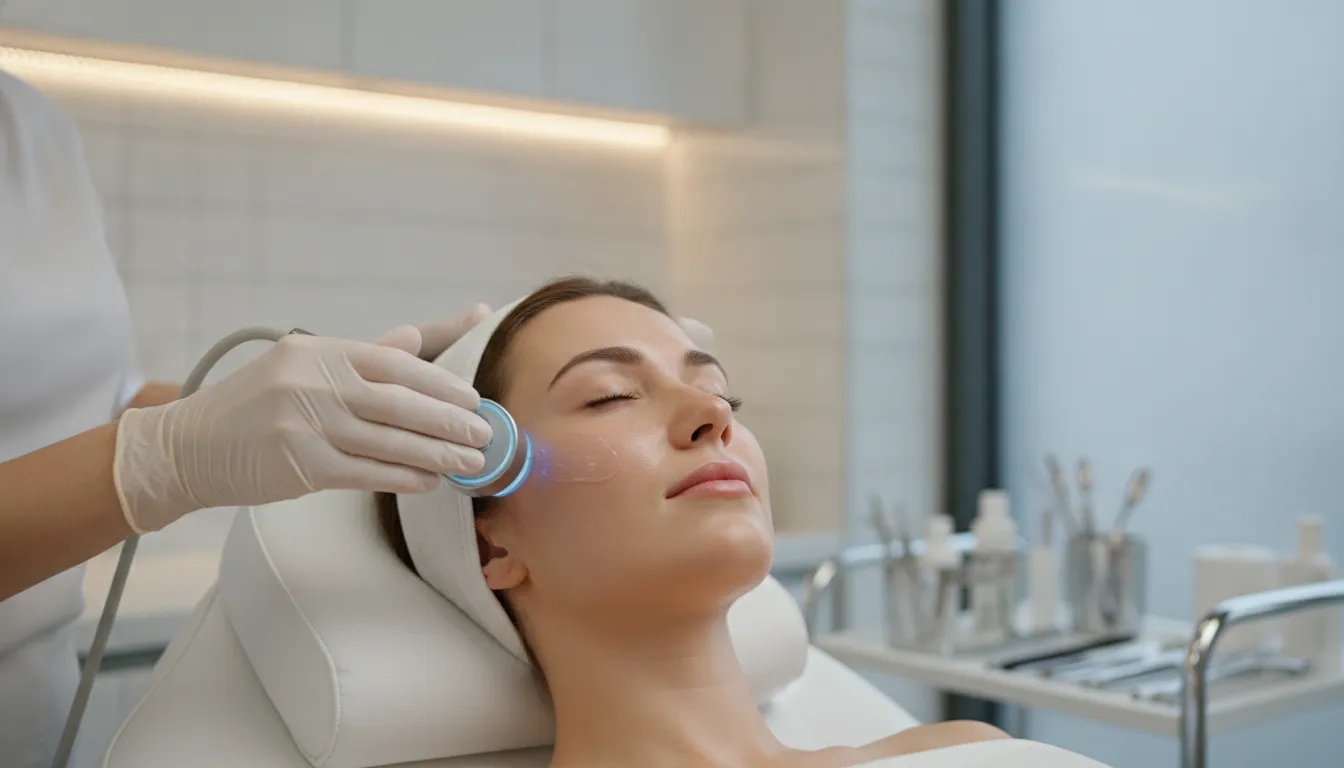
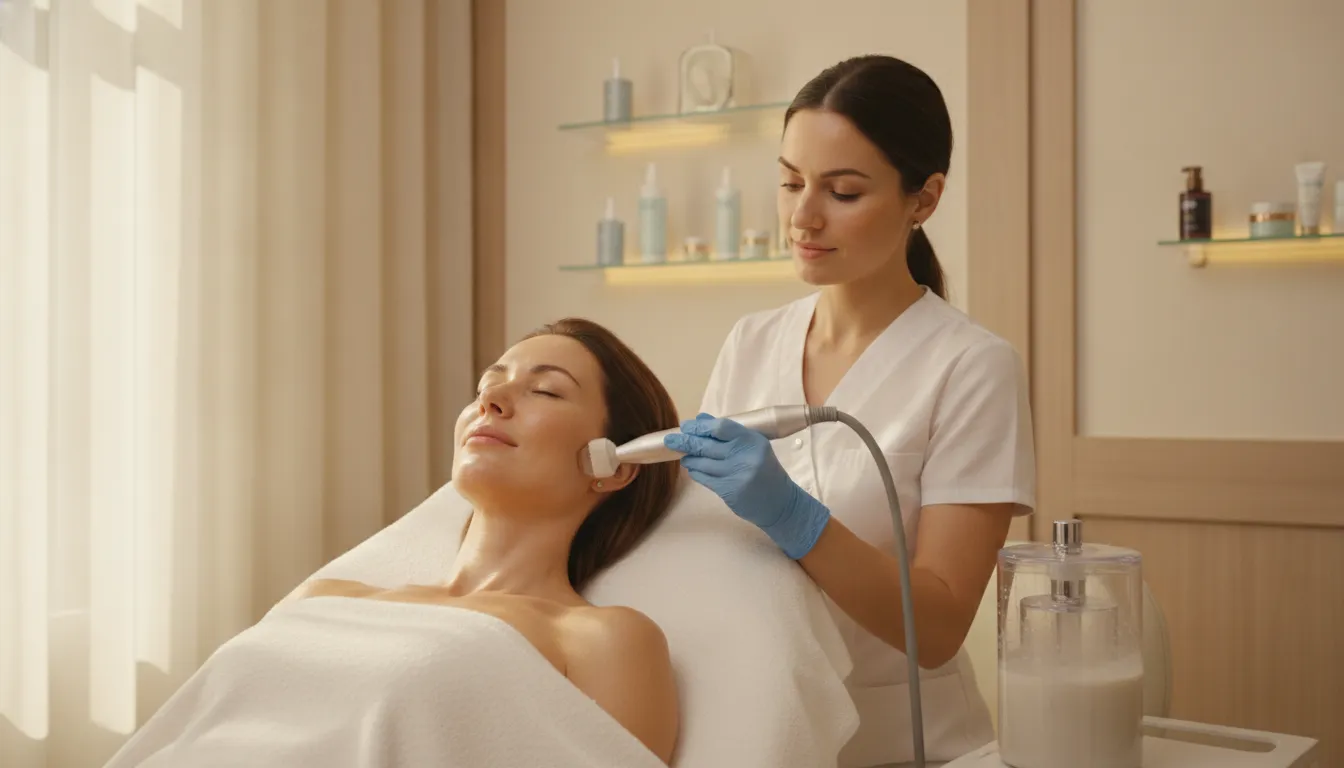
When you arrive for your treatment, the first step is to make you comfortable. Your technician will thoroughly cleanse your skin to remove any makeup or impurities. Next, they’ll apply a topical numbing cream to the treatment area, which will sit for about 30 to 45 minutes to ensure you feel minimal discomfort. Once your skin is numb, the microneedling begins. Your provider will use a sterile, pen-like device to create tiny micro-injuries in your skin. The process itself is relatively quick, often taking between 15 and 30 minutes, depending on the size of the area being treated.
The Big Question: Does It Hurt?
This is probably the number one question on your mind, and the answer is: not really. Thanks to the numbing cream applied beforehand, most people find the treatment very tolerable. You might feel a slight vibrating or scratching sensation as the device moves across your skin, but it shouldn’t be painful. For more intensive treatments that go a little deeper, you might experience some pinpoint bleeding, but this is a normal and controlled part of the healing response. The goal is to stimulate your skin, not cause pain, making it a popular choice for skin tightening and texture improvement.
After Your Session: The Healing Process
So, you’ve completed your microneedling session. What comes next? The work isn’t quite over, but the good news is that the aftercare process is straightforward. Your skin has just been prompted to start a powerful healing cycle, and how you care for it over the next few days will make all the difference in your final results. Think of it as protecting your investment. A little TLC now will ensure you get that smooth, refreshed glow you’re looking for. Let’s walk through exactly what to expect and how to give your skin the support it needs.
What to Expect Immediately After and Downtime
Right after your treatment, your skin will likely look and feel like you have a mild sunburn. Expect some redness and slight swelling for the first 24 to 48 hours. This is completely normal and a sign that your skin’s natural healing mechanisms have been activated. You might also feel a sensation of tightness or warmth. If you experience any discomfort, a cool compress can feel very soothing. Over the next few days, it’s common for your skin to feel a bit dry or even flaky as the old cells turn over. A gentle, high-quality moisturizer will be your best friend during this time, helping to keep your skin hydrated and comfortable as it goes through this essential skin rejuvenation process.
Your Aftercare Skincare Routine: Dos and Don’ts
For the first few days post-treatment, simplicity is key. Your skin is in a delicate, regenerative state, so you’ll want to treat it gently. Stick to a minimal routine: a mild cleanser, a hydrating serum (like one with hyaluronic acid), and a soothing moisturizer. Be sure to drink plenty of water to help your skin heal from the inside out. What you don’t do is just as important. Avoid any harsh or active ingredients like retinoids, vitamin C serums, and exfoliating acids for at least 48 to 72 hours. You should also skip makeup for the first 24 hours and steer clear of intense workouts, saunas, and steam rooms, as excess sweat can irritate your sensitive skin. This careful approach supports all the great services you invest in for your skin.
Why Sunscreen and Hydration Are Crucial
Of all the aftercare steps, two stand out as non-negotiable: sun protection and hydration. After microneedling, your skin is highly sensitive to UV rays. Sun exposure can not only cause painful damage but also lead to hyperpigmentation, undoing the benefits of your treatment. You must stay out of direct sun and apply a broad-spectrum mineral sunscreen with an SPF of 30 or higher every single day, even if you’re indoors. At the same time, hydration is what fuels the repair process. Drinking lots of water and applying hydrating topicals helps your skin produce that beautiful new collagen and elastin. This commitment to aftercare is a vital part of your long-term skin health journey, and our membership options can help you maintain your results.
How Many Sessions Will You Need for Fine Lines?
When it comes to smoothing fine lines, microneedling is more of a marathon than a sprint. Think of it as a workout for your skin; you won’t see lasting changes after just one session. The magic happens over a series of treatments as your skin progressively builds new collagen and elastin. The results are cumulative, meaning each session builds upon the last to create smoother, firmer, and more youthful-looking skin.
The exact number of treatments you’ll need is unique to you. It depends on several factors, including your skin’s current condition, your age, the depth of your fine lines, and your ultimate aesthetic goals. While some people may see the improvement they want after just a few appointments, others might need a more extended series to achieve their desired outcome. A personalized consultation with a trained technician is the best way to map out a plan that’s right for you. They can assess your skin and create a realistic timeline for your journey to smoother skin.
Finding Your Ideal Treatment Schedule
To effectively target fine lines, most people need between three and five microneedling sessions. These treatments are typically scheduled four to six weeks apart. This isn’t an arbitrary timeline; this spacing is crucial because it gives your skin the time it needs to go through its natural healing and regeneration cycle. After a session, your body gets to work producing fresh collagen and elastin. Allowing a month or more between appointments ensures your skin is fully recovered and ready to respond to the next treatment. Sticking to a consistent schedule helps you achieve the best possible skin rejuvenation and get the most out of every session.
When Can You Expect to See Results?
While you might notice a healthy, radiant glow shortly after your first appointment, the most significant and lasting results for fine lines will appear more gradually. Patience is key here. It can take three to six months after your final session to see the full effects of your microneedling treatments. This is because it takes time for your body to produce a meaningful amount of new collagen and for that new collagen to mature and remodel your skin from the inside out. As the weeks go by, you’ll notice your skin’s texture becoming smoother, its tone more even, and those fine lines becoming visibly softer and less pronounced.
Keeping Your Results with Maintenance Sessions
Once you’ve achieved your desired results, you’ll want to keep them. While microneedling results are long-lasting, they aren’t permanent. The natural aging process continues, and environmental factors still affect your skin. To maintain that smooth, firm texture, most people find that a maintenance session every six to 12 months is incredibly effective. These follow-up treatments act as a “touch-up,” stimulating collagen production again to keep fine lines at bay. Think of it as a proactive step in your long-term skincare routine to protect your investment and keep your skin looking its best. A LightRx membership can be a great way to make these ongoing treatments simple and affordable.
Understanding the Side Effects and Risks
It’s smart to get familiar with the potential side effects of any new treatment. The good news is that microneedling is widely considered safe, and most side effects are mild and temporary. Knowing what to expect can help you feel confident and prepared for your appointment and recovery. The key is to distinguish between what’s a normal part of the healing process and what might be a sign to call your technician.
Normal Side Effects vs. Red Flags
After your microneedling session, it’s completely normal for your skin to look and feel like you have a mild sunburn. You can expect some redness and minor swelling for about 24 to 72 hours. This is a sign that your skin’s natural healing response has been activated, which is exactly what we want for effective skin rejuvenation. Your skin might also feel a bit tight or sensitive to the touch.
Red flags, on the other hand, are signs of something more serious. While very rare, things like oozing, a spreading rash, or signs of infection (like fever or significant pain) are not part of the normal healing process. If you experience anything beyond the expected redness and swelling, you should contact your provider right away.
Potential Risks to Be Aware Of
While microneedling is very safe, especially when performed by a professional, there are a few potential risks. The most serious (and rare) risks include infection, allergic reactions to serums used during treatment, or scarring. Scarring is particularly uncommon and usually only a concern for people who are prone to forming keloids.
It’s also important to have a conversation with your provider about your health history. You should let them know if you have active acne, are taking blood thinners, or are undergoing cancer treatment, as microneedling might not be the right choice for you at this time. A thorough consultation ensures your treatment plan is tailored to your unique needs and health profile, which is a standard part of our services.
How to Ensure a Safe and Effective Treatment
The single best way to ensure a safe and effective treatment is to see a licensed professional. Technicians at a reputable medspa use sterile, medical-grade equipment that provides consistent and reliable results that at-home rollers simply can’t match. A professional can properly assess your skin and customize the treatment depth to target your specific concerns, like fine lines, for more dramatic and lasting skin tightening.
During a professional session, a numbing cream is applied beforehand to keep you comfortable. The procedure itself is relatively quick, usually taking about 30 minutes. This professional oversight not only minimizes risks but also maximizes your results, giving you the best possible outcome for your investment.
Microneedling vs. Other Popular Treatments
When you’re looking for ways to treat fine lines, it’s easy to feel overwhelmed by all the options. Microneedling is a fantastic treatment, but understanding how it stacks up against other popular procedures can help you decide if it’s the right fit for your goals. Think of it less as a competition and more about finding the perfect tool for the job. Some treatments resurface, some relax, and some rebuild. Let’s walk through how microneedling compares to other go-to treatments like chemical peels, lasers, and injectables.
Microneedling vs. Chemical Peels
Think of this as a difference between rebuilding from the inside out versus refinishing the surface. A chemical peel uses a specialized acid solution to remove the outermost, damaged layers of your skin. This process encourages new, smoother skin to come to the surface, which can definitely help with fine lines and texture. Microneedling, on the other hand, works on a deeper level. It creates tiny, controlled injuries to kickstart your body’s own collagen and elastin production. While a peel gives you a more immediate refreshed look, microneedling provides gradual, long-term structural improvements to your skin’s firmness and elasticity. Both are great for skin rejuvenation, but they take different paths to get there.
Microneedling vs. Laser Therapy
Comparing microneedling to laser therapy is like comparing two different renovation techniques. Microneedling is a mechanical method that physically punctures the skin to trigger a healing response and build collagen. Laser treatments use focused light energy to either remove the outer layer of skin or heat the underlying tissue to achieve a similar collagen-building effect. While some powerful laser treatments can produce dramatic results, they can also come with more downtime and may not be suitable for all skin tones due to a higher risk of pigmentation changes. Microneedling is often favored for its minimal downtime and its safety profile across a wider range of skin types, making it a reliable and effective choice.
Microneedling vs. Injectables (Botox & Fillers)
This is where it’s important to understand that the treatments solve different problems. Injectables like Botox work by relaxing the muscles that cause dynamic wrinkles (like crow’s feet and forehead lines), smoothing them out. Dermal fillers add volume to fill in static lines or restore plumpness to areas like the cheeks. Microneedling doesn’t relax muscles or add volume. Instead, it improves the overall quality and texture of your skin itself. It works to soften fine lines everywhere by making your skin firmer and more resilient. Think of injectables as a targeted fix and microneedling as an all-over skin quality improvement.
Can You Combine Microneedling with Other Treatments?
Absolutely, and this is often where the magic happens. Using a combination of treatments allows you to address multiple concerns at once for a more comprehensive result. For example, you could use Botox to smooth your forehead wrinkles, fillers to restore volume in your cheeks, and microneedling to improve the overall texture and firmness of your skin. This layered approach creates a natural, refreshed appearance that a single treatment might not achieve on its own. A skilled provider can help you create a personalized plan that staggers these different services safely and effectively to help you reach your specific skin goals.
The Verdict: Is Microneedling Worth It for Fine Lines?
So, what’s the final word? Is microneedling the right choice for tackling your fine lines? The short answer is yes, it can be an incredibly effective treatment. It works with your body’s own healing processes to create smoother, firmer skin from the inside out. However, the real key to being happy with your results lies in understanding the process and what to expect along the way. It’s not an overnight miracle, but a gradual improvement that builds over time. Let’s talk about what a realistic timeline looks like and what your next steps should be if you’re ready to explore this option further.
Setting Realistic Expectations for Your Results
Microneedling is a journey, not a single destination. While it’s exciting to think about the results, it’s important to know that patience is part of the process. Most people need a series of treatments, typically three to six sessions spaced about a month apart, to achieve their desired outcome. Your skin needs that time to heal and generate new collagen. You can start to see improvements in your skin’s texture and tone after the first couple of sessions, but the most significant changes in fine lines often take three to six months to fully appear. To maintain that beautiful, smooth skin, a yearly touch-up session is usually recommended. Many people are thrilled with their microneedling outcomes, especially when they go in with a clear picture of the commitment.
Ready to Learn More? Your Next Step
If you’re intrigued by the idea of smoother, firmer skin, the best next step is to talk with a professional. A one-on-one consultation is the perfect opportunity to discuss your specific goals, have your skin assessed, and create a personalized treatment plan tailored just for you. An expert can confirm if you’re a great candidate and map out a schedule that aligns with your expectations. They will also guide you on how to get the most out of your investment. Maximizing your results isn’t just about the treatment itself; it’s also about what you do afterward. Simple habits like staying hydrated, using quality skincare, and being diligent with sun protection will help support the healing process and protect your newly refreshed skin for the long haul.
Related Articles
- Microneedling vs Chemical Peel: Which Is Better?
- Microneedling for Stretch Marks: What to Expect
- Microneedling Pricing: How Much Should You Pay?
Frequently Asked Questions
Does microneedling hurt? This is the number one question I get, and the answer is, not really. Before the treatment begins, your technician will apply a topical numbing cream to the area. This makes the entire process very tolerable. Most people describe the sensation as a light vibration or a gentle scratching feeling, but it shouldn’t be painful.
How much downtime should I expect after a session? You can expect your skin to look and feel like it has a mild sunburn for about one to two days. This includes some redness, minor swelling, and a feeling of tightness. Most people feel comfortable returning to work or their normal activities the very next day, as long as they avoid heavy exercise and direct sun exposure. You will just need to be gentle with your skin and skip makeup for the first 24 hours.
How is professional microneedling different from the rollers I can buy online? The difference is significant, both in safety and results. Professional microneedling uses sterile, medical-grade devices with adjustable needles that can reach the precise depth needed to stimulate collagen production effectively. At-home rollers have much shorter, often lower-quality needles that can’t create the same regenerative response and may even damage your skin or cause infection if not used properly.
How long will my results last? The results you get from a series of treatments are long-lasting because you are building your own new collagen. However, the natural aging process continues. To maintain your smooth, firm skin, most people benefit from a follow-up session once or twice a year. Think of it as a proactive way to keep your skin strong and healthy.
Can microneedling get rid of my deep wrinkles, or just fine lines? Microneedling is fantastic for softening fine lines, improving overall skin texture, and creating a firmer appearance. While it can help lessen the look of deeper wrinkles by improving the skin’s structure, it works best on more superficial lines. For deep-set, dynamic wrinkles (like pronounced forehead lines), treatments like Botox or a combination approach might be a more effective solution.