
Your Guide to Neck Strain Treatment in Birmingham, MI
We spend a lot of time (and money!) on our faces, but our necks often get neglected. That is, until we spot those first wrinkles or sagging skin. The delicate skin on our neck can be one of the first places to show the signs of aging. But it’s not just about looks. Physical discomfort, from general muscle tension to specific cervical vertebrae pain birmingham mi, can become a daily struggle. This guide covers both sides of neck care. We’ll show you how to relieve neck stiffness birmingham mi and explore cosmetic options, plus how to find professional neck strain treatment birmingham mi to get to the root of your discomfort.
Our delicate neck skin is more prone to wrinkles and lines. Factors like sun exposure, genetics, and the natural loss of collagen over time play significant roles in the aging of our necks.
If you want to know how to get rid of neck wrinkles, look no further. Botox, skin tightening, skin resurfacing, and dermal fillers are some of the most effective ways to deal with an aging neck.
Understanding Neck Pain: Causes and Symptoms
That nagging ache in your neck often feels like it comes out of nowhere, but there’s usually a clear reason behind it. Most of the time, the culprit is simple muscle strain. Think about your daily habits: hunching over a computer, looking down at your phone, or even sleeping in an awkward position can put a lot of stress on your neck muscles. These small, repetitive actions can lead to stiffness and pain over time. A sudden, jarring movement, like in a minor car accident, can also cause immediate strain. Understanding these triggers is the first step toward finding relief and preventing future discomfort.
While everyday habits are a common source of trouble, sometimes neck pain points to a more significant underlying issue. Conditions like herniated discs, where the cushion between your vertebrae pushes out, or a pinched nerve can cause sharp, radiating pain. Arthritis and spinal stenosis (a narrowing of the spinal canal) are other potential causes, particularly as we get older. Injuries such as whiplash are also a major factor, leading to more severe and persistent pain. If your neck pain is intense or doesn’t go away after a few days of self-care, it’s a good idea to figure out if one of these conditions is the root cause.
Common Causes of Neck Strain and Stiffness
Muscle Strain from Daily Habits
The majority of neck pain is caused by strained muscles from our everyday routines. Poor posture is a huge contributor, especially for those of us who spend hours at a desk or frequently use mobile devices—a phenomenon often called “tech neck.” Sleeping in a way that doesn’t properly support your head and neck can also leave you waking up with significant stiffness. Even something as simple as carrying a heavy bag on one shoulder can throw your alignment off and strain the muscles on one side of your neck, leading to persistent discomfort and tension.
Injuries and Underlying Conditions
Beyond daily habits, neck pain can be a symptom of a specific injury or a medical condition that needs attention. A sudden force, like the one experienced in a car accident, can cause whiplash, which is a serious strain on the neck’s soft tissues. Other structural problems can also be at play, including herniated discs that press on nerves or spinal stenosis, which narrows the spaces within your spine. Degenerative conditions like osteoarthritis can also cause chronic pain and stiffness as the cartilage in your neck joints wears down over time.
Symptoms of Neck Strain
Pain, Tingling, and Numbness
The most obvious symptom of neck strain is, of course, pain, which can range from a dull ache to a sharp, stabbing sensation. However, if the issue involves a nerve, you might experience other feelings, too. A pinched or compressed nerve in your neck can cause symptoms to radiate outward. You might feel a tingling “pins and needles” sensation, numbness, or even weakness that travels down your shoulder, into your arm, or all the way to your hand. These symptoms are a clear signal that something more than just muscle tightness is going on.
When to Seek Immediate Medical Help
Most neck pain can be managed at home, but certain symptoms warrant immediate medical attention. If your neck pain is accompanied by a high fever and a severe headache, it could be a sign of meningitis, a serious infection that requires urgent care. You should also seek help right away if you experience a loss of bladder or bowel control, severe weakness or numbness in your limbs, or if the pain started after a significant injury or accident. Don’t wait—these could be symptoms of a more critical medical emergency.
At-Home Treatments for Neck Stiffness Relief
When you’re dealing with a stiff, sore neck, you don’t have to just wait it out. Several effective at-home treatments can provide significant relief and help speed up your recovery. One of the simplest and most effective methods is alternating between hot and cold therapy. This combination works wonders because ice helps reduce inflammation and numb the area, while heat helps relax tense muscles and improve circulation. By using these simple tools, you can actively manage your pain and support your body’s natural healing process right from the comfort of your own home.
Hot and Cold Therapy
Using temperature therapy is a classic for a reason—it works. For the first 48 to 72 hours after a strain, focus on cold therapy. Apply an ice pack wrapped in a thin towel to the sore area for about 20 minutes at a time, several times a day. This will help minimize swelling and numb sharp pain. After the initial inflammation has subsided, you can introduce heat. A heating pad or a warm, damp towel can help relax tight muscles and increase blood flow to the area, which promotes healing. You can even alternate between the two for comprehensive relief.
Gentle Movement and Stretching
It might seem counterintuitive, but gentle movement is often better for a stiff neck than keeping it completely still. Light stretches and slow, controlled movements can prevent your muscles from getting even tighter and can help improve your range of motion. Try slowly tilting your head from side to side, then gently looking up and down. The key is to move without pushing into sharp pain. This gentle activity improves blood flow to the affected muscles, which helps reduce swelling and delivers the nutrients needed for repair.
Over-the-Counter Pain Medicine
For temporary relief from pain and inflammation, over-the-counter (OTC) medications can be very helpful. Nonsteroidal anti-inflammatory drugs (NSAIDs) like ibuprofen (Advil) and naproxen (Aleve) are great options because they target both pain and swelling. Acetaminophen (Tylenol) is another choice that focuses primarily on pain relief. While these medicines can make you more comfortable, remember they are a short-term solution. They can help you get through the worst of the pain so you can focus on other remedies like stretching and improving your posture.
Tips for Improving Your Posture
Your posture plays a massive role in neck health, and making a few small adjustments can prevent a lot of future pain. If you work at a desk, make sure your monitor is at eye level so you aren’t constantly looking down. The same goes for your phone and other devices—try to hold them up in front of you instead of craning your neck. When sitting, keep your shoulders back and relaxed, and ensure your lower back is supported. These conscious changes can take a huge amount of strain off your neck muscles throughout the day.
Professional Medical Treatments for Neck Pain
If your neck pain isn’t getting better with at-home care or if it’s severe, it’s time to see a professional. A doctor can provide a proper diagnosis and create a treatment plan tailored to your specific needs. They have access to a wider range of therapies, from physical therapy that rebuilds strength to more targeted medical interventions that can address the root cause of the pain. Seeking professional help ensures you’re not just masking the symptoms but are actively working toward a long-term solution for a healthy, pain-free neck.
How Neck Pain is Diagnosed
When you see a doctor for neck pain, the first thing they’ll do is talk with you to understand your experience. They will ask about your medical history, when the pain started, what it feels like, and what activities make it better or worse. Following this conversation, they will perform a physical exam. This involves checking your neck’s range of motion, testing your muscle strength, and looking for specific points of tenderness. This initial assessment is often enough to identify the cause, but in some cases, they may order imaging tests like an X-ray or MRI for a more detailed look.
Therapeutic and Medical Options
Physical Therapy
Physical therapy is a cornerstone of treatment for persistent neck pain. A physical therapist will guide you through specific exercises designed to strengthen the muscles that support your neck and improve your flexibility. The goal is to help you regain movement and build resilience against future strain. They can also teach you about proper posture and body mechanics for your daily activities, empowering you with the knowledge to protect your neck long after your sessions have ended. This active approach is highly effective for lasting pain relief.
Chiropractic Care
Many people find significant relief from neck pain through chiropractic care. Chiropractors use manual adjustments to restore proper alignment and mobility to the joints in your spine. Research has shown that these adjustments can be very effective for certain types of neck pain, often providing both immediate and long-lasting relief. A chiropractor will assess your spinal health and develop a treatment plan that may also include soft tissue therapy and corrective exercises to address the underlying cause of your discomfort.
Pain Management Injections
For severe pain caused by inflammation or nerve compression, a doctor might recommend pain management injections. These treatments deliver medication directly to the source of the problem. Options include epidural steroid injections, which reduce swelling around nerve roots, and facet joint injections, which target the small joints in your neck. Nerve blocks are another type of injection that can interrupt pain signals. These procedures are typically used when other conservative treatments haven’t provided enough relief.
Medication Management
If over-the-counter medications aren’t cutting it, your doctor may suggest prescription-strength options as part of a comprehensive pain management plan. This could include stronger anti-inflammatory drugs, muscle relaxants to ease severe tension, or other types of pain relievers. The goal of medication management is to control your pain safely and effectively, allowing you to participate in other therapies like physical therapy. Your doctor will work with you to find the right medication and dosage to manage your symptoms with minimal side effects.
Long-Term Prevention and Lifestyle Changes
Once you’ve found relief from your neck pain, the next step is to prevent it from coming back. This involves making conscious, long-term lifestyle changes that support a healthy spine and strong, flexible muscles. By focusing on things like regular exercise, stress management, and other healthy habits, you can significantly reduce your risk of future neck strain. These proactive steps are all about creating a foundation of wellness that protects your body from the daily stresses that can lead to pain and stiffness.
Maintain a Healthy Weight and Exercise Regularly
Staying active is one of the best things you can do for your neck and overall spinal health. A well-rounded fitness routine should include exercises that strengthen your core and upper back muscles, which provide crucial support for your neck. Activities that improve flexibility, like yoga or regular stretching, can keep your muscles from getting tight. Don’t forget cardiovascular exercise, like walking or swimming, which improves blood flow and helps maintain a healthy weight, reducing overall stress on your joints.
Manage Stress to Reduce Muscle Tension
Stress has a direct physical effect on your body, often causing you to unconsciously tense the muscles in your shoulders and neck. Over time, this chronic tension can lead to persistent pain and stiffness. Finding healthy ways to manage stress is essential for prevention. This could mean incorporating practices like meditation or deep breathing into your day, making time for regular exercise, or talking things out with a friend or therapist. Even journaling for a few minutes can help release pent-up tension.
Quit Smoking for Better Spinal Health
If you’re a smoker, quitting is a powerful step toward protecting your spine. Smoking can accelerate the degeneration of the discs in your spine, which act as cushions between your vertebrae. These discs can become dry and brittle, making them more susceptible to herniation and reducing their ability to absorb shock. Furthermore, smoking impairs blood flow, which can slow down the healing process if you do experience a neck injury. Kicking the habit is a major investment in your long-term musculoskeletal health.
What Are the Best Treatments for an Aging Neck?
Learning how to get rid of neck wrinkles is easy if you consult with an innovative med spa like LightRx.
Smooth Neck Lines and Bands with Botox
Botox (botulinum toxin type A) is a highly purified neurotoxin that blocks the nerve signals to a targeted muscle to stop that muscle from contracting. The result is smoother skin and reduced wrinkles.
For neck wrinkles, Botox targets the platysma muscle, the large muscle running down your neck. By relaxing these muscles, existing lines are smoothed, and new wrinkles are prevented from forming.
One important point to consider is that not all med spas offer neck Botox. If they do, it is important to make sure a highly qualified technician administers it. Not everyone is a good candidate, so it is important to schedule a consultation first.
Firm Up Loose Skin Without Surgery
Skin tightening should be considered to learn how to get rid of neck wrinkles safely, conveniently, and less invasively.
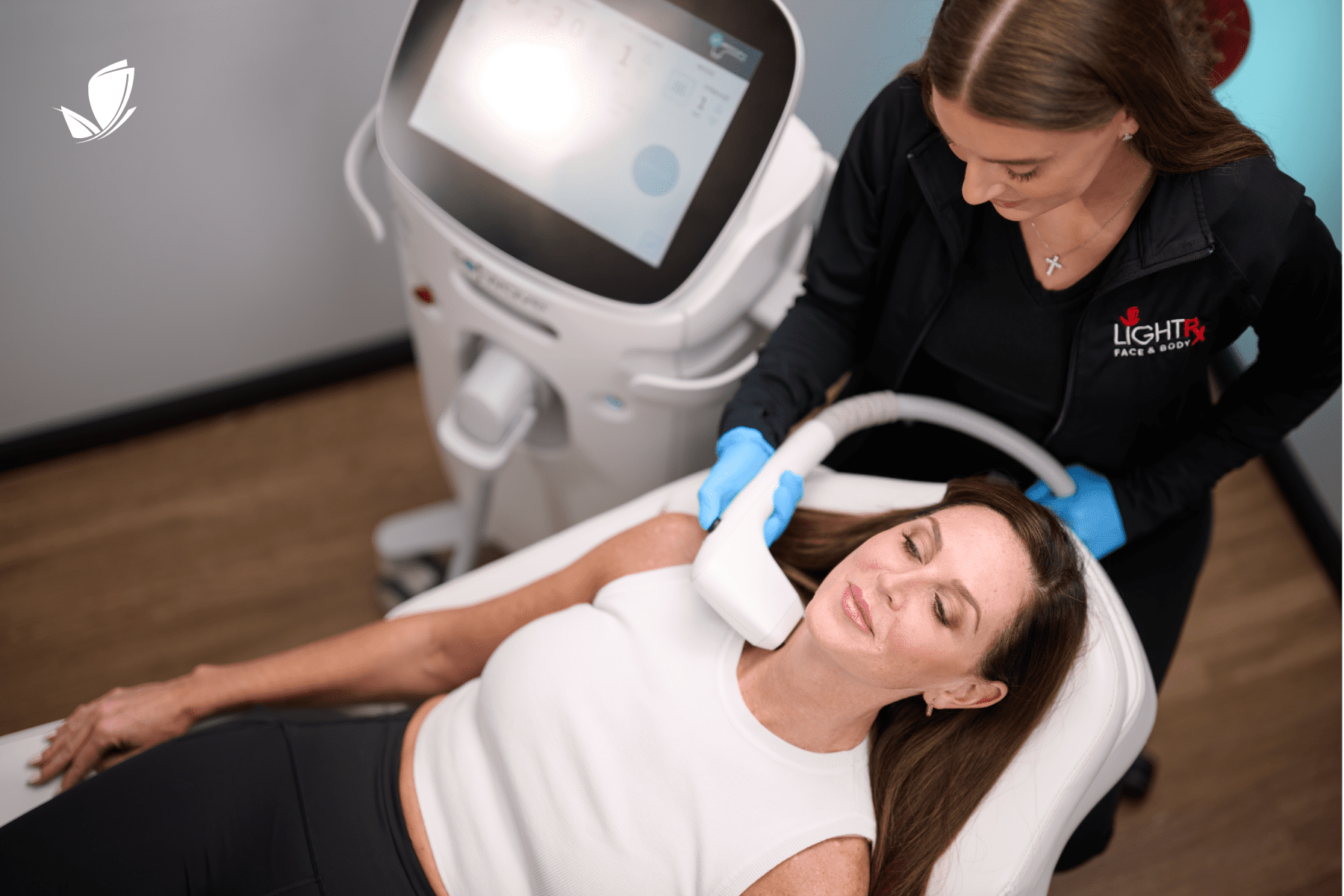
Skin tightening is accomplished using a combination of radio frequencies and magnetic pulses. These frequencies cause a thermal reaction in the neck’s tissues, jumpstarting the body’s natural healing process.
At LightRx, we use ultrasound to create heat beneath the skin’s surface. Once the healing process begins, the result is collagen that is strengthened, and as it contracts, this action smooths the skin, reducing lines and wrinkles.
The Venus Legacy is highly versatile. It can be used for the neck, face, back, stomach, thighs, cellulite reduction, and wrinkles. At LightRx, we also use Sofwave to tighten facial skin.
Improve Texture and Tone with Skin Resurfacing
Skin resurfacing is an effective solution for sun damage, aging, and wrinkles. Depending on your skin type, age, and goals, a combination of treatments is often recommended.
For example, LightRx offers Venus Viva, Venus Glow, Sofwave, and Aerolase Neo Elite.
Venus Viva improves skin texture by addressing wrinkles, discoloration, acne scarring, and stretch marks. It uses Radio Frequency (RF) and Pulsed Electro Magnetic Fields with SmartScan technology to safely administer heat to deeper layers of the skin without harming surrounding tissues.
This process tightens existing collagen fibers, stimulating the production of new collagen. Rebuilding collagen, called collagen remodeling, effectively smooths lines and wrinkles and evens skin tone.
Skin resurfacing and tightening offer long-lasting results that effectively address wrinkles and improve skin texture to promote a healthy, youthful appearance. Good skin care after any treatment helps your results last longer.
Address Deep-Set Lines with Dermal Fillers
Dermal fillers are another option for neck wrinkles. Injectables restore lost volume and smooth out wrinkles.
Fillers are strategically injected into specific areas of the neck to add volume, plump wrinkles, and redefine the jawline for a more youthful contour. Hyaluronic acid fillers, which naturally occur in our bodies, are the most commonly used dermal fillers.
There is a wide range of dermal fillers to choose from, so it is advisable to schedule a consultation with a skilled technician to discuss your goals and design a treatment plan targeting your specific needs.
Like the other options listed above, fillers offer non-surgical solutions for addressing neck wrinkles and sagging skin. Results are typically noticeable immediately, with full results developing over time.
At LightRx, we believe the best approach to reducing neck wrinkles depends on their severity and the desired outcome.
We offer personalized, free consultations to assess your skin and discuss your goals; then, we will recommend the best treatments or a combination of treatments to help you achieve a smoother, more youthful appearance.
Beautiful skin starts at LightRx: innovative treatments, quality skincare, and skilled technicians.
Frequently Asked Questions
How can I tell if my neck pain is just a simple strain or something more serious? Most of the time, neck pain comes from strained muscles due to things like poor posture or sleeping in an odd position. However, you should seek immediate medical help if your pain is paired with a high fever, a severe headache, numbness or weakness in your arms or legs, or loss of bladder or bowel control. If your pain is persistent and doesn’t improve with at-home care after a few days, it’s a good idea to get it checked out by a professional to rule out any underlying issues.
With options like Botox, skin tightening, and fillers, how do I choose the right treatment for my neck wrinkles? The best treatment really depends on your specific concerns. If you’re bothered by the vertical bands that run down your neck, Botox can relax those muscles for a smoother look. For general skin laxity or crepey texture, skin tightening treatments work to rebuild collagen and firm up the area. If you have deep, horizontal lines, dermal fillers can be used to plump the skin and soften their appearance. The most effective approach often involves a combination of treatments, which is why a personal consultation is the best first step to create a plan tailored for you.
What is the recovery time like for non-surgical neck treatments? One of the biggest advantages of these treatments is the minimal downtime. For procedures like skin tightening or skin resurfacing, you might experience some mild redness for a few hours, but you can typically get right back to your day. With injectables like Botox or fillers, there’s a small chance of minor bruising or swelling at the injection site, but this usually resolves quickly and can be covered with makeup.
How long do the results from cosmetic neck treatments typically last? The duration of your results will vary based on the treatment you choose and your own body. Botox results generally last around three to four months. Dermal fillers can last anywhere from six months to over a year. The effects of skin tightening are long-lasting because the treatment stimulates your own collagen production, but many people opt for occasional maintenance sessions to keep their skin looking its best.
Can the same lifestyle changes that prevent neck pain also help reduce the appearance of neck wrinkles? Absolutely. Being mindful of your posture, especially avoiding the “tech neck” position where you’re constantly looking down at your phone, is a great example. This habit not only strains your muscles but also encourages the formation of horizontal neck lines. By keeping your head up and your devices at eye level, you reduce both physical stress and the constant creasing of your skin, which helps keep your neck looking smoother and feeling better.
Key Takeaways
- Adopt a Two-Part Strategy for Neck Care: A truly healthy neck is both pain-free and youthful-looking. Combine lifestyle habits that reduce muscle strain with cosmetic treatments that address signs of aging like wrinkles and sagging skin.
- Master At-Home Pain Relief First: You can effectively manage most neck stiffness with simple, consistent practices. Use hot and cold therapy for immediate relief, incorporate gentle stretches to improve mobility, and make conscious posture adjustments to prevent future strain.
- Explore Non-Surgical Aesthetic Treatments: Modern medspa services offer powerful ways to rejuvenate your neck without surgery. Options like Botox, skin tightening, and dermal fillers target the root causes of aging by relaxing muscles and rebuilding collagen for smoother, firmer skin.