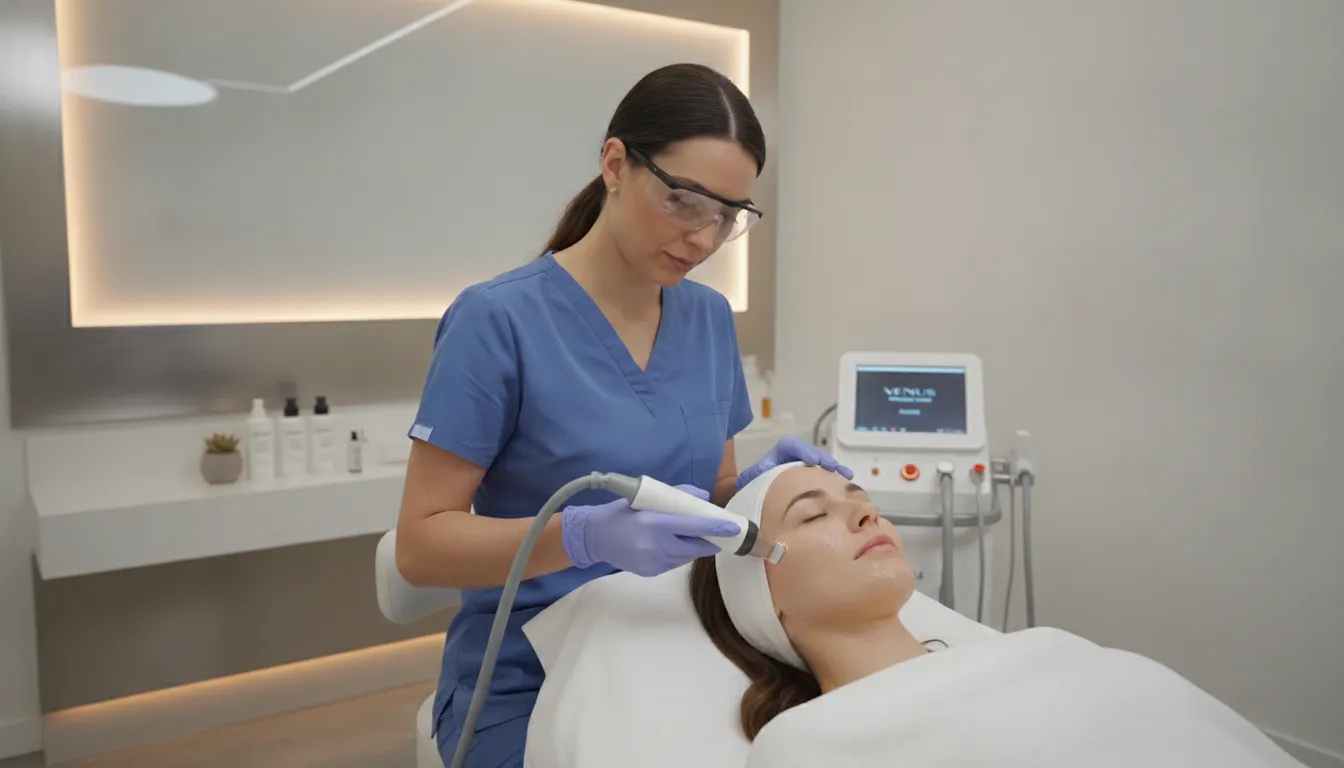


HydraFacial Benefits for Dull, Dry, or Congested Skin
When moisturizer cannot quite revive dull flakes and clogged pores keep returning, your skin may need a more complete reset. A HydraFacial addresses surface buildup, pore debris, and dehydration in one noninvasive session. Among the most valued HydraFacial benefits are a brighter-looking tone, smoother texture, cleaner-looking pores, and a fresh layer of hydration without the aggressive feel of a traditional scrub.
Schedule a consultation with LightRx
The treatment combines several familiar facial steps in a coordinated process. Instead of treating dullness, dryness, and congestion as unrelated concerns, HydraFacial cleanses and exfoliates, uses gentle suction to extract debris, and then applies hydrating solutions. The result is a customizable treatment that can be discussed with a provider according to your skin, comfort, and goals.
HydraFacial benefits for common skin concerns
HydraFacial benefits include a brighter-looking tone, smoother texture, more refreshed hydration, and cleaner-looking pores. The treatment combines exfoliation, suction-based extraction, and serum application so it can address several visible concerns in one appointment. A provider can adjust the plan to suit dry, dull, congested, or combination skin.
Each step of a HydraFacial has a different job. Exfoliation helps lift dead surface cells that can make skin look flat. Extraction focuses on material inside congested pores. Hydrating solutions then support a softer, more refreshed appearance. Together, these steps offer a balanced option for people whose concerns overlap.
Brighter-looking, smoother skin
Dead skin cells can make the surface look dull and feel rough. The cleanse-and-peel portion of a HydraFacial loosens and removes some of that buildup. By clearing the outermost layer, the treatment can reveal a smoother-looking surface and help light reflect more evenly from the skin.
This is cosmetic resurfacing rather than a structural change to the skin. Results vary, and a single facial cannot correct every cause of uneven tone or texture. Still, clients who feel that their complexion looks tired before an event or after a dry season may appreciate the refreshed appearance.
Hydration for dry skin
Dry skin often needs more than exfoliation. Removing flakes can improve texture, but overly aggressive exfoliation may leave the skin feeling tight. HydraFacial pairs its cleansing and extraction steps with hydrating solutions, which helps support a softer finish after the surface has been cleared.
A provider can also consider combination skin, where some areas feel dry while others become congested. Customizing the session helps avoid treating the entire face as though every area has exactly the same need.
Clearer-looking pores and refined texture
Congested pores can hold a mix of oil, dead skin cells, and debris. Gentle suction helps lift that material after it has been loosened. This may make pores look cleaner and the surrounding texture appear more even. People especially focused on congestion can read about clearing blackheads with HydraFacial.
HydraFacial is not a cure for acne, and the cause of recurring breakouts matters. A provider can help determine whether a facial makes sense for your current skin condition or whether another approach should be considered.
How does a HydraFacial work?
A HydraFacial works through three coordinated stages: cleanse and exfoliate, extract pore debris with gentle suction, and apply hydrating solutions. Each stage prepares the skin for the next. The process can be customized during a consultation, allowing the provider to focus on concerns such as dullness, dryness, or congestion.
- Cleanse and exfoliate: The provider removes surface impurities and loosens dead skin cells.
- Extract: Gentle suction helps lift pore debris from congested areas.
- Hydrate: Hydrating solutions are applied to the freshly cleansed surface.
Cleanse and exfoliate
The opening stage removes makeup, oil, and surface residue before controlled exfoliation begins. This is important because dead cells can act like a barrier, leaving skin rough and making later steps less effective. The provider can adjust the approach based on sensitivity and the condition of the skin that day.
Extract and hydrate
Once surface buildup has been loosened, suction can focus on congested areas. The process is designed to be gentler than squeezing pores manually. Hydration follows so the session does not stop at removal alone. That sequence helps balance a cleaner-looking surface with a comfortable, refreshed finish.

What makes the process customizable?
Skin concerns rarely fit into a single category. A client may have a dry cheek area, an oily T-zone, and visible dullness at the same time. During consultation, the provider can review priorities, sensitivity, and health history before recommending an approach. That makes the treatment plan more useful than selecting a facial based only on a trend.
Why exfoliation and hydration work better together
Exfoliation and hydration solve different parts of the same visible problem. Exfoliation lifts dull surface buildup. Hydration supports a softer, more supple appearance after the surface is cleared. When these steps are paired thoughtfully, the skin can look smoother without relying on harsh scrubbing.
Two steps with different jobs
Removing dead cells can improve the look of texture, yet removal alone does not address dryness. Adding hydration after exfoliation helps create a more balanced finish. This is especially relevant for people who have tried strong exfoliants only to find that their skin looks temporarily smooth but soon feels tight or uncomfortable.
Balance matters more than intensity
More aggressive is not always better. The right level of exfoliation depends on the skin’s current condition, recent treatments, home-care products, and sensitivity. Tell your provider about retinoids, acids, prescriptions, active irritation, or recent procedures before treatment. That information helps the provider recommend safer timing and customization.
Clients comparing options can also review HydraFacial versus microdermabrasion and HydraFacial versus a chemical peel. Each option approaches resurfacing differently, so the best fit depends on your goals and tolerance.
Talk with LightRx about your skin goals
Who may benefit from a HydraFacial?
People with dull, dry, rough, or congested-looking skin may benefit from a HydraFacial. It can also appeal to clients who want several facial steps in one visit. Suitability is individual, so a provider should review your skin, health history, recent procedures, and current products before recommending treatment.
Dry and dull skin goals
A HydraFacial may suit someone whose main goal is a refreshed, hydrated look. The combined steps can lift flaky surface buildup and follow with moisture-focused solutions. It may also be considered before an event when a client wants a polished appearance, provided timing and suitability are discussed in advance.
Congested and combination skin needs
People who notice recurring pore debris or a rough-feeling T-zone may value the extraction stage. Combination skin can benefit from a plan that accounts for both congestion and dry areas. For a deeper look at this concern, see LightRx’s guide to blackhead extraction with HydraFacial.
When to pause and ask a provider
Active irritation, open lesions, a current skin infection, or a recent procedure may change the recommended timing. Certain products and prescriptions can also increase sensitivity. Share your complete skin-care routine and relevant health information during consultation. When in doubt, postponing treatment until the skin is calm may be the better choice.
How often should you get a HydraFacial?
How often to get a HydraFacial depends on your skin goals, response, sensitivity, home care, and budget. Some clients discuss occasional treatments before events, while others ask about a recurring plan. A provider can assess your skin after each visit and recommend timing rather than relying on a fixed schedule.
Immediate results and ongoing care
Many people pursue a HydraFacial for an immediate refreshed appearance. Maintaining that look over time is a separate goal. Home cleansing, sun protection, hydration, climate, and other treatments can all influence how long visible results seem to last.
Factors that shape your schedule
- Your primary concern, such as dryness, dullness, or congestion
- How your skin responds after the first treatment
- Use of retinoids, acids, and other active products
- Recent or planned professional skin treatments
- Personal timing, budget, and event schedule
Rather than copying another person’s routine, review these factors with a provider. LightRx’s guide to planning a HydraFacial schedule offers more context for that conversation.
What to expect before and after treatment
Before a HydraFacial, expect a consultation about your goals, skin condition, products, and recent treatments. During the visit, the provider cleanses, exfoliates, extracts, and hydrates the skin. Afterward, follow the provider’s personalized instructions, use gentle products, protect your skin from the sun, and monitor sensitivity.
Preparing for your appointment
Arrive ready to discuss current products, prescriptions, allergies, recent procedures, and any irritation. Avoid making last-minute changes to active products unless a qualified provider tells you otherwise. If you are planning around a special event, ask how much time to leave between the appointment and the event.
During the treatment
The provider will move through cleansing, exfoliation, extraction, and hydration while monitoring comfort. Tell them if anything feels unusually intense. An open conversation helps the provider adjust the session and gives you clearer expectations about what the treatment can and cannot accomplish.
Aftercare and realistic results
Your skin may look brighter and feel smoother soon after treatment, but results differ. Use gentle home care and follow the instructions you receive. Daily sun protection is also important for supporting the look of treated skin. Contact the provider if you experience an unexpected or concerning reaction.
| Skin concern | Treatment focus | Consultation consideration |
|---|---|---|
| Dull-looking tone | Surface cleansing and exfoliation | Recent acids, retinoids, or resurfacing |
| Dry, flaky appearance | Gentle exfoliation followed by hydration | Current sensitivity and home care |
| Congested-looking pores | Suction-based extraction | Cause and severity of congestion |
| Combination skin | Customized focus by facial area | Different needs across the face |
Frequently Asked Questions
How long do HydraFacial results last?
The visible glow and hydrated feel may last for days or longer, but timing varies with skin condition, home care, and personal goals. A provider can recommend an appropriate schedule after assessing your skin.
Is a 30-minute HydraFacial enough?
A standard appointment can often cleanse, exfoliate, extract, and hydrate within a relatively short visit. Exact appointment length and available customizations vary, so confirm timing with your LightRx provider.
Can HydraFacial help congested or acne-prone skin?
HydraFacial can help lift surface buildup and pore debris, which may improve the look of congestion. It is not a cure for acne, and active or persistent acne should be assessed by an appropriate healthcare professional.
What are the possible disadvantages of HydraFacial?
Possible drawbacks include temporary sensitivity, redness, or results that do not match expectations. Suitability depends on skin condition and health history, which is why a consultation matters.
How much does a HydraFacial cost?
Pricing can vary by location, treatment plan, and customization. Contact LightRx for current local pricing after a provider helps identify the right treatment option for your skin goals.
Ready to address dull, dry, or congested skin?
A customized plan can help you decide which HydraFacial benefits matter most for your skin. LightRx providers can review your goals, current routine, and treatment timing, then help you understand whether HydraFacial fits your next step.
Schedule a consultation with LightRx or find a LightRx location near you.