

HydraFacial vs. Microdermabrasion: Which Is Better?
When you look in the mirror, what do you see? Is it skin that feels dry and looks a bit dull, or is it the texture from old acne scars and clogged pores that bothers you most? Answering that question is the first step in choosing your next skin treatment. HydraFacial and microdermabrasion are two of the most effective procedures available for total skin rejuvenation, but they solve different problems. The hydrafacial vs microdermabrasion decision comes down to understanding your primary concern. One provides unparalleled hydration and a gentle clean, while the other offers powerful physical exfoliation for serious smoothing. Let’s get into the specifics of what each treatment targets so you can match your skin’s needs with the perfect solution.
Key Takeaways
- Choose Your Exfoliation Method: HydraFacial uses a gentle, liquid-based vortex technology to cleanse and hydrate, while microdermabrasion uses a dry, physical method to sand away the outer layer of skin for a smoother surface.
- Prioritize Your Main Skin Goal: Select HydraFacial if your primary goal is to infuse your skin with deep hydration, reduce fine lines, and achieve an immediate glow. Opt for microdermabrasion if you want to focus on improving skin texture, such as smoothing rough patches or minimizing shallow scars.
- Factor in Downtime and Sensitivity: A HydraFacial is a gentle, zero-downtime treatment perfect for sensitive skin or a quick refresh before an event. Microdermabrasion is more intensive and may require a day or two of recovery for redness to subside, making it better for less reactive skin types.
HydraFacial vs. Microdermabrasion: An Introduction
If you’re looking for a way to refresh your complexion, you’ve likely come across two of the most popular treatments available: HydraFacial and microdermabrasion. Both are fantastic for getting that glow, but they work in very different ways. Think of it like choosing between a deep-cleaning, hydrating wash and a powerful, refining polish for your skin. One focuses on infusing the skin with moisture and nutrients, while the other is centered on physical exfoliation to reveal a fresh surface.
Both treatments can address common concerns like dullness, uneven texture, and clogged pores, but their approach determines which is better suited for specific skin types and goals. Understanding exactly what happens during each treatment is the first step in figuring out which one is the perfect match for you. Let’s break down what you can expect from each process so you can feel confident in your choice.
The HydraFacial Process
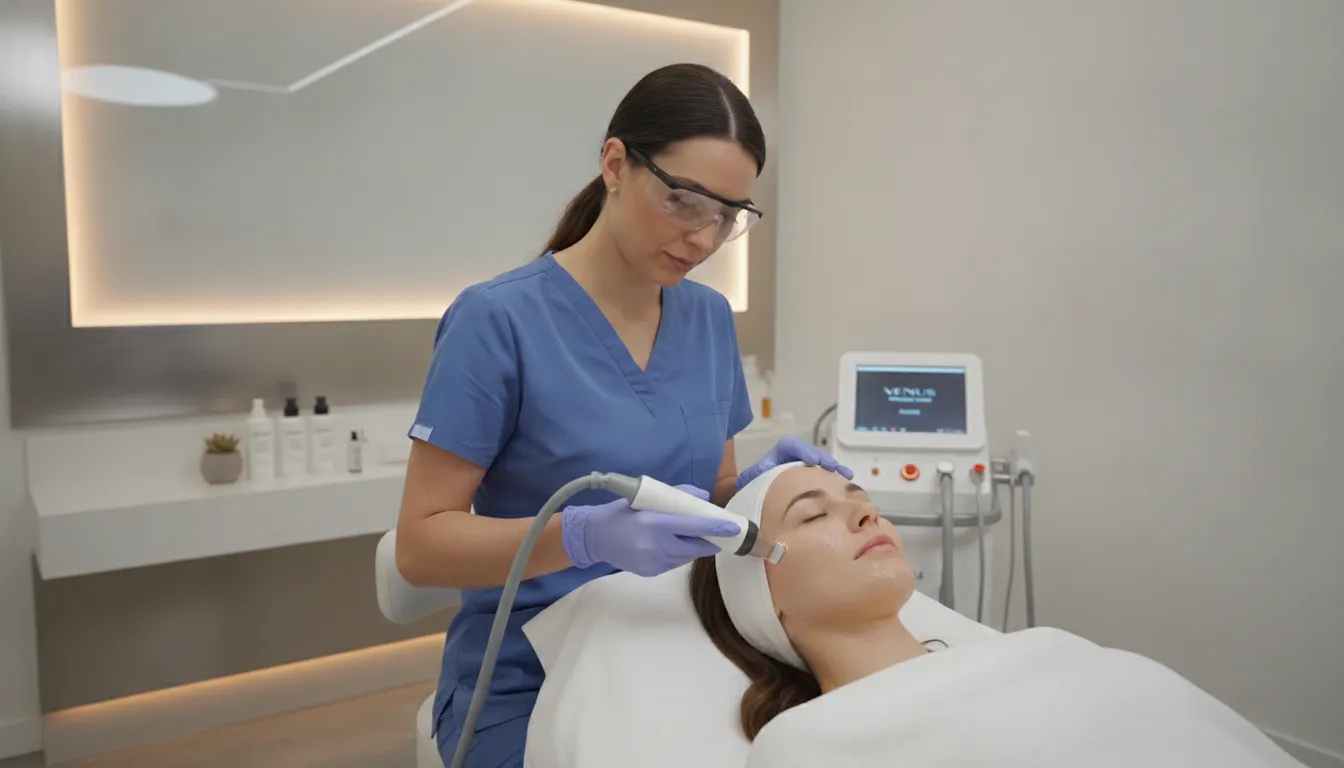
A HydraFacial is a gentle, multi-step treatment that feels more like a relaxing spa facial than a clinical procedure. It’s all about cleansing, exfoliating, and infusing your skin with intensive serums. The process uses a unique, wand-like device with vortex-fusion technology. This device essentially vacuums out pores while simultaneously pushing in potent actives, which moisturize, brighten, and protect your skin. The treatment starts by gently cleansing and exfoliating the surface, followed by a painless suction to clean out debris from your pores. Finally, your skin is saturated with antioxidants and peptides for ultimate skin rejuvenation and a healthy glow.
The Microdermabrasion Process
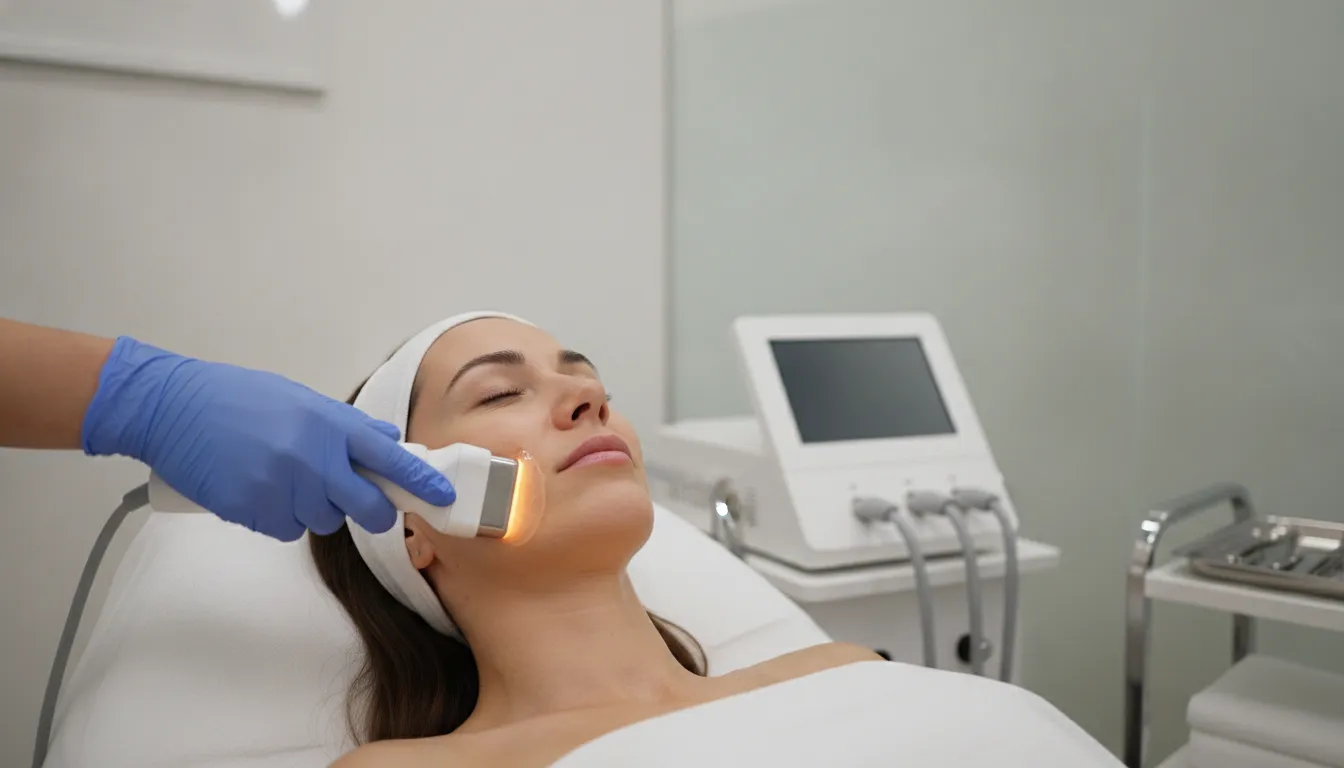
Microdermabrasion is a powerful method of physical exfoliation. A trained technician uses a handheld device to gently buff away the outermost layer of dead skin cells. This can be done in two ways: one method uses a diamond-tipped wand to abrade the skin, while another uses a fine spray of exfoliating crystals. Both techniques effectively remove the dull, tired layer of skin to reveal the smoother, more radiant skin underneath. This process helps to reduce the appearance of minor imperfections and encourages new, healthy cell growth. It’s a straightforward and effective way to achieve a more even skin tone and texture.
HydraFacial vs. Microdermabrasion: The Key Differences
When you’re looking for a facial treatment that goes beyond a simple cleanse and moisturize, you’ll likely come across HydraFacial and microdermabrasion. Both are fantastic for exfoliation and revealing brighter skin, but they work in very different ways. Think of it as the difference between pressure washing your patio and sanding it down; both get the job done, but the method and results have unique qualities. Understanding these key differences will help you choose the treatment that aligns perfectly with your skin goals and lifestyle.
Technology and Technique
The main distinction between these two treatments lies in their approach to exfoliation. Microdermabrasion is a form of physical exfoliation. It uses a diamond-tipped wand or a spray of fine crystals to manually sand away the outer layer of dead skin cells. It’s a tried-and-true method for smoothing texture and improving surface imperfections. HydraFacial, on the other hand, uses a patented vortex-fusion technology. Instead of abrasive materials, it uses a spiral-tipped wand to create a vortex effect that both vacuums out impurities from your pores and infuses your skin with hydrating serums. It’s a multi-step process that cleanses, exfoliates, extracts, and hydrates all in one go, making it a comprehensive tool for skin rejuvenation.
Customization and Serums
This is where HydraFacial really shines. The treatment is highly customizable. During your session, your technician can infuse your skin with different “booster” serums packed with antioxidants, peptides, and hyaluronic acid to address your specific concerns, whether that’s fine lines, dark spots, or oily skin. It’s like getting a deep cleaning and a personalized nutrient cocktail for your face all at once. Microdermabrasion offers a more straightforward approach. While the intensity of the exfoliation can be adjusted, the treatment itself doesn’t involve serums. Its primary goal is exfoliation, making it a powerful but less tailored procedure. The focus is on the physical renewal of the skin’s surface rather than targeted ingredient delivery, which is why many people explore our full range of services to find their perfect match.
Comfort and Downtime
Your comfort during and after the treatment is a big factor. Most people describe the HydraFacial as a gentle and relaxing experience. It feels like a tiny, cool vacuum moving over your face, with no pain or discomfort. Afterward, you can walk out with an immediate glow and go right back to your day. There is absolutely no downtime, which is why it’s often called a “lunchtime facial.” Microdermabrasion can feel a bit more intense. You’ll feel a mild scratching or sanding sensation as the wand moves across your skin. It’s not painful, but it is a more noticeable feeling. After the treatment, your skin might be slightly pink and feel tight for a day or two, similar to a mild sunburn. This minimal downtime is still very manageable for most people, much like other popular treatments such as dermal fillers.
Cost and Frequency
When planning for aesthetic treatments, budget is always a consideration. Generally, a HydraFacial session costs more than a microdermabrasion treatment. The higher price point reflects the advanced, multi-step technology and the cost of the specialized serums used during the procedure. You’re paying for a comprehensive treatment that cleanses, exfoliates, and deeply hydrates in one session. Microdermabrasion is typically the more affordable option, making it an accessible choice for regular maintenance and exfoliation. Because the technology is simpler and doesn’t involve costly serums, the overall price is lower. To make regular treatments more manageable, many of our clients enjoy the benefits and savings offered through a LightRx membership, which can be applied to a variety of our services.
Which Treatment Solves Your Skin Concerns?
Let’s get to the heart of it. You want to know which treatment will actually help with your specific skin issues. While both HydraFacial and microdermabrasion are fantastic for improving your complexion, they each have their own superpowers. Think of it like choosing the right tool for the job. One is perfect for deep cleaning and hydrating, while the other is a master at smoothing and refining texture. Knowing what each one targets will help you make the best choice for your skin goals.
What HydraFacial Targets
If your skin is feeling parched, dull, or just generally lackluster, HydraFacial is likely the answer you’re looking for. This treatment is all about hydration and nourishment. It’s a gentle, multi-step process that cleanses, exfoliates, and then infuses your skin with intensive serums packed with antioxidants and peptides. It’s especially wonderful for tackling dryness, reducing the appearance of fine lines, and giving you an immediate, radiant glow. Because it’s so gentle and customizable, it’s a fantastic option for nearly all skin types, including sensitive ones that might react to more aggressive treatments. It’s a core part of any effective skin rejuvenation plan.
What Microdermabrasion Targets
If you’re looking to address textural concerns, microdermabrasion is your go-to. This treatment is a powerful form of physical exfoliation that gently sands away the thick, uneven outer layer of your skin. It’s incredibly effective for smoothing rough patches, minimizing the look of shallow acne scars, and reducing light hyperpigmentation or sun spots. By sloughing off dead skin cells, it also helps unclog pores and can make your skin feel brand new. If your primary concerns are related to your skin’s surface texture or the lingering evidence of past breakouts and sun exposure, microdermabrasion can help you achieve a smoother, more even-toned complexion.
Weighing the Pros and Cons
Every skincare treatment has its own set of benefits and potential drawbacks. Understanding these can help you make the best choice for your skin and lifestyle. When you know what to expect, you can feel confident in your decision and prepared for the outcome. Let’s break down the pros and cons of both HydraFacial and microdermabrasion so you can see how they stack up against each other and decide which one aligns with your personal skin goals.
HydraFacial: Pros and Cons
One of the biggest draws of a HydraFacial is how gentle it is. This multi-step treatment cleanses, exfoliates, and infuses your skin with hydrating serums all in one session. It’s a fantastic treatment for overall skin rejuvenation, giving your skin a tighter, brighter appearance by deeply cleaning out pores and smoothing away fine lines. The best part for many is that there’s absolutely no downtime. You can walk out of your appointment and get right back to your day looking refreshed. The main downside is minimal; some people with very sensitive skin might notice slight redness right after, but this typically fades very quickly, often within an hour.
Microdermabrasion: Pros and Cons
Microdermabrasion is a powerhouse when it comes to physical exfoliation. By gently buffing away the outermost layer of skin, it effectively removes dead cells and helps unclog pores for a much smoother texture. This makes it a great option if you’re looking to reduce the appearance of acne scars, dark spots, or sun damage. While it delivers noticeable results, the primary con is the potential for some downtime. Because it’s more abrasive than a HydraFacial, you might experience redness, mild swelling, or irritation afterward. Your skin may need a little time to recover, which is an important factor to consider when scheduling your treatment.
Which Treatment Is Right for Your Skin Type?
Choosing between skin treatments can feel overwhelming, but it often comes down to what your specific skin type needs most. Are you looking for deep hydration and a gentle touch, or do you need a more powerful exfoliation to smooth out texture? Understanding your skin is the first step toward picking the perfect facial. Let’s break down who benefits most from a HydraFacial versus who is a better candidate for microdermabrasion.
Who Should Get a HydraFacial?
If your skin is feeling thirsty, reactive, or just a bit dull, a HydraFacial is likely your perfect match. This treatment is incredibly gentle, making it a fantastic option for those with sensitive or dry skin. The process involves multiple steps that cleanse, exfoliate, and extract impurities, all while infusing your skin with intensely hydrating serums. Think of it as an all-in-one treatment that delivers an immediate, dewy glow without any harshness. It’s the ideal choice if you want a relaxing experience that provides instant skin rejuvenation and a serious moisture infusion.
Who Should Get Microdermabrasion?
On the other hand, if you’re dealing with skin that feels rough, has minor acne scars, or tends to be oily, microdermabrasion might be the way to go. This treatment works by physically buffing away the outermost layer of dead skin cells, revealing a smoother, more even-toned surface underneath. It’s a more direct and powerful method of exfoliation. Consider microdermabrasion if your main goals are to smooth out texture, reduce the appearance of superficial scarring, and give your skin a deep clean. It’s particularly effective for combination or oily skin types that can handle a more vigorous approach to exfoliation.
A Note on Sensitive Skin
When it comes to sensitive skin, the choice becomes a bit clearer. HydraFacial is generally the more suitable option because of its gentle, non-abrasive technique. The suction and infusion technology provides a deep clean and hydration without causing the irritation that can sometimes come with manual exfoliation. Microdermabrasion, with its physical buffing action, might be too intense for highly reactive or sensitive skin, potentially leading to redness or discomfort. If you know your skin is easily irritated, it’s always best to err on the side of caution. The best way to be sure is to get a personalized recommendation during a free consultation.
Your Guide to Pre- and Post-Treatment Care
How to Prepare for Your Treatment
Getting the best results from any skin treatment starts before you even walk into the clinic. The most important first step is talking with a skin care professional. During a consultation, we can discuss your skin history, concerns, and goals to determine which treatment is the right fit for you. A few days before your appointment, it’s a good idea to pause the use of any strong at-home products like retinoids or exfoliating acids. You’ll also want to avoid excessive sun exposure. Arriving with a clean, makeup-free face is always appreciated. This simple prep work ensures your skin is ready and helps your technician give you the best possible outcome from our services.
Caring for Your Skin After a HydraFacial
One of the best parts of a HydraFacial is that post-treatment glow. You’ll likely walk out with skin that looks and feels dewy, plump, and incredibly hydrated, with minimal to no redness. To keep that radiance going, your aftercare routine is simple. Focus on hydration from the inside out by drinking plenty of water. Use a gentle moisturizer to lock in all the goodness from the treatment. For the first day or two, it’s best to skip any intense workouts and avoid exfoliants or other strong active ingredients. Let your skin soak up the benefits and enjoy the immediate, beautiful results of your skin rejuvenation treatment.
Caring for Your Skin After Microdermabrasion
After a microdermabrasion session, your skin might feel a little tight or look slightly pink, similar to a mild sunburn. This is completely normal and usually subsides within a day or two. Your main job is to be gentle with your skin while it heals. Avoid using any harsh products, especially exfoliants and retinoids, for a few days. Instead, opt for a soothing, hydrating moisturizer to support your skin’s recovery. Sun protection is also crucial. Your skin will be more sensitive to UV rays, so apply a broad-spectrum sunscreen daily. Following these simple steps will help your skin heal beautifully, revealing a smoother and more even-toned complexion.
How Often Should You Get These Treatments?
Consistency is key for maintaining your results. For a HydraFacial, many people find that a monthly session is perfect for keeping their skin clear and hydrated. Others may schedule treatments every few months for a seasonal refresh. Microdermabrasion frequency can vary more, depending on your specific goals. Some treatment plans might start with weekly or bi-weekly sessions to address a particular concern, then transition to monthly appointments for maintenance. Ultimately, the ideal schedule is unique to you. We can create a personalized plan and even discuss a LightRx membership to make your routine simple and rewarding.
Related Articles
- HydraFacial | LightRx Face & Body MedSpa
- 6 Amazing HydraFacial Benefits for Your Skin
- What Is a Hydrafacial? The Ultimate Guide
Frequently Asked Questions
Which treatment is better for anti-aging concerns like wrinkles? Both treatments can help with signs of aging, but they do it in different ways. A HydraFacial is excellent for plumping up the skin with hydration, which can make fine lines and wrinkles appear less noticeable almost instantly. Microdermabrasion focuses on improving skin texture and tone by removing the outer layer of dead skin, which can soften the look of surface imperfections over time. The best choice really depends on whether your primary concern is dehydration and fine lines or overall texture and smoothness.
Will either of these treatments hurt? Your comfort is a top priority, and thankfully, neither of these treatments is considered painful. Most people find the HydraFacial to be a very relaxing and gentle experience, often describing it as a cool, tiny vacuum moving across the skin. Microdermabrasion is a bit more intense; you will feel a sanding or light scratching sensation. It is not painful, but you are aware that a physical exfoliation is happening.
How soon will I see results, and how long will they last? With a HydraFacial, you will see results immediately. You’ll walk out with a noticeable glow and skin that feels deeply hydrated and clean. These immediate effects can last for a week or more. Microdermabrasion results appear after the initial redness fades, usually within a day or two, revealing smoother skin. For both treatments, the long-term benefits, like improved texture and tone, come with consistent sessions. A single treatment is great, but a series of treatments will give you more lasting improvement.
What about active acne? Can I get these treatments if I have breakouts? This is a great question, and it’s important to be careful with active breakouts. Microdermabrasion is generally not recommended for skin with active, inflamed acne, as the abrasive nature of the treatment could irritate the skin further or spread bacteria. A HydraFacial can often be customized to be gentle on acne-prone skin, focusing on deep cleaning the pores. However, the best course of action is always to have a professional assess your skin first.
Can I get both a HydraFacial and microdermabrasion? You can certainly incorporate both treatments into your long-term skin care routine, but you would not get them on the same day. A skin care professional might recommend alternating between the two every few months. For example, you could use microdermabrasion to work on texture and then follow up with a HydraFacial a few weeks later to infuse the skin with hydration. This kind of personalized plan is something we can build together to help you meet all of your skin goals.