
Acne Scar Removal Cream vs. Laser Treatments
The emotional toll of acne doesn’t always end when the breakouts stop. The scars left behind can be a daily source of frustration, affecting your confidence long after your skin has cleared. If you’ve been on a mission to solve this, you’ve likely tried a dozen different products, from drugstore finds to luxury serums. But when every acne scar removal cream fails to deliver on its promise to smooth your skin’s texture, it’s easy to feel discouraged. The truth is, the solution for pitted or indented scars isn’t about finding a better cream—it’s about changing the treatment strategy entirely. Let’s talk about what causes these textural changes and how professional treatments can help your skin rebuild its own foundation for truly lasting results.
Let’s talk about what’s really going on with stretch marks. They form when your skin stretches too quickly, causing the collagen and elastin fibers in the deeper dermal layer to tear. Think of it as a scar forming from the inside. This is precisely why surface creams can only moisturize, not repair. A laser treatment to get rid of stretch marks works on a completely different level. It sends focused light energy past the surface to gently heat the underlying tissue. This process triggers your body’s natural healing response, stimulating the production of new, healthy collagen to remodel the skin for a smoother, clearer appearance.
Key Takeaways
- Set Realistic Expectations: Laser therapy is designed to significantly improve the appearance of stretch marks, not erase them completely. Because they are a type of scar in the skin’s deeper layers, the goal is to smooth their texture and even their color so they become much less noticeable.
- Your Treatment Plan is Unique to You: The best laser for your stretch marks depends on their age, color, and your skin type. A professional consultation is the first step to determine the right technology and create a personalized strategy for the most effective results.
- Commit to the Full Process: Visible improvement happens over time, not overnight. Achieving your desired results requires completing a series of treatments spaced several weeks apart and following your technician’s aftercare instructions to support your skin’s natural healing cycle.
So, What Are Stretch Marks, Really?
Let’s be honest, most of us have them. Whether they showed up during a growth spurt in our teens, after having a baby, or from hitting a new personal best at the gym, stretch marks are incredibly common. But what are they, really? At their core, stretch marks are a type of scar that forms when our skin stretches or shrinks too quickly. This rapid change causes the collagen and elastin, the proteins that keep our skin firm and supple, to rupture. As the skin heals, these scars appear. Think of them as tiny tears in the middle layer of your skin, the dermis. While they pose no health risk, their appearance can be a source of frustration for many. They show up when our bodies are going through significant changes, marking moments of growth and transformation. Understanding what they are is the first step in figuring out how to manage them. While creams and lotions can help with hydration, more advanced treatments focus on skin rejuvenation to address the underlying structural changes in the skin and improve texture.
How Do Stretch Marks Actually Form?
When your skin stretches beyond its elastic limit, the dermis tears. This is why fresh stretch marks often look red or purple—you’re seeing the blood vessels through the tear. They can appear as lines on areas like the stomach, thighs, hips, breasts, and lower back. Over time, these blood vessels constrict, and the marks fade to a silvery or white color as the pale fat underneath becomes more visible. The texture might also feel different, sometimes slightly indented or ridged. This color and texture change is a key reason why different types of stretch marks respond differently to treatment.
What Causes Stretch Marks?
So, what causes this rapid stretching? The list is full of normal life events. Stretch marks often happen during pregnancy, affecting more than half of pregnant people. They can also be caused by quick weight changes (either gain or loss), weight training that leads to rapid muscle growth, and adolescent growth spurts. Certain health conditions or the use of corticosteroid creams can also make you more susceptible. Genetics play a role, too—if your mom has them, you might be more likely to get them. It’s a reminder that these marks are often just a sign of your body adapting to life’s changes.
Types of Acne Scars and Their Causes
Just as there are different types of acne, there are different types of acne scars. Understanding what you’re dealing with is the first step toward finding the right solution. Scars happen because of injury to the skin, usually from the inflammation, excess oil, and bacteria associated with a breakout. And while it’s tempting, picking or squeezing pimples dramatically increases the risk of skin injury and makes scarring worse. Let’s break down the main types of marks that acne can leave behind.
Hyperpigmentation
Have you ever noticed a dark or red spot that lingers long after a pimple has healed? That’s hyperpigmentation. Technically, it’s not a true scar because it doesn’t involve a change in your skin’s texture, but it’s one of the most common concerns after a breakout. These brown or red spots occur when inflammation triggers your skin to produce excess melanin, the pigment that gives skin its color. While frustrating, the good news is that this type of discoloration often fades over time, and certain skin rejuvenation treatments can help speed up the process by promoting cell turnover and evening out your skin tone.
Depressed or Pitted Scars
Depressed scars, also known as atrophic scars, look like small indentations or pits in the skin. They form when not enough collagen is produced during the healing process, leaving the skin without adequate support. These scars are categorized based on their appearance. Ice pick scars are deep and narrow, as if the skin was punctured. Boxcar scars are broader depressions with sharp, defined edges. Rolling scars are also broad but have sloping, less-defined edges that can give the skin a wavy or uneven appearance. Because these scars result from a loss of tissue, treatments are typically focused on stimulating new collagen growth to help fill in the indentations.
Raised Scars
On the opposite end of the spectrum are raised scars, also called hypertrophic scars. These are thick, bumpy scars that sit above the surface of the surrounding skin. Unlike depressed scars, which are caused by a loss of tissue, raised scars form when the body produces too much collagen during the healing process. This overproduction of collagen creates a dense, fibrous bump where the acne lesion used to be. While less common on the face than depressed scars, they can appear on other areas like the chest and back. Managing these requires a different approach aimed at breaking down the excess collagen and smoothing the skin’s texture.
Can Lasers Really Help with Stretch Marks?
If you’ve tried every cream and oil on the shelf, you know that stretch marks can be incredibly stubborn. That’s because they aren’t just a surface-level issue. Stretch marks are a type of scar that forms in the dermis, the middle layer of your skin, when it stretches or shrinks too quickly. This rapid change causes the collagen and elastin, which support our skin, to rupture. As the skin heals, these marks may appear. Laser treatments offer a different approach. Instead of just moisturizing the top layer of skin, they use focused light energy to work deep within the dermis. This process triggers your body’s natural healing response to remodel the skin from the inside out. Think of it as giving your skin the tools it needs to repair itself. By stimulating cell turnover and rebuilding the skin’s support structure, lasers can significantly reduce the appearance of stretch marks, making them less noticeable in color and texture. This method of skin rejuvenation addresses the root cause of the scarring for smoother, more even-toned skin.
How Lasers Trigger Your Skin’s Healing
At its core, laser therapy for stretch marks is all about controlled renewal. The laser sends precise pulses of light energy into the deeper layers of your skin, creating tiny, microscopic wounds in the targeted tissue. This might sound intense, but it’s a highly controlled process that leaves the surrounding skin untouched. This action signals your body to kickstart its natural healing cascade. In response, your system gets to work clearing out the old, damaged tissue and generating fresh, new cells. This process helps even out the skin’s texture and improve the overall appearance of stretch marks by replacing scarred skin with healthier tissue.
Building New Collagen for Smoother Skin
The key to smoother, more resilient skin is collagen and elastin—the proteins that give your skin its strength and flexibility. When stretch marks form, this protein network is damaged. Laser treatments are designed to specifically address this by breaking down the scar tissue and helping your skin produce more of its own collagen and elastin. As your body produces these new protein fibers, they create a stronger support system for your skin. This new foundation helps fill in the depressions of the stretch marks, leading to a smoother surface and improved texture. It’s a powerful way to achieve skin tightening and make the marks blend more naturally with the surrounding skin.
Working Deep Below the Skin’s Surface
One of the main reasons topical creams often fall short is that they can’t penetrate deep enough to make a real difference. Stretch marks are formed in the dermis, which sits below the epidermis (the outermost layer of skin). Laser treatment is effective because it bypasses the surface and delivers its energy directly to these deeper layers where the scarring occurs. By targeting the problem at its source, the laser can effectively remodel the tissue and stimulate the collagen production needed for visible improvement. This targeted approach ensures the treatment is working exactly where it needs to, rather than just treating the surface.
Over-the-Counter (OTC) vs. Medical-Grade Creams
When you’re standing in the skincare aisle, the sheer number of creams promising to erase acne scars can be overwhelming. But there’s a significant difference between what you can grab off the shelf and what you get from a professional. Many creams and serums you find in regular stores simply don’t have strong enough ingredients to truly fix acne scars. They might hydrate your skin, but they often lack the potency to make a real structural change. Medical-grade products, on the other hand, are recommended by skin experts for a reason. They contain stronger, clinically proven ingredients that can actually make a difference in your skin’s texture and tone. If your scars are deep, or if over-the-counter products haven’t helped after three to six months, it’s a good sign that your skin needs a more powerful solution, like professional skin rejuvenation, to achieve the smooth results you’re looking for.
Key Ingredients in Acne Scar Creams
Understanding what’s inside the bottle is the key to finding a product that might actually work for you. Certain ingredients have been studied and shown to help with the appearance of acne scars, from smoothing texture to fading discoloration. When you’re scanning labels, these are the powerhouse ingredients to look for. Each one works in a slightly different way to support your skin’s healing and renewal process. Knowing what they do can help you choose a formula that targets your specific concerns, whether you’re dealing with redness, dark spots, or uneven texture left behind by breakouts. Let’s break down some of the most effective ingredients you’ll find in scar treatments.
Retinoids
You’ve probably heard of retinoids, and for good reason. They are one of the most effective ingredients for skin renewal. Retinoids work by encouraging your skin to make new cells and build collagen, which is essential for smoothing out scars. By speeding up cell turnover, they help shed the old, damaged skin cells on the surface and replace them with fresh, healthy ones. This process not only improves the texture of pitted scars but also helps even out your overall skin tone. Think of it as pressing the reset button on your skin’s healing process, giving it the support it needs to repair itself more effectively.
Silicone
Silicone is a go-to ingredient in many top-selling scar gels and creams. It works by creating a thin, breathable barrier over the scar. This protective layer locks in moisture, which is crucial for healthy skin healing. By keeping the scarred area hydrated, silicone helps soften the tissue and can reduce the scar’s overall appearance, texture, and color over time. It creates an ideal environment for your skin to heal, preventing the scar from becoming too raised or discolored. It’s a simple but highly effective ingredient for managing the appearance of both new and old scars.
Acids (AHAs and BHAs)
Acids in skincare sound intense, but they are fantastic chemical exfoliants that work wonders on acne scars. Alpha Hydroxy Acids (AHAs), like glycolic and lactic acid, help shed dead skin cells from the surface, which brightens your complexion and improves overall tone and texture. Beta Hydroxy Acids (BHAs), like the well-known salicylic acid, go a step further. They get deep into your pores to unclog them, which helps reduce future breakouts while also fading the discoloration left behind by old ones. Both work to reveal smoother, more radiant skin underneath.
Brightening Agents
Often, the most frustrating part of a breakout is the dark spot it leaves behind. This is where brightening agents come in. Ingredients like Vitamin C are amazing for tackling that stubborn, acne-induced hyperpigmentation. Other powerful brighteners include Tranexamic Acid, Kojic Acid, and Licorice Root Extract. These ingredients work by inhibiting the production of excess melanin—the pigment that causes dark spots. Using them consistently can help fade discoloration and even out your skin tone, making the memory of a breakout much less visible and giving you a clearer, more luminous complexion.
Peptides
Think of peptides as little messengers for your skin cells. These short chains of amino acids are the building blocks of proteins like collagen and elastin. When applied to your skin, peptides signal it to ramp up its repair processes. Essentially, they help your skin repair itself and make more collagen. This is incredibly helpful for acne scars, as increased collagen can help fill in depressed scars and strengthen the skin’s foundation. By supporting your skin’s natural regeneration, peptides can lead to a smoother, firmer, and more resilient complexion over time, contributing to overall skin tightening.
Your Laser Treatment Options Explained
When you start looking into laser treatments, you’ll quickly realize that not all lasers are created equal. Think of them as specialized tools in a toolkit—each one is designed for a specific job. The best laser for your stretch marks depends on several factors, including their age, color, and your unique skin type. Newer, reddish-purple stretch marks have different needs than older, silvery-white ones, and the right technology will target them accordingly. This is why a professional consultation is so important. A trained technician can assess your skin and recommend a treatment plan that’s tailored just for you. At LightRx, we use advanced laser technologies to perform skin rejuvenation that helps rebuild your skin from the inside out. Let’s walk through some of the most effective laser options so you can get a clearer picture of how they work and what they can do for you. Understanding the basics will help you feel more confident and prepared when you discuss your goals with a specialist.
Fractional CO2: For Older, Faded Stretch Marks
If you’re dealing with older stretch marks—the kind that have faded to a white or silver color—the Fractional CO2 laser is often the top recommendation. This laser works by sending tiny, concentrated beams of light deep into your skin. This process creates microscopic treatment zones that trigger your body’s natural healing response, kicking collagen production into high gear. By stimulating new collagen, the laser helps to rebuild the damaged skin structure, making the texture of the stretch marks smoother and less noticeable. It’s a powerful option for resurfacing the skin and improving the appearance of those stubborn, long-standing marks.
Nd:YAG: A Versatile Laser for All Skin Tones
The Nd:YAG laser is a versatile workhorse that’s effective because it can penetrate deeper into the skin’s layers than some other lasers. This depth makes it great for stimulating collagen production right where it’s needed most to repair the dermal tearing that causes stretch marks. One of the biggest advantages of the Nd:YAG laser is its ability to treat both newer red stretch marks and older white ones. It’s a fantastic option for a wide range of skin tones and can be a key part of a comprehensive skin tightening and rejuvenation plan, helping to restore firmness and smooth texture over time.
Pulsed-Dye Laser: Best for New, Red Stretch Marks
Have you noticed new stretch marks that are still red or purple? The Pulsed-Dye Laser (PDL) is specifically designed to target them. This laser works by focusing on the blood vessels within the fresh stretch marks. The light energy is absorbed by these vessels, which reduces the redness and inflammation that make new marks so prominent. While it’s excellent at correcting color, the PDL also gently heats the dermis to encourage healing and new collagen growth. It’s the perfect example of why acting early can make a big difference, as this laser is most effective on stretch marks that are still in their initial, colorful stage.
Why a Custom Laser Combination Works Best
Your skin is unique, so your treatment plan should be too. In many cases, the most effective approach isn’t about choosing just one laser but creating a personalized strategy that may involve several. A specialist might recommend using a Pulsed-Dye Laser to first reduce the redness in newer marks, then following up with a Fractional CO2 laser to smooth out the texture as they heal. This combination approach allows us to target different aspects of the stretch mark at once. By creating a custom plan from our wide range of services, we can address your specific concerns and work toward the best possible outcome for your skin.
Consistency is Key for Seeing Results
It’s important to remember that laser treatments are a process, not a quick fix. Think of it like a fitness journey—you don’t see a dramatic transformation after just one workout. Similarly, visible improvement in your stretch marks happens over time, not overnight. Achieving your desired results requires completing a series of treatments spaced several weeks apart. This schedule is designed to work with your skin’s natural healing cycle, giving it time to repair and build new collagen between sessions. Following your technician’s aftercare instructions is just as crucial. Committing to the full treatment plan is the best way to ensure you get the smooth, even-toned skin you’re working toward.
How to Apply Products Correctly
What you do at home between your laser sessions plays a huge role in your final results. Your technician will likely recommend specific products to support your skin’s healing and enhance the effects of the treatment. But just having the right products isn’t enough—you have to use them correctly. Proper application ensures your skin gets the full benefit of each ingredient without causing irritation, which is especially important when your skin is more sensitive post-treatment. Following a simple, consistent routine will help keep your skin hydrated, protected, and on the fast track to recovery.
Start Slowly and Patch Test First
When you’re introducing a new product into your aftercare routine, it’s always best to take it slow. Your skin is already in a sensitive state as it heals from the laser treatment, so you want to avoid overwhelming it. When trying a new product, use it only a few times a week at first. This gives your skin a chance to get used to the new formula and reduces the risk of irritation. A patch test is also a great idea—just apply a small amount of the product to a discreet area of skin and wait 24 hours to see how it reacts before applying it to the entire treatment area.
Application Order Matters
Getting the order of your skincare steps right can make a big difference. Always cleanse the treated area with a gentle, non-abrasive wash before putting on any other products. This removes any impurities and prepares your skin to absorb the active ingredients in your treatments more effectively. After applying any recommended serums or treatment creams, always follow up with a good moisturizer unless the product instructions say otherwise. Moisturizer helps to lock in hydration, soothe the skin, and create a healthy barrier that supports the healing process.
The Importance of Sun Protection
If there’s one non-negotiable rule after a laser treatment, it’s this: protect your skin from the sun. Laser-treated skin is extremely sensitive to UV radiation, and sun exposure can lead to hyperpigmentation, which is the darkening of the skin in the treated area. Using sunscreen every day is super important. It helps prevent the treated stretch marks from getting darker and protects the new, healthy skin cells your body is working so hard to create. Make sure to apply a broad-spectrum sunscreen with an SPF of 30 or higher to the area every single day, even if it’s covered by clothing. This simple step is essential for protecting your investment in skin rejuvenation and ensuring you get the best possible results.
What Kind of Results Should I Expect?
Let’s talk about the most important part: what you can actually expect to see in the mirror after your treatments. It’s easy to get caught up in the excitement of a new solution, but setting clear, realistic expectations is the key to being happy with your outcome. The goal of laser treatment is to significantly improve the appearance of your stretch marks, making them less noticeable so you can feel more confident in your skin. While results can vary from person to person depending on factors like your skin type, the age of your stretch marks, and your body’s unique healing process, the technology is designed to create real, visible change. We’re not talking about a magic wand that makes them vanish overnight, but a clinically proven process that smooths texture and evens out skin tone. During your free consultation, we’ll discuss your specific goals and create a personalized treatment plan that gives you a clear picture of the skin rejuvenation journey ahead.
Why It’s About Reduction, Not Removal
It’s important to understand that laser treatments are designed to reduce the appearance of stretch marks, not remove them completely. Think of it this way: stretch marks are technically scars that form deep within the skin’s dermal layer. Just like any other scar, they represent a permanent change in the skin’s structure. Laser therapy works wonders by remodeling the scar tissue and encouraging new, healthy skin to grow in its place, but it can’t entirely erase the original mark. The goal is to make them blend so seamlessly with the surrounding skin that they become far less visible. This significant reduction can make a world of difference in how you feel about your skin.
New vs. Old Stretch Marks: Does Age Matter?
Have you noticed that some stretch marks are reddish or purple while others are silvery-white? That color tells you a lot about their age and how they’ll respond to treatment. Newer stretch marks (known as striae rubrae) are red or purple because they still have functioning blood vessels beneath them. This makes them much more responsive to laser therapy. Older, white marks (striae albae) have been around longer, and the blood vessels have narrowed, making them a bit more stubborn. Lasers work by creating a controlled healing response that builds new collagen and elastin. While both new and old marks can be improved, you’ll likely see more dramatic results, faster, when treating newer ones.
How Long Does It Take to See Results?
Patience is a virtue, especially when it comes to skin renewal. Laser treatments for stretch marks are not a one-and-done deal. Because the process relies on your body’s natural healing cycle to build new collagen, you’ll need a series of sessions to achieve the best results. Most people require between three and six treatments, typically scheduled several weeks apart. This spacing is crucial because it gives your skin the time it needs to heal and regenerate between appointments. You’ll start to see gradual improvements after each session, with the most significant changes becoming visible a few months after your final treatment as new collagen continues to form.
What Does “Success” Look Like?
So, what does a successful outcome look like? While 100% removal isn’t on the table, a significant improvement is a very realistic goal. Studies and clinical experience show that patients often see a 20% to 60% improvement in the appearance of their stretch marks after completing a full series of treatments. This means you can expect a noticeable softening of their texture and a blending of their color, making them much less prominent. The best way to understand what’s possible for your skin is to come in for a consultation. We can assess your stretch marks and help you set achievable goals for your skin tightening and rejuvenation journey.
How Many Sessions Will I Need?
One of the first questions people ask about laser treatment for stretch marks is, “How long will this take?” The honest answer is that it’s a process. Achieving the best, most lasting results isn’t a one-and-done deal. Most people need a series of treatments to see a significant reduction in the appearance of their stretch marks. The total number of sessions can vary quite a bit from person to person. While some might see the changes they want after just a few treatments, others may need more to reach their goals. The key is consistency and following the personalized plan created for you. Think of it as a partnership between you and your technician, working together to reveal smoother, clearer skin over time.
How We Create Your Personalized Plan
Your treatment plan is completely unique to you—there’s no cookie-cutter approach here. Several factors help us determine the right path for your skin, including the age and color of your stretch marks and your specific skin type. For example, newer, reddish stretch marks often respond differently to treatment than older, silvery-white ones. To create your personalized treatment plan, we consider all these details. We use different types of advanced lasers, like Fractional CO2 or Nd:YAG, to target the precise needs of your skin. This ensures the technology is perfectly matched to your goals, giving you the most effective and efficient treatment possible.
What a Typical Treatment Schedule Looks Like
Each laser session is relatively quick, usually lasting between 30 and 60 minutes, so you can easily fit it into your day. After each appointment, your skin needs time to heal and begin its natural collagen-rebuilding process. For this reason, we typically space treatment sessions several weeks apart. This schedule gives your body the time it needs to generate new, healthy tissue that smooths out the stretch marks. It’s important to remember that this is a gradual process. You’ll likely see improvement after each session, with the full results becoming more apparent over the course of your treatment plan. Some people also opt for occasional maintenance treatments down the road to keep their skin looking its best.
What’s the Investment? Cost and Payment Options
Investing in yourself is always a good idea, and it’s helpful to have a clear picture of the financial side of things. The cost of laser treatment for stretch marks can vary depending on the size of the area being treated and the number of sessions you need. Because these treatments are considered cosmetic, they usually aren’t covered by health insurance. We believe everyone deserves to feel confident in their skin, which is why we offer flexible payment options and memberships to make your goals more accessible. We’ll go over all the details during your free consultation so you can make a plan that feels right for you and your budget.
Is There Any Downtime or Risk?
It’s completely normal to wonder about the recovery and safety of any new treatment. The great news is that laser therapy for stretch marks is a non-surgical procedure that uses focused light energy to stimulate your skin’s natural healing process. It doesn’t involve harsh chemicals or invasive techniques, which means downtime is minimal and the risks are low when performed by a trained professional. That said, your skin is actively working to repair and rebuild itself after a session, so you can expect a few temporary side effects. Understanding what’s normal and how to care for your skin afterward is key to getting the smooth, beautiful results you’re looking for. At LightRx, we create personalized skin rejuvenation plans that account for your unique skin type and goals, ensuring your treatment is both safe and effective.
What Are the Common Side Effects?
During the treatment, most people feel a warm or tingling sensation, sometimes described as a light rubber band snap against the skin. Afterward, it’s common for the treated area to look and feel like a mild sunburn. You might notice some pinkness or redness for about four to eight hours, and a slight stinging feeling that usually fades within a few hours. Mild swelling is also a normal reaction as your skin begins its healing process, but this typically resolves within a few days. These side effects are temporary and are simply signs that the laser has effectively triggered the collagen and elastin production needed to repair your stretch marks from the inside out.
Does My Skin Tone Matter?
Your unique skin tone is an important factor in planning your laser treatment. People with darker skin tones have a slightly higher chance of developing temporary dark spots, known as post-inflammatory hyperpigmentation, after a session. This is because darker skin has more melanin, which can be more reactive to the laser’s light and heat. This doesn’t mean laser treatment is off the table—far from it. It just means your treatment plan needs to be carefully customized. An experienced technician will adjust the laser settings to protect your skin while still delivering effective results. This is why a free personal consultation is so important; it allows us to design a safe approach tailored specifically to you.
Your Post-Treatment Recovery Guide
Patience is key when it comes to laser stretch mark treatment. This isn’t a one-time fix; achieving the best results requires a series of sessions scheduled over several weeks. Your body needs time to generate new, healthy skin cells and rebuild its collagen framework, so you may not see significant changes for several weeks or even a few months. Following the aftercare instructions from your technician is crucial for a smooth recovery and optimal results. This usually includes keeping the area moisturized, avoiding direct sun exposure, and wearing sunscreen. By committing to the full treatment plan and proper aftercare, you support your skin’s healing and get the most out of your investment in services like skin tightening and rejuvenation.
Realistic Results and Timelines
It’s important to go into laser treatment with a clear understanding of the timeline and potential results. The goal is to significantly improve the appearance of stretch marks, not to erase them completely. Because these marks are a type of scar in your skin’s deeper layers, successful treatment makes them blend with the surrounding skin by smoothing their texture and evening out their color. Most clients see a 20% to 60% improvement after completing their full series of treatments. This process relies on your body’s natural healing cycle, so patience is key. You’ll need several sessions spaced weeks apart to allow your skin to regenerate and build new collagen. The final outcome will become most visible a few months after your last session, revealing smoother, more even-toned skin as part of your overall aesthetic treatment plan.
Potential Side Effects of Scar Creams
While laser treatments are non-invasive, your skin is actively healing afterward, so it’s normal to experience a few temporary side effects. During the session, many people describe the sensation as a warm feeling or a light snap, similar to a rubber band. Immediately after, the treated area may look and feel like a mild sunburn, with some redness and warmth that typically subsides within a few hours. You might also notice some minor swelling for a day or two. These reactions are positive signs that the laser has effectively stimulated your skin’s natural repair mechanisms. They show that your body has started the skin rejuvenation process by producing the new collagen and elastin needed to remodel the stretch marks from within.
Is Laser Treatment Right for Me?
Deciding on any cosmetic treatment is a personal choice, and laser therapy for stretch marks is no different. While it’s a fantastic option for many people, it’s not a universal solution. The best way to know for sure is to have a conversation with a professional who can assess your skin and talk through your goals. Your skin type, the age and color of your stretch marks, and your expectations all play a role in creating the right plan. Think of it this way: your skin is unique, so your treatment should be, too. A skilled technician will help you understand what’s possible and design a treatment path tailored specifically for you. This isn’t about chasing an unrealistic ideal, but about feeling more confident in your own skin. The goal is to find the most effective and safest approach, whether that’s a specific type of laser, a combination of treatments, or another one of our skin rejuvenation services. An honest consultation is the first and most important step in this process.
Are You a Good Candidate for Laser Treatment?
The ideal candidate for laser stretch mark treatment is someone with realistic expectations who wants to improve the texture and color of their skin. Generally, people with newer stretch marks—the ones that are still red or purple—tend to see more significant results. That’s because the laser can more effectively target the blood vessels that cause that pigmentation. However, that doesn’t mean you’re out of luck if your stretch marks are older and have faded to a silvery-white. Different lasers work in different ways, and a technician can select the right technology for your specific needs. Your skin type is also a key factor, as it helps determine which laser will be both safe and effective for you.
When Laser Treatment Might Not Be the Best Fit
It’s important to remember that laser treatments are designed to reduce the appearance of stretch marks, not remove them completely. While the improvement can be dramatic, they are permanent scars deep within the skin. If your goal is 100% removal, you might want to adjust your expectations before starting treatment. Additionally, some skin types require extra care. If you have a darker skin tone, there can be a higher chance of developing temporary dark spots, or hyperpigmentation, after a session. This is something a trained professional will discuss with you during your consultation. They can help you weigh the potential outcomes and decide if laser treatment is the best fit or if another body contouring option might better align with your goals.
Debunking Common Laser Treatment Myths
Let’s clear up a few common misconceptions. First, while slathering on cocoa butter, almond oil, or vitamin E feels nice, these home remedies haven’t been scientifically proven to work on stretch marks. They’re great for moisturizing surface-level skin, but they can’t penetrate deep enough to repair the torn dermis where stretch marks form. Another point of confusion is cost and coverage. Because laser treatment for stretch marks is considered a cosmetic procedure, it’s almost never covered by health insurance. It’s best to think of it as an investment in yourself. We offer flexible payment options and memberships to help make your aesthetic goals more accessible.
How Do I Get Started?
Feeling ready to explore your options is the most important first step. The path to smoother-looking skin begins with a simple conversation, and it’s a lot less intimidating than you might think. Taking that step to learn more about laser treatments for stretch marks is all about empowering yourself with information. At LightRx, we start every client relationship with a free personal consultation to make sure you feel confident and informed before making any decisions. You’ll meet with one of our experienced technicians who will listen to your concerns, assess your skin, and explain the technology we use. This is your time to ask every question on your mind, understand the process from start to finish, and work together to create a personalized treatment plan that aligns with your unique goals. We believe the best results come from a partnership between you and your technician.
What to Ask During Your Consultation
Your consultation is the perfect opportunity to get all the information you need. Think of it as a fact-finding mission where you’re in the driver’s seat. A qualified professional will assess your skin and stretch marks to determine the best course of action. To get the most out of this conversation, come prepared with a few questions. Consider asking things like:
- Which laser technology is most suitable for my skin type and the age of my stretch marks?
- What kind of results can I realistically expect to see, and what is the timeline?
- How many sessions will I likely need for the best outcome?
- What does the recovery process involve?
- Can you walk me through the total cost and any available membership plans?
How to Prepare for Your First Session
Once you’ve booked your appointment, a little prep work can make a big difference in your results and comfort. For about two weeks before your session, it’s best to avoid direct sun exposure, tanning beds, waxing, and chemical peels in the treatment area. You should also hold off on collagen injections. On the day of your treatment, keep the area clean and free of any products. That means no perfumes, deodorants, or lotions that could cause irritation. It’s also a good idea to avoid taking aspirin, certain anti-inflammatory drugs, or herbal supplements that can increase the risk of bleeding. Following these simple guidelines helps ensure your skin is perfectly prepped for your skin rejuvenation treatment.
What to Expect on Treatment Day
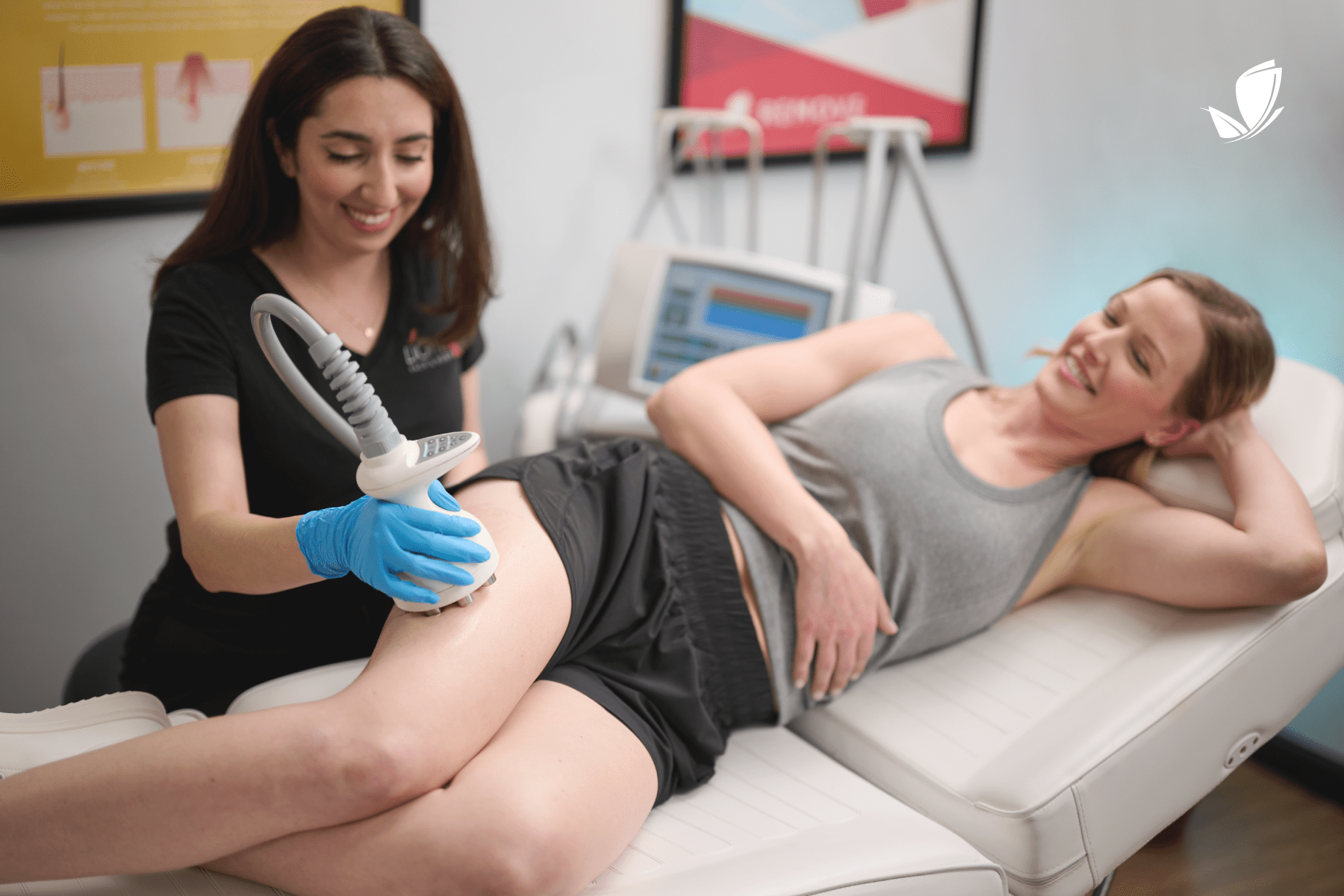
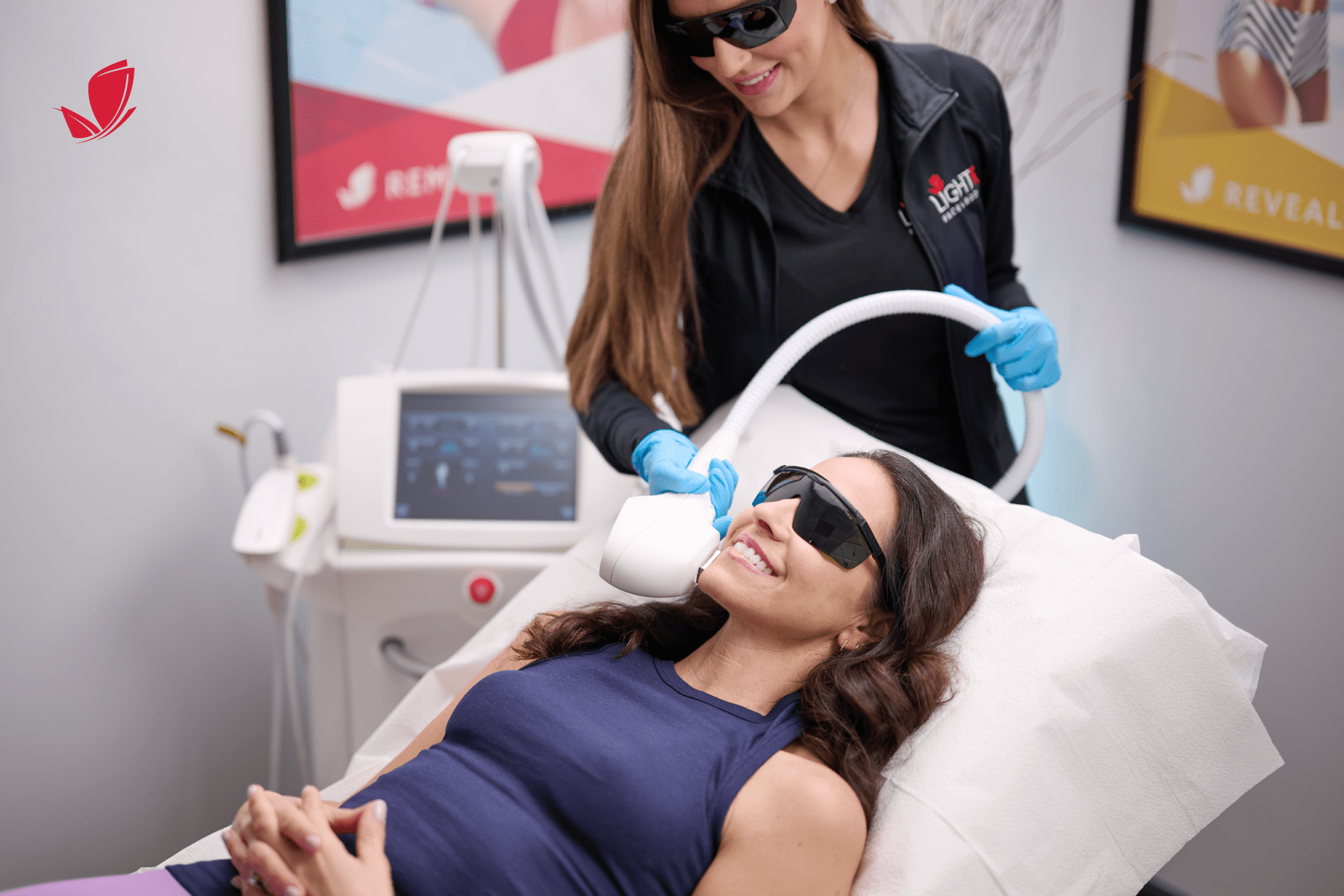
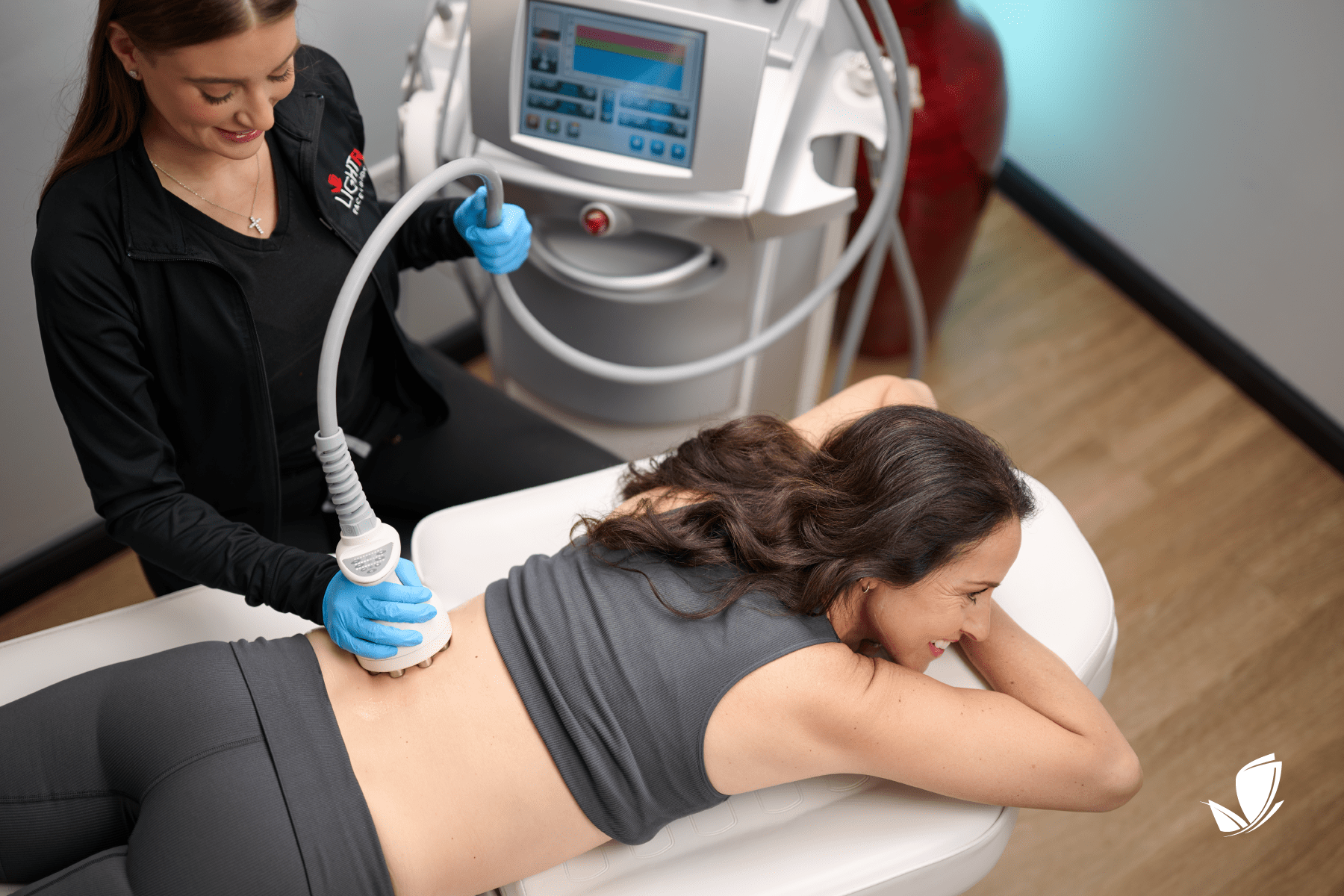
It’s completely normal to feel a little nervous before your first session, but knowing what’s coming can help ease your mind. Laser treatment for stretch marks is a non-surgical procedure performed right in our office, and sessions are relatively quick, usually lasting between 30 and 60 minutes. During the treatment, you’ll likely feel a warm or tingling sensation. Many people describe it as similar to a small rubber band snapping against the skin. Afterward, it’s common for the treated area to appear red or slightly swollen, much like a mild sunburn. This is a normal response and typically subsides within a few hours to a couple of days. You can get right back to your day afterward, making it an easy treatment to fit into your schedule.
Related Articles
- Top Treatments for Stretch Mark Reduction
- Laser Therapy for Stretch Marks: What to Know
- Laser Scar Removal: A Guide to Laser Treatments
Frequently Asked Questions
Does laser treatment for stretch marks hurt? Most people describe the feeling as a quick, warm snap, similar to a rubber band against the skin. The sensation is very brief and only happens when the laser is active. Afterward, the treated area might feel like a mild sunburn for a few hours, but the discomfort is minimal and fades quickly. Why should I try lasers if I’ve already used creams and oils? Topical creams and oils are great for moisturizing the surface of your skin, but they can’t reach the deeper layer where stretch marks actually form. Stretch marks are scars in the dermis, and laser treatments work by sending focused energy to that exact layer. This stimulates your body’s natural healing process to rebuild collagen and repair the skin from the inside out, which is something a cream simply can’t do. Will the results from laser treatment last forever? The improvements you see from laser treatments are long-lasting because the procedure fundamentally changes the structure of the scar tissue. By building new collagen and elastin, your skin becomes smoother and stronger. However, the treatment doesn’t prevent new stretch marks from forming if you experience significant weight changes or pregnancy in the future. Think of it as repairing existing marks for the long term. Can I get this treatment on any part of my body? Yes, laser treatment is very versatile and can be used on most areas where stretch marks commonly appear. This includes the stomach, thighs, hips, breasts, lower back, and arms. During your consultation, your technician will assess the specific areas you want to treat and confirm that the procedure is a suitable option for you.
When to Consult a Dermatologist
While over-the-counter products can be a good first step, they often don’t provide the significant results needed for more prominent stretch marks. If you’ve been trying creams and oils without seeing the improvement you want, it might be time to talk to a professional. The best way to know for sure is to have a conversation with an expert who can assess your skin and discuss your goals. Factors like your skin type, the age and color of your stretch marks, and your expectations all play a role in creating the right plan. A professional consultation is the key to understanding what’s truly possible for your skin and designing a personalized treatment strategy to help you achieve it.
Advanced Options for Deeper Scars
When stretch marks are more than just a surface-level concern, advanced treatments can make a real difference. These professional procedures are designed to work deep within the skin to address the structural changes that cause the indented or textured appearance of scars. Unlike topical creams that can only moisturize the top layer, these treatments trigger your body’s natural healing mechanisms to rebuild and repair the skin from the inside out. By stimulating collagen production and remodeling scar tissue, options like lasers, microneedling, and even dermal fillers can significantly improve the texture and tone of your skin for a smoother, more even appearance.
Laser Treatments
Laser treatments offer a powerful, targeted approach to scar reduction. Instead of just treating the surface, they use focused light energy to work deep within the dermis, gently heating the tissue to trigger your body’s natural healing response. This process helps remodel the existing scar tissue and encourages new, healthy skin to grow in its place. While lasers can’t entirely erase a scar, they can dramatically reduce its visibility by smoothing its texture and evening out its color. This method of skin rejuvenation effectively rebuilds the skin from within for long-lasting improvement.
Microneedling
Microneedling is a minimally invasive procedure that has become a go-to for improving skin texture. It works by using tiny, sterile needles to create micro-injuries in the skin. This controlled process stimulates your body’s natural wound-healing response, which includes a significant increase in collagen and elastin production. As your skin heals, this new collagen helps to fill in and smooth out the depressions of stretch marks and other scars. Over a series of treatments, microneedling can lead to a noticeable improvement in skin firmness and a reduction in the appearance of scars.
Dermal Fillers
For stretch marks or scars that are indented or depressed, dermal fillers can offer an immediate and effective solution. A trained technician can strategically inject dermal fillers beneath the scar to plump up the depressed tissue, providing instant volume that smooths out the skin’s surface. This helps to raise the indented scar so it becomes level with the surrounding skin, making it much less noticeable. While the results are temporary, fillers can be a fantastic option for quickly improving the appearance of pitted scars with minimal downtime.