
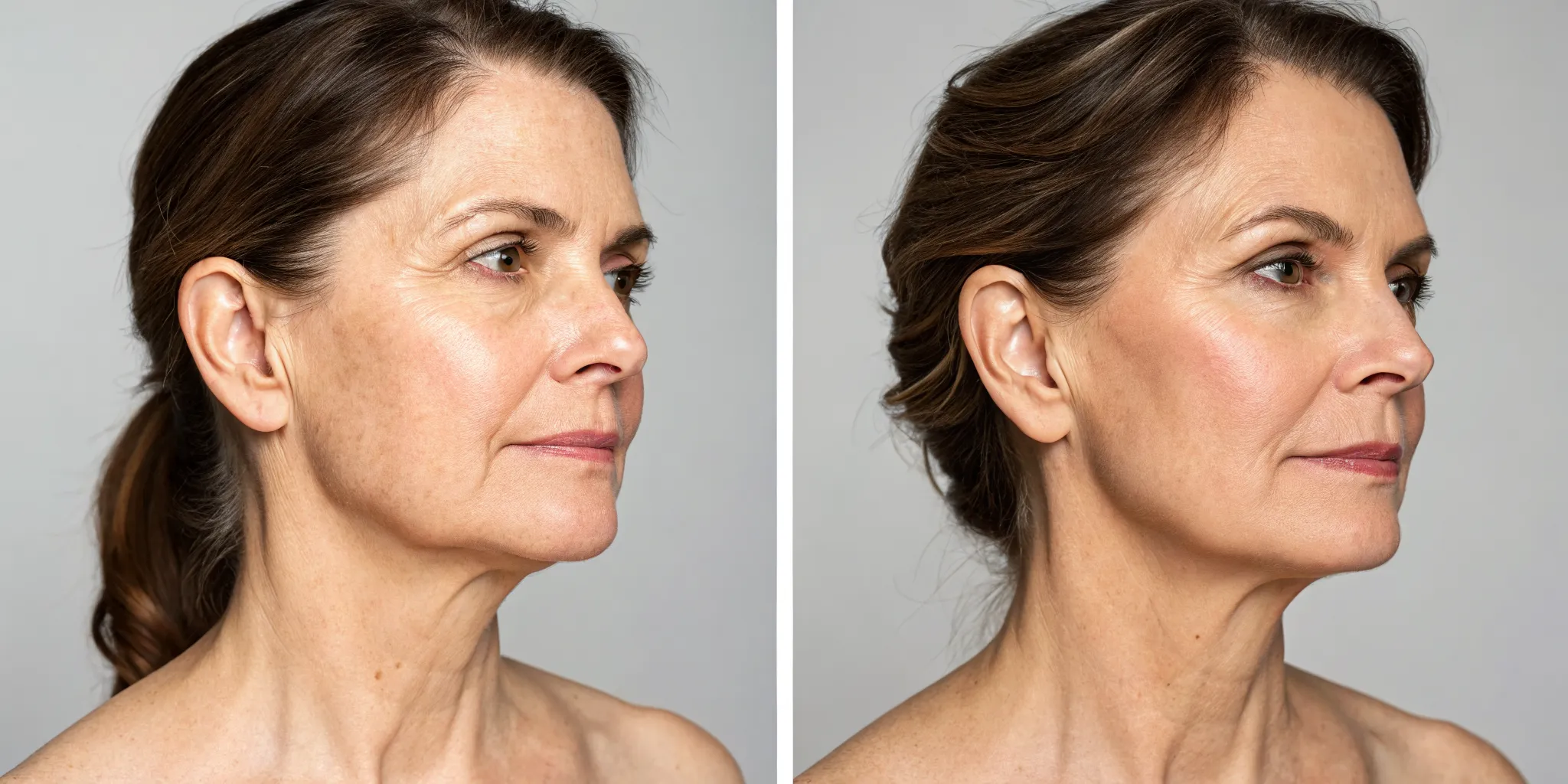
Skin Tightening Before and After: The Honest Truth
Looking at skin tightening before and after photos can feel like window shopping for your future self. You see the firmer jawlines and smoother stomachs, and it’s easy to get excited about the possibilities. But it’s also smart to be a little skeptical. How can you tell which images are real and which have been manipulated with clever lighting or editing? This guide will teach you how to read these photos like a professional. We’ll show you how to spot the red flags and identify authentic galleries that showcase real, achievable results, so you can feel confident in choosing the right provider.
Key Takeaways
- It’s all about collagen: Non-invasive treatments use energy to kickstart your body’s own collagen production, leading to gradual and natural looking firmness that develops over three to six months.
- Personalization is key: The best treatment is not one size fits all; it depends on your specific skin, goals, and treatment area. A professional consultation is the most important step for ensuring your safety and achieving the results you want.
- Make your results last: You can maintain your new firmness for years by using a daily broad spectrum SPF 30+ sunscreen. A consistent skincare routine and periodic maintenance treatments are also essential for long term success.
Your Guide to the Best Skin Tightening Treatments
When you start looking into skin tightening, you’ll find a few different technologies that get the job done. The “best” one for you really depends on your specific goals, your skin, and the area you want to treat. Think of it less like a one-size-fits-all solution and more like a menu of fantastic options. Most modern treatments work by encouraging your body to produce more collagen, which is the protein that keeps your skin firm and plump. Let’s walk through some of the most effective and popular treatments available, so you can get a clearer picture of what might work for you.
At-Home vs. Professional Treatments
It’s tempting to reach for an at-home device or a pricey cream that promises to lift and firm your skin from your bathroom counter. The convenience is undeniable. However, there’s a significant gap between what you can do at home and what professional treatments can achieve. The core difference lies in the technology. Professional procedures use powerful, FDA-cleared energy to reach the deeper layers of your skin where collagen is produced. This stimulates a genuine rebuilding process that results in visible, long-lasting firmness. At-home tools simply can’t deliver that level of energy safely or effectively, meaning their results are often subtle and temporary at best.
The Truth About Skin-Firming Creams
Let’s talk about that jar of “skin-firming” cream on the shelf. While a great moisturizer is a cornerstone of any skincare routine, it’s important to have realistic expectations. According to the American Academy of Dermatology, these creams provide “very small results, if any” because they can’t penetrate deep enough to truly restructure the skin. If you notice an immediate plumping effect, it’s likely due to hydrating ingredients that temporarily swell the surface of the skin, not a permanent change in firmness. For a noticeable lift that lasts, you need a treatment that goes beyond the surface, which is where professional skin tightening comes in.
Non-Invasive vs. Minimally-Invasive Procedures
As you explore professional options, you’ll hear the terms “non-invasive” and “minimally-invasive.” Non-invasive treatments are exactly what they sound like—they work without breaking the skin at all. These procedures use technologies like radiofrequency or ultrasound to gently heat the tissue beneath the surface, triggering your body’s natural collagen production. You might experience some temporary redness, but there’s typically no downtime. The results appear gradually over a few months, giving you a very natural-looking improvement. These are fantastic for addressing mild to moderate laxity and improving overall skin quality.
Minimally-invasive procedures, on the other hand, offer a step up in intensity without requiring surgery. These treatments, which can include certain types of skin rejuvenation or injectables, may create micro-injuries in the skin to stimulate a more robust healing response. They can often produce more dramatic results than non-invasive methods but still involve very little downtime. Deciding which path is right for you isn’t a choice you have to make alone. A consultation with a trained technician is the best way to assess your skin’s specific needs and create a personalized plan that aligns with your goals.
Firming Up with Radiofrequency
If you’re looking for a proven way to get firmer skin on your face or body, radiofrequency (RF) treatments are a go-to choice. This technology uses safe, controlled energy to gently heat the deeper layers of your skin. This heat kickstarts your body’s natural collagen production process. Over time, as new collagen forms, your skin becomes smoother and tighter. At LightRx, we use advanced radiofrequency technology because it’s a safe and highly effective way to achieve that firm, youthful look without any downtime. It’s a comfortable procedure that feels like a warm massage, making it a favorite for many of our clients.
How Many Sessions Will You Need?
This is a great question, and the honest answer is that it really depends on your unique skin and goals. While some people might see improvement after a single session, most will need a series of treatments to get the best, most noticeable results. Generally, you can expect to need between three and six sessions, spaced a few weeks apart. It’s important to remember that these treatments work by stimulating your body’s own collagen production, which is a gradual process. You’ll likely see the full, beautiful outcome develop over the two to six months following your final session. To maintain that firmness long-term, periodic maintenance treatments are often recommended.
Lifting with Ultrasound Therapy
Ultrasound therapy, sometimes known by the brand name Ultherapy, is another powerful, non-surgical option. This treatment uses focused ultrasound energy to reach even deeper into the skin’s foundational layers, the same ones addressed in a surgical facelift. It heats the tissue to stimulate collagen growth, resulting in a gradual lift and tightening of the skin. It’s particularly effective for firming up the skin on the face, neck, and chest area. The great part about ultrasound is its precision; it can target specific depths without affecting the skin’s surface, which means you can get back to your day right after your appointment.
What to Expect During Treatment
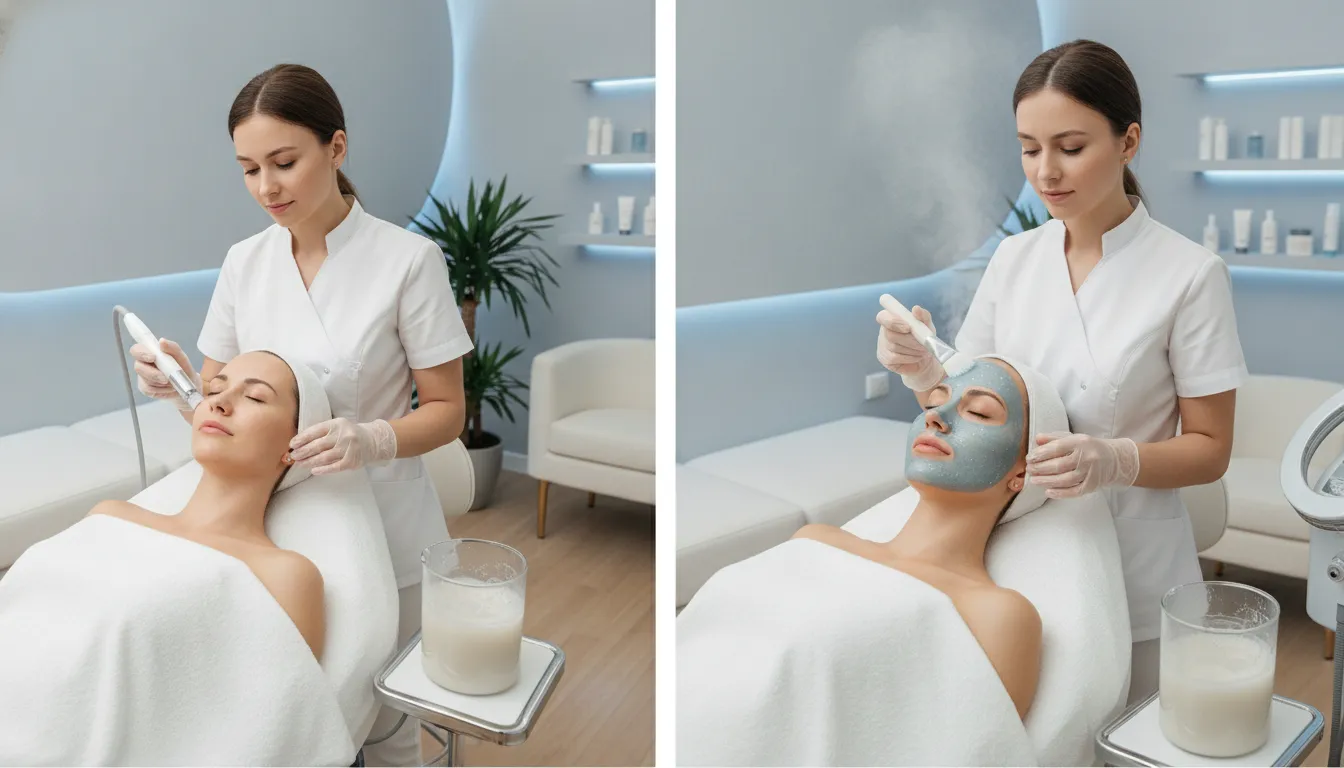
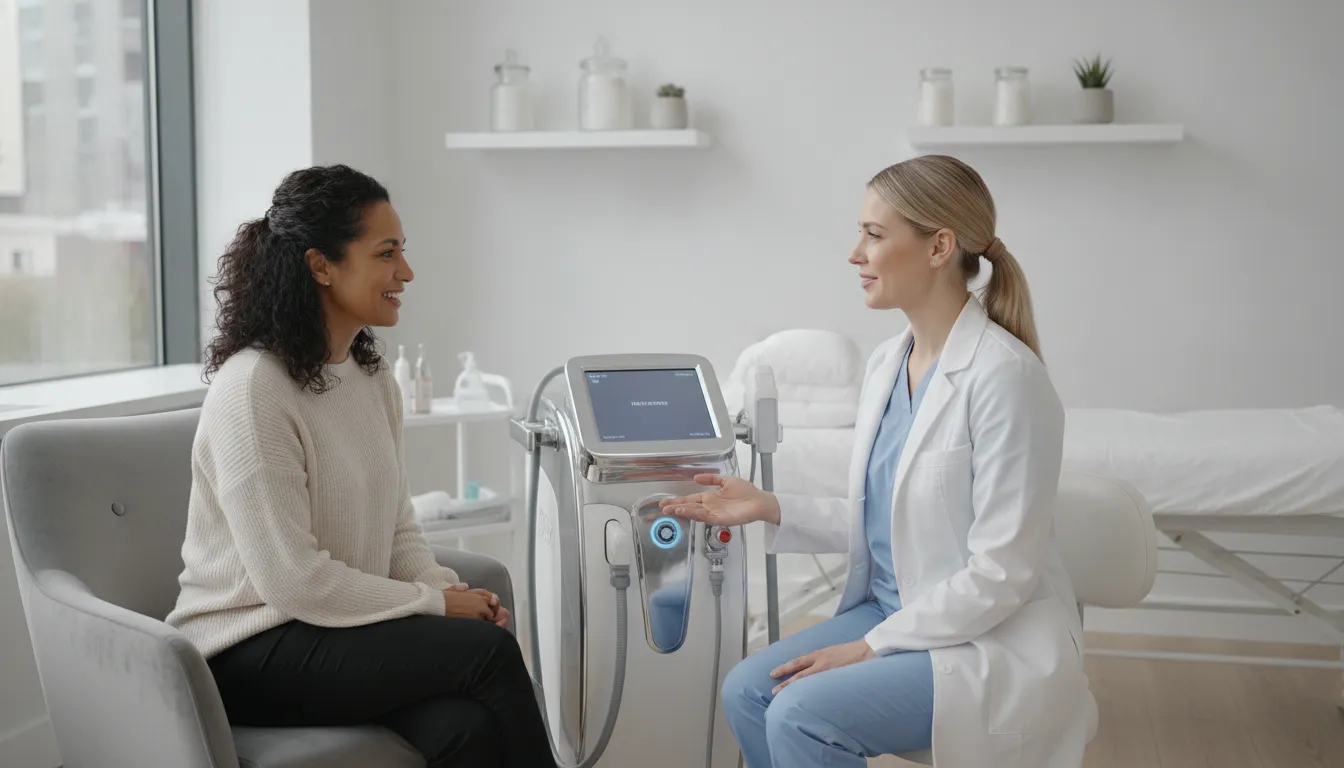
Your journey will always begin with a thorough consultation to map out a personalized plan. This is the most important step, as it ensures the treatment is tailored to your specific skin and goals. During the actual procedure, which usually takes about 30 to 90 minutes, you can expect to feel a warm sensation as the technology works to heat the deeper layers of your skin. Most people find it quite comfortable. The best part is that there’s no downtime, so you can return to your daily routine immediately. Results aren’t instant; the magic happens as your body ramps up its own collagen production. You’ll notice gradual, natural-looking firmness developing over the next three to six months as your skin rebuilds itself from the inside out.
Resurfacing with Laser Skin Tightening
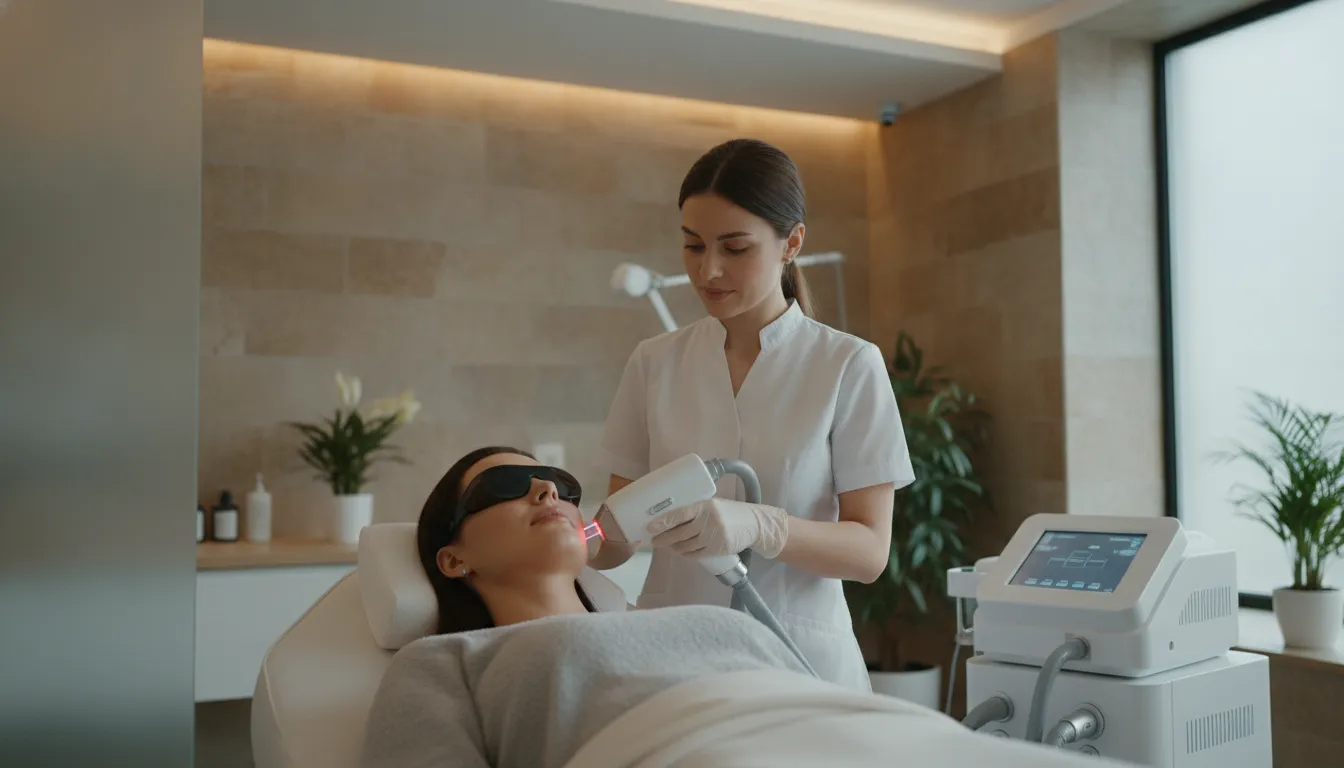
Lasers are another excellent tool for remodeling the skin from the inside out. Laser skin tightening treatments direct concentrated beams of light into the skin, creating controlled thermal energy that triggers your body’s healing response and stimulates new collagen. This process helps to reduce fine lines, improve skin texture, and create a firmer appearance over time. It’s a safe and effective procedure that can help you feel more confident in your skin again. Because different lasers can target different concerns, a consultation will help determine if this is the right path for your specific skin goals.
Understanding Downtime and Potential Side Effects
One of the biggest draws of non-surgical skin tightening is the minimal recovery time. Most people can get right back to their daily routine immediately after a session. Unlike surgery, you won’t have to plan for days off work or social downtime. However, it’s important to set realistic expectations for your results. The magic happens gradually as your body builds new collagen, so you’ll see improvements develop over several weeks or months. According to the American Board of Cosmetic Surgery, you might need more than one treatment to achieve your desired look. These procedures are fantastic for addressing skin that is a little loose, but they aren’t designed for significant sagging, like what can occur after major weight loss.
Considerations for Darker Skin Tones
Safety is always the top priority, and it’s natural to wonder if these treatments are right for your skin type. The great news is that many modern technologies, especially radiofrequency, are safe for all skin tones because they don’t target pigment. However, some light-based treatments like IPL may not be suitable for darker or tanned skin, as they can pose a risk of discoloration. This is why a professional consultation is so critical. An experienced provider will assess your skin and recommend the safest, most effective treatment to help you reach your goals. This personalized approach ensures you get the beautiful results you want without compromising the health of your skin.
Using Injectables to Restore Firmness
While energy-based treatments work on tightening your skin’s structure, injectables offer a different but complementary approach. Dermal fillers, for example, can restore lost volume in areas like the cheeks or temples, providing an immediate lift and a firmer look. By adding volume back into the face, fillers can smooth out wrinkles and create youthful contours. Think of them as a way to add back the “scaffolding” under your skin. Many people find that combining fillers with a skin tightening treatment gives them a comprehensive and beautifully natural-looking result, addressing both skin laxity and volume loss at the same time.
The Science Behind Tighter Skin
It might seem like magic, but the science behind non-invasive skin tightening is actually pretty straightforward. These treatments work by encouraging your body to do what it does best: heal and rebuild. By using advanced technology to deliver energy to the deeper layers of your skin, we can kickstart your natural collagen production. Collagen is the protein that gives your skin its structure and firmness. As we get older, we produce less of it, which leads to sagging and wrinkles. These treatments essentially remind your skin how to make more of this essential protein, resulting in a firmer, smoother, and more youthful appearance from the inside out.
Radiofrequency: Sparking New Collagen Growth
Radiofrequency (RF) treatments are a fantastic way to firm up your skin without any downtime. This technology uses a gentle electrical current to create a warm, comfortable sensation as it heats the deeper layers of your skin. This controlled heat is the key. It signals your body to start producing fresh, new collagen and also causes the existing collagen fibers to contract and tighten. Think of it as waking up your skin’s internal support system. The process is safe and effective for both the face and body, helping you achieve that firmer look you’ve been wanting.
Ultrasound: Using Heat for Deep Tissue Firming
Ultrasound therapy takes a slightly different approach to achieve similar goals. Instead of an electrical current, it uses focused sound waves to generate heat. These sound waves can penetrate deeper into the skin’s foundational layers than some other treatments, all without affecting the surface of your skin. This deep heating action is incredibly effective at stimulating collagen production right where it’s needed most. It’s a precise and powerful method for tightening skin, particularly in areas like the brow, neck, and chin, giving you a subtle lift and more defined contours over time.
Lasers: Remodeling Your Skin from Within
Laser treatments work by using focused beams of light to create tiny, controlled micro-injuries in the skin. Don’t worry, it sounds more intense than it is. This process triggers your body’s natural healing response, which is where the real transformation happens. As your skin heals, it gets rid of old, damaged skin cells and ramps up the production of new collagen and elastin. This cellular remodeling process helps to tighten loose skin and improve its overall texture and tone. It’s an effective way to address concerns like fine lines and wrinkles, leading to smoother, revitalized skin.
When Will You See New Collagen? A Timeline
Patience is a virtue, especially when it comes to building new collagen. While you might notice some immediate plumping or tightening right after a treatment, the most significant results will appear gradually. It takes time for your body to produce new collagen and for those fresh fibers to mature and strengthen your skin’s structure. Most people see their optimal results develop over three to six months following their treatment series. This slow and steady improvement is what makes the results of skin rejuvenation look so natural. Your skin just gets progressively better, firmer, and smoother as the weeks go by.
Skin Tightening Before and After: What to Really Expect
When you invest in a skin tightening treatment, you’re probably picturing a firmer, smoother, more youthful version of yourself. And while these treatments can deliver incredible results, it’s helpful to understand what the process looks like. The final outcome is a team effort between the technology, your body’s natural healing process, and your own aftercare.
Results aren’t just about the “after” photo; they’re about the journey your skin takes to get there. The changes happen in stages, and factors like your age, skin condition, and the area you’re treating all influence the final look. Let’s walk through what you can realistically expect, from the moment you leave your appointment to the long-term maintenance that keeps you looking your best.
What You’ll See Right Away vs. Over Time
You might feel a subtle lift or firmness right after your session. This initial effect is due to the existing collagen fibers contracting from the heat. It’s a nice preview of what’s to come, but the real transformation happens over the following weeks and months. The treatment triggers your body’s natural healing response, prompting it to produce new, stronger collagen.
This new collagen framework is what creates significant, lasting firmness and lift. Most people see their final results emerge two to six months after their treatment series is complete. While the initial tightening is exciting, the true magic of skin tightening is the gradual, natural-looking improvement that develops over time, with results that can last for years.
How Age and Skin Type Impact Your Outcome
Your skin is as unique as you are, and its condition plays a big part in your results. Factors like genetics and lifestyle influence your skin’s elasticity, which is its ability to snap back into place. As we get older, our bodies naturally slow down collagen production, which is why skin becomes less firm over time.
Someone with good skin elasticity might see more dramatic results than someone whose skin has more significant sun damage or laxity. That doesn’t mean the treatment won’t work; it just means your treatment plan may need to be adjusted. A personalized consultation is the best way to assess your skin’s starting point and set clear, achievable goals for your skin rejuvenation journey.
Skin Tightening for Face vs. Body: What’s Different?
Skin tightening is incredibly versatile and can be used on many areas of the face and body. On the face, it’s fantastic for lifting brows, defining the jawline, and smoothing the neck and jowls. For the body, popular treatment areas include the upper arms, abdomen, and thighs, where it helps firm up loose skin.
The results will look different depending on the area. Tightening the skin on your stomach can create a smoother, more toned appearance, especially after pregnancy or weight loss. On the face, it can restore youthful contours. Often, skin tightening is combined with other treatments like body contouring or fat reduction to create a more comprehensive and sculpted result.
Making Your Skin Tightening Results Last
While skin tightening treatments can turn back the clock, they don’t stop it from ticking. The aging process continues, but with proper care, you can extend your beautiful results for up to two or three years. The single most important thing you can do is protect your skin from the sun. UV exposure breaks down collagen and will undo the progress you’ve made.
Make a broad-spectrum SPF of 30 or higher a non-negotiable part of your daily routine. A consistent skincare regimen with quality products will also support your skin’s health. Many people choose to have maintenance sessions every year or so to keep their collagen production active. Our memberships can be a great way to make ongoing care simple and affordable.
The Role of a Healthy Lifestyle
Think of your skin tightening treatment as the catalyst for change, and your lifestyle as the support system that helps you get the most out of it. These treatments work by prompting your body’s own healing mechanisms, so giving your body what it needs is crucial. Staying hydrated, eating a balanced diet rich in antioxidants, and getting enough sleep provide the essential building blocks for creating strong, new collagen. While the treatment does the heavy lifting of stimulating production, a healthy lifestyle ensures your body has the resources to follow through, helping you achieve better, longer-lasting results and supporting your overall skin rejuvenation.
Protecting Your Investment from Sun Damage
If there is one non-negotiable rule for making your results last, it’s this: protect your skin from the sun. Unprotected sun exposure is the fastest way to undo all the progress you’ve made. The UV rays in sunlight actively break down collagen and elastin, the very proteins your treatment worked so hard to build. To safeguard your investment, make a broad-spectrum sunscreen with an SPF of 30 or higher a daily habit, rain or shine. Applying it every morning is the single most effective thing you can do to protect your results and keep your skin looking firm and smooth for years to come.
Decoding Skin Tightening Before-and-After Photos
Before-and-after photos are one of the most powerful tools you have when researching a cosmetic treatment. They offer a visual preview of what’s possible and help you find a provider whose aesthetic style matches your goals. But not all photo galleries are created equal. Knowing how to analyze these images critically will help you separate marketing hype from real, achievable results. A good provider will always be transparent, showing you photos that are clear, consistent, and representative of a treatment’s true outcome.
When you browse a gallery, you’re not just looking at results; you’re evaluating a provider’s experience and honesty. Look for consistency in lighting, angles, and patient posing. This attention to detail shows a professional approach and a commitment to accurately representing their work. The goal is to feel confident and informed, and that starts with understanding what you’re seeing. By learning to read these photos like an expert, you can set realistic expectations and make a choice that you’ll be happy with long after your treatment is complete.
How to Tell if a Photo is Real or Retouched
Authentic before-and-after galleries showcase real people with real results. When you’re looking at photos, you should see a variety of individuals with different body types, skin tones, and starting points. If every photo features a model with a nearly identical physique, it might not give you an accurate picture of what the treatment can do for you. A trustworthy provider is proud to show how their services work on a diverse range of clients. Look for galleries that feel genuine, with people who look like they could be your friends or neighbors. This is a strong sign that the clinic is focused on achieving tangible outcomes for everyday people.
Why Lighting and Angles Can Be Deceiving
Lighting and angles can make or break a before-and-after photo. A simple change in posture, a different camera angle, or a switch from harsh to soft lighting can dramatically alter the appearance of skin texture and body contours. A professional clinic will control these variables carefully to provide an honest comparison. Be skeptical of photos where the “after” shot is taken in much more flattering light or from a higher angle. True skin tightening results are visible even when the conditions are identical. Pay attention to shadows and highlights, as these can be manipulated to hide or accentuate features.
What a Realistic “After” Photo Looks Like
Patience is key when it comes to skin tightening treatments. While you might notice some immediate effects, the best results develop over time. Most treatments work by stimulating your body’s natural collagen and elastin production, a process that takes a few months. You can typically expect optimal results to appear within three to six months. It’s also important to understand that while these treatments are effective, they don’t stop the natural aging process. With a healthy lifestyle and proper skin care, your results can last for a few years, but they are not permanent. A good provider will walk you through this timeline during your consultation.
Red Flags in Before-and-After Galleries
As you review photos, keep an eye out for red flags that might suggest the results are exaggerated. Be wary of images that look heavily edited, with skin that appears unnaturally smooth or blurry. Another warning sign is a promise of permanent results, as most non-invasive treatments require maintenance. If a gallery only shows one or two incredible transformations without a broader portfolio, it’s worth questioning. The most reliable providers offer a free consultation to discuss what’s realistically achievable for your specific skin and body type, ensuring you have a clear and honest understanding of the expected outcome.
Is Skin Tightening Safe? Your Questions Answered
It’s completely normal to ask about the safety of any cosmetic treatment. You’re putting your trust and your body in someone’s hands, so it’s smart to do your research. The good news is that modern, non-invasive skin tightening treatments have excellent safety records, especially when performed by trained professionals using FDA-cleared technology. Let’s walk through what makes these procedures safe and what you should know before you book an appointment.
Downtime and Recovery: What’s Normal?
One of the best things about non-surgical skin tightening is the minimal downtime. After a session, you might notice some mild redness or a warm sensation in the treated area, but this usually fades within a few hours. You can typically go right back to your daily routine. While some people see a subtle plumping effect right away, the real magic happens over time. You may see initial results from your skin tightening treatment after just one session, but most people need a series of appointments to achieve their ideal outcome as the body gradually builds new collagen.
Key Factors That Ensure a Safe Treatment
So, is laser skin tightening safe? The short answer is yes. These treatments are designed to work with your body’s natural processes. Technologies like radiofrequency and ultrasound gently heat the deeper layers of your skin, which signals your body to start producing more collagen and elastin. Because your body does all the work naturally, it’s a very safe process. At LightRx, we only use FDA-cleared equipment, which means the technology has been rigorously tested for both safety and effectiveness. A trained technician ensures the procedure is performed correctly, giving you peace of mind.
Are You a Good Candidate for Skin Tightening?
Safety isn’t just about the procedure itself; it’s also about choosing the right treatment for your specific goals. Non-surgical skin tightening is a fantastic option if you have mild to moderate skin laxity and want to firm things up without the downtime, scars, or recovery of surgery. It’s perfect for addressing concerns on the face, neck, abdomen, or arms. If you’re looking for a subtle lift and improved skin texture, this could be an ideal fit. Exploring all available services can help you understand the full range of possibilities for your aesthetic journey.
Best for Mild to Moderate Skin Laxity
Non-surgical skin tightening is a fantastic option if you have mild to moderate skin laxity and want to firm things up without the downtime or recovery of surgery. This treatment is ideal for someone who is starting to notice a loss of firmness—perhaps along the jawline, on the upper arms, or on the abdomen—and wants to restore a smoother, more toned appearance. It’s not designed to remove large amounts of excess skin, but rather to work with your body to rebuild its own collagen structure for a natural-looking lift. If you’re looking for a proactive way to address the early signs of aging and improve your skin’s texture and resilience, you are likely the perfect candidate.
Who Should Wait on Skin Tightening?
While these treatments are incredibly effective, they aren’t the right fit for everyone. If you have a lot of sagging skin, non-surgical methods may not provide the dramatic lift you’re hoping for, and a surgical consultation might be more appropriate. It’s also important to note that these treatments are not recommended for those who are pregnant. Additionally, certain health conditions or medications can interfere with the treatment’s safety and effectiveness. This is why a thorough, honest consultation is so important. It gives a professional the chance to review your health history and confirm that you are a safe candidate who can achieve beautiful results.
Why You Should Always Start with a Consultation
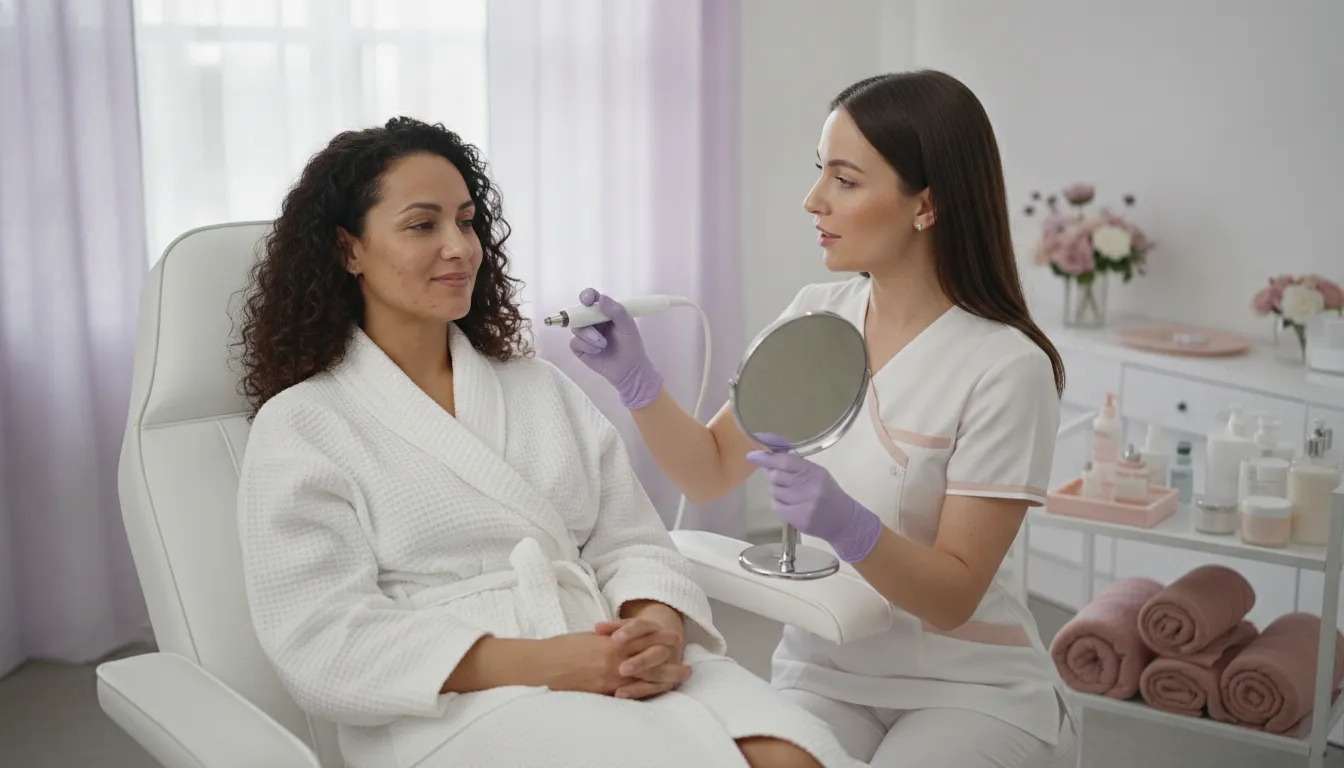
This is the most important step in ensuring a safe and successful experience. A professional consultation is the key to matching the right technology to your specific skin concerns and aesthetic goals. During this meeting, a specialist will assess your skin, discuss your medical history, and listen to what you want to achieve. This personalized approach guarantees that you receive the most appropriate and effective treatment plan. It’s your opportunity to ask questions and feel completely confident before moving forward.
Choosing a Qualified Provider
The success of your skin tightening treatment depends just as much on the provider as it does on the technology. Choosing a qualified, experienced professional is the most critical step you can take for your safety and results. When you’re researching clinics, pay close attention to their before-and-after galleries. You’re not just looking at results; you’re evaluating a provider’s experience and honesty. A reputable clinic will be transparent, showcasing clear photos with consistent lighting and angles. Look for a portfolio that features a diverse range of real people, not just a few perfect images. This attention to detail demonstrates a professional commitment to accurately representing their work and helps you set realistic expectations for your own journey.
Breaking Down the Cost of Skin Tightening
Let’s talk about one of the most practical questions you probably have: what is the investment for skin tightening? The final cost isn’t a simple, single number. It depends on the specific technology used, the area of your body you want to treat, and the number of sessions needed to achieve your goals. Think of it less like buying a product off the shelf and more like creating a personalized plan tailored just for you.
The good news is that a professional consultation will give you a clear and precise quote. During this meeting, a technician will assess your skin, listen to your desired outcomes, and recommend a treatment plan that aligns with your budget. This transparency is key to feeling confident and comfortable as you begin your skin tightening journey. Understanding the factors that influence the price will help you know what to expect and what questions to ask.
A Price Guide for Different Treatments
The type of technology used in your treatment is a primary factor in its cost. Different methods, like radiofrequency, ultrasound, and laser therapies, all come with different price points. For example, according to CareCredit, the national average for a single radiofrequency skin tightening treatment is around $755, though this can vary. Each technology works differently to stimulate collagen and firm up your skin, and the equipment and expertise required contribute to the overall cost. Your provider will explain which treatment is best for your specific needs and provide a detailed breakdown of the associated costs.
Non-Surgical Treatment Costs
Non-surgical options are generally more budget-friendly than their surgical counterparts. These treatments, which include technologies like radiofrequency and lasers, work by stimulating your body’s own collagen production to firm up loose skin. Because they are less invasive, they often come with a lower price tag and require no downtime. The cost can range from a few hundred to a few thousand dollars per session, depending on the technology and treatment area. For instance, some sources report laser skin tightening can cost between $600 and $1,000 per session, and you’ll likely need a series of treatments to see the best results. A personalized skin tightening plan will give you a clear picture of the total investment for your specific goals.
Surgical Treatment Costs: A Comparison
When you look at surgical options like a facelift or neck lift, the investment is significantly higher. These procedures are more invasive, require anesthesia and a longer recovery period, and the costs reflect that. While prices vary widely based on the surgeon and location, you can generally expect surgical treatments to be in the thousands, or even tens of thousands, of dollars. For example, some sources state the average cost of a facelift can be over $8,000, not including fees for the surgical facility or anesthesia. While surgery can provide dramatic results, many people find that non-surgical treatments offer a fantastic, more accessible alternative for achieving firmer skin without the high cost and extended downtime.
Factors That Influence Your Final Cost
Beyond the type of treatment, the final price tag is influenced by a few other key factors. The size of the treatment area plays a big role; treating a smaller area like the skin around your eyes will naturally cost less than a larger area like your abdomen or thighs. The extent of skin laxity also matters. Someone looking for minor firming might need fewer sessions than someone with more significant sagging. Your personalized treatment plan will outline the recommended number of sessions to get you the beautiful, lasting results you’re looking for.
How to Save Money with Packages or Memberships
Committing to a full treatment series is the best way to see significant results, and many medspas offer ways to make this more affordable. Instead of paying for each session individually, you can often purchase a package of treatments at a discounted rate. This not only saves you money but also helps you stick to your recommended treatment schedule. At LightRx, we offer special promotions and flexible memberships designed to make ongoing care more accessible. These options ensure you can achieve and maintain your results without financial stress.
Your Guide to Payment and Financing Options
The best way to get a clear picture of your investment is to schedule a free consultation. During this one-on-one meeting, you can discuss your aesthetic goals and get a personalized quote based on your specific needs. A qualified technician will walk you through the recommended treatment, the number of sessions required, and the total cost. They will also explain any available financing options or payment plans. This is your opportunity to ask questions and create a plan that works for both your skin and your budget, ensuring there are no surprises along the way.
Related Articles
- Tighten Loose Skin Without Surgery: What Works
- 5 Top Skin Tightening Treatments for Face
- Any Way to Tighten Loose Skin? Yes, Here’s How
- Your Guide to Skin Tightening After Weight Loss
- Best Skin Tightening Treatment: A Complete Guide
Frequently Asked Questions
Does skin tightening hurt? Most people find non-invasive skin tightening treatments to be very comfortable. Procedures that use radiofrequency, for example, are often compared to a hot stone massage. You will feel a warming sensation as the device works, but it should not be painful. Your technician will communicate with you throughout the entire session to ensure you are comfortable and the energy level is right for your skin.
How many sessions will I actually need? The number of sessions you need is completely based on your personal goals and the condition of your skin. While some people see improvement after just one or two treatments, a full series typically involves three to six sessions spaced a few weeks apart. This schedule gives your body the time it needs to build new collagen between appointments. Your exact plan will be determined during your free consultation.
Can I get skin tightening if I have a darker skin tone? Yes, many modern skin tightening technologies are safe and effective for all skin tones. Radiofrequency treatments, for instance, are an excellent choice because the energy bypasses the melanin (pigment) in the top layer of your skin and works on the deeper layers where collagen is produced. This greatly reduces the risk of discoloration. An experienced provider will know exactly which technology is the safest and most effective for your skin type.
What’s the difference between skin tightening and fat reduction? This is a great question, as the two are often confused. Skin tightening treatments are designed to address skin laxity, which is the loose, crepey, or sagging skin that can appear with age or after weight loss. These treatments work by stimulating collagen to make the skin firmer. Fat reduction treatments, on the other hand, target and eliminate stubborn pockets of fat cells. The two are often performed together to create a smoother and more sculpted final result.
How soon can I work out after a treatment? One of the biggest advantages of non-surgical skin tightening is the lack of downtime. You can typically return to your normal activities, including exercise, immediately after your appointment. Your skin might feel slightly warm or appear a little pink, but this usually subsides quickly. We always recommend listening to your body, so if the treated area feels sensitive, you might choose to wait a day before a high-intensity workout.