
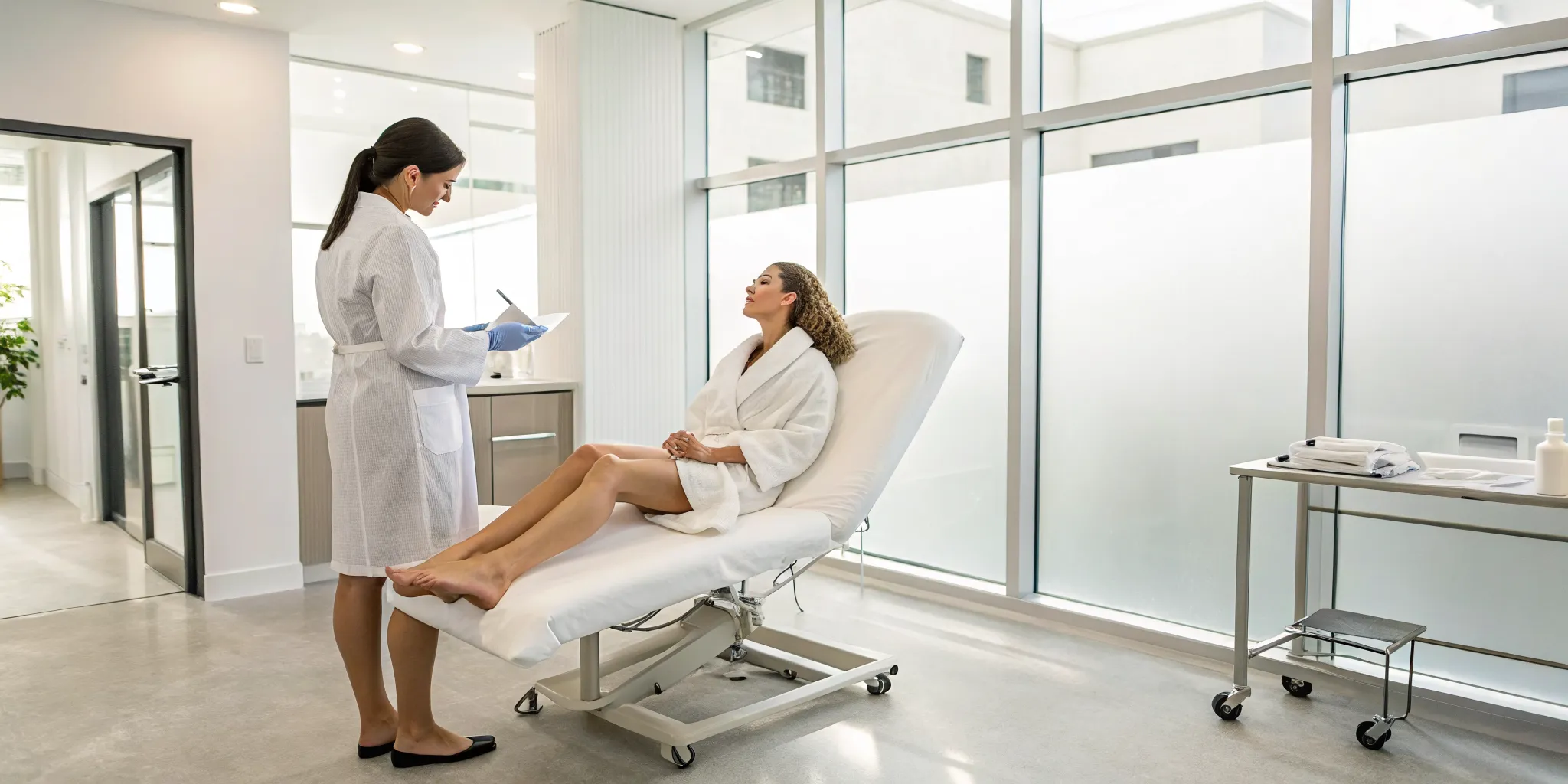
The Truth About Treatments for Cellulite on Legs
You’ve tried the dry brushing, committed to the squats, and maybe even spent a small fortune on creams that promised to smooth your skin. If you’re still not seeing the results you want, you might be wondering if it’s time for a different approach. The debate between at-home remedies and professional procedures is a common one. While lifestyle habits are important for overall skin health, they often fall short of delivering significant change. This guide offers a realistic comparison, outlining what you can truly expect from at-home care versus the transformative results possible with professional treatments for cellulite on legs, helping you decide which path is right for you.
Key Takeaways
- It’s about structure, not size: Cellulite is caused by fibrous bands pulling down on the skin, which is why it affects people of all body types. This explains why weight loss and topical creams often fall short, as they don’t address the root cause.
- Professional treatments create real change: While a healthy lifestyle supports your skin, it can’t alter the underlying structure of cellulite. For significant, lasting smoothness, professional treatments that target the fibrous bands are the most effective option.
- A custom plan is your best strategy: The most successful approach to cellulite reduction starts with a professional consultation. A personalized treatment plan, which may combine different technologies and includes a maintenance schedule, is the key to getting and keeping the results you want.
What Is Cellulite on Your Legs?
If you’ve ever looked in the mirror and felt a little frustrated by the dimpled skin on your legs, know that you are in very good company. This is cellulite, and it’s something the vast majority of women experience. Often described with terms like “orange peel” or “cottage cheese” skin, it’s a completely harmless cosmetic condition. Still, that doesn’t make it any less annoying when you want to feel your best in shorts or a swimsuit.
The reality is that cellulite is almost a universal female experience. Studies show that between 85% and 90% of all adult women have some degree of cellulite, typically on the thighs, buttocks, and abdomen. It affects women of all shapes, sizes, and fitness levels. So, if you have it, you’re not doing anything wrong; it’s simply a feature of your body’s natural structure. But just because it’s normal doesn’t mean you have to accept it if it makes you feel self-conscious. Understanding the root causes is the first step to taking action. Fortunately, you’re not stuck with it. Advanced aesthetic treatments offer real, effective methods for cellulite reduction that can give you the smoother skin you’re looking for.
The real causes of cellulite
So, what’s actually happening under your skin? Cellulite forms because of the relationship between your fat cells and the connective tissue that holds them in place. Imagine a net of fibrous cords that tethers your skin to the muscle underneath. In women, these cords often run vertically. When fat cells push up against the skin, these cords can pull down, creating the signature dimples and bumps we see on the surface. It’s not necessarily about having excess fat; it’s more about the unique way your skin’s support structures are arranged. This is why even very lean people can have cellulite.
The role of age and genetics
Two of the biggest factors in cellulite development are completely out of your control: your genes and the natural aging process. Your genetic makeup can determine your skin structure, body fat distribution, and circulation, all of which play a part in whether you develop cellulite. As we get older, our skin also produces less collagen and elastin, the proteins that keep it firm and supple. This means the skin loses its stretchiness over time, which can make the appearance of cellulite more pronounced. While a healthy lifestyle helps, it can’t change your DNA or stop the clock entirely, which is why so many people turn to professional treatments for help.
Let’s Bust Some Common Cellulite Myths
When it comes to cellulite, it feels like everyone has an opinion or a “miracle cure” to sell. This flood of information can be confusing and, frankly, a little frustrating. It’s easy to get caught up in myths that can send you down the wrong path, wasting your time and money on things that just don’t work. Let’s clear the air and separate fact from fiction. Understanding what cellulite is, and what it isn’t, is the first step toward finding a solution that actually gives you the smoother skin you’re looking for.
Myth: Cellulite only affects people who are overweight
This is probably the most persistent myth out there, and it’s completely false. Cellulite is a structural issue, not a weight issue. It happens when the fibrous cords that connect your skin to the underlying muscle pull down on the skin, creating a dimpled effect as fat cells push up. The truth is, an estimated 85-90% of adult women have cellulite, regardless of their size or shape. Thin people get it, fit people get it, and it has very little to do with the number on the scale. It’s an incredibly common condition that is influenced more by genetics, hormones, and skin structure than by body fat alone.
Myth: You can get rid of cellulite with a cream
The beauty aisle is packed with creams, lotions, and gels all promising to erase cellulite. While it would be nice if a simple cream could solve the problem, they just don’t work that way. Most topical products have very limited, if any, proven effectiveness. Some creams containing retinol may slightly thicken the skin over several months of use, which can make the dimples look a little less obvious, but they don’t address the underlying fibrous bands causing the cellulite. For a real change in skin texture, you need a treatment that targets the structure beneath the skin. Professional cellulite reduction techniques are designed to do just that.
Myth: Losing weight is a guaranteed fix
While maintaining a healthy weight is great for your overall well-being, it’s not a magic wand for cellulite. For some people, losing weight can reduce the appearance of dimples because there are fewer fat cells pushing against the skin. However, for others, weight loss can actually make cellulite more noticeable. This is especially true if you end up with loose skin after losing weight, which can make the puckering more prominent. Because cellulite is tied to the connective tissues in your skin, simply losing fat won’t always smooth the surface. It often requires a more targeted approach to release those bands and restore a smoother appearance.
At-Home Cellulite Remedies: What Really Works?
If you’re looking for ways to improve the appearance of cellulite at home, you have a few options. While these methods won’t eliminate cellulite, they can support healthier, smoother-looking skin, especially when combined with professional treatments. Think of these at-home habits as part of a holistic approach to feeling your best. They can help you maintain the incredible results from your clinical treatments and give your skin some extra care.
It’s important to have realistic expectations. At-home remedies primarily work on the surface and offer temporary improvements. For more significant and lasting changes, advanced technologies are designed to target the structural causes of cellulite beneath the skin. Let’s look at what you can do at home and the kind of results you can realistically expect from each method.
Exercise and strength training
Regular physical activity is fantastic for your overall health, and it can also help reduce the appearance of cellulite. When you build muscle in your legs, glutes, and hamstrings, you create a stronger, firmer support layer beneath your skin. This can help smooth out the surface, making dimples less noticeable. Focus on strength training exercises like squats, lunges, and deadlifts to build lean muscle mass in your lower body.
While exercise alone won’t get rid of the fibrous bands that cause cellulite, it’s a powerful tool for improving your body composition. A consistent routine can complement professional body contouring by enhancing muscle tone and creating a sleeker silhouette. It’s a win-win for your health and your confidence.
Diet and hydration
What you eat and drink plays a significant role in your skin’s health and appearance. A balanced diet rich in fruits, vegetables, lean protein, and healthy fats can help you maintain a stable weight, which is key since significant weight fluctuations can make cellulite more prominent. Try to limit processed foods high in salt and sugar, as they can contribute to fluid retention and inflammation, potentially making dimples look more pronounced.
Staying well-hydrated is just as important. Drinking plenty of water helps your body flush out excess fluid and toxins, keeping your skin plump and resilient. While a healthy diet won’t erase cellulite, it provides the essential nutrients your skin needs to stay strong and supple. This foundational approach to wellness supports any cellulite reduction plan.
Dry brushing and massage
Dry brushing and massage have become popular self-care rituals, and for good reason. The practice involves gently brushing your skin with a natural-bristle brush or using your hands to massage areas with cellulite. This action can stimulate circulation and lymphatic drainage, which may temporarily reduce fluid buildup and puffiness. As a result, your skin might look a bit smoother and feel softer for a short time.
However, it’s crucial to understand that these effects are temporary. Neither dry brushing nor massage can break down the fibrous septae that cause cellulite dimples. Think of it as a quick, refreshing pick-me-up for your skin rather than a long-term solution. For results that last, you’ll want to explore treatments that offer deeper skin tightening benefits.
The truth about topical creams
The beauty aisle is filled with creams and lotions that promise to banish cellulite. But do they work? The answer is complicated. Some ingredients can offer a temporary improvement in your skin’s appearance. Products containing caffeine, for example, can briefly dehydrate fat cells, making the skin’s surface look a little smoother. The effect is fleeting and requires daily application to maintain.
Other creams with 0.3% retinol may offer more lasting, though still modest, benefits. Retinol can help thicken the outer layer of your skin over time, which might help camouflage dimples. However, you’ll need to apply it consistently for at least six months to see a difference. While these creams can be part of your skincare routine, they aren’t a substitute for professional skin rejuvenation treatments that deliver more reliable and visible results.
Professional Treatments for Smoother Legs
When at-home remedies don’t give you the smooth skin you’re looking for, professional treatments can make a significant difference. These procedures are performed by trained technicians and use advanced technology to target the structural causes of cellulite right at the source. Unlike creams or exercises, these treatments can break up the fibrous bands and stimulate collagen for more dramatic, longer-lasting results. If you’re ready to explore what’s possible, here are some of the most effective options available.
Laser therapy
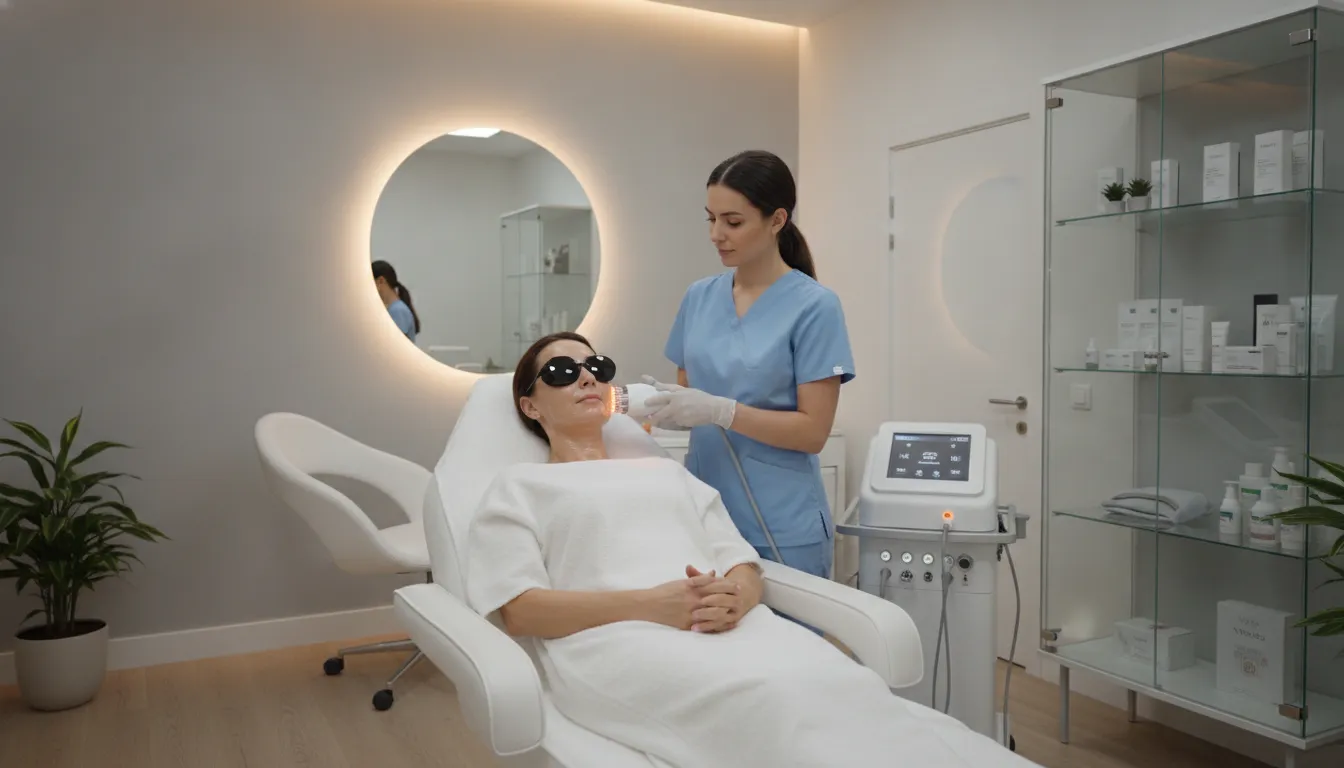
Laser therapy is a minimally invasive treatment that directly addresses the bands under your skin. During a procedure like Cellulaze, a very small laser fiber is inserted just beneath the skin’s surface. The laser energy works to break up the tough, fibrous septa that pull down on the skin and create dimples. This process not only releases the tension causing the puckering but can also help thicken your skin, further reducing the appearance of cellulite. Many people see results that can last for a year or even longer, making it a powerful choice for lasting smoothness.
Acoustic wave therapy
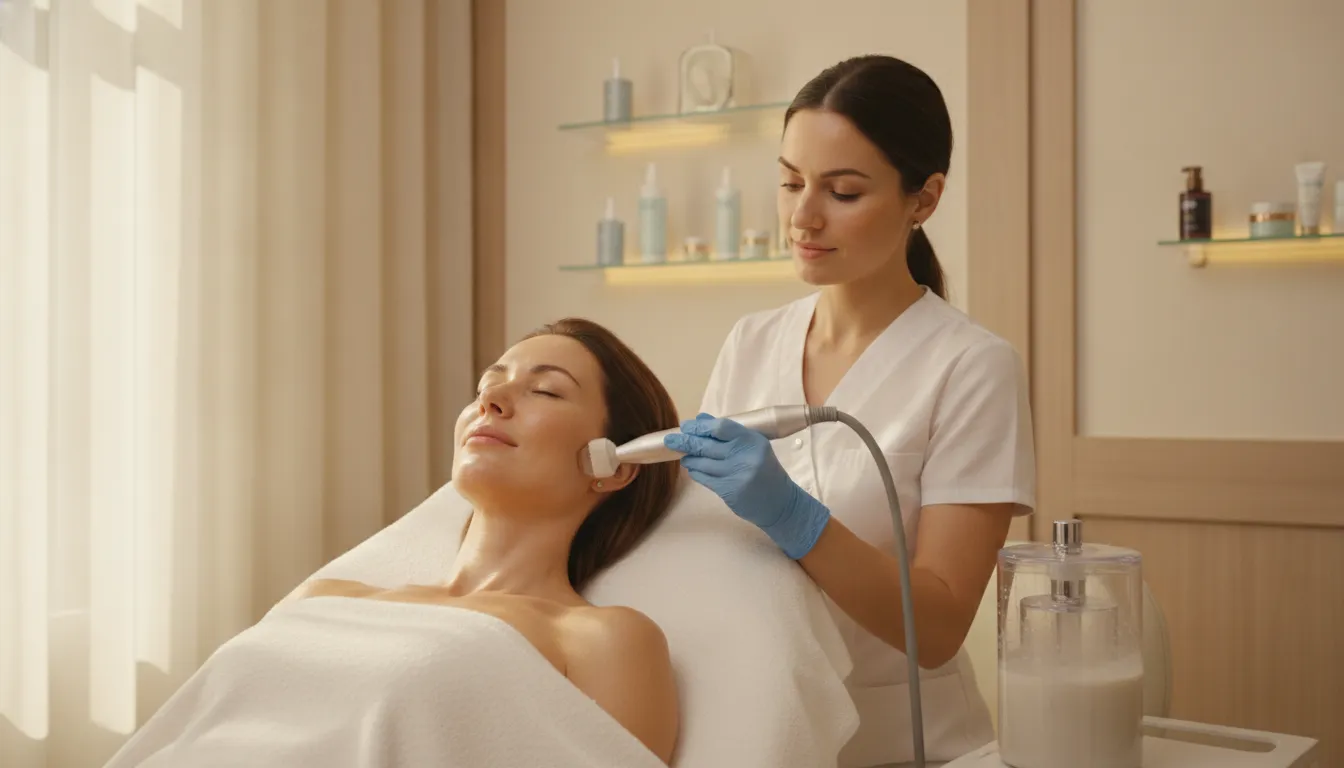
Acoustic wave therapy is a non-invasive option that uses sound waves to tackle cellulite. During this treatment, a handheld device is applied to your skin, delivering pressure waves that disrupt the fibrous bands and fat cells. This process helps improve circulation and stimulates collagen production, leading to firmer, smoother skin over time. It’s a comfortable procedure with no downtime, but you will likely need a series of sessions to achieve your desired results. Think of it as a deep, targeted massage that works on a structural level to break up cellulite.
Radiofrequency treatments
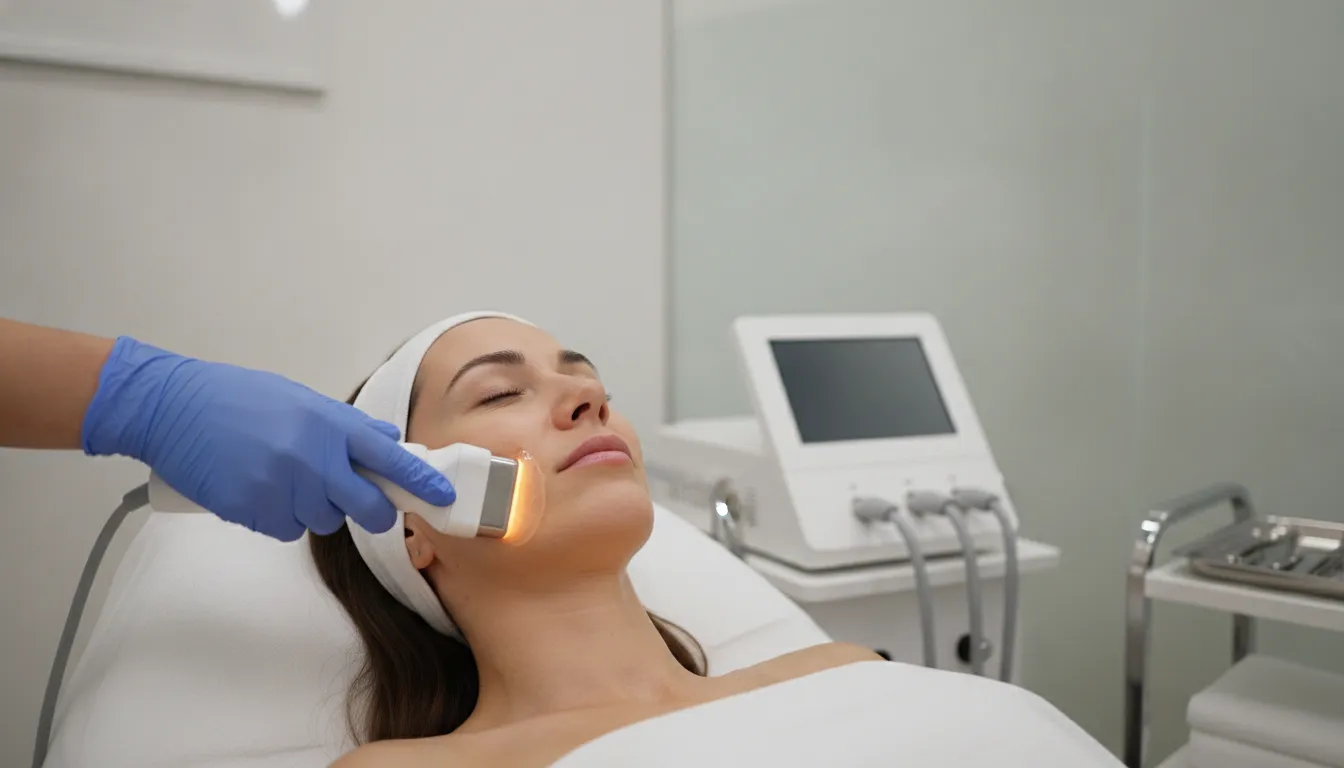
Radiofrequency (RF) treatments are a popular, non-invasive way to reduce cellulite by using controlled heat. Devices like Venus Freeze and VelaShape deliver RF energy to the skin’s deeper layers, gently warming the tissue. This heat encourages your body to produce new collagen, which helps to firm and thicken the skin. It also improves circulation and can help shrink fat cells. The result is a smoother, more toned appearance. These treatments are a great option for both cellulite reduction and overall skin tightening, with most people finding the sessions to be comfortable and relaxing.
Subcision and vacuum-assisted release
For more pronounced cellulite, procedures like subcision offer a targeted solution. A dermatologist or technician uses a special needle-like device to manually break up the tough bands pulling the skin down. According to the American Academy of Dermatology, studies on this method show very high patient satisfaction, with results that can last for two years or more. A similar technique, vacuum-assisted precise tissue release, uses a device with tiny blades to cut the bands while lifting the skin, allowing it to become smooth. Both methods offer a direct and effective way to release the dimples at their source.
Our approach to cellulite reduction
Because cellulite is a complex issue with multiple contributing factors, there is no single magic bullet. The most effective strategy is often a personalized one. We find that the best outcomes come from creating a treatment plan tailored specifically to your body and your goals. This might involve combining different technologies, like radiofrequency and laser therapy, to address cellulite from multiple angles. By customizing your treatment, we can effectively target the fibrous bands, improve skin elasticity, and give you the smoothest, most natural-looking results. Your journey starts with a conversation to find the perfect plan for you.
Professional vs. At-Home: A Realistic Comparison
When you’re deciding how to handle cellulite, it really comes down to two paths: at-home remedies or professional treatments. While your bathroom cabinet might be full of hopeful creams and tools, it’s helpful to look at how those stack up against in-office procedures. Thinking about the science, the cost, the time, and how quickly you’ll see a change can help you choose the best route for you and your goals. Let’s get real about what you can expect from each approach.
What the clinical evidence says
When we look at the science, there’s a clear winner. Clinical evidence shows that professional treatments designed to break up the fibrous bands under the skin deliver more significant and longer-lasting improvements. Procedures like laser therapy and acoustic wave therapy work by targeting the actual structure of cellulite. A tiny laser fiber, for example, can be used to cut the tough bands that pull the skin down and cause dimples. At-home creams and massages simply can’t reach this deep. They may temporarily improve the skin’s surface appearance, but they don’t address the root cause the way professional technology does.
Comparing cost and time commitment
Let’s talk about the investment. Professional treatments do have a higher upfront cost. However, it’s important to frame this against the cost and time of at-home methods. A single session might take 30 to 90 minutes with very little downtime. In contrast, at-home remedies require a daily, long-term commitment. While a $50 cream seems cheaper initially, if you have to buy it every month for years with minimal results, is it really a good value? Professional treatments are an investment in efficiency and proven outcomes, and many clinics offer memberships or payment plans to make them more accessible.
How quickly can you see results?
This is where the difference is most dramatic. With some professional treatments, results can be visible after a few sessions and can last for a year or even longer. In one study, 99% of people were still happy with their results after two years. On the other hand, at-home options require a lot of patience. For example, creams containing retinol need to be used daily for at least six months before you can even tell if they’re making a small difference. If you’re looking for noticeable, lasting smoothness without the endless waiting game, a professional cellulite reduction treatment is the more direct path.
What to Expect from Cellulite Treatments
Going into any new treatment is exciting, and it’s helpful to have a clear picture of the journey ahead. Professional cellulite treatments can make a remarkable difference in your skin’s texture, but understanding the process is key to loving your results. It’s not about chasing perfection; it’s about feeling more confident in your skin. From your first session to long-term upkeep, here’s a realistic look at what the process involves.
Set realistic goals for your results
Let’s be clear: the goal of professional treatment is to significantly reduce the appearance of cellulite, not to erase it from existence forever. Think smoother, firmer skin and a noticeable reduction in dimpling. While there isn’t a permanent “cure,” today’s advanced treatments can deliver beautiful results that last a year or more. The most effective methods work by addressing the structural cause of cellulite, the fibrous bands beneath the skin. Our approach to cellulite reduction focuses on these underlying issues to create a smoother surface and improve your body’s natural contours. Setting realistic expectations ensures you’ll appreciate the amazing progress you make.
Potential side effects of each treatment
Your safety and comfort are the top priorities. Because the treatments we use at LightRx are non-invasive, the side effects are typically very mild and temporary. Most clients experience a bit of redness or a warm sensation in the treated area, which usually fades within a few hours. It’s a world away from more aggressive procedures that require downtime. It’s also why we only use FDA-cleared, clinically proven technologies. When you choose a provider, you are trusting them with your body, so it’s important to know they offer a wide range of safe and effective services.
The importance of maintenance sessions
Think of cellulite treatment like a fitness routine or getting your hair colored. It’s not a one-and-done fix but an ongoing part of your self-care. You’ll likely need an initial series of sessions to achieve your desired level of smoothness. After that, periodic maintenance treatments are essential for keeping those results looking fresh. These follow-up appointments help manage the condition long-term and ensure your skin stays firm and smooth. We create a personalized plan for you, and our membership options make it simple to schedule and maintain your beautiful results without hassle.
How to Maintain Your Results
You’ve invested time and energy into getting smoother skin, and the last thing you want is for that progress to fade. While professional treatments give you a fantastic head start, the secret to keeping your legs looking their best lies in a combination of smart habits and a consistent maintenance plan. Think of it as protecting your investment and enjoying those beautiful results for as long as possible.
Lifestyle habits for long-lasting smoothness
After your treatment, a few simple lifestyle adjustments can make a world of difference. Regular exercise, especially activities that build muscle, can help your skin appear smoother and more toned. Pairing this with a nutritious diet that’s low in excess fat and salt also supports your results. It’s helpful to maintain a stable weight, as significant gains or losses can change your skin’s texture. And don’t forget to stay hydrated! Drinking plenty of water helps keep your skin firm and healthy. These habits work together with your professional cellulite reduction treatments to give you the best, most long-lasting outcome.
Schedule your follow-up treatments
It’s important to know that while cellulite treatments are effective, the results aren’t permanent. Most treatments deliver the best outcome after several initial sessions. While these results can last for a year or even longer, you’ll need to schedule follow-up appointments to maintain that smooth appearance. Think of it like getting a haircut or a manicure; it’s ongoing maintenance. For most people, this means a quick visit every few months. We can create a personalized treatment plan that fits your goals and schedule, making it easy to keep up with your results without any guesswork.
Is Professional Cellulite Treatment Right for You?
Deciding to pursue a professional treatment for cellulite is a personal choice, and it’s one that comes with a lot of questions. If you’ve tried the exercises, diets, and creams and still aren’t seeing the smoothness you want, you might be wondering if it’s time to consider something more. Professional treatments offer a different level of results because they use advanced, FDA-cleared technology to target the structural causes of cellulite right where they start, deep beneath the skin. This isn’t just about surface-level fixes; it’s about creating real, visible change that you can’t achieve with a lotion or a workout routine alone.
But the world of medspa treatments can feel overwhelming, and it’s smart to be thoughtful about your next steps. The key is to remember that you are in control. The right treatment for you depends on your unique body, your aesthetic goals, and your comfort level. It’s less about finding a magic bullet and more about finding a trusted partner to guide you through your options. The most important factor in your success and safety isn’t just the machine being used, but the expert hands operating it. That’s why choosing the right provider is the first and most critical step in your journey to smoother, more confident skin.
How to choose a qualified provider
The effectiveness and safety of your cellulite treatment hinge on the person performing it. For non-surgical procedures like laser therapy and radiofrequency, you’ll want to find a highly trained and certified technician or aesthetician working under medical supervision. It’s crucial that they have specific experience with the technology being used and a deep understanding of how to treat cellulite effectively. Don’t be shy about asking questions. Inquire about their training, how many cellulite treatments they’ve performed, and ask to see a portfolio of their clients’ before-and-after results. A reputable provider will be happy to share this information and help you feel confident in their expertise. It’s always a good idea to discuss your options with a professional who can guide you.
Start with your free LightRx consultation
The best first step you can take is to talk with an expert. Before you commit to any treatment, a one-on-one consultation allows you to get personalized advice from a professional who understands skin. At LightRx, we offer a free, no-pressure consultation for this exact reason. It’s your dedicated time to sit down with one of our specialists, discuss your concerns, and have your skin assessed. We’ll talk through your goals and answer every single one of your questions. Based on this conversation, we can build a personalized cellulite reduction plan that makes sense for you. Think of it as an information-gathering session where you can learn about your options and decide what feels right, with no strings attached.
Related Articles
- Is Non-Invasive Body Contouring Safe?
- Laser Lipo for Huge Thighs: Your Complete Guide
- Med Spa Hoffman Estates: A Complete Guide
- How to Find the Best Body Contouring Near Me
- Five Top Foods That Reduce Cellulite
Frequently Asked Questions
If I’m fit and at a healthy weight, why do I still have cellulite? This is an incredibly common question, and it highlights the biggest misconception about cellulite. It’s not a weight issue; it’s a structural one. Cellulite forms when the fibrous cords connecting your skin to the muscle underneath pull down, causing the fat cells in between to bulge and create a dimpled look. Your genetics, hormones, and skin thickness play a much larger role than the number on the scale. That’s why even the most dedicated athletes and very lean women can have it.
Are professional treatments really that much better than at-home options like diet and exercise? A healthy lifestyle is fantastic for your overall well-being and can certainly improve your skin’s tone, but it can’t change the underlying structure causing the dimples. Professional treatments use advanced technologies, like radiofrequency or laser energy, to target those fibrous bands directly and stimulate new collagen growth. This is something a cream or a workout simply cannot do. So, while at-home care supports your results, professional treatments are what create that significant, visible change in skin texture.
Are professional cellulite treatments painful, and will I need to take time off work? Not at all. The non-invasive treatments we use are designed to be comfortable and convenient. Most clients describe the sensation as feeling like a warm, deep-tissue massage. There is no downtime required, so you can walk out of your appointment and get right back to your daily routine. You won’t have to worry about scheduling recovery time or dealing with any lingering discomfort.
How long will my results last, and is it a one-time fix? While there is no permanent cure for cellulite, professional treatments offer impressive, long-lasting results. Many people enjoy smoother skin for a year or even longer after completing their initial series of sessions. To maintain that beautiful outcome, we recommend periodic follow-up appointments. Think of it like any other part of your beauty routine, such as getting your hair colored or nails done. A simple maintenance plan keeps your skin looking its best.
With so many treatment options, how do I know which one is right for me? You don’t have to figure that out on your own. The best treatment is the one that is tailored specifically to your body, skin type, and goals. That’s why the most important first step is a personal consultation. During your free consultation with one of our specialists, we can assess your skin and create a personalized plan that combines the right technologies to give you the smoothest, most natural-looking results.