
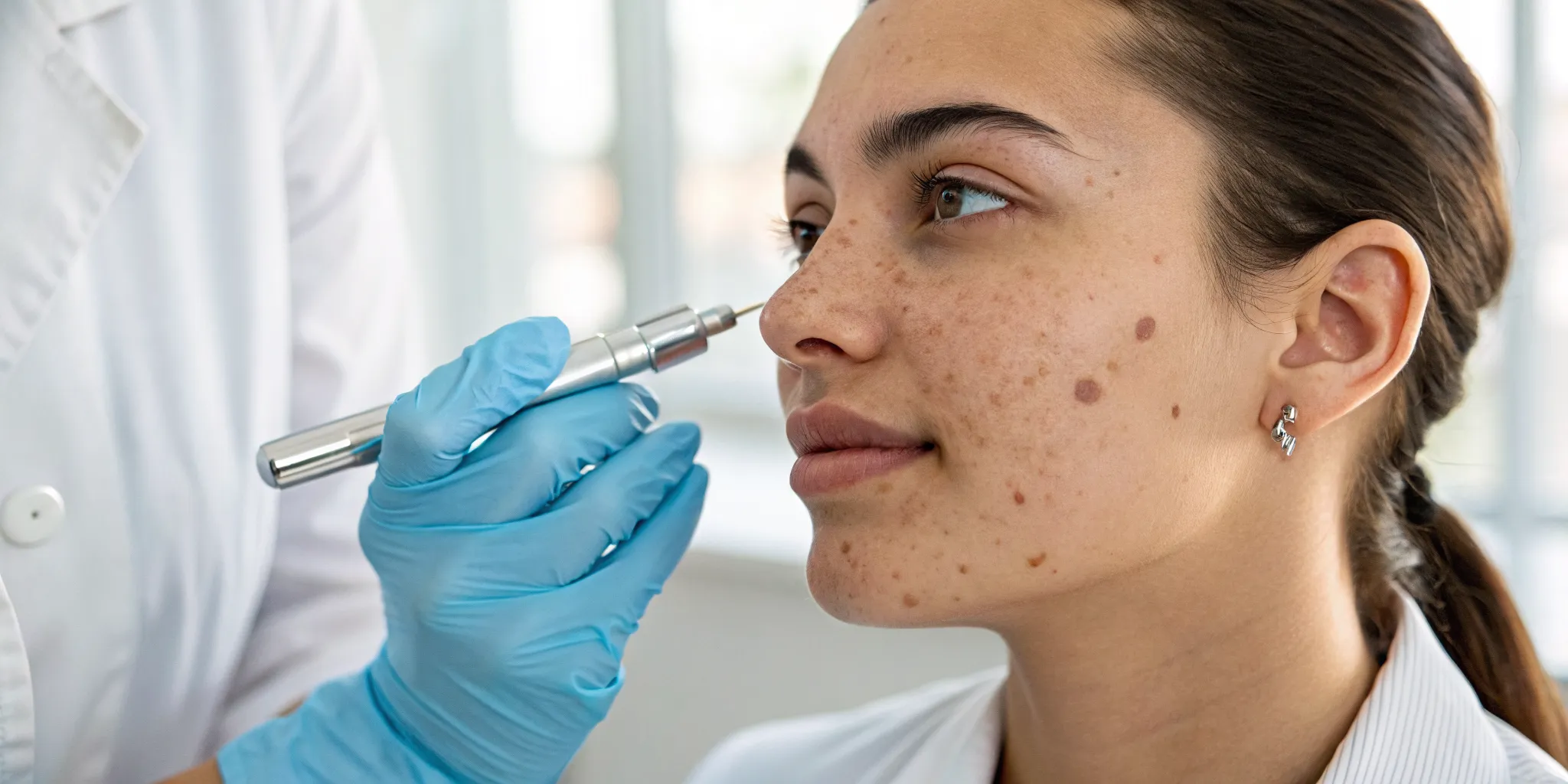
Microneedling for Dark Spots: A Complete Guide
If you’ve tried every brightening serum and lightening cream on the market, you know how frustrating it can be when stubborn dark spots just won’t fade. Topical products can only do so much because they work on the skin’s surface. To see real change, you need a treatment that works on a deeper level. This is where microneedling for dark spots comes in. It’s a clinically proven treatment that uses your skin’s own healing power to break up pigment and generate fresh, new cells. This guide will explain how it works, what to expect, and why it might be the effective solution you’ve been looking for.
Key Takeaways
- Microneedling works with your skin, not just on it: The treatment triggers your body’s own healing process to increase collagen and accelerate cell turnover, which helps replace pigmented cells with fresh, new skin.
- A personalized plan is crucial for safe results: A professional must tailor the treatment to your specific skin type and pigmentation, especially for melanin-rich skin, to ensure the procedure is effective and prevents creating new dark spots.
- Your results depend on aftercare and patience: Diligent sun protection and a gentle skincare routine are essential for proper healing. Lasting improvement comes from completing a full series of treatments, spaced several weeks apart, to give your skin time to regenerate.
What Is Microneedling and How Does It Work?
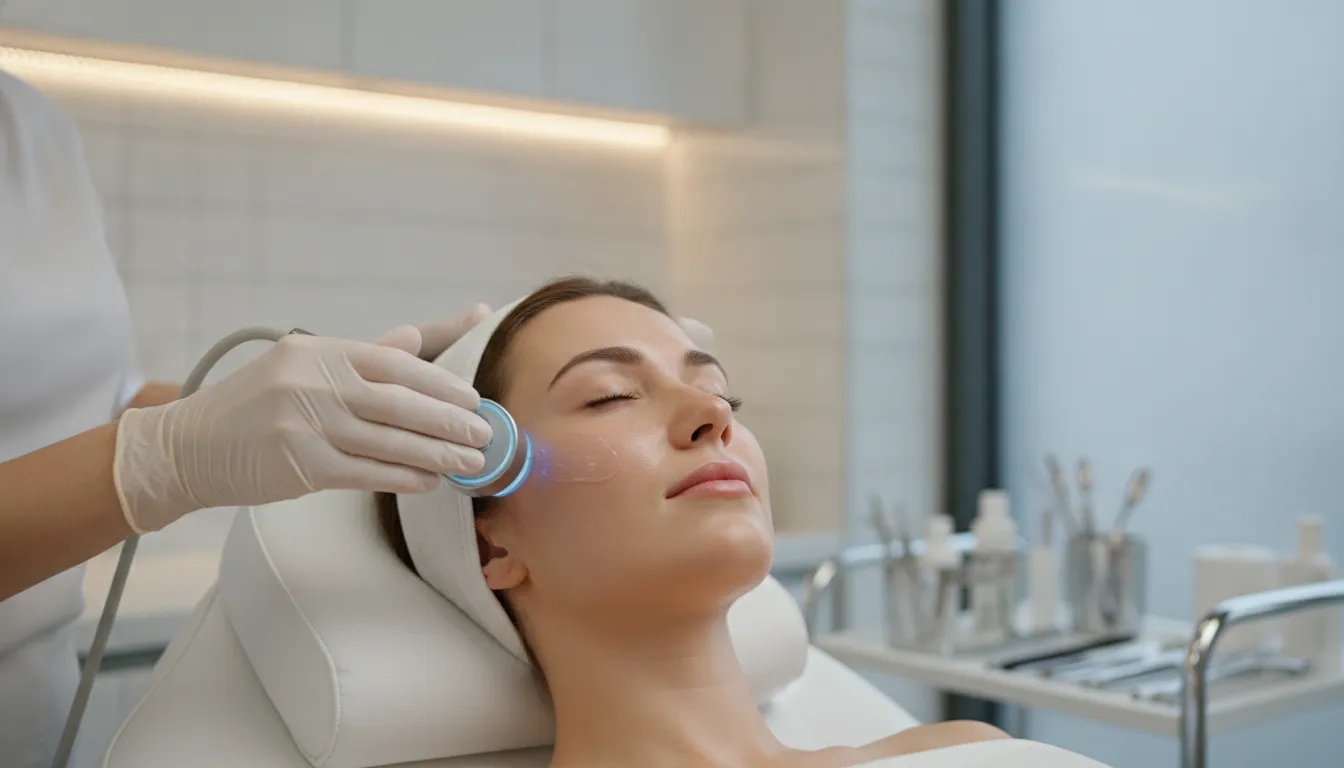
If you’ve been looking for a way to address dark spots, you’ve likely heard of microneedling. So, what is it, exactly? At its core, microneedling is a treatment also known as collagen induction therapy. It uses a specialized device with very fine, tiny needles to create controlled micro-injuries on the skin’s surface. This might sound a little intense, but it’s a highly effective and minimally invasive way to signal your skin to begin its natural repair process.
Think of it as a gentle wake-up call for your skin cells. These tiny punctures trigger a healing cascade that results in the production of new collagen and elastin, which are the essential proteins that keep your skin looking firm, smooth, and youthful. By encouraging the growth of fresh, new skin, microneedling can effectively improve the appearance of dark spots, fine lines, acne scars, and overall skin texture. It’s a popular method for total skin rejuvenation because it works with your body, not against it, to reveal a healthier, more even-toned complexion.
How It Taps Into Your Skin’s Natural Healing Power
The real magic of microneedling lies in how it harnesses your skin’s own incredible ability to heal itself. When the tiny needles create micro-channels in your skin, your body perceives these as tiny wounds and immediately gets to work repairing them. This process stimulates blood flow to the area and, most importantly, kick-starts the production of collagen and elastin.
For dark spots, this is a game-changer. The treatment accelerates your skin’s cell turnover rate, encouraging the old, pigmented cells to shed more quickly. In their place, your body generates new, healthy cells that are free of excess pigment. Over a series of treatments, this gradual replacement process helps to fade hyperpigmentation, even out your skin tone, and leave you with a smoother, clearer complexion.
What to Expect During Your Treatment
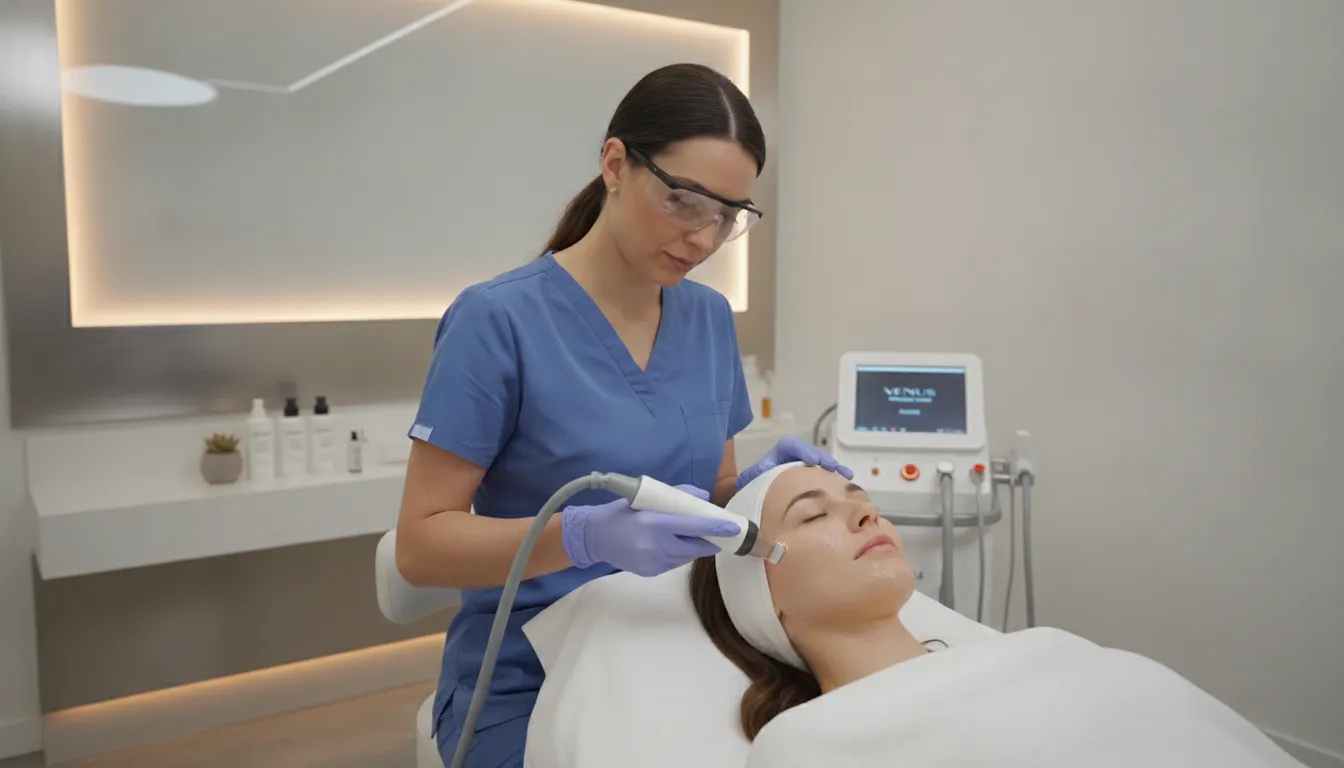
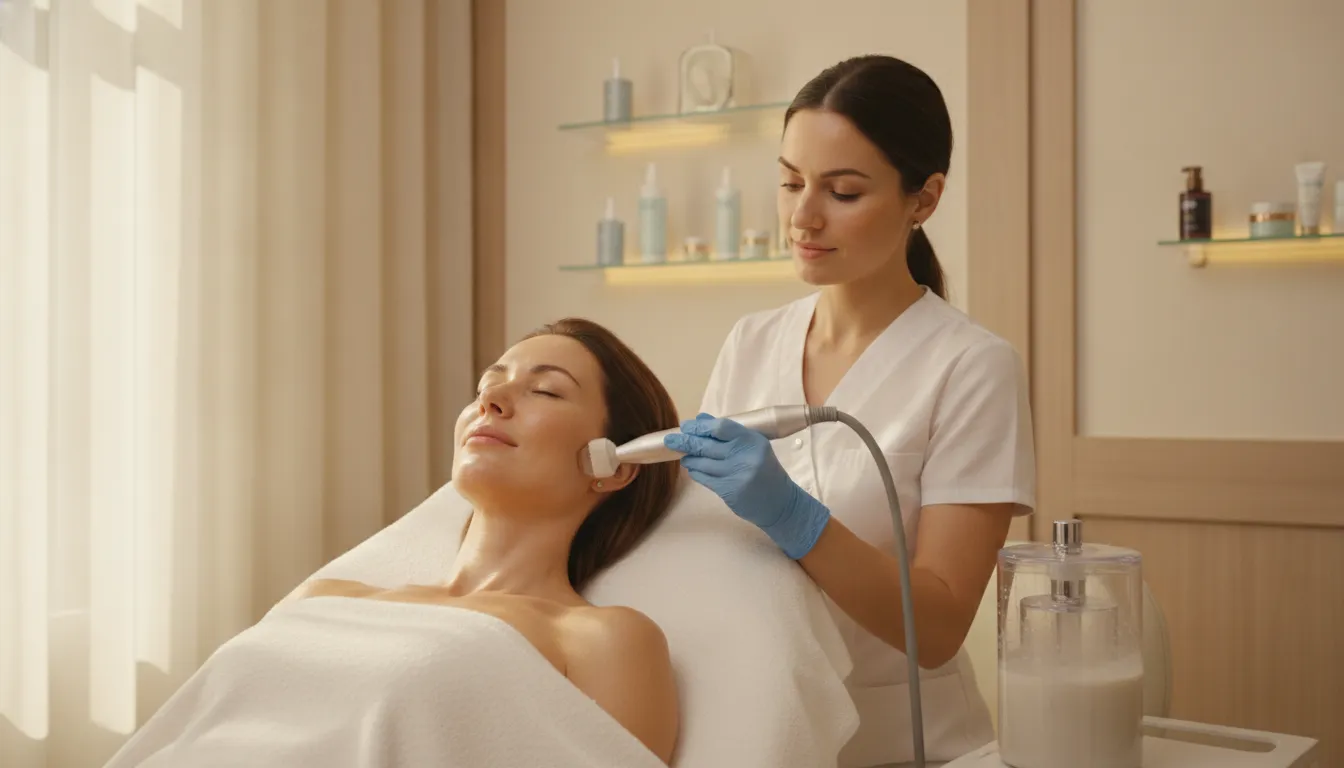
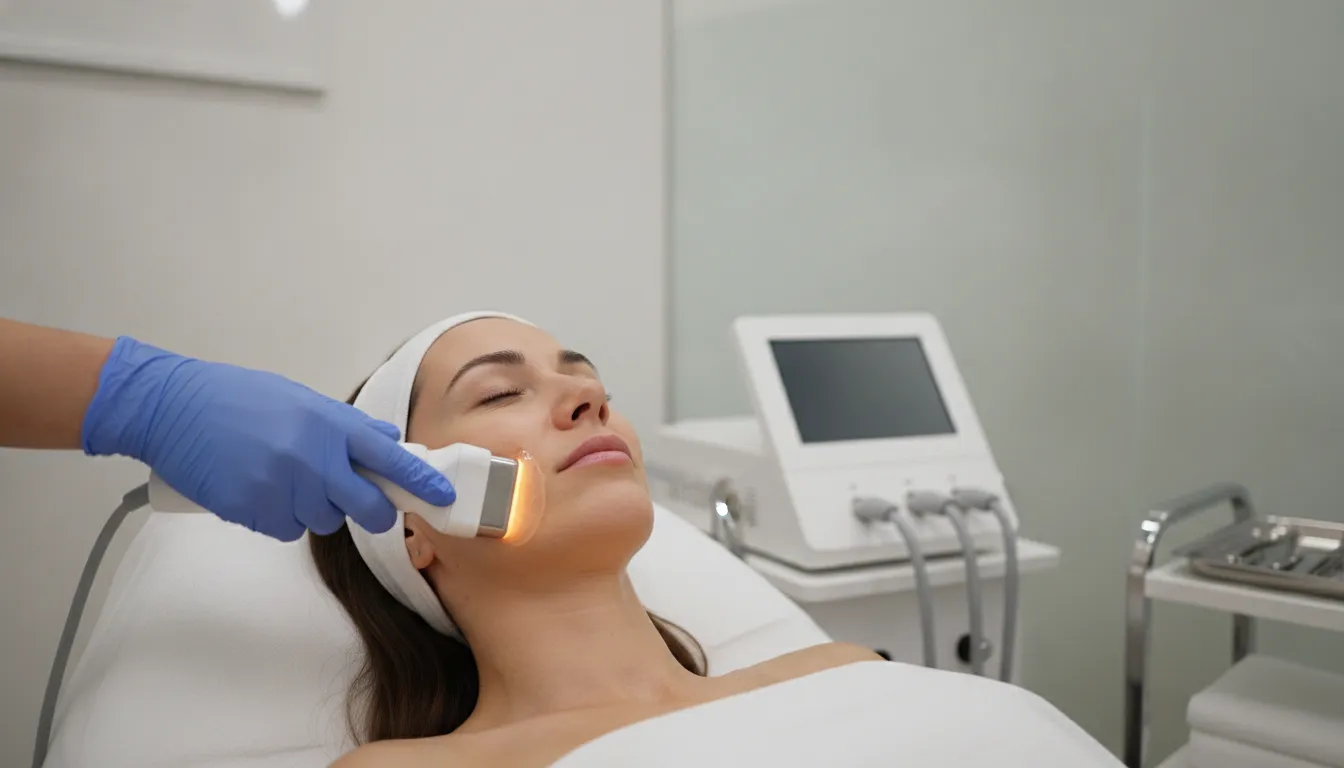
Walking into a treatment for the first time can be nerve-wracking, so let’s break down what your microneedling appointment will look like. First, your technician will cleanse your skin and apply a topical numbing cream to ensure you’re comfortable throughout the procedure. Once the cream has taken effect, the microneedling device is gently passed over your skin. Most people describe the sensation as a slight prickling or vibrating feeling, not pain.
The entire treatment is relatively quick, usually lasting between 30 and 60 minutes. Afterward, it’s normal for your skin to be red and feel a bit sensitive, similar to a mild sunburn. This redness typically subsides within a day or two. Your technician will give you specific aftercare instructions to follow, which are crucial for healing and achieving the best results from our services.
What Kinds of Dark Spots Can Microneedling Treat?
Microneedling is a fantastic tool for evening out skin tone, but it’s not a one-size-fits-all solution for every type of dark spot. The treatment works by creating tiny, controlled injuries in the skin, which prompts your body’s natural healing process. This response breaks up pigment and encourages new, healthy cells to replace the discolored ones. Because of this, its effectiveness really depends on what caused the hyperpigmentation in the first place. Think of it as a targeted refresh for your skin. The procedure is most effective for spots caused by sun damage or past inflammation, as it helps your skin shed those damaged layers.
However, for hormonally driven pigmentation like melasma, a more delicate approach is required. This is where professional expertise becomes so important. A trained technician can assess your specific type of hyperpigmentation and tailor the treatment to your needs, adjusting factors like needle depth to get you the best results safely. Understanding the root cause of your dark spots is the first step toward creating a successful treatment plan. Our skin rejuvenation services are designed to address these specific concerns with a personalized strategy, ensuring you get the right treatment for your unique skin. We’ll explore the different types of spots below.
Sun Spots and Age Spots
If you’re seeing flat, brown spots on your face, hands, or chest, you’re likely looking at sun spots or age spots. These are a direct result of sun exposure over the years. Microneedling is highly effective for this type of discoloration. The process works by breaking up the concentrated melanin that forms these spots. As your skin heals, it generates fresh, new layers of skin that are free from the old sun damage, gradually pushing out the pigmented cells. This reveals a brighter, more even complexion underneath and helps restore your skin’s clarity.
Post-Inflammatory Hyperpigmentation (PIH)
Have you ever noticed a dark mark that lingers long after a pimple has healed? That’s post-inflammatory hyperpigmentation, or PIH. It can also appear after a scratch, cut, or any other type of skin inflammation. Microneedling gives excellent results for PIH because it speeds up your skin’s natural renewal cycle. It encourages the skin to shed the old, damaged cells that hold onto that dark pigment and replace them with healthy, new ones. Over a series of treatments, this process helps those stubborn marks fade away, leaving your skin tone looking much more uniform.
Melasma: A Special Consideration
Melasma is a bit different from other types of dark spots. It often appears as larger patches of discoloration and is typically triggered by hormonal changes, like those during pregnancy or from birth control, as well as sun exposure. Because of its hormonal roots, melasma can be tricky. The inflammation from an aggressive microneedling treatment could potentially make it worse. This is why you should always proceed with caution and work with an experienced professional. A skilled technician will customize the treatment, often using a lower needle depth, to safely break up pigment without triggering more darkening. A free consultation is the best way to determine if microneedling is the right approach for your melasma.
How Well Does Microneedling Work for Fading Dark Spots?
Microneedling is a fantastic option for addressing hyperpigmentation because it leverages your skin’s own powerful ability to heal and regenerate. Instead of just treating the surface, it works from within to create lasting change. The process encourages the growth of fresh, new skin, which gradually replaces the discolored, damaged cells that make up your dark spots. Think of it as a reset button for your complexion. By stimulating key renewal processes, microneedling helps reveal the brighter, more even-toned skin that’s been waiting underneath. It’s a strategic way to get your skin to do the work for you, resulting in a naturally smoother and clearer appearance.
Triggering Collagen Production to Renew Your Skin
At its core, microneedling is a form of collagen induction therapy. The treatment uses a specialized device with ultra-fine needles to create tiny, controlled micro-channels in your skin. This might sound intense, but it’s a precise technique that sends a gentle signal to your body’s healing-response system. Your skin reacts by kicking into repair mode, and a key part of that process is producing brand-new collagen and elastin. These two proteins are the essential building blocks for firm, plump, and healthy skin. This surge in collagen helps to remodel the skin from the inside out, making it a cornerstone of effective skin rejuvenation.
Achieving a Smoother, More Even Complexion
So, how does building new collagen help with dark spots? The accelerated cell turnover that microneedling stimulates is key. As your skin heals from the micro-channels, it pushes out old, damaged skin cells, including the ones that hold the excess pigment causing your dark spots. In their place, fresh, new cells emerge. Over a series of treatments, this gradual shedding and replacement process can significantly lighten hyperpigmentation. The result is a complexion that looks not just clearer, but also more uniform in tone and texture. It’s a progressive renewal that helps your skin return to a more balanced and radiant state.
How Many Sessions Will You Need to See Results?
Patience is your best friend when it comes to treating hyperpigmentation. While some people notice improvements after just one session, most clients need a series of treatments to achieve significant fading. Typically, a plan involves three to six sessions, each spaced about four to six weeks apart to allow your skin ample time to heal and regenerate. It’s important to remember that results can vary. Your outcome depends on your skin type, the depth of your pigmentation, and how closely you follow your aftercare plan. A personalized consultation is the best way to map out a treatment schedule tailored to your specific skin goals and our full range of services.
Is Microneedling Safe for Every Skin Tone?
Microneedling is widely considered a safe and effective treatment, but it’s smart to ask if it’s right for your specific skin. The short answer is yes, microneedling can be safe for all skin tones, from the very fair to the very deep. The treatment’s power lies in its ability to work with your body’s natural healing process, making it a versatile tool for addressing concerns from fine lines to acne scars. However, the approach isn’t always one-size-fits-all, especially when dealing with pigmentation. For those with more melanin in their skin, there are important factors to consider to ensure you get the beautiful results you want without unwanted side effects.
The main concern for melanin-rich skin is a condition called post-inflammatory hyperpigmentation (PIH), which is the technical term for new dark spots that can form after an injury or inflammation. Since microneedling works by creating controlled micro-injuries, there’s a potential risk of triggering PIH if the treatment isn’t performed correctly. But don’t let that discourage you. With a skilled practitioner and a customized treatment plan, you can safely use microneedling to achieve a brighter, more even complexion.
Special Considerations for Melanin-Rich Skin
If you have a darker skin tone, your skin contains more melanin, which is what gives it its beautiful color. It also means your skin can be more reactive to things like sun exposure, inflammation, and injury, sometimes responding by producing even more melanin. This is why post-inflammatory hyperpigmentation is a key consideration with treatments like microneedling. While the procedure can be incredibly effective for fading existing dark spots, an approach that’s too aggressive can inadvertently cause new ones to appear. That’s why it’s so important to work with a professional who understands the unique needs of melanin-rich skin and can help you achieve your goals safely.
Customizing Your Treatment for Safe, Effective Results
To prevent PIH, a skilled practitioner will customize your microneedling session. For darker skin tones, this often means using a gentler approach. We might use shorter needles, typically between 0.5mm and 1.0mm, to ensure the treatment stimulates collagen without causing excessive trauma to the skin. We’ll also recommend spacing your sessions further apart, usually around six to eight weeks, to give your skin ample time to heal completely. This careful, measured approach is key to successful skin rejuvenation. Rushing the process or using a technique that’s too aggressive can actually make hyperpigmentation worse, which is why a personalized plan is not just a nice-to-have, it’s a necessity.
Why Your Practitioner’s Experience Is Key
When it comes to microneedling on melanin-rich skin, the experience of your practitioner is everything. An expert technician knows exactly how to adjust the treatment depth and intensity to suit your skin’s specific needs, minimizing risks while maximizing results. They can properly assess your skin, understand your history with pigmentation, and create a plan tailored just for you. This is why we always start with a free consultation. It gives us a chance to talk through your goals, examine your skin, and ensure we’re choosing the absolute best and safest path forward for you. Never hesitate to ask about a provider’s experience, especially with clients who have a similar skin tone to yours.
Your Guide to Microneedling: Before, During, and After
Knowing what to expect can make your microneedling experience smooth and successful. It’s a partnership between you and your practitioner, and it starts before you even walk in the door. Let’s walk through each step of the process, from getting your skin ready for the treatment to caring for it afterward so you can get the beautiful results you’re looking for.
How to Prep Your Skin for Your Appointment
Think of your microneedling appointment like a performance for your skin, and preparation is your rehearsal. The goal is to arrive with your skin as calm and healthy as possible. Avoid direct sun exposure and stop using harsh products like retinoids or strong exfoliants for about a week beforehand. Showing up with irritated or sunburned skin can increase inflammation, which raises the risk of developing more dark spots, the very thing we’re trying to treat.
Part of your prep work also includes choosing an experienced practitioner who understands your skin’s unique needs. This is especially important if you have a darker skin tone or a history of pigmentation issues. A skilled professional will customize the treatment to ensure it’s both safe and effective for you.
What Does the Procedure Actually Feel Like?
This is probably the number one question on your mind, and I get it. The good news is that it’s much more comfortable than you might imagine. Before the treatment begins, your practitioner will apply a topical numbing cream to the area. This ensures that you feel very little during the procedure. Most people describe the sensation as a slight prickling or vibration as the microneedling device moves across their skin.
The treatment itself is relatively quick, usually taking about 30 to 60 minutes, depending on the size of the area being treated. Your practitioner will ensure you are comfortable the entire time, making your skin rejuvenation session a positive experience.
The Healing Phase: What to Expect Post-Treatment
After your session, your skin will likely be a bit red and feel sensitive for a day or two, similar to a mild sunburn. This is completely normal and a sign that your skin’s natural healing process has begun. Following your aftercare instructions is crucial for getting the best results and preventing complications. For the first few days, stick to gentle, fragrance-free moisturizers and cleansers.
It’s important to avoid any harsh active ingredients, like retinoids, vitamin C serums, or acids, for at least three to five days, or however long your practitioner advises. Results can vary from person to person, but sticking to your aftercare plan gives your skin the best possible support for renewal and skin tightening.
Maximize Your Results with This Aftercare Checklist
What you do after your microneedling appointment is just as important as the treatment itself. Think of it as protecting your investment. Proper aftercare ensures your skin heals beautifully, minimizes side effects, and helps you get the best possible results for fading those stubborn dark spots. Your skin has just been prompted to start a major renewal process, and giving it the right support during this time is key. Following a simple aftercare plan will help you achieve that smoother, more even-toned complexion you’re looking for. Here’s a checklist to guide you through the healing process.
Your Guide to the First 72 Hours
Right after your treatment, expect your skin to look and feel a bit like you have a mild sunburn. This redness and sensitivity are completely normal and a sign that the healing process has begun. For the first day or two, your main job is to be gentle. Avoid touching your face as much as possible, and definitely don’t pick or scratch at your skin. You’ll want to keep your skin clean, but skip your usual cleansers. Instead, use lukewarm water and a very gentle, non-foaming cleanser if your practitioner recommends it. It’s also best to hold off on makeup for at least 24 to 48 hours to let your skin breathe.
Sun Protection: Your Non-Negotiable Next Step
If you follow only one piece of aftercare advice, let it be this: protect your skin from the sun. This is not optional. Your newly treated skin is incredibly vulnerable to UV damage, and sun exposure can easily create new hyperpigmentation or darken the very spots you’re trying to treat. For the first few weeks after your treatment, you need to be diligent. Apply a broad-spectrum mineral sunscreen with at least SPF 50 every single day, even if you’re staying indoors. Reapply it every two hours if you’re outside, and consider wearing a wide-brimmed hat for extra protection. This commitment to sun safety is crucial for maintaining your skin rejuvenation results long-term.
Skincare to Use (and Avoid) After Your Treatment
During the healing phase, your skincare routine should be all about simplicity and hydration. Stick to gentle, fragrance-free moisturizers to soothe and protect your skin barrier. Look for ingredients like hyaluronic acid and ceramides, which help hydrate and repair. On the flip side, you need to avoid any harsh or active ingredients for at least the first week. That means putting away your retinoids, vitamin C serums, and any exfoliants like glycolic or salicylic acid. These products can irritate your sensitive skin and interfere with the healing process. Your practitioner will let you know when it’s safe to slowly reintroduce them into your routine.
How to Space Your Sessions for the Best Outcome
Microneedling is a journey, not a one-time fix. To effectively treat dark spots, you’ll need a series of sessions. Spacing these appointments correctly is essential for achieving the best outcome. Typically, sessions are scheduled four to six weeks apart. This interval gives your skin the time it needs to complete a full cycle of healing and collagen regeneration. Rushing the process won’t get you results faster; it will only compromise your skin’s health. Your practitioner will create a personalized treatment schedule based on your skin type, the severity of your dark spots, and how your skin responds. This tailored approach, common across many aesthetic services, ensures you get safe and effective results.
Professional vs. At-Home Microneedling: What’s the Difference?
You’ve probably seen derma rollers and microneedling pens available for at-home use. While they might seem like a convenient alternative, there’s a significant gap in safety and effectiveness when you compare them to a professional treatment. At-home devices often use shorter, lower-quality needles that can’t achieve the precise, controlled micro-injuries needed to stimulate deep collagen production. More importantly, using them without proper training carries risks of infection, skin damage, and even making your dark spots worse. A professional setting ensures a sterile environment, expert technique, and a treatment that’s truly tailored to your skin’s needs, giving you peace of mind and far better results.
Why Professional Treatments Are Better for Pigmentation
When your goal is to fade dark spots, precision is everything. Effective skin rejuvenation for hyperpigmentation relies on reaching a specific depth in the skin (usually 0.5 to 1.5mm) to trigger cell turnover without causing new inflammation. A trained technician uses a medical-grade device to control this depth exactly, ensuring the treatment is both safe and effective. This is especially important for melanin-rich skin, which can be more prone to post-inflammatory hyperpigmentation if the treatment is too aggressive. A professional will adjust the needle depth and treatment intensity specifically for your skin tone and type, something an at-home roller simply can’t do. This careful approach is key to breaking up pigment and revealing clearer skin, not creating more of it.
Our Personalized Approach to Skin Rejuvenation
At LightRx, we know that great results come from a personalized plan. Your skin is unique, and so is your journey to fading dark spots. It all starts with a free consultation where we assess your skin, identify the type of hyperpigmentation you’re dealing with, and discuss your goals. From there, we create a customized treatment schedule that works for you. We guide you on how to prepare your skin before your appointment and provide detailed aftercare instructions to support the healing process. This comprehensive approach ensures your skin gets exactly what it needs to heal beautifully and reveal that smoother, more even complexion you’re looking for. Our team is here to support you through every step of your treatment plan.
Ready to Say Goodbye to Dark Spots? Let’s Talk.
If you’ve been dealing with stubborn dark spots, you know how frustrating it can be when creams and serums don’t deliver the results you want. Microneedling offers a way to address pigmentation on a deeper level. By creating tiny micro-channels in the skin, the treatment triggers your body’s natural healing response. This process helps break up clusters of pigment and accelerates cell turnover, encouraging fresh, evenly-toned skin to emerge. It’s particularly effective for the lingering marks left behind by sun damage and old breakouts.
Beyond just fading spots, microneedling is a powerful method of skin rejuvenation. The treatment stimulates the production of new collagen, which is essential for repairing and restoring your skin’s structure. Over a series of sessions, this helps build a stronger, smoother, and more radiant complexion from the inside out. Instead of just covering up discoloration, you’re actively helping your skin heal and renew itself for more lasting clarity.
The path to clearer skin is unique for everyone. The best way to know if microneedling is the right choice for you is to talk with a professional. We can assess your specific type of hyperpigmentation, discuss your goals, and create a treatment plan tailored to your needs. Your journey starts with a simple conversation, so when you’re ready, we invite you to schedule your free consultation with our team. Let’s work together to help you achieve the beautiful, even complexion you deserve.
Related Articles
- The Ultimate Microneedling Aftercare Guide
- How to Get Rid of Dark Spots on Your Face?
- Microneedling Pricing: How Much Should You Pay?
- Microneedling for Stretch Marks: What to Expect
- The Safe Guide to Laser Hair Removal for Dark Skin
Frequently Asked Questions
Does microneedling hurt? This is easily the most common question, and it’s a fair one. We use a topical numbing cream before the treatment begins, which makes the entire process quite comfortable. Most clients describe the feeling as a light vibration or a gentle prickling sensation as the device moves across the skin. The goal is to stimulate your skin, not to cause pain, so we make sure you are at ease from start to finish.
What is the recovery time really like? After your session, your skin will be pink and may feel a bit warm, much like a mild sunburn. This initial redness usually fades significantly within 24 hours. You can typically resume your normal daily activities the next day, although you will need to be extra gentle with your skin and diligent with sunscreen. We will give you a complete aftercare plan, but most people find the recovery process to be quick and straightforward.
How soon will I see results for my dark spots? While some people notice a brighter glow within a week or two, fading dark spots is a gradual process. The treatment works by encouraging your body to generate new, healthy skin, which takes time. Significant improvement in hyperpigmentation usually becomes visible after a series of treatments. Most people require three to six sessions, spaced about a month apart, to achieve their desired clarity and evenness.
I think I have melasma. Is microneedling still a safe option for me? This is an important consideration because melasma can be triggered by inflammation. An aggressive treatment could potentially make it worse, which is why you should never attempt to treat melasma with at-home devices. In a professional setting, however, we can customize the treatment by using a much gentler approach with shorter needles. This allows us to carefully break up the pigment without causing the inflammation that can lead to more darkening. A consultation is the best first step to determine if this is the right path for you.
Why is professional microneedling better than using an at-home roller? The difference comes down to safety, precision, and effectiveness. Professional devices use sterile, single-use needles that can be adjusted to the exact depth needed to stimulate collagen without damaging your skin. At-home rollers have duller, shorter needles that can create tears in the skin, introduce bacteria, and potentially worsen pigmentation. A trained technician ensures the procedure is performed correctly and customizes it for your specific skin concerns, giving you reliable results safely.