
How to Treat Sun Spots on Face in Birmingham, MI
While the sun is the primary culprit, it isn’t the only reason dark spots appear. Hormonal changes can lead to melasma, and even an old acne breakout can leave behind a mark known as post-inflammatory hyperpigmentation. Because the causes are different, a one-size-fits-all treatment plan simply doesn’t work. The first step to clear skin is getting a proper assessment from a professional who can identify the root cause of your discoloration. If you’re seeking an expert opinion on sun spots on face Birmingham MI, understanding your options is key. Here, we’ll explore why a personalized approach is essential for achieving the best results.
Dark spots or age spots are small, flat, dark areas on the skin. They vary in size and mostly appear on areas of the skin that are exposed to sunlight. Common places are the face, hands, shoulders, and arms. If you have light skin and spend a lot of time in the sun, you are more likely to develop age spots. It is a common affliction for those 50 and older, but younger people can get them if they spend a lot of time in the sun. It is easy to confuse age spots with cancerous growths, but actual age spots do not need treatment. Dark spots indicate excessive sun exposure because their formation shows the skin is trying to protect itself.
How Can You Treat Sun Spots on Your Skin?
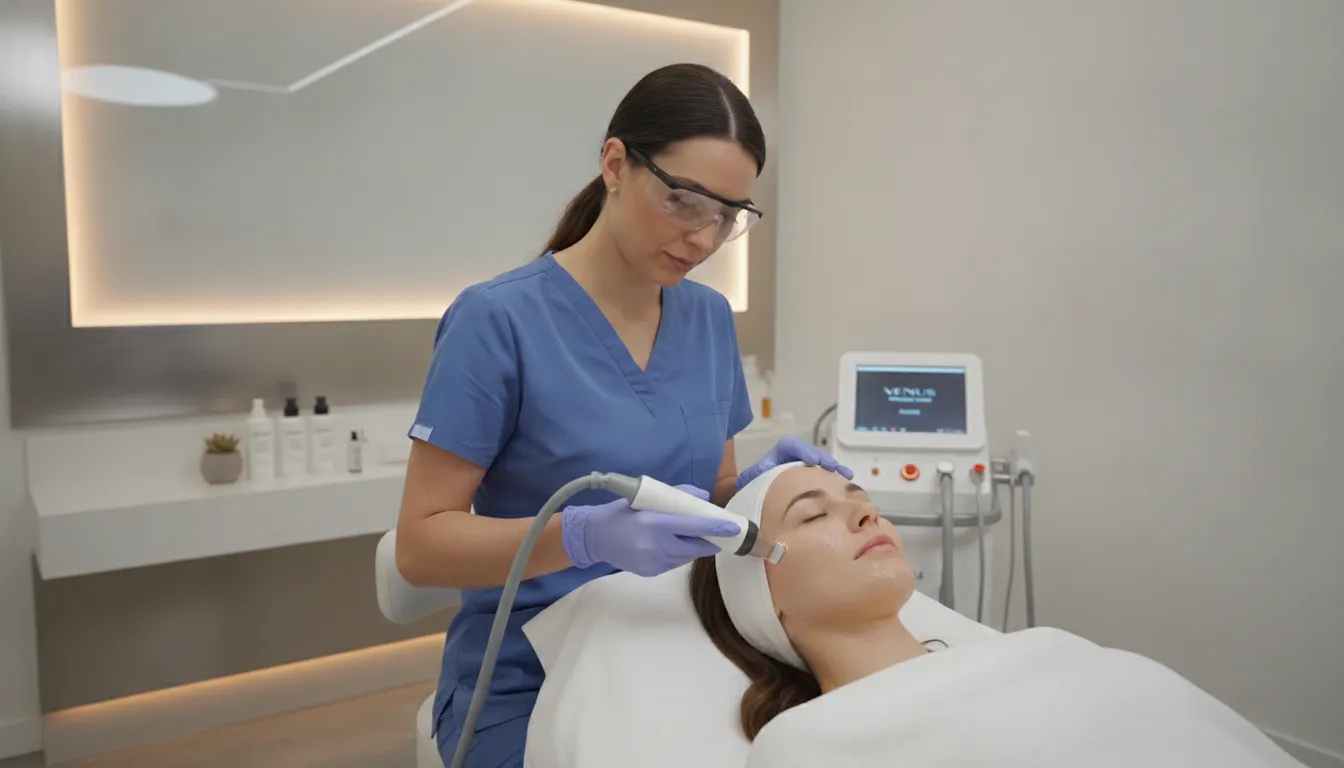
An excellent treatment to get rid of dark spots is LightRx’s skin rejuvenation treatments. We have many ways to get rid of dark spots on the face or body. After evaluation, a combination of treatments may often be recommended depending on your skin type, age, and goals. At LightRx, we use four different types of technology for skin rejuvenation. Venus Viva, Venus Glow, Sofwave, and Aerolase Neo Elite. Depending on your goals, they can be used individually or in combination.
Causes and Types of Dark Spots
Common Causes Beyond Sun Exposure
While we often call them “sun spots,” the sun isn’t the only factor behind their appearance. Think of sun exposure as the main trigger, but other elements can certainly play a role. Hormonal shifts, such as those during pregnancy or from using birth control, can lead to a condition called melasma, which causes patches of discoloration. Your genetics can also make you more prone to developing spots, like freckles. Even scarring from a past breakout or injury can leave behind a mark known as post-inflammatory hyperpigmentation. Understanding the root cause is the first step in finding the most effective way to treat them.
Different Kinds of Spots
Just as there are many causes, there are also different types of dark spots. The most common are solar lentigines, which are the flat, brown spots that typically come to mind when we think of sun damage. However, you might also notice other variations, like tiny red dots called cherry hemangiomas or even slightly raised, waxy-looking spots known as seborrheic keratoses. It’s important to know what you’re dealing with, as some types of hyperpigmentation are on the surface while others, like melasma, can be rooted in deeper layers of the skin, requiring a more targeted treatment approach to see real results.
Why a Professional Consultation is Key
Diagnosis and Ruling Out Health Concerns
Before you start any treatment plan, it’s crucial to get a professional opinion. While most dark spots are harmless, you should always have any new or changing spots on your skin checked by a medical professional to rule out more serious health concerns. A trained eye can usually identify a benign age spot just by looking at it, but in some cases, a small skin sample might be taken for a biopsy to be absolutely sure. This step gives you peace of mind and ensures you’re treating the right condition safely and effectively.
Choosing a Qualified Provider
Once you know what you’re working with, finding the right person to perform your treatment is everything. For the safest and most impressive results, you’ll want to work with a licensed medical professional or a highly skilled technician who understands the nuances of skin and technology. This is where a free personal consultation can make all the difference. It’s an opportunity to have your skin properly assessed, discuss your goals, and create a personalized plan with an expert who can guide you toward the best possible outcome for your unique skin concerns.
Professional Treatments for Sun Spots
A Look at Common Treatment Options
When it comes to treating sun spots, you have several professional avenues to explore. The best path for you will depend on your skin type, the nature of your spots, and your ultimate goals. Some treatments are topical and work over time, while others are in-office procedures that offer more immediate and dramatic changes. A skilled technician can help you weigh the pros and cons of each to find the perfect fit for your lifestyle and desired results, ensuring your treatment plan is as unique as you are.
Prescription Medications and Chemical Peels
For a less invasive approach, a dermatologist might suggest prescription creams containing ingredients like hydroquinone or retinoids. These topicals work by gradually fading spots over the course of several months. Another popular option is a chemical peel, which involves applying a specialized solution to the skin. This process removes the outermost, damaged layers, encouraging new, unblemished skin to come to the surface. Peels come in various strengths, from light to deep, allowing for a customized treatment based on the severity of the hyperpigmentation.
Cryotherapy and Dermabrasion
Two other established methods for treating dark spots are cryotherapy and dermabrasion. Cryotherapy involves applying liquid nitrogen to the spot to freeze and destroy the excess pigment cells, causing the spot to flake off as the skin heals. Dermabrasion, along with its gentler cousin microdermabrasion, works by physically exfoliating the skin’s surface. This “sanding” process helps remove surface-level spots and can smooth the skin’s overall texture, though it may require multiple sessions to achieve the desired reduction in pigmentation.
Laser and Light-Based Therapies
For a more targeted and advanced solution, laser and light-based therapies are incredibly effective. These technologies use focused energy to break down the pigment in dark spots without harming the surrounding skin. Treatments like Intense Pulsed Light (IPL) are excellent for addressing surface-level sunspots, redness, and uneven skin tone with minimal downtime. Other advanced laser treatments can penetrate deeper to correct more significant sun damage, stimulating collagen production and removing damaged cells to reveal a smoother, brighter, and more youthful complexion. These skin rejuvenation techniques offer a powerful way to restore your skin’s clarity and radiance.
Our Top Treatments for Fading Sun Spots
Venus Viva
Venus Viva is FDA-cleared and clinically proven to improve the overall texture of your skin by addressing common issues like wrinkles, discoloration, acne scarring, and stretch marks.
Venus Glow
Venus Glow is a facial rejuvenation treatment that opens up pores to remove dirt, oil, and other impurities. It uses a three-pronged approach that deep cleans pores and eliminates impurities. It can be used alone or in combination with other devices.
Sofwave
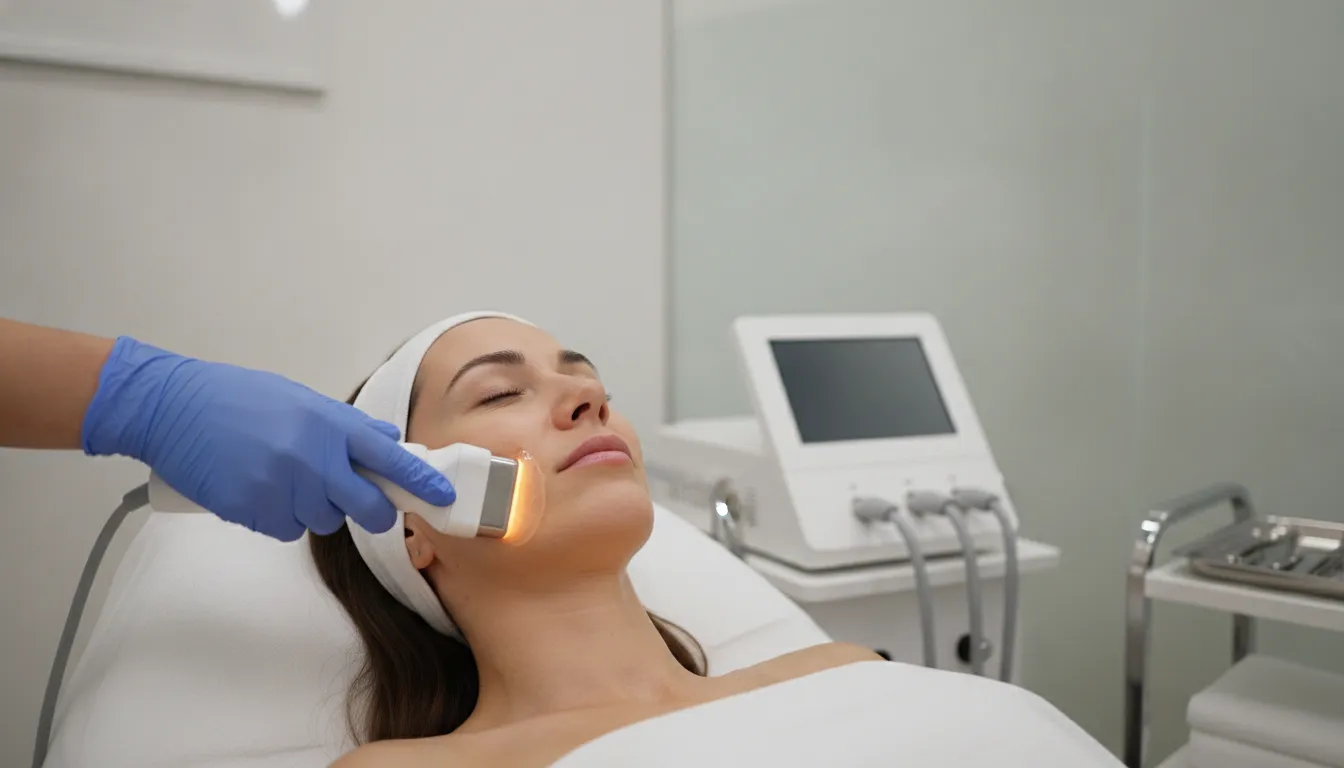
Sofwave works like other non-invasive skin tightening treatments by heating the skin and activating the body’s natural healing process to regenerate collagen. What stands out is that Sofwave uses a unique Synchronous Ultrasound Parallel Beam Technology SUPERB™ that delivers heat to the correct skin depth at 1.5mm in the mid dermis. Sofwave also has an integrated cooling system designed to protect the top layer of skin from burning. Once heated, the treatment areas activate the body’s natural healing process to increase and regenerate collagen in the skin. The result is the reduction of fine lines and wrinkles.
Aerolase Neo Elite
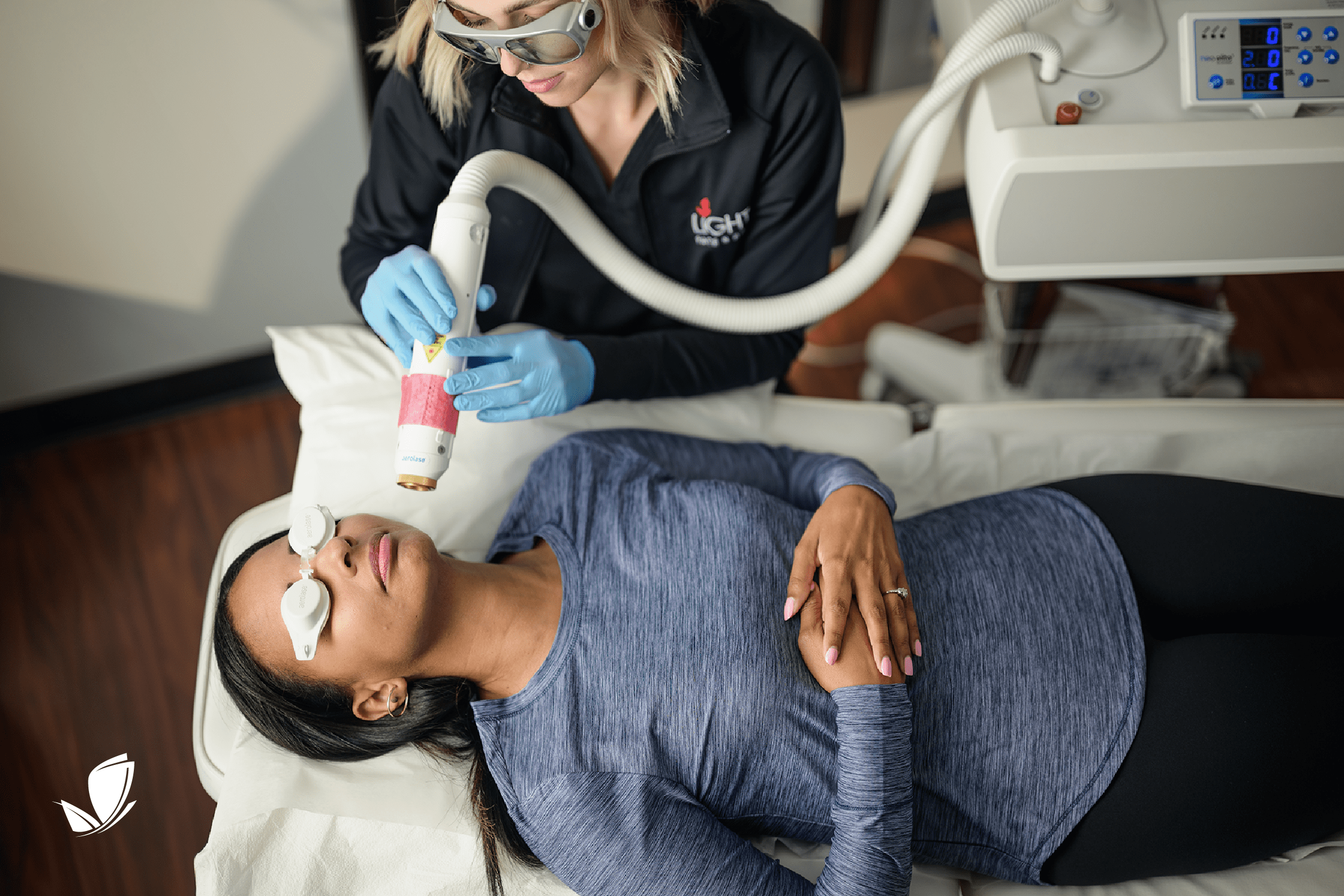
Aerolase Neo Elite is a medical device that treats all types of skin conditions. The Aerolase Neo Elite uses a medical laser to treat everything from loose and wrinkled skin to acne, dark spots, acne scarring, and more. The Aerolase Neo Elite is a 650-microsecond technology that is naturally attracted to the skin’s melanin, hemoglobin, and water. The Aerolase Neo Elite is safe, gentle on the skin, and effective for all skin tones and types – the most advanced laser skin treatment we have available.
What to Expect from Your Treatment
Number of Sessions and Maintenance
Getting the clear, even-toned skin you want is a process, not a single event. For the best outcome, most laser procedures require a series of three to six sessions, spaced several weeks apart. This allows your skin to heal and respond to the treatment gradually. It’s also important to know that dark spots can be persistent and may reappear over time with new sun exposure. To keep your skin looking its best, many people find that a yearly follow-up treatment is a great way to maintain their results over the long term and address any new spots that may have developed.
Potential Side Effects
After a treatment session, it’s normal to experience some minor side effects, but they are typically mild and don’t last long. Depending on the specific technology used, you might notice some redness, slight itching, or minor swelling in the treated area for a few hours or a couple of days. Think of it like a mild sunburn. More significant risks, such as scarring or changes in your skin’s natural color, are very rare. During your free personal consultation, your technician will walk you through all the potential side effects so you know exactly what to expect and can feel completely comfortable moving forward.
Customizing for Your Skin Tone
Your unique skin tone is one of the most critical factors in creating a safe and effective treatment plan. Not all lasers or light-based therapies are suitable for every skin type, especially darker skin tones, which can be more susceptible to pigmentation changes if the wrong technology is used. This is why a professional consultation is absolutely essential. An experienced technician can accurately assess your skin and select a treatment, like the Aerolase Neo Elite, that is specifically designed to target pigment safely and deliver the beautiful results you’re looking for without compromising your skin’s health.
Understanding the Cost of Sun Spot Removal
Typical Price Range
The investment in sun spot removal can vary quite a bit. A single laser session can range anywhere from $200 to over $3,000. This price depends on several factors, including the type of laser technology being used, the size of the area you want to treat, and even your geographic location. For example, a session of Intense Pulsed Light (IPL), a common treatment for sun spots, generally costs between $200 and $500. During your consultation, you’ll receive a clear and detailed breakdown of the costs associated with your personalized treatment plan, so there are no surprises along the way.
Insurance and Payment Options
Because treatments for sun spots are considered cosmetic procedures, they are typically not covered by health insurance. We understand that this can be a concern, which is why many clinics offer ways to make these services more accessible. You can often find financing plans or package deals if you decide to purchase multiple sessions upfront. Here at LightRx, we offer memberships that are designed to help make your aesthetic goals more affordable, allowing you to bundle treatments and manage the cost in a way that fits your budget while you work toward radiant, clear skin.
At-Home Care and Prevention
The Importance of Sunscreen
Honestly, the very best way to treat dark spots is to prevent them from showing up in the first place. This all comes down to sun protection. Applying a broad-spectrum sunscreen with an SPF of 30 or higher should be a non-negotiable part of your daily routine, whether it’s sunny or cloudy. Consistent sunscreen use is the single most important step you can take to protect your skin, maintain the results from your skin rejuvenation treatments, and prevent new spots from forming. Think of it as essential daily insurance for your skin’s health and appearance.
Over-the-Counter Solutions and Makeup
While you’re undergoing professional treatments or if you’re dealing with very mild discoloration, some at-home products can help. Over-the-counter creams and serums containing ingredients like glycolic acid, kojic acid, or vitamin C can be effective at gently fading spots over time. And for immediate coverage, never underestimate the power of good makeup. A quality concealer or foundation can easily cover any spots, helping you feel confident while your skin is in the process of healing and improving. These at-home steps can be a great complement to your professional treatment plan.
Finding the Right Sun Spot Treatment for You
- Use a potent antioxidant like Vitamin C daily
- Wear sunscreen daily
- Exfoliate with Salicylic Acid
- Implement a retinoid in your skincare routine
While many solutions are available, laser technologies are the easiest way to deal with dark spots. They are a safe, proven system designed to be used in tandem or individually to get the results you desire. At LightRx, our non-invasive technologies are an effective solution to eliminate dark spots on your face. A consultation with our highly skilled technicians will help you determine the most effective course of action for your specific needs. Our experts will design a treatment plan that matches the right technology with your skincare goals. Schedule a free consultation today!
Frequently Asked Questions
How do I know which treatment is the right one for my skin? This is the most important question, and the answer is that it truly depends on you. Your skin tone, the type of dark spots you have, and your overall goals all play a part in creating the perfect plan. This is why a one-on-one consultation is so essential. An experienced technician can properly assess your skin and recommend the specific technology, or combination of treatments, that will give you the safest and most effective results.
Are laser treatments for sun spots painful? Most people find the treatments very manageable. You might feel a sensation often described as a quick snap, similar to a rubber band, against your skin. Afterward, it’s common to have some mild redness or slight swelling in the treated area for a few hours, much like a minor sunburn. We’ll walk you through exactly what to expect so you feel completely comfortable before we begin.
Once the spots are gone, are they gone for good? While professional treatments effectively remove the pigment from existing spots, they can’t prevent new ones from forming. The biggest factor in keeping your skin clear is protecting it from future sun damage. Think of your treatment results as a clean slate. To maintain it, wearing a broad-spectrum sunscreen every single day is the most important thing you can do.
How many sessions will I actually need to see a difference? Achieving clear, even skin is a process, not a one-time fix. Most people need a series of three to six treatments to get the best results. Spacing the sessions out gives your skin the time it needs to heal and regenerate properly. This gradual approach ensures we are safely breaking down the pigment and revealing healthier skin underneath.
Why can’t I just use an over-the-counter cream to get rid of my dark spots? Over-the-counter products can be great for addressing very mild discoloration or for maintaining your skin after professional treatments. However, they work on the surface and typically don’t have the strength to address deeper or more stubborn pigmentation. Professional laser and light therapies are designed to penetrate the skin and precisely target and break down the pigment cells, leading to more dramatic and lasting improvement.
Key Takeaways
- Get a Professional Diagnosis First: Sun exposure isn’t the only cause of dark spots—hormones and acne scars play a role, too. An expert consultation is essential to pinpoint the root cause of your discoloration and build a treatment plan that actually works for you.
- Personalized Treatments Deliver Better Results: One-size-fits-all solutions rarely succeed. Professional treatments like laser therapy are tailored to your specific skin tone and type of hyperpigmentation, ensuring a safer and more effective approach than relying on topical creams alone.
- Sunscreen is Your Best Defense: The most effective way to handle dark spots is to prevent them. Making broad-spectrum SPF 30 a non-negotiable part of your daily routine is the single best way to protect your skin, maintain your treatment results, and stop new spots from appearing.
Related Articles
- MedSpa | Birmingham, MI | LightRx Face & Body
- Dermapen | St Louis, MO | LightRx Face & Body