
The Pros and Cons of Ultrasonic Cavitation
The world of non-invasive body contouring is full of advanced technology, and it can be tough to understand the differences. You may have heard of treatments that freeze fat or use lasers, but what about one that uses sound? The idea of using sound waves to reduce fat is fascinating, and it’s the science behind ultrasonic cavitation. This FDA-cleared treatment offers a way to target fat cells without surgery or downtime. We’ll break down the entire process, from the initial consultation to the final results, so you can see if this innovative approach is the right fit for your body goals.
Cavitation vs CoolSculpting
There are many ways to deal with unwanted fat. If dieting and exercising does not work for you and you have begun to look for alternatives, it quickly becomes apparent that there is a plethora of treatments available. You may be considering Ultrasonic cavitation vs. Coolsculpting. Here we have compared their pros and cons so you can determine which treatment is best for you.
What is Coolsculpting?
Coolsculpting is a nonsurgical fat reduction treatment. It works by freezing away fat cells, killing them off. This leaves the body looking smooth and toned. The fat cells are processed out the body over a two-to-eight-week period following treatment through natural means. Exercise helps with this process as well. It is especially effective in the stomach, waist, and buttock areas.
The Pros of CoolSculpting
The main pro of CoolSculpting is that the treatment is noninvasive. If you choose to be treated with CoolSculpting there is no worry about surgery or the potential side effects of surgery. Additionally, there is no downtime following treatment. Another plus is that treatment sessions are relatively short lasting between 30 and 60 minutes. The treatment also kills the fat cells, meaning that with proper dieting and exercise following the treatment the effects of the treatment are permanent.
The Cons of CoolSculpting
There are some minor cons and major cons of CoolSculpting. The first of the minor cons is that Coolsculpting is not for everyone. It is intended for those that have problem areas despite dieting and exercise. Additionally, there are some potential side effects. These include redness, swelling, bruising and reduced sensation in the treated area. Although these side effects are common and easily manageable. There are some more potential major cons to CoolSculpting. Although rare, CoolSculpting can cause a reaction called paradoxical adipose hyperplasia. This condition is not dangerous, but it causes the treated fat cells to grow rather than shrink, which is the opposite of the desired effect of CoolSculpting.
What is Ultrasonic Cavitation?
Ultrasonic cavitation, also known as ultrasonic lipolysis, is a treatment used to contour the body using ultrasound waves that break apart the fat. It is designed to help those that are near their target weight and are in good overall health. It is a nonsurgical treatment option for fat removal.
The Pros of Ultrasonic Cavitation
The main draw of ultrasonic cavitation is that it is noninvasive. There is no risk of side effects such as infection, internal damage, or scarring. Additionally, treatments are easy and quick. Often, they can be completed in under an hour. There are also some forms of the treatment that can be administered at home. Another positive for this treatment is that it uses the body’s natural processes to get rid of the fat after it has been broken down.
The Cons of Ultrasonic Cavitation
The main con against ultrasonic cavitation is that the science is still out in terms of its effectiveness. When considering ultrasonic cavitation vs. CoolSculpting, CoolSculpting has been proven to be effective. While there is some evidence to support that ultrasonic cavitation is effective, there simply has not been enough trials to demonstrate the effectiveness of the treatment.
How Does Ultrasonic Cavitation Work?
If you’re curious about how sound can actually help shape your body, you’re not alone. The technology behind ultrasonic cavitation is fascinating and surprisingly straightforward. It’s a non-invasive treatment that targets fat cells without any need for surgery. Instead of scalpels, it uses low-frequency ultrasound waves to apply pressure to fat cells, which they can’t withstand. This process is precise, focusing only on the fat cells in the targeted area while leaving all the surrounding tissues and organs completely unharmed. It’s a smart and gentle way to address those stubborn spots that don’t seem to respond to diet and exercise.
The Science of Sound Waves and Fat Cells
So, what’s happening under your skin? The ultrasound waves create tiny bubbles, or cavities, in the fluid surrounding your fat cells. As these waves continue, the bubbles rapidly expand and collapse. This quick change in pressure creates a force that causes the fat cells to burst open, turning their contents into a liquid substance. This process, known as lipolysis, effectively breaks down the fat deposits without harming any other part of your body. Think of it as a targeted vibration that selectively dismantles fat cells, preparing them for removal from your system.
The Body’s Natural Elimination Process
Once the fat cells are broken down, your body takes over. The liquefied fat, now in the form of triglycerides and fatty acids, is released into your system. Your body’s natural filtration system, the lymphatic system, picks up this waste product. From there, it’s transported to the liver, which processes it just like any other fat you would consume in your diet. Ultimately, your body eliminates it as waste. This is why staying hydrated after a treatment is so important—it helps your body efficiently flush everything out and complete the fat reduction process naturally.
Benefits and Expected Results of Ultrasonic Cavitation
The primary appeal of ultrasonic cavitation is its ability to deliver noticeable results without the downtime associated with surgical procedures. People often turn to this treatment to fine-tune their shape and address specific concerns that linger despite a healthy lifestyle. Beyond just fat reduction, the treatment offers benefits that contribute to a more sculpted and smoother overall appearance. It’s a versatile tool for enhancing your body’s natural contours and improving skin quality, making it a popular choice for those looking for a comprehensive, non-invasive solution.
Body Contouring and Circumference Reduction
One of the most significant benefits is targeted body contouring. Ultrasonic cavitation is excellent for reducing fat deposits in specific areas like the abdomen, thighs, hips, and upper arms. These are often the spots where fat stubbornly holds on, no matter how many gym sessions you log. By breaking down fat cells in these areas, the treatment can lead to a measurable reduction in circumference, helping you achieve a more defined silhouette. It’s not a weight-loss treatment, but rather a shaping tool to help you get closer to your aesthetic goals.
Improved Skin Texture and Cellulite Appearance
Beyond fat reduction, ultrasonic cavitation can also improve the look and feel of your skin. The sound waves stimulate circulation and encourage the production of collagen, a protein that gives skin its firmness and elasticity. This can lead to tighter, smoother skin in the treated area. For those concerned with cellulite, this treatment can help reduce its dimpled appearance by breaking down the underlying fat deposits and promoting healthier skin structure. This dual-action approach makes it a great option for both cellulite reduction and overall skin rejuvenation.
Who is a Good Candidate for Ultrasonic Cavitation?
Like any cosmetic treatment, ultrasonic cavitation isn’t a one-size-fits-all solution. It’s designed for a specific type of person with particular goals. The best results are seen in individuals who understand what the procedure can and cannot do. It’s essential to have realistic expectations and to view the treatment as a supplement to a healthy lifestyle, not a replacement for it. A professional consultation can help determine if you’re the right fit and ensure you get the most out of your sessions.
Who It’s For
The ideal candidate for ultrasonic cavitation is someone who is already close to their target body weight but struggles with localized pockets of fat. Generally, this means being within 15 to 20 pounds of your goal. You should be in good overall health and be a non-smoker, as this can affect your body’s ability to heal and process the eliminated fat. Most importantly, having realistic expectations is key. This treatment is for fine-tuning and contouring, not for significant weight loss. It’s perfect for putting the finishing touches on your fitness journey.
Who Should Avoid This Treatment
Certain health conditions make ultrasonic cavitation unsuitable. You should avoid this treatment if you are pregnant or breastfeeding. It’s also not recommended for individuals with a history of heart problems, liver or kidney disease, or those who have a pacemaker or other metal implants in their body. If you have any skin infections, open wounds, or compromised skin in the area you want to treat, you’ll need to wait until it’s fully healed. Always disclose your full medical history during your consultation to ensure the procedure is safe for you.
The Treatment Process: From Prep to Results
Understanding the entire treatment journey, from what to do before your appointment to what to expect afterward, can make the experience much smoother and more effective. The process is designed to be simple and convenient, fitting easily into a busy schedule. Each step plays a role in maximizing your results, so following the guidelines provided by your treatment specialist is crucial. Proper preparation and aftercare are just as important as the treatment itself for achieving the contoured look you desire.
Preparing for Your Session
To get your body ready for treatment, there are a few simple steps to follow. In the 24 hours leading up to your appointment, it’s best to avoid alcohol, caffeine, and heavy, fatty meals. Instead, focus on staying well-hydrated by drinking plenty of water. This helps your body prepare to flush out the broken-down fat cells more efficiently. Also, make sure the skin in the treatment area is clean and free of any lotions or oils on the day of your session.
What to Expect During Treatment
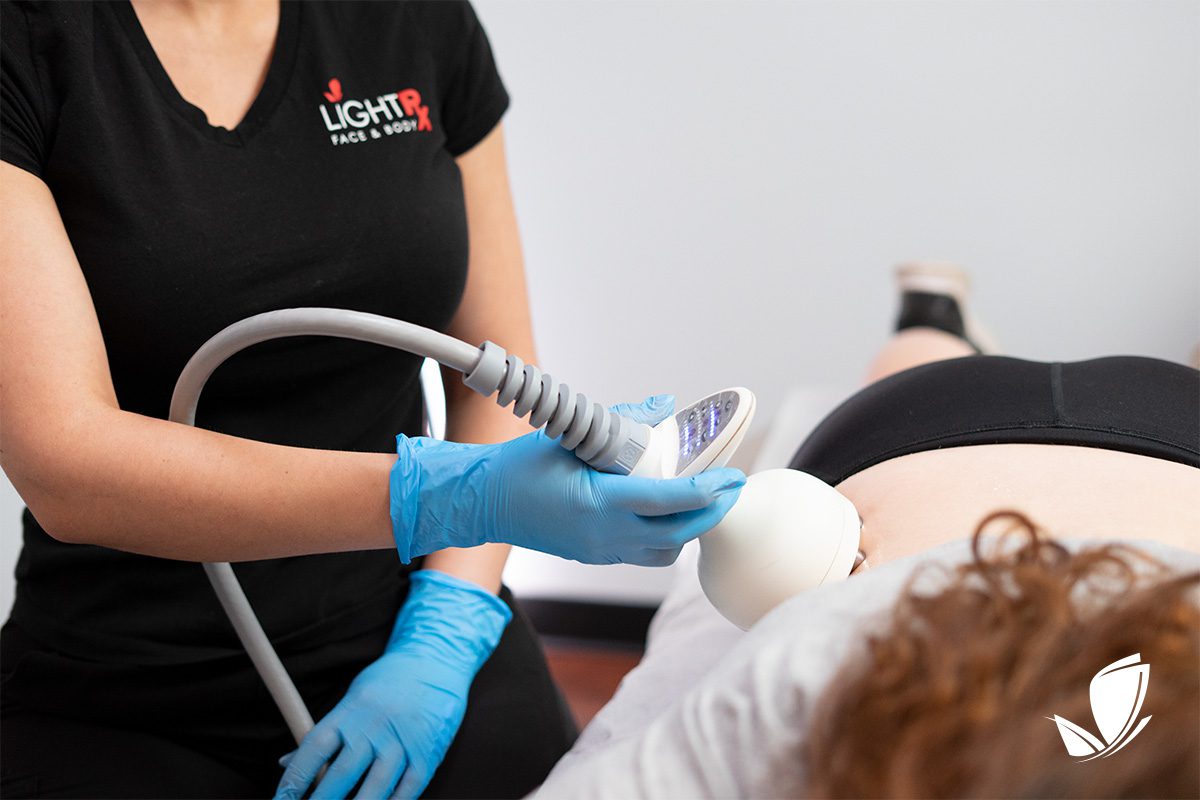
A typical ultrasonic cavitation session is quick and painless, usually lasting between 45 and 75 minutes. During the procedure, a technician will apply a special gel to your skin and move a handheld device over the target area. You might feel a gentle warming sensation and hear a low-level buzzing sound, but there is no pain or discomfort. Most people find the experience to be quite relaxing. Depending on your goals, you may need between one and three sessions, spaced about two weeks apart to give your body time to process the fat.
Aftercare for Optimal Results
What you do after your session is critical for achieving the best outcome. The most important rule is to drink a lot of water—at least 1.5 to 2 liters—in the days following your treatment. This helps your lymphatic system flush out the liquefied fat cells. Maintaining a healthy, balanced diet and engaging in regular exercise, even just a brisk walk, will also support the process and help you maintain your results long-term. Think of it as a team effort between you and the treatment.
Timeline for Seeing Full Results
Patience is key when it comes to seeing the final outcome. While some people may notice a difference after their first session, the body needs time to process and eliminate the fat. The most significant and final results typically become visible within 6 to 12 weeks after your last treatment. This is because your body’s natural metabolic processes are working behind the scenes to clear out the targeted fat cells. Sticking to your aftercare plan during this time will ensure you see the best possible transformation.
Safety, Side Effects, and Cost of Ultrasonic Cavitation
Before committing to any cosmetic procedure, it’s important to understand the safety profile, potential side effects, and associated costs. Ultrasonic cavitation is widely regarded as a safe and effective option for non-invasive fat reduction, but being fully informed helps you make a confident decision. Knowing what to expect financially and physically ensures there are no surprises along the way and that your focus can remain on achieving your body contouring goals.
Is Ultrasonic Cavitation Safe?
Yes, ultrasonic cavitation is considered a safe procedure. It is an FDA-cleared treatment, which means it has been reviewed for safety and effectiveness. Because the procedure is non-invasive, it carries none of the risks associated with surgery, such as infection, scarring, or anesthesia complications. The ultrasound energy is precisely targeted to fat cells, so it doesn’t affect the surrounding skin, nerves, or muscles. When performed by a trained and certified professional, it is a very low-risk treatment.
Potential Side Effects
The side effects of ultrasonic cavitation are typically minimal and temporary. The most common ones include mild redness, slight bruising, or swelling in the treated area, all of which usually resolve within a few days. Some people might also experience a temporary headache after the session as the body begins to process the released toxins and fat. Drinking plenty of water can help minimize this. Serious side effects are extremely rare, especially when the treatment is performed by a qualified provider.
Understanding the Cost
The cost of ultrasonic cavitation can vary based on your location, the provider’s expertise, and the number of sessions you need. On average, a single session can cost between $250 and $350. Since most people require a series of treatments to achieve their desired results, many clinics offer package deals that can reduce the overall price. The best way to get an accurate quote is to schedule a free consultation. At LightRx, we can create a personalized treatment plan tailored to your specific goals and budget.
Professional Treatments vs. At-Home Devices
You may have seen ultrasonic cavitation devices for sale online, promising professional results from the comfort of your home. While these at-home machines use similar technology, they are significantly less powerful and effective than the professional-grade equipment used in a medspa setting. Professional treatments are administered by trained technicians who can ensure the device is used safely and effectively to target the right areas with the correct intensity. For reliable, noticeable, and safe results, choosing a professional provider with clinically proven aesthetic treatments is always the recommended path.
What is Laser Lipo?
There is a third answer that can solve the ultrasonic cavitation vs CoolSculpting debate. Laser Lipo with Venus Bliss is a great non-surgical body contouring treatment for everyone looking to remove unwanted fat. Laser lipo uses low level lasers to melt the fat cells beneath the skin. The melted fat is turned into glycerides and fatty acids. The body then transfers this deconstructed fat to the muscles where it is then worked off through exercise. Because the treatment is noninvasive, there is no downtime. You can leave the medspa and go about your normal routine. Laser Lipo is superior to both ultrasonic cavitation and CoolSculpting. When compared to both, laser lipo is proven to be effective, and there are no possible major side effects. Laser lipo accomplishes the same thing as CoolSculpting, but there is no chance of an increase in fat due to paradoxical adipose hyperplasia. Laser lipo is also significantly cheaper than CoolSculpting. Coolsculpting can cost upwards of $4,000 whereas at LightRx the average treatment is $99. Compared to ultrasonic cavitation laser lipo is FDA approved and clinically proven to be effective. It is also effective for a wider range of people. While ultrasonic cavitation is effective only for those within 15 pounds of their target weight, laser lipo can help those at any point in their fat loss journey. Additionally, laser lipo uses the same natural processes to remove fat as ultrasonic cavitation, just more effectively. Both pricing and the number of treatments will be determined during your free consultation and will depend on your desired weight loss goals and body contour desires. The best way to know exactly what you will be paying is by contacting us by calling 877-721-4547 and scheduling a free consultation in one of our offices. These consultations take as little as 30 minutes and are private one on one consultations with the clinic director.
Frequently Asked Questions
What does an ultrasonic cavitation treatment actually feel like? Most people find the treatment to be comfortable and painless. You can expect to feel a gentle warming sensation on your skin as the handheld device moves over the target area. You might also hear a faint, low-frequency buzzing sound from the machine, but that’s completely normal. Many clients find the session relaxing enough to just lie back and rest.
Why can’t I just diet and exercise to get rid of this specific fat? A healthy lifestyle is the foundation for any body goal, but it doesn’t always give you control over where you lose fat. You can’t “spot reduce” fat through exercise alone. Ultrasonic cavitation is designed to target those specific, stubborn pockets of fat that resist diet and exercise, allowing you to contour and shape areas like your abdomen, thighs, or arms for a more defined look.
Are the results from ultrasonic cavitation permanent? The treatment destroys the targeted fat cells, and your body eliminates them for good. However, it’s important to remember that this doesn’t stop new fat cells from forming. To maintain your results long-term, you’ll need to stick with a balanced diet and regular exercise. Think of the treatment as a way to get you to your goal, and a healthy lifestyle as the way to stay there.
How many treatments will I need, and when will I see a difference? This really depends on your individual body and your specific goals. While some people notice subtle changes after just one session, the most visible results typically appear between 6 and 12 weeks after your final treatment. This gives your body the time it needs to naturally process and flush out the broken-down fat cells. Most people need a series of sessions, and a personalized plan will be created for you during your consultation.
Is this treatment a good option for significant weight loss? Ultrasonic cavitation is a body contouring treatment, not a weight loss solution. The ideal person for this procedure is someone who is already close to their desired weight but wants to address specific areas of stubborn fat. It’s designed to fine-tune your shape and reduce inches in targeted spots, rather than helping you lose a large amount of weight.
Key Takeaways
- It uses sound to target fat: Ultrasonic cavitation employs low-frequency sound waves to break apart fat cells, which your body then eliminates naturally through its own metabolic processes.
- Focus on contouring, not weight loss: This treatment is best for individuals who are near their ideal weight but want to address stubborn fat pockets and improve skin texture in specific areas.
- Support your results with healthy habits: To get the most out of your treatment, it’s crucial to drink plenty of water and maintain a healthy lifestyle; this helps your body efficiently process and remove the treated fat cells.


