

Your Guide to Chemical Peel Cost in Birmingham, MI
Feeling frustrated after trying every brightening serum on the shelf with little to show for it? You’re in the right place. Those stubborn dark spots from sun damage or old acne marks are tough to tackle with over-the-counter products alone. When you’re ready for real results, it’s time to consider a professional solution. But that brings up a big question: what’s the investment? This guide gives you a transparent look at what to expect, specifically breaking down the chemical peel cost birmingham mi. We’ll help you understand the pricing so you can make an informed decision for your skin and your budget.
Key Takeaways
- Identify the Cause to Find the Right Solution: Dark spots have different triggers, from sun damage to hormonal shifts. A professional can diagnose the specific type of hyperpigmentation you have, which is the essential first step to creating a treatment plan that will actually work.
- Modern Medspa Treatments Offer Powerful Solutions: If over-the-counter creams aren’t delivering, it’s time to consider professional options. Treatments like laser therapy, chemical peels, and medical-grade skincare target hyperpigmentation at its source for more significant and lasting results.
- A Thorough Consultation is Your Best Tool: Finding the right provider comes down to doing your homework. Use the initial consultation to verify credentials, review client results, and ask direct questions about the process, cost, and timeline to ensure you feel confident in your choice.
What’s Causing My Dark Spots & When Should I See a Pro?
If you’ve ever looked in the mirror and noticed a new dark spot, you’re not alone. These little patches of discoloration are incredibly common, but that doesn’t make them any less frustrating. Whether you call them sun spots, age spots, or liver spots, they all fall under the umbrella of hyperpigmentation. Understanding what causes them is the first step toward finding a treatment that actually works.
Dark spots appear when certain areas of your skin start producing too much melanin, the natural pigment that gives your skin, hair, and eyes their color. Think of it as a small cluster of pigment that’s darker than the surrounding skin. This overproduction can be triggered by a few different things, from years of sun-filled memories to hormonal shifts or even the ghost of a pimple past. While most dark spots are harmless, some can be a sign of something more serious. Knowing the difference and recognizing when to call in a professional is key to keeping your skin healthy and radiant. It’s about moving from feeling self-conscious about uneven skin tone to feeling confident and in control of your skin’s health.
Common Causes of Hyperpigmentation
So, what’s really behind those stubborn spots? The most common culprit is sun exposure. All those days spent soaking up the sun can cause your skin to ramp up melanin production as a defense mechanism, leading to flat, dark patches over time. Another frequent cause is post-inflammatory hyperpigmentation (PIH), which is the official term for the dark spot left behind after an acne breakout, a bug bite, or a scratch heals. Hormonal changes, particularly during pregnancy or from birth control, can also trigger a type of hyperpigmentation called melasma. The good news is that effective skin rejuvenation treatments can address discoloration from all these sources.
Is It Time for Professional Dark Spot Treatment?
While many over-the-counter creams promise to fade dark spots, they often deliver minimal results. It’s time to see a professional if you’re not getting the outcome you want or if you notice any changes in your skin. You should always have a doctor check any new spots or any existing ones that change in size, shape, or color. This is crucial to rule out anything more serious, like skin cancer. Even if the spot is purely cosmetic, a professional consultation is your best next step. An expert can accurately diagnose the type of hyperpigmentation you have and recommend the most effective treatment plan, whether that’s a laser for a well-defined spot or a chemical peel for more widespread discoloration.
Your Guide to Professional Dark Spot Treatments
Once you decide to seek professional treatment for dark spots, you’ll find there are several effective paths you can take. The right choice for you depends on your skin type, the nature of your hyperpigmentation, and your overall skin goals. A professional consultation is the best way to create a personalized plan, but it helps to go in with a solid understanding of what’s available. From light-based therapies to advanced resurfacing techniques, modern medspas offer a range of solutions to help you achieve clear, even-toned skin. Let’s walk through some of the most popular and effective treatments you’ll find near you.
How Laser & IPL Therapies Target Dark Spots
If you’re looking for a high-tech solution, laser and Intense Pulsed Light (IPL) therapies are fantastic options. These treatments use focused light energy to target the excess melanin in your dark spots without harming the surrounding skin. Think of it as a smart technology that seeks out and breaks apart unwanted pigment. The laser creates heat that gently dismantles the pigmentation, which your body then naturally eliminates. This process is precise and can be incredibly effective for stubborn spots caused by sun damage or aging. It’s a go-to for many people seeking significant improvement in their skin’s clarity and tone.
Using Chemical Peels & Microdermabrasion for Clear Skin
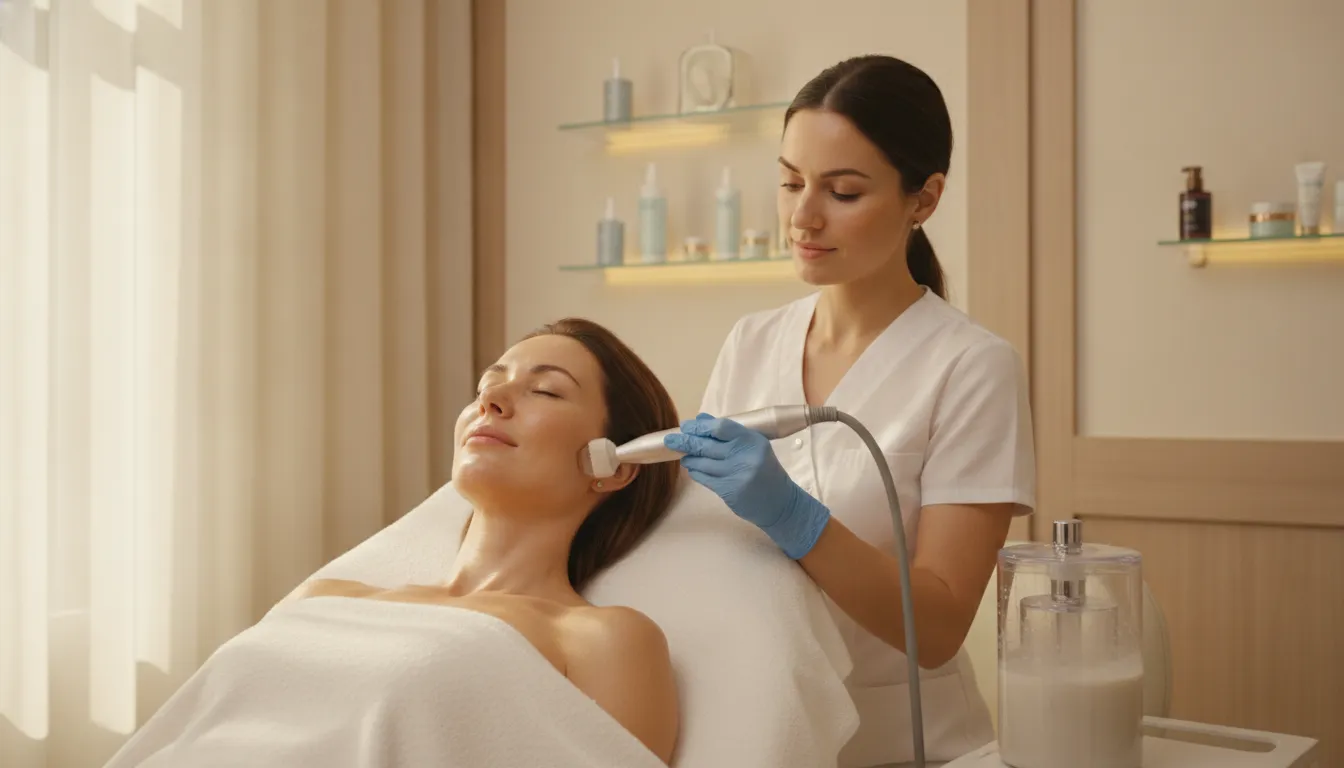
For a tried-and-true approach, consider chemical peels or microdermabrasion. Both treatments work by exfoliating the outermost layer of your skin, but they do it in slightly different ways. A chemical peel uses a specialized solution to dissolve dead skin cells, revealing the fresher, more evenly pigmented skin underneath. Microdermabrasion achieves a similar result through physical exfoliation, using a fine-tipped instrument to gently sand away the surface layer. Both methods encourage new cell growth and can dramatically improve not just dark spots, but also skin texture and overall brightness. They are excellent for refreshing your entire complexion.
Levels of Chemical Peels: Superficial, Medium, and Deep
Not all chemical peels are the same; they come in different strengths to target different concerns. Superficial peels are the mildest, working on the outermost layer of skin to gently exfoliate and refresh your complexion. They’re great for minor discoloration and giving your skin a quick glow-up with minimal downtime. Medium peels go a bit deeper, targeting damaged skin cells to address more moderate dark spots, fine lines, and even shallow acne scars. Finally, deep peels penetrate the middle layer of skin to remove more significant damage. These are the most intense option and are reserved for more severe issues. A professional consultation will determine the right level for your specific skin needs, ensuring a safe and effective treatment.
Common Acids Used and Their Benefits
The magic behind a chemical peel lies in its active ingredients, which are typically different types of acids. Glycolic acid, an alpha-hydroxy acid (AHA), is a popular choice for superficial peels because it’s great for addressing mild hyperpigmentation and improving overall skin texture. Salicylic acid, a beta-hydroxy acid (BHA), is fantastic for oily and acne-prone skin because it can penetrate pores to clear out congestion and fade the dark spots left behind by breakouts. For more stubborn discoloration, Trichloroacetic acid (TCA) is often used in medium-depth peels. It’s more potent and works wonders on sun damage and more significant pigmentation issues, helping your skin rebuild itself for a clearer, more even tone.
What Else Can Chemical Peels Treat?
While chemical peels are a powerhouse for fading dark spots, their benefits don’t stop there. Because they work by removing the damaged outer layers of skin, they trigger your body’s natural healing process and encourage fresh, healthy skin to grow. This makes them an incredibly versatile tool for complete skin rejuvenation. Beyond hyperpigmentation, chemical peels can effectively minimize the appearance of fine lines and wrinkles, improve skin texture, reduce the look of acne and acne scars, and restore a vibrant glow to dull, tired-looking skin. It’s a comprehensive treatment that addresses multiple concerns at once, revealing a smoother, brighter, and more youthful complexion.
The Role of Medical-Grade Skincare
Don’t underestimate the power of a consistent, high-quality skincare routine. While over-the-counter products with ingredients like vitamin C or retinol can help over time, medical-grade skincare offers a more potent and targeted approach. These products contain higher concentrations of active ingredients that are clinically proven to address hyperpigmentation. A professional can recommend specific formulations tailored to your skin’s needs, which can be used as a standalone treatment for milder spots or to complement and maintain the results from in-office procedures. Think of it as the essential daily work that supports your bigger treatment goals.
Exploring Other Advanced Skin Treatments
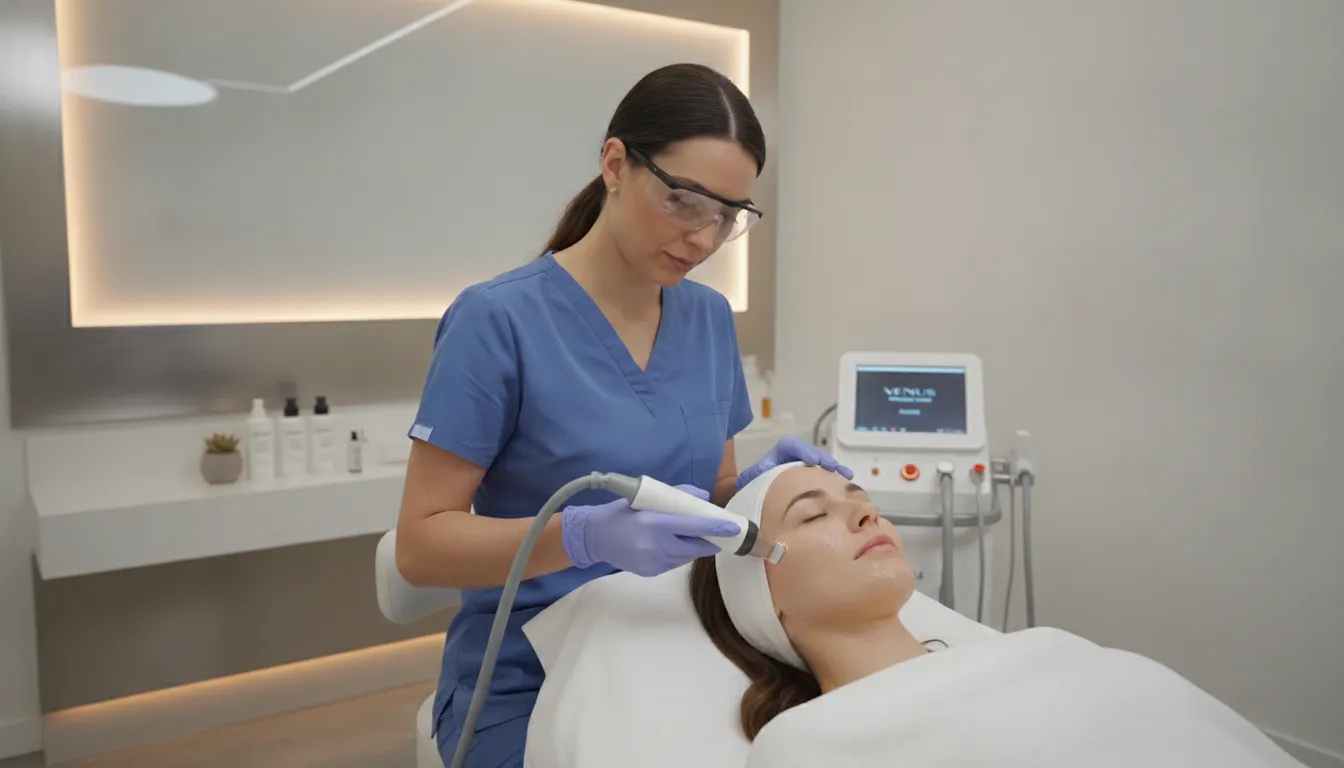
Beyond individual treatments, many modern medspas offer comprehensive skin rejuvenation therapies that tackle dark spots as part of a total skin refresh. Technologies like Venus Viva™ use advanced energy-based systems to address a variety of concerns at once, including uneven tone, texture, fine lines, and wrinkles. These treatments work by stimulating your skin’s natural healing process, encouraging collagen production and revealing a smoother, clearer complexion from the inside out. This approach is perfect if you’re looking to correct dark spots while also giving your skin an overall boost in health and vitality.
How to Find the Right Skincare Pro Near You
Once you’ve decided to seek professional treatment for your dark spots, the next step is finding the right provider. This is a big decision, and it’s worth taking the time to do your research. You want a team that understands your skin, uses proven technology, and makes you feel comfortable and confident. Think of it as building your personal beauty team—you want the best players on your side. Here’s a straightforward guide to help you find a qualified and trustworthy medspa in your area.
Start with Credentials and Experience
First things first: make sure any provider you consider is licensed and certified. A legitimate provider will have an up-to-date license, which is essential for anyone administering medical-grade aesthetic treatments. Don’t be shy about asking to see their credentials or looking them up through your state’s official licensing board. You should also ask about their experience specifically with skin rejuvenation and treating hyperpigmentation. How many clients have they treated for dark spots? What kind of technology do they use? An experienced technician will be happy to answer your questions and share their expertise, ensuring you feel secure in their care.
Read Reviews and See Before-and-After Photos
Reviews and before-and-after photos are your best friend during this process. They offer a real-world look at what you can expect from a provider. Check reviews on trusted platforms to get a sense of the client experience, from the initial consultation to the final results. When you look at before-and-after galleries, pay close attention to photos of clients with skin tones and concerns similar to your own. This will give you a much better idea of the potential outcome for your skin. A reputable medspa will be proud to showcase their results and share testimonials from happy clients who have achieved clearer, more even-toned skin.
Why You Should Always Book a Consultation
Most reputable medspas offer a free initial consultation, and you should absolutely take advantage of it. This meeting is your chance to discuss your goals, concerns, and medical history to get recommendations for tailored treatments. It’s also an opportunity to get a feel for the clinic’s environment and staff. Do they listen to you? Do you feel comfortable asking questions? Use this time to understand the proposed treatment plan, the technology involved, and the expected timeline. At LightRx, we offer a free personal consultation to create a plan that’s customized just for you, with no pressure to commit.
Provider Red Flags to Watch Out For
As you do your research, it’s just as important to know what to avoid. A major red flag is the lack of proper credentials. Always verify a provider’s licensing before moving forward. Be cautious of anyone who uses high-pressure sales tactics or offers deals that seem too good to be true. A trustworthy professional will focus on educating you and creating a personalized plan, not rushing you into a decision. If a provider is vague about the technology they use, can’t show you before-and-after photos, or gives you a one-size-fits-all solution, it’s best to walk away and continue your search.
Your Treatment Journey: Before, During, and After
Deciding to treat your dark spots is a big step, and it’s totally normal to have questions about what the process looks like. Knowing what’s coming can help you feel confident and prepared. Your journey to clearer skin has a few key phases: the prep work before your appointment, the treatment and initial recovery, and the aftercare plan that will protect your results. Each step is designed to give you the safest and most effective outcome. Let’s walk through what you can expect from start to finish.
How to Prepare for Your First Appointment
Your journey begins with a conversation. Before any treatment, you’ll have a consultation to discuss your skin goals, concerns, and medical history. This is your chance to ask every question you have and for the technician to create a tailored treatment plan just for you. They’ll assess your skin and determine the best approach for your specific type of hyperpigmentation. You’ll also receive pre-treatment instructions, which often include avoiding direct sun exposure for a couple of weeks and pausing the use of certain products like retinoids or exfoliants. Following these guidelines is key to preparing your skin for a successful treatment.
Understanding the Recovery Process
The treatment itself is usually pretty quick, often lasting between 15 minutes to an hour, depending on the size and number of spots being addressed. Afterward, it’s common to experience some temporary side effects. Your skin might look and feel like it has a mild sunburn—a bit of redness, stinging, or warmth is normal for a few hours. Some people might also see minor bruising or scabbing as the treated spots darken before flaking off. This is all part of the skin’s natural healing process. The initial recovery period typically lasts about a week, but your technician will give you a specific timeline based on your personalized skin rejuvenation plan.
What to Expect During the Peel
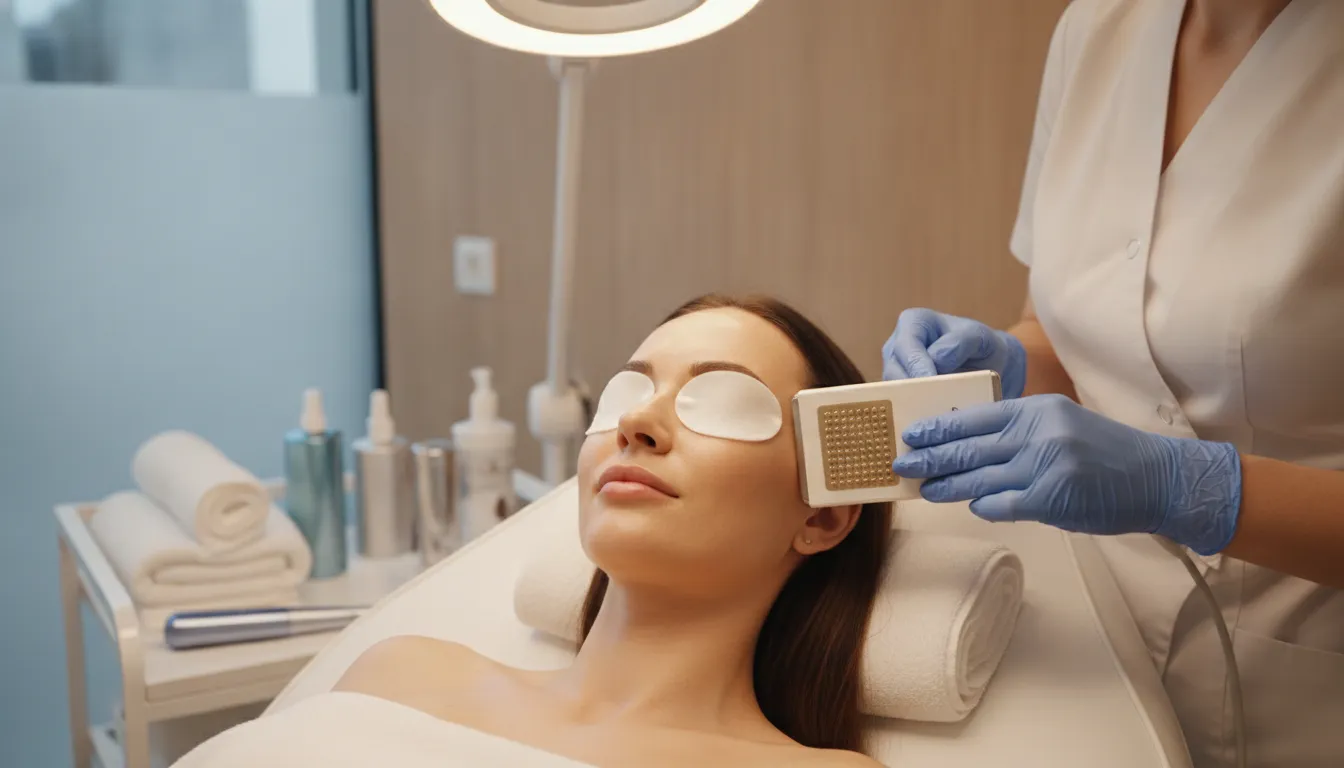
If you’re considering a chemical peel, it’s helpful to know what the appointment itself involves. The process is straightforward and usually quite fast. A technician will apply a specialized solution to your skin designed to dissolve the bonds holding dead skin cells to the surface. This encourages exfoliation and helps reveal the fresher, more evenly pigmented skin underneath. You might feel a slight tingling or warming sensation as the solution begins to work, but it’s generally very tolerable. The entire treatment can be as quick as 15 minutes or last up to an hour, depending on the areas being treated. Immediately after, your skin will likely look a bit red, similar to a mild sunburn, which is a completely normal reaction.
The Peeling Process and Downtime
The most significant part of a chemical peel happens in the days following your appointment. Your skin will begin its renewal process, which involves some visible peeling or flaking. Don’t be alarmed if your dark spots appear a bit darker at first—this is a sign the treatment is working. Those pigmented cells are rising to the surface before they flake away. The full peeling process typically takes about a week, though your technician will provide a timeline specific to your treatment plan. During this time, it’s essential to be gentle with your skin and follow all aftercare instructions, especially when it comes to sun protection. According to the American Academy of Dermatology, proper aftercare is crucial for healing and achieving the best results.
Your Aftercare Plan for Lasting Results
What you do after your treatment is just as important as the procedure itself. Your number one job is to protect your skin from the sun. The treated area will be extra sensitive, and sun exposure can reverse your results or cause new spots to form. Plan to keep the area out of the sun for at least a few weeks and be diligent about applying a broad-spectrum sunscreen with an SPF of 30 or higher every single day. Your provider will also give you specific instructions on how to care for your skin, which may include using gentle cleansers and moisturizers while avoiding harsh scrubs or active ingredients for a little while.
Planning Your Treatment Schedule
Achieving your skin goals is less like a sprint and more like a marathon with a really great finish line. It’s helpful to think of your treatment plan as a schedule designed to get you the best possible results over time. Consistency is what truly creates lasting change, whether that means a series of initial treatments to correct existing dark spots or periodic maintenance sessions to keep your skin clear and bright. The right schedule depends entirely on you—your skin type, the specific treatments you choose, and what you want to achieve. A skilled technician will work with you to map out a timeline that fits your life and delivers the clear, even-toned skin you’re looking for.
How Many Sessions Will I Need?
This is one of the most common questions, and the honest answer is: it depends. While a single treatment can definitely make a difference, most people see the best results from a series of sessions. For example, with chemical peels, a common approach is to have one every four to six weeks to start, especially if your skin has significant discoloration. Once you’ve achieved your initial goals, you can transition to maintenance peels three or four times a year to keep your complexion radiant. Laser treatments often follow a similar pattern, with a series of appointments spaced several weeks apart to progressively break down pigmentation. Your provider will give you a clear roadmap during your consultation, outlining the recommended number of sessions and the timeline needed to achieve your goals.
Combining Peels with Other Treatments
Sometimes, the most effective plan involves more than one type of treatment. Think of it as creating a team of all-stars to work on your skin. For instance, a chemical peel can be fantastic for improving overall skin texture and reducing the appearance of shallow marks, like those left behind by acne. Your technician might suggest pairing peels with a more targeted laser treatment to address deeper, more stubborn sun spots. This combination approach allows you to tackle hyperpigmentation on multiple levels. A comprehensive skin rejuvenation plan, guided by a professional, ensures each treatment complements the others, leading to more dramatic and well-rounded results without compromising your skin’s health.
The Cost of Dark Spot Treatments in Birmingham, MI
Let’s talk about the investment. Understanding the cost of dark spot treatments is a huge part of the decision-making process, and you deserve to have a clear picture before you commit. While prices can vary based on where you live and the specific treatment you choose, I can give you a general idea of what to expect so you can plan accordingly. Think of this as your financial roadmap to clearer skin.
Price Ranges for Chemical Peels, Lasers, and More
When you start looking into professional treatments, you’ll find a range of price points. For example, a single session of laser treatment for dark spots can cost anywhere from $75 to over $300. More intensive laser procedures can sometimes be more. If your provider recommends medical-grade creams as part of your plan, those typically run between $100 and $250. Remember, these are just ballpark figures. The best way to get an accurate number is during a consultation where a professional can assess your specific needs and give you a personalized quote.
Average Cost Per Session
Let’s break it down a bit further. Chemical peels are a super popular and effective choice for tackling dark spots, and their cost can vary. Based on research from different dermatology clinics, you can generally expect a single chemical peel session to cost anywhere from $120 to $600. The final price tag depends on a few things, like the type and strength of the peel being used and your geographic location. A lighter, superficial peel will naturally cost less than a deeper, more intensive one. This range gives you a solid starting point for budgeting, but a personalized consultation will give you the most accurate quote for your specific skin goals.
Body Peel Costs
Dark spots don’t just show up on our faces, and thankfully, treatments don’t stop there either. If you’re looking to address hyperpigmentation on your chest, back, or hands, body peels are a fantastic option. The cost for these treatments is typically based on the size of the area being treated. For example, treating a smaller area like your hands or décolletage might cost around $300 per session. For a larger area, such as your full back, you might expect the price to be closer to $500. It’s a great way to achieve the same clear, even-toned results on your body as you do for your face, helping you feel confident from head to toe.
Factors That Influence the Final Cost
So, why the wide price range? Several things influence the final cost of your treatment plan. The size, darkness, and even the depth of your spots play a big role. The more spots you want to treat, the more it will likely cost. Another major factor is the number of sessions you’ll need. It’s very common to need a series of treatments to get the best results. The type of technology used and the experience of your provider also factor into the price tag.
Does Insurance Cover Treatments? Plus, Financing Options
Okay, so how do you pay for it? First, it’s important to know that most health insurance plans don’t cover treatments for dark spots because they’re considered cosmetic. But don’t let that discourage you! Many medspas offer flexible payment solutions to make treatments more accessible. Some clinics offer financing plans that let you pay over time. Another great option to look into is a membership program, which can provide discounts on regular treatments and other perks. Always ask about payment plans and any available packages during your free consultation—it’s the perfect time to get all your financial questions answered.
Questions to Ask During Your Consultation
Your consultation is more than just a preliminary chat; it’s your opportunity to interview a potential provider and make sure you feel completely comfortable and confident in their care. A great technician will welcome your questions and provide clear, honest answers. Think of this as your final check to ensure you’ve found the right partner for your skincare goals. Walking into your appointment armed with the right questions helps you understand the process, manage your expectations, and confirm you’re in capable hands.
To get the most out of your conversation, come prepared with a list of questions covering everything from the provider’s experience to what your results will look like long-term. This is your time to get all the details you need to make an informed decision. Don’t be shy—your safety and satisfaction are the top priorities. A professional clinic will appreciate your thoroughness and be happy to walk you through every step. This dialogue builds the trust that’s essential for a positive treatment experience. It ensures that both you and your provider are aligned on the goals and the path to achieving them, setting the stage for a successful outcome.
Ask About Their Safety Protocols and Experience
First things first, you want to confirm you’re working with a qualified professional. A legitimate provider will always have an up-to-date license and be transparent about their training and credentials. Start by asking, “What are your qualifications, and how much experience do you have with this specific treatment?” You can also ask to see before-and-after photos of previous clients with similar skin concerns. This gives you a real-world look at their work. Also, inquire about the technology they use and whether it’s FDA-cleared. High-quality aesthetic treatments rely on proven, safe equipment.
Ask About Your Personal Treatment Plan
Understanding the time commitment is key to fitting treatments into your life. Ask your provider, “How long does each session take, and how many sessions will I likely need to see results?” Many non-invasive treatments, like laser therapy for dark spots, can take as little as 30 minutes with no required downtime. It’s also important to ask, “What should I expect immediately after the treatment, and is there any recovery period?” This helps you plan your schedule accordingly and know what to expect. Getting a clear picture of the entire skin rejuvenation timeline from start to finish ensures there are no surprises along the way.
Ask About Maintaining Your Results
Your goal is lasting results, so it’s important to discuss what happens after your initial treatment series is complete. Ask, “What kind of long-term results can I realistically expect?” and “How does the technology work to improve my skin?” For instance, laser treatments create heat energy that breaks down pigmentation, fading dark spots over time. You should also inquire about maintenance by asking, “Will I need follow-up appointments to maintain my results?” and “What kind of at-home skincare routine do you recommend to protect my investment?” A good provider will help you create a plan for long-term skin tightening and care.
How to Choose the Right Treatment Plan for You
Once you’ve found a reputable provider, the next step is creating a treatment plan that’s tailored specifically to you. This isn’t about picking a service from a menu; it’s about building a strategy with a professional to get the results you want. A great medspa won’t push you into a one-size-fits-all solution. Instead, they’ll work with you to understand your skin, your goals, and your budget.
Think of your initial consultation as a strategy session. This is your chance to lay everything out on the table—what you’d like to address, what your expectations are, and any concerns you might have. A skilled technician will use this information to recommend the most effective treatments. They’ll consider everything from your skin type and tone to the specific nature of your concern, whether it’s stubborn fat, fine lines, or unwanted hair. The perfect plan is one that feels right for you, combining the right technology with a realistic timeline and a clear understanding of the investment. To get there, focus on three key areas: matching the treatment to your skin, setting clear goals, and finding ways to make it affordable.
Are You a Good Candidate for a Chemical Peel?
Chemical peels are a fantastic option if you’re dealing with issues like stubborn dark spots, the lingering marks from old breakouts, or just a general lack of radiance. The treatment works by applying a specialized solution that helps remove the top layer of damaged skin, encouraging fresh, healthy, and more evenly toned skin to grow in its place. They are particularly effective for reducing the appearance of mild to moderate acne scars and widespread hyperpigmentation. However, the right peel for you depends entirely on your skin goals and how much downtime you’re comfortable with. Some peels are gentle enough to do on your lunch break, while others offer a more dramatic transformation but require a week or so of recovery. This is why a professional consultation is so important—it’s the best way to determine if a chemical peel is the right part of your overall skin rejuvenation plan and which type will safely give you the clear, bright skin you’re looking for.
Consider Your Skin Type and Tone
Your skin is unique, and the right treatment will reflect that. The most effective plans start with a thorough assessment by a professional who can identify the best technology for your specific needs. For example, advanced skin rejuvenation techniques are not all the same. Laser treatments work by targeting specific skin problems like dark spots or wrinkles with strong light, without harming the surrounding tissue. This precision is why a personalized consultation is so important. An expert can determine which technology will give you the best outcome, ensuring the approach is perfectly suited to your skin type and concern.
Set Realistic Goals for Your Skin
It’s important to have a clear picture of what to expect from your treatments. Meaningful results often require consistency and patience. For the best results, most people need a series of three or more treatments, and your aesthetician will create a schedule based on your specific goals. The length of each session can also vary. Most treatments take 15 minutes to an hour, depending on the size and depth of the area being addressed. During your consultation, be sure to discuss the expected timeline and the number of sessions you’ll likely need to achieve the look you want.
Look for Special Offers and Treatment Packages
Investing in yourself shouldn’t break the bank. Many medspas offer ways to make treatments more accessible. Don’t hesitate to ask about package deals, especially if your plan involves multiple sessions. Bundling treatments is often more cost-effective than paying for them one by one. It’s also a good idea to look into financing options, which can help you manage the cost over time. Some clinics also offer a membership program that provides discounts and other perks, making it easier to maintain your results long-term.
Related Articles
Frequently Asked Questions
How many sessions will I need to see a difference? This is one of the most common questions, and the honest answer is that it really depends on your skin. While some people see improvement after just one session, most of us need a series of treatments to achieve the best results. Typically, a plan might include three to five sessions spaced a few weeks apart. The exact number depends on the type of hyperpigmentation you have, its depth, and how your skin responds. A personal consultation is the best way to get a clear timeline tailored just for you.
Are the results from dark spot treatments permanent? Professional treatments are very effective at removing or significantly fading the dark spots you currently have. However, they don’t prevent new spots from forming in the future. The biggest factor in keeping your skin clear long-term is protecting it from the sun. Diligent, daily use of a broad-spectrum sunscreen is the best way to maintain your results and prevent new hyperpigmentation from developing.
Is there any downtime after a dark spot treatment? For most modern, non-invasive treatments like laser therapy or IPL, there is very little to no downtime. It’s common to experience some mild redness or a warm sensation, similar to a slight sunburn, for a few hours after your appointment. You can typically return to your daily activities right away. Your technician will give you specific aftercare instructions to ensure your skin heals beautifully.
Why can’t I just use an over-the-counter cream? While some store-bought creams can help with very mild discoloration over time, they often lack the strength to make a significant impact on stubborn dark spots. Professional treatments and medical-grade skincare use more potent active ingredients and advanced technology to target pigmentation at a deeper level. This allows for more dramatic and much faster results than you could achieve on your own.
How do I know which treatment is the right one for my skin? You don’t have to figure this out alone. The best treatment for you depends on your specific skin type, tone, and the cause of your dark spots. This is precisely why a professional consultation is so important. An experienced technician will assess your skin and talk with you about your goals to recommend the most effective approach, whether it’s a laser, a chemical peel, or a combination of therapies.