
Your Guide to the Best Treatment for Sun Damaged Skin
We’ve all heard the advice: wear sunscreen, seek shade, and protect your skin. That’s great advice for the future, but what about the damage that’s already done? For many of us, years of enjoying the outdoors without proper protection have already resulted in sunspots, wrinkles, and uneven skin tone. It’s easy to feel like it’s too late, but it’s not. Modern aesthetic technology offers incredible ways to repair and rejuvenate your skin, effectively turning back the clock on photoaging. This article is for anyone looking to correct past mistakes and restore their skin’s health, starting with finding the best treatment for sun damaged skin.
Sun damage affects us all. Spending time outside in the hot sun can be fun, but it can also be dangerous. The sun’s harmful UV rays wear down the skin and affect it in different ways. The sun can cause the skin to have uneven skin pigmentation, sunspots, melasma, and other issues. Too much exposure can even be the cause of skin cancer. Fortunately, there are a plethora of different ways to treat sun damaged skin. The problem then is choosing which one is the right treatment for you.
What is Sun Damage?
Before we can identify ways to treat damage it is beneficial to identify what the different kinds of sun damage are, specifically the aesthetic damage. The most common type of sun damage is uneven pigmentation. The skin creates melanin when over exposed to the sun to protect itself. Melanin is what makes the skin seem brown or sun tanned. Sometimes the melanin can be produced unevenly. This uneven production can cause uneven skin pigmentation. The sun can also stretch and burst small blood vessels which gives the skin a reddish appearance. When combined with the uneven pigmentation it gives the skin a mottled and blemished appearance. Another common type of sun damage is solar lentigines. These lentigines are what are commonly referred to as sunspots or liver spots or skin spots. These are flat brown spots, typically darker than freckles and more irregular. They vary in size and can appear anywhere on the body that has been exposed to the sun. They typically occur on older people with fair skin but can affect anyone with over exposure to the sun. Other kinds of skin damage include Melasma, which is a dark patch of brown on the face. It is also called the mask of pregnancy and can be worsened by sun exposure. Another kind of sun damage is actinic keratoses, which is a rough scaly patch of skin that can be tan, brown, or dark pink. These are often formed on people with light skin and if left untreated can become skin cancer. Additionally, the skin can be stretched and loosened by too much sunlight.
Understanding Photoaging
You’ve probably heard the term “photoaging,” but what does it actually mean? Simply put, photoaging is premature aging of the skin caused by repeated exposure to ultraviolet radiation, primarily from the sun. It’s different from the natural aging process your body goes through over time. Think about it: the skin on your face, neck, and hands often shows signs of aging faster than skin on areas you typically keep covered. That’s photoaging in action. It can show up as deep wrinkles, a rough and dry texture, freckles, and an uneven skin tone. This happens because UV rays break down collagen and elastin, the essential proteins that keep your skin firm and smooth, leading to a leathery appearance long before you’d expect.
Can Sun Damage Truly Be Reversed?
This is the big question, and the answer is a hopeful “yes, to an extent.” While some deep cellular damage from the sun is permanent, many of the visible signs can be significantly reduced or repaired. The most critical first step is to prevent any more damage from occurring by using sunscreen daily and protecting your skin. From there, professional treatments can make a world of difference. At LightRx, we offer advanced skin rejuvenation therapies designed to address the effects of photoaging. Treatments like laser therapy can target uneven pigmentation, reduce the appearance of fine lines, and improve overall skin texture, helping you restore a smoother, more even complexion and turn back the clock on sun damage.
Can you prevent sun damage?
Since sunspots and sun damaged skin is caused by harmful UV rays the best way to prevent sun damage is to avoid going out in the sun. Since that is not really feasible, or an enjoyable way to live your life, there are some simple steps you can take to help reduce the amount of damage the sun does to your skin. If possible, avoid sun exposure during peak hours, from 10 a.m. to 3 p.m. Also, when outdoors apply sunscreen at least every two hours and use SPF 30 or above. If you wear makeup, choose makeup with sunscreen or UV protection. Finally, cover your skin with clothing and hats to help avoid unnecessary sun exposure.
Types of Skin Treatment for Sun Damage
Home Remedies
There are a number of home remedies that may or may not help with sun damaged skin. All of the preventative measures listed above will help with preventing the worsening of current sunspots or the development of new ones. A good sleep schedule also helps with skin health. The nighttime is when your body does the majority of its repair. Eating well also helps to reduce the generation of new sunspots. Lots of vitamin C and healthy oils can help skin health. Cutting out alcohol, fatty meats, and sugary foods will also help. Finally, exercising helps skin health, and the earlier you start the better, although it is never too late. Many studies have shown that exercising has helped with skin health and condition.
Topical Solutions
There are plenty of options when it comes to topical solutions. One is aloe vera. Some studies have proven that the aloesin and aloin in the aloe vera plants can help lighten sunspots and and other hyperpigmentation. As for over-the-counter creams, anything that contains glycolic acid, hydroxy acid, kojic acid, hydroquinone, or deoxyarbutin could be helpful as skin treatment for sun damage. Because everyone’s skin is different and not all creams work for everyone the only way to find what works best for you is to try out creams. However, make sure to apply them daily and to do so for a few weeks before expecting results as it takes some time for the chemicals in the creams to begin to affect the skin.
Prescription Retinoids
If over-the-counter options aren’t delivering the results you want, it might be time to consider something stronger. Prescription retinoids, like Tretinoin, are often considered the gold standard for topical skin repair. According to the American Academy of Dermatology, these powerful vitamin A derivatives are highly effective at increasing cell turnover. This process helps shed damaged outer layers of skin, revealing healthier, more even-toned skin underneath and stimulating collagen production over time. Because they are potent, you’ll need to consult with a medical professional to get a prescription and learn how to incorporate them into your routine safely to minimize potential irritation.
Key Skincare Ingredients
Building a consistent at-home skincare routine with the right ingredients is crucial for both treating existing sun damage and preventing future issues. Think of it as your daily defense and repair system. Vitamin C is a fantastic antioxidant that brightens the skin and supports collagen. Alpha hydroxy acids (AHAs), like glycolic acid, are excellent for exfoliating dull, damaged surface cells. Niacinamide is a versatile ingredient that helps protect the skin barrier and can also aid in collagen production. Finally, ceramides are essential for maintaining a healthy skin barrier and keeping your skin hydrated and resilient. Combining these ingredients can create a comprehensive approach to managing sun-damaged skin.
Skin Lighteners
For stubborn dark spots and uneven pigmentation, skin-lightening agents can be incredibly effective. Ingredients like hydroquinone are specifically designed to lighten areas of hyperpigmentation by decreasing the production of melanin in the skin. These types of products often work best when used as part of a broader treatment plan, sometimes in conjunction with retinoids, to achieve a more uniform complexion. Given their strength, it’s always best to use skin lighteners under the guidance of a professional. They can recommend the right concentration and usage schedule to help you safely and effectively address discoloration without causing irritation or other unwanted side effects.
Chemical Peels
Chemical peels work by using concentrated acids to peel off the top layer of the skin. This exfoliation can help to reduce the appearance of your irregular pigmentation or other damage caused by UV exposure. Chemical peels can be found either over the counter or at a dermatologist’s office. If you choose to get an in-office peel, be sure to discuss the risks of side effects with your dermatologist. All chemical peels could cause blistering, redness, or irritation when used improperly.
Dermabrasion
Dermabrasion and microdermabrasion can treat surface level sun damage such as uneven pigmentation and spots. The dermatologist will use a drill-like handheld tool that is abrasive and moved across the skin. Essentially these treatments are extreme exfoliation techniques. Microdermabrasion does less skin removal than regular dermabrasion. You should consult with your dermatologist about which method is best for you.
Intense Pulsed Light (IPL)
If you’re dealing with brown spots, freckles, or redness from broken blood vessels, Intense Pulsed Light (IPL) therapy is a fantastic option. Often called a photofacial, this treatment uses broad-spectrum light to target pigment in the skin. The light heats and destroys the pigmented cells, causing them to fade or disappear. According to the American Academy of Dermatology, these light-based therapies are excellent for reversing common signs of sun damage. It’s a non-invasive way to even out your skin tone and restore a clearer complexion. At LightRx, we use advanced technology as part of our skin rejuvenation treatments to effectively address this type of sun damage, helping you achieve smoother, more uniform skin.
Microneedling
Microneedling, also known as collagen induction therapy, is another powerful tool against sun damage. This procedure uses a device with tiny, sterile needles to create micro-injuries in the skin. This controlled process kicks your body’s natural healing into high gear, stimulating the production of new collagen and elastin. As Scripps Health explains, this helps regenerate new skin and can break up deeper pigments that cause discoloration. The result is improved skin texture, reduced appearance of fine lines, and a more even skin tone. It’s a great way to refresh your skin from the inside out, making it a popular choice for tackling the textural changes that come with long-term sun exposure.
Injectables for Sun-Related Wrinkles
Sun exposure doesn’t just cause spots; it’s also a major contributor to wrinkles and volume loss. The sun’s UV rays break down collagen and elastin, the proteins that keep our skin firm and plump. This can lead to fine lines, deep wrinkles, and a sunken appearance in areas like the cheeks. Fortunately, injectables can refresh and rejuvenate skin that’s looking a bit dull from the sun. Treatments like Botox and dermal fillers are specifically designed to address these issues by smoothing lines and restoring lost volume, giving your face a softer, more youthful look. These are quick, effective treatments that can make a significant difference.
Botox for Crow’s Feet and Frown Lines
Years of squinting in the sun can leave you with prominent crow’s feet and frown lines between your brows. Botox is an injectable that works by temporarily relaxing the specific muscles responsible for creating these dynamic wrinkles. By stopping the muscles from contracting, it allows the overlying skin to smooth out, softening existing lines and preventing them from deepening. As the University of Rochester Medical Center notes, this treatment is highly effective for softening wrinkles caused by repeated facial movements. It’s a targeted approach that can help you look more rested and refreshed.
Dermal Fillers for Volume Loss
Sun damage can accelerate the natural aging process, leading to a loss of facial volume, particularly in the cheeks and under the eyes. Dermal fillers are designed to combat this by restoring that lost volume. Most fillers are made from hyaluronic acid, a substance that naturally occurs in your body and helps keep skin hydrated and plump. When injected, they can smooth out wrinkles, plump up lips, and rebuild structure in the cheeks. This treatment literally “fills in” the areas that have lost fullness, providing an immediate lift and a more youthful contour to your face.
Photodynamic Therapy (PDT)
For more significant sun damage, including precancerous spots called actinic keratoses, Photodynamic Therapy (PDT) is a highly effective option. This treatment involves applying a light-sensitizing topical agent to the skin, which is then activated by a specific wavelength of light. This process selectively destroys damaged cells, including sun spots and precancerous lesions. Forefront Dermatology highlights that PDT is a go-to for targeting these specific concerns. It’s a more intensive treatment that requires professional administration, so a consultation is key to determining if it’s the right choice for your skin’s needs.
Cryosurgery
Cryosurgery is another medical treatment used to address specific sun-damaged spots, especially actinic keratoses. This procedure involves the precise application of liquid nitrogen to freeze and destroy the targeted skin lesions. As the area thaws, the treated tissue naturally falls off, allowing healthy new skin to grow in its place. According to Advanced Dermatology, this freezing method is very effective for removing individual sun-damaged spots. Because it’s a targeted medical procedure, it’s important to consult with a professional to see if cryosurgery is the appropriate solution for the type of sun damage you have.
Laser Resurfacing Treatment at LightRx
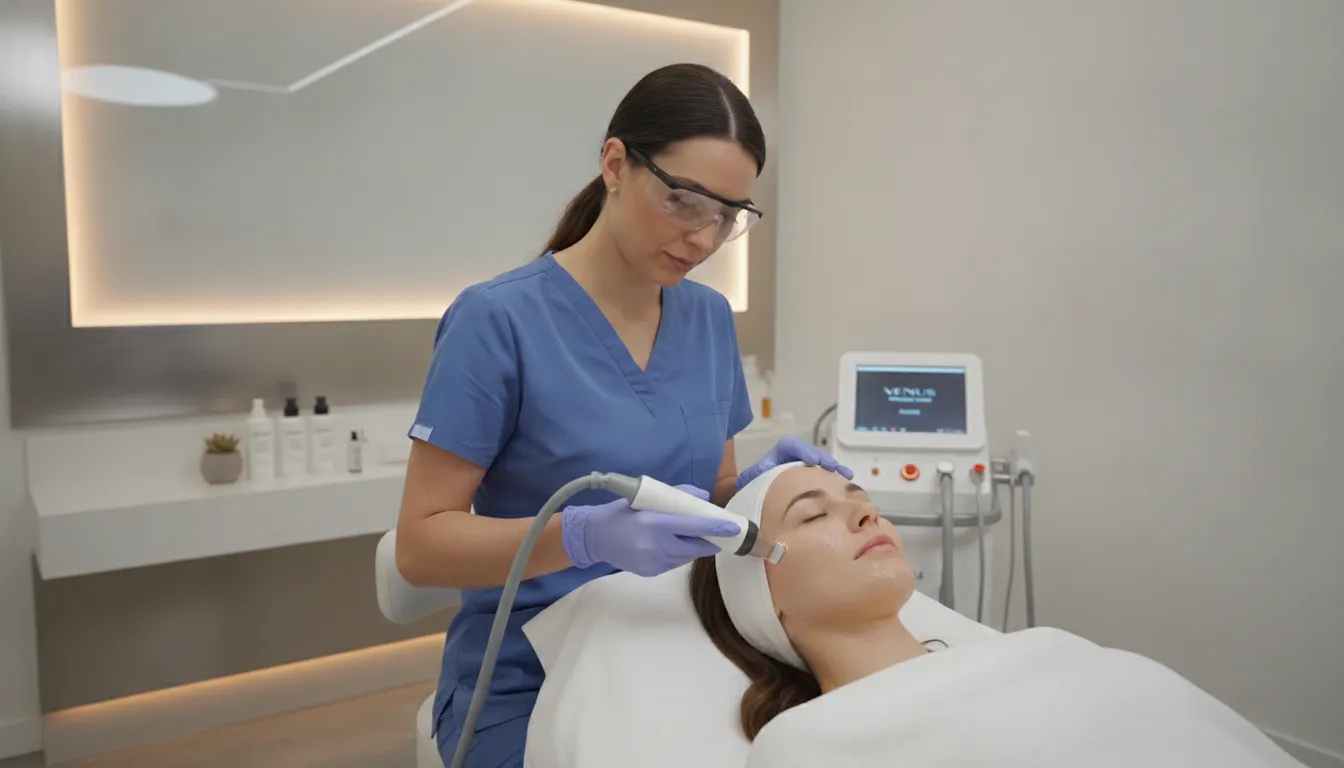
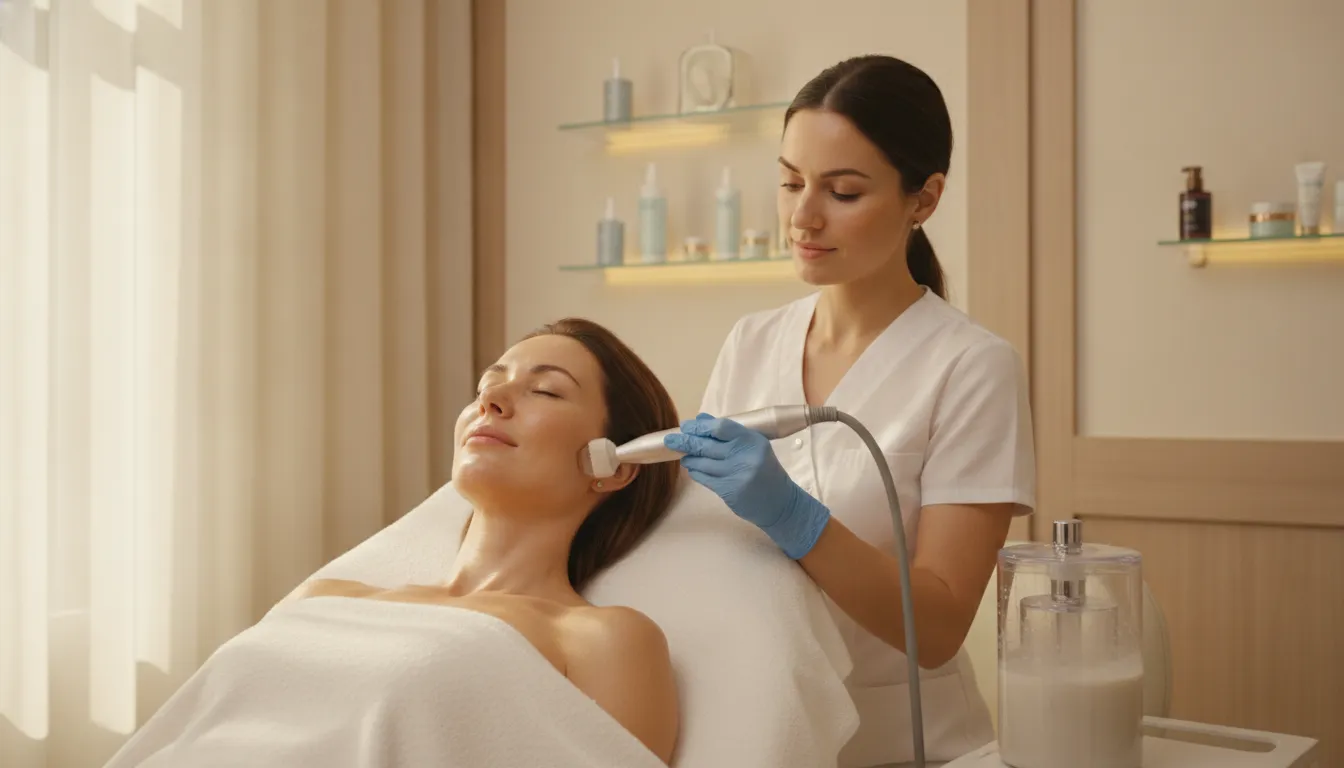
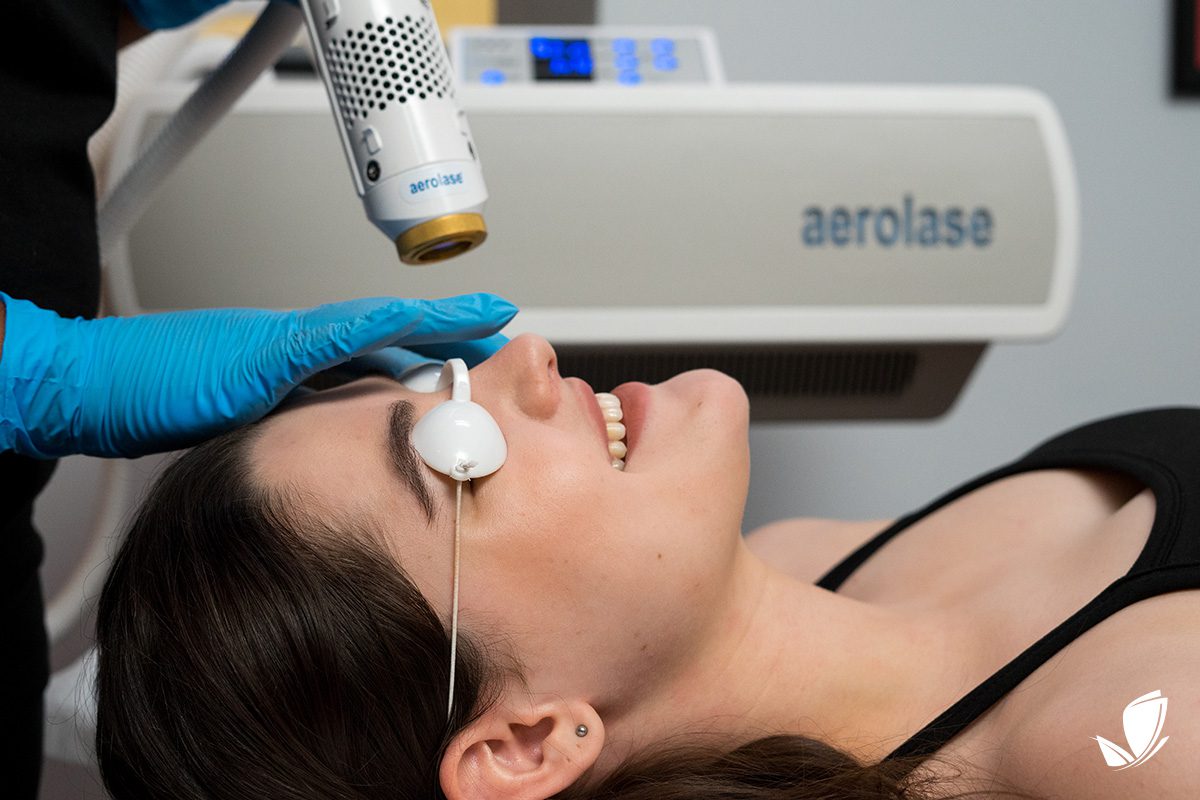
A professional medspa treatment is your best bet for proven and significant results as a skin treatment for sun damage. If you have serious sunspots or other sun damaged skin, then we have a treatment for you. FDA-cleared, clinically proven Venus Viva™ works to improve the overall texture of your skin. It covers both major and minor skin blemishes and works fast. What makes the Venus Viva™ truly unique is its ability to cover a greater surface area and treat multiple issues in the same session. Plus, it’s safe and effective. Laser resurfacing is safe for men and women and terrific for treating sun damaged skin. The Venus Viva™ has many benefits, the first being the treatments it provides. It works to reverse sun damage caused by harmful UV rays. Sun damage can affect the way your skin looks on your face and on your body. Venus Viva™ works to remove any of these blemishes. What is great about the treatment is that it is noninvasive and surgery free. This means that you avoid both the risks of surgery and the downtime afterwards. Venus Viva™ treatment is done completely on the surface of the skin. There are no incisions, meaning no risk of scarring, infection, or internal damage. In fact, one of the treatment targets is scarring. If you have facial scarring from a previous treatment, then Venus Viva™ can help you reduce it. Venus Viva™ treatments are tailored to make you look younger. Venus Viva™ has the technology to reduce its appearance. Venus Viva™ combines NanoFractional™ Radio Frequency (RF) and Pulsed Electro Magnetic Fields with SmartScan™ technology to safely deliver reparative heat to deeper layers of the skin without causing harm to any of the surrounding tissue. This process activates the body’s ability to naturally rebuild and regenerate collagen (Collagen Remodeling). Along with boosting collagen production the treatment has been shown to improve the look of the skin by increasing blood supply and improving circulation. As a result, discoloration like sunspots and rosacea are corrected and skin tone and texture evened out. Laser resurfacing can help treat any kind of damage caused by sun exposure. Not only can it help to reduce sunspots and uneven pigmentation but can also help with the other kinds of sun damage. Whatever kind of damage you have as well as its severity will determine the kind and of treatment you will need. Your treatment is tailored to you and can be adjusted to fit your life and needs.
Laser Skin Tightening
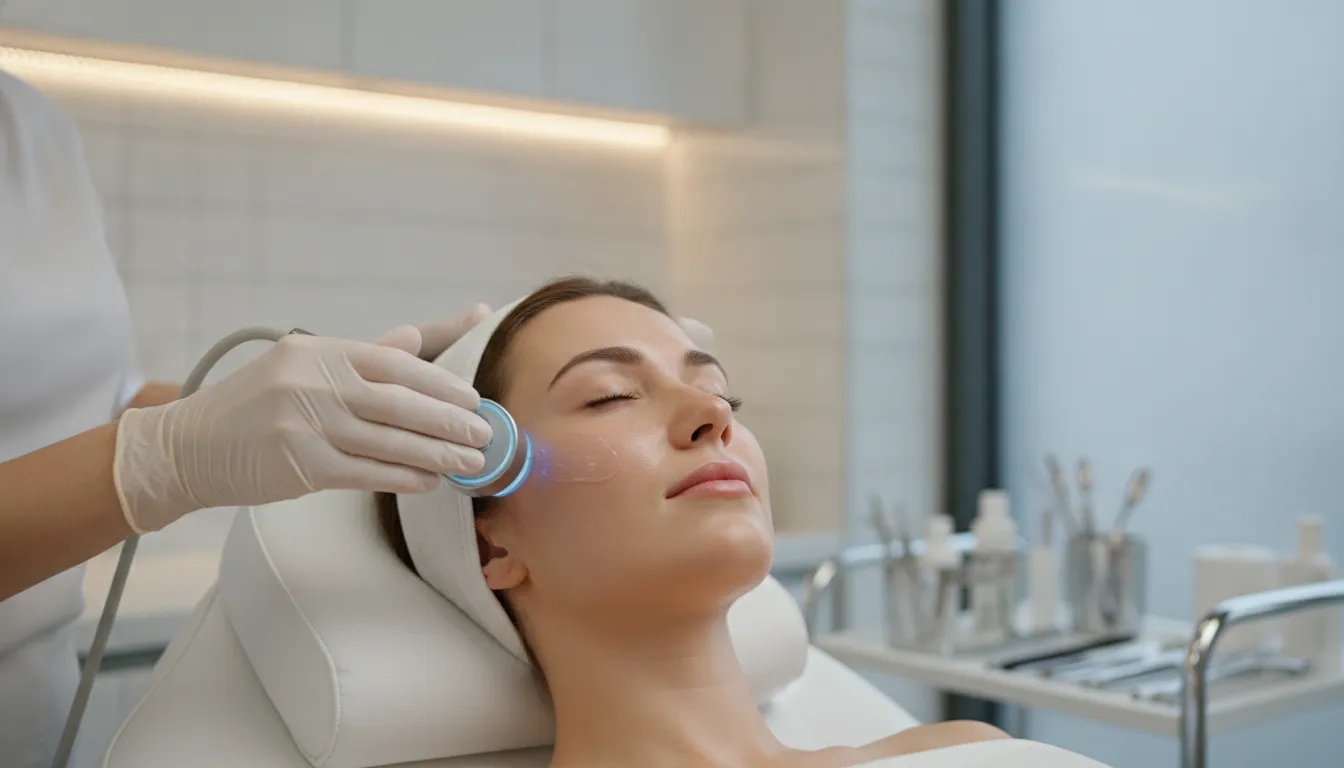
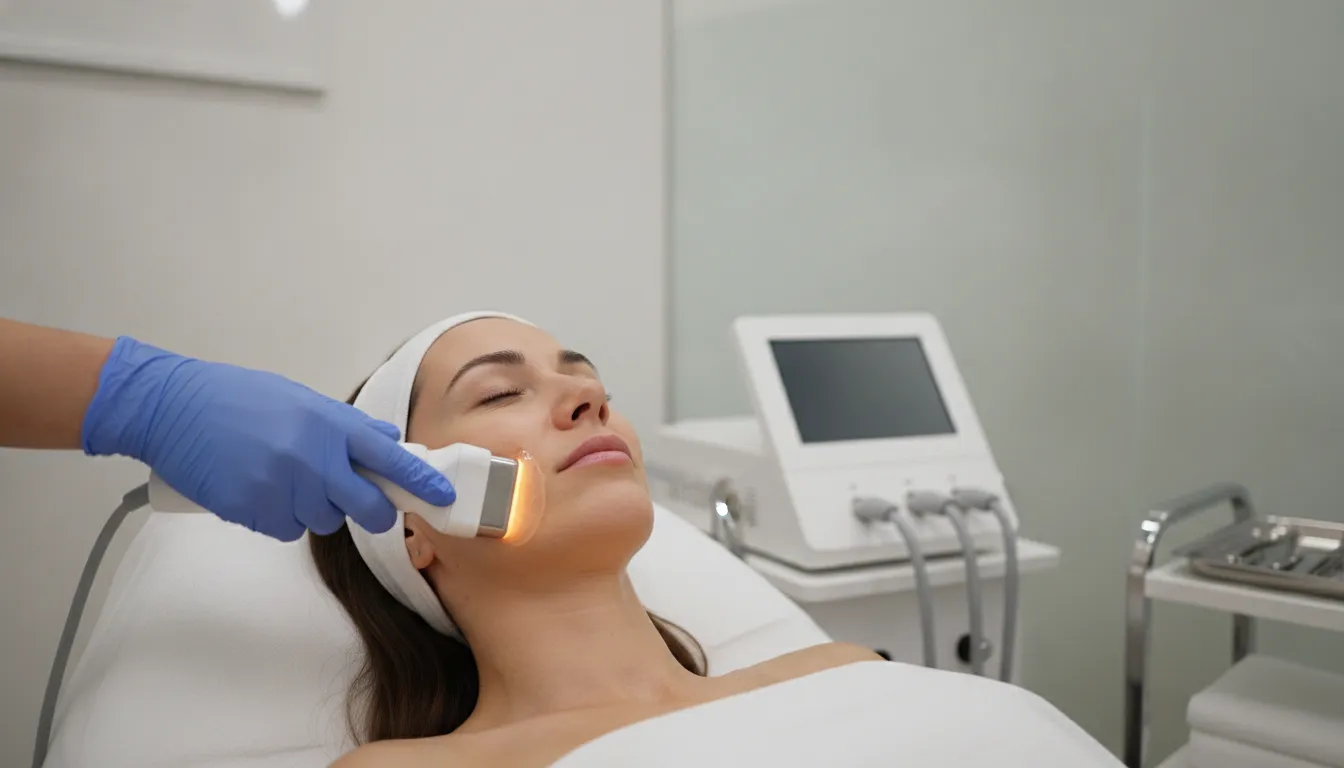
Not only does collagen help with pigmentation issues in the skin, but it can also help reverse the effects of wrinkled or loosened skin. As previously mentioned, sun damaged skin can cause the skin to stretch and wrinkle. Laser skin tightening it pretty simple, despite the sci-fi technology involved. The skin is heated using a laser in tandem with electromagnetic waves and radio frequencies. The skin is heated to the perfect degree so as to catalyze the skin’s natural healing process while not damaging the surrounding skin. This natural healing process creates new collagen, which is the skin fiber responsible for the tightening and elasticity of the skin. This new collagen then does its job and tightens the loosened and wrinkled skin. It takes collagen around three months to fully form, so as a result it will take around three months before you see the full results of the treatment. If you are interested in learning more about our treatments and want to know more, call us at 877-721-4547 and schedule a free consultation at your local LightRx. These consultations take as little as 30 minutes and are private one on one consultations with the clinic director.
Important Considerations for Your Treatment Plan
Deciding to treat sun damage is a big step, and creating the right plan is just as important as choosing the treatment itself. Your skin is unique, and your strategy should be too. It’s not about finding a single magic bullet, but about building a personalized approach that addresses your specific concerns, from fine lines and wrinkles to dark spots and uneven texture. Thinking about a few key factors before you begin will set you up for the best possible results and ensure your journey to healthier skin is smooth and successful.
Why a Professional Consultation is Crucial
With so many treatments available, it’s easy to get lost in a sea of options. This is why getting expert advice is non-negotiable. A professional can accurately assess the extent of your sun damage and recommend the most effective path forward. As dermatologists advise, it’s essential to talk to a skin expert to find the best treatment or combination of treatments for your specific needs. During a free personal consultation, a trained technician can analyze your skin, discuss your goals, and answer all your questions, helping you build a treatment plan that feels right for you.
Combining Treatments for the Best Results
Sun damage rarely shows up in just one way. You might be dealing with sunspots on your cheeks, fine lines around your eyes, and a loss of firmness along your jawline all at once. To get a natural, healthy look, experts often use more than one type of treatment to address these different signs of aging. For example, your plan might include laser skin resurfacing to tackle pigmentation and texture, combined with a treatment to promote skin tightening and restore firmness. This layered approach ensures all your concerns are addressed for a more comprehensive and satisfying result.
Understanding Treatment Timelines and Recovery
Patience is a key part of any successful skin care plan. Results take time, whether you’re using medical-grade products that can take weeks to show improvement or undergoing professional procedures. After any treatment, like a chemical peel or laser session, you must be diligent about protecting your skin from the sun to preserve your results. The good news is that modern treatments like laser resurfacing can be tailored to fit your life and needs, managing downtime. Your technician will walk you through the entire process, including how many sessions you might need and what to expect during recovery.
Frequently Asked Questions
How do I know which treatment is right for me with so many options available? Choosing the right treatment can feel overwhelming, but you don’t have to figure it out alone. The best approach depends entirely on your specific type of sun damage, your skin type, and your ultimate goals. For example, what works for surface-level brown spots might not be the best fit for deeper wrinkles. This is why a professional consultation is so important. A trained expert can assess your skin in person and help you create a personalized plan that directly addresses your concerns.
Can I just use at-home products instead of getting a professional treatment? Think of at-home skincare and professional treatments as a team. Your daily routine with ingredients like Vitamin C and retinoids is crucial for maintaining skin health, protecting against future damage, and making gradual improvements. Professional treatments, like laser resurfacing or IPL, work on a deeper level to correct more significant damage that creams alone can’t reach. Combining both gives you the most comprehensive and lasting results.
How long will it take to see results from a sun damage treatment? Patience is definitely part of the process. With topical products, you might need to be consistent for several weeks or even a few months before you see significant changes in pigmentation or texture. For professional procedures, the timeline varies. Some treatments offer visible improvement after just one session, while others that rely on stimulating your body’s natural collagen production will show their full effect over the course of two to three months.
Are professional treatments for sun damage painful? Most people find these treatments to be very manageable. Your comfort is a top priority, and modern technology is designed to be as gentle as possible. You might feel sensations like warmth or a light snapping against the skin, but it’s typically brief. Your technician will walk you through exactly what to expect and ensure you are comfortable throughout the entire session.
Once I treat my sun damage, will it come back? Professional treatments can do an amazing job of clearing away existing sun damage, but they can’t prevent new damage from occurring. The underlying causes, like sun exposure, can still create new spots and wrinkles if you aren’t careful. The most critical step to maintaining your results is diligent, everyday sun protection. Wearing a broad-spectrum sunscreen is non-negotiable if you want to protect your investment and keep your skin looking its best.
Key Takeaways
- Address existing sun damage with targeted treatments: While you can’t erase all past sun exposure, you can significantly improve visible signs like dark spots, wrinkles, and uneven texture using advanced options like laser resurfacing, IPL, and chemical peels.
- Combine at-home care with professional procedures: For the best results, support in-office treatments with a consistent daily skincare routine. Using key ingredients like retinoids, vitamin C, and sunscreen helps maintain your results and prevent future damage.
- Consult a professional for a tailored treatment plan: Your skin is unique, so your treatment plan should be too. An expert consultation is the best way to identify the right combination of therapies to effectively and safely meet your specific skin goals.