
Is Laser Hair Removal Safe for Dark Skin? Your Guide
For many of us with melanin-rich skin, traditional hair removal feels like a losing battle. Shaving leads to razor bumps, waxing causes painful ingrown hairs, and both can leave behind stubborn dark spots, or hyperpigmentation. It’s a frustrating cycle. So, you’ve probably asked, is laser hair removal safe for dark skin? The answer is a resounding yes, and it’s a total game-changer. This treatment is a long-term solution that finally ends the irritation. By targeting the hair follicle directly, laser hair removal reduces ingrown hairs and razor bumps, helping your skin heal and stay consistently smooth.
Key Takeaways
- Technology is everything for dark skin tones: Safe and effective laser hair removal requires a specific laser, like the Nd:YAG. Its longer wavelength is designed to bypass the melanin in your skin and target the hair follicle directly, which is crucial for preventing burns and discoloration.
- Go beyond hair removal to treat skin concerns: This treatment is a game-changer for preventing common issues like ingrown hairs, razor bumps, and the hyperpigmentation they leave behind, helping you achieve smoother, clearer skin.
- Do your homework on providers and aftercare: Your results are only as good as your technician and your routine. Choose a provider with proven experience treating dark skin and commit to proper aftercare, especially diligent sun protection, to ensure a safe and successful outcome.
How Does Laser Hair Removal *Actually* Work on Dark Skin?
If you have a darker skin tone, you’ve probably heard mixed messages about laser hair removal. The good news is that with the right technology, it’s not only possible but also incredibly effective. Understanding how it works is the first step to feeling confident in your treatment. The process is all about using a concentrated beam of light to target and disable hair follicles, preventing future growth. For darker skin, the key is using a specific type of laser that can distinguish between the pigment in your hair and the pigment in your skin, ensuring a safe and successful outcome.
How Lasers Pinpoint Unwanted Hair
At its core, laser hair removal works by targeting the melanin, which is the pigment that gives your hair its color. The laser emits a specific wavelength of light that is absorbed by the melanin in the hair shaft. This light energy converts to heat, which then travels down to the base of the hair follicle. The heat damages the follicle, making it unable to produce new hair. Because the laser needs to target pigment, the treatment is most effective when there’s a contrast between the hair and skin, which historically posed a challenge for people with melanin-rich skin.
Why Dark Skin Requires a Special Laser
The primary concern with treating darker skin is that it contains more melanin. Older laser technologies couldn’t effectively differentiate between the melanin in the hair and the melanin in the surrounding skin. When the laser energy is absorbed by the skin instead of the hair follicle, it can lead to side effects like burns, blisters, or changes in skin pigmentation (either hyperpigmentation or hypopigmentation). This is why a one-size-fits-all approach doesn’t work. A specialized laser is needed to safely bypass the melanin in the skin and focus its energy solely on the hair follicle, protecting your skin while effectively stopping hair growth.
Understanding the Fitzpatrick Scale
To ensure your treatment is both safe and effective, professionals use a tool called the Fitzpatrick Scale. Think of it as a system for classifying skin types, ranging from Type I (very pale skin that always burns) to Type VI (deeply pigmented skin that rarely does). This scale is absolutely essential for laser hair removal because it helps your technician select the perfect settings for your unique skin tone. This is especially critical for those of us with darker skin, specifically Types V and VI. In the past, laser technology wasn’t as advanced and struggled to tell the difference between the melanin in the hair follicle and the melanin in the skin. This meant the laser could accidentally target the skin, leading to side effects like burns, dark spots (hyperpigmentation), or light spots (hypopigmentation).
Thankfully, technology has come a long way. Modern lasers, especially the Nd:YAG laser, have completely changed the game for dark skin. This laser uses a longer wavelength (1064 nm) that can safely bypass the pigment in your skin’s surface and penetrate deeper to target the hair follicle directly—which is exactly what you want. This precision allows for effective hair removal without harming your beautiful skin, making the treatment safer and more reliable than ever. By understanding your skin type on the Fitzpatrick Scale and using the right laser, you can confidently pursue the smooth, clear skin you’re looking for.
Nd:YAG: The Best Hair Removal Laser for Dark Skin
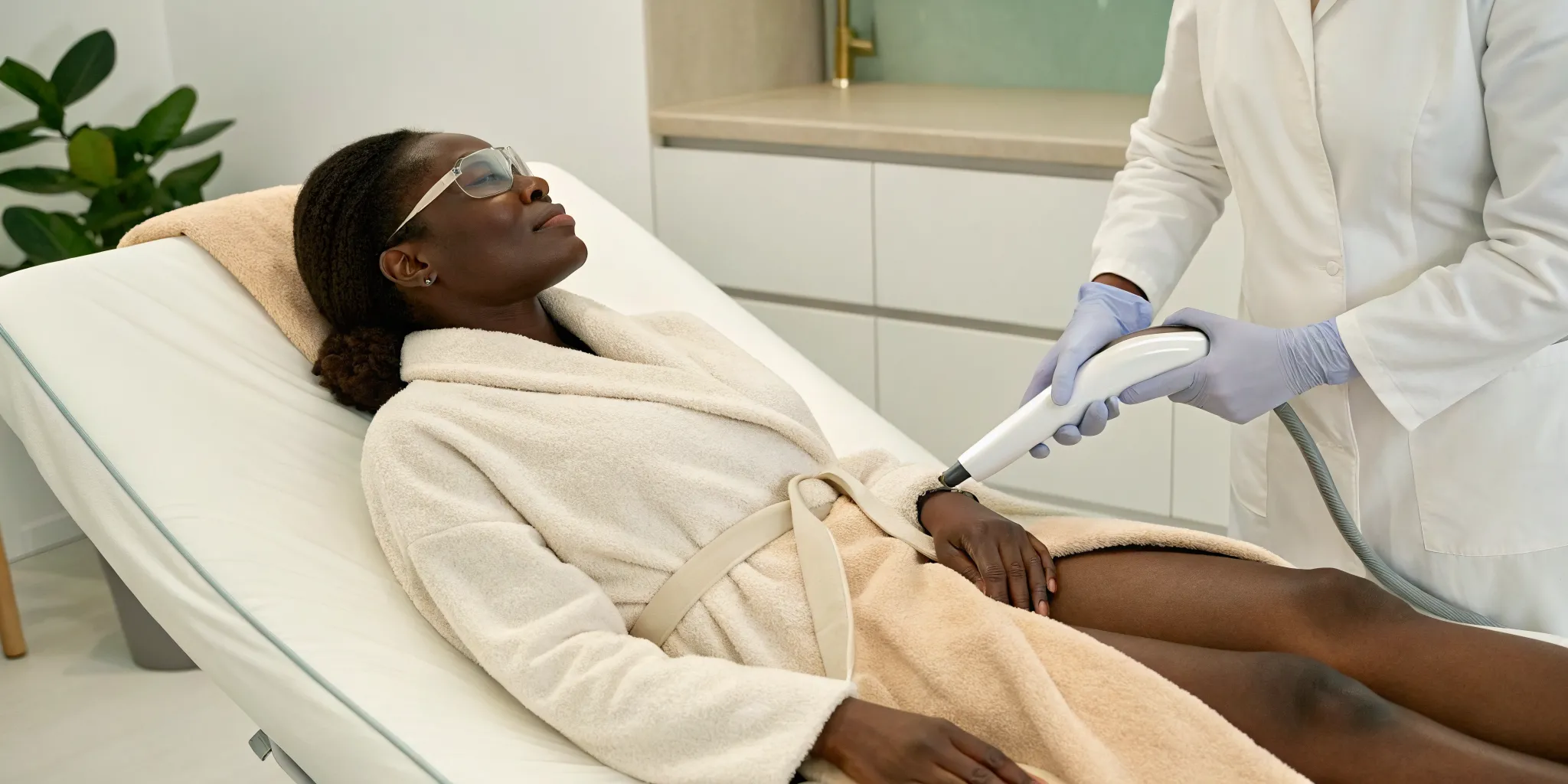
This is where modern technology makes all the difference. The Nd:YAG laser is widely considered the gold standard for treating darker skin tones safely and effectively. What makes it unique is its longer wavelength (1064nm). This longer wavelength allows the laser to penetrate deeper into the skin, bypassing the melanin in the top layer (the epidermis) where the risk of damage is highest. Instead, it delivers its energy directly to the hair follicle. This precision ensures that the hair is destroyed without harming the surrounding skin, making it the safest and most reliable option for achieving smooth, hair-free skin. At LightRx, we use advanced services and technology like this to ensure every client gets the best possible results.
Lasers to Approach with Caution
Just as important as knowing which laser is right for you is knowing which ones to avoid. Not all laser hair removal technology is created equal, and using the wrong device on melanin-rich skin can do more harm than good. Older lasers, and even some modern ones like the Alexandrite laser, operate on a shorter wavelength. This wavelength is great at targeting melanin, but it can’t easily distinguish between the melanin in your hair and the melanin in your skin. When the laser energy is absorbed by your skin, it can lead to serious side effects, including burns, blisters, and permanent pigmentation changes. This is why choosing a provider who uses the correct technology, like the Nd:YAG laser, isn’t just a preference—it’s essential for your skin’s safety.
So, Is Laser Hair Removal Safe for Dark Skin?
Let’s get straight to the point: yes, laser hair removal is absolutely safe and effective for dark skin, but with a major condition—the right technology must be used. For years, there was a lot of hesitation and misinformation surrounding this topic, and for good reason. Early laser technology wasn’t sophisticated enough to distinguish between the pigment in a hair follicle and the pigment in darker skin. This created a genuine risk of burns, scarring, and discoloration, making many people rightfully cautious.
Thankfully, that’s no longer our reality. Technology has come a long way, and modern aesthetic treatments are designed with inclusivity and safety at their core. Advanced lasers can now precisely target the hair follicle without harming the surrounding skin, making this a reliable solution for everyone, regardless of skin tone. Not only is it safe, but it’s also incredibly effective at providing long-term hair reduction and putting an end to the cycle of endless shaving and waxing. The key is finding a provider who uses the correct equipment and has the expertise to treat melanin-rich skin. It’s all about matching the right laser to your unique skin and hair type to achieve the smooth, lasting results you want.
How Today’s Lasers Protect Your Skin
The reason laser hair removal was once considered risky for dark skin comes down to one thing: melanin. Older lasers worked by targeting the dark pigment in hair, but they couldn’t tell the difference between the melanin in the hair and the melanin in the skin. For individuals with darker skin tones, this meant the laser’s energy could be absorbed by the skin itself, leading to potential damage.
Today’s advanced lasers have completely changed the game. Modern devices are built with smarter, more sophisticated technology that can bypass the pigment in your skin. This innovation is what makes professional laser hair removal a safe option for all skin tones, allowing the laser to do its job without affecting the surrounding tissue.
The Role of Advanced Cooling Systems
Beyond the laser itself, another critical feature for safely treating dark skin is an advanced cooling system. Think of it as a protective measure that works in real-time. As the laser delivers heat to the hair follicle, a built-in cooling mechanism simultaneously chills the surface of your skin. This constant cooling action is essential because it minimizes discomfort and, more importantly, protects the top layer of your skin from getting too hot. By keeping your skin safe and comfortable, technicians can use the most effective laser settings to achieve optimal results without risking irritation or burns. It’s this combination of powerful technology and smart safety features that makes modern laser hair removal a comfortable and reliable experience.
Smart Lasers: Measuring Melanin for Safety
The most cutting-edge lasers take safety a step further by removing the guesswork entirely. Some advanced systems, like the Elite iQ, feature technology that can actually measure the amount of melanin in your skin before the treatment even begins. This reading allows the device to automatically calculate the perfect settings for your specific skin tone, ensuring a highly customized and safe treatment. This isn’t a one-size-fits-all approach; it’s a precise, data-driven method that tailors the laser’s energy to you. This level of personalization is what makes the process so effective, as it allows the laser to precisely target the hair follicle without affecting the surrounding skin. When you pair this smart technology with an experienced professional, you get a solution that is truly designed for every skin tone.
Targeting the Hair, Not Your Skin
So, how does this new technology work? The secret lies in a specific type of laser called the Nd:YAG. This laser uses a longer wavelength of light that is less absorbed by melanin in the skin’s surface. Instead of getting scattered and absorbed by the epidermis, the laser’s energy penetrates deeper to target the hair follicle directly at its root.
This precision is what makes all the difference. The Nd:YAG laser can effectively destroy the hair follicle to prevent future growth while leaving your beautiful skin untouched and unharmed. It’s a targeted approach that delivers energy exactly where it’s needed, ensuring both safety and fantastic results for clients with darker complexions.
What Does the Research Say?
You don’t just have to take our word for it; the science backs it up. Numerous clinical studies have confirmed that laser hair removal using the right technology, like the 1064nm Nd:YAG laser, is both safe and highly effective for individuals with darker skin tones (Fitzpatrick types IV-VI). These studies show that the treatment successfully reduces hair growth while minimizing risks.
Beyond just hair removal, this treatment can also be a game-changer for common skin concerns that disproportionately affect people with darker skin. If you struggle with painful ingrown hairs, razor bumps, or the dark spots they leave behind, laser hair removal can bring incredible relief. By eliminating the hair follicle, it helps prevent these issues from occurring, leading to smoother, clearer skin.
The Biggest Perks of Laser for Melanin-Rich Skin
For those with darker skin tones, the struggle with hair removal is often about more than just getting rid of unwanted hair. It’s about dealing with the frustrating side effects that traditional methods like shaving and waxing can leave behind. Ingrown hairs, razor bumps, and dark spots can feel like a never-ending cycle. This is where laser hair removal truly shines. It offers a long-term solution that not only removes hair but also helps improve the overall health and appearance of your skin, giving you a smoother, clearer complexion you can feel confident in.
Finally Ditch Ingrown Hairs and Razor Bumps
If you’re tired of the painful and unsightly bumps that pop up after shaving or waxing, you’re not alone. These are often caused by ingrown hairs, which are especially common for people with coarse or curly hair. Laser hair removal gets to the root of the problem, literally. By targeting and damaging the hair follicle, the treatment prevents hair from growing back and getting trapped under the skin. Over time, this not only stops new bumps from forming but also gives your skin the chance to heal, allowing existing irritation and scarring to fade.
Does Laser Hair Removal Help with Dark Spots?
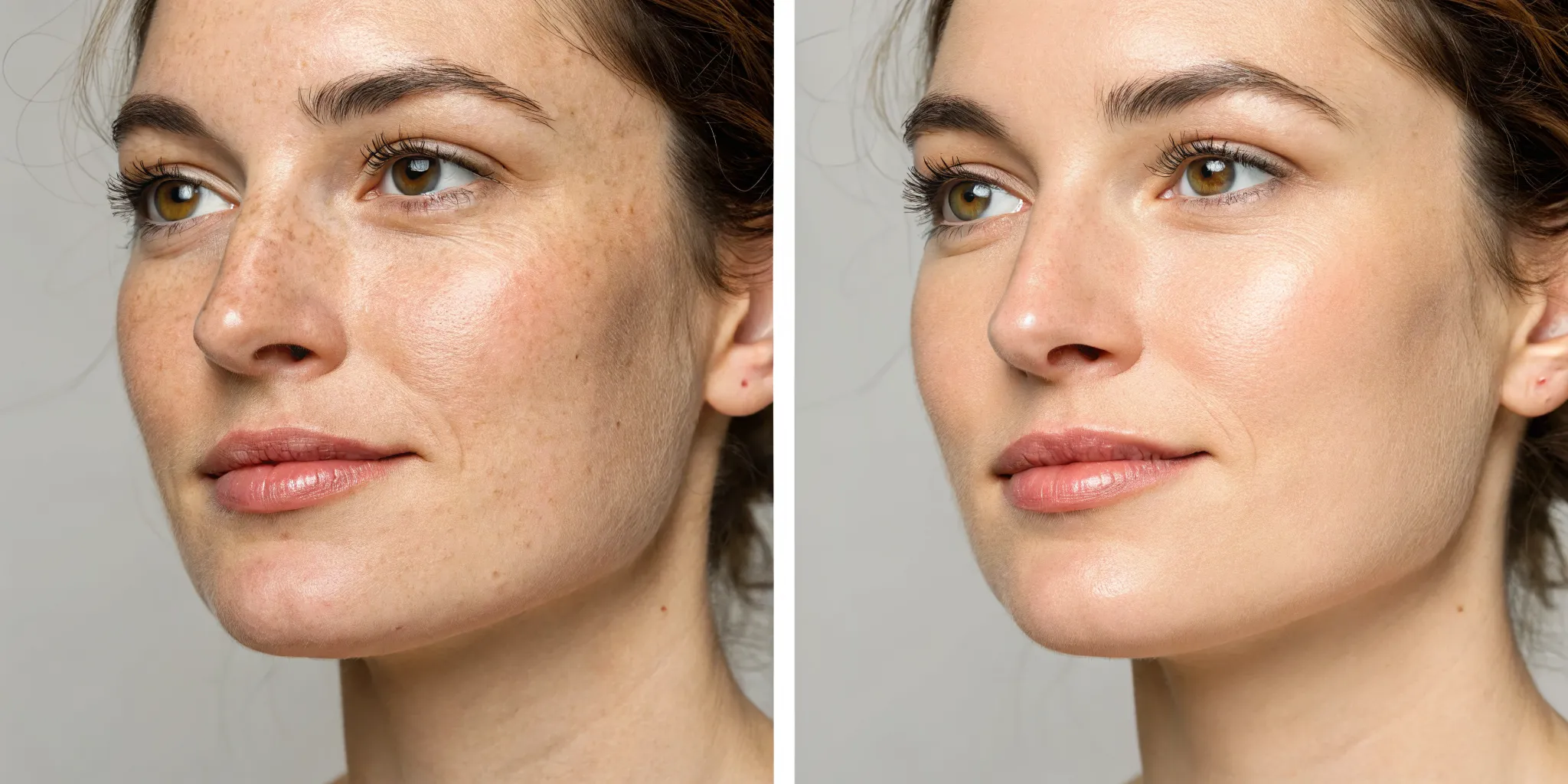
Constant irritation from shaving, waxing, or plucking can trigger post-inflammatory hyperpigmentation (PIH), leaving dark spots on the skin. By eliminating the need for these methods, laser hair removal cuts off the source of that chronic irritation. This helps prevent new dark spots from appearing in the first place. While the treatment is excellent for preventing future discoloration, it’s good to know that fading deep-set spots and scars can take time. For existing concerns, you might explore complementary skin rejuvenation treatments to help even out your skin tone.
The Timeline for Fading Hyperpigmentation
One of the biggest questions is about the timeline for fading existing dark spots. It’s helpful to think of laser hair removal as a two-part solution: prevention and correction. The treatment is a superstar at prevention. By ending the cycle of shaving and waxing, you’re cutting off the chronic irritation that causes new dark spots to form. For the hyperpigmentation that’s already there, patience is key. Since the laser’s primary job is to target the hair follicle, fading existing discoloration is a gradual process. For deeper, more stubborn marks, combining your sessions with targeted skin rejuvenation treatments is an effective way to even out your skin tone more quickly.
Enjoy Smoother Skin with Less Scarring
The goal is always smooth, clear skin, and laser hair removal is a fantastic way to get there. Because the treatment damages the hair follicle, any hair that does manage to grow back is typically much finer, lighter, and less noticeable. This results in a permanently smoother feel. Plus, by putting an end to ingrown hairs and razor bumps, you also prevent the pitted scars they can leave behind. This dual action of removing hair and preventing skin damage is key to achieving a consistently even skin texture.
Get Long-Term Relief from Skin Irritation
Imagine breaking free from the daily or weekly routine of hair removal and the irritation that comes with it. No more razor burn, nicks, or painful waxing appointments. Laser hair removal offers a lasting solution that provides relief from the constant skin stress caused by other methods. With modern technology specifically designed for melanin-rich skin, you can achieve these results safely and effectively. It’s about more than just convenience; it’s about giving your skin a much-needed break and restoring its calm, healthy state for the long term.
Who is a Good Candidate for Laser Hair Removal?
While modern technology has made laser hair removal accessible to almost everyone, it’s not a one-size-fits-all solution. The best results come from a treatment plan that’s tailored to your specific needs. Your candidacy depends on a few key factors, including the contrast between your skin and hair color, your overall health, and any medications you might be taking. Understanding these elements is the first step in determining if this is the right path for you. A professional consultation is the best way to get clear, personalized answers and ensure you can move forward with confidence, knowing you’re set up for a safe and successful experience.
Hair and Skin Tone Considerations
Historically, the ideal candidate for laser hair removal had light skin and dark hair. This is because the laser works by targeting the melanin (pigment) in the hair follicle, and the contrast made it easy for older technology to find its mark. For individuals with darker skin, these early lasers couldn’t effectively distinguish between the melanin in the skin and the hair, creating a risk of burns or discoloration. Thankfully, technology has evolved. The Nd:YAG laser, with its longer wavelength, is specifically designed to bypass the melanin in the epidermis. It penetrates deeper to safely target the hair follicle without harming the surrounding skin, making it the gold standard for treating darker skin tones effectively and safely.
Health and Medication Factors to Discuss
Your skin’s health is just as important as its tone. A thorough professional consultation is essential to review your medical history and ensure you’re a good candidate. It’s crucial to be open about any skin conditions or medications you’re taking, as some can cause photosensitivity and may not be compatible with laser treatments. Your provider will also give you important pre-treatment instructions. This typically includes avoiding direct sun exposure, self-tanners, and certain skincare products like retinoids for a few weeks before your appointment. You’ll also need to stop waxing or plucking—the follicle needs to be intact for the laser to work—and shave the area 24 to 48 hours before you come in.
What to Expect: Side Effects & How to Minimize Them
Knowing what to expect can make your laser hair removal experience much smoother. While modern lasers are incredibly safe for dark skin, your skin is still undergoing a treatment, and a little reaction is normal. The good news is that most side effects are minor and temporary. Plus, with the right preparation and aftercare, you can significantly reduce any potential irritation and get the best possible results. Think of it as a team effort between you and your technician; your habits before and after your appointment play a big role in your final outcome.
What Are the Most Common Side Effects?
It’s completely normal to experience some mild side effects right after your session. Most commonly, you might see some redness, slight swelling around the hair follicles (it can look like little red bumps), and a bit of discomfort, similar to a mild sunburn. These effects are just signs that the treatment is working and the laser has successfully targeted the hair follicles. For most people, this irritation calms down within a few hours to a day. You can apply a cool compress to the area to help soothe your skin and speed up the process.
Hyperpigmentation vs. Hypopigmentation
Two terms you might hear when discussing laser side effects are hyperpigmentation and hypopigmentation. Simply put, hyperpigmentation is when patches of skin become darker, while hypopigmentation is when they become lighter. These changes can happen if the laser’s energy is absorbed by the melanin in your skin rather than the hair follicle, which was a significant risk with older technologies. This is precisely why choosing a provider who uses modern, skin-safe lasers is non-negotiable. The right technology is designed to prevent these issues, and ironically, laser hair removal is one of the best ways to prevent the post-inflammatory hyperpigmentation (dark spots) caused by the chronic irritation of shaving and waxing.
Your Pre-Treatment Checklist
Your preparation before the appointment is key to minimizing side effects. First, avoid any kind of tanning or direct sun exposure on the treatment area for at least four weeks beforehand. Shave the area the night before your session, as this allows the laser to target the follicle directly without singing any hair on the surface. On the day of your treatment, arrive with clean skin, free of any lotions, oils, or deodorants. If you have a low pain tolerance, you can also talk to your provider about using a prescription-strength numbing cream to make your laser hair removal session more comfortable.
Skincare to Pause Before Your Session
To get your skin ready for treatment, you’ll want to press pause on certain parts of your skincare routine. Specifically, stop using products with active ingredients like retinoids, alpha-hydroxy acids (AHAs), and beta-hydroxy acids (BHAs) on the treatment area for about a week before your appointment. These ingredients are fantastic for exfoliation and skin rejuvenation, but they work by increasing cell turnover, which can make your skin more sensitive. Taking a short break from them helps ensure your skin is calm and strong, reducing the risk of irritation from the laser and making the entire process more comfortable for you.
How to Prep the Treatment Area
Properly prepping the area is simple but makes a huge difference. Make sure to shave the treatment area the night before your session. Shaving removes the hair from the surface, which allows the laser to travel directly to the follicle without burning any hair above the skin. On the day of your appointment, it’s essential to arrive with clean, bare skin. This means no lotions, creams, oils, or even deodorant on the area being treated. These products can create a barrier that interferes with the laser’s effectiveness. Following these steps ensures the technology can do its job perfectly for the best possible results.
Your Post-Treatment Care Plan
What you do after your appointment is just as important as how you prepare. Your skin will be sensitive, so treat it gently. Make sunscreen your best friend; apply a broad-spectrum SPF 50+ to the treated area every single day, as your skin will be more vulnerable to sun damage. For the first 24 hours, avoid harsh soaps, perfumes, or deodorants. You can also help the process along by gently exfoliating a few days after treatment and moisturizing daily. This helps prevent ingrown hairs and keeps your skin healthy as it heals.
Immediate Aftercare (First 24 Hours)
Think of the first 24 hours after your treatment as a “calm down” period for your skin. Your skin will be sensitive, so treat it gently. The number one rule is to make sunscreen your best friend; apply a broad-spectrum SPF 50+ to the treated area every single day, as your skin will be more vulnerable to sun damage. For the first 24 hours, avoid harsh soaps, perfumes, or deodorants that could cause irritation. It’s also wise to skip hot showers, saunas, and intense workouts during this time, as heat can increase swelling and redness. A cool compress can feel amazing if you’re experiencing any discomfort.
Managing Hair Growth Between Sessions
You might notice some hair shedding in the weeks following your appointment—this is a great sign that the treatment worked! Because the treatment damages the hair follicle, any hair that does manage to grow back is typically much finer, lighter, and less noticeable. If you see regrowth between appointments, it’s crucial that you only shave. Avoid waxing, plucking, or threading, as these methods pull the hair out from the root. The laser needs that root as a target for your next session. By sticking with laser hair removal and putting an end to ingrown hairs and razor bumps, you also prevent the pitted scars they can leave behind.
Other Skin Treatments to Avoid
While you’re undergoing your laser hair removal series, it’s best to press pause on other intensive skin treatments in the same area. This includes things like chemical peels, strong exfoliants (like retinoids and AHAs), and other laser procedures. Combining treatments can over-sensitize your skin and lead to adverse reactions. While laser hair removal is excellent for preventing future discoloration, it’s good to know that fading deep-set spots and scars can take time. For existing concerns, you might explore complementary skin rejuvenation treatments to help even out your skin tone after your laser series is complete. Always discuss your full skincare routine with your technician to create a safe and effective plan.
When You Should Call Your Provider
While serious complications are rare, it’s important to listen to your body. You should contact your provider if you experience anything beyond the expected mild redness and swelling. Be on the lookout for signs of infection, severe swelling that doesn’t go down, blistering, or significant pain. Your technician is your partner in this process, and they are there to support you. Never hesitate to reach out if you have any concerns or if something just doesn’t feel right. Your peace of mind is part of achieving great results with any of our services.
Mapping Out Your Treatment: Sessions and Results
Understanding what to expect from your laser hair removal journey helps you feel confident and prepared. The process is a marathon, not a sprint, with each session building on the last. From the number of appointments to the final results, here’s a clear look at what your treatment timeline involves.
How Many Sessions Will I Need?
Patience is key when it comes to laser hair removal. You can generally expect to need between six and nine sessions to achieve your desired results. This is because your hair grows in different cycles, and the laser is most effective when it targets hair in the active growth phase. Since not all hairs are in this stage at the same time, multiple appointments, spaced several weeks apart, are necessary to treat every follicle effectively. Your provider will create a personalized schedule to ensure each session delivers the best possible outcome for smooth, hair-free skin.
Why Darker Skin Tones May Require More Treatments
You might find that your treatment plan includes a few more sessions, and there’s a very important reason for that: your safety. When treating melanin-rich skin, technicians use more conservative, gentler laser settings. This approach ensures the laser’s energy targets the hair follicle without overheating the surrounding skin, which is crucial for preventing any potential side effects. While this method is incredibly safe, it also means that each session might be slightly less aggressive in disabling the hair follicle. As a result, it can take a few extra appointments to achieve the same permanent reduction as someone with a lighter skin tone. It’s a careful, deliberate process designed to give you the best and safest laser hair removal results possible.
What Factors Affect Your Results?
The success of your treatment hinges on one critical factor: the technology. In the past, lasers had trouble telling the difference between the pigment in dark skin and the pigment in the hair follicle, which created risks. Thankfully, modern advancements have completely changed the game. The type of laser used is incredibly important for ensuring your treatment is both safe and effective. At LightRx, we use state-of-the-art technology specifically designed to work beautifully on darker skin tones, precisely targeting the hair follicle without affecting the surrounding skin. This ensures you get the results you want without compromise.
How Much Does It Cost?
Let’s talk about the investment. The cost of laser hair removal can vary quite a bit, typically ranging from $250 to $900 per session. The final price depends on several things, like the size of the area you’re treating, the city you’re in, and the expertise of your technician. For example, a smaller area like the upper lip might be around $75 per session, while underarms could be closer to $250. While the upfront cost might seem high, it’s helpful to think of it as a long-term investment in your skin and your time—no more buying razors or booking monthly wax appointments. Many clinics also offer payment plans to make it more manageable. The best way to get an accurate number is to schedule a free consultation, where you can get a personalized quote based on your specific goals.
What Happens During Your Appointment?
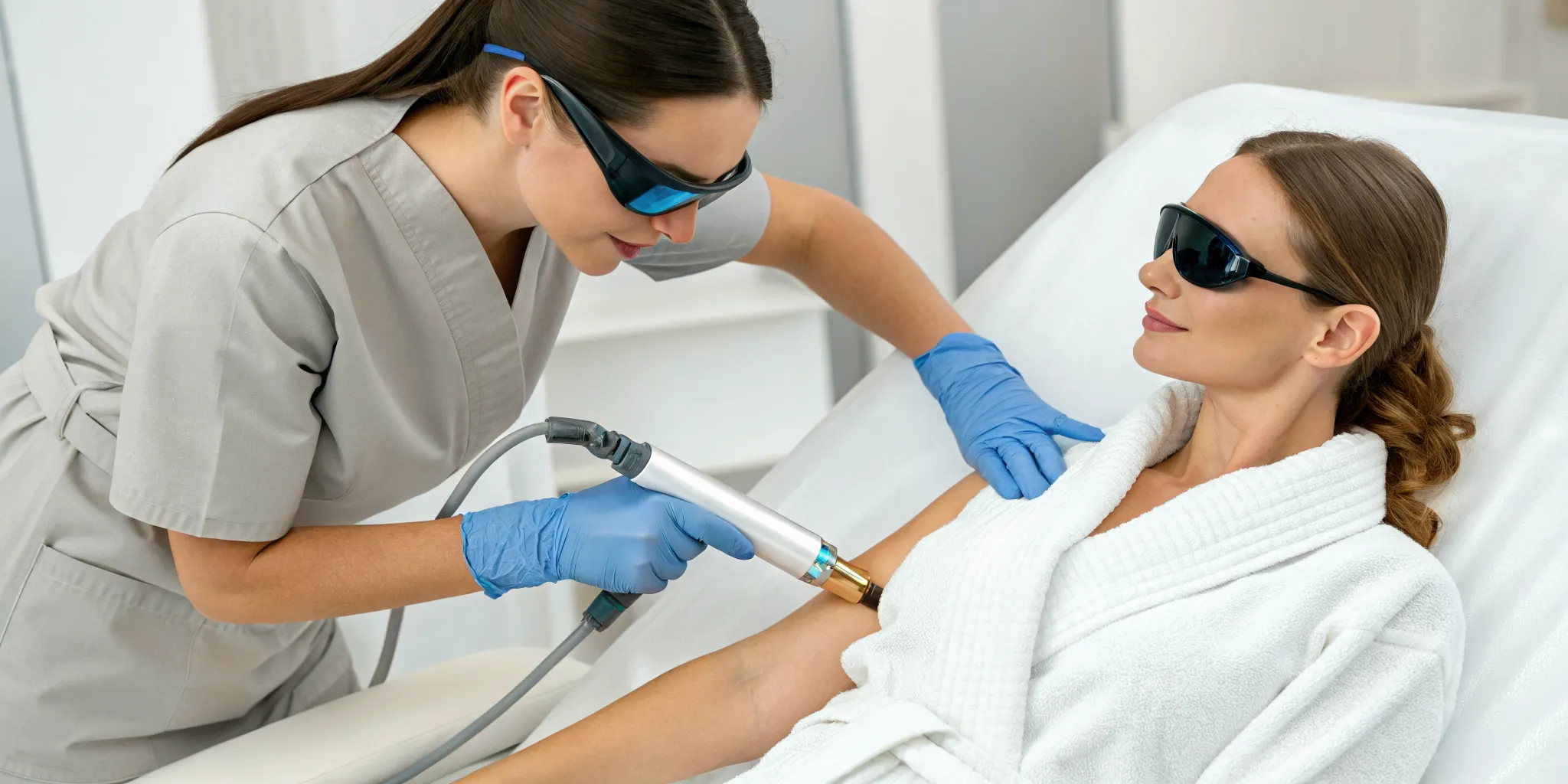
Knowing what to do before and after your appointment will make the process seamless. Before you come in, you’ll need to shave the treatment area about 12 hours prior. It’s also important to avoid sun exposure and tanning products on the area being treated. During the session, you’ll feel a sensation often compared to a rubber band snapping against the skin. Afterward, you can expect to see a gradual reduction in hair. The hair that does grow back will be noticeably thinner and finer. One of the best parts is that you’ll also see a major decrease in ingrown hairs.
The Importance of a Test Patch
Before you commit to your first full session, a test patch is an absolute must. Think of it as a sneak peek for your skin. A technician will treat a small, discreet area to see exactly how your skin and hair respond to the laser. This is especially important for melanin-rich skin because it confirms the laser settings are perfectly calibrated for your treatment, ensuring the energy targets the hair follicle without affecting your surrounding skin. It’s a critical safety check that helps prevent any unwanted side effects and gives you total peace of mind before moving forward. Any reputable clinic will insist on this step; it’s a sign that they prioritize your safety and results above all else.
What Kind of Results Can You Realistically Expect?
It’s helpful to think of laser hair removal as a significant reduction, not total elimination. Each session typically leads to about a 10% permanent hair reduction. Over the course of your treatment plan, this adds up to beautifully smooth skin. While the treatment is fantastic for getting rid of unwanted hair and preventing razor bumps, it’s important to know that addressing deeper concerns like hyperpigmentation or scarring can take more time. If you have dark spots from past ingrowns, our skin rejuvenation treatments can also help you achieve an even, clear complexion.
How to Find a Provider You Can Trust
Finding the right provider is the most important step in your laser hair removal journey. The person operating the laser and the technology they use are the two biggest factors that determine your safety and results. When you have a darker skin tone, it’s even more critical to find a clinic with proven expertise. A great provider will have the right tools and the hands-on experience to give you the smooth, hair-free skin you want without compromising your safety.
Must-Ask Questions for Your Consultation
When you’re researching clinics, be direct and ask about their experience treating skin like yours. Look for a provider who proudly showcases their work with a diverse range of clients. A great starting point is to check their website and social media for before-and-after photos of people with similar skin tones. During your consultation, don’t hesitate to ask to see more examples. You want to choose a practice that regularly and confidently treats darker skin, not one where you’re the exception. This ensures they understand the specific needs and nuances required for a safe and effective treatment.
What is my Fitzpatrick skin type?
A knowledgeable technician should be able to identify your skin type using the Fitzpatrick Scale. This is a classification system that categorizes skin from very pale (Type I) to very dark (Type VI) based on its reaction to sun exposure. For those of us with melanin-rich skin, we typically fall into types IV, V, or VI. Confirming your skin type is a crucial first step because it dictates the precise laser settings needed for a safe and effective treatment. Asking this question shows you’re informed, and hearing a confident, clear answer shows your provider knows exactly how to tailor their services to your specific needs, ensuring your skin is protected.
Which laser and wavelength will you use?
This might be the most important question you ask. For darker skin tones, there is a clear gold standard: the Nd:YAG laser. This laser is specifically designed with a longer wavelength (1064nm) that allows it to bypass the melanin in the top layer of your skin. Instead of getting absorbed by the surface, the laser’s energy penetrates deeper to target the hair follicle directly at its root. This precision is what prevents burns, scarring, and discoloration. If a provider can’t confirm they use an Nd:YAG laser or something comparable for your skin tone, it’s a major red flag. At LightRx, we use the most advanced laser hair removal technology to ensure every treatment is safe and effective.
What cooling technology is built into the laser?
Laser treatments generate heat, so a built-in cooling system isn’t just a luxury—it’s a necessity for both comfort and safety. Advanced lasers come equipped with cooling technology, like a chilled tip or a spray of cryogen, that instantly cools the surface of your skin just before the laser pulse. This feature does two important things: it makes the treatment much more comfortable (minimizing that “rubber band snap” feeling) and it protects your epidermis from the heat. This protection helps prevent irritation and allows the technician to use more effective settings, leading to better results. A clinic that invests in top-tier technology with integrated cooling shows a commitment to client safety and comfort.
Look for These Certifications and Lasers
The right technology is non-negotiable for dark skin. The gold standard is the Nd:YAG laser, which has a longer wavelength that bypasses the melanin in your skin to target the hair follicle directly. This significantly reduces the risk of burns or discoloration. Some advanced lasers even have built-in technology that measures the pigment in your skin before treatment, allowing the technician to customize the settings for your exact needs. Make sure the clinic you choose invests in this kind of modern, FDA-cleared laser hair removal technology. It’s a clear sign that they prioritize both safety and excellent results for every client.
Red Flags to Watch Out For
Knowing what to avoid is just as important as knowing what to look for. A major red flag is any clinic using an IPL (Intense Pulsed Light) device or a Diode laser for hair removal on dark skin. While these can be effective for lighter skin tones, they carry a high risk of causing burns and hyperpigmentation on melanin-rich skin. The same goes for at-home IPL devices, which are not true lasers and are not safe for dark skin. If a provider seems hesitant to answer your questions, can’t provide photos of their work on dark skin, or pressures you to book without a thorough consultation, it’s best to walk away.
How to Verify Their Experience with Dark Skin
Ultimately, the technician’s skill is paramount. A certified and experienced professional will know exactly how to adjust the laser settings to keep your skin safe while effectively destroying the hair follicle. The best way to gauge their expertise is by scheduling a consultation. This is your chance to meet the person who will be performing your treatment, ask all your questions, and get a feel for the clinic’s environment. A knowledgeable provider will assess your skin and hair type and create a personalized treatment plan for you. This initial meeting is key to building trust and ensuring you’re in capable hands.
Related Articles
- Laser Hair Removal for Men: A Complete Guide
- Hair Care Blog: Your VA Beach Laser Guide
- Hair Removal Laser Near Me: 7 Things to Know
- Laser Hair Removal Greenville SC: Cost & Top Clinics
- Laser Hair Removal Mesa AZ: Your 2025 Cost Guide
Frequently Asked Questions
Is laser hair removal actually painful on dark skin? Most people describe the sensation as a quick snap, similar to a rubber band hitting the skin. While everyone’s pain tolerance is different, it’s generally considered very manageable. Modern lasers, like the Nd:YAG, often have built-in cooling mechanisms that help keep your skin comfortable during the treatment. A skilled technician will also work quickly and efficiently to make the process as smooth as possible.
What happens if a clinic uses the wrong type of laser on my skin? Using the wrong technology, like an IPL device or an older laser not designed for melanin-rich skin, is a serious risk. These devices can’t properly distinguish between the pigment in your skin and the pigment in your hair. This can lead to the laser’s energy being absorbed by your skin, potentially causing burns, blisters, scarring, or lasting changes in your skin’s pigmentation (either dark spots or light spots).
Will this treatment get rid of the dark spots I already have from ingrown hairs? Laser hair removal is fantastic for preventing the new ingrown hairs and razor bumps that cause dark spots in the first place. By stopping the source of the irritation, you give your skin a chance to heal, and you may see existing spots fade over time. However, for more significant or stubborn hyperpigmentation, you might consider pairing your treatment with a skin rejuvenation service to help even out your complexion more effectively.
How permanent are the results? Will the hair ever grow back? It’s best to think of it as permanent hair reduction. After completing your full series of treatments, you can expect a significant and lasting decrease in hair. The follicles that are successfully treated will not grow hair again. However, factors like hormonal changes can sometimes cause new, often finer and lighter, hairs to appear over time. Most people find that a yearly touch-up session is all they need to maintain their smooth results.
Why is it so important to stay out of the sun before my appointment? Avoiding sun exposure before your treatment is a critical safety measure. Tanning increases the amount of melanin in your skin, which can make it more difficult for the laser to differentiate between your skin and the hair follicle. This can reduce the effectiveness of the treatment and increase your risk of side effects like burns or discoloration. As a rule, you should avoid direct sun exposure and tanning beds on the treatment area for at least four weeks before your session.