

What’s the Real Laser Hair Cost? A Full Breakdown
Let’s be real, the cost is a huge factor when you’re deciding if laser hair removal is right for you. While the upfront price is more than a pack of razors, it’s better to think of it as a long-term investment. When you add up the money and time spent on temporary fixes over the years, the numbers tell a different story. This treatment is about buying back your time and freeing yourself from a repetitive grooming chore. To help you budget, we’re breaking down the typical upper lip laser hair cost and exploring all the factors that influence the final price.
Key Takeaways
- Budget for a long-term solution: A complete upper lip treatment plan typically costs between $200 and $600. This one-time investment provides a permanent reduction in hair, saving you significant money and time compared to years of waxing or shaving.
- Commit to multiple sessions for lasting results: Expect to need four to six treatments, scheduled six to eight weeks apart, to achieve an 85% to 95% reduction in hair. Following the recommended schedule is crucial for targeting hair in every growth phase.
- Prioritize safety and value over the lowest price: Always choose a clinic with experienced technicians and FDA-cleared technology. Take advantage of free consultations to get a clear price quote and ask about package deals or memberships to make your treatment more affordable.
What Is Upper Lip Laser Hair Removal?
If you’re tired of the endless cycle of dealing with hair on your upper lip, you’re not alone. Upper lip laser hair removal offers a long-lasting solution for smooth, hair-free skin. It’s a fantastic alternative to temporary methods like waxing, threading, or shaving, which often lead to skin irritation, bumps, ingrown hairs, or that dreaded stubble that appears just a day or two later. This treatment is all about giving you freedom from the daily or weekly upkeep and helping you feel confident in your skin.
How Does the Laser Target Unwanted Hair?
The science behind laser hair removal is pretty straightforward. The treatment uses a concentrated beam of light that is absorbed by the pigment, or color, in your hair follicles. This light energy converts to heat, which then damages the follicle at its root. By targeting the follicle, the laser makes it much harder for hair to grow back. Each pulse of the laser takes a fraction of a second and can treat many hairs at the same time. Our advanced technology is designed to be precise, targeting only the hair follicle while leaving the surrounding skin undamaged, making it a safe and effective option.
Why It’s Better Than Waxing and Shaving
While laser hair removal has a higher upfront cost, it can save you a significant amount of money and time in the long run. Think about the cumulative cost of wax appointments, razors, or threading sessions over several years; it really adds up. Laser treatments significantly reduce hair growth, offering a long-term solution that other methods just can’t match. While it may not remove 100% of hair forever, the vast majority of people experience a permanent reduction in hair. This means less time spent in front of the mirror and more time enjoying smooth, carefree skin.
Comparing Laser Hair Removal to Other Methods
When you’re exploring ways to get rid of unwanted hair, it feels like there are a million options, each with its own set of promises and drawbacks. While shaving and waxing are the most common go-tos, they are temporary fixes that require constant upkeep. Laser hair removal stands apart because it offers a significant, long-term reduction in hair growth. Unlike methods that just trim the hair at the surface or pull it from the root, laser treatments work by damaging the follicle itself, making it much more difficult for hair to grow back. This fundamental difference is what makes it such an appealing choice for anyone looking to break free from the endless cycle of hair removal chores and achieve smoother skin for longer.
Electrolysis
Electrolysis is another method that offers permanent hair removal, but it works very differently from laser treatments. Instead of using light, electrolysis uses a fine probe to deliver a small electrical current directly into each individual hair follicle, destroying it completely. While it’s highly effective, it can also be more invasive and painful than laser hair removal. Because it treats one follicle at a time, it’s also incredibly time-consuming, making it better suited for very small areas with sparse hair. For an area like the upper lip, laser hair removal is often a much faster and more comfortable option, treating multiple hairs with each pulse of light.
Threading and Depilatory Creams
Threading and depilatory creams fall squarely into the temporary solutions category. Threading rips hair out from the root, and creams use chemicals to dissolve hair at the skin’s surface. While they get the job done for a short time, the hair always grows back because these methods don’t permanently damage the follicle. This means you’re locked into a routine of frequent treatments, and you might also have to deal with common side effects like skin irritation, redness, or chemical burns. Laser hair removal provides a lasting reduction in hair, freeing you from the need for constant maintenance and the potential for ongoing skin irritation.
Is Laser Hair Removal Right for You?
Deciding if laser hair removal is the right move for you involves more than just wanting to get rid of unwanted hair; it’s also about understanding if your skin and hair type are a good match for the technology. The effectiveness of the treatment hinges on the laser’s ability to distinguish between your hair and your skin. Because the laser targets the pigment in the hair follicle, certain combinations of skin tone and hair color respond better than others. It’s also important to consider your overall health and any skin conditions you might have. A thorough consultation with a trained professional is the best way to get personalized advice and determine if you’re a great candidate for the procedure.
Ideal Candidates
Traditionally, the ideal candidate for laser hair removal has light skin and dark, coarse hair. This combination creates a strong contrast, making it easy for the laser to find and target the melanin in the hair follicle without affecting the surrounding skin. However, technology has come a long way. Modern lasers are much more sophisticated and can be adjusted to work safely and effectively on a wider range of skin tones. That said, the treatment is generally less effective on hair that lacks pigment, such as light blonde, red, gray, or white hair, because there isn’t enough color for the laser to lock onto. The best way to know for sure is to schedule a free consultation to have your skin and hair assessed.
Who Should Avoid Treatment?
While laser hair removal is a safe and effective procedure for many people, it’s not suitable for everyone. Certain medical conditions, medications, and skin characteristics can increase the risk of side effects or make the treatment ineffective. Being transparent about your medical history during your consultation is crucial for ensuring your safety and achieving the best possible results. A qualified technician will help you understand any potential contraindications and determine if this treatment is a safe choice for you. Your health and safety should always be the top priority.
Medical Conditions and Contraindications
It’s important to have realistic expectations about what laser hair removal can and cannot do. For instance, if excessive hair growth is caused by an underlying hormonal condition like polycystic ovary syndrome (PCOS), the treatment can manage the unwanted hair, but it won’t cure the root cause. You may need ongoing maintenance sessions to keep the hair at bay. Additionally, people with certain skin disorders or those taking photosensitive medications may not be good candidates. Always discuss your full health history with your provider to ensure the treatment is appropriate for you.
Areas Not Suitable for Treatment
Safety is paramount, and there are specific areas where laser hair removal should not be performed. The treatment should never be used on the eyelids or the area immediately surrounding the eyes, including the eyebrows, due to the risk of serious eye injury from the laser. It’s also not recommended for use over skin with tattoos. The laser is attracted to the dark pigment in the tattoo ink, which can lead to burns, blisters, and distortion of the tattoo itself. A professional technician will carefully assess the treatment area to ensure it is safe to proceed.
Understanding the Risks and Safety Precautions
Like any cosmetic procedure, laser hair removal comes with potential risks and side effects. The good news is that when the treatment is performed by a qualified and experienced professional using the right equipment, these risks are minimal. Most side effects are temporary and mild, resolving on their own within a few hours to a couple of days. Understanding what to expect can help you feel more prepared and confident going into your sessions. The key to a safe and successful experience is choosing a reputable clinic that prioritizes your well-being and follows strict safety protocols from start to finish.
Common Side Effects
After a laser hair removal session, it’s common to experience some mild skin irritation, similar to a slight sunburn. You might notice some redness, swelling, and minor discomfort in the treated area, but these effects typically fade within a few hours. Some people may also see temporary changes in their skin color, with the treated skin becoming slightly darker or lighter. This is also a normal reaction that usually resolves over time. Following the aftercare instructions provided by your technician, like avoiding sun exposure, will help minimize these side effects and support your skin’s healing process.
Rare but Serious Risks
While uncommon, there are more serious risks associated with laser hair removal. In rare cases, the treatment can cause blistering, crusting, scarring, or other changes in skin texture. These risks are significantly higher if the procedure is performed by an inexperienced technician or with improper equipment. This is why it’s so important to do your research and select a clinic with a proven track record of safety and success. A thorough consultation should include a discussion of all potential risks, allowing you to make a fully informed decision about your treatment.
Essential Safety Measures
Ensuring a safe laser hair removal experience comes down to a partnership between you and your provider. Your provider is responsible for using FDA-cleared technology, following strict safety protocols, and having the expertise to perform the treatment correctly. Your role is to follow all pre- and post-care instructions carefully and to be honest about your medical history. Together, these measures create a controlled environment where risks are minimized and you can achieve the smooth, hair-free skin you’re looking for without compromising your health.
The Importance of Eye Protection
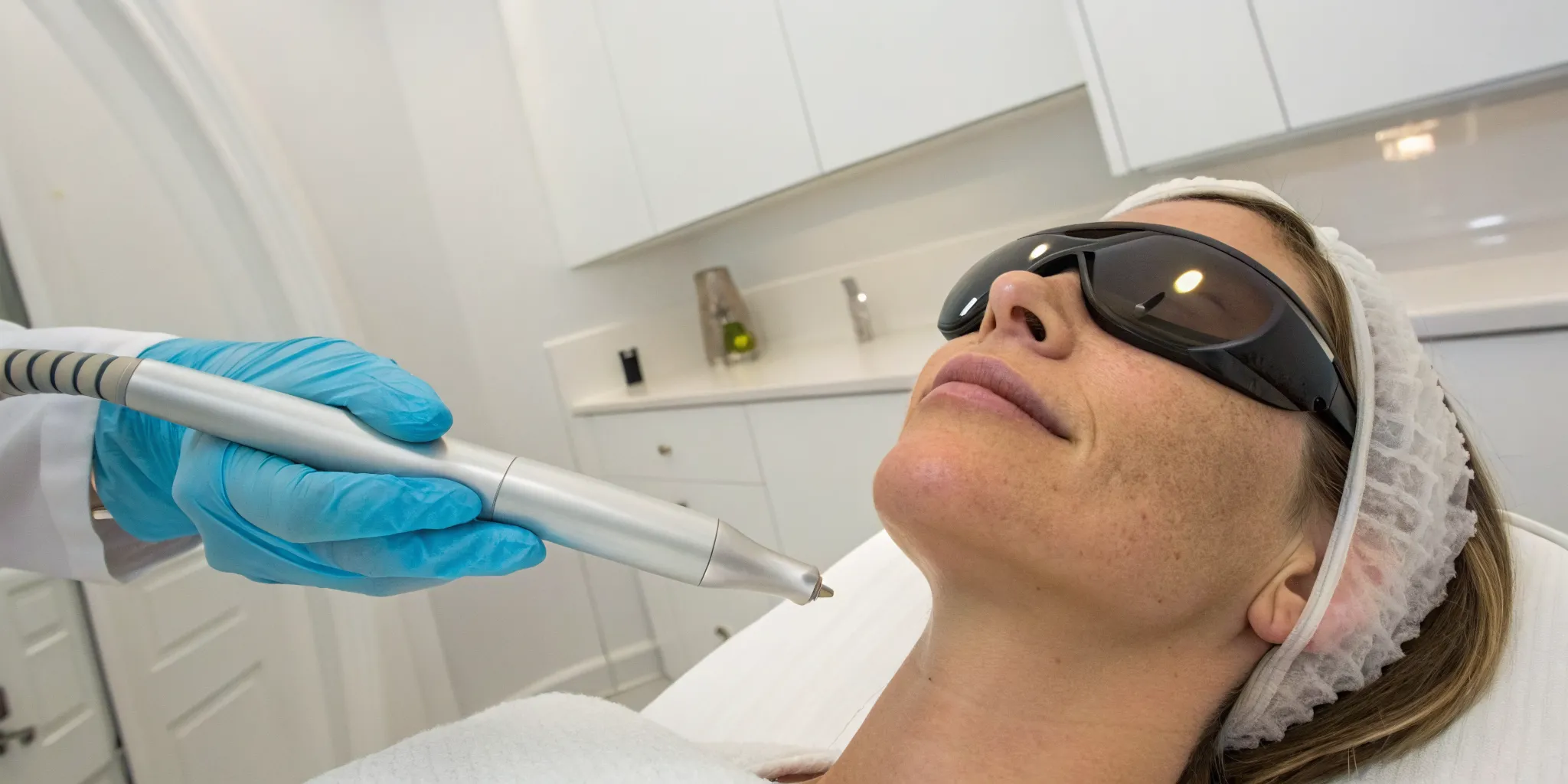
Protecting your eyes during a laser hair removal session is non-negotiable. The concentrated light from the laser can cause serious and permanent eye damage if proper precautions aren’t taken. During your treatment, both you and your technician will be required to wear special protective eyewear designed to block the specific wavelength of light being used. This is a standard safety measure at any reputable clinic and a clear sign that your provider is committed to your safety. Never proceed with a treatment if proper eye protection is not provided.
Choosing a Board-Certified Professional
The single most important step you can take to ensure your safety is to choose a qualified professional. Look for a clinic where treatments are performed by technicians who are board-certified in a field like dermatology or cosmetic surgery, or who have extensive training and experience specifically in laser treatments. At LightRx, our team is highly trained in using advanced, FDA-cleared technology to deliver safe and effective results. A free consultation is a great opportunity to ask about credentials, experience, and the technology being used, so you can feel completely confident in your choice of provider.
What’s the Real Laser Hair Cost for Your Upper Lip?
Let’s talk numbers. One of the first questions on anyone’s mind when considering a new treatment is, “What’s this going to cost me?” The price of upper lip laser hair removal can vary, but it’s more accessible than you might think. Your total investment depends on a few key things, like where you live and how many sessions you’ll need to get those smooth, long-lasting results. Think of it not just as a cost, but as an investment in saving time and feeling confident. We’ll walk through the typical price per session and what you can expect to pay for a full course of treatment.
How Much Should You Expect to Pay Per Session?
When you start looking into pricing, you’ll find that a single session for upper lip laser hair removal is quite affordable. While broader facial treatments can range from $200 to $400, the upper lip is a smaller, more targeted area. Because of this, you can expect the cost to be much lower, typically falling somewhere between $50 and $100 per session. This price point makes it easy to try out a session or two before committing to a full package. Keep in mind this is an average, and the final price can be influenced by the clinic’s location and the technology they use.
National Averages and Expert Data
When you zoom out and look at the bigger picture, the numbers become even clearer. A complete treatment plan for the upper lip, which includes all the sessions you’ll need for lasting results, typically falls between $200 and $600 nationally. This total investment covers the entire process from start to finish. While that might sound like a lot compared to a single waxing appointment, it’s a one-time cost for a long-term solution. Experts generally recommend a series of four to six treatments to achieve a permanent hair reduction of 85% to 95%. This multi-session approach is essential because it allows the laser to effectively target each hair follicle during its active growth phase, ensuring you get the smooth, carefree skin you’re looking for.
How to Estimate Your Total Investment
To get the best, most permanent results, you’ll need more than one appointment. Most people require a series of four to six sessions to effectively target hair follicles in every stage of their growth cycle. So, if we do some quick math, a complete treatment plan for your upper lip could range from $200 to $600. This total investment covers the entire process of achieving significant hair reduction. It’s a predictable cost that leads to long-term freedom from daily shaving or frequent waxing appointments. Your technician will give you a personalized treatment plan during your consultation, so you’ll know exactly what to expect.
Are U.S. Prices Higher Than Abroad?
It can be helpful to see how prices in the United States stack up against those in other countries. For example, in India, the cost for the same treatment can vary dramatically, sometimes costing less. These differences often come down to the local economy, regulatory standards, and the type of equipment available. While lower prices elsewhere might seem appealing, it’s so important to prioritize your safety. In the U.S., reputable medspas use FDA-cleared technology and adhere to strict safety protocols. You can also find great value through memberships and package deals that make the treatment even more affordable without compromising on quality.
How Many Laser Hair Removal Sessions Will You Need?
One of the most common questions I hear is, “How many times do I actually have to come in?” It’s a great question, because you want to know the full commitment before you start. While I wish I could give you a single magic number, the truth is that laser hair removal is a process, not a one-time fix. The laser works by targeting hair follicles in their active growth phase. Since not all of your hair is in that phase at the same time, you need multiple sessions to catch each follicle at just the right moment.
Think of it like a garden. You can’t weed it just once and expect nothing to ever grow back. You have to be consistent to get the smooth, clear results you want. The good news is that there’s a typical treatment path that works for most people. Your specific plan will be tailored to you, but understanding the general timeline helps you know what to expect on your journey to smoother skin. A personal consultation is always the best way to get an accurate estimate for your unique hair and skin type.
What Does a Typical Treatment Plan Look Like?
For the upper lip area, most people need between four and six sessions to see the best results. This is the sweet spot for achieving a significant reduction in hair growth. After this initial series of treatments, the hair that does grow back is typically much finer, lighter, and far less noticeable. The goal is to systematically target the hair follicles over time, which gradually reduces their ability to produce new hair. Sticking to your treatment schedule is key to making sure you get the most out of every single session.
How Long Should You Wait Between Appointments?
Patience is part of the process. Your appointments will usually be scheduled six to eight weeks apart. This timing isn’t random; it’s strategically planned to align with your hair’s natural growth cycle. Hairs grow in different phases, and the laser is most effective when the hair is in its active growth (anagen) phase. Spacing out your treatments gives the dormant hairs a chance to enter this active phase so they can be effectively targeted at your next appointment. Rushing the process or scheduling appointments too close together won’t give you better results and can be less effective in the long run.
Why Your Session Count Might Be Different
While four to six sessions is a solid benchmark, your personal treatment plan might look a little different. Several factors can influence the exact number of sessions you’ll need. Your hair’s thickness and color play a big role, as lasers are most attracted to the pigment in dark, coarse hair. Hormonal changes, such as those from PCOS or menopause, can also stimulate new hair growth and may require additional treatments or future touch-ups. During a free consultation, a technician can assess these factors and give you a much clearer picture of your personal treatment timeline.
What Factors Affect the Final Price?
When you start looking into upper lip laser hair removal, you’ll quickly notice that prices aren’t standard across the board. The final cost is a mix of several factors, some related to you and some to the clinic you choose. Think of it less like buying a product off the shelf and more like investing in a personalized service. Everything from your hair color to your technician’s expertise plays a role in shaping the total price. Understanding these variables will help you see exactly what you’re paying for and make a confident decision that fits your budget and beauty goals.
How Hair Color and Thickness Impact Your Cost
Your unique hair and skin characteristics are the biggest factors in determining your treatment plan. Laser hair removal works by targeting the pigment (melanin) in your hair follicles. Because of this, the treatment is most effective on dark, coarse hair, especially when there’s a good contrast with your skin tone. If you have blonde, red, gray, or very fine hair, the laser has less pigment to target, which means you might need more sessions to see the results you want. Similarly, your skin tone is important for a safe and effective treatment. While modern technology makes laser hair removal safe for all skin tones, darker skin may require a specific type of laser to avoid pigmentation issues.
Does the Clinic’s Location Affect the Price?
Where you get your treatment done matters. A clinic in a major city with high rent will naturally have different pricing than one in a smaller town. Beyond geography, a clinic’s reputation is a significant factor. A well-established medical spa with a long history of happy clients and glowing reviews often invests more in its team and technology, which can be reflected in its prices. While it might be tempting to go for the cheapest option, remember that a higher price often comes with a higher standard of care. You’re paying for the clinic’s commitment to safety, quality, and consistent results, which is an invaluable part of the process.
How State-by-State Pricing Varies
Just as the cost of living changes from one state to another, so does the price of cosmetic treatments like laser hair removal. The price you see advertised in a major coastal city will likely be different from what you’d find in a smaller town in the Midwest. This variation is completely normal and is influenced by local market rates and operational costs. According to data from CareCredit, the average cost for a full course of treatment in the U.S. can range anywhere from $207 to $913. To give you a clearer picture, one report noted that laser hair removal for legs could cost around $305 in Colorado but jump to $552 in Wisconsin. While these numbers aren’t for the upper lip specifically, they show just how much geography can influence the final price tag. The best way to get a precise quote is to schedule a free consultation to discuss your needs and get a personalized treatment plan.
Why the Type of Laser Matters for Your Budget
Not all lasers are created equal, and the quality of the equipment has a direct impact on your results and safety. Clinics that invest in the latest FDA-cleared laser technology can offer treatments that are more effective, comfortable, and suitable for a wider range of skin and hair types. This advanced equipment often comes with a higher price tag for the clinic, which can influence the cost of your sessions. For a delicate area like the upper lip, the precision of modern lasers is key to targeting only the hair follicles. Choosing a clinic with state-of-the-art services ensures you’re getting a treatment that is both safe and highly effective.
Advanced Laser Systems: Nd:YAG and Alexandrite
When you hear experts talk about the best technology for laser hair removal, two names you’ll often come across are Nd:YAG and Alexandrite. These aren’t just fancy terms; they represent the gold standard in advanced laser systems. The Alexandrite laser is incredibly effective for lighter skin tones, while the Nd:YAG laser is the safest and most reliable option for darker skin, ensuring everyone can get great results without compromising safety. Clinics that invest in this top-tier, FDA-cleared equipment may have slightly higher prices, but you’re paying for precision and peace of mind. At LightRx, we use advanced laser hair removal technology because it delivers the safest, most effective treatment possible, which is non-negotiable when it comes to your skin.
Does an Experienced Technician Cost More?
The person operating the laser is just as important as the technology itself. A highly skilled and certified technician brings a level of expertise that is crucial for a successful outcome. An experienced professional knows how to properly assess your skin and hair, select the correct laser settings, and perform the treatment with precision. This expertise minimizes the risk of side effects like burns or discoloration and maximizes the effectiveness of each session. While a more experienced technician might come at a higher cost, you’re investing in their ability to deliver the best possible results safely. It’s a price worth paying for peace of mind.
Will Insurance Cover Laser Hair Removal?
This is a question that comes up a lot, and it’s a practical one to ask. In most cases, insurance companies view laser hair removal as a cosmetic procedure, which means it’s typically not covered. Because the treatment is chosen for aesthetic reasons rather than medical necessity, it usually falls outside the scope of what health insurance plans will pay for. This is the standard across the board, so it’s best to plan for the cost as an out-of-pocket expense. However, many clinics understand this and offer ways to make the investment more manageable, such as package deals or flexible payment plans, so you can still achieve your goals without breaking the bank.
Exceptions for Medical Conditions
While cosmetic treatments are rarely covered, there is a notable exception. If your unwanted hair growth is a symptom of a diagnosed medical condition, you may have a case for insurance coverage. Conditions like hirsutism (a condition of unwanted, male-pattern hair growth in women) or Polycystic Ovary Syndrome (PCOS) can cause excessive hair growth that impacts a person’s quality of life. In these situations, a doctor might deem the treatment a medical necessity. The key is to get a formal diagnosis and work with your physician to submit a claim. It’s important to check directly with your insurance provider to understand their specific requirements and what documentation they’ll need from your doctor.
How to Save Money on Your Treatments
Paying for your laser hair removal treatment doesn’t have to be a financial strain. Many medspas understand that this is an investment in yourself and offer several ways to make the cost more manageable. From special deals for first-time clients to flexible payment options, there are plenty of avenues to explore. The key is to ask the right questions during your consultation and keep an eye out for promotions. By planning ahead, you can fit this game-changing treatment into your budget without stress. A great clinic wants to build a long-term relationship with you, and that often starts with making its services accessible.
Look for New Client Specials and Package Deals
One of the best ways to save is by looking for new client specials. Many clinics offer a significant discount on your first package to welcome you in. Since you’ll need multiple sessions for the best results, buying them together in a package is almost always more affordable than paying for each one individually. This approach not only saves you money but also commits you to the full treatment plan, ensuring you get that smooth, hair-free skin you’re after. When you go in for your consultation, always ask about current promotions for new clients and what kinds of laser hair removal packages are available. You might be surprised by how much you can save right from the start.
Ask About Payment Plans and Financing
Because laser hair removal is considered a cosmetic procedure, it typically isn’t covered by insurance. But don’t let that discourage you. Most reputable medspas provide payment plans or financing options to help you spread out the cost over time. Some partner with third-party financing companies that offer low or no-interest payment periods, allowing you to pay in manageable monthly installments. Others may have in-house plans available. This flexibility makes it possible to get the treatments you want now and pay for them on a schedule that fits your budget. Be sure to discuss all the available payment and financing options during your initial consultation to find the best fit for your financial situation.
Keep an Eye Out for Seasonal Offers
Keep an eye out for seasonal promotions, especially around holidays or before the summer months, as clinics often run special deals during these times. Another fantastic way to get consistent savings is by joining a membership program. At LightRx, our membership is designed to make self-care a regular part of your routine. While there’s a monthly fee, members get exclusive access to lower pricing on a wide range of treatments, including laser hair removal. If you plan on getting other services like skin rejuvenation or body contouring, a membership can offer incredible value and make your long-term aesthetic goals much more affordable. It’s a great way to invest in yourself all year round.
Preparing for Your Treatment and Aftercare
Getting amazing results from your laser hair removal treatment is a team effort. While your technician handles the in-clinic part, what you do before and after your appointments plays a huge role in your success and safety. Think of it as setting the stage for the laser to do its best work. Proper preparation helps minimize the risk of side effects and ensures the laser can effectively target the hair follicles. After your session, a little TLC helps your skin heal beautifully and keeps you on track for that permanently smooth finish. Following these guidelines is your key to a comfortable experience and the best possible outcome.
Your technician will give you a detailed list of instructions tailored specifically to you, but it’s helpful to know the general dos and don’ts ahead of time. This way, you can plan your schedule accordingly, like avoiding the sun before a beach vacation or skipping a hot yoga class right after your appointment. Getting into these habits early will make the entire process feel seamless. It’s all about protecting your skin and maximizing the effectiveness of every single session, bringing you one step closer to ditching that razor for good.
Pre-Treatment Instructions
Your journey to smooth skin starts before you even walk into the clinic. For about four to six weeks leading up to your appointment, you’ll need to protect your skin from the sun. This means no tanning beds and being diligent with a broad-spectrum sunscreen of SPF 30 or higher on your upper lip. Sun exposure can make your skin more sensitive and increase the risk of discoloration after the treatment. You should also avoid any sunless tanning products, as they can coat the skin and interfere with the laser’s ability to accurately target the dark pigment in your hair follicles.
You’ll also need to adjust your hair removal routine. Stop waxing, plucking, or using depilatory creams on your upper lip for at least four weeks before your session. These methods remove the hair from the root, and the laser needs that root intact to work effectively. The only method you should use is shaving. In fact, you’ll be asked to shave the treatment area the day before or the morning of your appointment. This removes the hair from the surface of the skin, which prevents burns and allows the laser’s energy to travel directly to the follicle where it’s needed most.
Post-Treatment Care
After your session, your skin might feel a bit sensitive, similar to a mild sunburn. This is completely normal. To soothe any discomfort, you can apply a cool compress or some pure aloe vera gel to the area. For the first 24 to 48 hours, it’s best to avoid anything that could introduce extra heat or bacteria to your skin. That means skipping the gym, saunas, hot tubs, and steamy showers. Keeping your skin cool and clean will help it recover quickly and comfortably, so you can get back to your routine without any irritation.
Caring for your skin between appointments is just as important. Continue to protect your upper lip from the sun for at least six weeks, as your skin will be more sensitive to UV rays. If you see some hair growth between sessions, resist the urge to tweeze or wax it. Shaving is the only approved method of hair removal during your treatment course. Most importantly, sticking to your treatment schedule is crucial. Your appointments are timed to catch the hair in its active growth phase, and consistency is what leads to that incredible 85% to 95% reduction in hair.
What Kind of Results Should You Expect?
When you invest in laser hair removal, you’re not just paying for a service; you’re paying for a result. It’s completely fair to wonder what that outcome will look like and if it will be worth it. The good news is that the results are typically fantastic, but it helps to have a clear picture of what to expect from the start. The process delivers a significant, long-term reduction in hair, requires minimal upkeep over time, and can actually save you money compared to a lifetime of waxing or shaving. Let’s look at what you can realistically anticipate after completing your treatment plan.
The Hair Shedding Process: What Happens After Treatment
After your first session, you might be checking the mirror, wondering when the magic happens. It’s important to know that the hair doesn’t vanish right away. Instead, it goes through a shedding process. About 7 to 10 days after your treatment, you’ll start to notice the treated hairs falling out. This can look like stubble at first, but it’s actually the hair being pushed out of the follicle. This shedding can continue for a couple of weeks, and it’s a great sign that the laser did its job on the active hair follicles.
This shedding is exactly why you need a series of treatments. The laser is only effective on hair in its active growth phase, and not all your hair is on the same schedule. By spacing your appointments weeks apart, you give dormant follicles a chance to become active so they can be targeted next. After completing your full plan, you’ll see a major reduction in hair, and any that does grow back is usually much finer and lighter. Sticking to the schedule your technician creates is the key to making the entire laser hair removal process successful.
How Much Hair Reduction Is Really Possible?
After finishing your recommended series of treatments, you can expect a dramatic change. Most people see a permanent hair reduction of 85% to 95%. While it’s called laser hair removal, it’s more accurate to think of it as permanent hair reduction. A few stray, fine hairs might remain or eventually regrow, but the dense, dark hair you started with will be gone. The key to achieving these impressive results is consistency. Attending every scheduled session is crucial because the laser needs to target hair follicles during their active growth phase. Skipping appointments can leave you with patchy results, so sticking to the plan your technician creates is the best way to get that smooth, hair-free finish.
Will You Need Touch-Ups in the Future?
Once your initial treatment series is complete, you can say goodbye to daily or weekly hair removal chores. However, to keep your upper lip perfectly smooth, you’ll likely need occasional maintenance. Think of it like getting your hair colored; the initial work is done, but touch-ups keep it looking fresh. Hormonal changes from things like pregnancy or menopause can sometimes awaken dormant hair follicles. For this reason, most people find that a quick touch-up session once or twice a year is all they need. These appointments are fast and ensure your results last for years to come. Some clinics offer memberships that can make these yearly visits more affordable.
How Much You’ll Save in the Long Run
While the upfront cost of laser hair removal is higher than a pack of razors or a waxing appointment, it often saves you a significant amount of money over time. Think about how much you spend on waxing kits, razors, or threading appointments each year. Those costs add up quickly over a decade or two. Laser hair removal is a one-time investment for a long-term solution. When you calculate the cumulative cost of temporary methods, plus the time and hassle involved, laser treatment stands out as the more economical and convenient choice. It’s one of many aesthetic services that provides lasting value far beyond the initial price tag.
Calculating Savings vs. Waxing and Shaving
Let’s do the math. A professional upper lip wax might cost around $15 every three weeks. That doesn’t sound like much, but it adds up quickly. Over a single year, you’re looking at about $260. Now, let’s think bigger. Over ten years, that’s $2,600 spent on just one small area, and you’re still dealing with the same recurring hair growth and appointments. When you compare that to the one-time cost of a full laser hair removal package, which typically falls between $200 and $600, the financial benefit becomes crystal clear. Even with a yearly touch-up session, the long-term savings are substantial. It’s a simple calculation that shifts the perspective from a short-term expense to a smart, long-term investment in yourself.
Where Should You Get Laser Hair Removal?
The type of clinic you choose for your laser hair removal will play a big role in the total cost and your overall experience. From a dermatologist’s office to a local salon, each setting has a different approach to pricing and service. Understanding these differences helps you find the right fit for your goals and budget, ensuring you get safe, effective treatment without overpaying. Let’s look at what you can expect from the most common options.
Choosing Between a Medspa and a Dermatology Clinic
Both medical spas and dermatology clinics are popular choices for laser hair removal, but they often have different pricing models. A dermatologist’s office might charge a premium because you’re under the direct supervision of a medical doctor. On the other hand, a medical spa specializes in aesthetic treatments and often provides a more focused experience. Facial laser hair removal typically costs between $200 and $400 per session at either type of facility. Medspas frequently offer package deals for the recommended four to six sessions, which can make the total investment more affordable than paying per session at a dermatology clinic.
The Benefits of Choosing a Medspa Like LightRx
A medspa is a fantastic middle ground, blending advanced medical technology with a relaxing, client-focused environment. Unlike temporary fixes like waxing or shaving that can lead to irritation and ingrown hairs, laser treatment for the upper lip is a precise, long-term solution for smooth skin. At a medspa like LightRx, the entire experience is built around your aesthetic goals. You’ll receive a personalized treatment plan from a certified technician who specializes in these procedures. This focus ensures you get effective results safely and comfortably, making it a great choice for a sensitive area like the upper lip.
What to Expect from Other Salons or Clinics
You might also find laser hair removal offered at beauty salons or plastic surgery centers. While some salons provide this service, it’s essential to verify the technician’s training and the quality of their equipment. Prices can seem lower, but the technology may not be as effective. Conversely, a plastic surgeon’s office will have high standards but may also have the highest price tag, as their services are often part of more comprehensive cosmetic plans. No matter where you go, always confirm they use FDA-cleared technology and have experienced staff to ensure your safety and results.
Are There Any Hidden Laser Hair Costs?
When you’re planning your budget for upper lip laser hair removal, the price per session is just the starting point. To get a complete picture of the total cost, it helps to think about a few other potential expenses. Factoring in consultations, aftercare products, and future maintenance helps you create a realistic financial plan with no surprises. These additional costs are usually minor compared to the treatment itself, but knowing about them is key to a stress-free experience.
Do You Need to Pay for a Consultation?
The good news is that most reputable medspas won’t charge you for an initial chat. At LightRx, we believe everyone should have the chance to explore their options without financial pressure, which is why we offer a free consultation to all new clients. This first meeting is your opportunity to ask questions, learn about the technology, and get a personalized treatment plan from an expert. It’s the perfect way to see if the clinic and the treatment feel right for you before you commit, ensuring you feel confident and informed from the start.
Factoring in Post-Treatment Skincare Costs
After your session, it’s normal for your skin to be a little red or feel sensitive, similar to a mild sunburn. To help soothe the area and speed up recovery, your technician will recommend simple aftercare. This might involve applying a cool cloth or using a specific product like a restorative gel. While you may already have something suitable at home, like aloe vera, you might choose to purchase a product recommended by your clinic. It’s a small but important expense to factor in for your comfort and to protect your skin as it heals.
Budgeting for Your Annual Touch-Up
Laser hair removal provides a dramatic and long-lasting reduction in hair growth, but it’s best to think of it as semi-permanent. Over time, hormonal shifts can cause a few new hairs to appear. To keep your upper lip perfectly smooth, you’ll likely need quick touch-up appointments once or twice a year. These maintenance sessions are much shorter and less frequent than your initial series of treatments. Planning for this small ongoing cost ensures you can enjoy your laser hair removal results for years to come, making it a worthwhile part of your long-term beauty budget.
How to Choose the Right Clinic for Your Budget
Finding a clinic that fits your budget without compromising on quality can feel like a balancing act. While it’s tempting to go for the cheapest option, laser hair removal is a medical procedure, and your safety should always come first. The key is to know what to look for and what questions to ask. This way, you can find a reputable provider that offers transparent pricing and effective treatments, ensuring your investment is a smart one.
Why FDA-Cleared Technology Is Non-Negotiable
When you’re comparing clinics, one of the most important things to confirm is that they use FDA-cleared technology. This isn’t just a fancy label; it means the equipment has been reviewed for safety and effectiveness. Using proven technology is crucial for getting the results you want and, more importantly, for protecting your skin. Clinics that invest in high-quality, FDA-cleared lasers can safely perform laser hair removal on a wide range of skin tones and hair types. Don’t hesitate to ask a clinic what kind of machine they use. Your peace of mind is worth it.
How to Make the Most of Your Free Consultation
Most reputable medspas offer a free consultation, and you should absolutely take advantage of it. This is your chance to meet the team, see the facility, and get a feel for the environment. It’s also the perfect time to ask all your questions and get a personalized quote. A technician can assess your hair and skin type to give you an accurate estimate of how many sessions you’ll need. Use this meeting to discuss your goals and make sure you feel comfortable and confident in their care. You can book a free consultation to see if a service is the right fit for you without any pressure.
Pricing Red Flags to Watch Out For
As you compare prices, be on the lookout for a few red flags. Vague pricing or a reluctance to give you a clear cost breakdown is a major one. Reputable clinics are upfront about their fees, with no hidden charges. Also, be wary of anyone promising permanent results in just one or two sessions. Finally, remember that laser hair removal is considered a cosmetic procedure, so health insurance almost never covers it. Instead of looking for the lowest price, focus on value. Look for clinics that offer transparent package deals or memberships that can make the total cost more manageable.
Related Articles
- Laser Hair Removal Cost: A Complete Price Breakdown
- Laser Hair Removal Price: Your 2026 Cost Guide
- Laser Hair Removal Cost: A Complete Price Guide
- Laser Hair Removal Alexandria VA: The Ultimate Guide
Frequently Asked Questions
Is upper lip laser hair removal truly permanent? It’s more accurate to call it permanent hair reduction. After completing your full series of treatments, you can expect to see an 85% to 95% reduction in hair. The remaining hair is typically much finer and lighter. While the treated follicles are permanently damaged, hormonal changes can sometimes cause new, dormant follicles to become active. This is why a quick touch-up session once or twice a year is often recommended to maintain perfectly smooth results.
What does the treatment feel like? Does it hurt? Most people describe the sensation as a quick, warm snap, similar to a rubber band snapping against the skin. The upper lip is a sensitive area, but the treatment is very fast, with each laser pulse lasting only a fraction of a second. Modern laser technology often includes cooling features to keep your skin comfortable throughout the brief session, making the experience very manageable.
I have a darker skin tone. Is laser hair removal safe for me? Yes, it can be very safe and effective, provided the clinic uses the right technology. Lasers work by targeting the pigment in hair, so there needs to be a contrast between hair and skin. Advanced lasers, like the Nd:YAG, are specifically designed to bypass the pigment in the skin and target only the hair follicle. This makes the treatment safe for darker skin tones. It is essential to choose a reputable clinic with experienced technicians who can select the correct laser for you.
Why can’t I get rid of all the hair in just one session? Your hair grows in different cycles, and the laser is only effective when the hair is in its active growth phase, known as the anagen phase. At any given time, only a certain percentage of your hair is in this stage. Scheduling your sessions six to eight weeks apart allows time for the next group of dormant hairs to enter the active phase, ensuring the laser can effectively target them at your next appointment.
How should I prepare for my first appointment? To get the best results, you should avoid waxing, plucking, or threading the area for about four to six weeks before your treatment, as the laser needs the hair root to be intact. You can, however, shave the area. It’s also important to avoid sun exposure on your upper lip for a couple of weeks beforehand, as treatment cannot be performed on sunburnt skin. Shaving the area the day before or the day of your appointment is usually recommended.