
HydraFacial vs. Chemical Peel: Which Is Best for You?
The world of aesthetic treatments can be filled with confusing information and myths that make it hard to know what to believe. You may have heard that a HydraFacial is “just a fancy facial” or that all chemical peels involve weeks of intense, painful recovery. I’m here to set the record straight. Understanding the real facts is the first step toward making a confident decision for your skin. This guide will give you a clear, honest breakdown of hydrafacial vs chemical peel, debunking common misconceptions and explaining what each treatment truly entails. We’ll cover the process, results, and aftercare so you can choose based on facts, not fear.
Key Takeaways
- Understand the Core Purpose: A HydraFacial is your go-to for a gentle, hydrating refresh that cleanses pores and provides an instant glow. A chemical peel is a more intensive treatment designed for deeper correction, targeting concerns like sun damage, acne scars, and uneven texture.
- Factor in Downtime and Results: A HydraFacial offers an immediate glow with no recovery period, making it perfect for a quick refresh or pre-event prep. A chemical peel delivers more transformative, long-term results but requires planning for a few days of healing and skin peeling.
- Consult an Expert for a Custom Plan: The best way to choose is by getting personalized advice. A professional can assess your skin, discuss your goals, and determine if a HydraFacial, a chemical peel, or a combination of both is the most effective strategy for you.
What Is a HydraFacial?
If you’ve ever wished for a treatment that combines the relaxation of a spa facial with the results of a more advanced procedure, the HydraFacial might be exactly what you’re looking for. Think of it as a supercharged facial that uses a special device to cleanse, exfoliate, extract impurities, and drench your skin in hydrating serums. Unlike more intensive treatments that can require some downtime, a HydraFacial is gentle and non-invasive, making it a favorite for those who want noticeable improvement without disrupting their busy lives.
The magic of the HydraFacial lies in its unique, multi-step process that uses a patented wand to vacuum out pores while simultaneously pushing in potent, skin-loving ingredients. It’s designed to give you an instant glow and improve your skin’s health over time. Many people describe the sensation as a cool paintbrush moving over the face. Whether you’re new to medical aesthetic treatments or a seasoned pro, it’s a fantastic option for overall skin rejuvenation. It effectively addresses a wide range of common skin issues in one comfortable, 30-minute session, leaving you with a complexion that looks and feels refreshed, clean, and radiant from the moment you leave the treatment room.
The 4-Step HydraFacial Process
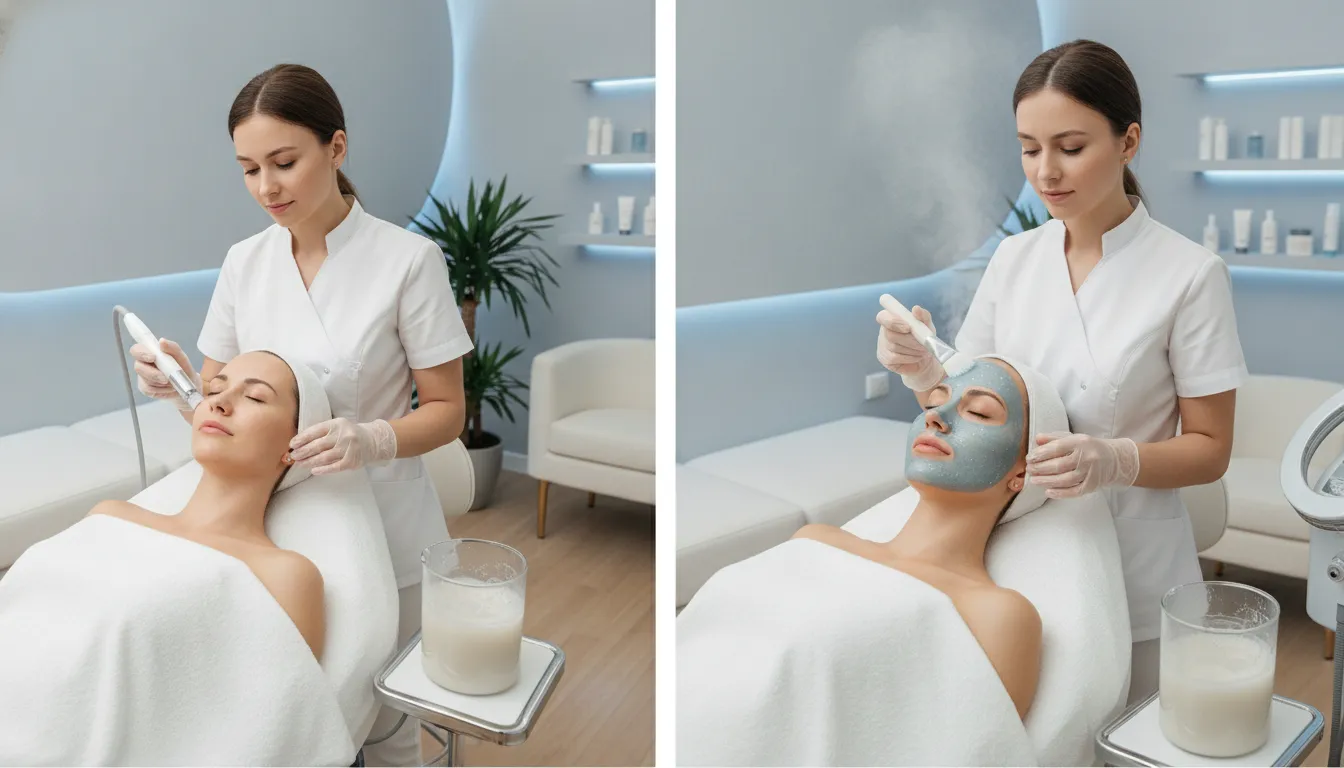
The HydraFacial process is a carefully orchestrated routine that delivers consistent, impressive results. It’s all done with a wand-like handpiece that performs each step with precision.
- Cleanse & Exfoliate: First, your technician gently removes dead skin cells and surface debris. This step uncovers a fresh layer of skin, creating a smooth canvas for the rest of the treatment.
- Gentle Peel: Next, a mild solution of glycolic and salicylic acids is applied. This isn’t a traditional chemical peel that causes flaking; it’s a gentle formula that loosens dirt and debris from your pores without irritation.
- Extract: This is the deeply satisfying part. The device uses painless vortex suction to clean out your pores, removing blackheads and other impurities.
- Hydrate & Fuse: Finally, your skin is saturated with a custom blend of antioxidants, peptides, and hyaluronic acid. This step nourishes and protects your skin, giving you that signature HydraFacial glow.
What Skin Concerns It Addresses
One of the best things about a HydraFacial is its versatility. It’s suitable for nearly all skin types, even sensitive skin that might react poorly to harsher treatments. It’s an excellent choice if you’re looking to address common concerns like dullness, dryness, or an uneven skin tone. The extraction step works wonders on clogged pores and can help manage minor breakouts, while the hydrating serums plump the skin to reduce the appearance of fine lines.
Because it’s so gentle, a HydraFacial is the perfect treatment to get before a big event for a quick glow-up. It’s also a fantastic option for regular skin maintenance to keep your complexion looking its best. By exploring all the available services, you can build a comprehensive plan to meet your skin goals.
What Is a Chemical Peel?
If you’re looking for a treatment that can create more significant changes in your skin’s texture and tone, a chemical peel might be the answer. Unlike a HydraFacial, which focuses on gentle cleansing and hydration, a chemical peel uses a specialized acidic solution to remove the outer, damaged layers of skin. This process encourages your body to generate new, healthier skin cells, resulting in a smoother and more radiant complexion. It’s a classic and effective method for total skin rejuvenation that has been trusted for years to deliver visible results.
How a Chemical Peel Works
Think of a chemical peel as a powerful reset for your skin. During the treatment, a trained technician carefully applies a chemical solution to your face. This solution works to exfoliate the top layers of skin, peeling away damage and dead cells. The great thing about peels is they aren’t one-size-fits-all. The type and strength of the acid can be adjusted to control the peel’s depth, allowing your provider to create a personalized plan that directly targets your specific skin concerns. This customization is key to achieving the best possible outcome.
Light, Medium, and Deep Peels Explained
Chemical peels come in different strengths, and the right one for you depends on your goals and how much downtime you’re comfortable with. Here’s a simple breakdown:
- Light Peels: The gentlest option, using mild acids. They work on the surface layer to give you a brighter, refreshed look with little to no downtime, making them a great choice for a quick pick-me-up.
- Medium Peels: Going a bit deeper, these peels use acids like TCA to address fine lines, sun damage, and uneven skin tone. You can expect a few days of recovery as the old skin peels away.
- Deep Peels: The most intensive option, designed for significant concerns like deep wrinkles or scars. They provide dramatic results but also require the longest recovery period.
What Skin Concerns It Addresses
A chemical peel is a versatile workhorse that can tackle a wide range of skin issues, especially those that lie deeper beneath the surface. It’s an excellent choice for improving acne scars, moderate wrinkles, and significant sun damage. Peels are also highly effective for correcting uneven skin texture and stubborn dark spots, including melasma. Beyond just removing damaged layers, the treatment stimulates your skin’s natural collagen production. This helps improve elasticity and firmness, contributing to overall skin tightening and a fuller, more youthful appearance.
HydraFacial vs. Chemical Peel: A Side-by-Side Look
When you’re looking for a treatment to refresh your skin, it’s easy to get lost in the options. HydraFacial and chemical peels are two of the most popular choices for achieving a brighter, smoother complexion, but they work in very different ways. Think of it as choosing between a deep-cleaning power wash and a strategic resurfacing project. Both lead to beautiful results, but the process, recovery, and outcomes vary. Let’s break down the key differences so you can get a clearer picture of which path might be right for you.
Treatment Method and Technique
The biggest difference between a HydraFacial and a chemical peel is the “how.” A HydraFacial uses a special wand with patented vortex-fusion technology. It’s a multi-step process that feels like a mini, gentle vacuum for your face. The device cleanses, exfoliates, extracts impurities from your pores, and then infuses your skin with hydrating serums, all in one session.
A chemical peel, on the other hand, involves applying a tailored chemical solution to your skin. This solution works to dissolve the bonds holding dead skin cells together, causing the outermost layers to shed. This process encourages new, healthier skin to come to the surface. The type and strength of the chemical solution are chosen based on your specific skin rejuvenation goals.
Downtime and Recovery
Your schedule can be a major factor when choosing a skin treatment. With a HydraFacial, there is absolutely no downtime. You can walk out of your appointment with an immediate, noticeable glow and go right back to your daily activities, even applying makeup that same day. It’s a perfect “lunchtime” treatment or a great way to prep for a special event.
Chemical peels require a bit more planning. After a peel, your skin needs time to heal and regenerate. For a light peel, you might experience a few days of redness and light flaking, similar to a mild sunburn. Medium or deep peels involve a more significant recovery period, with more intense peeling and redness that can last for a week or more.
Results and How Long They Last
Both treatments will leave your skin looking better, but the results they deliver are different. A HydraFacial provides an instant boost in hydration and radiance. Your skin will feel cleaner, smoother, and plumper right away. These results are fantastic for maintaining skin health and getting a temporary glow, typically lasting about a week or so.
Chemical peels offer more transformative and longer-lasting results, especially for deeper skin concerns. Because they remove outer layers of damaged skin, they are more effective at reducing the appearance of fine lines, acne scars, and significant hyperpigmentation. The results develop as your skin heals and can last for several months, making them a powerful tool for long-term skin tightening and resurfacing.
Comparing the Costs
When thinking about cost, it’s helpful to consider both the price per session and the frequency of treatment. A single HydraFacial session may have a higher price tag than a light chemical peel. However, because the results are more immediate and less intensive, many people get HydraFacials more frequently, like once a month, to maintain their glow.
Chemical peels can vary widely in price depending on their strength. While a deep peel is a more significant upfront investment, you’ll need them far less often than a HydraFacial. To make treatments more accessible, many people find that a LightRx membership helps manage the cost over time. A free consultation is the best way to get precise pricing for a plan tailored to you.
The Benefits of Each Treatment
Deciding between a HydraFacial and a chemical peel really comes down to your specific skin goals and how much downtime you’re comfortable with. Both are fantastic options for improving your skin, but they work in very different ways and deliver different benefits. Let’s break down why you might choose one over the other to help you find your perfect match.
Why Choose a HydraFacial?
Think of a HydraFacial as your skin’s ultimate refresh button. It’s an incredibly gentle, suction-based treatment that cleanses, hydrates, and leaves you with an instant glow. Because there’s zero downtime, it’s the perfect choice for regular skin maintenance or a quick pick-me-up before a big event. This treatment is a go-to for tackling dullness, dry patches, clogged pores, and even early signs of aging. Since it’s suitable for most skin types, including sensitive skin, it’s a reliable way to achieve healthier, more radiant skin without the recovery period.
Why Choose a Chemical Peel?
If you’re dealing with more stubborn skin concerns, a chemical peel might be your answer. This is a more intensive treatment that uses a specialized acid solution to exfoliate deeper layers of skin. It’s highly effective for addressing issues like significant sun damage, acne scars, deep-set wrinkles, and persistent hyperpigmentation. While you can expect some redness and peeling for a few days afterward, the payoff is beautifully refined skin texture and a more even complexion once it heals. It’s a powerful option for anyone seeking more dramatic skin rejuvenation and lasting results.
Potential Side Effects and Aftercare
Understanding what happens after your treatment is just as important as the procedure itself. The recovery process and aftercare for HydraFacials and chemical peels are quite different, so let’s walk through what you can expect from each. Knowing this ahead of time helps you plan your schedule and care for your skin properly to get the best possible results.
HydraFacial: What to Expect
One of the biggest draws of a HydraFacial is that there’s virtually no downtime. The treatment is known for being gentle and soothing. During the session, a special device cleanses, exfoliates, and infuses your skin with moisture. Most people find it to be a relaxing, painless experience without any stinging. You can walk out of your appointment and get right back to your day, no recovery time needed. Your skin will likely look dewy and feel incredibly smooth immediately afterward, making it a great option before a special event.
Chemical Peel: What to Expect
A chemical peel is a more intensive treatment, so you should plan for some recovery. After a peel, it’s common to experience some redness, dryness, and flaking for a short period. The extent of these effects depends on the peel’s strength. A light peel might only cause mild redness that fades quickly, while a medium peel can lead to more noticeable peeling for about five to seven days as the damaged outer layers of skin are shed. This is a normal part of the skin rejuvenation process that reveals the healthier skin underneath.
How to Care for Your Skin Post-Treatment
Proper aftercare is essential for healing and achieving beautiful results. For a chemical peel, this is especially critical. You’ll need to be diligent about protecting your skin from the sun for a few weeks, so a good broad-spectrum SPF is your new best friend. It’s also important to use only gentle products and follow the specific care instructions your technician provides. After a HydraFacial, the rules are much simpler. While you can resume your normal activities, continuing with a solid skincare routine and sun protection will help maintain your glowing results for longer.
Is a HydraFacial or Chemical Peel Right for You?
Deciding between a HydraFacial and a chemical peel comes down to your unique skin, your goals, and your lifestyle. Both are fantastic options for skin rejuvenation, but they work differently and target different concerns. Think of it like choosing a workout: some days you need a gentle yoga session, and other days you’re ready for a high-intensity class. Let’s figure out which treatment aligns with what your skin needs right now.
Who’s a Good Candidate for a HydraFacial?
If you’re looking for a gentle refresh with no downtime, a HydraFacial is likely your perfect match. It’s suitable for nearly all skin types, even sensitive skin that can react to harsher treatments. A HydraFacial is an excellent choice if your main concerns are dullness, dryness, clogged pores, or minor breakouts. It works to deeply cleanse, exfoliate, and hydrate your skin, leaving you with an immediate, healthy glow. This makes it a go-to treatment for regular skin maintenance or for getting your skin looking its best right before a big event. It’s a simple way to achieve overall skin rejuvenation and keep your complexion bright and clear.
Who’s a Good Candidate for a Chemical Peel?
A chemical peel might be the right path for you if you’re dealing with more specific and stubborn skin issues and your skin isn’t overly sensitive. This treatment is more intensive and provides more dramatic results for concerns like moderate wrinkles, significant sun damage, acne scars, and persistent dark spots (melasma). Because it works by removing the outer layers of skin, it effectively addresses uneven texture and promotes new, healthy cell growth. If you’re aiming for a significant change in your skin’s appearance and can accommodate a few days of recovery, a chemical peel offers powerful skin tightening and resurfacing benefits.
When to Reconsider or Postpone Treatment
Knowing when to press pause is just as important as choosing the right treatment. If your skin is feeling particularly dry or irritated, a gentle HydraFacial is a much safer bet than a chemical peel. On the other hand, a chemical peel should be postponed if you have certain skin conditions like active acne, rosacea, eczema, or a recent sunburn, as the peel could worsen them. The best way to know for sure is to talk with a professional. During a free consultation, a technician can assess your skin and help you create a safe and effective treatment plan tailored just for you.
Debunking Common Skin Treatment Myths
When you’re exploring new skin treatments, it’s easy to run into a lot of conflicting information. Friends, family, and the internet are full of opinions that can make it hard to know what’s true. Let’s clear up some of the confusion. I want to walk you through a few common myths about HydraFacials and chemical peels so you can feel more confident about what to expect and which treatment might be the right fit for your skin goals.
Myth: “A HydraFacial is just for hydration.”
This is probably one of the biggest misconceptions about HydraFacials. While they are fantastic for giving your skin a huge drink of moisture, their benefits go so much deeper. A HydraFacial is a multi-step treatment that cleanses, exfoliates, extracts, and hydrates. It’s a gentle, suction-based process that’s perfect for getting an instant glow and is great for sensitive skin. Beyond just hydration, it effectively addresses dullness, clogged pores, and even early signs of aging. The best part is that the treatment can be tailored with specific serums to target concerns like acne or dark spots, making it a versatile tool for overall skin rejuvenation.
Myth: “Chemical peels always mean serious downtime.”
The idea of a chemical peel can bring up images of red, peeling skin and hiding out for a week. While that can be true for very deep peels, it’s definitely not the case for all of them. The reality is that downtime varies a lot. Light peels, which are great for a quick refresh, might only cause some mild redness with no real downtime at all. Medium peels can result in some redness and peeling for about five to seven days. It’s the deep peels that require more significant recovery time. So, don’t let the fear of downtime keep you from exploring peels as an option for skin tightening and improving your overall skin texture.
Myth: “You’ll get the same results from either one.”
It’s easy to think that since both treatments make your skin look better, they must be interchangeable. But HydraFacials and chemical peels work in different ways to achieve different primary goals. A HydraFacial is your go-to for amazing hydration, clearing out blackheads, and providing gentle exfoliation for a radiant glow. On the other hand, chemical peels are generally more effective for addressing concerns like fine lines, deeper acne scars, and significant issues with skin texture. Think of it this way: one is for maintenance and glow, while the other is for more intensive correction. Understanding your specific goals will help you and your technician choose from the available services to get the results you want.
Can You Combine HydraFacials and Chemical Peels?
If you’re wondering whether you have to choose between these two amazing treatments, I have great news: you don’t. You can absolutely combine HydraFacials and chemical peels, and doing so can create even more impressive results. Think of them as a power couple for your skincare routine. Using both treatments together, as part of a strategic plan, allows you to address multiple concerns at once.
Here’s how it typically works: A HydraFacial is often used to prepare your skin for a chemical peel. By thoroughly cleansing, exfoliating, and hydrating the skin, the HydraFacial creates a perfect canvas. This preparation helps the chemical peel penetrate more evenly and effectively, leading to a better outcome. Your skin is healthier and more resilient going into the peel.
After your skin has healed from the chemical peel, incorporating regular HydraFacials into your routine is a brilliant way to maintain those beautiful results. A HydraFacial will help keep your skin deeply hydrated, clear away any lingering dead skin cells, and support overall skin health. This approach lets you use HydraFacials for consistent maintenance and hydration, while reserving chemical peels for more intensive correction of issues like sun damage or stubborn texture.
The most important part of combining treatments is creating a schedule that’s right for your skin. This isn’t a one-size-fits-all approach. A professional consultation is essential to map out a personalized skin rejuvenation plan that aligns with your goals and ensures the timing between treatments is safe and effective.
How to Choose the Right Treatment for You
Deciding between two great treatments can be tough, but it really comes down to you: your skin, your schedule, and what you hope to achieve. Thinking through a few key areas will help you find the treatment that aligns perfectly with your goals, ensuring you walk away happy with your results. Let’s break down how to make the right call for your skin.
Match the Treatment to Your Skin Concern
First, think about your main skin concern. If you’re looking for a deep clean, better hydration, and a solution for clogged pores or blackheads, a HydraFacial is an excellent choice. It’s gentle enough for sensitive skin and provides an instant refresh, making it ideal for general maintenance.
On the other hand, if you want to address more significant texture or pigmentation issues, a chemical peel might be the better route. Peels are fantastic for reducing the appearance of fine lines, acne scars, and stubborn dark spots. They work by removing the outer layers of skin to reveal smoother, more even-toned skin underneath. The right skin rejuvenation treatment is the one that directly targets what you see in the mirror.
Consider Your Lifestyle and Goals
Your schedule and social calendar play a big role in this decision. A major advantage of the HydraFacial is that there is absolutely no downtime. You can get a treatment on your lunch break and head back to your day with a visible glow, making it perfect before a wedding, vacation, or big presentation.
A chemical peel requires a little more planning. Depending on the strength of the peel, you can expect some redness, dryness, and peeling for about three to seven days. If your goal is to correct deeper skin issues and you can set aside some recovery time, the transformative results are well worth it. Considering your availability is key to a stress-free experience with any of our services.
Why a Professional Consultation Is Your Best First Step
Reading articles like this one is a great start, but nothing compares to personalized advice from a skin care professional. During a consultation, an expert can analyze your specific skin type and condition, discuss your aesthetic goals, and help you weigh the pros and cons of each treatment based on your life. They can see things you can’t and create a plan that truly works for you.
This step takes the guesswork out of the process and ensures you’re investing in a treatment that will deliver the results you’re looking for. We believe in a personalized approach, which is why we offer a free consultation to help you start your journey with confidence. It’s the best way to create a roadmap for your skin’s health and appearance.
Find Your Ideal Skin Rejuvenation Treatment at LightRx
Deciding between a HydraFacial and a chemical peel really comes down to your unique skin and what you hope to achieve. Think of a HydraFacial as your go-to for a gentle, hydrating refresh. It’s a fantastic choice if you have sensitive skin or want an instant glow for a special event, all with zero downtime. It works by cleansing, exfoliating, and infusing your skin with moisture, leaving it looking bright and feeling smooth right away.
On the other hand, a chemical peel is designed to work on a deeper level. By using a specialized chemical solution to exfoliate the outer layers of skin, it can more effectively address concerns like significant hyperpigmentation, acne scars, and fine lines. It’s a more intensive treatment aimed at revealing the healthier, more even-toned skin underneath. One isn’t better than the other; they simply have different strengths. In some cases, they can even be used in combination to produce incredible results over time.
The best way to know which path is right for you is to talk with an expert. At LightRx, we’re here to help you make that choice with confidence. During a professional consultation, we’ll sit down with you to assess your skin, listen to your goals, and create a personalized plan. Whether you’re a candidate for a HydraFacial, a chemical peel, or another one of our skin rejuvenation treatments, we’ll guide you toward the best solution for your needs. Your journey to radiant skin starts with a simple conversation, so let’s find the perfect treatment for you together.
Related Articles
- HydraFacial
- The Best Chemical Peel for Forehead Wrinkles
- Finding the Best Chemical Peel for Your Wrinkles
Frequently Asked Questions
Which treatment is better for managing acne? This really depends on the type of acne you’re dealing with. A HydraFacial is fantastic for managing mild, non-inflammatory acne caused by clogged pores and blackheads, as the gentle suction cleans out impurities without causing irritation. For more persistent acne or for addressing the scars left behind from previous breakouts, a chemical peel is often more effective. The peel’s exfoliating action helps to clear away dead skin cells and can reduce the appearance of post-inflammatory hyperpigmentation.
How often do I need to get these treatments to see results? For a HydraFacial, many people love to get one monthly to maintain that clean, hydrated glow and keep their pores clear. It’s a great part of a regular skincare routine. With chemical peels, the frequency depends on the peel’s strength and your goals. You might have a series of light peels spaced a few weeks apart to start, or you could get a medium peel just a few times a year for maintenance. We can create a specific schedule for you during a consultation.
Will a chemical peel be painful? It’s normal to be a little nervous about the sensation of a chemical peel. Most people describe feeling a warm or tingling sensation on their skin while the solution is applied, which usually subsides after a few minutes. It’s generally not described as painful, but you will feel it working. Your technician will be with you the entire time to ensure you are comfortable. A HydraFacial, in contrast, is very gentle and often described as feeling like a cool paintbrush on the skin.
I’m focused on anti-aging. Should I choose a HydraFacial or a chemical peel? Both treatments offer anti-aging benefits, but they work in different ways. A HydraFacial is great for plumping up the skin with hydration, which can temporarily soften the look of fine lines and give you a youthful glow. For more significant, long-term improvement in the appearance of wrinkles and for stimulating collagen production, a chemical peel is the more powerful choice. It actively resurfaces the skin to create a smoother, tighter appearance.
Can I get a HydraFacial or a chemical peel if I have sensitive skin? If you have sensitive skin, a HydraFacial is generally a very safe and wonderful option since it’s known for being gentle and non-irritating. A chemical peel can be a bit trickier for sensitive skin, but that doesn’t mean it’s completely off the table. A very light peel might be appropriate, but it’s crucial to have a professional assess your skin first. This is exactly why a consultation is so important, as it ensures we choose a treatment that will help, not harm, your skin.