
Body Contouring vs. Weight Loss: What to Know
Let’s be honest. You can be dedicated to your health, hitting the gym and eating well, but still feel frustrated by certain areas of your body. Those stubborn pockets of fat on your thighs, arms, or stomach that just don’t seem to respond to your hard work can be discouraging. This is where the conversation shifts from overall weight loss to targeted shaping. It’s not about changing the number on the scale; it’s about refining your silhouette. This is precisely what body contouring is designed for. In this guide, we’ll explain the different types of treatments, who makes a great candidate, and what you can realistically expect from the process.
Okay, real talk. “body contouring” and “weight loss” are two terms that get tossed around like they are the same thing. True, they can both make you feel better in your own skin as well as improve how you look and feel, but they work in very different ways. If you’ve ever wondered whether you should focus on trying body contouring treatments instead of losing weight, you aren’t alone. Understanding the difference between the two is the first step toward setting realistic goals so you can feel more in control of your results. Let’s break it all down.
Is Weight Loss the Same as Body Contouring?
Weight loss often makes us think about seeing smaller numbers on the scale. For some, that comes from simple lifestyle changes — eating better, exercising or drinking less. Others are also using medical options like GLP-1 medications, which can help control appetite and support long-term results. The difference with this route, though, is that it affects the entire body, so you lose fat and you lose water weight. That is why sometimes when you finally hit that goal weight you have been waiting for, your body might not appear how you had expected. Think of it like this: weight loss changes the size of your body, but that size change might not reflect the shape you were actually looking for. You could still have love handles, back of the arm fat, thighs, and buttocks that don’t seem to budge despite your loss in pounds. This is where body contouring can help.
How Body Contouring Targets Stubborn Fat
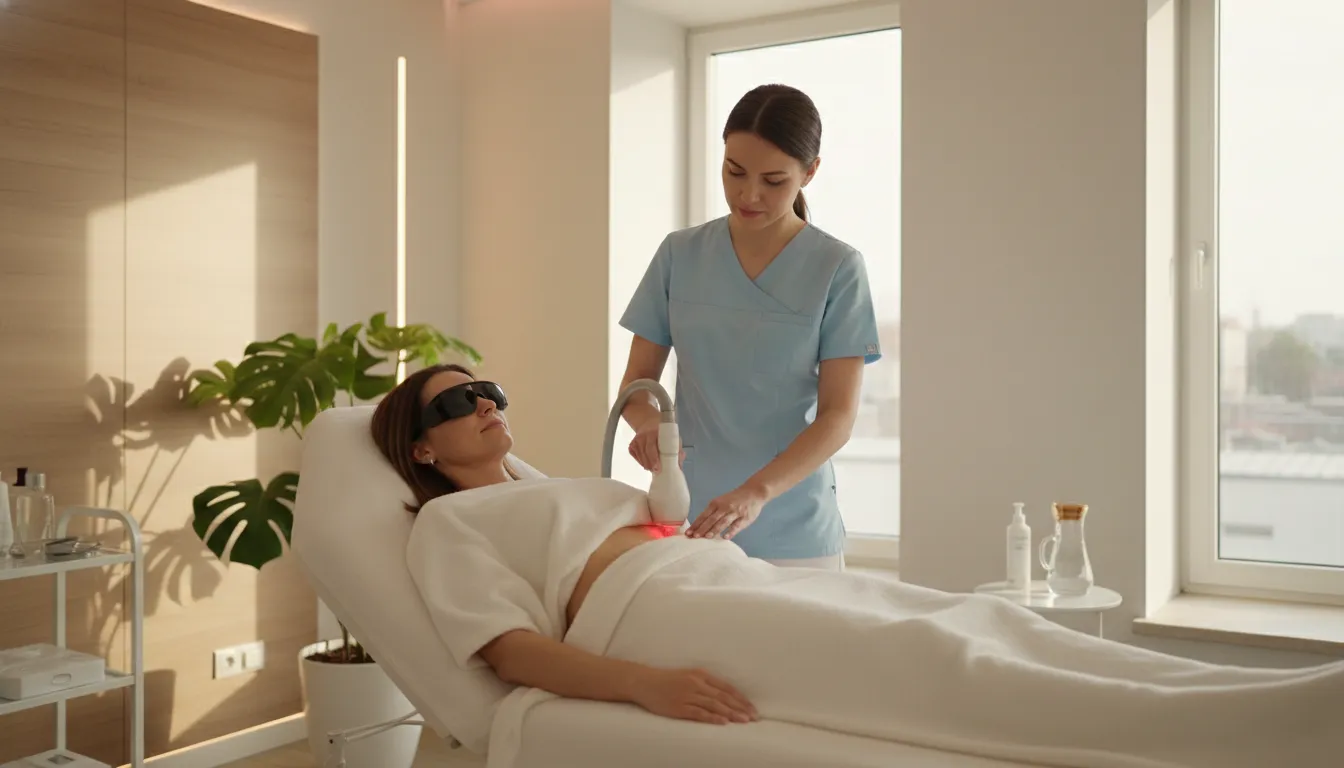
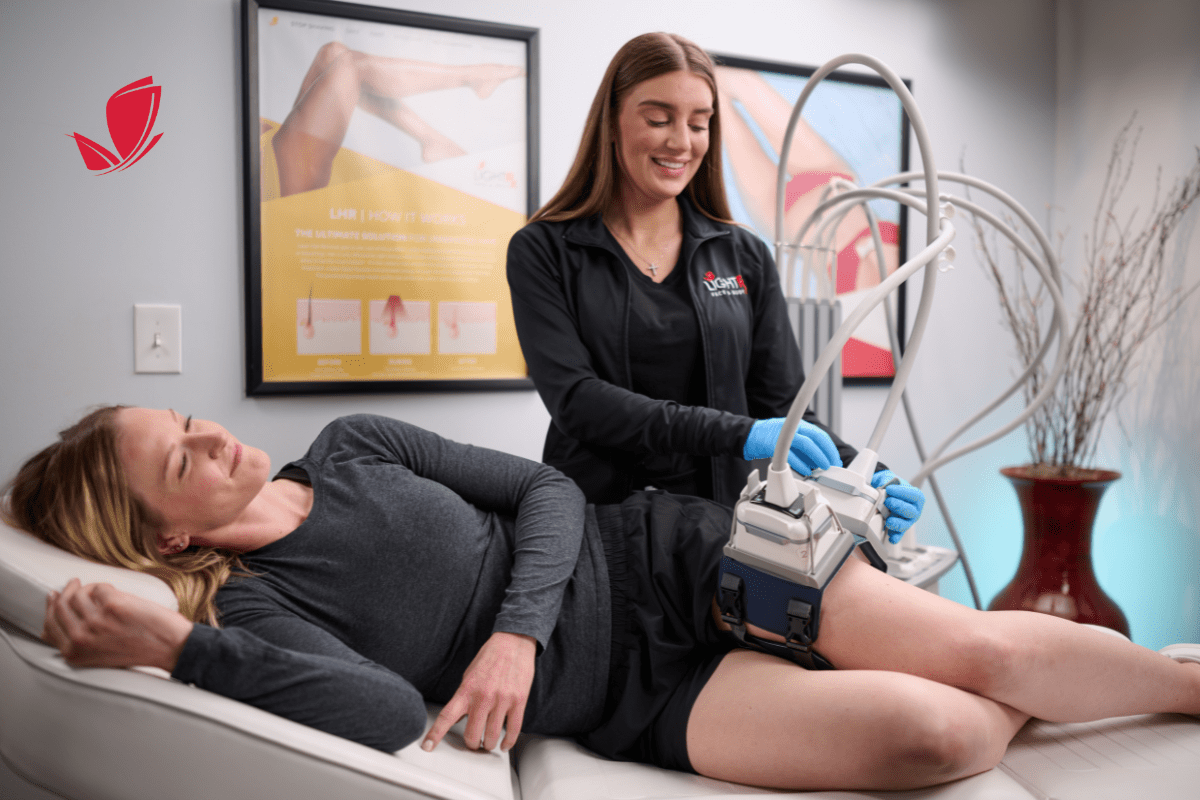
Body contouring focuses on reshaping and refining specific areas of the body to create a more sculpted look as opposed to shedding pounds. At LightRx, our Venus Bliss technology helps target stubborn fat that hasn’t gone away with diet and exercise alone. The treatment uses gentle heat to break down fat cells under the skin, helping your body naturally remove them over time. Over time, the body will naturally flush out those damaged fat cells and will result in a much slimmer and smoother contour. What makes Venus Bliss so popular is that it is also highly customizable and can be tailored to focus exactly where you need it most. And it doesn’t have any downtime. Sessions are easy and convenient and typically take about 45 minutes. Another benefit is that body contouring can tighten and smooth the skin in those treated areas, which we all know traditional weight loss alone just can’t do. So, if you want your body reshaped, body contouring is the answer.
Types of Body Contouring Procedures
When you start looking into body contouring, you’ll find there are two main paths you can take: non-surgical and surgical. Non-surgical treatments have become incredibly popular because they can reshape areas of your body without the need for incisions or a long recovery. The U.S. Food and Drug Administration (FDA) explains that these technologies work to change the shape of a body area without surgery. At LightRx, we specialize in these kinds of non-invasive treatments because they offer a great way to target specific concerns with minimal disruption to your life. Surgical options, on the other hand, are more invasive and are typically reserved for more dramatic changes, like removing large amounts of excess skin.
Non-Surgical Options
Non-surgical body contouring is all about using advanced technology to reduce fat and sculpt your shape from the outside in. These treatments are designed to be convenient, often called “lunchtime procedures” because you can typically get back to your day right after. They work by targeting and destroying fat cells, which your body then naturally eliminates over time. From heat and cold to sound waves and injections, there’s a variety of methods available, each suited for different goals and areas of the body.
Heat-Based Treatments (Laser and Radiofrequency)
Heat-based treatments use controlled thermal energy to target and eliminate fat cells beneath the skin. Technologies like laser and radiofrequency (RF) gently heat the fat cells to a temperature that causes them to break down, without harming the surrounding skin and tissue. Your body’s lymphatic system then naturally flushes out these damaged cells over the following weeks and months. This is the technology behind treatments like laser lipo, which is fantastic for reducing stubborn fat pockets. Many of these treatments also provide a skin tightening benefit, as the heat can stimulate collagen production for a smoother, more toned appearance.
Fat-Freezing (Cryolipolysis)
You’ve probably heard of fat-freezing, a popular method known by brand names like CoolSculpting. This technique, called cryolipolysis, does the opposite of heat treatments. According to Healthline, it uses extremely cold temperatures to freeze and destroy fat cells in a targeted area. Once the fat cells are frozen, they die off and are gradually eliminated by the body’s natural processes. It’s effective for treating visible fat bulges in areas like the abdomen, thighs, and under the chin. The procedure is non-invasive, and while you might feel intense cold and pressure initially, the area usually becomes numb during the session.
Injectable Treatments (Injection Lipolysis)
For smaller, more concentrated areas of fat, injectable treatments can be a great option. The most well-known example is Kybella, which is FDA-approved to reduce fat under the chin (the “double chin”). This method involves injecting a synthetic form of deoxycholic acid, a substance your body naturally uses to absorb fats, directly into the treatment area. This acid destroys the fat cells, and your body clears them away over the next few weeks. It’s a targeted approach that’s best suited for minimal fat deposits that don’t require broader contouring.
Ultrasound and Red Light Therapy
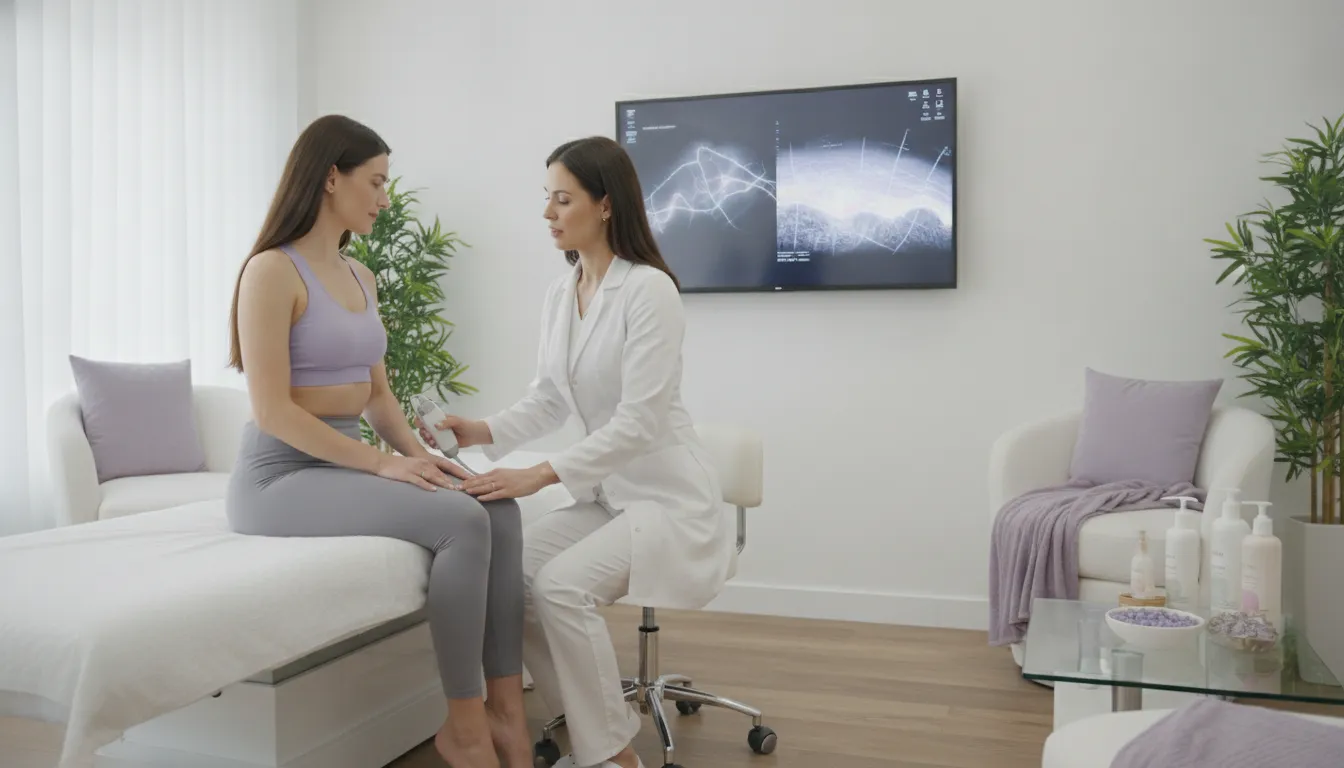
Other non-invasive technologies use different forms of energy to achieve similar results. Ultrasound fat reduction, for instance, uses highly focused sonic waves to break down the walls of fat cells, causing them to release their contents to be processed by the body. The American Board of Cosmetic Surgery notes that this method is effective because it disrupts fat cells without harming nearby nerves or tissues. Red light therapy is another gentle approach that is thought to cause fat cells to release their contents, which are then naturally eliminated. These technologies offer more choices for people seeking non-invasive body contouring solutions.
Surgical Options
Surgical body contouring includes procedures that are more invasive but can produce more significant and immediate results. These options are often considered by individuals who have undergone massive weight loss and are left with a lot of loose, sagging skin, or those who want to remove larger volumes of fat than what non-surgical methods can address. These procedures require anesthesia, incisions, and a significant recovery period, but they remain a powerful option for transformative changes.
Liposuction
Liposuction is a surgical procedure designed to remove localized fat deposits that don’t respond to diet and exercise. According to Duke Health, it’s a minimally invasive surgery where a surgeon uses a thin tube called a cannula to suction fat from specific areas like the abdomen, hips, thighs, or arms. While it’s very effective at removing fat, it’s important to remember that liposuction is not a weight-loss tool or a solution for cellulite. It’s purely for contouring and shaping the body by removing stubborn pockets of fat.
Tummy Tucks and Body Lifts
For individuals with significant amounts of loose skin, often after major weight loss or pregnancy, procedures like tummy tucks (abdominoplasty) and body lifts are more suitable. The American Society of Plastic Surgeons explains that these surgeries involve removing excess sagging skin and fat to create a smoother, more toned contour. A tummy tuck focuses on the abdominal area, while a body lift can address the midsection, buttocks, and thighs. These are major surgeries that require substantial downtime but can deliver life-changing results for the right candidate.
Who is a Good Candidate for Body Contouring?
Figuring out if body contouring is the right move for you is a crucial first step. These treatments aren’t a one-size-fits-all solution, and the best results come when they’re matched with the right person and the right expectations. The ideal candidate is someone who is already leading a healthy lifestyle but is struggling with specific areas of their body that just won’t budge. It’s less about changing the number on the scale and more about refining the shape you already have. A great way to know for sure is to schedule a free consultation with a professional who can assess your goals and help you understand what’s realistically achievable.
Ideal Candidates
The best candidates for body contouring are generally people who are at or near their ideal body weight but have stubborn pockets of fat that are resistant to diet and exercise. The Cleveland Clinic notes that individuals who have achieved a stable weight are often great candidates. This also includes those dealing with skin laxity after pregnancy or weight loss who are looking for a bit of tightening. It’s also important that you’re in good overall health and have realistic expectations about the outcome. You should see body contouring as a finishing touch to your healthy habits, not a replacement for them.
Who Should Avoid These Treatments (Contraindications)
Body contouring isn’t for everyone, and it’s important to be honest about whether it’s the right fit. These treatments are not designed for significant weight loss. If your primary goal is to lose a large amount of weight, body contouring isn’t the answer. The American Board of Cosmetic Surgery emphasizes that having realistic expectations is key. Additionally, individuals with certain medical conditions, such as cryoglobulinemia (for fat-freezing) or those who are pregnant or breastfeeding, should avoid these procedures. A thorough consultation will cover your medical history to ensure the treatment is safe for you.
Understanding the Risks and Side Effects
Just like any cosmetic procedure, body contouring comes with potential risks and side effects, even the non-surgical options. The good news is that for non-invasive treatments, the side effects are typically minor and temporary. Being informed about what to expect helps you make a confident decision and prepare for the post-treatment experience. Reputable providers will always walk you through the potential risks, no matter how small, to ensure you feel completely comfortable. Transparency is key, and knowing the possibilities ahead of time means there are no surprises along the way.
Common Side Effects of Non-Surgical Treatments
For non-surgical body contouring, the most common side effects are mild and resolve on their own. According to the FDA, you might experience some temporary pain, redness, swelling, or bruising in the treated area. Some people also report feeling small, firm lumps under the skin, known as nodules. These effects are a normal part of the body’s response to the treatment and usually disappear within a few days to a couple of weeks. Most people find these side effects manageable and are able to return to their daily activities immediately.
Potential Risks and FDA Warnings
While serious complications from non-surgical body contouring are rare, they can happen. The FDA has issued warnings about a condition called Paradoxical Adipose Hyperplasia (PAH), which is a potential risk associated with fat-freezing treatments. In this rare instance, the fat tissue in the treated area grows larger instead of shrinking. PAH is not dangerous, but it is a cosmetic issue that requires surgery, like liposuction, to correct. This is why choosing a provider who uses clinically proven, FDA-cleared technology and has extensive training is so important for your safety and results.
Risks Associated with Surgical Procedures
Surgical options like liposuction and tummy tucks carry more significant risks, as is the case with any surgery. The Cleveland Clinic lists potential complications such as bleeding, infection, adverse reactions to anesthesia, nerve damage, and scarring. There’s also the risk that you may not be satisfied with the cosmetic outcome, which could require additional surgery. These procedures demand a skilled and experienced surgeon and a thorough pre-operative evaluation to minimize the risks involved.
What to Expect: The Body Contouring Process
Knowing what the entire process looks like from start to finish can help ease any nerves and set you up for success. The body contouring journey is more than just the treatment itself; it starts with a detailed consultation and continues with post-treatment care to ensure you get the best possible results. Whether you choose a non-surgical or surgical route, the process is designed to be collaborative, with your goals and safety as the top priorities. Understanding each step helps you feel more in control and confident in your decision.
Preparing for Your Treatment
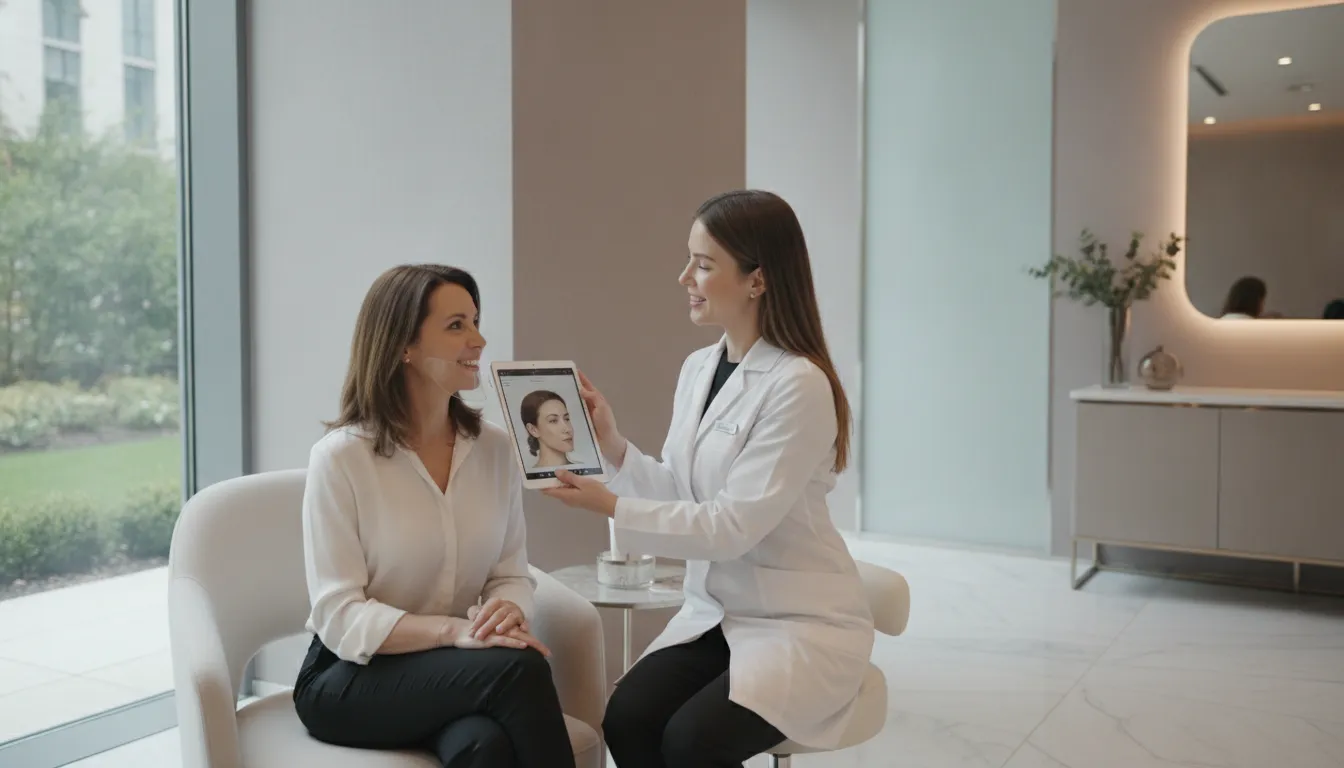
Your journey will always begin with a consultation. This is your opportunity to discuss your goals, ask questions, and create a personalized treatment plan. A qualified provider will review your health history and medications to ensure you’re a good candidate. At LightRx, this initial free consultation is where we map out your entire plan, from which technology is best for you to how many sessions you’ll likely need. This conversation is fundamental to aligning your expectations with what the treatments can realistically achieve, ensuring you’re happy with the final outcome.
Recovery and Aftercare
Recovery varies dramatically between non-surgical and surgical options. For non-invasive treatments like the ones we offer at LightRx, there is typically no downtime. You can walk out of your appointment and go right back to your normal routine. For surgical procedures, however, recovery is a much longer process. The Cleveland Clinic notes that recovery can take weeks to months, depending on the extent of the surgery. This often involves wearing compression garments, managing drains, and limiting physical activity until you are fully healed.
Managing Expectations: Results and Maintenance
One of the most important parts of any body contouring journey is having a clear and realistic understanding of the results and what it takes to maintain them. These treatments can create amazing changes, but they aren’t magic. The results appear gradually, and keeping your new shape requires a commitment to a healthy lifestyle. Think of body contouring as a partner in your wellness journey—it gives you a fantastic head start, but the long-term success is in your hands.
How Long Does It Take to See Results?
Patience is key when it comes to seeing your final results from non-surgical body contouring. Unlike surgery, the changes aren’t immediate. After the treatment destroys the fat cells, your body needs time to naturally process and eliminate them. Most people start to see noticeable changes within a few weeks, but the full results can take two to three months to become visible. This gradual onset can be a plus for many, as the change appears more natural over time.
How Many Sessions Will I Need?
For most non-surgical body contouring procedures, a series of treatments is needed to achieve the desired outcome. According to Healthline, most people require several sessions to see significant results. The exact number of sessions depends on your individual goals, the area being treated, and the specific technology being used. During your consultation, your provider will create a customized treatment plan that outlines the recommended number of sessions to help you reach your target look.
LightRx also offers a Treat2Complete plan, a customized 12-week option that combines two or more technologies.
Maintaining Your New Shape
Once you’ve achieved your desired results, the goal is to maintain them. The fat cells that are destroyed during treatment are gone for good, but the remaining fat cells in your body can still expand if you gain weight. The American Board of Cosmetic Surgery stresses that maintaining a stable weight and a healthy lifestyle is crucial for preserving your new contour. Continuing with a balanced diet and regular exercise will ensure your investment in yourself lasts for years to come.
Cost and Choosing a Qualified Provider
Finally, let’s talk about the practical side of things: the cost and, most importantly, how to choose the right person to perform your treatment. These two factors are closely linked, as quality and safety should always be your top priority over finding the cheapest option. Investing in a reputable provider who uses proven technology is an investment in your health and your results. Doing your homework upfront will save you a lot of potential stress and ensure you have a positive experience.
A Look at the Costs
The cost of body contouring can vary widely depending on the type of treatment, the size of the area being treated, your geographic location, and the number of sessions you need. Healthline reported that in 2016, the average cost of non-surgical fat reduction was around $1,681 per treatment, while surgical liposuction was about $3,200. Keep in mind these are just averages. Many clinics, including LightRx, offer memberships or package deals that can make treatments more affordable. It’s best to get a personalized quote during your consultation.
Why Provider Qualifications Matter
This might be the most important takeaway: who performs your treatment matters immensely. You should always seek out a provider with extensive training, experience, and a track record of safe, effective treatments. The American Board of Cosmetic Surgery recommends consulting with a board-certified cosmetic surgeon or a highly qualified technician working under their supervision. At LightRx, our technicians are rigorously trained, and we exclusively use FDA-cleared, clinically proven technologies to ensure you receive the highest standard of care for your body contouring treatments.
Choosing the Right Path for Your Body Goals
At the end of the day, the most important part is your confidence. It’s not about a number on a scale, but how you feel in your own skin. At LightRx, we believe that every body is unique, which is why we offer free, personalized consultations to help you find the best path for your goals. Ready to reach your beauty goals? Schedule your free consultation today.
Frequently Asked Questions
Is body contouring just a fancy term for weight loss? Not at all. Think of it this way: weight loss reduces your overall size, but you can’t choose where the fat comes off. Body contouring is about shaping and sculpting. It targets those specific, stubborn areas of fat that stick around even when you’re at a healthy weight, helping to refine your silhouette.
What does a non-surgical body contouring treatment actually feel like? It really depends on the specific technology used. For heat-based treatments, many people say it feels like a warm, deep-heating sensation, similar to a hot stone massage. The goal is for the procedure to be comfortable. You might experience some temporary warmth or redness in the area afterward, but most people can return to their daily activities immediately.
Are the results from body contouring permanent? The fat cells that are destroyed during the treatment are gone for good. Your body naturally processes and eliminates them. However, this doesn’t mean new fat cells can’t expand if you gain weight in the future. The best way to ensure your results last is to maintain a stable weight and continue your healthy diet and exercise habits.
How do I know if I’m a good candidate for these treatments? The best candidates are typically people who are at or near their ideal weight but are bothered by localized pockets of fat that don’t respond to diet and exercise. It’s not a solution for significant weight loss. The only way to know for sure is to have a conversation with a professional who can evaluate your goals and help you create a realistic plan.
Why can’t I just get one treatment and be done? Non-surgical body contouring is a gradual process that works with your body’s natural systems. Each session treats a portion of the fat cells in the target area. To achieve a smooth, noticeable, and lasting result, a series of treatments is usually necessary. This approach allows for a more controlled and natural-looking outcome.
Key Takeaways
- Focus on Shape, Not Just Weight: Body contouring is for refining specific areas and sculpting your silhouette; it targets stubborn fat that diet and exercise can’t resolve, rather than focusing on overall weight loss.
- Non-Surgical Options are Convenient and Effective: Modern treatments like heat-based therapies can destroy fat cells and tighten skin in targeted areas without requiring a long recovery, letting you get back to your routine right away.
- Long-Term Success is a Partnership: Your best results will appear gradually over a few months, and maintaining your new contour is a team effort; while the treatment removes fat cells for good, a healthy lifestyle is key to preserving your investment.