
Got Botox Before I Knew I Was Pregnant? Here’s What to Do
Let’s talk about that moment of realization. You’re thrilled about your pregnancy, but a nagging thought surfaces about your recent medspa visit. Thinking, “I got Botox before I knew I was pregnant,” can cause unnecessary stress during what should be a joyful time. The good news is that the risk is considered extremely low. The botulinum toxin molecule is large and generally doesn’t cross the placental barrier. In this article, we’ll explore the science behind this, discuss the consensus among medical professionals, and provide actionable advice on what to do next, including safe skincare alternatives to keep you glowing throughout your pregnancy.
What is Botox?
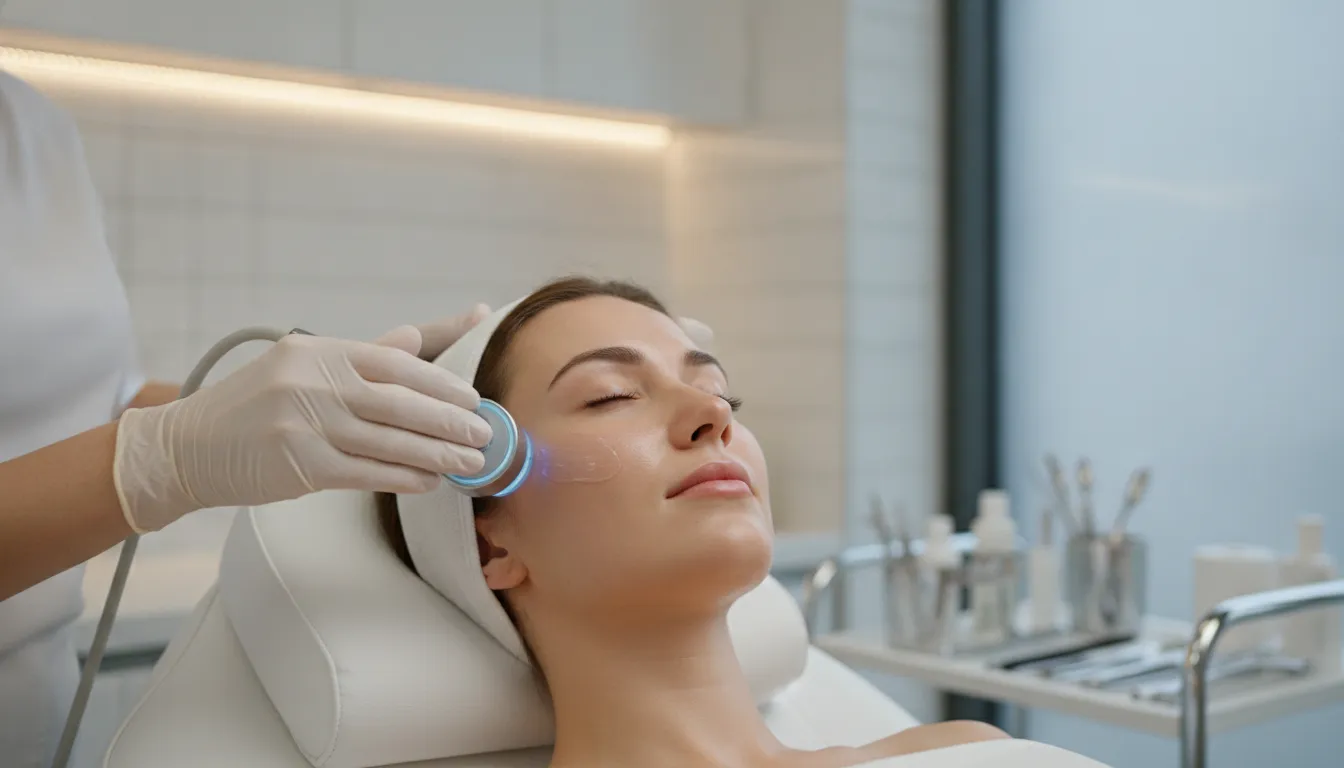
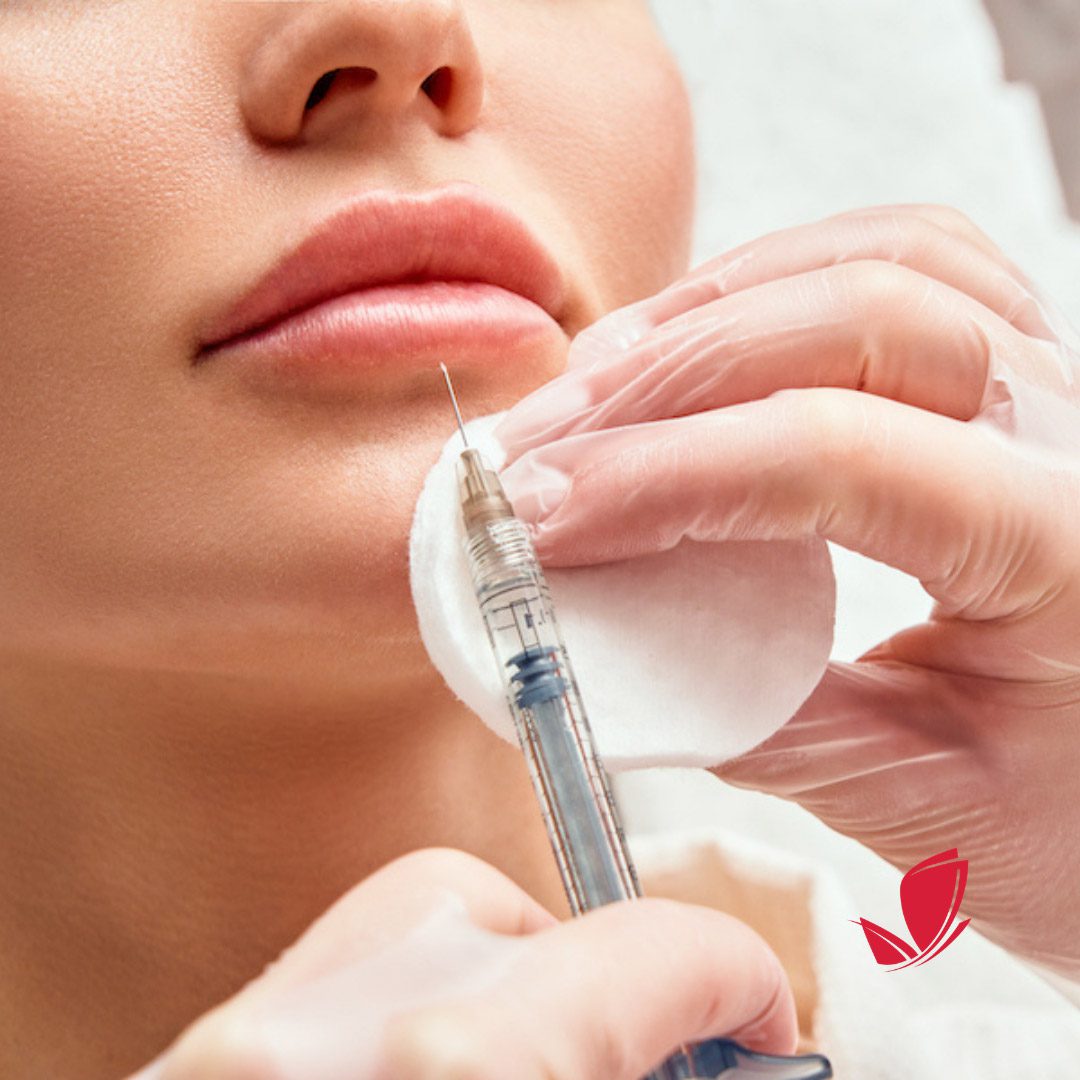
Botox is a drug that is administered through injection in order to treat skin wrinkles. It is technically a name brand for the toxin that is made by the bacterium Clostridium botulinum. The reason that Botox is so prevalent is because it was the first one developed. Botox works by blocking signals from the nerves to the muscles, which means the muscles can no longer contract. This relaxes the muscles, and consequently the skin that lays on top. The wrinkles in the area then relax and soften. This method works best for crow’s feet, forehead wrinkles, and frown lines. It cannot be used to fix wrinkles caused by gravity or sun damage. Botox also has other uses aside from wrinkles. Botox can be used to help patients with chronic migraines, overactive bladders, extreme armpit sweating, uncontrolled blinking and more.
So, How Long Will My Botox Results Last?
Botox shots last three to six months. Muscle activity will begin to resume, and the skin will begin to wrinkle after this occurs. A new round of shots will be needed to keep results. Some patients also may notice that the first-time procedure may be on the lower side of duration, whereas the following procedures may last longer. Though this is common, it is not always the case as results vary from patient to patient.
Budgeting for Botox: How Much Does It Cost?
Botox at LightRx can vary from session to session and patient to patient as everyone’s needs are different. The best way to know exactly what you will be paying is by contacting us by calling 877-721-4547 and scheduling a consultation in one of our offices. These consultations take as little as 30 minutes and are private one on one consultations with the clinic director.
How Many Units of Botox Will I Actually Need?
The number of units you will need will vary depending on what procedure you want done. For frown lines you might need anywhere from 15 to 25 units, crow’s feet usually require 5 to 15, forehead lines could be anywhere between 10 to 30, eyebrows only 2 to 5, upper lips 4 to 8, and a smile lift only 3 to 6. The exact amounts will differ from patient to patient. If you have larger or deeper wrinkles it will take more units of Botox to remedy the problem. 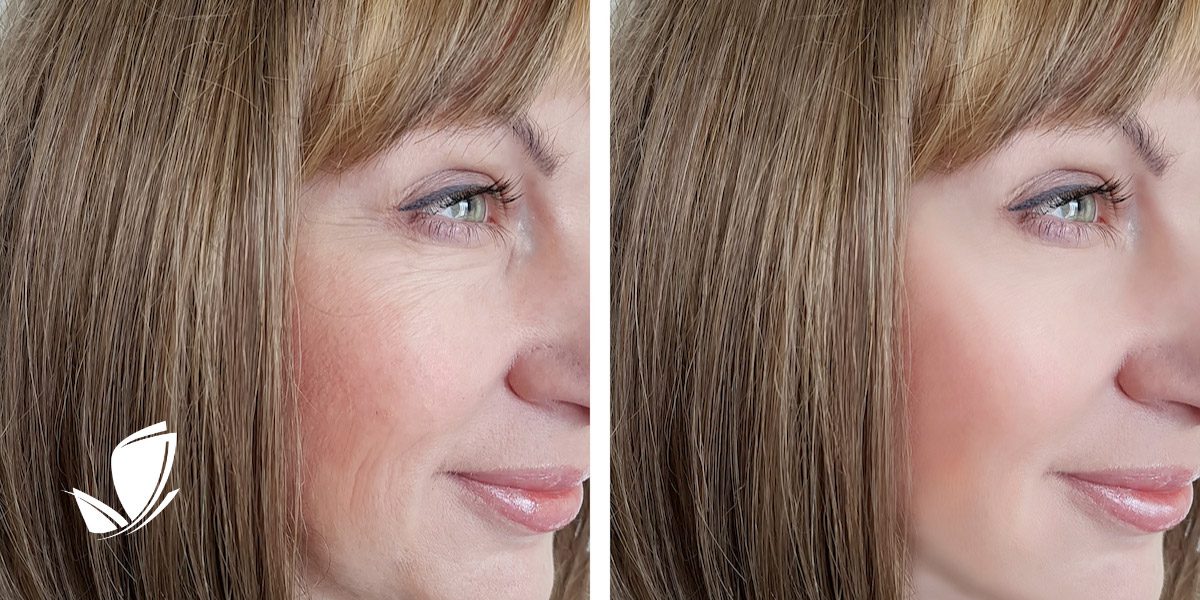
Protecting Your Results: What to Avoid After Botox
Primarily, following a Botox procedure you should avoid touching your face, or putting any pressure on it. If you touch your face within the first 24 hours you risk spreading the toxins to other parts of your face which could have adverse effects. Similarly, you should not sleep on the area that Botox has been injected as it may cause it to spread into unintended areas. You should also avoid other skin treatments such as facials, massages, exfoliating scrubs, or dermal fillers as there may be adverse reactions or spread the toxins. You should also avoid makeup for the first 24 hours as well as sun exposure for the first 4 hours. Do not exercise for the first 24 hours either. You should avoid drinking alcohol for 24 hours prior to your procedure. If you have any concerns consult your doctor and follow their recommended instructions.
Not Just Anywhere: Where to Safely Get Botox
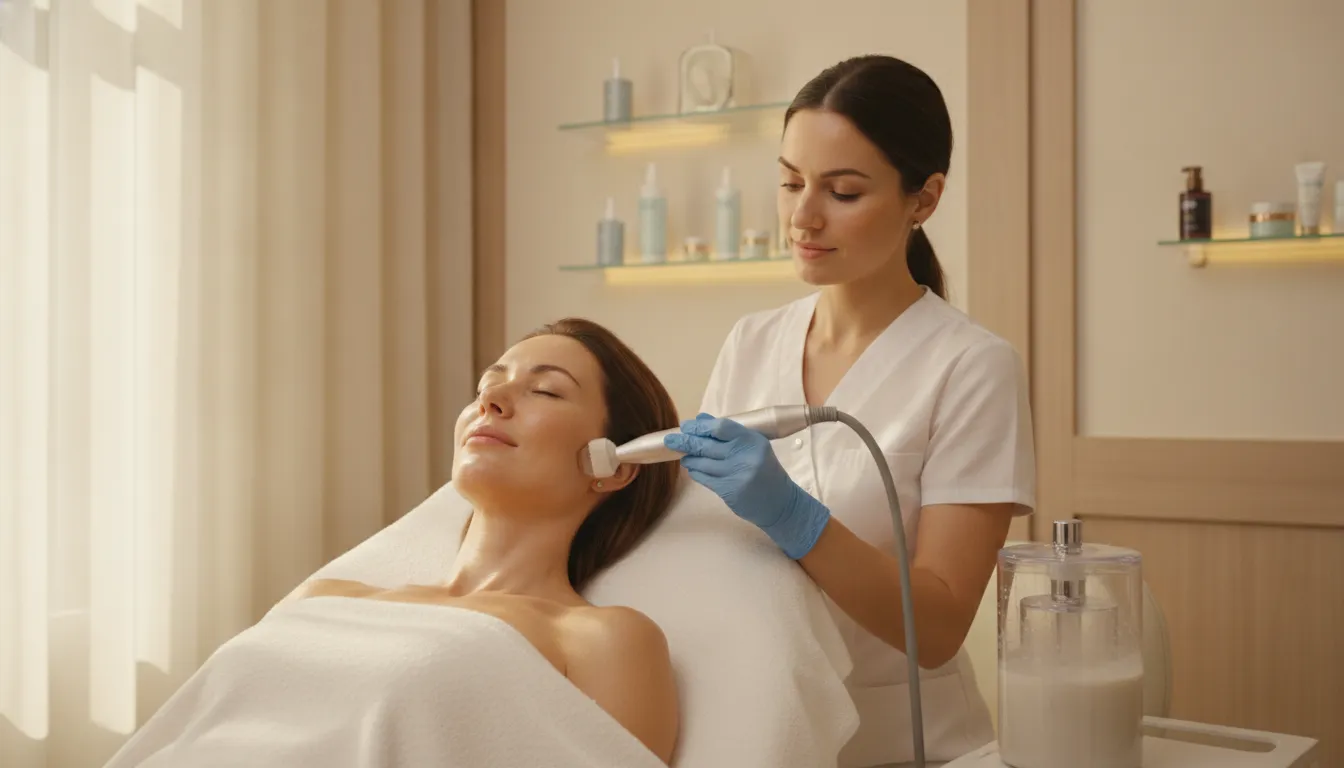
A medspa is a great place to have a Botox procedure done. Medspas, such as LightRx, have a dedicated staff specifically for procedures such as these. Although our services are varied, and not dedicated specifically to Botox, our staff is experienced and trained accordingly. Our staff can provide a safe, professional, and clean atmosphere focused on providing results and comfort.
What If I Got Botox Before I Knew I Was Pregnant?
Although Botox is a safe and federally approved drug you might want to err on the side of caution if you are pregnant or trying to become pregnant. It might be best to postpone your next injection if you are pregnant. Although the drug does enter the bloodstream there have been no studies that show that the drug causes miscarriages or birth defects. If you are being administered Botox for health reasons and not just for skin wrinkles, ask your doctor if you can continue your treatments while pregnant. If you are interested in Botox for any reason and want to know more call us at 877-721-4547 and schedule a free consultation at your local LightRx. These consultations take as little as 30 minutes and are private one on one consultations with the clinic director.
The Official Medical Stance on Botox During Pregnancy
When you’re expecting, you question everything you put in and on your body, and that includes cosmetic treatments. The official guidance on Botox during pregnancy is rooted in caution. Because there haven’t been comprehensive studies on the effects of cosmetic Botox in pregnant women, the medical community advises against it. It’s not that there’s confirmed evidence of harm, but rather a lack of evidence to prove it’s completely safe. For this reason, medical professionals, including our team at LightRx, prioritize the health of you and your baby by recommending you pause your treatments until after you’ve given birth and finished breastfeeding.
FDA Pregnancy Classification
The FDA has placed Botox in Pregnancy Category C. This classification means that while animal studies have suggested potential risks, there are no adequate and well-controlled studies in pregnant humans. In simple terms, we don’t have enough information to confirm its safety for your developing baby. The animal studies often use much higher doses than what’s used for cosmetic procedures, but without clear human data, the safest approach is to wait. This “better safe than sorry” stance is the standard across the medical aesthetics industry to ensure there are no avoidable risks.
Recommendations from Medical Organizations
Following the FDA’s lead, major medical organizations and aesthetic practitioners universally recommend that pregnant women avoid Botox injections. This advice is a protective measure. The primary goal is to eliminate any potential, however small, for the botulinum toxin to affect the fetus. While the amount of toxin used in a cosmetic treatment is minimal and typically stays localized, the lack of research means experts err on the side of absolute caution. This consensus helps create a clear and safe standard of care for expectant mothers everywhere.
What If I Got Botox Before I Knew I Was Pregnant?
Finding out you’re pregnant is exciting, but it can also bring a wave of worry, especially if you just had a cosmetic treatment. If you received Botox before you saw that positive pregnancy test, the first and most important thing to do is not to panic. This situation is more common than you might think. The amount of Botox used for cosmetic purposes, like smoothing forehead lines or crow’s feet, is very small and is absorbed locally by the muscles it targets. It is highly unlikely to circulate throughout your body and reach your baby.
First, Don’t Panic
Take a deep breath. The anxiety and stress you might feel are likely more of a concern than the treatment itself. The key is to move forward with your new knowledge. The best next step is to inform your OB-GYN and the practitioner who administered the Botox. They can offer reassurance and professional guidance based on your specific situation. From this point on, you’ll simply postpone any further injections until after your pregnancy and breastfeeding journey is complete, ensuring total peace of mind for the months ahead.
Why the Risk Is Considered Low
The risk is considered extremely low because the botulinum toxin molecule is large and generally doesn’t cross the placental barrier. Furthermore, the dosage for cosmetic treatments is minimal and designed to act only on the specific muscles injected. The available data, though limited, has not shown a direct link between cosmetic Botox injections early in pregnancy and adverse outcomes. Your focus should be on open communication with your healthcare provider and enjoying a healthy, happy pregnancy, knowing the chances of any issue are incredibly slim.
Planning for Pregnancy and Beyond
If you’re thinking about starting a family, it’s a great idea to factor your aesthetic treatments into your planning. Just as you might start taking prenatal vitamins, you can also adjust your Botox schedule. Many doctors and aesthetic experts suggest pausing your treatments once you begin actively trying to conceive. This proactive approach helps you avoid the “what if” scenario of getting an injection right before you find out you’re pregnant. It’s a simple step that can provide significant peace of mind as you embark on this exciting new chapter in your life.
Botox While Trying to Conceive
Putting a temporary hold on your Botox appointments while trying to conceive is the most cautious route. Since it can take a few weeks to confirm a pregnancy, this ensures there’s no overlap between your last treatment and the earliest stages of fetal development. Think of it as creating a clean slate. This decision isn’t based on known dangers but on the principle of avoiding any and all potential risks. It allows you to focus completely on your health and well-being without any lingering questions about your cosmetic treatments.
Botox and Breastfeeding
The question of Botox safety extends into the postpartum period, especially for mothers who choose to breastfeed. Similar to pregnancy, there is a lack of definitive research on whether the botulinum toxin can pass into breast milk. While it is considered unlikely due to the size of the molecule and its localized effects, the absence of concrete data leads most medical professionals to recommend waiting. The safest course of action is to postpone your Botox treatments until you have finished breastfeeding to protect your baby completely.
What to Expect When You Pause and Resume Botox
Taking a break from Botox for pregnancy and breastfeeding is a temporary pause, not a permanent stop. During this time, you can expect the effects of your last treatment to wear off gradually. Muscle activity will slowly return to the treated areas, and fine lines and wrinkles will reappear over time. It’s helpful to see this not as a setback, but as your face returning to its natural, expressive state. This period is also a great opportunity to focus on other aspects of skin health, like a consistent and nourishing skincare routine.
How Your Skin Changes When You Stop
As the Botox wears off, you’ll notice a gradual return of movement in your facial muscles. The dynamic wrinkles you were treating, such as frown lines or crow’s feet, will slowly become more visible again. However, you won’t suddenly look older or develop new wrinkles overnight. The process is slow and simply reflects your natural facial expressions coming back. Many people find that the “preventative” benefits of their past treatments mean the lines that return are often softer than they were before they started Botox.
When It’s Safe to Start Again
Once you’ve welcomed your baby and your breastfeeding journey is complete, you can safely resume your Botox treatments. There is no required waiting period after you stop breastfeeding; you can schedule an appointment whenever you feel ready. This is a perfect time to book a consultation to discuss your goals. Your skin and facial structure may have changed slightly, and a fresh assessment will ensure your new treatment plan is perfectly tailored to your post-pregnancy needs, helping you feel refreshed and confident.
Pregnancy-Safe Alternatives to Explore
Just because you’re pausing Botox doesn’t mean you have to put your entire skincare routine on hold. Pregnancy is a wonderful time to focus on topical treatments that give you that coveted “pregnancy glow.” You can maintain healthy, radiant skin with a few smart swaps. Focus on ingredients that are known to be safe for both you and your baby. This approach allows you to continue caring for your skin and addressing concerns like fine lines and texture in a completely safe and effective way through other skin rejuvenation methods.
Skincare Swaps for Glowing Skin
To keep your skin looking its best, incorporate pregnancy-safe powerhouses into your daily routine. Hyaluronic acid is fantastic for hydration, helping to plump the skin and soften the look of fine lines. Vitamin C serums are another great option; they provide antioxidant protection and can help brighten your complexion. And of course, diligent use of a broad-spectrum sunscreen is non-negotiable. It’s the single most effective tool for preventing sun damage and premature aging. These simple swaps can make a huge difference in your skin’s health and appearance.
Managing Medical Conditions Safely
It’s important to remember that Botox isn’t just a cosmetic treatment; it’s also used for medical conditions like chronic migraines or muscle spasms. If you rely on Botox for a medical reason, it’s essential to have an in-depth conversation with your doctor. They will carefully weigh the benefits of continuing treatment against the potential risks. In many cases, your doctor may recommend and help you find an alternative, pregnancy-safe therapy to manage your symptoms until you can safely resume your Botox injections.
Frequently Asked Questions
I just found out I’m pregnant but had Botox a few weeks ago. Should I be worried? First, take a deep breath. This situation is quite common, and the consensus among medical experts is that the risk to your baby is extremely low. The amount of botulinum toxin used in cosmetic procedures is minimal and tends to stay in the muscle where it was injected. It’s highly unlikely to travel through your body and affect your pregnancy. The best next step is to inform your OB-GYN and simply plan to pause any future treatments until after you’ve given birth.
Why is Botox not recommended during pregnancy if the risk is so low? The main reason for this recommendation is caution. There have not been any large-scale, conclusive studies on the effects of cosmetic Botox in pregnant women, so we don’t have enough data to declare it completely safe. The medical community’s guidance is based on a “better safe than sorry” principle. To protect both you and your baby, professionals will always choose the path with zero potential risk, which means waiting until after pregnancy and breastfeeding.
What will happen to my skin when I stop my Botox treatments for pregnancy? When you pause your treatments, the effects will wear off gradually over several months. You’ll slowly notice the return of muscle movement in the treated areas, and your natural expression lines will reappear. Your wrinkles will not come back worse than before; they will simply return to how they were. Think of it as a temporary break that allows your face to return to its natural, expressive state.
How soon after giving birth can I resume my Botox appointments? You can safely restart your Botox treatments once you have finished breastfeeding. Because there isn’t enough research to know if the toxin can pass into breast milk, the standard recommendation is to wait until your breastfeeding journey is complete. When you feel ready, you can schedule a consultation to discuss a new treatment plan that fits your post-pregnancy goals.
What can I do to take care of my skin and manage fine lines while I’m pregnant? Pausing Botox is a great opportunity to focus on your topical skin care routine. You can maintain a healthy, glowing complexion with products that are safe for pregnancy. Ingredients like hyaluronic acid are excellent for keeping skin hydrated and plump, which can soften the appearance of fine lines. A good vitamin C serum can help brighten your skin, and consistent use of a broad-spectrum sunscreen is the best way to prevent future damage.
Key Takeaways
- Don’t panic about past Botox treatments: If you had an injection before you knew you were pregnant, the risk is incredibly low. The cosmetic dose is small and unlikely to affect your baby, so simply inform your doctor and hold off on future appointments.
- Pause treatments during pregnancy and breastfeeding: Medical experts recommend waiting on Botox out of an abundance of caution, not because of proven harm. You can safely resume your routine after you have finished breastfeeding.
- Embrace pregnancy-safe skincare alternatives: You can maintain radiant skin by swapping in effective topical treatments. Focus on hydrating ingredients like hyaluronic acid and brightening agents like vitamin C to keep your skin glowing.