
Does GLP-1 Help with Cellulite? What You Need to Know
You’re seeing amazing results with GLP-1 medications, and the numbers on the scale are finally moving. But you might also be noticing that stubborn cellulite isn’t going anywhere. In fact, for some, it looks even more prominent after weight loss. This brings up a common question: does GLP-1 help with cellulite? The short answer is no. These drugs are fantastic for fat loss, but they don’t address the fibrous bands under your skin that cause dimpling. To get that smooth, toned look, you need a different approach, combining weight loss with effective skin tightening and body contouring.
LightRx understands the concept of full-body transformation, which is why we recommend combining GLP-1 and body contouring to help you achieve your ideal physique.
Differentiating Between Cellulite, Loose Skin, and Volume Loss
After significant weight loss, you might notice changes in your skin’s texture that aren’t just about fat. It’s helpful to understand what you’re seeing. Cellulite, for instance, isn’t fat itself but is caused by fibrous bands pulling down on the skin, creating that familiar dimpled look. This is why even very fit people can have it. Then there’s loose skin, which can appear saggy or wrinkly, especially after your body has changed shape. Finally, volume loss can make certain areas look a bit deflated, which can actually make existing cellulite appear more noticeable. Identifying which of these you’re dealing with is the first step toward finding the right solution.
How Skin Tightening Treatments Can Help
While diet and exercise are fantastic for your health, they often can’t resolve issues like sagging skin or stubborn cellulite on their own. This is where targeted treatments come in. To effectively address these concerns, you need something that works on a deeper level. Professional skin tightening treatments use advanced technology, like radiofrequency, to gently heat the underlying tissue. This process encourages your body to produce new collagen, which is the protein responsible for firm, smooth skin. The result is a firmer, more toned appearance, helping your skin catch up with your new, slimmer physique and truly completing your transformation.
Why GLP-1s and Body Contouring Are Better Together
GLP-1s help individuals who have struggled with weight loss jumpstart their metabolism for impressive weight loss results, but where we initially lose weight on our bodies varies.
This is where a combined approach proves to be the most effective solution for targeting stubborn body fat that accumulates on your stomach, thighs, and “love handles” because these areas tend to retain fat the longest.
By combining GLP-1s and body contouring, the results are stunning; overall weight loss, tightened skin, and the ability to reshape and refine for a full-body transformation.
Understanding GLP-1s, Weight Loss, and Cellulite
When you start a weight loss journey, especially with the help of GLP-1s, it’s natural to hope that cellulite will be one of the first things to go. After all, cellulite is related to fat, so losing fat should get rid of it, right? Unfortunately, it’s not quite that straightforward. While shedding excess weight can sometimes reduce the appearance of cellulite, it doesn’t address the underlying cause. Many people find that even after reaching their goal weight, the dimpled texture on their thighs and buttocks remains. This is because cellulite is more than just fat; it’s a structural issue within the skin itself, which is why weight loss medications alone can’t resolve it completely.
Think of it this way: GLP-1s are excellent tools for reducing the overall volume of fat cells in your body, leading to significant weight loss. However, they don’t change the architecture of your skin and the connective tissues beneath it. The fibrous cords that tether your skin to the underlying muscle are still there, and they can continue to pull down on the skin, creating that signature dimpled look. To truly smooth things out, you need a solution that targets the structure of the skin, which is where specialized body contouring treatments come into play. These treatments work on the components that medication can’t, like tightening skin and addressing those fibrous bands.
What Causes Cellulite in the First Place?
So, what’s actually happening under your skin? The appearance of cellulite is caused by the interplay between your fat cells and the connective tissue that holds them in place. Imagine a network of fibrous cords, called septae, that run vertically between your skin and the muscle layer. When fat cells push upward against the skin and these tough, inflexible cords pull downward, the result is an uneven, dimpled surface. This is why cellulite can affect anyone, regardless of their body weight or size. It’s a common condition that has more to do with your skin’s structure and genetics than how much you weigh, which explains why even very lean individuals can have it.
It’s a Structural Issue, Not Just Fat
Because cellulite is a structural problem, simply losing weight won’t make it disappear. GLP-1 medications are effective at shrinking fat cells, but they don’t have any impact on the fibrous septae that pull the skin down. In some cases, significant weight loss can lead to looser skin, which can actually make the appearance of cellulite more prominent. This is why a targeted approach is so important. Treatments designed for cellulite reduction work by addressing the root causes—releasing the fibrous bands and tightening the skin—to create a smoother, more even texture that weight loss alone can’t achieve.
Why Cellulite Is So Common in Women
If you feel like you’re the only one dealing with cellulite, you’re definitely not alone. Research shows that it affects between 80% and 90% of women after puberty. The primary reason for this is biological. In women, the fibrous cords that connect skin to muscle are arranged in a vertical pattern, making it easier for fat cells to bulge through and create dimples. Hormones, particularly estrogen, also play a significant role by influencing fat storage and the elasticity of connective tissues. This combination of anatomy and hormones makes women far more susceptible to cellulite than men, making it a completely normal and widespread condition.
How GLP-1s Help You Lose Weight (But Not Cellulite)
GLP-1 Semaglutide is a peptide that helps you lose weight and keep it off. It works by decreasing your appetite, accelerating your fat burning, and controlling cravings.
By influencing the signals sent to your brain after eating, the pancreas and the gastrointestinal system work together to slow food absorption, keep you feeling full longer, and prevent blood sugar spikes that can lead to overeating.
You can expect an enhanced sense of fullness, improved blood sugar regulation, lower blood pressure, potential improvements in cholesterol levels, and a reduced risk of cardiovascular disease.
The Direct Effect of GLP-1 Medications on Cellulite
While GLP-1s are effective for weight loss, it’s important to understand that they do not directly treat cellulite. Think of cellulite as a structural issue. It happens when fat cells push up against the skin, while the fibrous cords that connect skin to muscle pull down, creating that familiar dimpled texture. GLP-1 medications help reduce the amount of fat in those cells, but they don’t change the structure of the fibrous cords or the skin itself. Because of this, the effect of weight loss on cellulite can be unpredictable. For some, having less fat pushing against the skin may slightly improve its appearance. For others, especially those who experience rapid weight loss, the change can make cellulite look more noticeable.
Why Rapid Weight Loss Can Make Cellulite Look Worse
When you lose a significant amount of weight quickly, your skin doesn’t always have time to retract and conform to your new shape. This can lead to skin laxity, or a looser, “deflated” appearance. This new looseness can actually make the underlying structure of cellulite more visible. As the fat layer shrinks, the fibrous bands that cause dimpling can become more prominent against the less taut skin. This is why a comprehensive approach is so effective. Pairing your weight loss journey with treatments specifically designed for cellulite reduction and skin tightening can address both the loss of volume and the skin’s texture, helping you achieve the smooth, toned results you’re looking for.
Can Body Contouring Smooth Skin After Weight Loss?
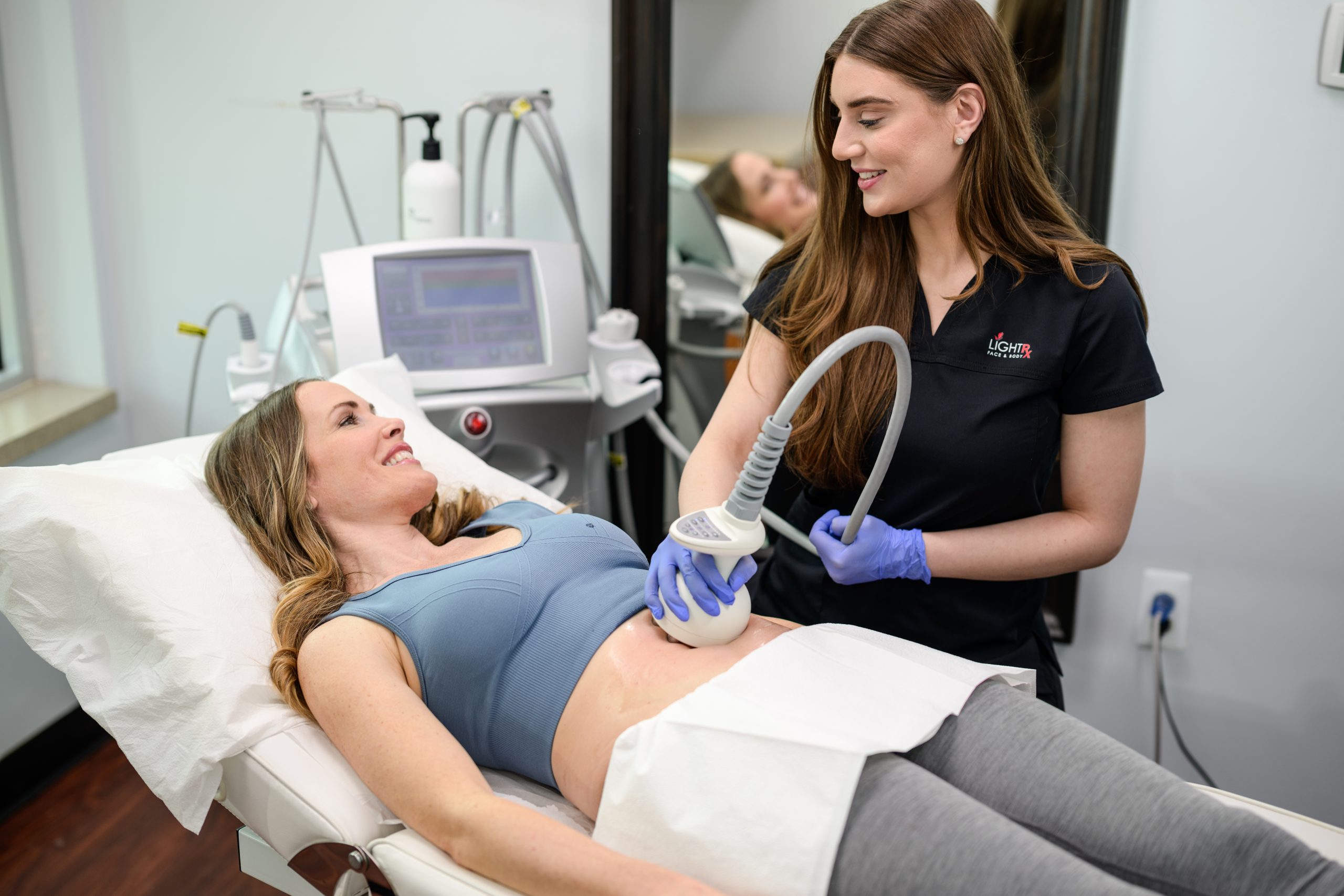
Body contouring at LightRx helps reduce fat and loose skin to reveal a toned, fit body that diet and exercise alone might not achieve.
It is best suited for areas of stubborn fat, such as the abdomen, thighs, and love handles, which are often the last to go when you are losing weight.
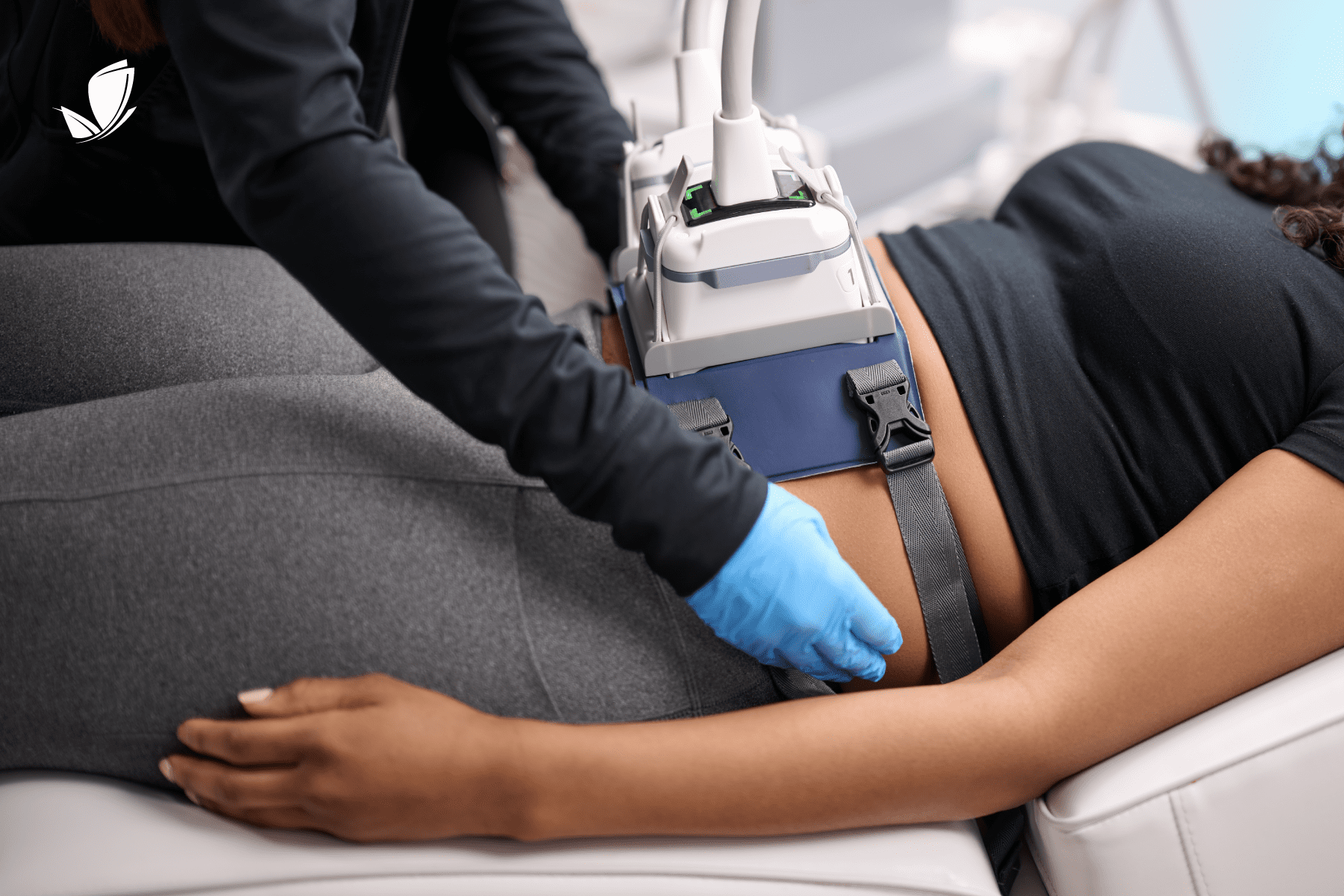
Depending on how your GLP-1 is working for weight loss, you can complement it with laser lipo, which melts away stubborn fat using low-level lasers that break down the stored triglycerides into free fatty acids and glycerol.
They are then released into the body through the cell membranes and burned off through post-treatment exercise. This is a permanent process that leverages the benefits of GLP-1 and body contouring to achieve the most effective outcome.
Another body contouring addition that complements your results is skin tightening, which utilizes a combination of radio frequencies and magnetic pulses to induce a thermal reaction in the tissue.
This reaction activates the body’s natural healing process to form new collagen, which helps contract and tighten the skin.
Skin tightening works on the face, neck, and cellulite on the stomach, thighs, and buttocks—two powerful additions to GLP-1s that will tone and sculpt as you reach your ideal weight.
Lifestyle Recommendations for Managing Skin During Weight Loss
While professional treatments provide incredible support on your weight loss journey, certain lifestyle habits can make a significant difference in your skin’s health and appearance. Integrating these simple practices into your daily routine can help you manage changes in your skin, ensuring your results are as smooth and firm as possible. Think of these as the at-home care that complements the powerful work we do together in the clinic, helping you achieve a holistic and lasting transformation from the inside out.
Build Muscle with Strength Training
As you lose fat, incorporating strength training into your fitness routine is a game-changer for your skin’s appearance. Building lean muscle helps to fill the space left behind by fat, creating a firmer, more toned foundation. This can significantly improve skin firmness and reduce the look of sagging. When you pair a consistent workout regimen with treatments like our body contouring services, you’re not just losing weight—you’re sculpting a stronger, more defined physique and helping your skin look its absolute best.
Prioritize Protein for Skin Health
What you eat plays a crucial role in your skin’s ability to adapt during weight loss. Protein is essential because it provides the amino acids your body needs to build collagen and elastin, the key components that give skin its structure and elasticity. Eating enough protein—typically between 0.8 to 1.6 grams per kilogram of body weight daily—supports your skin’s health from within. This nutritional focus helps maintain skin integrity, which is a perfect complement to the external collagen-stimulating benefits of our skin tightening treatments.
Stay Hydrated
One of the simplest yet most effective things you can do for your skin is to stay well-hydrated. Drinking plenty of water throughout the day helps keep your skin cells plump and resilient, which can diminish the appearance of fine lines and give your skin a healthier, more supple look. Proper hydration is essential for maintaining skin elasticity, especially when your body is undergoing the changes associated with weight loss. It’s a foundational habit that supports every other effort you make to keep your skin looking smooth and vibrant.
Aim for Gradual Weight Loss
While rapid results can be tempting, a slow and steady approach to weight loss is often kinder to your skin. Losing weight gradually gives your skin more time to adjust and retract, potentially reducing the severity of loose skin. When you lose weight slowly, you allow your body’s natural elasticity to work more effectively. This patient approach aligns with creating sustainable, long-term results, ensuring that as you reach your goal weight, your skin has had the best possible chance to adapt along with you for a smoother final outcome.
What Your Combined Treatment Plan Looks Like
Combining GLP-1 and body contouring services from LightRx is the fastest way to achieve your ideal shape and feel great in your body.
1) Begin your weight loss journey by starting with a GLP-1. You will begin by filling out an intake questionnaire that your doctor will use to prepare for your consultation.
A telehealth visit will be scheduled to determine if GLP-1, Semaglutide, is right for you. If you are deemed a good candidate, your doctor will write a prescription, which will be delivered monthly to your local LightRx clinic for pickup.
The process typically begins within approximately 5 to 7 days, and you will have all the necessary information to feel comfortable getting started.
We also offer lifestyle guidance and video coaching for diet and exercise advice, providing a comprehensive path to successful weight loss.
2) As your weight loss progresses, body contouring services like laser lipo to target stubborn fat areas and skin tightening can be added to further sculpt your body according to your goals.
Scheduling a free consultation with a trained LightRx technician is the next step. They will discuss your goals and recommend the best approach to achieve your desired outcome, tailored to your body type and current stage in the process.
GLP-1 treatment, body contouring services, complemented with a healthy diet and exercise, make your ideal body easily within reach! Schedule a consultation today!
Frequently Asked Questions
Why isn’t my cellulite disappearing as I lose weight on a GLP-1? GLP-1 medications are excellent for reducing the size of fat cells, but they don’t alter the underlying structure of your skin. Cellulite is caused by fibrous cords that pull your skin down over fat deposits, creating a dimpled look. Since weight loss alone doesn’t affect these cords, the cellulite can remain even after the number on the scale goes down.
Is it true that weight loss can make cellulite look more noticeable? Yes, for some people, this can happen. When you lose weight quickly, your skin might not have enough time to shrink back, leading to some looseness. This lack of firmness can make the existing texture of cellulite appear more prominent because there’s less volume underneath to keep the skin taut.
What exactly do body contouring treatments do that weight loss can’t? Weight loss reduces your overall body fat, but it can’t spot-reduce fat from specific areas or tighten the skin that’s left behind. Body contouring treatments are designed to do just that. They use technologies like radiofrequency to target stubborn fat pockets, smooth the skin’s surface, and stimulate new collagen growth for a firmer, more sculpted appearance.
When is the right time to add treatments like skin tightening to my GLP-1 plan? You can begin incorporating body contouring and skin tightening treatments as you progress on your weight loss journey. You don’t have to wait until you’ve reached your final goal. Starting these treatments concurrently helps your skin’s firmness and texture improve alongside your weight loss, leading to a smoother transition and better overall results. A personal consultation will help create the perfect timeline for you.
Besides professional treatments, what can I do to support my skin’s health during this process? You can play a huge role in your results through a few key habits. Focus on strength training to build lean muscle, which provides a firm foundation for your skin. Eating plenty of protein gives your body the building blocks for collagen, and staying well-hydrated helps maintain your skin’s elasticity. These practices work together with professional treatments for the best possible outcome.
Key Takeaways
- Understand the Role of GLP-1s: These medications are fantastic for helping you lose weight, but they don’t change the underlying skin structure that causes cellulite. Think of them as a powerful tool for fat reduction, not for altering skin texture.
- Combine Treatments for a Complete Transformation: To achieve a smooth, toned appearance, pair your GLP-1 journey with body contouring. Treatments like skin tightening specifically address skin laxity and texture, giving you a more refined result than weight loss alone can provide.
- Support Your Skin with Healthy Habits: Simple lifestyle choices make a big impact on your skin’s appearance during weight loss. Focus on strength training to build muscle, eat plenty of protein to support collagen, and stay hydrated to help your skin remain firm and resilient.