

Facial Hair Removal for Women: What’s Best?
If you’ve ever hesitated to shave your upper lip because you heard it would grow back thicker, you’re not alone. There is so much misinformation out there, and it can be hard to separate fact from fiction. Making a confident choice about facial hair removal for women starts with busting these common myths. Shaving doesn’t change your hair’s texture, and waxing won’t make more hair grow. In this guide, we’ll cut through the noise and give you the real story. We’ll cover everything from the science behind hair growth to the real-world results you can expect from different methods, helping you build a routine based on facts, not fear.
Key Takeaways
- Understand the “Why” to Find Your Best “How”: Knowing whether your facial hair is caused by genetics, hormones, or a medical condition helps you choose the right path. It clarifies if you should explore cosmetic treatments or start with a visit to your doctor.
- Weigh At-Home Fixes Against Long-Term Solutions: At-home methods offer immediate results but require constant upkeep. Professional treatments like laser hair removal are an upfront investment that provides a lasting reduction in hair, saving you time and effort in the long run.
- Prioritize Your Skin’s Health and Safety: The right method for you is one that works with your unique skin type and sensitivity. No matter which option you choose, proper prep and aftercare are non-negotiable for preventing irritation and getting a smooth, healthy finish.
Why Does Female Facial Hair Happen?
If you’ve ever found a stray hair on your chin or noticed some fuzz on your upper lip, you’re in good company. Unwanted facial hair is incredibly common, and it happens for a few key reasons. Understanding the “why” behind it can help you choose the best way to manage it. Most of the time, it comes down to hormones, health, or simple genetics. Let’s walk through the main causes so you can feel more informed and in control.
Hormonal Shifts
Hormones are powerful chemical messengers, and even small fluctuations can have noticeable effects—including on your hair. The primary drivers of coarse, dark hair growth are androgens, a group of hormones that includes testosterone. While everyone has androgens, higher levels in women can lead to unwanted facial hair. Major life events like pregnancy and menopause often cause significant hormonal imbalances that can trigger new hair growth. Conditions like Polycystic Ovarian Syndrome (PCOS) are also common culprits, as they directly impact androgen levels and can cause a pattern of hair growth known as hirsutism.
Underlying Medical Conditions
Sometimes, a sudden increase in facial or body hair can be your body’s way of signaling an underlying health issue. The medical term for excessive hair growth in women is hirsutism, and it’s often a symptom rather than a condition itself. It’s frequently linked to the hormonal issues we just discussed, but it can also point to other causes. Certain medications or, in rare cases, disorders of the adrenal glands or ovaries can be responsible. If you experience rapid and significant new hair growth, it’s always a good idea to chat with your doctor to rule out any medical concerns before seeking cosmetic treatment.
Genetics and Aging
Take a look at the other women in your family. If they tend to have more facial hair, there’s a good chance you will, too. Your genetic makeup plays a huge role in determining your hair’s thickness, color, and growth patterns. Some families are simply predisposed to more hair growth, and that’s perfectly normal. As we age, hormonal changes also come into play again. During and after menopause, estrogen levels decline while androgen levels can remain steady. This shift can make existing facial hair appear darker and coarser, which is why many women start noticing those stubborn chin hairs later in life.
Your Guide to At-Home Facial Hair Removal
If you’re looking for ways to manage facial hair at home, you have plenty of options. From quick daily touch-ups to methods that offer weeks of smoothness, there’s a solution for just about every need and comfort level. The key is understanding how each technique works so you can pick the one that fits your skin, hair type, and lifestyle best. Let’s walk through the most common at-home methods to help you find your perfect match. While these are great temporary fixes, remember that professional treatments like laser hair removal offer a more permanent solution.
Shaving and Dermaplaning
Shaving is a classic for a reason: it’s fast, easy, and painless. Using a razor specifically designed for the face, you can quickly cut hair at the skin’s surface. For the best results, always start with a clean face, apply a shaving cream or gel, and gently shave in the direction your hair grows to help prevent bumps. Dermaplaning is similar but uses a single, very sharp blade to scrape away fine vellus hairs (peach fuzz) and the top layer of dead skin cells. This not only removes hair but also exfoliates, leaving your skin looking brighter and helping your skincare products absorb more effectively.
Waxing and Sugaring
For longer-lasting results, waxing and sugaring remove hair from the root. At-home waxing kits typically come with pre-coated strips that you warm up, apply, and pull off, taking the hair with them. You can expect to be hair-free for two to four weeks. Sugaring is a gentler alternative that uses a simple paste of sugar, lemon juice, and water. The paste adheres to the hair without sticking as much to the skin, making it less painful than waxing and a great choice for sensitive areas. Both methods require some hair growth for the product to grip onto.
Threading and Tweezing
Threading and tweezing are all about precision. Tweezing uses tweezers to pluck individual hairs from the root, making it ideal for shaping eyebrows or grabbing a few stray hairs on your chin or upper lip. It’s inexpensive and simple, but can be time-consuming for larger areas. Threading is an ancient technique where a twisted cotton thread is rolled over the skin to pull out lines of hair from the follicle. While it takes some practice to master at home, it provides a very clean and precise finish that lasts for weeks.
Epilators and At-Home Devices
Epilators are electric devices that use rotating tweezers to pull multiple hairs out from the root at once. Think of it as automated tweezing. It can be uncomfortable at first, but many find the discomfort lessens with regular use. The results are similar to waxing, lasting for several weeks. For a completely painless option, electric trimmers are small, battery-powered devices that cut hair very close to the skin. They won’t give you the same smoothness as root-removal methods, but they are perfect for quick, daily touch-ups without any irritation.
Depilatory Creams
Depilatory creams offer a painless way to remove hair by using chemicals to dissolve it at the skin’s surface. You simply apply the cream, wait a few minutes, and then wipe or rinse it away along with the unwanted hair. It’s a quick and effective method, but the chemicals can be harsh. Because the skin on your face is so delicate, it’s absolutely essential to do a patch test on a small, discreet area 24 hours before applying it to a larger area. This helps ensure you won’t have an adverse reaction, especially if you have sensitive skin.
Professional Treatments for Lasting Results
If you’re tired of the daily or weekly upkeep that comes with at-home hair removal, it might be time to consider professional treatments. These methods are performed by trained technicians and are designed to give you smoother skin for much longer. While they require more of an initial investment, many people find the long-term results and convenience are well worth it. From advanced light-based technologies to time-tested techniques, professional services offer a more powerful approach to getting rid of unwanted facial hair. Exploring these options with a certified expert can help you find a lasting solution that fits your skin, hair type, and beauty goals.
Laser Hair Removal at LightRx
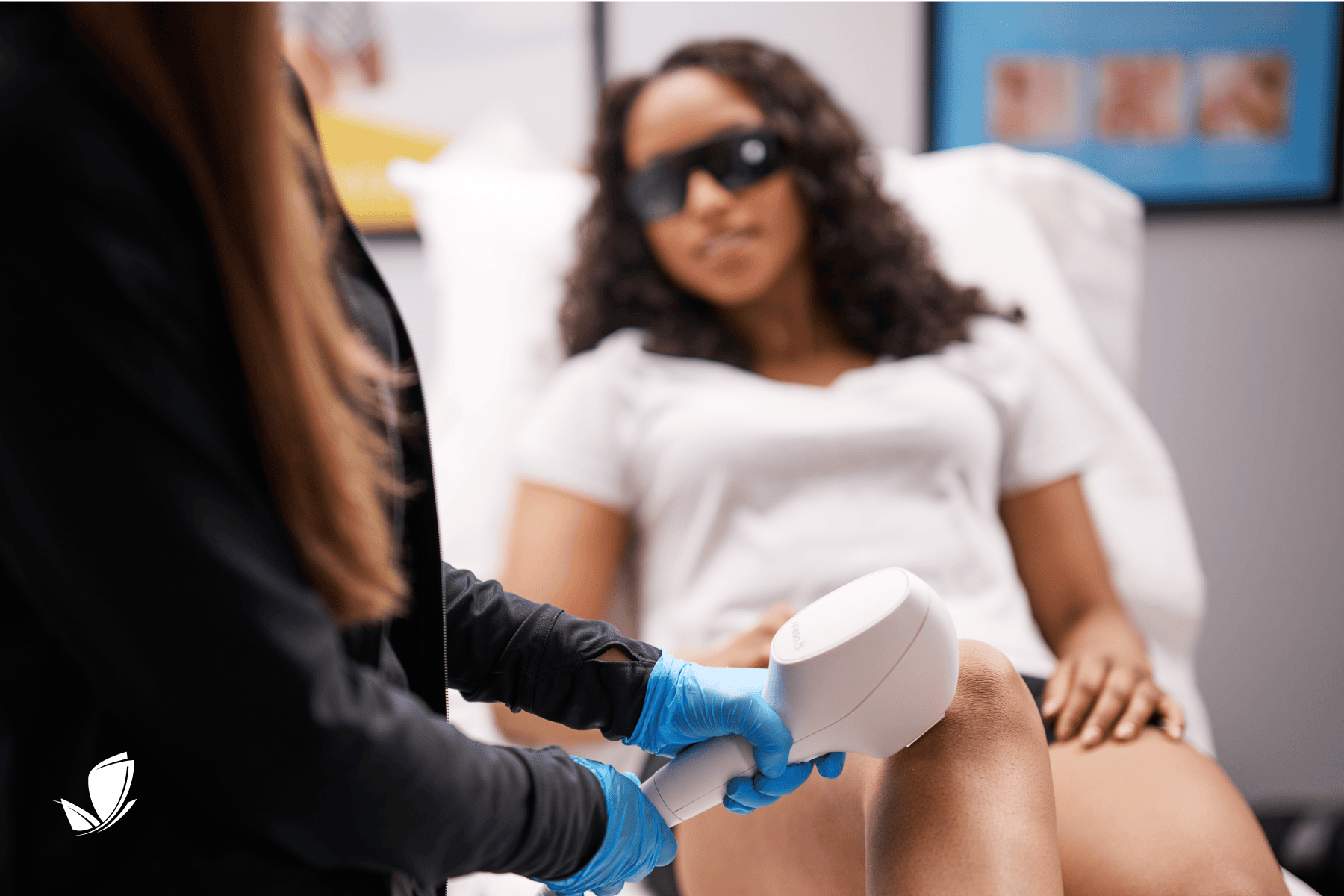
For a long-term solution to unwanted facial hair, laser hair removal is an incredibly popular and effective choice. This treatment works by sending concentrated light energy directly into the hair follicles. The pigment in the follicles absorbs the light, which converts to heat and damages the follicle, preventing it from producing more hair. It’s a fantastic option for targeting areas like the upper lip, chin, or sideburns. While it takes a series of sessions to achieve the best outcome, most people experience a significant and lasting reduction in hair growth. It’s a go-to for anyone looking to dramatically decrease the time they spend on hair removal.
Electrolysis for Permanent Removal
If your goal is 100% permanent hair removal, electrolysis is the only method that gets the official nod from the FDA. Unlike laser treatments that target multiple follicles at once, electrolysis is more meticulous. A technician inserts a tiny, fine probe into each individual hair follicle and sends a small electrical current to destroy it for good. Because it’s so precise, it works on all hair colors and skin types. The trade-off is that it can be time-consuming and requires multiple sessions to treat every follicle in its growth phase. Still, for those who want to be completely and permanently hair-free, electrolysis offers a proven path to get there.
Professional Waxing and Threading
For immediate results without the commitment of laser or electrolysis, professional waxing and threading are excellent choices. A professional wax can quickly clear large areas of facial hair, pulling it from the root and leaving your skin smooth for two to four weeks. It’s a fast and efficient process when done by an experienced esthetician. Threading, an ancient technique, uses a twisted cotton thread to pull out individual hairs with incredible precision. It’s perfect for shaping eyebrows and removing fine hair on the upper lip and chin. Both of these salon-based methods are reliable options for maintaining smooth, hair-free skin between longer-term treatments or as your primary removal method.
Comparing Your Options: Cost, Pain, and Results
Deciding on the right facial hair removal method comes down to balancing your budget, pain tolerance, and desired outcome. At-home methods offer convenience, while professional treatments provide more significant, lasting results. Let’s break down what you can expect from each so you can make a choice that feels right for you.
At-Home vs. Professional Costs
When you look at the price tag, at-home options like razors, wax strips, and creams seem like the clear winner. The initial cost is low, and you can find these products at any drugstore. However, these costs add up over a lifetime of repurchasing. Professional treatments, on the other hand, require a larger upfront investment. Think of it as paying for the technology, the expertise of a trained technician, and most importantly, the long-term results. While the initial price is higher, you could save money over time by eliminating the need for constant upkeep and product replacement.
A Look at Pain and Comfort Levels
Let’s be honest: most hair removal methods come with some level of discomfort. Waxing and threading are known for a quick, sharp sting that can leave your skin red and irritated, especially if it’s sensitive. Epilators can also be quite painful as they pull multiple hairs at once. Professional laser hair removal is often described as feeling like a small rubber band snapping against the skin. While it’s not completely painless, the sensation is very brief, and technicians can adjust the settings to keep you comfortable. Many people find it far more tolerable than the repeated pain of waxing every few weeks.
How Long Do Results Last?
This is where professional treatments really shine. Shaving might last a day or two, while waxing or threading can give you a few weeks of smoothness. These methods only remove hair from the surface or the root, but the follicle remains active. In contrast, professional treatments are designed to deliver long-term reduction. Laser hair removal uses targeted light energy to damage the hair follicle, significantly slowing down or stopping future growth. After a full series of treatments, many people experience a permanent reduction in hair, meaning you can say goodbye to the daily or weekly removal routine.
What Works Best for Your Hair and Skin Type?
Your unique combination of skin tone and hair color plays a big role in which method will be most effective. Traditional laser hair removal works best for those with dark hair and lighter skin because the laser targets the pigment in the hair follicle. However, technology has advanced to treat a wider range of skin tones safely. Methods like waxing and shaving work on all hair and skin types but come with a higher risk of irritation and ingrown hairs. The best way to know for sure is to get a professional opinion. A free consultation can help determine if you’re a good candidate for our skin rejuvenation and hair removal services.
Safety First: Pre- and Post-Treatment Care
No matter which hair removal method you choose, taking care of your skin before and after is non-negotiable. Your face is more delicate than the skin on your body, so it needs a little extra attention to prevent irritation, breakouts, and other unwanted side effects. Proper prep and aftercare ensure you get the smoothest results while keeping your skin healthy and happy. Think of it as setting the stage for a great performance and giving your skin a round of applause afterward. Following these simple steps can make a world of difference between a smooth, calm complexion and a red, bumpy one.
How to Prep Your Skin
The golden rule of facial hair removal is to always start with a clean slate. Before you do anything, wash your face with a gentle cleanser to remove any makeup, oil, or dirt. This simple step helps prevent clogged pores and pesky breakouts that can pop up after a treatment. If you’re planning to wax or dermaplane, a light exfoliation a day or two beforehand can help by sloughing off dead skin cells, but avoid doing it right before your session, as that can lead to over-irritation. Just a simple, clean canvas is all you need to get started on the right foot.
Proper Techniques for Safe Removal
How you remove the hair is just as important as the prep. Always use clean tools, whether it’s a fresh razor blade, sterilized tweezers, or a new wax strip. If you’re waxing, resist the urge to go over the same spot multiple times, as this can damage the skin. After waxing, it’s a good idea to steer clear of scented lotions or heavy creams for at least 12 to 24 hours to avoid bumps. For a truly safe and effective option, consider professional laser hair removal, where a trained technician uses precise technology to get the job done right.
Your Essential Aftercare Routine
Once the hair is gone, your skin needs some TLC. The main goals are to soothe, hydrate, and protect. Apply a calming, fragrance-free moisturizer or a product like a restorative gel to reduce any immediate redness. For the next 48 hours, it’s best to avoid harsh active ingredients like retinoids or exfoliating acids. And most importantly, protect your skin from the sun. Freshly treated skin is extra vulnerable to UV damage, so applying a broad-spectrum SPF is a must. This step is crucial for preventing discoloration and keeping your skin healthy long-term.
Side Effects to Watch For
A little bit of redness or minor swelling right after hair removal is completely normal, especially if you have sensitive skin. This usually subsides within a few hours. However, keep an eye out for any signs of prolonged irritation, bumps that don’t go away, or signs of infection. If something doesn’t feel right, it’s always best to give your skin a break and consult a professional. If you’re dealing with lingering issues from past hair removal attempts, treatments like skin rejuvenation can help address concerns like discoloration or texture changes.
Facial Hair Removal Myths, Busted
When it comes to facial hair, there’s a lot of chatter and misinformation out there. It can be tough to separate fact from fiction, especially with so many opinions and products on the market. Let’s clear the air and tackle some of the most common myths head-on so you can make choices with confidence. Understanding the truth behind these old wives’ tales is the first step toward finding a routine that truly works for you, your skin, and your lifestyle.
Does shaving make hair grow back thicker?
This is probably the most persistent myth, and the short answer is no. Shaving doesn’t change the texture, color, or growth rate of your hair. Here’s why it seems like it does: when you shave, you’re cutting the hair at a blunt angle right at the skin’s surface. As the hair grows out, this flat tip can feel coarse and appear darker or thicker against your skin. In reality, the hair follicle itself is completely unaffected. For a solution that reduces hair growth over time, treatments like laser hair removal target the follicle directly, leading to finer, sparser hair.
Will removing hair make more grow?
Nope, this one is also false. Removing hair by waxing, tweezing, or shaving will not cause more hair follicles to sprout. The number of hair follicles you have is determined by your genetics and hormones—not your hair removal method. In fact, some methods that pull hair from the root, like waxing or epilating, can sometimes damage the follicle over time. This can actually lead to the hair growing back finer and sparser, or in some cases, not at all. You can rest easy knowing that managing your facial hair won’t result in more of it.
Are pricier treatments always better?
While a higher price tag can sometimes mean higher quality, “better” really depends on your personal goals. At-home methods are inexpensive upfront, but the costs can add up over a lifetime, not to mention the time you’ll spend. Professional treatments are an investment in longer-lasting, more effective results. You’re paying for the technician’s expertise, the safety of a clinical environment, and advanced technology that you can’t get at home. Programs like our memberships can make these treatments more accessible, offering significant value beyond just the price.
Does one method fit all skin types?
Absolutely not. Your skin is unique, and the best hair removal method for you depends on several factors, including your skin’s sensitivity, your hair type and color, and your pain tolerance. For example, someone with sensitive, acne-prone skin might find waxing too harsh, while depilatory creams could cause irritation. This is where professional guidance is invaluable. A consultation with a trained technician can help you explore all your services and create a personalized treatment plan that safely and effectively meets your specific needs, ensuring you get the best possible results without compromising your skin’s health.
Find the Right Method for Your Lifestyle
Choosing how to manage facial hair isn’t a one-size-fits-all decision. The best method for you really depends on what you value most. Are you constantly on the go and need something fast? Are you looking for a solution that will last for years? Or maybe your sensitive skin is the top priority. Your budget also plays a big role. Let’s break down the options based on your lifestyle, so you can find the perfect fit for your routine, your skin, and your wallet. By understanding the trade-offs between convenience, cost, and longevity, you can make an informed choice that leaves you feeling confident and in control.
Quick Fixes for a Busy Schedule
If your calendar is packed, you probably need a hair removal method that’s fast and effective. Quick fixes like shaving, waxing, and tweezing deliver immediate results when you’re short on time. Shaving, in particular, is a popular choice for its convenience, as it’s an easy way to remove hair at the surface. The downside? The results are temporary. Stubble can reappear quickly, and you’ll need to repeat the process often. While these methods are great in a pinch, they require constant upkeep to maintain smooth skin, making them a recurring task on your to-do list.
Investing in a Long-Term Solution
For those who are tired of the daily or weekly upkeep, investing in a long-term solution can be a game-changer. Professional treatments are designed to deliver lasting smoothness, freeing you from the constant cycle of removal. Laser hair removal, for example, works by using concentrated light to damage the hair follicle, which significantly reduces hair growth over time. Unlike temporary methods, this approach offers a more permanent reduction in unwanted facial hair. It’s an upfront investment in time and money, but it can save you countless hours and dollars in the long run.
The Best Options for Sensitive Skin
Facial skin is naturally more delicate than the skin on the rest of your body, so it requires a gentle touch. If you have sensitive skin, you know that the wrong hair removal method can lead to redness, bumps, and irritation. It’s so important to choose a method that works with your skin type, not against it. Methods like threading can be gentler than waxing for some, while others might find that a high-quality dermaplaning tool causes less irritation than a traditional razor. For any at-home treatment, always do a patch test first. Professional treatments can also be tailored to your specific skin needs, ensuring a safer, more comfortable experience.
Budget-Friendly Hair Removal
You don’t have to spend a lot of money to get smooth, hair-free skin. There are several effective and affordable options available. Tweezing is a classic for a reason—it’s incredibly cheap and precise for targeting stray hairs. Depilatory creams are another cost-effective choice; they use chemicals to dissolve hair at the surface so it can be wiped away. While these methods are easy on your wallet upfront, remember to factor in the cost of repeated purchases over time. And with creams, it’s always a good idea to test a small area of skin first to make sure you don’t have a reaction.
Laser Facial Hair Removal for Chin, Upper Lip, and Jawline
Many women seek laser facial hair removal for common treatment areas like the chin, upper lip, cheeks, and jawline. These areas are often affected by stubborn hair growth caused by hormones, genetics, or frequent shaving and waxing. Laser hair removal targets unwanted hair at the follicle to help reduce regrowth over time while leaving the surrounding skin unharmed. Treatments are fast, and many clients notice smoother skin after just a few sessions. At LightRx, treatment plans are customized based on skin tone, hair texture, and cosmetic goals. This personalized approach helps improve comfort, treatment precision, and long-term facial hair reduction results.
Related Articles
- Laser Hair Removal Virginia Beach: A Complete Guide
- Laser Hair Removal Alexandria VA: The Ultimate Guide
- Laser Hair Removal Mesa AZ: Your 2025 Cost Guide
- Laser Hair Removal Alexandria: A Complete Guide
Frequently Asked Questions
Is laser hair removal really painful? I’m worried it will hurt. It’s completely normal to be nervous about the comfort level of any new treatment. Most people describe the sensation of laser hair removal as a quick, warm snap, similar to a rubber band hitting the skin. While it’s not entirely sensation-free, the feeling is very brief and most find it much more tolerable than the repeated sting of waxing. Technicians can also adjust the settings to match your comfort level, ensuring the process is as easy as possible.
How many laser sessions will I actually need for my face? The number of sessions you’ll need isn’t a one-size-fits-all answer, as it depends on your hair’s color, thickness, and the specific area you’re treating. Hair grows in different cycles, and the laser is only effective on follicles in the active growth phase. Generally, most people need a series of treatments, often spaced a few weeks apart, to catch every hair in the right stage and achieve that smooth, long-lasting result. A consultation is the best way to get a personalized treatment plan.
Can I still tweeze or wax between my laser hair removal appointments? This is a great question, and the answer is important for your results. You should avoid any hair removal methods that pull the hair out from the root, like waxing, tweezing, or epilating. The laser needs the hair follicle to be intact to work effectively, as the pigment in the hair is what absorbs the light energy. If you need to manage hair between sessions, shaving is perfectly fine and won’t interfere with your treatment plan.
Is laser facial hair removal safe for sensitive skin? Yes, laser facial hair removal is generally safe for sensitive skin when performed by trained professionals. Treatments are customized based on skin type and hair texture to reduce irritation. Some redness or mild swelling may occur after treatment, but these effects usually fade within a few hours to a few days.
Can laser hair removal help with hormonal facial hair growth? Laser hair removal can help reduce facial hair caused by hormonal changes, including unwanted chin and jawline hair. While some women may still need occasional maintenance sessions, treatments can significantly slow regrowth and reduce the need for shaving, waxing, or tweezing over time with consistent care.