
How to Get Rid of Muffin Top: A Complete Guide
That pinchable fat around your waistline is biologically stubborn. It’s called subcutaneous fat, and your body is programmed to hold onto it for energy storage and protection. This is why it’s often the last area to slim down, even when you’re doing everything right. Genetics and hormones also direct your body to store fat in this specific area. Understanding this science is the first step toward creating a plan that actually works. This article will walk you through a realistic approach for how to get rid of muffin top, combining smart lifestyle choices with professional treatments that can finally target that resistant fat.
Finding a real solution for a muffin top often feels like a puzzle. You know diet and exercise are key pieces, but what about the others? Daily stress, the quality of your sleep, and your body’s natural hormonal shifts all have a major impact on your midsection. A truly effective plan addresses all of these factors together. Instead of looking for a single quick fix, this guide will help you build a complete strategy. If you want to know how can I get rid of a muffin top, it starts with understanding how all these pieces fit together to create lasting change, from your daily habits to advanced body contouring options.
Key Takeaways
- Look Beyond Diet and Exercise: A muffin top is influenced by hormones, genetics, stress, and sleep. A successful strategy must include healthy lifestyle habits like getting enough rest and managing stress to support your fitness goals.
- Focus on Overall Fat Loss, Not Spot Reduction: Your body loses fat from all over, not just the area you’re exercising. Create a calorie deficit with a diet of whole foods and a workout routine that combines cardio, strength training, and HIIT for the best results.
- Use Professional Treatments for Stubborn Areas: When you’ve done the work but still have persistent fat, non-invasive treatments can help. Technologies like laser fat removal are designed to target and reduce fat cells in specific spots, helping you achieve the final results you want.
What Really Causes a Muffin Top?
That bit of excess fat spilling over your waistband is a common frustration. It can feel stubborn, and the truth is, it’s not just about doing more crunches. Several factors, from your hormones to your daily routine, play a significant role in why fat accumulates around your midsection. Understanding these root causes is the first step in creating a plan that actually works for you.
Understanding the Causes and Types of Belly Fat
To effectively address a muffin top, it helps to first understand what you’re working with. Not all belly fat is created equal, and the reasons it sticks around are complex. It’s not just about what you eat; it’s also about your body’s biology and how it stores energy. Knowing the difference between the types of fat and why your midsection is such a stubborn area can help you set realistic expectations and choose the most effective strategies for a slimmer, more contoured waistline. This knowledge is the foundation for building a plan that finally gets you the results you’ve been working toward.
Subcutaneous vs. Visceral Fat
It’s important to know that there are two main types of belly fat. The soft, pinchable fat that sits just under your skin is called subcutaneous fat, and it’s what makes up the classic “muffin top.” This type of fat accounts for about 90% of your body’s total fat and can be frustratingly resistant to diet and exercise. The other type is visceral fat, which lies deeper within your abdomen and surrounds your vital organs. While you can’t see it, an excess of visceral fat poses more serious health risks and is often indicated by a waistline over 35 inches for women. Understanding this distinction is key, as lifestyle changes primarily target visceral fat, while aesthetic treatments are designed to address stubborn subcutaneous fat.
Why Is Belly Fat So Hard to Lose?
If you feel like you’re fighting an uphill battle against belly fat, you’re not wrong. Your body is biologically programmed to hold onto abdominal fat, also known as adipose tissue, because it serves critical functions like protecting your organs and storing energy for later use. This natural tendency makes it one of the most difficult areas to slim down through traditional methods alone. Factors like aging, hormonal shifts, and genetics can make it even harder to lose fat in this area. For many women, major life events like pregnancy can also stretch the abdominal muscles, making it easier for fat to protrude. This is why even with consistent effort, many people turn to professional body contouring to address the fat that just won’t budge.
Are Hormones to Blame for Your Muffin Top?
Hormones are powerful messengers, and when they fluctuate, they can change where your body stores fat. As we get older, these shifts become more pronounced. For women, major life events like pregnancy and menopause trigger significant hormonal changes that can redirect fat storage straight to the abdomen and hips. It’s not your imagination; your body is genuinely programmed to do this. This is why you might notice changes in your shape even if your habits haven’t changed. While you can’t stop these natural processes, you can support your body with a healthy lifestyle and explore treatments to feel more like yourself again.
How Your Daily Routine Shapes Your Waistline
While hormones and genetics play a part, our daily choices have a huge impact. Consistently eating more calories than your body burns leads to fat storage, and the waistline is a common spot for it to settle. To address a muffin top, you need a calorie deficit, which simply means burning more energy than you consume. This isn’t about crash dieting; it’s about finding a sustainable balance of nutritious food and regular exercise. When diet and exercise aren’t enough to tackle those last stubborn inches, LightRx laser fat removal can help target those specific areas for a smoother silhouette.
Is Your Muffin Top Written in Your DNA?
Have you ever noticed that family members tend to have similar body shapes? That’s genetics at work. Your DNA can predispose you to storing fat in particular places, including your midsection. This is why even naturally thin people can struggle with a muffin top, especially with a more sedentary lifestyle. It’s not a personal failing—it’s just how your body is built. While you can’t change your genes, you can influence how they’re expressed through healthy habits. For those genetically prone to holding onto belly fat, targeted body contouring at LightRx Medspa can be an incredible tool for achieving the shape you want.
Can You Really “Spot Reduce” a Muffin Top?
Let’s get one of the biggest fitness myths out of the way right now. We’ve all been there—doing endless side crunches, hoping to magically melt away our love handles. This idea of “spot reduction,” or losing fat from one specific area of your body, is incredibly appealing. Unfortunately, it’s just not how our bodies work. When you exercise a particular muscle group, you’re strengthening the muscle underneath the fat, but you aren’t telling your body to burn the fat in that specific spot. It’s a common misconception that can lead to a lot of frustration and wasted time at the gym. Understanding this is the first step toward creating a plan that actually delivers results. Instead of focusing on exercises that promise to target your muffin top, the key is to adopt a holistic approach. True fat loss happens on a systemic level, meaning you lose it from all over your body, not just one place. The order in which that happens is largely up to your genetics and hormones. For many of us, the midsection is one of the most stubborn areas. But don’t get discouraged! Knowing how your body actually loses fat empowers you to use the right strategies—from diet and exercise to professional treatments—to finally achieve your goals.
The Myth of Spot Reduction, Busted
Think of your body’s fat stores as one big fuel tank. When you exercise, your body draws energy from the entire tank, not just the section closest to the working muscles. So, while doing hundreds of crunches will certainly build strong abdominal muscles, it won’t specifically burn the layer of fat covering them. Your body decides where to pull fat from based on factors like genetics and hormones. This is why you might notice your face or arms getting leaner before your waistline starts to shrink. It can be frustrating, but accepting that you can’t spot reduce is a crucial mindset shift that will save you a lot of wasted effort.
So, How Does Your Body *Really* Lose Fat?
So, if you can’t target fat loss, what’s the solution? It all comes down to creating a consistent calorie deficit, which simply means you burn more calories than you consume. When your body needs energy, it converts stored fat into usable fuel, a process that happens all over your body. A comprehensive approach that combines a healthy diet with regular exercise is the most effective way to achieve this deficit. Remember, patience is key. Since your body may be genetically programmed to hold onto fat in your midsection, it might be one of the last areas to show change. This is where consistency in your healthy habits truly pays off.
Eat Your Way to a Flatter Midsection
While exercise is a huge part of the equation, what you eat plays an even bigger role in shaping your midsection. The good news is that you don’t have to survive on salads alone. Building a diet that helps reduce belly fat is about making smart, sustainable choices that fuel your body and keep you feeling satisfied. It’s about adding more of the right things, cutting back on the things that don’t serve your goals, and understanding how your eating habits fit into your overall lifestyle. Think of it as nourishing your body from the inside out to support the hard work you’re putting in at the gym. A balanced approach to food is your best bet for seeing real, lasting changes.
Fill Your Plate with These Fat-Fighting Foods
Let’s focus on what to add to your plate. A diet rich in whole foods is your secret weapon. Fill your meals with a colorful mix of fruits and vegetables, lean proteins like chicken and fish, and whole grains. Healthy fats are also your friend here—foods like avocados, nuts, seeds, and olive oil help you feel full and satisfied, which can prevent overeating. Don’t forget about fiber! Soluble fiber, found in oats, beans, and apples, is particularly great because it helps you feel full longer. Making these foods the foundation of your diet supports your metabolism and gives your body the nutrients it needs to function at its best, which is a key part of any body contouring journey.
Prioritize Soluble Fiber and Complex Carbs
If you want to get specific with your diet, focus on two key players: soluble fiber and complex carbs. Increasing your soluble fiber intake can make a huge difference. In fact, one study showed that for every 10-gram increase in daily soluble fiber, participants saw a significant reduction in deep belly fat over time. You can easily add more by eating foods like oats, beans, apples, and sweet potatoes. At the same time, swap refined carbs like white bread and pasta for complex carbs like brown rice and quinoa. They provide more sustained energy and keep you feeling full, which helps you manage your overall calorie intake without feeling deprived.
What Foods Should You Limit or Avoid?
Just as important as what you add is what you limit. Highly processed items, fast food, and fried foods are often packed with calories and unhealthy fats that can contribute to weight gain around your middle. Another major culprit is added sugar, which hides in everything from sodas and sweets to sauces and dressings. These sugary foods and drinks can lead to an increase in body fat, particularly in the belly area. It’s also wise to be mindful of your alcohol intake. Cocktails and beer can be high in empty calories and may contribute to weight gain. You don’t have to cut these things out completely, but reducing them can make a significant difference.
Watch Out for Hidden Sugars and Alcohol
It’s one thing to skip dessert, but it’s another to realize how much sugar is hiding in everyday foods. Things like sauces, salad dressings, and even some yogurts can be loaded with added sugars. Research shows that sugary foods and drinks are directly linked to more body fat, especially around the belly. This makes reading labels a non-negotiable habit if you’re serious about your goals. Similarly, alcohol can quietly sabotage your efforts. Beyond the empty calories in a glass of wine or a cocktail, your body puts its fat-burning process on hold to metabolize the alcohol first. This pause can make it much harder to shed fat from your midsection, making moderation a key strategy for seeing the results you want.
Why *How Much* You Eat Is as Important as *What*
Even when you’re eating healthy foods, size matters. The simplest rule of weight loss is that you need to burn more calories than you consume. A great way to manage this without obsessive counting is to practice mindful eating. Pay attention to your body’s hunger and fullness signals. Eat slowly, savor your food, and try to avoid distractions like your phone or the TV during meals. This helps you recognize when you’re truly full and prevents you from eating more than your body needs. For those areas that hold on to fat no matter how well you eat, treatments like laser fat removal can target those specific spots.
Does Meal Timing Actually Affect Belly Fat?When You Eat Matters
Your body’s internal clock and stress levels have a surprising impact on your waistline. When you’re stressed or sleep-deprived, your body produces more of the hormone cortisol. Elevated cortisol levels can trigger cravings for unhealthy food and signal your body to store fat, especially around your abdomen. This is why managing stress through activities like yoga or meditation and prioritizing a good night’s sleep are non-negotiable parts of a healthy lifestyle. It’s not just about the food itself, but also about creating the right internal environment for your body to thrive. A calm, well-rested body is much more efficient at managing its weight.
The Best Workouts to Shrink Your Muffin Top
While you can’t tell your body exactly where to lose fat from, you can create a workout routine that lowers your overall body fat and strengthens your core. The most effective approach isn’t about doing one type of exercise—it’s about combining different workouts to build strength, burn calories, and tone your midsection. Here’s a look at the key components of a balanced fitness plan that can help you feel stronger and more confident.
Why HIIT Is Your Secret Weapon for Fat Loss
If you’re short on time, High-Intensity Interval Training (HIIT) is your best friend. This workout style involves short bursts of all-out effort followed by brief recovery periods. Think 30 seconds of sprinting, followed by 60 seconds of walking, repeated for 15-20 minutes. HIIT is incredibly effective for burning fat, including stubborn belly fat, because it keeps your metabolism working at a high rate even after you’ve finished exercising. You can incorporate HIIT into your routine with activities like burpees, jump squats, or cycling.
Lift Your Way to a Faster Metabolism
Strength training is a crucial piece of the puzzle. Building lean muscle helps your body burn more calories, even when you’re resting on the couch. This is because muscle tissue is more metabolically active than fat tissue. You don’t need to become a bodybuilder; consistency is what matters. You can start strength training using free weights, resistance bands, or even just your own body weight with exercises like push-ups and squats. Combining weight training with cardio is a powerful one-two punch for reducing body fat.
Focus on Whole-Body Movements
To get the most out of your time at the gym, prioritize exercises that engage multiple muscle groups at once. These are often called compound movements, and they include things like squats, deadlifts, and push-ups. Unlike isolated exercises like crunches, these whole-body movements burn significantly more calories and build lean muscle more efficiently. Since muscle burns more calories than fat even when you’re resting, this is the most effective way to reduce your overall body fat and finally see a change in stubborn areas. When you’re planning your routine, aiming for three to five sets of 8 to 12 repetitions for each exercise is a great goal for building strength.
Core Moves That Go Beyond Crunches
A strong core is about more than just aesthetics—it supports good posture and helps prevent injury. While crunches can be part of a routine, a variety of exercises will give you better results. Focus on moves that engage your entire midsection. Try adding exercises like mountain climbers, hip bridges, trunk rotations, and sumo squats to your workouts. These movements work your abs, obliques, and lower back, helping to create a stronger, more defined core from every angle.
Incorporate Pilates and Other Effective Exercises
Pilates is an incredible, low-impact way to build deep core strength and improve your posture, which can instantly create a more streamlined silhouette. By focusing on the small, stabilizing muscles in your abdomen and back, you build a strong foundation that supports a taller, more confident stance. To complement this, it’s important to add a variety of other movements to your routine. Think of exercises like Russian twists, side planks, and bicycle crunches, which target your obliques and rectus abdominis from different angles. This well-rounded approach ensures you’re not just strengthening one part of your core but are building a balanced, toned midsection that’s strong from the inside out. This variety is key to creating visible definition as you lower your overall body fat.
How to Make Your Cardio Count
Steady-state cardio is essential for heart health and calorie burn. The key is consistency. Aim for at least 150 minutes of moderate-intensity cardio each week, which breaks down to just over 20 minutes a day. This could be anything that gets your heart rate up, like a brisk walk, a bike ride, swimming, or using an elliptical machine. The goal is to find activities you genuinely enjoy doing, so you’ll stick with them long enough to see and feel the benefits.
Small Lifestyle Changes, Big Results
While targeted workouts and a healthy diet are the cornerstones of changing your body composition, the small choices you make every day have a surprisingly powerful impact. Think of these habits as the foundation that supports all your other efforts. They work behind the scenes to regulate hormones, manage stress, and keep your metabolism running smoothly. Integrating these simple adjustments into your routine can make a significant difference in how you look and feel, helping you achieve and maintain your goals. It’s not about a complete overhaul; it’s about making smarter, kinder choices for your body day in and day out.
Sleep More to Shrink Your Waistline
Never underestimate the power of a good night’s rest. When you’re sleep-deprived, your body produces more cortisol, the stress hormone notorious for encouraging fat storage, particularly around your belly. Consistently getting less than five hours of sleep can work against your fitness goals. The simple fix? Aim for a solid seven to eight hours of quality sleep each night. This allows your body to repair itself, balances your hormones, and gives you the energy you need to stick with your healthy habits. Creating a relaxing bedtime routine can be a great first step to improving your sleep hygiene.
Stop Stress from Sabotaging Your Goals
Life is stressful, but how you manage that stress directly impacts your waistline. Just like a lack of sleep, chronic stress floods your system with cortisol, signaling your body to hold onto fat in the abdominal area. Finding healthy ways to unwind is non-negotiable. This doesn’t have to be complicated—it could be a 10-minute meditation session in the morning, a gentle yoga class after work, or simply taking a walk in nature to clear your head. By actively working to lower your stress levels, you help lower your cortisol, making it easier for your body to let go of stubborn fat.
Weave More Movement into Your Day
Your workout at the gym is fantastic, but your movement for the other 23 hours of the day matters, too. A sedentary lifestyle, especially sitting for long stretches, can contribute to an expanding waistline. The solution is to weave more activity into your daily routine. Try taking the stairs instead of the elevator, parking a little further from the store entrance, or setting a reminder to get up and stretch every hour. These small bursts of movement add up, keeping your metabolism active and preventing the negative effects of prolonged sitting. This consistent activity perfectly complements professional treatments like body contouring by helping you maintain your results.
Break Up Long Periods of Sitting
If you have a desk job, this one is especially for you. Even with regular workouts, sitting for hours on end can slow your metabolism and work against your goals. Think of it this way: your body isn’t designed to be stationary for most of the day. The key is to interrupt those long periods of inactivity. Set a timer on your phone or watch to remind you to get up and move for a few minutes every hour. You could walk to the kitchen for a glass of water, do a few simple stretches by your desk, or even take a phone call while standing. These small actions might not feel like a workout, but they keep your body active and help counteract the risks of sitting, supporting your efforts to create a leaner midsection.
The Simple Habit That Supports Fat Loss: Hydration
What you drink is just as important as what you eat. Sugary beverages like sodas, juices, and sweetened coffees are loaded with empty calories that don’t satisfy your hunger, making it easy to consume too many. One of the simplest and most effective changes you can make is to swap these drinks for water. Staying properly hydrated supports your metabolism, helps you feel full, and keeps your energy levels stable. If you find plain water boring, try infusing it with lemon, cucumber, or mint. Carry a reusable water bottle with you as a constant reminder to sip throughout the day.
It Might Be Your Wardrobe, Not Your Body
Before you get too frustrated with your body, take a look at your closet. Sometimes, the appearance of a muffin top has less to do with your body and more to do with your clothes. Pants or skirts that are too tight or have a low-rise cut can squeeze your midsection, creating a bulge that wouldn’t otherwise be there. It’s a simple mechanical issue, not a reflection of your fitness efforts. The fix can be as easy as experimenting with different styles. Try swapping your low-rise jeans for a pair of mid-rise or high-waisted pants that sit at your natural waistline. This small change can create a smoother silhouette instantly, offering a confidence boost while you continue to work on your health and wellness goals.
Don’t Overlook Your Gut Health
If you’re doing everything right but still feel like your midsection is puffy, the issue might be bloating rather than fat. Persistent bloating can easily be mistaken for a muffin top, but its root cause is often related to your digestive system. Chronic inflammation in the gut can lead to a distended, uncomfortable feeling. You can support a healthier gut by focusing on a diet rich in fiber from fruits and vegetables, whole grains, and probiotics found in foods like yogurt. At the same time, try to reduce highly processed items and sugary drinks, which can contribute to bloating. A happy gut can lead to a flatter-looking stomach and an overall better sense of well-being.
When Diet and Exercise Aren’t Enough
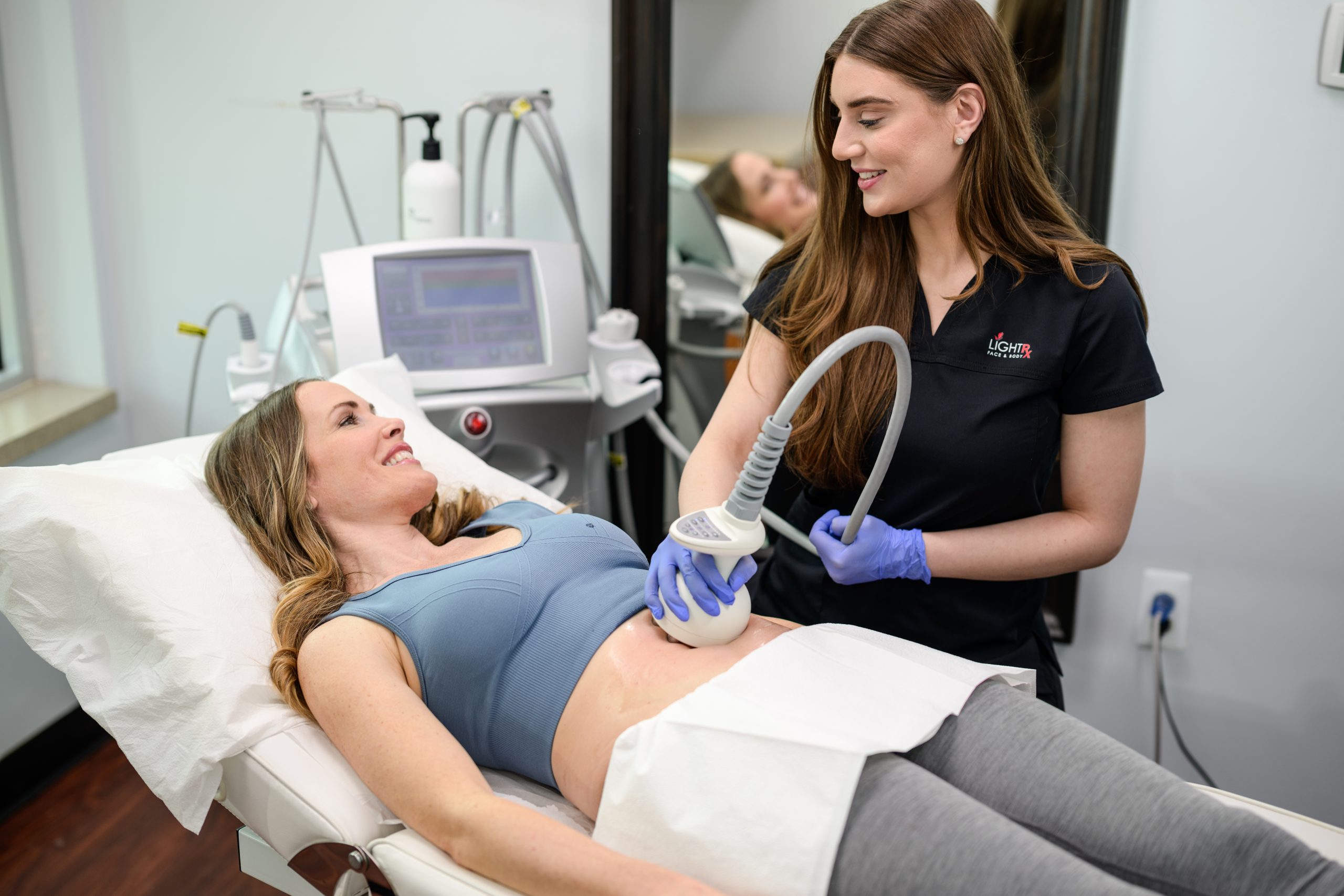
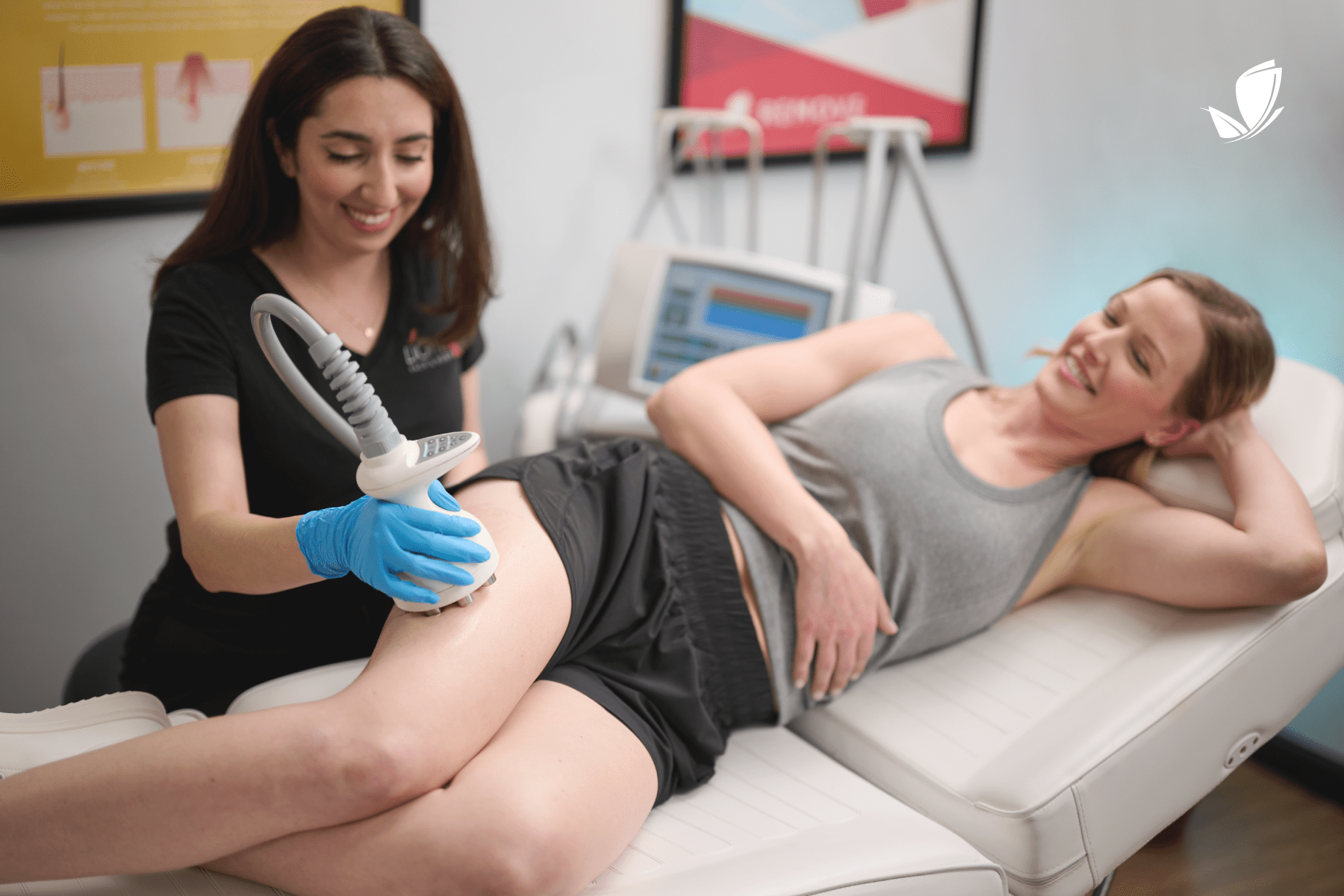
Let’s be real: sometimes, even with the most consistent diet and workout routine, stubborn fat just doesn’t want to leave. It’s frustrating, but it’s also completely normal. When you’ve put in the work and still aren’t seeing the changes you want, LightRx Medspa treatments can be an incredible way to finally target those specific areas. Think of it as the final push to help you achieve the results you’ve been working so hard for. LightRx advanced technologies are designed to work where traditional methods fall short, giving you a safe, effective way to smooth and sculpt your midsection without resorting to invasive surgery. It’s all about finding the right tool to help you feel your absolute best.
What Is Non-Invasive Body Contouring?
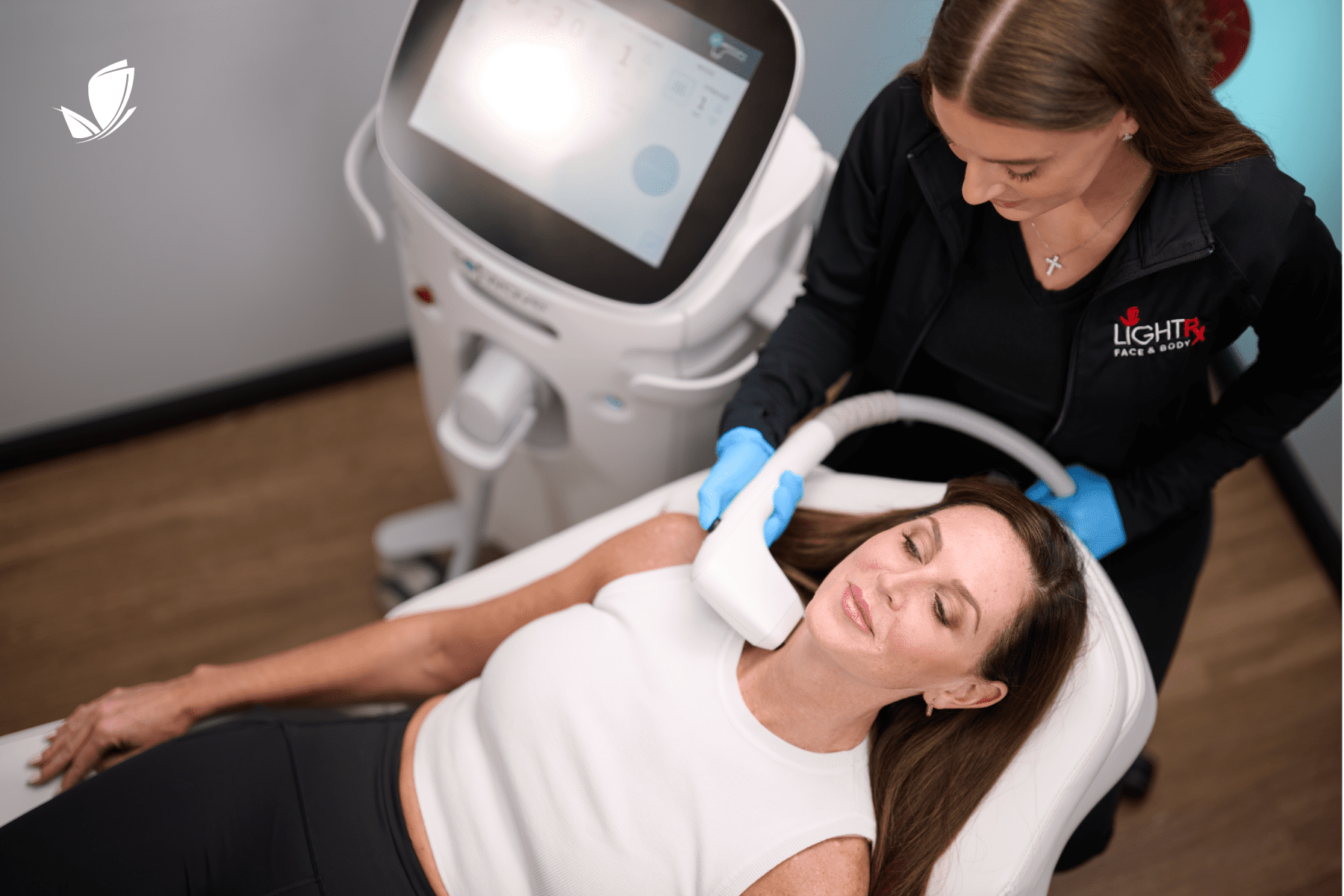
If you’re looking to create a smoother, more defined silhouette, non-invasive body contouring at LightRx is a game-changer. Unlike surgical procedures, these treatments work from the outside in to reduce fat and refine your shape without incisions or downtime. Using advanced technologies, these treatments can help diminish the fat cells that cause a muffin top, resulting in a flatter stomach and more streamlined waist. It’s an effective way to address those specific pockets of fat that seem resistant to everything else, helping your clothes fit better and giving you a major confidence gain.
Finally Target Your Muffin Top with Laser Treatments
Remember how we talked about not being able to “spot reduce” fat with exercise? Well, that’s where technology comes in. LightRx Laser fat removal is designed to do exactly that—target and reduce fat cells in a specific area. This clinically proven treatment uses laser energy to precisely pinpoint fat cells around the abdomen and flanks without harming the surrounding skin. Over time, your body naturally processes and eliminates these cells, leading to a noticeable reduction in the treated area. It’s a fantastic option for zeroing in on your midsection for lasting results.
Get Results Without the Downtime
The idea of cosmetic treatments can be intimidating, but our approach is all about delivering dramatic results gently and safely. We use FDA-cleared, non-invasive technologies that let you get back to your life right away—no lengthy recovery required. Many of our clients also find that combining fat reduction with skin tightening treatments gives them the best possible outcome. This helps ensure the skin in the area remains firm and smooth as you lose fat, creating a beautifully toned and natural-looking contour. It’s a comprehensive approach to shaping your body with your comfort and safety as the top priority.
Exploring Other Professional Options
Surgical Procedures: Tummy Tucks and Liposuction
When you’re looking at all the professional routes, it’s helpful to understand the surgical options, like a tummy tuck or liposuction. A tummy tuck is a major procedure that removes both stubborn fat and excess loose skin—something non-invasive treatments can’t do. It’s often a consideration for women whose abdominal muscles have separated after pregnancy. Liposuction is another surgical method focused purely on fat removal. While these can be very effective, they are invasive procedures that require significant downtime. It’s essential to consult with a board-certified plastic surgeon to see if you’re a good candidate and to ensure your safety.
Understanding Different Fat Reduction Technologies
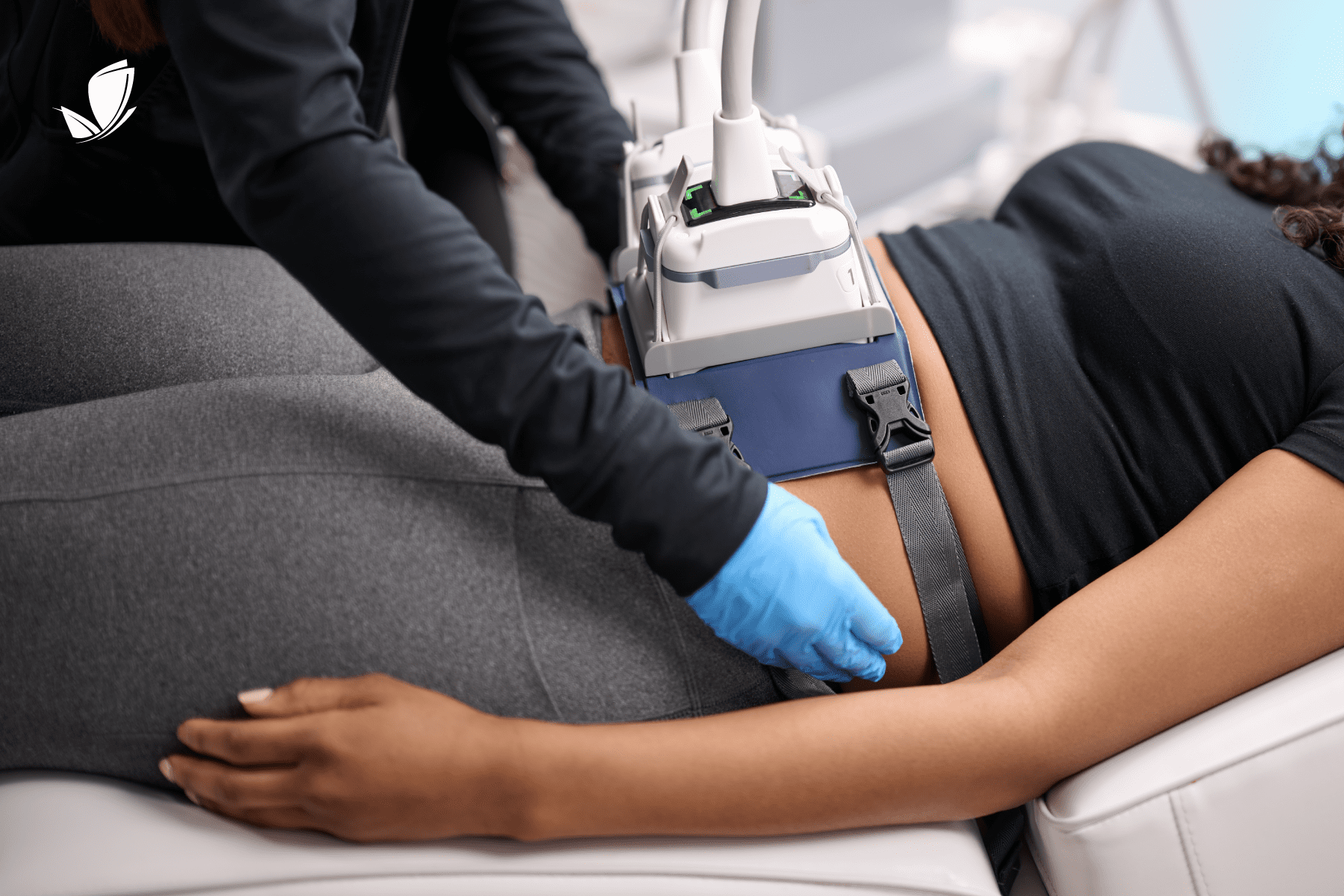
In the non-invasive world, there are a few different technologies to know about. You’ve probably heard of fat freezing, or cryolipolysis, which uses controlled cooling to target and eliminate fat cells. At LightRx, we specialize in a different approach using advanced technologies like Laser Lipo, which uses gentle, controlled heat to achieve a similar, permanent reduction of fat cells. While both methods are designed to get rid of fat cells for good, they work in very different ways. The best way to figure out which technology is the right fit for your body and your goals is to come in for a free consultation where we can talk through all the details.
How We Create Your Personalized Treatment Plan
Your body is unique, and your treatment plan should be, too. The most effective approach is one that’s tailored specifically to your goals, body type, and lifestyle. That’s why starting with a personal consultation is so important. During your free consultation, our experienced technicians will listen to what you want to achieve and assess the area to recommend the best course of action. We can design a personalized plan that might include a combination of treatments to help you get the exact results you’re looking for, ensuring you feel supported and confident every step of the way.
Your Step-by-Step Muffin Top Action Plan
Putting everything into practice is where the real magic happens. Instead of trying to change everything at once, focus on building a simple, sustainable routine. A solid plan is your roadmap to success, helping you stay on track even when life gets busy. Think of it as designing a lifestyle that works for you, not against you. The goal is to create small, consistent habits that add up to significant changes over time. Let’s break down how you can build your own personalized action plan, step by step.
Your Weekly Workout Blueprint
To see real changes, you need to create a “calorie deficit,” which simply means you burn more calories than you consume. A great starting point is to aim for at least 150 minutes of moderate cardio each week—that’s just over 20 minutes a day. This doesn’t have to mean punishing yourself at the gym. Choose activities you genuinely enjoy that get your heart rate up, like brisk walking, swimming, or using an elliptical machine. The key is consistency. Scheduling your workouts like any other important appointment makes it much easier to stick with your routine and build momentum.
Meal Planning That Doesn’t Feel Like a Chore
You don’t need a complicated diet to see results. The simplest approach is often the most effective: focus on whole, unprocessed foods. Fill your plate with a colorful mix of fruits and vegetables, lean proteins, nuts, and whole grains. These foods help support your metabolism and keep you feeling full and satisfied. One of the most impactful changes you can make is cutting back on added sugar, which is often found in sugary drinks and processed snacks. By prioritizing natural foods, you’ll automatically reduce your intake of empty calories and give your body the nutrients it needs to thrive.
How to Measure Progress Beyond the Scale
Progress isn’t just about the number on the scale. It’s also about how you feel day-to-day. Are you sleeping better? Do you have more energy? One of the best ways to support your goals is to get 7-8 hours of quality sleep each night and find healthy ways to manage stress, like meditation or yoga. You can also practice mindful eating by paying close attention to your body’s hunger and fullness signals. Eating slowly and without distractions helps you recognize when you’re truly satisfied, preventing overeating. Tracking these positive shifts in your well-being is a powerful way to stay motivated.
How to Build Healthy Habits That Actually Stick
Losing fat, especially from stubborn areas, is a marathon, not a sprint. It requires patience and consistency. The most important thing you can do is focus on building sustainable habits that you can maintain for the long haul. Drastic diets and extreme workout plans might offer quick results, but they rarely last. Instead, aim for gradual changes across your diet, exercise, and daily lifestyle. By making small, manageable adjustments, you’re creating a foundation for lasting success. Celebrate your progress along the way and remember that every healthy choice is a step in the right direction.
Related Articles
Frequently Asked Questions
I eat healthy and work out, so why do I still have a muffin top? This is an incredibly common frustration, and it’s usually not your fault. Your genetics and hormones play a huge role in where your body decides to store fat. For many of us, especially women, the midsection is the default storage spot. Even if you’re doing everything right, your body might be programmed to hold onto fat in that area. This is where professional treatments can be so helpful, as they can target the specific areas that your lifestyle efforts can’t. Can I get rid of my muffin top just by doing core exercises? Unfortunately, you can’t spot-reduce fat with exercise. While doing crunches and planks will build strong abdominal muscles, it won’t specifically burn the layer of fat on top of them. Fat loss happens across your entire body, and your genetics determine which areas slim down first. The best approach is a combination of full-body workouts, cardio, and a healthy diet to lower your overall body fat. What’s the single most important change I can make to my diet? If you’re going to focus on one thing, make it reducing added sugar and processed foods. Sugary drinks, packaged snacks, and fast food are often full of empty calories that can contribute directly to belly fat. Instead of trying a restrictive diet, start by swapping these items for whole foods like fruits, vegetables, and lean proteins. This simple change can make a significant impact without feeling like a major sacrifice. How do treatments like laser fat removal actually work? Think of it as a way to finally spot-reduce fat where exercise can’t. These non-invasive treatments use clinically proven technology, like laser energy, to target and reduce fat cells in a specific area. The energy passes through your skin without harming it and affects the fat cells underneath. Over the following weeks, your body naturally processes and clears away these affected cells, resulting in a slimmer, more contoured shape in the treated area. I’m feeling overwhelmed by all this information. Where’s the best place to start? Don’t try to change everything at once. The best way to start is by picking one small, manageable habit and sticking with it. This could be as simple as swapping your daily soda for water, going for a 20-minute walk after dinner, or making sure you get at least seven hours of sleep. Once that one change feels like a normal part of your routine, you can add another. Small, consistent steps are what lead to big, lasting results.