
HydraFacial Gentle Skin: Benefits, Risks & Results
You’ve booked your HydraFacial and are ready for that smooth, hydrated glow. But what happens after you leave the spa? Getting the best results means knowing how to support your skin. While it’s famous for being a HydraFacial gentle skin treatment, understanding the possible side effects is key to proper aftercare. This guide gives you the simple, practical steps you need to sidestep any irritation. We’ll make sure your post-facial glow is as brilliant and long-lasting as possible.
Key Takeaways
- Minor side effects are normal: A little redness, tightness, or even a small breakout are common signs that the treatment is effectively clearing out impurities and renewing your skin.
- A consultation is non-negotiable: This treatment isn’t for everyone, so an honest talk with a professional is essential to confirm it’s safe for you, especially if you have active skin conditions, allergies, or are pregnant.
- Simple care routines yield the best results: Maximize your glow by pausing harsh products like retinoids before your appointment and sticking to gentle cleansing, hydration, and consistent sun protection afterward.
What Is a HydraFacial?
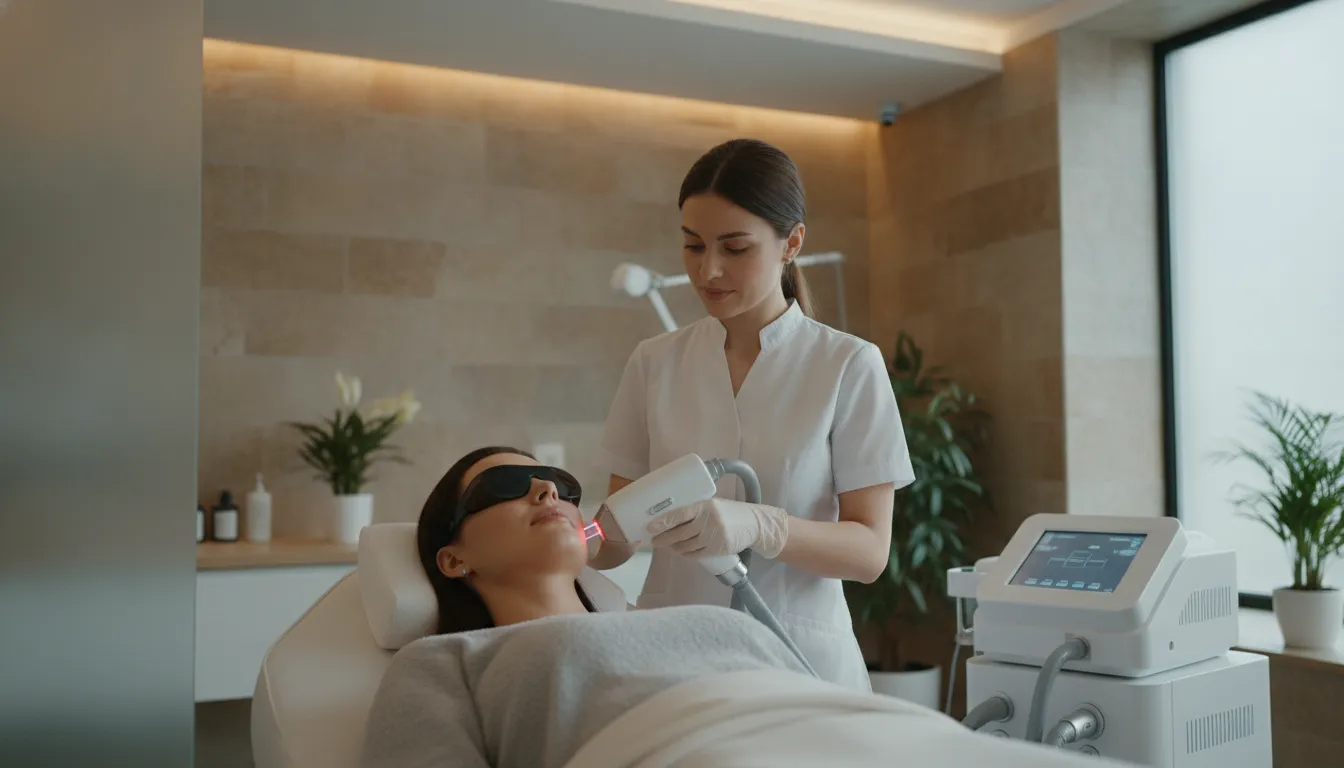
If you’ve spent any time looking into professional facials, you’ve likely heard the buzz around the HydraFacial. So, what exactly is it? Think of it as a supercharged facial that goes way beyond the standard cleanse-and-mask routine. A HydraFacial is a non-invasive treatment that uses a special device to cleanse, exfoliate, extract impurities, and drench your skin in hydrating serums all at once. It’s a multi-step process designed to give you immediate, noticeable results with little to no downtime.
The magic is in its patented Vortex-Fusion delivery system, which is a fancy way of saying it uses a unique spiral tip to create a vortex effect. This allows it to easily dislodge and remove impurities while simultaneously delivering hydrating skin solutions. It’s a fantastic option for anyone looking to improve their skin’s overall health and appearance, making it a cornerstone of modern skin rejuvenation. Whether you’re dealing with dryness, fine lines, or clogged pores, this treatment tackles it all in one gentle session.
The 3 Steps to Glowing Skin
The HydraFacial treatment is famous for its efficient three-step process that delivers consistent results. First, your skin is gently cleansed and exfoliated to sweep away dead skin cells and reveal a fresh layer underneath. Next, a gentle acid peel solution is applied. Don’t let the word “peel” scare you; it’s a mild blend of glycolic and salicylic acids that loosens dirt and debris from your pores without the irritation of a traditional peel. The final step is extraction and hydration. The device uses painless vortex suction to clean out your pores, then infuses your skin with antioxidants and peptides for ultimate hydration and protection.
The HydraFacial Glow: What to Expect
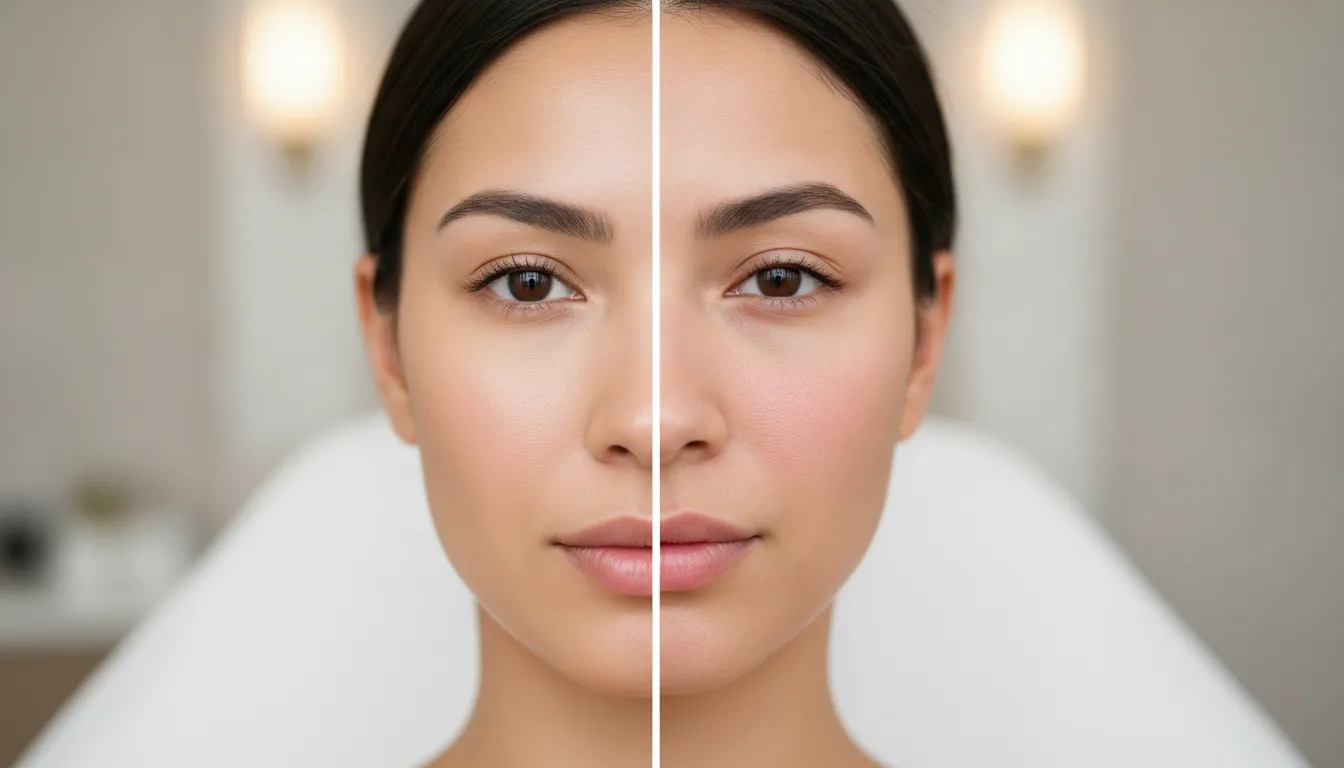
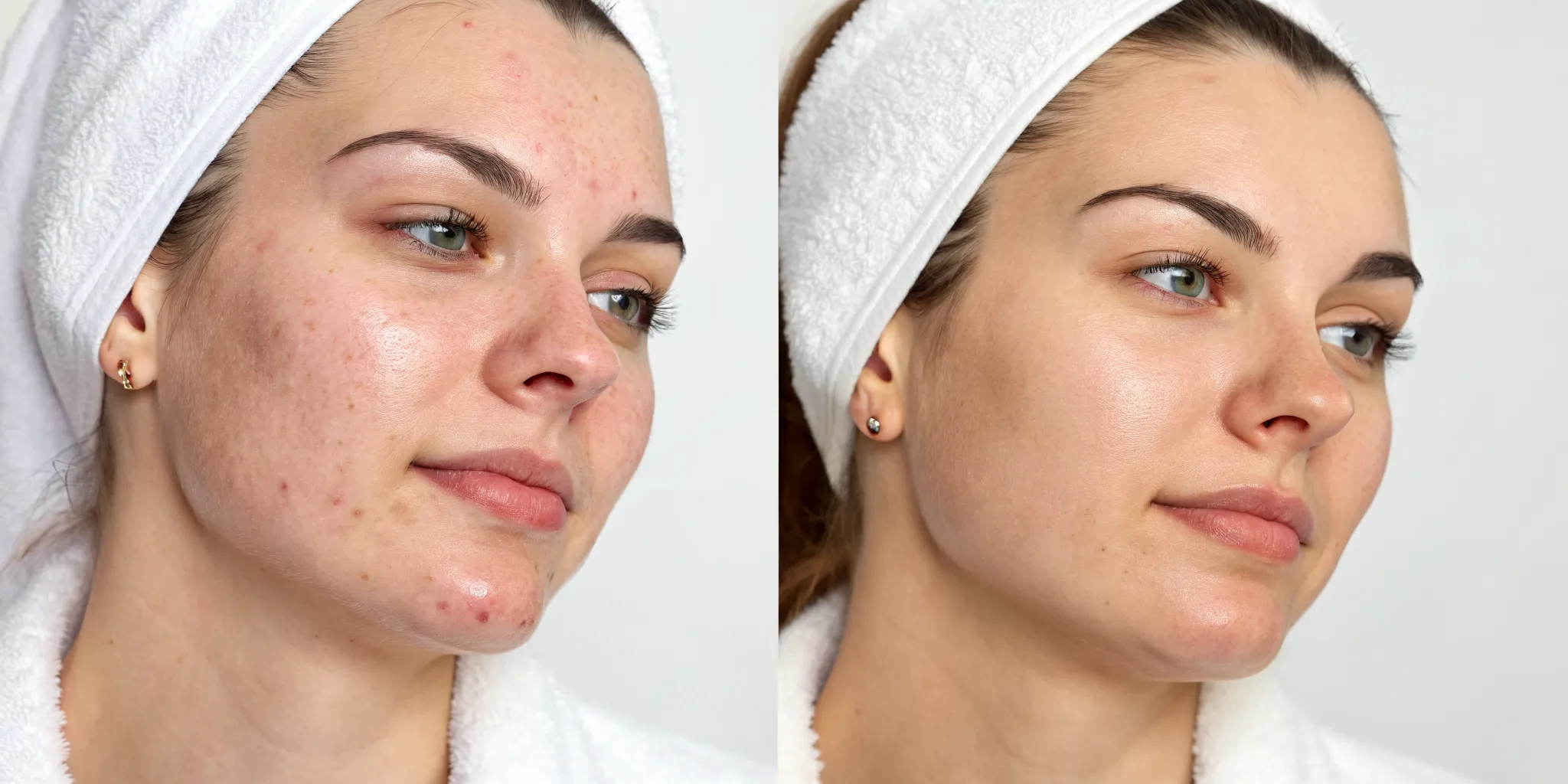
So, why do people love HydraFacials so much? The benefits speak for themselves. Right after the treatment, you can expect to see a more radiant and even skin tone. It’s known for its ability to dramatically improve skin texture, leaving it feeling incredibly smooth and soft. The intense hydration helps plump the skin, which can reduce the appearance of fine lines and wrinkles. Plus, by clearing out congestion and impurities, the treatment can help manage acne breakouts and give your skin a clearer, healthier look. It’s a comprehensive treatment that enhances your skin’s appearance, making it one of the most popular aesthetic services available.
How Long Does It Take and What Does It Cost?
One of the best parts about a HydraFacial is how easily it fits into a busy schedule. A typical treatment takes about 30 to 45 minutes from start to finish, which is why it’s often called a “lunchtime facial.” You can genuinely pop in for a session and head right back to your day without any tell-tale redness or downtime. When it comes to cost, prices can vary depending on your location and any customizations you add to your treatment. Generally, you can expect a single session to be in the range of $150 to $300. The best way to get an accurate price is to schedule a free consultation, where a technician can assess your skin and recommend a personalized treatment plan that aligns with your budget and goals.
Are There Different Types of HydraFacials?
Yes, and this is where the treatment truly shines. A HydraFacial isn’t a one-size-fits-all procedure; it can be completely customized to address your specific skin concerns. During your treatment, special serums or “boosters” can be added to target issues like fine lines, dark spots, or uneven texture. For example, you might add a booster designed for brightening if you’re dealing with hyperpigmentation, or one focused on firming to address signs of aging. Some providers also offer complementary treatments like LED light therapy to further enhance your results, using different light colors to calm inflammation or stimulate collagen production. This level of personalization ensures you get the most out of every session.
How Does a HydraFacial Compare to Other Facials?
With so many facial treatments on the market, it’s fair to wonder what makes a HydraFacial stand out from the rest. The key difference lies in its unique technology and gentle approach. While many facials rely on manual techniques for exfoliation and extractions—which can sometimes be uncomfortable and lead to irritation or redness—the HydraFacial uses its patented Vortex-Fusion system to do the heavy lifting. This device provides a consistent, controlled treatment that cleanses, exfoliates, and hydrates more effectively and gently than traditional methods. It’s a medical-grade treatment that delivers the relaxation of a spa facial with the visible, reliable results you’d expect from a more intensive procedure.
This technological edge is what allows the HydraFacial to offer such a comprehensive treatment in a single session. It combines several steps that are often separate in other facials, like chemical peels and microdermabrasion, but without the associated harshness or recovery time. The immediate, glowing results and lack of downtime make it a superior choice for those who want to improve their skin’s health without disrupting their life. It’s a modern approach to skin rejuvenation that prioritizes both effectiveness and client comfort, setting a new standard for what a facial can achieve.
HydraFacial vs. Traditional Spa Facials
When you picture a traditional spa facial, you might think of steam, manual extractions, and thick masks. While relaxing, these facials can sometimes leave your skin red and sensitive for a few hours afterward. A HydraFacial, on the other hand, offers a more advanced experience. Unlike the often-uncomfortable manual squeezing involved in traditional extractions, the HydraFacial uses a gentle suction to painlessly clean out pores. This patented technology cleanses and hydrates the skin at the same time, which means you get a deep clean without the irritation and can walk out with an immediate glow instead of post-treatment redness.
Is a HydraFacial Right for Your Skin Goals?
Deciding on the right facial treatment is a personal choice that depends entirely on your skin’s needs and your aesthetic goals. A HydraFacial is an incredibly versatile option that benefits nearly all skin types and concerns. If your goal is to achieve a brighter, more even complexion, reduce the appearance of fine lines, or simply give your skin a deep clean and a dose of intense hydration, this treatment is an excellent choice. It’s particularly effective for tackling clogged pores, dullness, and dehydration, leaving your skin looking instantly refreshed and feeling incredibly smooth. Because it’s so gentle, it’s also a fantastic option for people with sensitive skin who might not tolerate more aggressive treatments.
However, the best way to know for sure is to talk with a professional. During a consultation, a licensed esthetician can analyze your skin and discuss your goals to determine if a HydraFacial is the best path forward. They can also identify any specific boosters or complementary therapies that would give you the best possible results. For instance, if you’re concerned about both acne and early signs of aging, they can create a customized treatment plan that addresses both. This personalized approach ensures that the treatment is perfectly aligned with what you want to achieve for your skin.
Setting Realistic Expectations for Your Results
A HydraFacial delivers impressive, immediate results—your skin will look brighter, feel smoother, and be visibly more hydrated right after your appointment. This makes it a perfect treatment before a big event. However, it’s important to have realistic expectations about the longevity of these results. While the initial glow is fantastic, the effects are temporary, and maintaining them requires consistency. For long-lasting improvements in skin health, texture, and tone, a series of treatments is usually recommended. Think of it as a workout for your skin; one session is great, but regular appointments will yield the most significant and enduring benefits.
A Balanced View: What Some Dermatologists Think
It’s always reassuring when a popular treatment has the backing of medical professionals, and the HydraFacial is no exception. Many dermatologists endorse this facial because it effectively improves skin texture and hydration with a very low risk of side effects. Its gentle nature makes it a safe and reliable option for a wide range of patients, including those with sensitive skin or conditions like rosacea who need to be cautious with other treatments. The procedure’s ability to deliver consistent, noticeable results without causing significant irritation is a major reason why it has earned a respected place in the world of professional skincare.
What to Expect After Your HydraFacial
A HydraFacial is known for being a gentle yet effective treatment, but it’s still a powerful procedure that works deep within your skin. So, it’s completely normal to experience a few minor, temporary side effects as your skin adjusts. Think of these as signs that the treatment is doing its job: clearing out impurities, sloughing off dead cells, and paving the way for that signature glow.
Most of these effects are very mild and typically resolve on their own within a day or so. Understanding what to expect can help you relax and enjoy the results of your skin rejuvenation treatment. Let’s walk through the most common reactions, so you know exactly what’s normal and what isn’t.
Why Your Skin Might Look a Little Flushed
Don’t be alarmed if your skin looks a little pink immediately after your appointment. A bit of redness is one of the most common side effects, and it’s a sign that the treatment stimulated your skin. The combination of exfoliation and gentle suction increases blood flow to the area, which is great for circulation and skin health. This flush is temporary and usually fades within a few hours, leaving you with a calmer, more even complexion. It’s similar to the healthy glow you might have after a good workout.
Feeling Tight or Flaky? Here’s Why
Your skin might feel slightly tight after a HydraFacial, which is often a response to the deep cleansing and infusion of active serums. This sensation is usually short-lived and just means your skin is adjusting to its newly clarified state. In some cases, you might notice very light flaking a day or two after the treatment. This is simply the last of the dead skin cells making their exit as your fresh, new skin is revealed. It’s a normal part of the skin renewal process, and staying hydrated will help minimize this feeling quickly.
Is It a Breakout or Just Skin Purging?
Seeing a new blemish after a facial can feel frustrating, but it’s often a positive sign of “skin purging.” The HydraFacial’s vortex-extraction nozzle works like a tiny vacuum to pull congestion, oil, and bacteria from deep within your pores. Sometimes, this process brings underlying impurities to the surface that were already on their way to becoming a pimple. Essentially, the treatment speeds up the process, clearing out your pores so they don’t cause issues later. These breakouts are typically small and heal much faster than regular acne.
That Tingly Feeling: What Does It Mean?
During the exfoliation step of the HydraFacial, you might feel a slight tingling on your skin. This is caused by the active ingredients in the peel, typically a gentle blend of glycolic and salicylic acids. This sensation is completely normal and indicates that the ingredients are working to break down dead skin cells and debris. Your technician will be in constant communication with you to ensure you’re comfortable, and the feeling usually subsides very quickly as they move on to the next step of the treatment.
Are There More Serious Risks to Consider?
While a HydraFacial is a go-to for many seeking a quick skin refresh, it’s smart to be aware of some less common, more serious risks. Most of these issues can be avoided by working with a qualified professional who takes the time to understand your skin’s unique needs. A thorough consultation is your best first step to ensure any treatment you choose is the right fit for you. It’s a chance to discuss your skin history, allergies, and goals, which helps your provider tailor the experience and prevent potential problems.
Think of it this way: your skin is unique, and your treatment plan should be too. When side effects go beyond mild and temporary, it’s often a sign that the treatment wasn’t a good match for your skin type or an underlying condition. Knowing what to look out for helps you stay in control of your skin health journey.
Could You Be Allergic to the Serums?
The customized serums are a key part of the HydraFacial magic, but they can also be a source of trouble if you have specific allergies. Some formulations contain ingredients that may trigger an allergic reaction, such as shellfish, aspirin, or certain acids like salicylic acid. A reaction can show up as severe itching, hives, or swelling. This is why being upfront about all your allergies during your consultation is so important. A skilled provider will know exactly which serums to use and which to avoid, ensuring your path to glowing skin is safe and comfortable.
When Sensitivity or Swelling Doesn’t Go Away
A little bit of pinkness right after your treatment is one thing, but redness and swelling that stick around for more than a day could be a sign of a bigger issue. This can happen if your skin is highly sensitive or if the treatment was performed too aggressively. The suction and exfoliation, while effective, can be too intense for delicate skin, leading to prolonged irritation. A great technician will always assess your skin’s sensitivity and adjust the device’s settings accordingly, making sure the treatment is gentle yet effective.
Can It Make Some Skin Conditions Worse?
A HydraFacial isn’t a one-size-fits-all solution, and for some, it can do more harm than good. If you have active conditions like severe acne, rosacea, infections, or even a fresh sunburn, the treatment can cause more irritation. The exfoliation and extraction process can aggravate already inflamed skin. If you’re dealing with these concerns, it’s better to explore other options. Treatments focused on gentle skin rejuvenation might be a more effective and safer way to address issues like rosacea or acne scarring without causing a flare-up.
Can You Get a HydraFacial Too Often?
That post-HydraFacial glow can be tempting to chase, but too much of a good thing can backfire. Getting treatments too frequently, like every week, can strip your skin’s natural protective barrier. This over-exfoliation can lead to long-term problems, including broken veins, dark spots, thinning skin, and even new acne breakouts. It’s crucial to stick to a treatment schedule recommended by a professional. They can help you find the right balance to maintain results without compromising the long-term health and integrity of your skin.
When to Say “Not Right Now” to a HydraFacial
A HydraFacial is a fantastic treatment for many people, but it’s not the perfect fit for everyone. The key to getting amazing results from any aesthetic treatment is making sure it’s the right one for your specific skin type and current condition. Think of it like this: you wouldn’t run a marathon on an injured ankle. Similarly, you shouldn’t put your skin through an intensive treatment if it’s already compromised or if you have certain health conditions. Your safety and results are what matter most, and a good provider will always prioritize that over anything else.
This is why a thorough consultation is a non-negotiable first step. It’s a chance for you to ask questions and for a professional to properly assess your skin. We can discuss your goals, review your health history, and determine if a HydraFacial is truly your best option. In some cases, a different approach from our skin rejuvenation services might be more effective and safer for you. It’s all about creating a personalized plan that works for your unique needs. Let’s walk through a few specific situations where it’s best to hold off on this particular treatment so you can make an informed decision.
If You Have Active Acne or Severe Rosacea
If you’re dealing with moderate to severe acne breakouts or a significant rosacea flare-up, a HydraFacial might do more harm than good. The treatment involves exfoliation and suction, which can be too aggressive for skin that is already inflamed and sensitive. Applying this kind of pressure can worsen irritation, spread bacteria, and prolong your skin’s healing time. Instead of calming your skin, you could end up with more redness and sensitivity. It’s best to wait until your skin is in a calmer state before trying a HydraFacial.
What About Mild Rosacea or Sensitive Skin?
If you have sensitive skin or mild rosacea, you’re probably used to being extra cautious with new treatments. The good news is that a HydraFacial is often a great choice because it’s so gentle and customizable. Unlike harsh scrubs or manual extractions that can cause irritation, this treatment uses a unique vortex-fusion technology to clean out pores without being aggressive. In fact, the vacuum-like extraction process is often considered more thorough and less painful than traditional methods, a combination that benefits reactive skin. Your technician can adjust everything from the suction level to the specific serums used, ensuring the treatment is tailored perfectly to your skin’s needs. This personalized approach helps manage redness and dryness, making it a safe and effective way to achieve a healthy glow without the flare-up.
If Your Skin is Sunburned or Compromised
This one is a hard pass. Applying a HydraFacial to sunburnt skin or any area with open sores, cuts, or active rashes is a definite no-go. Your skin is already working overtime to heal, and its protective barrier is compromised. The exfoliation, suction, and active serums used in the treatment would be painful and could introduce bacteria, leading to potential infection and scarring. Always allow your skin to heal completely before scheduling any kind of facial. Give that sunburn or lesion the time it needs to fully recover first.
A Note for Pregnant or Breastfeeding Moms
When you’re pregnant or breastfeeding, it’s always smart to be extra cautious about what you put on and in your body. Some of the ingredients in HydraFacial serums, like salicylic acid, are generally not recommended for use during pregnancy. Since there isn’t enough research to confirm the effects these ingredients might have, the standard medical advice is to play it safe and avoid them. We always prioritize the health of you and your baby, so we recommend postponing your HydraFacial until after you’ve finished breastfeeding.
If You Have Specific Ingredient Allergies
An allergic reaction is the last thing you want from a relaxing facial. The serums used in a HydraFacial contain a blend of potent ingredients, and it’s possible to be allergic to some of them. For example, some formulas contain ingredients derived from shellfish or use salicylic acid, which can cause a reaction in people with an aspirin allergy. This is why your pre-treatment consultation is so important. Be sure to tell your provider about any known allergies so they can confirm the treatment is safe for you.
If You’re Taking Certain Medications
It’s incredibly important to be open about any medications you’re taking, both topical and oral, during your consultation. Certain drugs, especially photosensitizing antibiotics or strong acne medications like isotretinoin (formerly Accutane), can make your skin extremely sensitive. Undergoing a HydraFacial while on these medications could lead to prolonged redness, irritation, or even more serious reactions because your skin’s healing process is altered. The active ingredients in the serums could also interact unpredictably with your medication. A thorough discussion with your provider is the best way to ensure the treatment is safe and effective for you. This is a key part of any good skin rejuvenation treatment guide and helps us customize a plan that won’t compromise your skin’s health.
How to Get the Best Results from Your HydraFacial
A little preparation and thoughtful aftercare can make all the difference between a good result and a great one. While a HydraFacial is gentle, your skin is still undergoing a professional treatment, and giving it the right support before and after is key. Following a few simple guidelines will help you sidestep potential irritation and keep your skin looking its absolute best. Think of it as rolling out the red carpet for that incredible, long-lasting glow you’re looking for.
How to Prep Your Skin Before Your Appointment
To get the most out of your HydraFacial, you’ll want to give your skin a bit of a break beforehand. About five days before your appointment, pause your use of any strong at-home products. This includes anything with Retin-A, alpha-hydroxy acids (AHAs), or other chemical exfoliants and peels. Hitting pause on these potent ingredients helps prevent over-stimulation and ensures your skin is calm and ready for the treatment. This simple step is a key part of any good skin rejuvenation plan and sets the stage for beautiful, irritation-free results.
Your Post-HydraFacial Skincare Routine
After your HydraFacial, your skin will be fresh, clean, and a little more sensitive than usual. For the first day or two, treat it gently. Avoid touching or picking at your face, and stick to a mild, simple cleanser. It’s also wise to skip any exfoliating products, retinoids, or vitamin C serums for a few days, as these can be too intense for freshly treated skin. Instead, focus on hydration. Drink plenty of water and use a soothing, hydrating moisturizer to lock in that post-facial plumpness and support your skin’s barrier.
Why SPF is Your Post-Treatment Best Friend
Sunscreen is always your skin’s best friend, but it’s absolutely essential after a HydraFacial. Your newly exfoliated skin is more vulnerable to sun exposure, so protecting it is a top priority. Make sure to apply a broad-spectrum sunscreen with an SPF of 40 or higher every single day, even if it’s cloudy. This will protect your results, prevent sun damage, and keep your skin healthy and glowing. Reapplying throughout the day is also a great habit to get into, especially if you’re spending time outdoors.
How Often Should You Get a HydraFacial?
To keep your skin looking its best, consistency is key. For most people, scheduling a HydraFacial every four to six weeks is the sweet spot. This timing aligns perfectly with your skin’s natural cell turnover cycle, which is about 28 days. By getting a treatment regularly, you continuously clear away dead skin cells and impurities while infusing your skin with hydration and nutrients. This helps maintain that smooth texture and radiant glow long-term. A consistent schedule is one of the best ways to manage ongoing concerns like clogged pores or fine lines, and it can be a core part of a great maintenance plan for healthy skin.
Timing Your Treatment for a Big Event
If you have a big event on the horizon, like a wedding or a vacation, a HydraFacial is a fantastic way to get your skin camera-ready. The key is to time it just right. I recommend booking your appointment two to three days before the event. This gives any initial redness or flushing plenty of time to disappear completely. More importantly, the full, glowing results often peak a day or two after the treatment, once your skin has fully absorbed all the hydrating serums. This little bit of planning ensures you’ll look refreshed and radiant right when you want to.
Finding a Certified HydraFacial Provider
The person performing your HydraFacial matters just as much as the treatment itself. Always choose a provider with visible certifications who can confidently walk you through the process. A trained professional understands how to tailor the treatment to your specific skin type, adjusting the suction levels and choosing the right serums to help you achieve your goals without causing irritation. This is why a thorough free consultation is so important. It’s your opportunity to ensure the provider is a good fit and that the treatment is truly the right choice for your skin’s unique needs.
Knowing When to Contact Your Esthetician
Your provider is your partner in skincare. If you have very sensitive skin or known allergies to common ingredients like shellfish or aspirin, be sure to discuss this during your free consultation. While a bit of pinkness is normal right after the treatment, it should fade within a few hours. If you experience redness or swelling that lasts longer than a day, or if you have any other concerns, don’t hesitate to reach out. Open communication ensures your treatment plan is perfectly suited to you and your skin’s unique needs, giving you peace of mind.
Related Articles
- 6 Amazing HydraFacial Benefits for Your Skin
- What Is a Hydrafacial? The Ultimate Guide
- HydraFacial Treatment Cost: Your 2026 Guide
Frequently Asked Questions
How often should I get a HydraFacial? For most people, scheduling a HydraFacial once a month is a great way to maintain your results and support your skin’s health. This timing aligns well with your skin’s natural cell turnover cycle. However, your ideal frequency might be different depending on your specific skin goals. During your consultation, we can create a personalized treatment schedule that works best for you.
Is the HydraFacial treatment painful? Not at all. Most people find the experience to be very relaxing and comfortable. You might feel a slight tingling sensation during the gentle peel step, and the suction from the extraction tip feels like a light vacuum on your skin. It’s a non-invasive treatment, so you can expect a gentle process without any significant discomfort.
How long will my results last? You’ll see a noticeable improvement in your skin’s hydration and radiance immediately after the treatment. These initial results, like that amazing glow and smoothness, typically last for about a week or even longer. With consistent monthly treatments, you can achieve more lasting improvements in skin texture, tone, and the appearance of fine lines.
Can a HydraFacial be customized for my skin? Absolutely. One of the best things about a HydraFacial is that it can be tailored to your specific skin concerns. The treatment uses different serums and boosters that can target issues like fine lines, dark spots, or dryness. We will discuss your goals during your consultation to select the right blend of ingredients for your skin.
What makes a HydraFacial different from microdermabrasion? While both treatments exfoliate the skin, they work very differently. Microdermabrasion uses a more abrasive method to sand away the outer layer of dead skin cells. A HydraFacial, on the other hand, uses a gentler approach with its vortex technology to exfoliate, extract impurities, and infuse the skin with hydrating serums all in one motion. This makes it a less irritating and more hydrating option.