

Sofwave Aftercare: A Practical Recovery Guide
Sofwave aftercare is generally straightforward: protect the treated skin, keep your routine gentle, and follow the personalized instructions from your treating provider. Temporary redness, tenderness, or mild swelling may occur, but many people can return to normal daily activities soon after treatment. The most important distinction is simple: normal aftercare supports comfortable recovery, while new or worsening symptoms deserve a call to your provider.
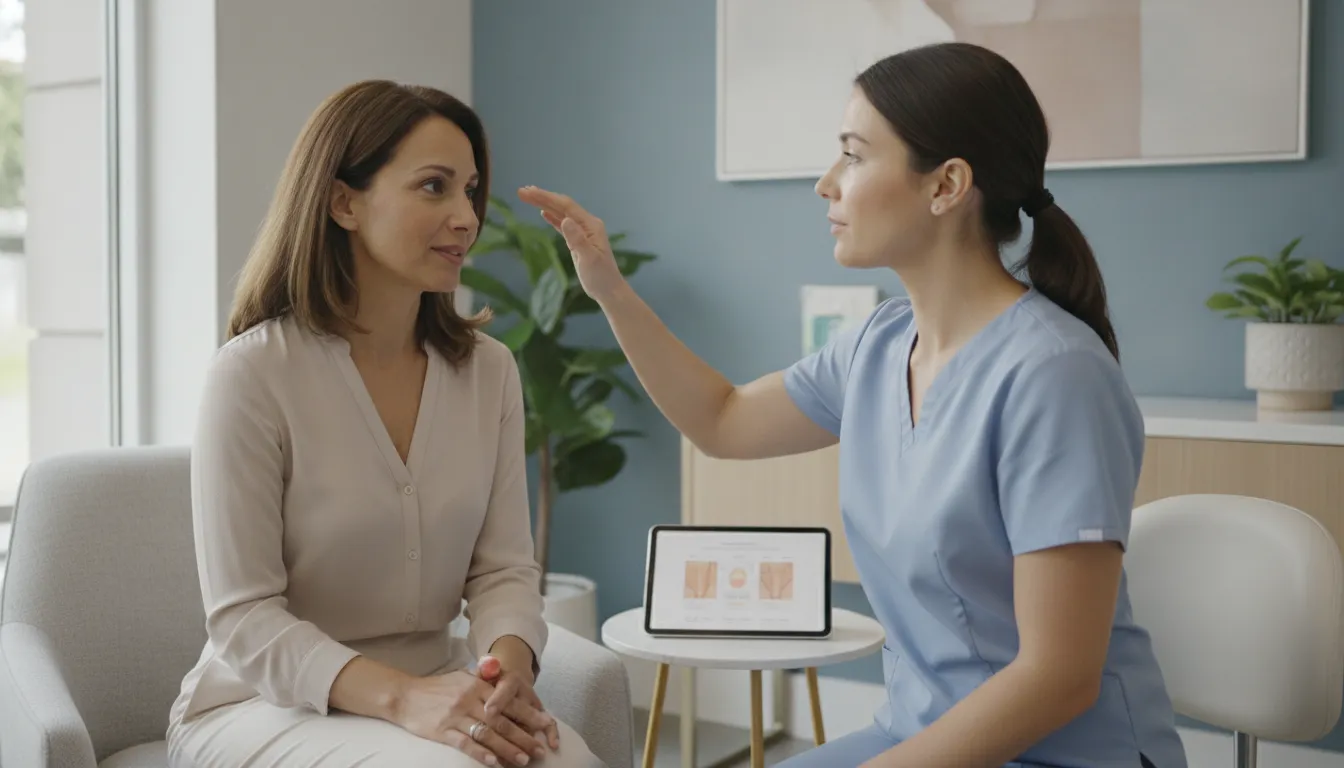
Book your free LightRx consultation to discuss whether Sofwave fits your skin goals and receive guidance tailored to your treatment plan.
This guide explains what to do during the first 24 hours, how to adjust skincare and sun exposure, and when to contact your provider. It supports, but does not replace, the instructions you receive at your appointment.
Sofwave aftercare at a glance
The core Sofwave aftercare plan is to minimize irritation while the skin settles. Use gentle products, avoid unnecessary heat and friction, apply sun protection, and monitor how the treated area changes. Your provider’s instructions take priority because recommendations can vary with the treatment area, skin condition, and services performed during the same visit.
| Time after treatment. | What may be normal. | Practical focus. |
|---|---|---|
| First few hours. | Temporary redness, warmth, tenderness, or mild swelling. | Keep the area comfortable and avoid touching it unnecessarily. |
| First 24 hours. | Skin may feel more sensitive than usual. | Use a gentle routine and avoid heat, friction, and irritating products. |
| Next several days. | Temporary effects should continue to settle. | Maintain daily sun protection and reintroduce products cautiously. |
| Following weeks. | Visible changes may develop gradually. | Follow the recommended skincare and follow-up plan. |
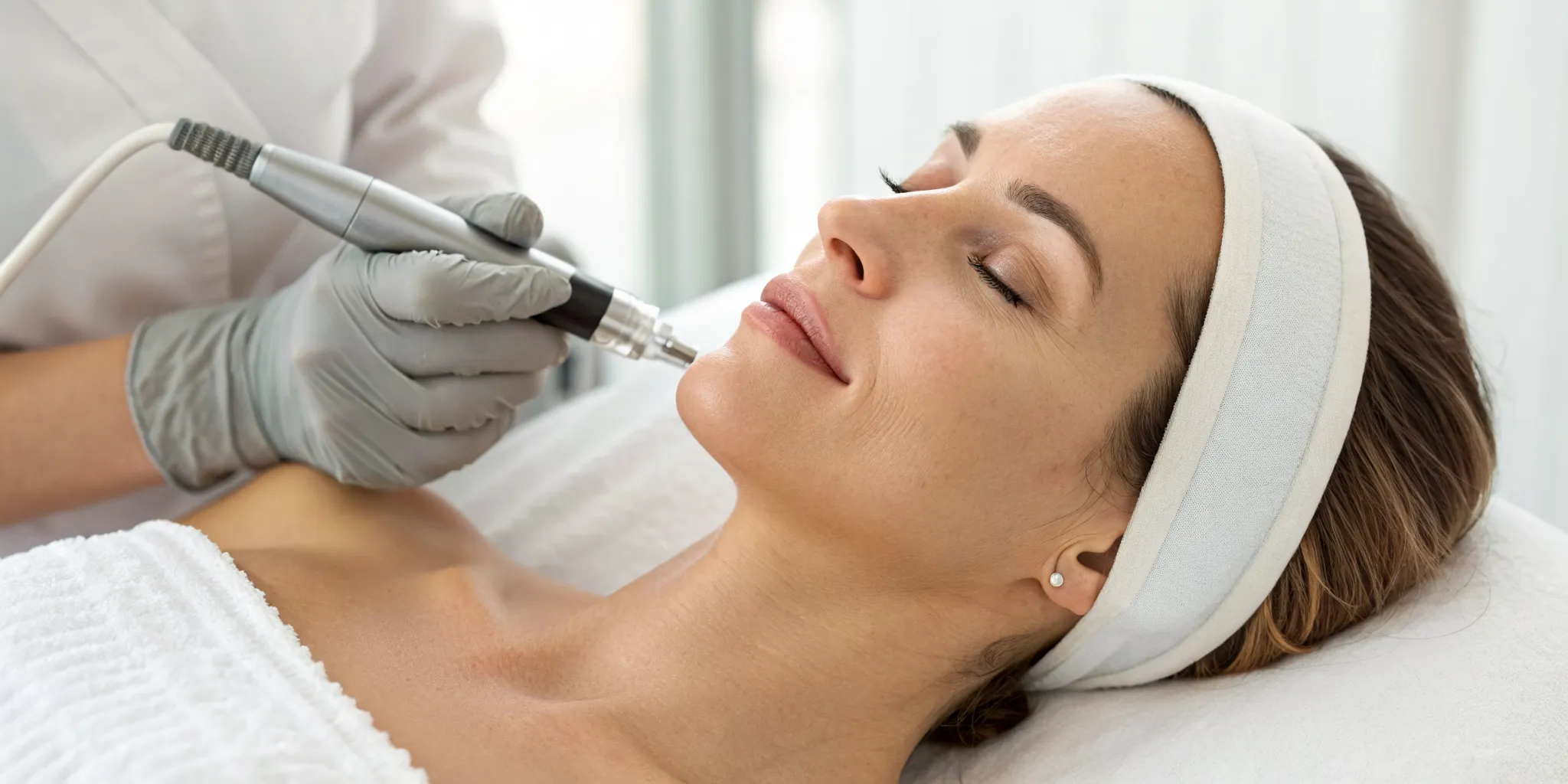
Sofwave uses ultrasound energy below the skin’s surface to support a collagen response. That mechanism is why recovery may look different from an ablative treatment that intentionally disrupts the surface. Even so, the absence of significant surface downtime does not mean the skin should be treated carelessly.
What should you do in the first 24 hours?
During the first 24 hours after Sofwave, favor comfort and consistency over an elaborate skincare routine. Treat the area gently, avoid adding unnecessary heat, and pay attention to whether temporary effects are improving rather than intensifying.
- Follow the written instructions from your provider. These reflect the area treated and your skin’s response during the appointment.
- Keep hands off the treated area. Repeated touching, rubbing, or massage can add irritation unless your provider specifically recommends it.
- Use a simple cleansing approach. If your provider says cleansing is appropriate, choose lukewarm water, a gentle cleanser, and light pressure. Pat dry rather than rubbing.
- Apply only comfortable products. A basic moisturizer may help if it is already tolerated and your provider approves it. Stop using a product if it stings or causes new irritation.
- Avoid excess heat. Ask your provider when to resume saunas, steam rooms, hot tubs, very hot showers, or intense exercise.
- Protect the area from the sun. Use the sunscreen and physical protection recommended by your provider.
There is no benefit to testing a new active serum immediately after treatment. A short, predictable routine makes it easier to distinguish a normal temporary response from irritation caused by a product.

Which temporary effects are common after Sofwave?
Temporary redness, tenderness, warmth, or mild swelling can occur after Sofwave. The expected intensity and duration vary, so use the recovery guidance provided at your appointment as the most relevant benchmark.
Redness and warmth
A flushed or warm feeling can reflect the skin’s short-term response to treatment. It should trend toward improvement. Do not try to correct it with aggressive exfoliation or strong products. If the area becomes increasingly red, hot, or painful, contact your provider rather than waiting for a scheduled follow-up.
Tenderness or mild swelling
The treated area may feel tender or mildly swollen. Avoid pressing on it to repeatedly check whether the sensation has changed. If your provider recommends a specific comfort measure, follow their directions rather than improvising with topical products or medications.
A gradual visual result
Sofwave is not best evaluated the next morning. It is intended to support collagen remodeling, which is a gradual process. Photographs taken in consistent lighting can be more useful than daily mirror checks, which are easily influenced by lighting, hydration, and normal day-to-day variation. Individual results vary.
How should you adjust skincare after Sofwave?
After Sofwave, simplify skincare until the treated area feels calm and your provider says you can resume your usual routine. Gentle cleansing, moisturizer, and sun protection are usually more appropriate than immediately returning to every active product in your cabinet.
Products that are comfortable before treatment may feel different afterward. Ask your provider when to resume retinoids, exfoliating acids, scrubs, strong vitamin C formulas, benzoyl peroxide, or prescription topicals. The right timing depends on your skin and the specifics of your appointment.
- Cleanser: Choose a mild formula and use light pressure.
- Moisturizer: Favor a simple product your skin already tolerates.
- Sunscreen: Apply the broad-spectrum product recommended by your provider and reapply as directed.
- Makeup: Resume only when the skin is intact and comfortable, following your provider’s guidance.
- Active ingredients: Reintroduce them one at a time rather than restarting several on the same day.
This gradual approach is practical, not merely cautious. If irritation appears, introducing one product at a time makes it easier to identify the cause. For a broader look at how Sofwave fits into an aesthetic plan, review the LightRx Sofwave technology page.
Explore Sofwave at LightRx and bring your skincare questions to a personalized consultation.
Why does sun protection matter after treatment?
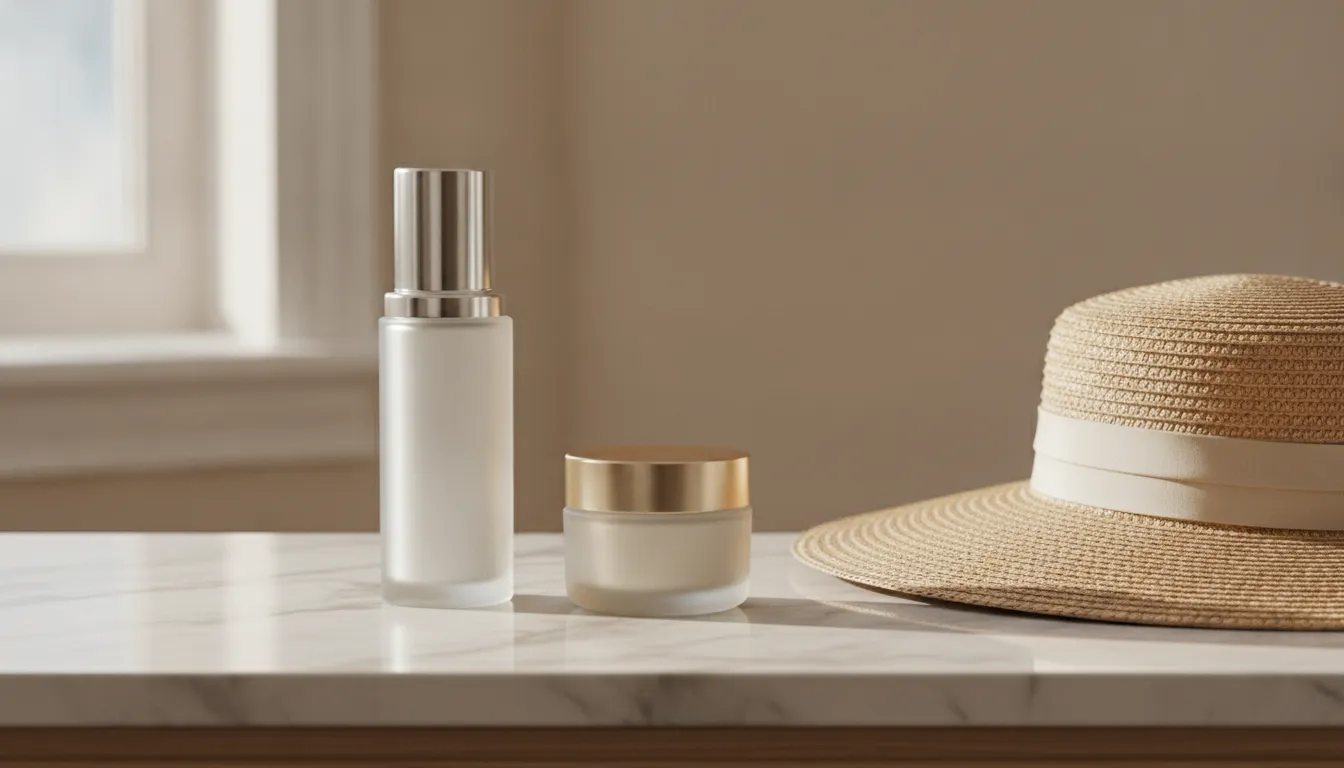
Sun protection helps reduce avoidable stress on recently treated skin and supports a consistent skincare plan. Use broad-spectrum sunscreen as directed, then add shade, a hat, and thoughtful timing when outdoor exposure is likely.
Sunscreen should not be treated as a one-time morning step if you will be outdoors for an extended period. Follow the product directions for reapplication, especially after sweating. If a sunscreen stings the treated area, stop and ask your provider for an alternative instead of leaving the skin unprotected.
Physical protection adds another layer. A wide-brimmed hat and shade can reduce direct exposure without requiring you to apply more product to sensitive skin. If you are planning a beach trip, outdoor event, or travel shortly after treatment, discuss timing with your provider before the appointment.
When can you return to workouts and regular activities?
Many people can return to routine daily activities after Sofwave, but exercise, heat exposure, and other services should be resumed according to the treating provider’s guidance. The safest timeline is based on how your skin responds, not on a generic promise of zero downtime.
A desk-based workday and an intense workout do not place the same demands on recently treated skin. Exercise can increase heat, sweating, and facial flushing. If your provider advises a temporary pause, use that time to avoid adding factors that may make the area feel more irritated.
Also ask before scheduling facials, peels, waxing, laser services, injectables, or other treatments near the same area. A coordinated plan prevents overlapping recovery windows and helps each provider understand what your skin has recently experienced. LightRx’s Treat2Complete approach can help frame a broader, provider-led treatment plan rather than treating each appointment as an isolated event.
When should you contact your provider?
Contact your provider when a symptom is severe, unexpected, or getting worse instead of better. Prompt communication is appropriate for increasing pain, significant or persistent swelling, blistering, drainage, marked color changes, signs of infection, or any reaction that concerns you.
You do not need to diagnose a reaction before calling. Share when the symptom began, whether it is improving or worsening, what products you applied, and clear photographs if requested. That information can help the clinical team advise you efficiently.
Prepare useful details before you call
Keep your appointment information available and describe the symptom in specific terms. Note its location, when you first noticed it, and whether it changed after cleansing, exercise, sun exposure, or applying a product. If photographs are requested, take them in clear, neutral lighting without filters.
A concise record helps the clinical team compare your concern with the expected recovery guidance from your appointment. It also reduces guesswork when deciding whether you should adjust your routine, come in for an assessment, or continue monitoring the area.
For emergencies or symptoms such as difficulty breathing, seek urgent medical care. For non-emergency aftercare questions, the treating provider is the best source because they know the treatment settings, area, and your clinical history.
How to evaluate results without rushing the process
Evaluate Sofwave results over the timeline discussed with your provider, using consistent photos and planned follow-ups rather than day-to-day inspection. Collagen-related changes are gradual, and individual results vary.
Before-and-after photos are most useful when the camera position, lighting, facial expression, and distance remain consistent. Dramatic changes in any of those variables can make an image comparison misleading. A provider can also help assess areas that are difficult to judge objectively on your own.
If you want to understand the type of visual changes patients may discuss with a provider, see LightRx’s guide to Sofwave before-and-after expectations. Your consultation should also cover whether Sofwave is suitable for your goals, what alternatives may be appropriate, and how follow-up fits into the plan.
Frequently asked questions about Sofwave aftercare
Can I wash my face after Sofwave?
Many people can gently cleanse after Sofwave, but timing and product choices should follow the treating provider’s instructions. Use lukewarm water, light pressure, and a gentle cleanser unless your provider recommends otherwise.
Can I wear makeup after Sofwave?
Your provider can tell you when to resume makeup based on how your skin looks and feels. If the skin is calm and intact, makeup may be possible soon after treatment. Avoid products or application techniques that sting or cause friction.
How long does redness last after Sofwave?
Temporary redness can occur and may settle relatively quickly, but experiences differ. Contact the treating provider if redness intensifies, persists beyond the expected window they gave you, or appears with worsening pain, blisters, or other concerning changes.
When will I see Sofwave results?
Sofwave is designed to support a gradual collagen response, so changes may develop over time rather than appearing all at once. Your provider can explain the expected timeline for your treatment area and plan. Individual results vary.
Build your personalized Sofwave plan with LightRx
Good Sofwave aftercare is not complicated, but it should be personal. A LightRx provider can assess your goals, explain what to expect, and give you instructions based on the area treated and your skin’s needs. With locations across multiple markets, you can find a LightRx Medspa near you before scheduling.
Book your free consultation with LightRx to discuss Sofwave, recovery expectations, and a treatment plan designed around your goals.
This article provides general educational information and does not replace advice from a qualified healthcare professional. Follow the instructions from your treating provider. Individual results vary.