
Venus Viva vs Microneedling: Key Differences
Comparing Venus Viva vs microneedling starts with one important distinction: both treatments create controlled micro-injuries that support the skin’s natural renewal process, but Venus Viva also delivers radiofrequency energy. That difference can affect the concerns a provider may address, the treatment experience, downtime, and the plan recommended for your skin.
Schedule a free consultation at LightRx to discuss your skin resurfacing options.
Venus Viva combines fractional skin resurfacing with radiofrequency energy, while traditional microneedling uses fine needles without added energy. Both may be considered for acne scars and uneven texture. The better fit depends on the type and depth of the concern, your skin’s response, downtime preferences, health history, and a professional assessment.
This guide explains how the two approaches differ without treating either one as universally better. It can help you prepare for a consultation and ask more useful questions about your options.
Venus Viva vs microneedling: the key difference
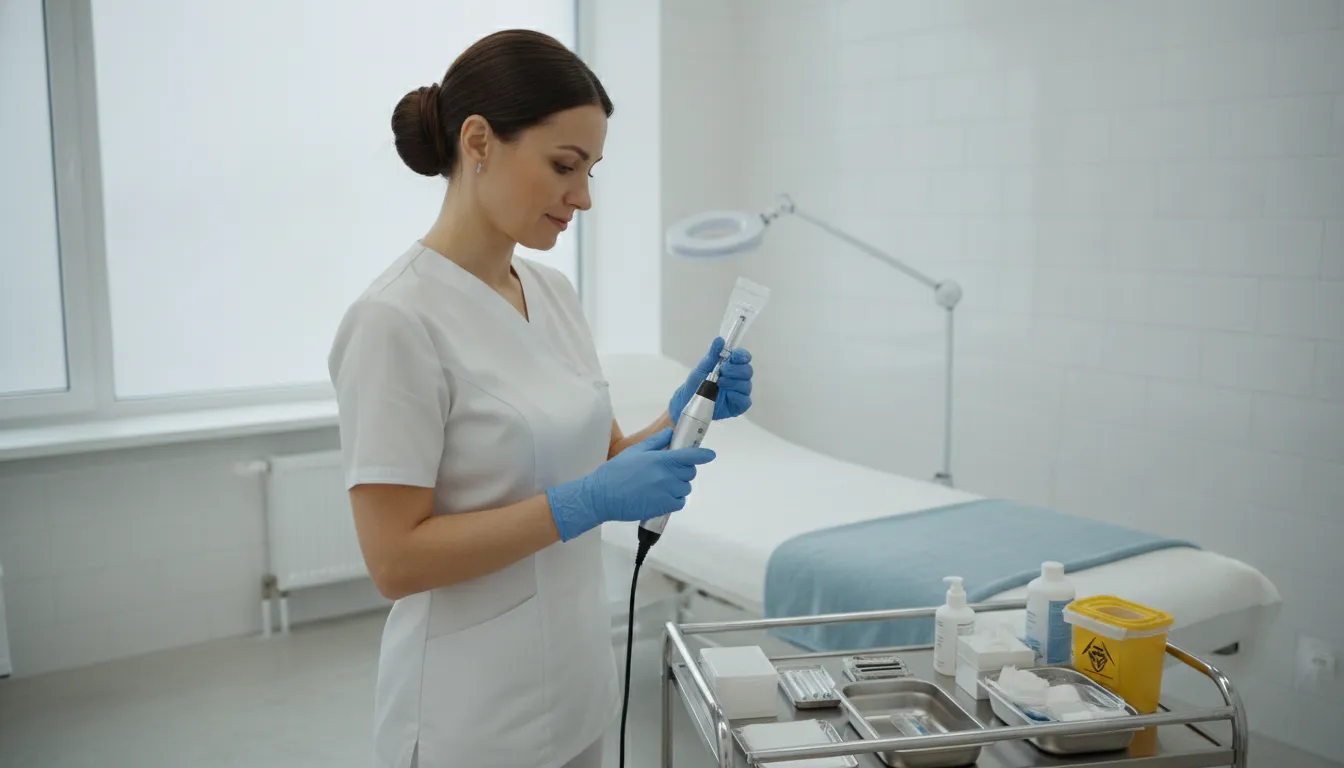
Traditional microneedling, also called collagen induction therapy, uses a pen-like device with fine needles. As the device moves across the treatment area, it creates controlled microchannels. The skin responds through its normal repair process, which includes collagen production. The device depth and treatment plan can be adjusted by a qualified provider based on the treatment area and concern.
LightRx Dermapen microneedling is designed to address concerns such as uneven texture and the appearance of acne scars. Because it does not add radiofrequency energy, a consultation should focus on whether controlled microneedling alone is appropriate for your goals.
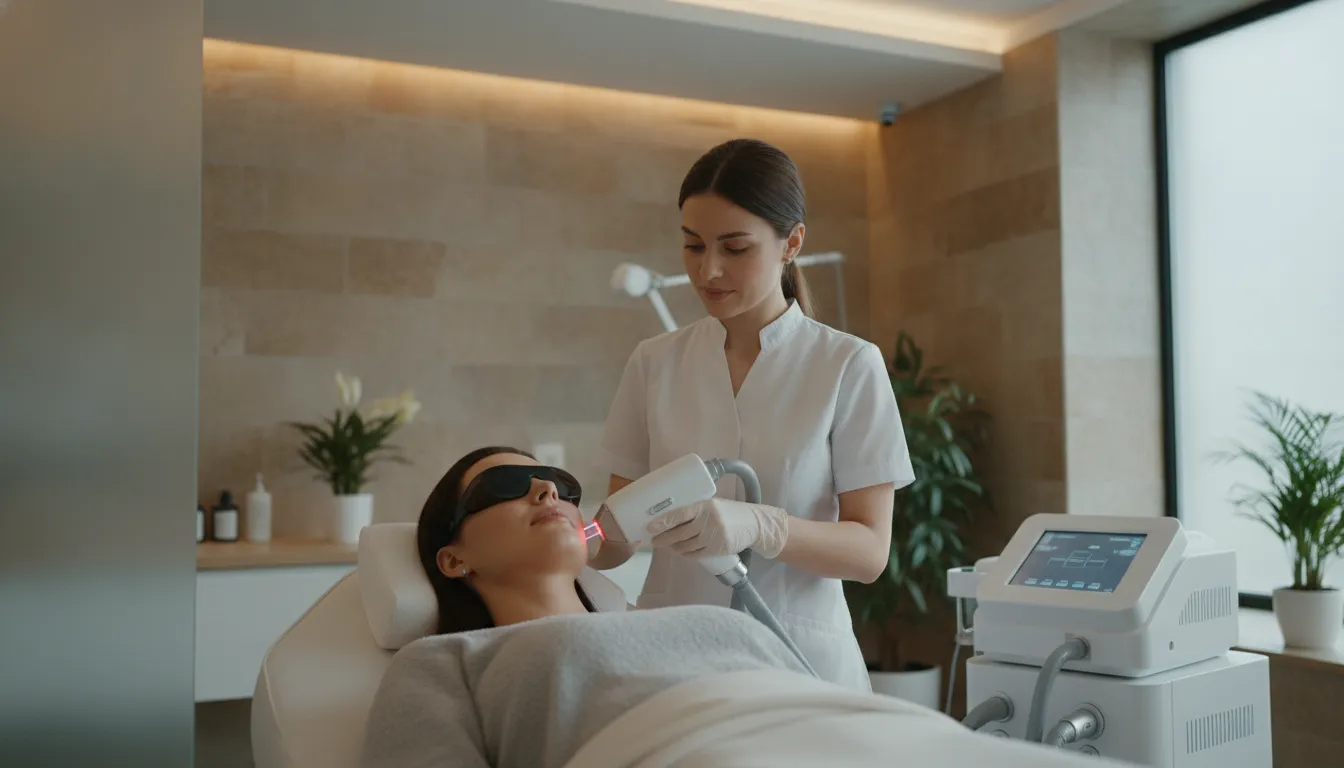
Venus Viva also uses small pins, but it delivers NanoFractional radiofrequency energy into the skin. The combined mechanical and thermal approach is intended to support resurfacing. Learn more about the Venus Viva technology available at LightRx before discussing whether it fits your treatment plan.
How the treatment approaches compare
| Comparison point | Traditional microneedling | Venus Viva |
|---|---|---|
| Core approach | Fine needles create controlled microchannels | Fractional pins deliver radiofrequency energy |
| Added energy | No | Yes, radiofrequency energy |
| Common consultation topics | Texture, acne scars, treatment depth, and recovery | Texture, acne scars, energy settings, and recovery |
| Treatment plan | Personalized after assessment | Personalized after assessment |
| Downtime | Varies by treatment depth and skin response | Varies by settings and skin response |
The table highlights practical differences, but it cannot identify the right option for an individual. A provider must review your skin, concerns, and relevant medical history before recommending treatment.
Which treatment fits texture and acne scar concerns?
Both treatments may be considered for uneven texture and acne scars, but the recommended option depends on scar type, scar depth, surrounding skin, and treatment goals. A provider may also consider active acne, sensitivity, previous treatments, and the amount of downtime you can accommodate.
Acne scars do not all look or behave the same way. Some appear as shallow depressions, while others are deeper or have more defined edges. There may also be discoloration, active breakouts, or general roughness in the same area. These differences matter because no single device or setting is appropriate for every concern.
Assessing the concern before choosing a device
A consultation gives the provider an opportunity to distinguish texture from active acne, discoloration, and other skin concerns. The provider can then explain what the selected treatment is intended to address and what may require a separate approach. For example, resurfacing may be discussed for the appearance of established acne scars, but active acne should be assessed before beginning a procedure.
Traditional microneedling may be discussed when the goal is to create controlled microchannels at a selected depth. Venus Viva may be discussed when the provider believes fractional radiofrequency resurfacing is appropriate. Neither choice guarantees a particular result, and individual responses vary.
A review of fractional radiofrequency approaches for acne scars describes the clinical interest in radiofrequency-based treatments. Research can help explain how a technology works, but it does not replace an individualized evaluation.
What happens during each treatment?
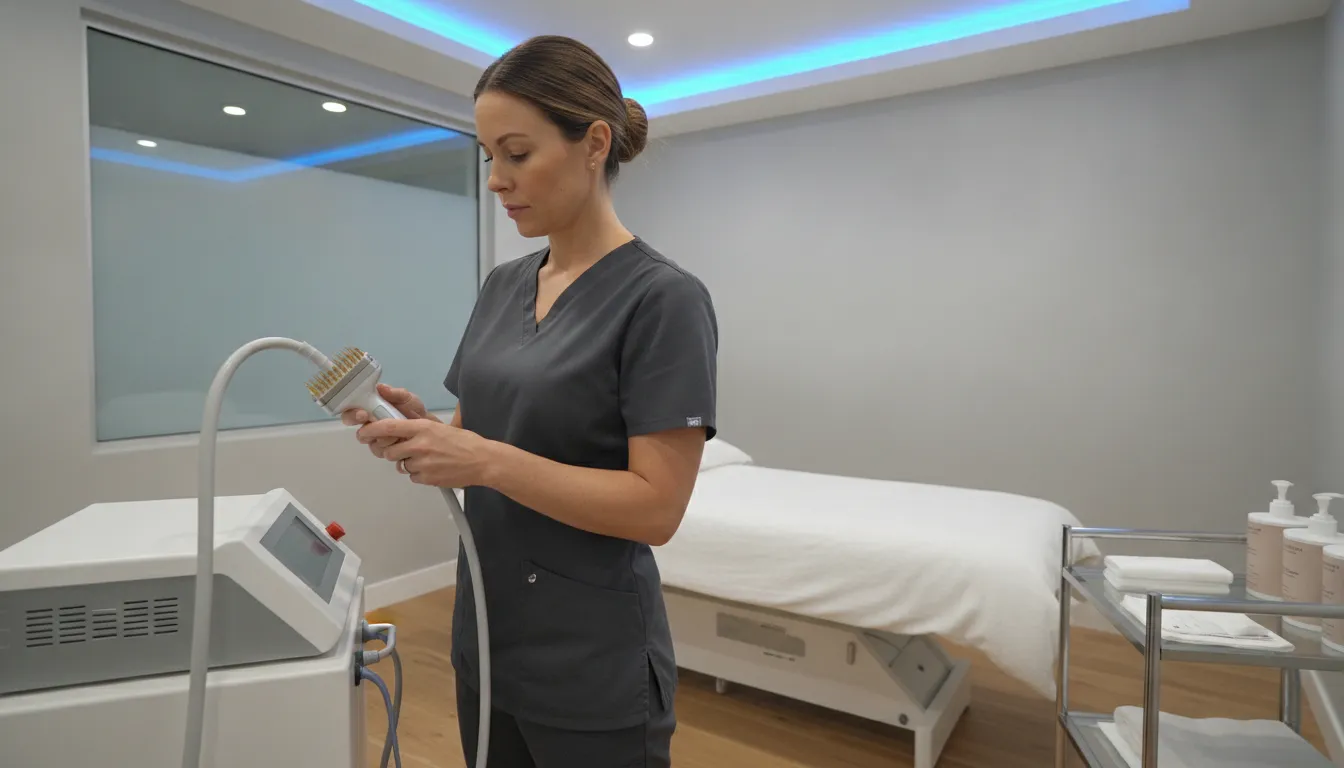
Although the technologies differ, a professional treatment visit generally follows a similar structure. Your provider should review the plan, prepare the skin, perform the procedure using selected settings, and explain aftercare. Ask what to expect before booking, because protocols and treatment times can vary.
Before the procedure
The process should begin with a consultation and skin assessment. Tell the provider about relevant health conditions, medications, recent procedures, skin sensitivity, active breakouts, and your usual skin care products. This information helps the provider decide whether treatment is appropriate and how to plan it.
On treatment day, the area is cleansed and prepared. The provider may use a topical numbing product when appropriate. Preparation time, procedure time, and the sensation you experience can differ based on the treatment area and selected settings.
During Venus Viva and microneedling
During microneedling, the provider guides the device across the treatment area to create controlled microchannels. The selected needle depth may vary across areas of the face or body. You may feel pressure, vibration, or a prickling sensation.
During Venus Viva, the provider applies the fractional radiofrequency handpiece to the treatment area. The device’s pins deliver radiofrequency energy according to the selected settings. Sensations can include warmth and brief prickling. Your provider should explain what is expected and check your comfort throughout the visit.
After the procedure
After either treatment, the skin may look red and feel warm or sensitive. The provider should give you specific aftercare instructions, including how to cleanse, moisturize, protect the area from the sun, and resume active skin care products. Follow those instructions rather than applying a generic routine.
Contact LightRx to ask what to expect during a personalized skin resurfacing consultation.
How do downtime and aftercare compare?
Downtime is not a fixed number for either treatment. It varies with the treatment area, device settings, treatment depth, skin response, and the provider’s plan. Redness, warmth, sensitivity, and mild swelling may occur after treatment. Your provider can explain which reactions are expected and when to call with a concern.
Planning around recovery
Ask the provider how the recommended settings may affect your schedule. If you have an important event, work obligation, or travel plan, discuss it before booking. Allowing time for recovery is often more practical than choosing a treatment based only on the shortest advertised downtime.
The appearance of the skin immediately after a treatment does not indicate the final outcome. Skin renewal takes time, and providers may recommend a series of sessions rather than a single visit. The number and spacing of sessions should be personalized instead of assumed from a general comparison.
Aftercare basics
- Follow the cleansing and moisturizing instructions provided after your visit.
- Avoid picking, rubbing, or exfoliating sensitive treatment areas.
- Pause active products for the period recommended by your provider.
- Use the sun protection approach recommended for your healing skin.
- Contact the clinic if a reaction seems unexpected or continues beyond the timeline discussed.
Daily sun protection is especially important when skin is healing. The CDC provides general guidance on reducing ultraviolet exposure. Your provider can give more specific post-treatment instructions for your skin and procedure.
How does a provider choose the right option?
A provider should make a recommendation only after assessing the skin and discussing your priorities. The decision is not simply a question of choosing the device with more technology. It is about matching an appropriate treatment approach to the concern, skin response, health history, and practical expectations.
Questions a provider may consider
- Is the main concern acne scarring, uneven texture, enlarged pores, fine lines, or a combination?
- Are there active breakouts, irritation, or other conditions that should be addressed first?
- What treatments and skin care products have you used recently?
- How much downtime can you reasonably accommodate?
- What outcome would feel meaningful and realistic to you?
During the consultation, ask why the provider recommends one option, how the settings are selected, what the expected recovery may look like, and how progress will be evaluated. You can also ask whether a different service or combination plan may be more appropriate.
Why expectations matter
Skin resurfacing treatments are designed to support improvement, not perfection. The appearance of scars and texture can be influenced by many factors. A clear plan should describe the intended goal, expected timeline, possible reactions, and follow-up process without promising a guaranteed result.
You may find it helpful to review what to know about Venus Viva before and after treatment and prepare a written list of questions before your consultation.
How to decide between Venus Viva and microneedling
Use the comparison as a starting point, then let an assessment guide the final decision. The following steps can make the consultation more productive and help you evaluate the recommendation you receive.
- Define your priority. Decide whether you are mainly concerned about acne scars, rough texture, pores, fine lines, or another issue.
- Review your schedule. Identify upcoming events and the amount of recovery time you can accommodate.
- Share relevant history. Tell the provider about medications, skin conditions, sensitivities, recent treatments, and current products.
- Ask about the rationale. Request a clear explanation of why Venus Viva, microneedling, or another approach is being recommended.
- Confirm aftercare and follow-up. Understand the home-care instructions, expected reactions, and when progress will be reviewed.
Traditional microneedling and Venus Viva each have a distinct role. The key is not to choose based on a claim that one is always stronger or faster. Choose based on a professional recommendation that accounts for your skin and goals.
Frequently Asked Questions
What is the main difference between Venus Viva and traditional microneedling?
Traditional microneedling uses fine needles to create controlled microchannels without added energy. Venus Viva uses fractional pins and also delivers radiofrequency energy. A provider can explain how that technological difference relates to your specific texture or acne scar concerns.
Is Venus Viva better than microneedling for acne scars?
Neither treatment is universally better for every acne scar or every person. The recommendation depends on scar type and depth, skin condition, health history, previous treatments, downtime preferences, and the provider’s assessment. Both may be considered as part of a personalized plan.
How long is recovery after Venus Viva vs microneedling?
Recovery varies for both treatments. Settings, treatment depth, area treated, and individual skin response all affect downtime. Redness, warmth, sensitivity, or swelling may occur. Ask your provider what recovery is likely with the specific treatment plan being recommended.
How many sessions will I need?
The number of sessions is personalized. It depends on the concern, treatment approach, skin response, and goals. Your provider should recommend a plan after an assessment and review progress before deciding whether additional sessions are appropriate.
Ready to compare your skin resurfacing options?
The most useful Venus Viva vs microneedling comparison is the one connected to your skin, goals, and schedule. A LightRx consultation gives you the opportunity to discuss both technologies, understand the recommended approach, and plan for treatment and recovery.
Contact LightRx to discuss Venus Viva, microneedling, and your personalized treatment plan.