
Fat Reduction Cost: What Will You Actually Pay?
If you’re looking into body contouring, you’ve probably noticed that finding a straightforward price is tough. One clinic quotes one price, another offers something totally different, and you’re left wondering what’s actually included. The reality is, the fat reduction cost isn’t a one-size-fits-all number—it’s completely tailored to you. Instead of giving you a vague range, this guide demystifies the pricing process. We’ll explain exactly why costs vary, what influences the final price tag, and how to spot true value, giving you the clarity to move forward with your goals confidently.
Key Takeaways
- Understand that your cost is personalized: The final price for non-surgical fat reduction isn’t one-size-fits-all. It’s based on your specific goals, the size of the treatment area, the technology used, and the number of sessions you’ll need, which is why a consultation is the only way to get an accurate quote.
- Factor in the full value, not just the session price: A true cost comparison includes asking about potential extras like aftercare products. Also, consider the significant financial benefit of treatments that require no downtime, saving you from the lost income and recovery expenses tied to surgery.
- Choose your provider wisely and explore payment options: Your safety and results depend on finding an experienced team that uses FDA-cleared technology. Once you do, ask about package deals, memberships, and financing to help make your personalized treatment plan fit comfortably within your budget.
What Is Non-Surgical Fat Reduction?
Non-surgical fat reduction includes a variety of treatments designed to target and eliminate stubborn fat cells without any incisions or downtime. It’s important to know that these procedures are not weight-loss solutions. Instead, they are a form of body contouring meant to sculpt and shape specific areas that don’t seem to budge, no matter how consistent you are with diet and exercise. Think of those frustrating pockets of fat on the abdomen, thighs, flanks, or under the chin. These treatments are designed to address exactly those spots, helping you achieve a smoother, more defined silhouette.
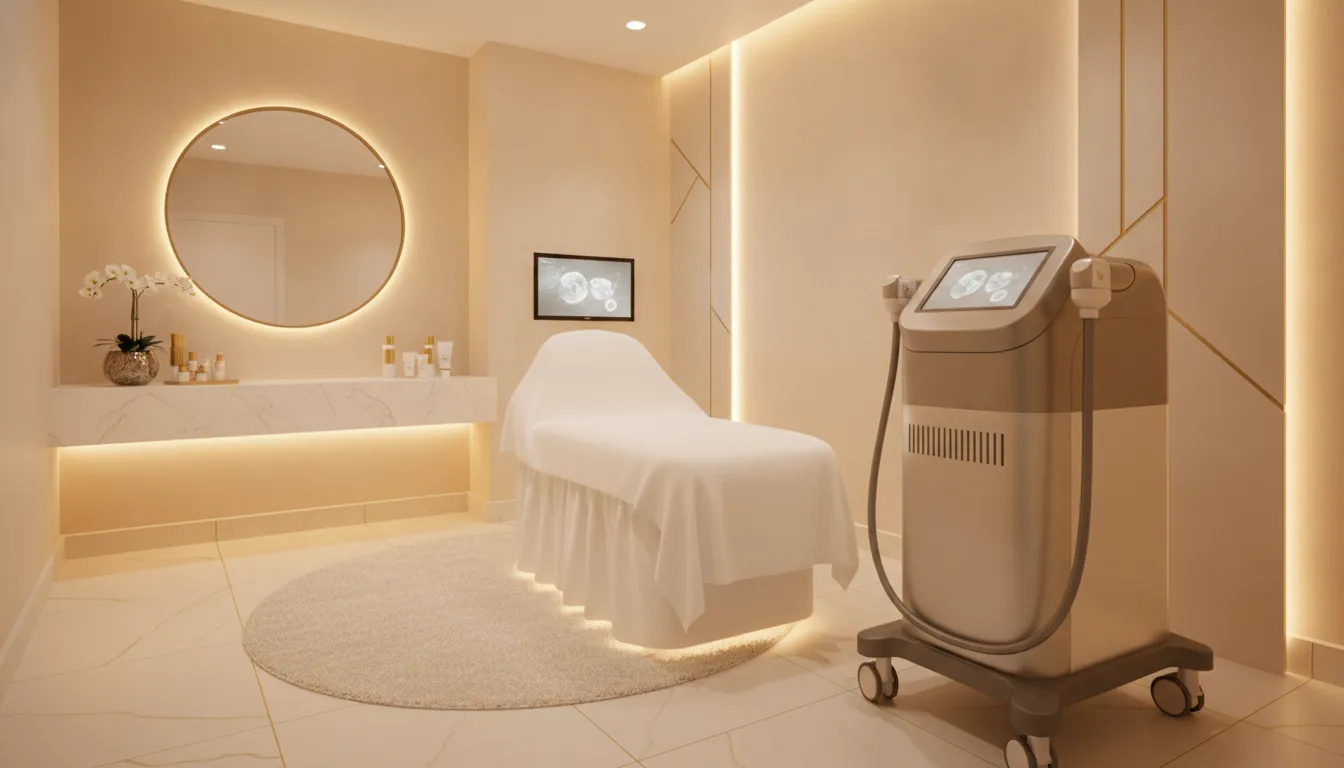
One of the most effective and popular methods is laser lipo. This technique uses low-level laser energy, which is delivered through treatment pads placed directly on your skin. This energy gently heats the fat cells just beneath the surface, causing them to break down without harming the surrounding tissue. Once these cells are damaged, your body’s own metabolic process takes over, naturally flushing them out over the following weeks. The entire process is external and comfortable, allowing you to get back to your day immediately after a session. It’s a straightforward way to target problem areas and get closer to your body goals.
The Most Popular Treatments Explained
As you explore your options, you’ll likely come across several different brand names and technologies. Common examples of nonsurgical fat reduction include CoolSculpting, which uses controlled cooling to freeze and destroy fat cells, and Kybella, an injectable treatment specifically designed to reduce fat under the chin. You might also hear about treatments like Liposonix, Emsculpt, and Vanquish. Each of these uses a unique approach, from heat and injections to electromagnetic energy, but they all share the same fundamental goal: to permanently remove fat cells from a targeted area. Knowing these names can help you feel more informed as you research the best path for you.
How Does the Technology Work?
While the brand names and methods differ, the science behind most non-surgical fat reduction treatments is quite similar. They all work by triggering a natural process in the body called apoptosis, which is essentially controlled cell death. By using a specific type of energy, whether it’s cold, heat, or laser, the technology damages the targeted fat cells without affecting the surrounding skin or tissue. Once the fat cells are compromised, your body’s lymphatic system recognizes them as waste and gradually clears them away. This is why results appear over several weeks and months, revealing a more sculpted physique over time. The best part is that once these fat cells are gone, they are gone for good.
What’s the Average Fat Reduction Cost?
Let’s talk about one of the biggest questions on everyone’s mind: what does non-surgical fat reduction actually cost? The truth is, there isn’t a single price tag. The final cost depends on several things, like the technology used, the size of the area you want to treat, and how many sessions you’ll need to get the results you’re looking for. Think of it less like buying a product off the shelf and more like creating a personalized plan. To give you a clearer picture, we can look at some national averages and then break down the typical costs for different types of treatments. This will help you understand the investment and find a solution that fits both your body goals and your budget.
What to Expect to Pay on Average
So, what’s a realistic starting point? According to the American Society of Plastic Surgeons, the average cost for nonsurgical fat reduction is around $1,157. It’s important to remember this is just a baseline figure for the procedure itself and doesn’t include things like consultation fees or aftercare products. Your personal cost could be higher or lower depending on your specific treatment plan. This number gives you a general idea of the investment, but the best way to get an accurate quote is to schedule a consultation where a specialist can assess your goals and map out a plan tailored just for you.
Breaking Down the Cost by Treatment
The type of technology used plays a huge role in the overall price. For example, cryolipolysis treatments like CoolSculpting can average around $1,723 per session. On the other hand, laser fat removal often has a wider price range, from $300 to $1,500 for each session. Injectable treatments like Kybella, which are typically used for smaller areas like under the chin, average about $640 per vial. At LightRx, our laser fat removal sessions can range from $55 to $130, with most people needing a series of treatments to see their desired outcome. This variety in pricing is why a personal consultation is so important.
What Affects the Final Price?
When you start researching non-surgical fat reduction, you’ll quickly find that there’s no single, universal price. Think of it less like buying a product off the shelf and more like commissioning a custom service where the final cost is tailored specifically to you, your body, and your aesthetic goals. Several key factors come together to determine your total investment, so what one person pays for their treatment might be completely different from what you’ll pay, even if you’re targeting the same general area.
The price you pay is a reflection of a personalized treatment plan designed to give you the best possible results. It considers the specific area you want to treat, the number of sessions required to achieve your desired outcome, the skill of the professional performing the procedure, and even the clinic’s location. This is why a free consultation is so important; it allows a trained technician to assess your unique situation and give you a clear, accurate quote. Understanding these variables ahead of time will help you see the full picture, ask the right questions during your consultation, and make an informed decision about your treatment. Let’s break down exactly what goes into the final price tag.
The Size and Scope of Your Treatment Area
It makes sense that the size of the area you want to treat is a major factor in the cost. A larger area, like the abdomen or thighs, requires more time and resources to treat than a smaller, more contained spot, such as the area under your chin. The complexity of the area also matters. Some parts of the body are simply more challenging to work on, which can influence the overall price of your body contouring plan. During your consultation, your technician will assess the target area to create a plan that’s just right for you.
How Many Sessions Will You Need?
Non-surgical fat reduction isn’t a one-and-done procedure. It’s a process that delivers gradual, natural-looking results over a series of appointments. Most people need multiple sessions to fully achieve their goals. The exact number depends on your starting point, your body’s individual response to the treatment, and the final look you’re aiming for. For example, a course of laser fat removal might involve anywhere from three to twelve sessions. Your provider will outline a recommended treatment schedule so you know what to expect from the start.
Why Your Provider’s Expertise Matters
When it comes to cosmetic treatments, the skill of the person performing the procedure is just as important as the final cost. You are investing in the expertise and qualifications of your provider. A highly experienced technician at a reputable medspa may have higher rates, but that price reflects a deep understanding of the technology and anatomy. This experience is crucial for ensuring your safety and achieving beautiful, consistent results. Choosing a qualified provider gives you peace of mind, knowing you’re in capable hands.
How Location Affects Your Final Bill
Just like the cost of housing or a haircut, the price of medspa treatments can vary significantly based on where you live. Clinics in major metropolitan areas often have higher overhead costs, including rent and staffing, which can be reflected in their pricing. In contrast, a clinic in a smaller town or a region with a lower cost of living may offer more competitive rates. The level of demand and competition in the local market also plays a role in determining the final price of services.
The Technology Used for Your Treatment
The specific tool used for the job plays a big part in the final price of your treatment. Different technologies work in different ways to target and eliminate stubborn fat, and each comes with its own price point. For instance, some treatments use controlled cooling to freeze fat cells away, while others use gentle laser heat to break them down. There are also injectable options designed for very specific, smaller areas. Understanding the basics of each can help you feel more prepared for your consultation and have a clearer idea of what to expect financially.
Let’s look at some examples. Cryolipolysis, which you might know as CoolSculpting, uses that freezing method and can average around $1,723 per session. Then there’s laser fat removal, a technique that uses heat to target localized fat and can range from $300 to $1,500 per session. For smaller areas like under the chin, an injectable like Kybella might be recommended, which typically costs about $640 per vial. While the approaches vary, they all work toward the same goal of permanently removing fat cells, helping you find the perfect fit for your body and budget.
How Much Do Different Treatments Cost?
Alright, let’s get into the numbers. The cost of non-surgical fat reduction can vary quite a bit, depending on the technology used and your specific goals. Think of it less like a fixed price tag and more like a personalized investment in yourself. The final price depends on factors like the treatment area, the number of sessions you need, and even where you live. To give you a clearer picture, I’ve broken down the typical costs for some of the most popular treatments available. This will help you understand the financial side of things as you consider which path is right for you. Keep in mind these are national averages, and a personal consultation is the best way to get an exact quote for your treatment plan.
The Price of CoolSculpting
CoolSculpting is a well-known name in the world of non-surgical fat reduction, and for good reason. It works by freezing and eliminating fat cells, leading to a 20% to 25% reduction in fat in the treated area. Because it’s so effective, the price reflects the results. Most people can expect to pay between $2,000 and $4,000 for a complete treatment plan. A recent survey found the average cost to be around $2,450. The final price depends on how many areas you want to treat and the size of the applicator needed to achieve your desired look.
The Price of Laser Fat Removal
If you’re looking for a different approach, laser fat removal is another fantastic option that uses targeted laser energy to melt away fat. The cost structure here is usually on a per-session basis. You can expect each session to cost between $55 and $130, depending on the size of the area you’re treating. Most clients need a series of treatments to see their ideal results, typically ranging from three to twelve sessions. Your technician will work with you to create a personalized plan that maps out exactly how many sessions you’ll need to reach your goals, ensuring a predictable and manageable investment.
The Price of Kybella Injections
Kybella is a specialized injectable treatment designed specifically to target the fat under the chin, often called a “double chin.” It uses a synthetic form of deoxycholic acid, a substance your body naturally produces to absorb fats. The cost is calculated per vial, with the national average sitting around $640. Prices can range from about $492 to $1,150 per vial. The total number of vials and treatment sessions you’ll need will depend on the amount of fat you want to address, which is something you’ll discuss in detail during your personal consultation to create a tailored plan.
The Price of RF and Ultrasound Therapy
Radiofrequency (RF) and ultrasound therapies are two more technologies that effectively target and destroy fat cells without surgery. RF treatments heat the fat cells and typically cost around $500 for a single session on one area, with a full plan potentially reaching up to $4,000. Ultrasound therapies use sound waves to break down fat, and these treatments can range from $1,500 to $3,000 per session. Both are great for body contouring and creating a smoother, more toned appearance. Your provider can help you decide which technology is the best fit for your body and budget.
The Price of Red Light Therapy
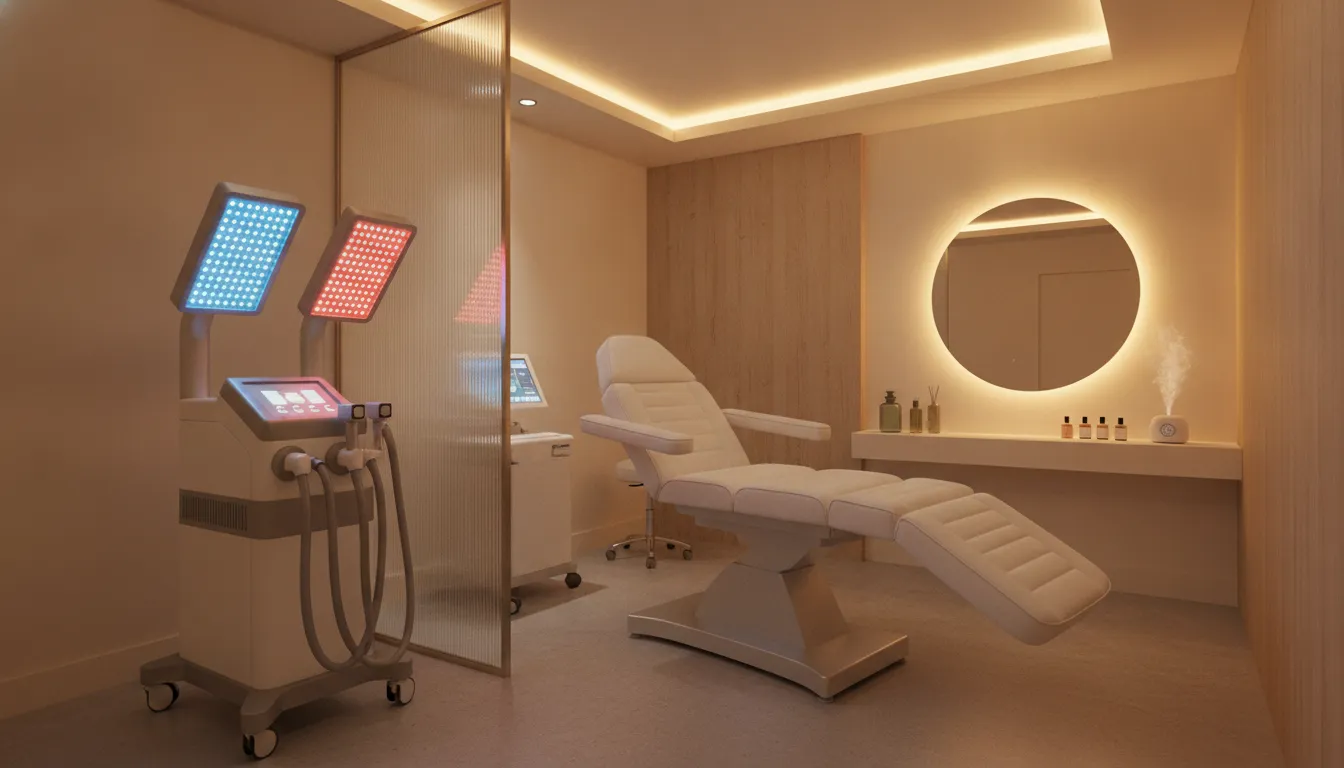
Red light therapy is another non-invasive option that works a bit differently from heat or cold-based treatments. Instead of destroying fat cells, it uses specific wavelengths of red light to cause the cells to shrink, releasing the fat they hold. Your body then naturally processes and eliminates this fat. It’s a gentler approach that can also offer skin benefits. The cost for this type of treatment is typically higher, with a single session ranging from $1,500 to $3,000. As with other methods, you’ll likely need a series of sessions to see the full effect, so it’s important to factor that into your budget when considering this technology.
The Price of Emsculpt Neo
Emsculpt Neo stands out because it does more than just reduce fat. This technology combines radiofrequency energy to melt fat cells with high-intensity focused electromagnetic (HIFEM) energy to stimulate muscle contractions. The result is a treatment that simultaneously reduces fat, builds muscle, and helps with skin tightening. Because of its unique, multi-action approach, the pricing reflects its comprehensive benefits. A single session can cost anywhere from $750 to $2,000. A complete treatment plan designed to achieve optimal results will typically fall between $1,500 and $6,000, depending on your specific goals and the areas being treated.
The Price of Mesotherapy and Carboxytherapy
Mesotherapy and carboxytherapy are two injectable options that target fat and improve skin appearance. Mesotherapy involves injecting a blend of vitamins, plant extracts, and other substances into the skin to help break down fat cells. The cost for these sessions usually ranges from $250 to $600. Carboxytherapy, on the other hand, uses injections of carbon dioxide gas to increase blood flow and break down fat deposits, which can also help smooth dimpled skin. This treatment is generally more affordable, with sessions costing between $90 and $290. Both require multiple treatments to achieve the desired outcome.
The Price of Minimally Invasive Options
It’s also helpful to understand the cost of treatments that fall into the “minimally invasive” category. These procedures are a step up from non-surgical options because they do involve very small incisions, but they are far less intensive than traditional surgery. They often provide more dramatic results in a single session but come with a bit of downtime and a higher price tag. Understanding these options can give you a complete picture of the fat reduction landscape as you decide which approach is the best fit for your lifestyle and goals.
Laser Liposuction
You might hear the terms “laser lipo” and “laser liposuction” used interchangeably, but they are very different. While non-invasive laser lipo uses pads placed on the skin, laser liposuction is a minimally invasive surgical procedure. It involves making small cuts in the skin to insert a laser fiber that liquefies fat before it’s suctioned out. Because it’s a more intensive procedure, the cost is higher. You can expect to pay between $2,500 and $4,500 for a single area. For larger areas like the abdomen, the price can go up to $9,000. This option offers significant results but requires some recovery time.
Are There Any Hidden Costs to Consider?
When you’re budgeting for a non-surgical fat reduction treatment, the last thing you want is a surprise on your final bill. The price you see advertised or receive in an initial quote often covers the procedure itself, but it might not be the full story. To get a complete financial picture, it’s smart to ask about any other potential expenses that could pop up along the way. Think of it like planning a vacation: the flight and hotel are the main costs, but you also need to account for meals, activities, and transportation to get the real total.
Similarly, understanding the full investment for your treatment helps you plan accordingly and move forward with confidence. A trustworthy provider will be transparent about their pricing structure from the very beginning. During your consultation, don’t hesitate to ask for a detailed breakdown of all potential charges. This conversation ensures you’re fully prepared and can focus on what really matters: achieving your aesthetic goals with one of LightRx’s aesthetic treatments.
Will You Pay for a Consultation?
Your first step is usually a consultation, but is it free? Some clinics charge a fee for this initial meeting. While the fee might be applied to your treatment cost if you decide to proceed, it’s an upfront expense to be aware of. The American Society of Plastic Surgeons recommends you always talk to the office to get a clear understanding of the total price, and that starts with the consultation. At LightRx, we believe this first conversation should be all about you and your goals, which is why we offer a free personal consultation. This gives you a chance to get expert advice and a personalized treatment plan without any financial pressure.
Budgeting for Aftercare and Prescriptions
While non-surgical treatments are known for their minimal downtime, your provider might recommend certain products to support your recovery and enhance your results. These aren’t always included in the initial treatment price. Potential add-ons could include prescriptions for medicine, specialized skin creams, or compression garments. To avoid surprises, ask your technician during the consultation if they anticipate you’ll need any aftercare products. This way, you can factor them into your overall budget and ensure you have everything you need for a smooth and successful recovery.
The Cost of Follow-Up and Maintenance
Achieving your ideal outcome often requires a series of treatments. The price you’re quoted might be for a single session, but your personalized plan could involve several visits to get the results you want. The number of sessions needed can vary quite a bit depending on the treatment area and your specific goals. Be sure to ask how many sessions are recommended in your treatment plan and what the cost is for the entire series. It’s also a good idea to inquire about the cost of any future maintenance appointments to keep your results looking their best.
Don’t Forget About Facility Fees
Even for non-surgical procedures, some clinics charge a facility fee. This cost covers the use of the treatment room, the technology, and the support of the clinic’s staff during your procedure. In some cases, this fee is bundled into the overall cost of the treatment, but other times it’s listed as a separate line item. According to the American Society of Plastic Surgeons, it’s important to ask about any potential costs for the surgical facility to get an accurate final price. A clear conversation upfront ensures you know exactly what you’re paying for and can avoid any unexpected charges on your final invoice.
Taxes and Post-Care Product Fees
When you’re putting together your budget, it’s smart to account for more than just the treatment’s sticker price. The final amount can be influenced by local sales tax and any recommended aftercare products, which are rarely included in the initial quote. The American Society of Plastic Surgeons points out that while the average cost for a procedure is a helpful starting point, it often doesn’t cover these additional expenses. These can include things like specialized skin creams to soothe the treated area or compression garments to support healing and enhance your results. To get a clear financial picture, simply ask your technician during your consultation what, if any, post-care items they recommend. This proactive step ensures there are no surprises on your final bill and that you have everything you need for a comfortable recovery.
Non-Surgical vs. Liposuction: The Cost Breakdown
When you’re exploring ways to get rid of stubborn fat, one of the biggest questions is always about the price. It’s easy to assume that more dramatic, surgical procedures come with a higher price tag, and that’s generally true. But the initial quote for a procedure doesn’t tell the whole story. You also have to think about the costs that aren’t on the bill, like time off work for recovery and any necessary aftercare.
Comparing surgical options like liposuction to non-surgical treatments isn’t just about looking at two numbers. It’s about understanding the total investment of both money and time. Non-surgical body contouring treatments often present a more accessible and convenient path to achieving your goals. They are designed to fit into your life with minimal disruption, which is a significant factor when weighing your options. Let’s break down how the costs really stack up.
Comparing Upfront Costs: Lipo vs. Non-Invasive
The difference in upfront cost between surgical and non-surgical fat reduction is significant. According to the American Society of Plastic Surgeons, the average surgeon’s fee for liposuction is over $3,600. That figure doesn’t even include essential expenses like anesthesia, medical tests, or operating room facility fees, which can add thousands more to your final bill.
In contrast, non-surgical fat reduction is much more affordable. The latest statistics show the average cost for a non-surgical treatment is around $1,157 per session. This makes treatments like laser lipo a financially smarter choice for many people. The pricing is more straightforward, allowing you to plan your budget without worrying about a long list of surprise fees.
Average Cost of Liposuction by Area
The price tag for liposuction isn’t one-size-fits-all; it really depends on the area you’re targeting. The national average cost is about $4,711, but that’s just a starting point and often doesn’t include extra fees. Treating a smaller area like the chin or knees might cost between $2,000 and $4,000. For medium-sized areas such as the arms or flanks, you can expect to pay somewhere in the range of $3,000 to $6,000. If you’re looking to address larger areas like the stomach or thighs, the cost can easily climb to between $5,000 and $10,000 or even more. This variability is a key reason why comparing it to the more predictable pricing of non-surgical options is so important.
Costs for Different Liposuction Techniques
The specific surgical technique used also plays a big role in the final cost. Traditional liposuction is often the most affordable, typically ranging from $3,000 to $7,000 per area. More advanced methods come with a higher price. For instance, tumescent liposuction can cost between $4,000 and $8,000. If you opt for laser-assisted liposuction, like SmartLipo, the price increases to $5,000 to $10,000. The most advanced option, ultrasound-assisted liposuction, can run from $6,000 to $12,000 per area. These costs reflect the technology and expertise required, adding another layer of complexity to your budget.
Additional Surgical Fees to Anticipate
One of the biggest things to remember when considering liposuction is that the surgeon’s fee is just one piece of the puzzle. There are several other necessary costs that can add up quickly. You’ll need to budget for anesthesia, which ensures your comfort during the procedure, as well as operating room fees. Aftercare is also a factor, which can include prescription medications and compression garments. These additional expenses can easily add another $1,000 to $3,000 to your total bill, making the final cost significantly higher than the initial quote you might have received.
The Cost of a Tummy Tuck
If your goals include removing excess skin in addition to fat, you might be looking at a tummy tuck, also known as an abdominoplasty. This is a major surgical procedure that tightens the abdominal muscles and removes loose skin and fat from the belly area. Because it’s a more intensive surgery, the cost is substantially higher. The average price for a tummy tuck can range anywhere from $6,000 to $12,000. This significant investment is why many people first explore non-surgical alternatives like skin tightening and fat reduction, which can address similar concerns without the high cost and extensive recovery time of surgery.
Thinking About Long-Term Value and Downtime
Beyond the initial price, the long-term value of non-surgical treatments becomes clear when you consider recovery. Surgical procedures like liposuction require significant downtime, often meaning weeks away from work and your daily routine. This can translate to lost income and added stress, which are real costs to consider.
Non-surgical treatments, on the other hand, are known for having little to no downtime. Most people can return to their normal activities almost immediately after a session. This convenience is a huge advantage. You get the results you want without having to put your life on hold. When you combine the lower price point with the minimal recovery period, the overall value of non-surgical fat reduction becomes an incredibly compelling option.
Surgical Recovery Time and Pain Levels
The conversation about surgical procedures has to include a realistic look at the recovery process. While liposuction can be effective, it is still a major surgery that demands significant healing time. You can expect to manage pain and discomfort for several days, if not weeks, following the procedure. Your surgeon will likely recommend taking considerable time off from work and avoiding any strenuous activities to allow your body to heal properly. This period often involves wearing compression garments and attending follow-up appointments to monitor your progress. This required downtime is a stark contrast to non-surgical alternatives, where you can typically resume your daily life right after your appointment, making it a much more practical choice for many.
How to Choose the Right Provider
Finding the right provider is just as important as choosing the right treatment. The cost of your procedure is a significant factor, but the experience of the technician, the quality of the technology, and your comfort level are what truly shape your results and overall experience. A lower price tag isn’t a good deal if it comes with outdated equipment or an inexperienced team. Your goal is to find a reputable medical spa that prioritizes your safety and is genuinely invested in helping you achieve your goals.
Think of your initial consultation as an interview. You are hiring a team of experts to help you on your body contouring journey. You should feel confident in their skills and comfortable in their care. A great provider will be transparent about the process, manage your expectations, and create a personalized treatment plan tailored to you. Don’t be afraid to ask questions and take your time making a decision. The right partner will make you feel empowered and excited about the path ahead, ensuring your investment is in good hands.
Why Credentials and Certifications Matter
When you’re researching providers, look for a team with the right qualifications. The technicians performing your treatment should be licensed and certified in the specific procedures they administer. A reputable medspa will have a medical director, typically a physician, overseeing all treatments to ensure the highest standards of safety and care. During your consultation, ask about the team’s experience. How many times have they performed the treatment you’re interested in? A confident and experienced provider will be happy to share their credentials and answer your questions. This is a key step in verifying that you’re trusting your body to qualified professionals who are experts in their field.
Insist on FDA-Cleared Technology
The technology used in your treatment matters immensely. Always choose a provider that uses FDA-cleared devices for their services. The term “FDA-cleared” means that the equipment has been reviewed by the Food and Drug Administration for safety and effectiveness. This is a critical benchmark that separates professional-grade medical equipment from unproven or potentially unsafe alternatives. Providers who invest in top-of-the-line, FDA-cleared technology demonstrate a commitment to your safety and to delivering real, measurable results. For example, treatments like laser fat removal rely on sophisticated devices, and you want to ensure the one being used on you meets the highest industry standards.
Do Your Homework: Reviews and Before-and-Afters
Real patient experiences can tell you a lot about a provider. Look for reviews on independent sites like Google to get a well-rounded picture of what you can expect. While you’re there, check out the provider’s before-and-after gallery. Look for photos of clients who have a similar body type and similar goals to yours. This will help you set realistic expectations for your own results. Authentic testimonials and a strong portfolio of successful body contouring transformations are great indicators that a provider consistently delivers on their promises and leaves clients feeling happy and confident.
Trust Your Gut During the Consultation
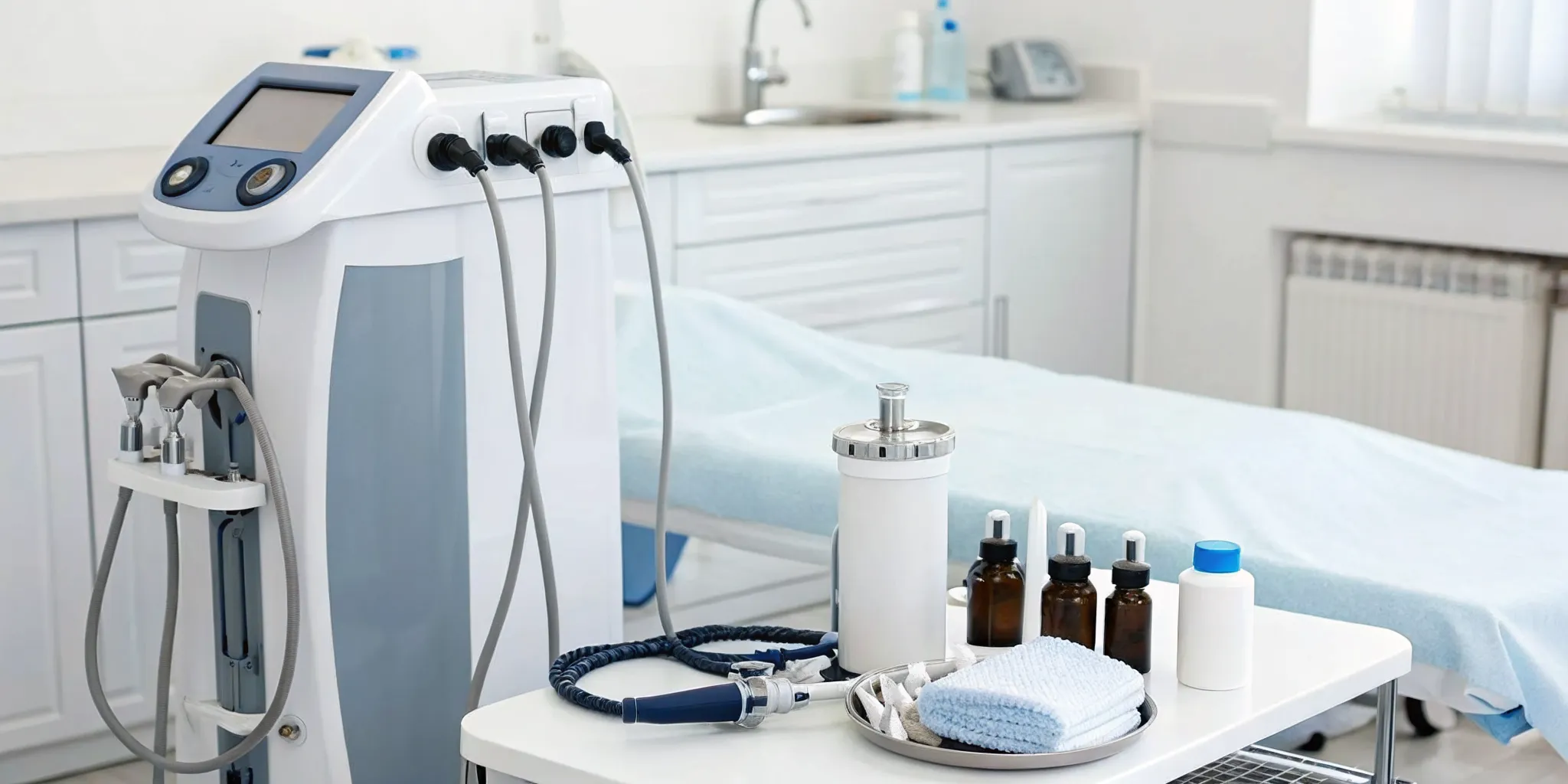
Your comfort and confidence are key, and the environment of the medspa plays a big role in that. When you go in for your consultation, take a look around. Is the facility clean, modern, and professional? Are the staff members welcoming and knowledgeable? You should feel like you’re in a supportive space where your questions are encouraged. A great team will listen to your goals, explain your options clearly, and make you feel at ease without any high-pressure sales tactics. A free consultation is the perfect opportunity to gauge the atmosphere and decide if it’s the right fit for you.
Making Your Treatment Plan Affordable
Let’s be honest, the cost of any cosmetic treatment is a big part of the decision-making process. You’re ready to invest in yourself and feel amazing in your skin, but you also need a plan that fits comfortably within your budget. The great news is that achieving your body goals is more accessible than you might think. Many modern medspas understand that this is a significant investment and have created flexible options to help you manage the expense without sacrificing the quality of your care. Taking the time to explore these financial pathways is just as important as choosing the right treatment. It empowers you to move forward with confidence, knowing you have a clear and manageable plan.
Think of it this way: you wouldn’t start a new fitness routine without the right gear, and you shouldn’t start a treatment plan without the right financial setup. This isn’t about finding the cheapest option; it’s about finding the smartest one for your unique situation. When you feel secure in the financial aspect, you can fully focus on the exciting part—the transformation and the results. By understanding all the payment avenues available, you can create a strategy that makes you feel as good as your results will. It’s all about making your aesthetic goals a reality in a way that feels sustainable and stress-free.
Ask About Payment Plans and Financing
One of the most straightforward ways to manage the cost of non-surgical fat reduction is through a payment plan. Instead of paying for your entire treatment series upfront, financing allows you to break down the total cost into smaller, more manageable monthly payments. This is a very common and helpful option in the aesthetics world. Most reputable providers offer some form of patient financing to make their services more accessible. Don’t hesitate to bring this up during your initial consultation. The staff should be happy to walk you through the plans they offer and help you find one that works for your budget without any pressure.
Look for Package Deals and Special Offers
Since most non-surgical treatments require a series of sessions to deliver the best, most lasting results, many clinics offer package deals. It’s common for patients to need anywhere from three to twelve sessions for their desired outcome. Purchasing a package of treatments upfront can often reduce the per-session price, saving you money in the long run. It’s always a great idea to ask about any current promotions or bundled deals. Additionally, see if the clinic has a membership program. Memberships can provide excellent value, offering discounted rates on your favorite treatments and other exclusive perks throughout the year, making your self-care routine even more rewarding.
Breaking Down a Sample Payment Plan
Seeing how the numbers work can make all the difference. Let’s say you’re interested in laser fat removal for your abdomen. During your free consultation, your technician maps out a personalized plan and recommends a package of eight sessions to achieve your desired look, with a total cost of $2,000. Rather than paying that full amount upfront, you decide to use a 12-month financing option. This breaks the investment down into manageable monthly payments of about $167. This kind of plan makes it possible to move forward with your body contouring goals without disrupting your budget.
Is Non-Surgical Fat Reduction Worth It?
So, let’s get to the big question: is non-surgical fat reduction actually worth it? For many people, the answer is a resounding yes. These treatments are designed to target those frustrating pockets of fat that just won’t budge, no matter how consistent you are with diet and exercise. Think of areas like the lower abdomen, love handles, or under the chin. The major appeal is that you can achieve noticeable results without the downtime, risks, and recovery associated with surgery. Instead of scalpels and anesthesia, these procedures use advanced technology like lasers, controlled cooling, or radiofrequency to target and eliminate fat cells. At LightRx, we use clinically proven methods for laser fat removal that help your body naturally process and get rid of unwanted fat. These treatments are a fantastic option if you’re close to your ideal weight but want to refine specific areas. They offer a way to achieve a more sculpted look and feel more confident in your clothes. The process is straightforward, with sessions typically lasting under an hour, allowing you to get back to your day right after. The key is to go into it with a clear understanding of what to expect, both in terms of results and the overall investment, which we’ll break down for you.
What Results Can You Realistically Expect?
It’s so important to have realistic expectations when you start your treatment journey. Non-surgical fat reduction can deliver amazing, visible changes, with some treatments reducing fat in the targeted area by 20% to 25%. However, the results don’t appear overnight. It takes time for your body to naturally flush out the treated fat cells, so you’ll see gradual improvements over several weeks or months. The best part? Once those fat cells are gone, they’re gone for good. To maintain your new shape, it’s crucial to stick to a stable weight through a healthy lifestyle. Think of it as a partnership: the treatment does the heavy lifting, and your healthy habits preserve the beautiful results of your body contouring plan.
Long-Term Patient Satisfaction Rates
The real measure of any treatment is how you feel about it long after you’ve left the clinic. The great news is that patient satisfaction for non-surgical fat reduction is incredibly high. In fact, long-term studies show that a remarkable 82% to 88% of patients still feel their treatment was “worth it” even five years later. What’s even more telling is that over 60% are so happy with their results that they return to treat other areas. This speaks volumes about the lasting value these procedures provide. When a treatment finally resolves an issue that has bothered you for years, the investment pays for itself in the daily confidence you gain.
Weighing the Cost Against Your Personal Goals
When you’re thinking about whether a treatment is “worth it,” cost is obviously a huge factor. The total investment for non-surgical fat reduction can vary quite a bit. While the national average sits around $1,157, this number is influenced by the specific technology used, your provider’s expertise, and even your city. Most people need a series of sessions to achieve their desired outcome, so the final price tag will depend on your personal treatment plan. During your free consultation, we’ll discuss your goals and map out exactly what it will take to get you there. This ensures you have a clear picture of the full investment required for your laser lipo journey, with no surprises along the way.
Related Articles
- Air Sculpting vs. CoolSculpting: Which is for You?
- Laser Lipo for Huge Thighs: Your Complete Guide
- Body Contouring vs. CoolSculpting: Which One is Right for You?
- Your Guide to Non Surgical Fat Reduction Near Me
- Laser Lipo vs Coolsculpting
Frequently Asked Questions
How do I know if non-surgical fat reduction is right for me? These treatments are best for people who are already near their ideal body weight but struggle with specific areas of stubborn fat that don’t respond to diet and exercise. Think of it as a body sculpting tool, not a weight-loss method. If you have frustrating pockets of fat on your stomach, thighs, or flanks that you’d like to smooth out, this could be a great fit. The best way to know for sure is to come in for a free consultation where a technician can assess your goals and confirm if you’re a good candidate.
Are the results from these treatments permanent? Yes, the fat cells that are eliminated during the treatment are gone for good. Your body processes and removes them permanently. However, it’s important to remember that the remaining fat cells in the area can still expand if you gain weight in the future. To maintain your new, sculpted shape, you’ll want to stick with a healthy and active lifestyle. The treatment gives you a fantastic head start, and your habits will help you preserve the results.
What does a treatment session actually feel like? Most people find the treatments to be quite comfortable and relaxing. For a procedure like laser lipo, you’ll feel a gentle warming sensation as the treatment pads are placed on your skin, but it shouldn’t be painful. Since the entire process is external and doesn’t involve any needles or incisions, you can pretty much just lie back and relax during the session. There’s no need for anesthesia, and you can get right back to your day as soon as it’s over.
Why do I need multiple sessions instead of just one? Non-surgical fat reduction works with your body’s natural processes to gradually flush out the targeted fat cells, which is why the results are so natural-looking. A single session will start this process, but a series of treatments is needed to achieve a significant, visible reduction in the targeted area. Each appointment builds on the last, allowing for a more refined and sculpted final outcome. Your treatment plan is designed to ensure you get the best possible results in a safe and effective way.
How is this different from just losing weight? This is a great question because the two are very different. When you lose weight through diet and exercise, your fat cells shrink in size, but they don’t actually go away. They can always get bigger again. Non-surgical fat reduction, on the other hand, completely eliminates fat cells from a targeted area. This is why it’s so effective for sculpting specific spots, as it permanently reduces the number of fat cells in that problem area, creating a smoother and more defined contour.