
The Ultimate Guide to Non-Surgical Fat Reduction
Let’s be real. You can stick to a healthy diet and crush your workouts, but still have stubborn pockets of fat that just won’t budge. It’s not about trying harder; it’s simply biology. This is where non-surgical fat reduction comes in. These treatments use advanced technology—like targeted cold or heat—to permanently eliminate fat cells in specific areas like the stomach, thighs, or under the chin. This guide breaks down exactly how these procedures work, what the science is, and what you can realistically expect from the process.
Key Takeaways
- Set the Right Goal: Use non-surgical fat reduction to contour stubborn areas and refine your shape, not as a primary weight-loss tool. It works best when you’re already close to your ideal weight.
- Prioritize a Custom Plan: Different technologies work best for different body types and problem spots. A professional consultation is essential to create a personalized treatment plan that will deliver the results you want.
- Understand the Process: Your final results will appear gradually over several weeks, and you’ll likely need more than one session. Partnering with a skilled provider who sets clear expectations is key to a successful outcome.
What Exactly Is Non-Surgical Fat Reduction?
Let’s talk about those stubborn spots. You know the ones—the little pockets of fat that just won’t budge, no matter how consistent you are with your diet and workouts. It’s a common frustration, and it’s exactly where non-surgical fat reduction comes in. These are advanced aesthetic treatments designed to target and reduce localized fat deposits under the skin, all without the need for incisions, anesthesia, or a long recovery. Think of it less as a weight-loss solution and more as a body sculpting tool, perfect for refining the contours of your abdomen, thighs, arms, or under the chin.
Instead of surgically removing fat, these procedures use innovative technologies to damage and eliminate fat cells from the inside out. Different treatments use different methods—some use controlled cooling, others use heat, and some use ultrasound or radiofrequency energy. The goal is always the same: to permanently remove unwanted fat cells, helping you achieve a smoother, more toned appearance in those tricky areas. These clinically proven services are all about fine-tuning your shape and helping you feel more confident in your skin.
How Do These Treatments Actually Work?
It might sound like magic, but it’s all grounded in science. Non-surgical fat reduction treatments work by applying a specific type of energy to the fat cells beneath your skin, disrupting them without harming the surrounding tissue. For example, laser fat removal uses controlled heat from laser energy to damage the structural integrity of fat cells. Other methods, like cryolipolysis, use intense cold to freeze and crystallize fat cells. Radiofrequency and ultrasound technologies use their respective energy waves to achieve a similar effect. Each technique is a different path to the same destination: triggering a natural process within your body to get rid of targeted fat cells for good.
The Science Behind Eliminating Fat Cells
So, what happens after the fat cells are zapped, frozen, or heated? The treatments trigger a process called apoptosis, or programmed cell death. This is your body’s natural and safe way of clearing out damaged cells. Once the treatment signals the targeted fat cells to break down, your body’s lymphatic system—its internal cleanup crew—gets to work. Over the next several weeks and months, it gradually flushes the dead cells out of your system. Because this process is gradual, the results appear naturally over time. The best part? Once those fat cells are gone, they’re gone for good, making body contouring a lasting solution for stubborn fat.
Non-Invasive vs. Minimally-Invasive Options
When you start looking into fat reduction, you’ll see the terms “non-invasive” and “minimally-invasive” used a lot. Let’s clear up what they mean. Non-invasive treatments are procedures that work entirely from the outside of your body. There are no needles, no incisions, and typically no downtime required. These treatments use advanced technology, like the kind we use at LightRx, to send targeted energy—such as heat or radiofrequency—through the skin to disrupt and destroy fat cells underneath. This approach is perfect for fine-tuning specific areas and achieving a more sculpted look without interrupting your daily life. It’s a powerful way to handle body contouring with precision and comfort.
Minimally-invasive options, on the other hand, are a step up in intensity. While they are still far less involved than traditional surgery, they do break the skin in some way, usually through very small incisions or injections. Because of this, they might require some local anesthesia and a short recovery period. These treatments can sometimes offer more noticeable changes in a single session but come with a different set of considerations. The key difference is that non-invasive methods leave the skin’s surface completely intact, while minimally-invasive ones work just beneath it.
So, which one is right for you? The best choice really depends on your individual goals, your body, and the specific area you want to treat. Non-invasive procedures are an excellent fit for reducing stubborn bulges and refining your shape. The most important step is to have a conversation with a qualified professional. A one-on-one consultation allows an expert to assess your needs and recommend a personalized treatment plan that will safely and effectively deliver the results you’re looking for. This ensures you’re on the right path from the very beginning.
Your Guide to Popular Non-Surgical Treatments
Once you start looking into non-surgical fat reduction, you’ll find there are quite a few options out there. Each one uses a different type of technology to achieve a similar goal: targeting and eliminating stubborn fat cells without the need for surgery. The best choice for you really depends on your specific goals, the area you want to treat, and your personal preferences. To help you get a clearer picture, let’s walk through some of the most common and effective treatments available. Think of this as your personal cheat sheet for understanding how each method works to help you achieve the results you’re looking for.
Freezing Fat Away with Cryolipolysis (CoolSculpting)
You’ve probably heard of this one—it’s the treatment that literally freezes away fat. Cryolipolysis uses controlled cooling to target and crystallize fat cells beneath the skin. Your body then naturally processes and eliminates these dead cells over the following months. It’s a popular choice for areas like the abdomen, thighs, upper arms, and that tricky spot under the chin. Most people see a noticeable fat reduction of up to 25% in the treated area, with final results typically showing up within one to three months. It’s a great option if you’re looking for a proven, non-invasive way to reduce fat in specific spots.
Popularity and Effectiveness
It’s easy to see why treatments like CoolSculpting have become so popular. They offer a solution for that incredibly common frustration: stubborn fat pockets that don’t respond to diet and exercise. The real appeal is that you can achieve a noticeable reduction in fat without the downtime, anesthesia, or scars associated with surgery. Studies and clinical results show that a single session can reduce fat in the treated area by about 20% to 25%. While that might not sound like a huge number, it’s enough to create a visible difference and a smoother, more refined contour. It’s important to remember that these treatments are designed for fine-tuning, not for significant weight loss. The ideal candidate is someone who is already near their goal weight but wants to address specific problem spots. The results appear gradually over a few months as your body naturally clears away the treated fat cells, leaving you with a more sculpted shape that looks completely natural and helps you achieve your body contouring goals.
Melting Fat with Lasers (Like We Do at LightRx!)
Instead of freezing fat, what if you could melt it away? That’s the idea behind laser fat removal. This technology uses the targeted heat from a laser to disrupt the structure of fat cells, effectively destroying them. Your body’s lymphatic system then clears away the cellular debris over time. At LightRx, we use this advanced method to help our clients contour areas like the belly and flanks. A typical session is quick, often lasting around 25 minutes per area, making it easy to fit into a busy schedule. You can expect to see smoother, more defined results emerge within 6 to 12 weeks as your body works its magic.
Common Brand Names: SculpSure
SculpSure is a well-known name in the world of laser fat reduction, and for good reason. This treatment uses advanced laser technology to send controlled heat deep beneath the skin, targeting and disrupting the structure of stubborn fat cells without affecting the surrounding tissue. Once these cells are damaged, your body’s natural metabolic processes take over, gradually clearing them away over the next few weeks. A single session typically takes about 25 minutes, making it an incredibly convenient option for refining areas like the abdomen and love handles. Most people start to see changes around the six-week mark, with the full, impressive results—often up to a 25% reduction in fat in the treated area—becoming visible by 12 weeks. It’s a targeted approach that helps you permanently say goodbye to those specific pockets of fat.
Tightening and Toning with Radiofrequency
Radiofrequency (RF) treatments offer another heat-based solution for fat reduction and body shaping. This technology uses magnetic waves to heat and melt fat cells deep beneath the skin without the device ever touching you. It’s a comfortable procedure that feels like a warm massage. RF is also fantastic for promoting collagen production, which helps with skin tightening—a major bonus! To get the best results, you’ll likely need a series of treatments. Over time, you can see a gradual reduction in fat and a firmer, more contoured appearance in the treated area.
Common Brand Names: Vanquish
One of the leading names you’ll come across in radiofrequency treatments is Vanquish. This innovative procedure uses RF technology to send magnetic waves deep beneath the skin, heating and melting fat cells without any direct contact. The process is often described as feeling like a warm massage, making it a comfortable and relaxing option. What’s especially great about this technology is its dual-action benefit. While it’s busy targeting fat, the heat also stimulates collagen production, which helps with skin tightening. This means you’re not just reducing fat but also improving the firmness and texture of your skin in the treated area.
Effectiveness and Results
When it comes to results, patience is key. You can expect to see a noticeable reduction in fat, but the changes will appear gradually over several weeks as your body naturally flushes out the treated fat cells. Most people experience a fat reduction of up to 25% in the targeted area, with the most significant results showing up within one to three months after your final session. To achieve the best possible outcome and a lasting transformation, a series of treatments is typically recommended. This approach allows for a more comprehensive and significant improvement in your body contouring goals.
How Ultrasound Waves Break Down Fat
Just like it sounds, this method uses highly focused ultrasound energy to target and break down fat cells. The sound waves create a vibration that causes the walls of the fat cells to rupture, allowing your body to process and eliminate them naturally. It’s a precise treatment that doesn’t harm the surrounding skin or tissue. Ultrasound is often used on the abdomen and love handles, and it typically requires one to three sessions to get the job done. Most people start to see their final results take shape within 6 to 12 weeks after their last treatment, revealing a slimmer and more sculpted silhouette.
Common Brand Names: UltraShape and Liposonix
When you hear about ultrasound for fat reduction, two names often come up: UltraShape and Liposonix. Both are leading technologies that use focused ultrasound energy to non-invasively destroy fat cells. UltraShape is known for its pulsed ultrasound technology, which precisely targets fat cells and breaks them down without affecting the surrounding skin, nerves, or blood vessels. Liposonix uses a similar principle with high-intensity focused ultrasound. Think of them as different tools for the same job—helping you achieve your body contouring goals by permanently eliminating unwanted fat cells, particularly around the abdomen and flanks. They offer a powerful, surgery-free way to refine your shape.
Treatment Timeline and Effectiveness
With ultrasound treatments, patience is key, as your body needs time to naturally clear away the targeted fat cells. Typically, you can expect to need between one and three sessions to achieve your desired outcome. The process is designed to be comfortable and effective, but the results aren’t immediate. Most people start to see a gradual reduction in fat and a more contoured appearance in the treated area over time. The final, sculpted results usually become visible within 6 to 12 weeks after your last session. This makes it a popular choice for anyone looking to refine their body shape with a proven non-surgical fat reduction method.
Injectables That Dissolve Stubborn Fat
For very specific, smaller areas of stubborn fat, injectable treatments can be an incredibly effective solution. The most well-known injectable for fat reduction uses a substance called deoxycholic acid, which is a naturally occurring molecule in the body that aids in the breakdown and absorption of dietary fat. When injected into a targeted area, like the fat under the chin (the “double chin”), it permanently destroys the fat cells. A session is usually quick, lasting about 20 minutes, and most people need two to four treatments to achieve their desired profile. It’s a focused approach for anyone looking to refine a particular feature.
Understanding Kybella Treatment Plans
Kybella is the go-to injectable for tackling that stubborn fat under the chin. It uses deoxycholic acid, something your body already produces to help break down fat from your diet. When this is injected into the targeted area, it gets to work permanently destroying those unwanted fat cells. A typical session is super quick, usually around 20 minutes, making it easy to fit into your day. Most people need between two and four treatments, spaced about a month apart, to see the best results. This gradual approach allows your body to naturally process and clear away the destroyed cells, leading to a more defined and refined profile over time. The key is working with a provider who can map out a personalized treatment plan just for you.
Building Muscle and Burning Fat with Emsculpt Neo
What if you could get the effects of an intense workout without hitting the gym? That’s the concept behind Emsculpt Neo. This treatment is a game-changer because it does more than just reduce fat—it also builds muscle and tightens skin at the same time. Using a combination of radiofrequency energy to heat and melt fat cells and high-intensity electromagnetic energy to stimulate powerful muscle contractions, it’s like doing thousands of crunches or squats in a single session. It’s completely non-invasive and is perfect for toning the abdomen, buttocks, arms, and legs. A typical treatment plan starts with four sessions, giving you a powerful combination of fat reduction and muscle definition.
Shrinking Fat Cells with Red Light Therapy
For a gentler approach, Red Light Therapy offers a unique way to address unwanted fat. Instead of destroying fat cells, this technology uses specific wavelengths of red light to penetrate the skin and target the cells beneath. This light encourages the fat cells to open up and release their contents, effectively shrinking them. Your body’s natural metabolic processes then flush away the released fatty acids. It’s a popular choice for contouring the belly, hips, and thighs. While it doesn’t permanently remove the cells, it provides noticeable slimming and is often used in a series of treatments to achieve the best results, contributing to overall skin rejuvenation and a smoother appearance.
Other Injectable Options: Mesotherapy and Carboxytherapy
Beyond the well-known fat-dissolving injections, there are other targeted injectable treatments like Mesotherapy and Carboxytherapy. Mesotherapy involves injecting a customized blend of vitamins, plant extracts, and other compounds directly into the middle layer of your skin to break down fat and improve skin tone. Carboxytherapy, on the other hand, uses injections of carbon dioxide gas to increase blood flow to the area, which encourages fat cells to break down while also improving skin elasticity. Both are used to treat smaller, specific areas and smooth dimpled skin. While LightRx specializes in other advanced injectable treatments, understanding all your options helps you make an informed choice for your body.
Is Non-Surgical Fat Reduction Right for You?
Deciding to pursue any aesthetic treatment is a personal choice, and it’s one that should be made with clear, accurate information. Non-surgical fat reduction can be an amazing tool for refining your shape, but it’s not a one-size-fits-all solution. The best way to know if it’s the right path for you is to understand who makes a great candidate, what kind of results you can realistically expect, and what health factors you need to consider.
Think of these treatments less as a weight-loss method and more as a body sculpting tool. They are designed to target those frustrating pockets of fat that stick around no matter how consistent you are with your diet and exercise routine. If you’re generally happy with your weight but want to smooth out certain areas, you’re likely in the right mindset. The key is matching your personal goals with what the technology can deliver.
What Kind of Results Can You Realistically Expect?
Let’s talk about expectations. Non-surgical treatments are fantastic for reducing fat in specific areas, but they deliver gradual, more subtle results compared to surgical procedures. The goal here is refinement, not a dramatic change on the scale. These procedures are designed to complement a healthy lifestyle, helping you address stubborn spots that diet and exercise can’t seem to touch. A successful outcome is feeling more confident in your clothes and loving the shape you see in the mirror. True body contouring is about fine-tuning your natural silhouette, and having realistic goals is the first step toward being thrilled with your results.
Understanding the Limitations
It’s also really important to be clear about what these treatments don’t do. Think of non-surgical fat reduction as a finishing touch, not a weight-loss program. These procedures are designed to reduce fat in stubborn pockets, not for significant weight reduction. The results are gradual and more modest than what you’d see with a surgical procedure. You’ll likely need a few sessions to achieve your desired outcome, and the best candidates are those who are already maintaining a healthy lifestyle. It’s not a replacement for surgery like liposuction, but rather a powerful tool for fine-tuning specific areas that don’t respond to diet and exercise.
Which Body Areas Respond Best to Treatment?
So, who is the ideal candidate? It’s someone who is already at or near their ideal body weight but has localized areas of fat they’d like to reduce. Think of the pinchable fat on your abdomen, the stubborn areas on your inner or outer thighs, the flanks (often called “love handles”), or the fat under your chin. These are the exact spots that treatments like laser fat removal are designed to target effectively. If you’ve put in the work with a healthy lifestyle but can’t seem to slim down these specific areas, you could be a perfect fit for non-surgical fat reduction.
Are You a Good Candidate? Health Factors to Consider
Your health and safety are always the top priority. It’s crucial to remember that these treatments are not intended for significant weight loss. They are also not recommended for individuals who are pregnant or breastfeeding. During your initial consultation, it’s essential to be open about your full medical history, including any conditions you have or medications you’re taking. This ensures your treatment plan is both safe and effective for you. A free consultation with a trained specialist is the best way to determine if you are a good candidate and to get all of your questions answered with your personal health history in mind.
The Pros and Cons: What to Really Expect
Let’s talk about what it’s really like to get a non-surgical fat reduction treatment. While the before-and-after photos are exciting, going in with clear expectations is the key to being happy with your results. These treatments are incredible for fine-tuning your shape and tackling stubborn spots, but they aren’t a replacement for a healthy lifestyle. Understanding both the benefits and the realities of the process will help you decide if it’s the right path for you, so you can feel confident and prepared.
The Biggest Pro: Minimal Downtime, Maximum Convenience
One of the biggest draws of non-surgical fat reduction is how easily it fits into a busy life. Unlike surgery, these treatments have little to no downtime, so you can head right back to your daily routine. The American Board of Cosmetic Surgery notes that these procedures are designed to get rid of small pockets of fat with minimal interruption. This convenience makes treatments like laser fat removal a practical choice for almost anyone.
How You’ll Get Natural-Looking, Gradual Results
If you’re worried about a sudden, dramatic change, you can relax. Non-surgical treatments deliver gradual, natural-looking results. Because the targeted fat cells are flushed out by your body over several weeks, the change is subtle—looking more like you’ve been extra dedicated at the gym. This slow progression keeps your treatment discreet. It’s less about a total transformation and more about refining your natural shape.
Potential Side Effects to Be Aware Of
It’s smart to consider all aspects of a treatment, and that includes potential side effects. The good news is that for non-surgical procedures, the side effects are typically minor and don’t last long. According to the American Society of Plastic Surgeons, it’s common to experience some temporary redness, swelling, bruising, or numbness in the area that was treated. Think of it as your body’s initial reaction to the process, which usually fades within a few days to a couple of weeks. Serious complications are rare, especially when you’re working with a qualified professional. This is why having an open conversation during your consultation is so important—it ensures your provider understands your health history and can give you a clear picture of what to expect.
Why You Might Need More Than One Session
Achieving your ideal outcome isn’t usually a one-and-done deal. Most non-surgical body contouring plans involve a series of treatments, with each session building on the last. You might need two to four treatments spaced about a month apart to see significant changes. During your consultation, your specialist will create a personalized schedule so you’ll know exactly what to expect.
Why Your Results Might Differ from Others
Just as no two bodies are alike, results from non-surgical fat reduction can vary. Factors like your metabolism, body composition, and lifestyle habits influence your final outcome. It’s a common misconception that everyone sees identical results. A great provider will be transparent about this and help you set realistic goals for your body during an honest conversation about what these treatments can accomplish for you.
Non-Surgical vs. Surgical: What’s the Difference?
When you’re looking to address stubborn fat, you’ll find two main paths: surgical and non-surgical. Both can be effective, but they are fundamentally different approaches to achieving your body goals. Surgical options, like liposuction, are invasive procedures designed for significant fat removal. They physically extract fat from the body through incisions, which requires general or local anesthesia and a considerable recovery period. It’s a direct and powerful method for body sculpting, often chosen by those seeking dramatic, immediate change in larger areas.
On the other hand, non-surgical treatments, like the laser fat removal we offer at LightRx, use advanced technology to target and eliminate fat cells without ever breaking the skin. These methods rely on your body’s natural lymphatic system to gradually process and flush out the treated cells over time. Think of it as the difference between a major home renovation and a strategic, high-impact redecoration. One is a complete overhaul, while the other offers targeted refinement for specific problem spots. Understanding the key differences in recovery, results, and cost is crucial for deciding which path aligns best with your lifestyle, budget, and desired outcome. Let’s break it down.
Recovery and Safety: How Do They Compare?
One of the most significant distinctions between surgical and non-surgical fat reduction is the recovery experience. Surgical procedures like liposuction are major operations that require anesthesia, and the recovery period can involve weeks of swelling, bruising, and restricted activity. You’ll need to plan for genuine downtime to heal properly.
In contrast, non-surgical treatments are known for their convenience. Most procedures are so quick and comfortable that you can schedule them during your lunch break and head right back to your daily routine. There’s generally little to no recovery time needed. Because these treatments are non-invasive, they also come with a lower risk profile compared to surgery, avoiding complications associated with anesthesia and incisions.
Surgical vs. Non-Surgical: Comparing the Final Results
It’s important to have realistic expectations about what each type of treatment can achieve. Surgery is powerful. Liposuction can remove large volumes of fat in a single session, leading to dramatic and immediate changes in your body’s shape and contour. It’s a true body-sculpting tool.
Nonsurgical fat reduction offers a more subtle, gradual approach. These treatments are perfect for targeting smaller, localized pockets of fat that don’t respond to diet and exercise—think love handles, a bit of belly pooch, or fat under the chin. The results appear over several weeks or months as your body clears the treated fat cells, creating a natural-looking reduction. It’s less about total transformation and more about targeted refinement.
How Do the Costs Compare?
Financially, the two paths also look quite different. A surgical procedure typically involves a higher upfront cost that includes the surgeon’s fee, facility costs, and anesthesia. It’s a significant one-time investment.
Non-surgical treatments usually have a lower price per session. However, achieving your ideal results often requires a series of treatments. The total cost will depend on the technology used, the size of the area you’re treating, and how many sessions you need. While the average cost for nonsurgical fat reduction can give you a ballpark idea, a personal consultation is the best way to get an accurate quote tailored to your specific goals. Many medspas also offer treatment packages or memberships to make the overall cost more manageable.
How Much Does Non-Surgical Fat Reduction Cost?
Let’s talk about one of the biggest questions on everyone’s mind: what’s the investment? When you’re considering a non-surgical fat reduction treatment, understanding the cost is a huge part of the decision-making process. The final price isn’t a one-size-fits-all number; it varies based on your specific goals, the technology used, and where you get your treatment.
Think of it less like buying a product off the shelf and more like commissioning a custom service for your body. The total cost reflects a personalized plan designed just for you. To give you a clearer picture, we can break down the average price and the key factors that influence what you’ll actually pay. This way, you can walk into your consultation feeling informed and ready to discuss a plan that fits both your body goals and your budget.
What’s the Average Price per Treatment?
It’s helpful to have a ballpark figure in mind. According to the American Society of Plastic Surgeons, the average cost of a single nonsurgical fat reduction treatment is around $1,157. Remember, this is just an average. It’s a great starting point for your research, but it doesn’t always include related fees or the cost of multiple sessions, which are often needed to see the best results. Your individual treatment plan might be more or less than this, depending on the specifics of what you’re looking to achieve. Think of this number as a general guide, not a final quote.
Cryolipolysis (CoolSculpting) Costs
For a popular treatment like cryolipolysis, which can reduce fat by about 20% to 25%, the cost can vary quite a bit. On average, you might expect to invest around $1,723 for a treatment. However, the full price range can go from about $1,432 to over $5,000. This difference comes down to the size of the area you’re treating and how many sessions you’ll need to get the results you want. Treating a smaller area like under the chin will naturally cost less than a larger area like the abdomen, which requires more time and a larger applicator. A consultation will give you a precise quote based on your custom treatment plan.
Laser Lipolysis (SculpSure) Costs
Laser fat removal, the kind of advanced technology we use at LightRx, is another highly effective option. The cost for a single session typically falls somewhere between $300 and $1,500. This price is per session, and most people need a series of treatments to achieve their final, sculpted look. The total investment will depend on the number of sessions in your personalized plan. This approach allows you to build toward your goal over time, with each treatment getting you closer to the smooth, contoured results you’re looking for. It’s a great way to target stubborn fat without disrupting your life.
Radiofrequency Lipolysis Costs
Radiofrequency treatments, which use magnetic waves to heat and melt fat cells, offer another path to a more contoured shape. A single session with this technology usually costs around $500. However, to see the best and most lasting results, you’ll likely need a full treatment plan consisting of multiple sessions. A complete series of treatments could total up to $4,000. This investment covers the cumulative effect of the sessions, which not only reduce fat but can also help tighten the skin in the treated area. Your provider will outline the recommended number of sessions to help you achieve your specific body goals.
Injection Lipolysis (Kybella) Costs
When it comes to injectable treatments that dissolve fat, the pricing structure is a bit different. These treatments are typically priced per vial. For an injectable like Kybella, which is fantastic for reducing a double chin, a single vial can cost anywhere from $492 to $1,150, with the average sitting around $640. The total number of vials you’ll need depends entirely on the size of the area being treated and your desired outcome. Most people require two to four treatments, often using multiple vials per session, to get the refined profile they’re after. This method allows for a very precise approach to fat reduction.
Ultrasound Fat Reduction Costs
Ultrasound therapies use focused sound waves to break down fat cells, and this advanced technology is reflected in the price. A single session using ultrasound for fat reduction generally ranges from $1,500 to $3,000. This higher per-session cost is because the technology is designed to be highly effective and precise. Like other non-surgical options, you will likely need more than one session to see your final, optimal results. Your specialist will work with you to create a treatment schedule that aligns with your body contouring goals and helps you understand the total investment required to sculpt your target areas.
Emsculpt Neo Costs
Emsculpt Neo is a unique treatment because it does double duty: it melts fat while also stimulating muscle growth for a toned, defined look. Because of this dual-action technology, the cost is different from other fat-reduction-only treatments. A single session can range from $750 to $2,000. A full treatment plan, which is what most people need to see significant results, could cost between $1,500 and $6,000. This investment covers a comprehensive approach to body contouring that not only slims but also strengthens, making it a popular choice for areas like the abdomen and buttocks. It’s a great way to define your physique.
Mesotherapy and Carboxytherapy Costs
There are also other injectable options available, like mesotherapy and carboxytherapy, which tend to have a lower cost per session. Mesotherapy, which uses a mix of plant extracts and vitamins to break down fat, typically costs between $250 and $600 per session. Carboxytherapy, which uses carbon dioxide gas to achieve a similar effect, is even more affordable, usually ranging from $90 to $290 per session. While the per-session price is lower, it’s important to remember that you will likely need a series of treatments to see a noticeable change, so you’ll want to discuss the full plan to understand the total cost.
What Factors Influence the Final Cost?
So, why does the price vary so much? Several key elements play a role in your final bill. The practitioner’s experience and skill level are significant—you’re paying for their expertise. The specific type of treatment also matters; different technologies, like laser fat removal versus cryolipolysis, come with different price points. The complexity of your procedure, including the size of the treatment area and the number of sessions required, will also impact the cost. Finally, where you live matters, as prices can change from one city to another. All these factors combine to create a price unique to your treatment plan.
How Can You Pay for Your Treatment?
Feeling a little sticker shock? Don’t worry. Most reputable medspas are committed to making treatments accessible and will be transparent about all potential costs during your consultation. This is the perfect time to ask about payment plans or financing options that can make the investment more manageable. At LightRx, we offer memberships that provide great value and help you fit your aesthetic goals into your budget. While cost is definitely an important piece of the puzzle, make sure it’s not the only piece. Your comfort with the provider and confidence in their expertise should always be a top priority.
Your First Appointment: What to Know Before You Go
Walking into your first aesthetic treatment appointment can feel like a mix of excitement and nerves. What’s going to happen? Will it hurt? Will it work? It’s completely normal to have questions, and a great provider will be happy to answer every single one. Your first visit is all about creating a partnership. It’s where you’ll map out your goals with a specialist and get a clear picture of the road ahead. Think of it less as a procedure and more as the first step in a personalized plan designed just for you. Let’s walk through what you can expect from start to finish.
What Happens During Your Consultation
Your consultation is your time to connect with a treatment specialist and make sure you’re on the same page. This is a two-way conversation, not a high-pressure sales meeting. You’ll talk about your goals, the areas you’d like to address, and your medical history. The specialist will assess the treatment area and recommend a course of action tailored to your body and desired outcomes. This is your chance to ask anything and everything—from how the technology works to what kind of results you can realistically expect. A great consultation ends with you feeling confident and informed, with a personalized treatment plan that makes sense for you.
A Step-by-Step Guide to Your Treatment
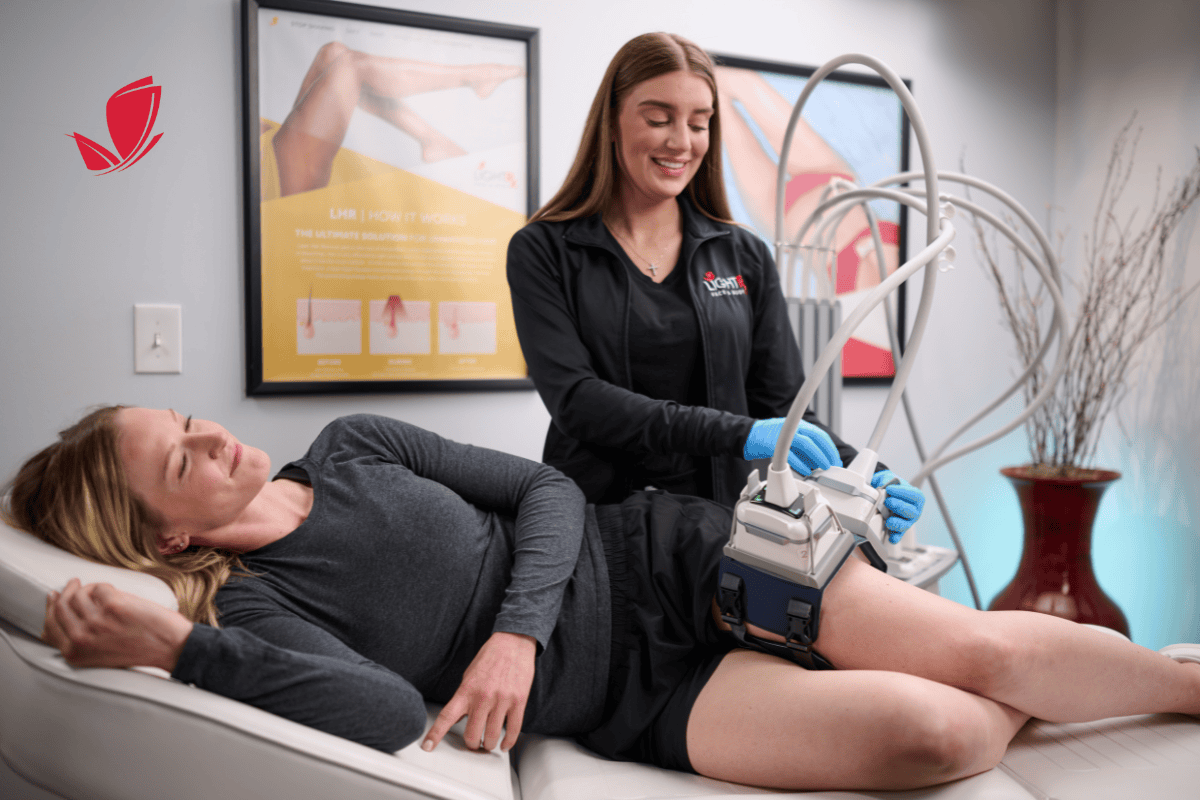
Once you and your specialist have a plan, it’s time for the treatment. While the specifics vary depending on the technology—whether it’s laser fat removal that uses heat or another method that uses cooling—the general process is straightforward and designed for comfort. You’ll get settled in a private room, and the technician will prep the target area. They will then apply the device, and you can simply relax. You might feel a sensation of warmth, cooling, or gentle tingling, but most clients find the experience to be very tolerable. Many even read a book or catch up on emails during the session, which typically lasts less than an hour.
Typical Treatment Time and Comfort
One of the best parts about these treatments is how little they disrupt your life. A typical session is surprisingly quick—often lasting just about 25 minutes for each area you’re treating. It’s so efficient that many people schedule their appointments during their lunch break and head right back to work afterward. As for comfort, you can expect to feel some sensations like deep warmth or cooling, depending on the technology being used. Most people describe it as a unique but very manageable feeling. The goal is to make your body contouring experience as comfortable as it is effective, so you can relax while the technology does its work.
What to Expect After Your Treatment
One of the best parts of non-surgical treatments is the minimal downtime. After your session, you can typically get right back to your day. You might notice some temporary redness, minor swelling, or tenderness in the treated area, but these side effects are generally mild and fade quickly on their own. To get the most out of your investment, it’s important to maintain a healthy lifestyle. Think of these treatments as a powerful partner in your wellness journey. Consistent diet, exercise, and staying hydrated will help you not only see the best results from your body contouring treatments but also maintain them for the long haul.
How to Choose the Best Treatment for Your Goals
With so many effective non-surgical options available, finding the one that aligns perfectly with your body and your goals is the most important step. The “best” treatment isn’t a one-size-fits-all answer; it’s a personal choice that depends on the specific area you want to address, your budget, and your expectations. Think of it like finding the right personal trainer—you want a plan tailored just for you. This is why a professional consultation is so critical. It’s your opportunity to sit down with an expert, discuss what you want to achieve, and co-create a treatment plan that makes sense for your unique situation.
During a consultation, a specialist can assess your body composition and skin elasticity to recommend the most effective technology for you. Whether you’re looking at laser fat removal for your stomach or skin tightening for your arms, they can explain the science behind each option. This personalized approach ensures you’re not just choosing a popular treatment, but the right treatment to get the results you’re looking for. It’s all about creating a clear roadmap from where you are now to where you want to be.
How to Match the Treatment to Your Target Area
Different treatments are designed to work best on specific types of fat and areas of the body. Non-surgical fat reduction is ideal for those stubborn pockets of fat that just won’t budge with diet and exercise—think love handles, a bit of belly pooch, or fat along the thighs. These procedures are most effective when you’re already close to your ideal weight but want to refine and contour your shape. For example, treatments that use heat or light energy are excellent for targeting and reducing fat cells in larger areas like the abdomen, while other technologies might be better suited for smaller, more delicate areas.
Key Questions to Ask Your Specialist
Your consultation is your time to gather all the information you need to feel confident and excited about your decision. Don’t be shy—a great specialist will welcome your questions. To get the most out of your appointment, consider asking things like:
- Based on my goals, which treatment do you recommend and why?
- What results can I realistically expect, and how many sessions will I likely need?
- Can you walk me through the total cost? Do you offer payment plans or memberships?
- What does the recovery process involve?
- Could you show me before-and-after photos of clients with similar body types to mine?
Why Provider Qualifications Matter
Choosing the right provider is just as important as choosing the right treatment. Think about it: the technology is a tool, but the results depend on the skill and expertise of the person using it. A qualified specialist does more than just operate a machine; they create a personalized treatment plan tailored to your body and goals. During your consultation, they will have an honest conversation about what these treatments can realistically accomplish for you and ensure the plan is safe by reviewing your medical history. Partnering with a skilled provider who sets clear expectations is the best way to ensure you have a safe, effective experience and love your final results.
Red Flags to Watch For in a Provider
Choosing the right provider is just as important as choosing the right treatment. The skill and experience of the person performing your procedure will have a huge impact on your results and your safety. Be on the lookout for a few red flags. A provider who seems to rush your consultation, dismisses your concerns, or uses high-pressure sales tactics should give you pause. You should also be wary of anyone who promises results that sound too good to be true or can’t provide a clear breakdown of the costs. The right clinic will make you feel comfortable, heard, and fully informed every step of the way, starting with a free consultation.
Related Articles
- Your Guide to Non Surgical Fat Reduction Near Me
- Laser Treatment to Remove Belly Fat: A 2025 Guide
- Non Surgical Lipo San Antonio: A 2025 Guide
Frequently Asked Questions
Are the results from non-surgical fat reduction really permanent? Yes, the fat cells that are treated are permanently destroyed and flushed out by your body. They won’t grow back. However, it’s important to remember that the remaining fat cells in the area and elsewhere in your body can still expand if you gain weight. Maintaining a stable weight through a healthy lifestyle is the best way to ensure your new contours last for the long haul.
Honestly, do these treatments hurt? Most people find these treatments very manageable. You’ll likely feel some distinct sensations like intense cold, deep warmth, or tingling depending on the technology being used. While you might experience some mild discomfort, it’s generally not described as painful. The sessions are designed to be as comfortable as possible, and you can typically relax, read, or even check your phone while it’s happening.
How is this different from just losing weight through diet and exercise? This is a great question. When you lose weight, your fat cells shrink, but they don’t disappear—they can always get bigger again. Non-surgical fat reduction actually eliminates a portion of the fat cells in a specific area for good. That’s why it’s considered a body contouring tool, not a weight loss method. It’s perfect for targeting those stubborn pockets of fat that diet and exercise can’t seem to touch, helping you refine your shape after you’ve already put in the hard work.
How long do I have to wait to see my final results? Patience is key here, as the results appear gradually and look very natural. Your body needs time to process and clear away the treated fat cells through its lymphatic system. Most people start to see noticeable changes within a few weeks, but the most significant, final results typically take shape within two to three months after your last session.
What happens if I gain weight after my treatment? Since the treated fat cells are gone for good, you’ll have fewer fat cells in that specific area. If you do gain weight, it will be distributed more evenly among the remaining fat cells throughout your body. This means the treated area will likely remain proportionally slimmer than it would have been before. However, significant weight gain can still affect your overall results, which is why maintaining a consistent, healthy lifestyle is so important.


