

Do High Rise Jeans Make You Look Fat? The Style Truth
We’ve all had that frustrating moment in the fitting room. You know the one. It’s easy to blame the clothes and start searching for things like, “do high rise jeans make you look fat?” But the real issue isn’t your wardrobe. That persistent area of fat around your midsection, often called a muffin top, is a complex issue. It’s influenced by everything from your stress levels to your DNA. Instead of blaming yourself, let’s work with your body. We’ll cover everything from smart styling tricks to proven treatments for abdominal fat removal that can help you feel confident again.
Key Takeaways
- Understand the Root Causes: A muffin top isn’t simply about weight; it’s influenced by genetics, hormonal changes like menopause, and stress. Knowing the real cause helps you move past self-blame and find a solution that actually works for your body.
- Focus on Overall Fat Loss, Not Spot Reduction: You can’t crunch your way to a smaller waistline. The best approach combines consistent cardio to reduce overall body fat with core exercises like planks to build a strong, toned foundation underneath.
- Use Smart Styling and Targeted Treatments: High-waisted clothing offers an immediate way to create a smoother silhouette for daily confidence. For a more lasting change, non-surgical treatments like laser fat removal can directly address stubborn fat cells that don’t respond to diet and exercise.
So, What Exactly Is a “Muffin Top”?
Let’s talk about the “muffin top.” It’s a term most of us have heard, and many of us have personally dealt with. It refers to the area of fat or skin that can spill over the waistband of pants, skirts, or shorts. While it’s often a source of frustration, understanding what causes it is the first step toward addressing it. It’s not just about weight; it’s a combination of genetics, hormones, lifestyle, and even the clothes you wear. Pinpointing the cause can help you find the right solution, whether that involves simple wardrobe adjustments or exploring professional treatments.
Why It Forms and What It Looks Like
First, let’s clear up a common misconception: muffin tops are not exclusive to any particular body size. Women of all shapes and fitness levels can experience them. The appearance of a muffin top is often influenced by your unique body composition, like having a shorter torso or wider hips, which can make it more noticeable. It’s simply about where your body naturally decides to store fat, which is something you have very little control over. So, if you’ve been blaming yourself, it’s time to stop. This is an incredibly common concern that has more to do with anatomy and genetics than anything else.
How Your Jeans Can Make or Break Your Look
Sometimes, the issue isn’t your body—it’s your jeans. The wrong style of clothing can create or emphasize a muffin top that might not even be noticeable otherwise. Low-rise pants that sit on the hips are a major culprit, as they tend to cut into the softest part of the midsection and push skin upward. The same goes for any bottoms that are too tight in the waist. A simple switch to mid-rise or high-waisted styles can instantly create a smoother silhouette. While changing your clothes is a great immediate fix, if you’re looking for a more permanent change, treatments like laser fat removal can help reduce stubborn fat in the area.
What’s Really Behind a Muffin Top?
It’s frustrating when you’re doing all the right things but still struggling with that stubborn area around your waist. The truth is, a muffin top isn’t just about diet or exercise alone. It’s often a combination of factors, some of which are completely out of your control. Understanding what’s behind it is the first step toward finding a solution that actually works for you. From hormones and genetics to stress and even gut health, several pieces come together to create this common concern. Once you pinpoint the potential causes, you can create a more targeted plan, whether that involves lifestyle adjustments or exploring professional body contouring treatments.
The Hormone Connection: Perimenopause and Beyond
If you’ve noticed changes in your body as you’ve gotten older, hormones are likely a key player. During perimenopause and menopause, estrogen levels naturally decline. This hormonal shift can change how your body stores fat, redirecting it from your hips and thighs straight to your abdomen. It’s a common experience for many women and can feel like your body is working against you, even if your diet and exercise habits haven’t changed. This is why addressing a muffin top during this life stage often requires a different approach than it did in your twenties or thirties.
Is It Just in Your Genes?
Ever feel like you and a family member share the exact same body shape? You can thank your genes for that. Your DNA plays a significant role in determining where your body prefers to store fat. For some of us, that default storage unit is right around the midsection. While you can’t change your genetic blueprint, knowing that you’re predisposed to storing fat in this area can be empowering. It helps you understand that it’s not a personal failing and allows you to focus on the factors you can control, like diet, exercise, and stress management.
The Link Between Stress and Your Midsection
Our modern lives are packed with stress, and it does more than just affect our mood. When you’re chronically stressed, your body produces more of the hormone cortisol. High cortisol levels have been directly linked to an increase in abdominal fat. Combine that with a more sedentary lifestyle—spending hours at a desk, for example—and a diet that includes more calories than your body needs, and you have a perfect recipe for fat gain around the waist. It’s a reminder that managing stress and staying active are just as important as what you eat.
Could It Be Bloating or Poor Gut Health?
Sometimes, what looks like stubborn fat is actually compounded by bloating. An unhealthy gut can lead to inflammation and water retention, making your midsection appear larger. Foods high in processed carbs and sugar are common culprits, as they can disrupt the balance of your gut microbiome. By focusing on gut health and reducing inflammatory foods, you can often see a noticeable reduction in belly bloat. This not only helps your clothes fit better but also supports your overall wellness, making it a win-win for your health and your confidence.
Can You Shrink a Muffin Top with Diet?
Yes, what you eat plays a massive role in your body composition, including the fat around your midsection. While you can’t “spot reduce” fat from one specific area through diet alone, making smarter food choices leads to overall fat loss, which will absolutely help shrink a muffin top. Think of it less as a targeted attack and more as a full-body strategy that pays off everywhere.
The key is to focus on a sustainable, nutrient-rich eating plan rather than a crash diet. A healthy diet reduces bloating and inflammation, helps balance hormones that contribute to belly fat, and gives you the energy you need for an active lifestyle. Combining these dietary changes with exercise and consistent habits is the most effective approach. For those who find that diet and exercise aren’t enough to address stubborn pockets of fat, non-invasive treatments like body contouring can help you achieve your goals by targeting specific areas. Ultimately, your diet is the foundation for change, setting the stage for a stronger, leaner physique.
Foods to Avoid for a Smoother Waistline
To get a handle on midsection fat, it helps to know which foods might be working against you. Highly processed foods, sugary drinks (like sodas and sweetened coffees), and refined carbohydrates (think white bread and pastries) are major culprits. These foods can cause your blood sugar to spike, which in turn signals your body to store fat, often right around your waist. They also tend to promote inflammation and bloating, which can make your clothes feel tighter and accentuate the appearance of a muffin top. Cutting back on these can make a noticeable difference not just in how you look, but in how you feel.
Fill Your Plate with These Anti-Inflammatory Foods
On the flip side, filling your plate with anti-inflammatory foods can help calm your system and support a healthier metabolism. Foods rich in omega-3 fatty acids are fantastic for this—think salmon, walnuts, and chia seeds. You’ll also want to load up on colorful fruits and vegetables, especially berries and leafy greens like spinach and kale. These foods are packed with antioxidants that fight inflammation. A diet centered around these whole, unprocessed foods helps reduce overall body fat and improve your health from the inside out, which is a win-win.
It’s Not Just What You Eat, But When
It’s not just what you eat, but also how much. The most fundamental principle of fat loss is creating a modest calorie deficit, which simply means you burn slightly more energy than you consume. This doesn’t require obsessive calorie counting or deprivation. Instead, focus on mindful eating and portion control. Pay attention to your body’s hunger and fullness cues. Eating balanced meals with plenty of protein, fiber, and healthy fats will keep you feeling satisfied longer, making it easier to avoid overeating. This steady approach is far more effective for long-term fat loss than any quick-fix diet.
Why Water Is Your Best Friend (and Alcohol Isn’t)
What you drink matters just as much as what you eat. Alcohol, in particular, can be a sneaky source of empty calories that contribute directly to belly fat. It can also disrupt your sleep and increase cortisol, the stress hormone linked to fat storage in the midsection. Many people find that simply reducing their alcohol intake leads to significant changes. At the same time, be sure to drink plenty of water. Proper hydration is essential for a healthy metabolism, helps reduce bloating, and can even help you feel fuller. Swapping out sugary drinks and excess alcohol for water is one of the simplest yet most powerful changes you can make.
What Are the Best Exercises for a Muffin Top?
While it’s tempting to think you can crunch your way to a smaller waist, the truth is you can’t spot-reduce fat from one specific area. The most effective exercise strategy involves a two-part approach: reducing your overall body fat and strengthening the core muscles underneath. This combination helps create a leaner, more toned midsection. When you pair a consistent fitness routine with a healthy diet, you set yourself up for the best possible results. For those looking for an additional helping hand, non-invasive treatments like body contouring can complement your efforts by targeting stubborn fat cells.
The Best Cardio for Overall Fat Burn
Cardiovascular exercise is your best friend for burning calories and reducing overall body fat. When you lose fat from your entire body, you’ll naturally see a reduction around your middle. The key is consistency. Find a form of cardio you genuinely enjoy, whether it’s brisk walking, running, or cycling. Aim for at least 30 minutes of moderate-intensity activity most days of the week. A simple, actionable goal is to increase your daily movement by aiming for 10,000 steps a day. This consistent activity is a fantastic way to support fat loss without putting too much stress on your body.
Go-To Core Moves for a Tighter Waistline
Once you’re consistently doing cardio to address the layer of fat, you can focus on toning the muscles underneath. Strong core muscles improve your posture and help create a tighter, more defined waistline. Instead of endless crunches, focus on exercises that engage your entire core, like planks, mountain climbers, and hip bridges. Remember, these exercises build muscle; they don’t burn the fat covering them. Think of it as building a strong foundation that will be revealed as you continue your fitness and healthy eating habits. A well-rounded core routine will make a noticeable difference in how your midsection looks and feels.
Why HIIT Is So Effective for Fat Loss
If you’re short on time but want maximum impact, High-Intensity Interval Training (HIIT) is an excellent choice. HIIT involves short, all-out bursts of intense exercise followed by brief recovery periods. This method is incredibly efficient at burning calories and has a unique benefit: the afterburn effect. After a HIIT session, your metabolism remains elevated for hours, meaning you continue to burn calories long after your workout. This makes HIIT a powerful tool for accelerating fat loss. You can apply HIIT principles to almost any cardio workout, from sprinting on a treadmill to doing bodyweight exercises like burpees.
How Does Stress Affect Your Midsection?
It’s no secret that stress can take a toll on our minds, but it can also show up physically, especially around our waistlines. If you’ve been doing all the “right” things with diet and exercise but still struggle with stubborn fat around your middle, your stress levels might be the missing piece of the puzzle. This isn’t just a feeling; there’s real science behind why chronic stress can sabotage your efforts. The connection between your mental state and your physical body is powerful, and when it comes to fat storage, your hormones play a leading role. Understanding how stress impacts your body is the first step toward making changes that help you feel your best, both inside and out. Let’s look at the direct link between stress, sleep, and that persistent muffin top.
Cortisol: The Stress Hormone Behind Belly Fat
When you’re stressed, your body goes into fight-or-flight mode and releases a hormone called cortisol. While helpful in short bursts, chronically high cortisol from daily stressors—like work deadlines, family obligations, or just feeling overwhelmed—can send a signal to your body to store fat, particularly in the abdominal area. This is an ancient survival mechanism that tells your body to hang onto energy reserves for tough times. Unfortunately, in our modern lives, this translates to stubborn belly fat that can be incredibly frustrating and resistant to diet and exercise alone. Managing your stress is a key strategy for getting cortisol levels in check and supporting your body composition goals.
The Surprising Impact of Sleep on Your Waistline
Think of quality sleep as a nightly reset button for your hormones. When you don’t get enough restorative sleep, your cortisol levels can spike the next day, putting your body right back into that fat-storage state. Poor sleep also disrupts the hormones that control your appetite, often leading to intense cravings for sugary, high-fat foods. It’s a cycle that can be hard to break. Prioritizing good sleep hygiene—like sticking to a consistent schedule and creating a relaxing bedtime routine—is one of the most effective things you can do for your overall health. It helps regulate cortisol, supports a healthy metabolism, and makes it much easier to manage your weight and make healthier food choices during the day.
Simple Stress-Busters That Actually Work
Finding ways to unwind is essential for lowering cortisol and feeling more in control. You don’t need a complete life overhaul; small, consistent habits can make a huge difference. Activities like yoga, meditation, or even a brisk walk can significantly lower stress levels and calm your nervous system. Regular physical activity is another powerful tool that not only burns calories but also improves your mood. As you incorporate these stress-reducing practices into your life, you may also want to address the stubborn areas that don’t seem to budge. Non-invasive body contouring treatments can be a great way to complement your healthy lifestyle efforts and help you achieve a smoother, more defined silhouette.
Your Guide to Dressing for a Smoother Silhouette
While you’re working on your long-term health and wellness goals, your wardrobe can be a powerful tool for feeling confident right now. The right clothes don’t just hide a muffin top—they create a smooth, flattering silhouette by working with your body’s natural shape. It’s not about hiding or restricting yourself; it’s about choosing pieces that fit well and make you feel fantastic.
Think of it as strategic styling. By understanding how different cuts, fabrics, and fits interact with your midsection, you can easily put together outfits that look and feel great. A few simple adjustments can make a world of difference, helping you step out the door with confidence while you explore other solutions like our body contouring treatments. Let’s walk through some of the most effective ways to dress for a smoother waistline.
Do High-Rise Jeans Make You Look Fat? The Real Answer
If there’s one style to avoid, it’s the ultra low-rise. These pants and jeans are notorious for cutting across the softest part of the midsection, which can create a muffin top even if you don’t typically have one. It’s a common myth that this is only an issue for certain body types, but it can happen to anyone. The solution is simple: embrace high-waisted and mid-rise styles.
High-waisted bottoms sit at your natural waist—the narrowest part of your torso—providing support and creating a seamless line. They contain and smooth your midsection instead of digging into it. Look for jeans, trousers, and skirts with a rise of at least nine inches. A little bit of stretch in the fabric will also add comfort and help the garment conform to your shape beautifully.
Understanding Jean Rise and Your Body Proportions
The “rise” of your jeans—the distance from the crotch seam to the top of the waistband—plays a huge role in how your midsection looks. It’s all about where the waistband sits on your body. High-waisted jeans are designed to sit at your natural waist, which is the narrowest part of your torso. This creates a smooth, uninterrupted line and offers gentle support, effectively containing and flattering your midsection. In contrast, low-rise styles that sit on your hips can cut into the softest part of your stomach, pushing skin upward and creating that spillover effect. It’s a simple mechanical issue that has more to do with the cut of the pants than the shape of your body.
How to Choose the Right Rise for Your Torso Length
Finding jeans with the right rise for your specific torso length is key to both comfort and confidence. As a general rule, look for a rise of at least nine inches, as this height is typically enough to sit at or just below your natural waist, providing support instead of digging in. To find your natural waist, simply bend to one side; the crease that forms is your target. Also, pay attention to the fabric. A small amount of stretch (look for 1-2% elastane or spandex in the material blend) allows the jeans to conform to your curves, offering a comfortable fit that moves with you and helps create that smooth silhouette you’re looking for.
Smart Sizing and Fabric Choices for a Flattering Fit
The fabric of your clothing and the size you choose are just as important as the cut. Thin, clingy materials can highlight areas you’d rather not emphasize. Instead, opt for fabrics with a bit more structure and weight, like high-quality denim, ponte knit, or thicker cotton blends. These materials skim over your body rather than clinging to it, helping to create a more streamlined look.
Many people make the mistake of buying pants that are too small, which is a primary cause of muffin tops. Squeezing into a smaller size is counterproductive, as the tight waistband will inevitably push skin and fat upwards. When you’re shopping, focus on the fit, not the number on the tag. The right size should feel comfortable around your waist without digging in or creating a bulge.
The Importance of Fabric, Construction, and Color
Let’s go beyond just the cut of your jeans and talk about the material itself. The right fabric can make all the difference in creating a smooth silhouette. Thin, stretchy materials might feel comfortable, but they often cling in ways that highlight areas you’d rather not emphasize. Instead, look for fabrics with more substance and structure, like a sturdy denim or a thick ponte knit. These materials gracefully skim over your body, providing a more streamlined look without feeling restrictive. Darker colors and washes also work wonders by creating a long, unbroken visual line. This focus on quality construction helps you achieve the smooth appearance you’re looking for.
Why a Button-Fly Might Be Your Best Friend
Here’s a styling secret that can be a game-changer: opt for a button-fly instead of a zipper. While it might seem like a small detail, the construction makes a big difference. A traditional zipper can sometimes cause fabric to bunch or bulge, especially in high-waisted styles. A button-fly, on the other hand, creates a flat, reinforced panel across your lower abdomen. This provides gentle compression and support, effectively holding you in and creating a much smoother front. For the best possible fit, consider buying jeans that fit your hips and thighs perfectly, then having a tailor take in the waist. This eliminates any extra fabric around the fly, ensuring a sleek, custom-fit look.
The Smart Way to Use Shapewear
For a little extra support and a perfectly smooth foundation, shapewear can be your best friend. It’s not about drastically changing your shape but rather about gently smoothing your midsection to help clothes drape better. This can be especially helpful for certain body types, as people with shorter torsos or wider hips sometimes notice a muffin top more, regardless of their fitness level.
Look for high-waisted briefs, shorts, or bodysuits that offer light to medium compression. The goal is to feel supported, not uncomfortably squeezed. Shapewear is an excellent tool for special occasions or for wearing under form-fitting outfits like dresses and skirts. While it provides a temporary fix, treatments like skin tightening can offer a more lasting solution for a firm and smooth appearance.
Jean Styles and Brands to Consider
When shopping for jeans, the rise is everything. High-waisted styles that sit at your natural waist are your best bet for creating a smooth line. They gently hold and support your midsection rather than digging into it. Look for a rise of at least nine inches to get that flattering effect. A bit of stretch in the denim is also key for comfort and a form-fitting shape that moves with you. As for the cut, styles like straight-leg, bootcut, or a subtle flare can help balance your proportions by creating a longer, leaner-looking leg line. Instead of focusing on specific brand names, seek out companies known for their quality denim and inclusive sizing to find a pair that feels made for you.
Shopping, Styling, and Care Tips
Finding a great pair of jeans is the first step, but how you wear and care for them makes all the difference in achieving that polished, confident look. The right styling choices can enhance the flattering fit of your jeans, while proper care ensures they maintain their shape and support wear after wear. From simple tailoring tricks that create a custom fit to styling hacks that elongate your silhouette, a few intentional choices can completely transform your outfit. These small details help you get the most out of your wardrobe and feel your best every time you get dressed.
Tailoring Tricks for a Custom Fit
It’s rare to find a pair of jeans that fits perfectly right off the rack. That’s where a good tailor comes in. A few simple alterations can make an affordable pair of jeans look like they were custom-made for your body. A common issue is the dreaded waist gap, which happens when jeans fit your hips and thighs but are too loose at the waist. A tailor can easily take in the waistband for a perfect fit. When you’re shopping, always prioritize the fit through your hips and thighs. Remember to focus on how the jeans feel, not the number on the tag. The right size should be comfortable around your waist without creating a bulge or digging in.
How to Style Jeans to Elongate Your Legs
How you style your jeans can dramatically affect your overall silhouette. Tucking in your top—even just a partial front tuck—is a simple trick that instantly defines your waist and makes your legs look longer, especially when wearing high-waisted styles. Your shoe choice also plays a big role. Pointed-toe flats or heels create a continuous line that visually extends your legs. For an even more powerful effect, try a monochromatic look by pairing dark-wash jeans with black or dark brown shoes. This creates an unbroken vertical line from your waist to your toes, making you appear taller and leaner.
Caring for Your Jeans to Maintain Their Shape
Proper care is essential for keeping your jeans looking and feeling their best, especially those with stretch. The elastic fibers that give your jeans that comfortable, conforming fit can be easily damaged by high heat. To preserve their shape, always wash your jeans in cold water and turn them inside out to protect the color. Most importantly, skip the dryer. Lay them flat or hang them to air dry instead. This prevents the stretchy material from breaking down, which can cause them to become baggy and lose their supportive fit. Washing your jeans less frequently will also help them maintain their shape and last much longer.
Can You Get Rid of a Muffin Top Without Surgery?
Even with a consistent diet and exercise routine, some areas of fat can be incredibly stubborn. If you’ve been working hard but still struggle with the shape of your midsection, you’re not alone. Fortunately, there are effective, non-surgical treatments that can help you achieve the contours you’re looking for without the downtime of surgery. These advanced technologies are designed to target specific areas, giving you a smoother, more defined silhouette.
How Do Laser Fat Removal and Body Contouring Work?
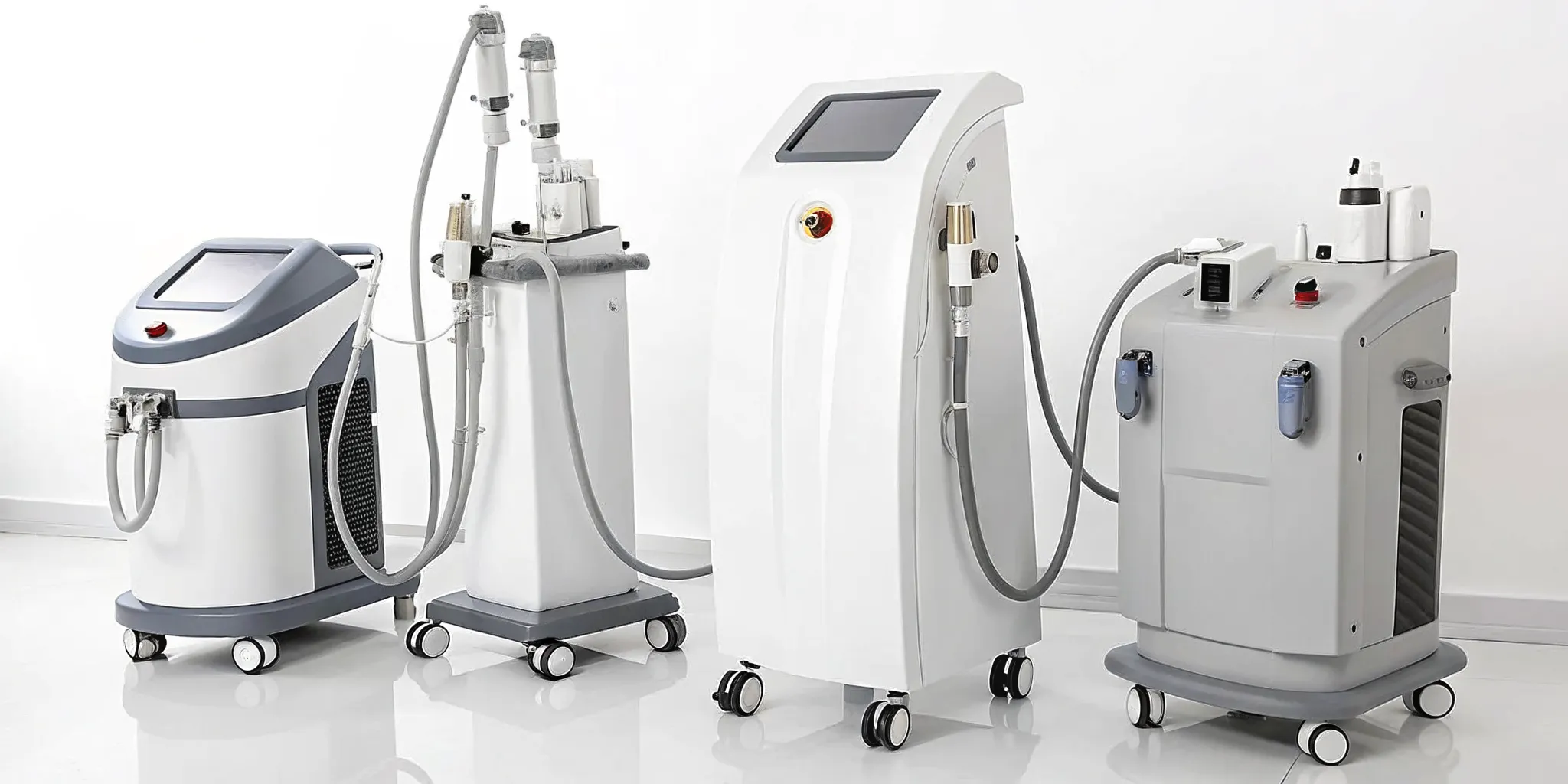
If you’re looking for a way to address stubborn fat, laser fat removal is a fantastic non-invasive option. This treatment uses targeted laser energy to penetrate the skin and break down fat cells in specific areas, like the flanks and abdomen. The best part? It does this without harming any of the surrounding tissue. The procedure itself is quick—usually lasting less than an hour—so you can easily fit it into your schedule. Because it’s an FDA-cleared approach to body contouring, you can feel confident you’re choosing a safe and proven method to refine your shape.
What Can Skin Tightening Do for You?
One thing to consider after fat reduction is the elasticity of your skin. Sometimes, the skin in the treated area can feel a bit loose. That’s where skin tightening treatments come in. These procedures work by gently heating the deeper layers of your skin to stimulate new collagen production—the protein responsible for keeping your skin firm and supple. Combining skin tightening with fat removal treatments can create a beautifully sculpted and smooth result. It’s the perfect finishing touch for achieving a more toned and contoured appearance with minimal downtime.
Your LightRx Treatment Plan: What to Expect
Your journey at LightRx begins with a personal consultation where we can talk about your specific goals. We’ll create a personalized treatment plan just for you, which might include a combination of laser fat removal and skin tightening sessions to get the best possible results. We’ll walk you through every step so you know exactly what to expect. Results typically appear over a series of treatments, helping you see a gradual and natural-looking improvement in your body shape and skin texture. You can explore all of our services to see what might be the right fit for you.
When to Consider Surgery for a Muffin Top
When diet and exercise don’t deliver the results you’re looking for, it’s natural to consider other options. For many, the conversation turns to surgery. Procedures like liposuction and tummy tucks are well-known for their dramatic results, but they are also major medical operations that come with significant downtime and risks. It’s a path that requires careful thought and a clear understanding of what’s involved.
Unlike the non-surgical treatments we’ve discussed, which work with your body’s natural processes to reduce fat and tighten skin, surgery is a more direct and invasive approach. A plastic surgeon physically removes fat and sometimes excess skin to reshape the midsection. While the results can be transformative, it’s important to weigh the benefits against the realities of recovery and potential complications. Understanding the specifics of each procedure is the first step in deciding if this is the right direction for you.
Liposuction vs. Tummy Tuck: What’s the Difference?
When you consult with a plastic surgeon about your midsection, they’ll likely discuss two main procedures: liposuction and a tummy tuck. Liposuction specifically targets and removes unwanted fat. During the procedure, a surgeon makes small incisions in the skin and uses a tool to permanently suction out fat cells from the abdomen, sides, and lower back.
A tummy tuck, or abdominoplasty, is a more extensive procedure. It not only removes more fat than liposuction but also gets rid of extra, loose skin. This makes it a common choice for women who have stretched skin from pregnancy or significant weight loss. The goal of both is a flatter, more contoured midsection, but they achieve it in different ways.
What to Expect After Surgery
Because these are invasive procedures, recovery is a serious consideration. The downtime for liposuction can vary depending on how large an area is treated, but you can expect swelling, bruising, and a period of limited activity. A tummy tuck is a more involved surgery that requires a longer recovery period, often several weeks, before you can return to your normal routine.
The results are considered permanent, as the fat cells and skin that are removed are gone for good. However, maintaining a stable weight is key to preserving your new shape. It’s also important to have realistic expectations. These procedures create a new contour but aren’t a substitute for a healthy lifestyle.
Your Consultation Checklist: What to Ask
If you decide to explore surgery, a consultation with a board-certified plastic surgeon is essential. This is your opportunity to get all the information you need to make a confident decision. Don’t be afraid to ask direct questions.
Start by clearly explaining your goals and what you hope to achieve. Ask the surgeon to detail the expected outcomes for your specific body type, as well as the potential risks involved with each procedure. Be sure to get a clear picture of the recovery process, including the timeline and any restrictions. A good surgeon will help you understand the differences between liposuction and a tummy tuck and recommend which, if either, is the most suitable option for you.
Don’t Fall for These Muffin Top Myths
When you’re trying to address your midsection, you’ll find a lot of advice out there—and not all of it is helpful. It’s easy to get discouraged when you’re putting in the effort without seeing the results you want. A big part of making real progress is learning to separate fact from fiction. Let’s clear up a couple of the most common myths about muffin tops so you can focus your energy on what actually works.
The Truth About “Spot Reducing” Fat
You’ve probably seen workouts promising to “melt belly fat” with endless crunches and side bends. The truth is, you can’t pick and choose where your body loses fat. This idea, known as spot reduction, has been widely debunked. When you lose weight through diet and exercise, your body sheds fat from all over, and genetics largely determines which areas slim down first. While strengthening your core muscles is great for your overall health and posture, it won’t specifically burn the layer of fat on top. For stubborn fat that resists diet and exercise, treatments like laser fat removal can directly target and reduce fat cells in a specific area.
Why It’s Not Just About Your Jean Size
It’s a common frustration: blaming your jeans for creating a muffin top. While ill-fitting, low-rise pants can certainly make it more pronounced, the fit of your clothing isn’t the root cause. Women of all shapes and sizes can experience a muffin top, and it’s not a simple matter of going up a size. The cut, rise, and fabric of your pants play a huge role in how they sit on your body. Instead of focusing on the number on the tag, look for clothing that flatters your unique shape and makes you feel comfortable and confident. A well-fitting pair of mid or high-rise jeans can make a world of difference.
How Long Does It Really Take to See a Change?
It’s the question we all ask when we start a new routine: when will I see the results? The honest answer is, it depends. Your body is unique, and so is your journey. The timeline for reducing a muffin top varies based on your genetics, lifestyle, and the methods you choose. While some approaches offer a slow and steady transformation, others can provide a more targeted and noticeable change. The key is to find the path that feels right for you and to set realistic expectations from the start. Whether you’re focusing on diet and exercise, exploring professional treatments, or combining both, patience and consistency will be your greatest assets. Understanding the different timelines can help you stay motivated and celebrate your progress along the way, no matter how small it seems. This isn’t about a race to the finish line; it’s about creating a sustainable plan that makes you feel good in your own skin. We’ll walk through what you can realistically expect from lifestyle changes and professional treatments, so you can make an informed choice for your body and your goals. Remember, any progress is good progress, and feeling stronger and healthier is a win in itself, regardless of what the measuring tape says.
Setting Realistic Expectations for Diet and Exercise
If you’re going the route of diet and exercise, you’ll need to commit to consistency. With dedicated changes to your eating habits and a regular workout schedule, some people begin to see improvements in their midsection within just a couple of weeks. However, for most, visible changes take a bit longer—typically a few months of sustained effort. Remember, the goal isn’t a quick fix but a lasting lifestyle shift. Drastic diets and workout plans might offer fast results, but they’re rarely sustainable. Making small, manageable adjustments to your daily routine is what creates real, long-term change that you can maintain for good.
How Quickly Do Professional Treatments Work?
For those who want to see more targeted results, professional treatments can make a significant difference. Non-invasive procedures like laser fat removal and body contouring are designed to address stubborn fat pockets that don’t respond to diet and exercise. While these treatments are effective, they aren’t instantaneous. Results typically appear gradually over several weeks to a few months as your body naturally processes and eliminates the treated fat cells. Most people require a series of sessions to achieve their desired outcome, which will be outlined in a personalized treatment plan during your free consultation.
Keeping the Muffin Top Away for Good
Whether you’ve achieved your goals through lifestyle changes or professional treatments, the work doesn’t stop there. Maintenance is everything. The habits you build are what will keep your results looking great for the long haul. Consistency in your fitness routine and a balanced diet are essential, because if you fall back into old patterns, that stubborn fat can creep back. Think of professional treatments as a powerful head start—they help you get rid of unwanted fat, but a healthy lifestyle is what ensures it stays away. Combining treatments with healthy habits is the most effective strategy for maintaining your new shape and feeling confident in your skin.
Related Articles
- How to Get Rid of a Muffin Top: A Simple Plan
- How to Get Rid of Muffin Top Without Exercise? | LightRx Expert Advice
Frequently Asked Questions
Why do I still have a muffin top even though I’m at a healthy weight? This is an incredibly common and frustrating situation. It often comes down to factors that have little to do with the number on the scale, like your genetics and hormones. Your body has a predetermined way of storing fat, and for many of us, that default location is right around the midsection. Hormonal shifts, especially as we get older, can also encourage fat storage in this area. So even if you’re fit and active, your body composition and natural shape can make you more prone to a muffin top.
If I get a body contouring treatment, can I stop worrying about diet and exercise? Think of professional treatments as a powerful partner to your healthy habits, not a replacement for them. These treatments are fantastic for targeting stubborn fat that diet and exercise can’t seem to touch. However, maintaining your results for the long term depends on a consistent, healthy lifestyle. A balanced diet and regular physical activity are what will prevent new fat from accumulating and keep you feeling your best.
How is laser fat removal different from a surgical procedure like liposuction? The biggest difference is that laser fat removal is a non-invasive treatment, meaning there are no incisions, no anesthesia, and no downtime. You can typically return to your daily activities right after a session. Liposuction is a surgical procedure that physically removes fat cells from the body and requires a significant recovery period. While both aim to reshape an area, laser treatments offer a gradual, more natural-looking result by helping your body eliminate fat cells over time.
I’ve been doing tons of crunches and side bends. Why isn’t it working? It’s a persistent myth that you can shrink a specific area of fat by exercising the muscles underneath it. While core exercises like crunches are great for strengthening your abdominal muscles, they don’t burn the layer of fat that sits on top of them. The most effective approach is to combine exercises that promote overall fat loss, like cardio or HIIT, with a healthy diet. This reduces fat from your entire body, which will in turn shrink your midsection.
Will changing my pants really make that much of a difference? Yes, absolutely. The wrong style of pants, particularly low-rise cuts that are too tight in the waist, can create or worsen the appearance of a muffin top by digging into your midsection. Switching to mid-rise or high-waisted styles provides more coverage and support, creating a much smoother silhouette instantly. It’s a simple adjustment that can have a huge impact on how you look and feel in your clothes right now.