

Stomach Fat Reduction Without Surgery: What to Know
How can you freeze or melt away fat without surgery? It sounds a bit like science fiction, but the principle is surprisingly simple. It turns out fat cells are very sensitive to temperature changes—much more so than your skin. Non-surgical treatments use this to their advantage. By applying controlled cooling to freeze fat cells or gentle laser energy to heat them, these procedures achieve effective stomach fat reduction. This triggers a natural clean-up process, and your body gradually flushes out the treated cells over several weeks. We’ll break down the science behind how these popular treatments work.
Key Takeaways
- Focus on sculpting, not the scale: Think of non-surgical fat reduction as the final touch for your body, not a weight loss method. It’s ideal for refining specific, stubborn areas like the stomach or thighs when you’re already close to your target weight.
- Results appear gradually: Expect to see changes over several weeks and months as your body naturally clears away the treated fat cells. A personalized plan with multiple sessions is usually needed to achieve a smooth, natural-looking outcome.
- A professional consultation is essential: This is the most important step to get a custom treatment plan, confirm you’re a good candidate, and learn which FDA-cleared technology is the safest and most effective option for your specific goals.
Understanding Belly Fat: More Than Just Skin Deep
When we talk about belly fat, it’s easy to think of it as one single thing. But the reality is more complex. Understanding what’s going on beneath the surface is the first step toward addressing it effectively. It’s not just about what you see in the mirror; it’s also about your overall health. The fat around your midsection comes in two distinct forms, and each one requires a different approach. One type sits just under the skin and is notoriously stubborn, while the other is hidden deeper in your abdomen and carries significant health implications. Let’s get to know both, so you can create a plan that truly works for you.
The Two Types of Belly Fat: Subcutaneous vs. Visceral
First up is subcutaneous fat. This is the soft, pinchable layer that sits directly under your skin. It’s the fat that can make your jeans feel tight and is often resistant to diet and exercise, which can be incredibly frustrating. While it’s not as metabolically active as its counterpart, it’s the primary target for aesthetic treatments. Procedures like body contouring and laser fat reduction are designed specifically to reduce these stubborn pockets of subcutaneous fat. The other type is visceral fat, which is located deep within your abdominal cavity, surrounding vital organs like your liver and intestines. You can’t see or pinch visceral fat, but it’s the one that poses a greater risk to your health.
Why Visceral Fat Is a Health Concern
While we often focus on the appearance of belly fat, the hidden visceral fat is a major health concern. Because it’s wrapped around your internal organs, it can interfere with their function and release inflammatory substances into your body. According to the Mayo Clinic, this type of fat is strongly linked to a higher risk of serious medical issues. It’s not just about aesthetics; an excess of visceral fat can have a real impact on your long-term wellness. This is why taking steps to manage your overall body composition is so important for a healthy life, going far beyond just the number on the scale or the way your clothes fit.
Health Risks of Excess Visceral Fat
The presence of too much visceral fat significantly increases your risk for a number of chronic conditions. We’re talking about things like heart disease, high blood pressure, stroke, and type 2 diabetes. It can also contribute to sleep apnea and even certain types of cancer. The good news? Visceral fat tends to respond well to lifestyle changes. According to Scripps Health, it’s often the first type of fat to decrease when you improve your diet and increase physical activity. So, while it’s the more dangerous of the two, you have a great deal of power to reduce it through healthy habits, which is an encouraging and empowering fact.
How to Measure: The 35-Inch Guideline for Women
So, how do you know if you have an unhealthy amount of belly fat, especially the visceral kind? A simple tape measure can give you a good indication. To measure your waist, stand up straight and wrap the tape measure around your bare stomach, just above your hipbone. Make sure the tape is level all the way around, snug but not digging into your skin, and breathe out normally before taking the measurement. For women, a waist circumference of more than 35 inches (89 centimeters) is generally considered a sign of excess abdominal fat and is associated with a higher risk for the health problems we just discussed.
What Causes Excess Belly Fat?
If you’re struggling with belly fat, please know you’re not alone, and it’s rarely due to a single cause. A combination of factors—many of which are outside of our direct control—contributes to where our bodies store fat. Things like genetics, hormonal shifts that come with age, and even our daily stress levels play a significant role. Of course, diet and lifestyle choices are also a major piece of the puzzle. Understanding these different contributors can help you approach your goals with more compassion for yourself and a clearer strategy for what you can and cannot change, allowing you to focus your energy where it will make the most difference.
The Role of Age, Hormones, and Genetics
As we get older, our bodies naturally go through changes. For many women, particularly during and after menopause, a drop in estrogen levels can cause fat to redistribute from the hips and thighs to the abdomen. This hormonal shift is a key reason why belly fat can suddenly become an issue, even if you haven’t changed your diet or exercise routine. On top of that, genetics plays a part in determining your body shape and where you’re predisposed to store fat. While you can’t change your age or your genes, you can focus on managing the effects with targeted lifestyle changes and exploring treatments for stubborn subcutaneous fat.
How Stress and Poor Sleep Affect Your Waistline
Ever notice you reach for comfort food when you’re stressed or tired? There’s a biological reason for that. Chronic stress triggers the release of cortisol, a hormone that can increase your appetite and encourage fat storage, particularly in the abdominal area. As noted by Healthline, high cortisol levels are directly linked to more belly fat. Similarly, not getting enough quality sleep disrupts the hormones that regulate appetite, ghrelin and leptin, which can lead to overeating and weight gain. Prioritizing stress management techniques and aiming for 7-9 hours of sleep per night are powerful, non-negotiable steps for managing your waistline.
The Impact of Diet and Alcohol
What you eat and drink has a direct impact on belly fat. A diet high in processed foods, sugary drinks, and unhealthy saturated fats can lead to weight gain, particularly around your middle. The Mayo Clinic advises limiting processed meats and choosing healthier fats found in foods like avocados, nuts, and olive oil. It’s also wise to be mindful of alcohol consumption. Alcoholic beverages are often high in calories and sugar, and your body prioritizes metabolizing alcohol over burning fat, which can contribute to an expanding waistline. Focusing on a balanced diet rich in whole foods, lean protein, and fiber is a cornerstone of reducing belly fat.
Could It Be Something Else? When It’s Not Fat
Sometimes, what looks like belly fat might actually be something else, like bloating from digestive issues or water retention. If your stomach feels firm and distended, especially after meals, it’s worth exploring potential food sensitivities or other gut health concerns. It’s also important to be critical of quick-fix promises. According to Rush University Medical Center, there are no FDA-approved drugs specifically for reducing belly fat, and many supplements make claims that aren’t backed by science. This is why at LightRx, we focus on FDA-cleared, clinically proven aesthetic treatments that are designed to safely and effectively reduce stubborn subcutaneous fat, providing a reliable alternative to unproven pills and potions.
Can You Reduce Stomach Fat Without Surgery?
Let’s talk about that stubborn stomach fat. You know, the kind that sticks around no matter how many salads you eat or crunches you do. Non-surgical stomach fat reduction is a category of treatments designed specifically for this challenge. Think of it as a way to fine-tune your shape without going under the knife. These procedures use advanced technologies to target and break down fat cells in the abdominal area. According to the American Board of Cosmetic Surgery, this approach “uses gentle methods to break down fat cells in specific areas” to reduce those small, persistent pockets of fat.
The goal here isn’t dramatic weight loss; it’s about body contouring. These treatments help create a smoother, more defined silhouette by addressing the specific spots that diet and exercise can’t seem to touch. It’s a modern solution for anyone looking to refine their midsection with minimal interruption to their busy life. By using methods like controlled cooling, laser energy, or radiofrequency, these treatments prompt your body to naturally process and eliminate targeted fat cells over time. The result is a gradual, natural-looking reduction in fat that reveals a more sculpted you, all without a single incision.
Non-Surgical vs. Surgical: What’s the Difference?
The biggest difference between non-surgical and surgical options is right in the name: no surgery. Unlike procedures like liposuction, these treatments don’t require incisions, general anesthesia, or a lengthy recovery period. The American Board of Cosmetic Surgery highlights that “these treatments don’t involve surgery, general anesthesia, cuts, or scars. They also have little to no recovery time.” This means you can typically get back to your daily routine almost immediately. It’s a huge plus for anyone who can’t afford to take significant time off for healing. These methods focus on laser fat removal and other energy-based techniques to achieve results from outside the body.
Is Non-Surgical Fat Reduction Right for You?
Non-surgical stomach fat reduction is perfect for people who are already living a healthy lifestyle and are close to their ideal weight. If you have stubborn pockets of fat on your abdomen that just won’t budge, you’re likely a great candidate. The American Board of Cosmetic Surgery confirms that “it’s best for people who are close to their ideal body weight but have stubborn fat pockets that diet and exercise haven’t removed.” It’s not a solution for significant weight loss but rather a way to achieve the final contours you’ve been working toward. If you’re looking for that last little bit of help to feel your absolute best, exploring these services is a great next step.
How Do These Treatments Actually Work?
It might sound like science fiction, but non-surgical fat reduction is based on a simple principle: fat cells are more vulnerable to temperature changes and specific energies than other cells in your body. Each treatment uses a different method to target and eliminate these unwanted fat cells, which your body then naturally flushes out over time. This approach allows for precise body contouring without the need for incisions or downtime. Let’s look at the science behind four popular methods.
Cryolipolysis: Freezing Away Fat Cells
This technique, often known by the brand name CoolSculpting, uses controlled cooling to target and freeze stubborn fat cells. The extremely cold temperature crystallizes the fat cells, causing them to die off without harming the surrounding skin, nerves, or muscle tissue. Over the following weeks and months, your body’s lymphatic system naturally processes and eliminates these dead cells. You can typically start to see changes within a month, with the most significant results appearing after two to three months as your body continues to clear the treated fat cells.
Laser Treatments: Melting Fat with Focused Heat
Instead of freezing fat, some treatments use controlled heat to get the job done. Laser fat removal techniques like SculpSure use a specific laser wavelength to heat the fat cells under your skin to a temperature that causes them to break down. At the same time, the device continuously cools the surface of your skin to keep you comfortable and safe during the procedure. Your body then disposes of the damaged fat cells over the next few months. Most people begin to notice results around the six-week mark, with final results becoming visible after about twelve weeks.
Radiofrequency: Using Energy to Shrink Fat Cells
Radiofrequency (RF) treatments take a different approach to heat. Devices like Vanquish use magnetic waves to heat and melt away fat cells without making any direct contact with your skin. This technology allows the practitioner to treat larger areas of the body, like the entire abdomen, in a single session. The RF energy selectively targets the fat layer, raising its temperature while leaving the skin and muscle unaffected. Your body gradually clears out the treated fat cells, leading to a smoother and more contoured appearance over time.
Ultrasound Fat Reduction: Sound Waves That Break Down Fat
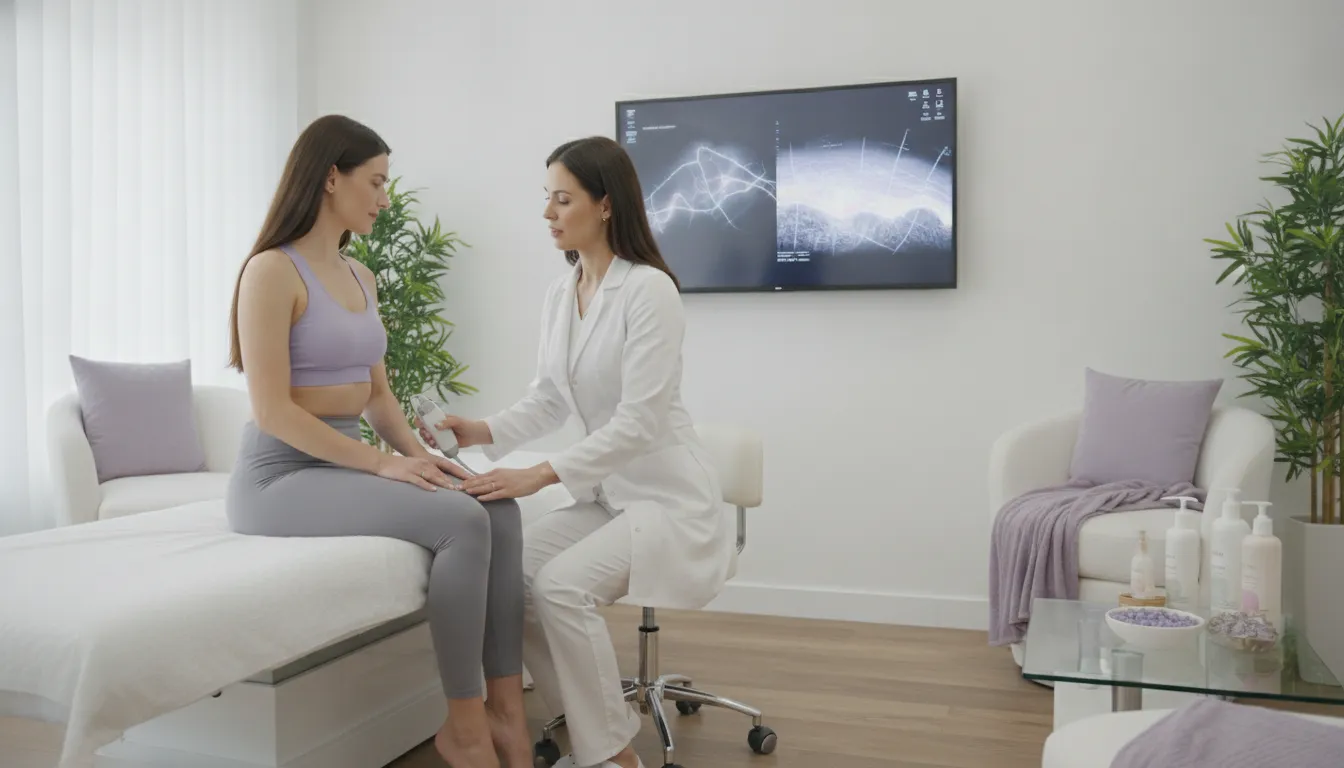
Ultrasound technology offers another fascinating way to address stubborn fat. This method uses high-intensity, focused sound waves to break down the walls of fat cells in a specific area, like your stomach or love handles. Once the cell walls are compromised, the fatty contents are released and your body’s natural metabolic processes take over, clearing them away for good. According to the American Board of Cosmetic Surgery, this process is effective and results appear gradually over six to twelve weeks. It’s a great option for precise sculpting, and a professional can help determine if it’s the right approach for your unique body and goals.
Red Light Therapy: Shrinking Fat Cells from Within
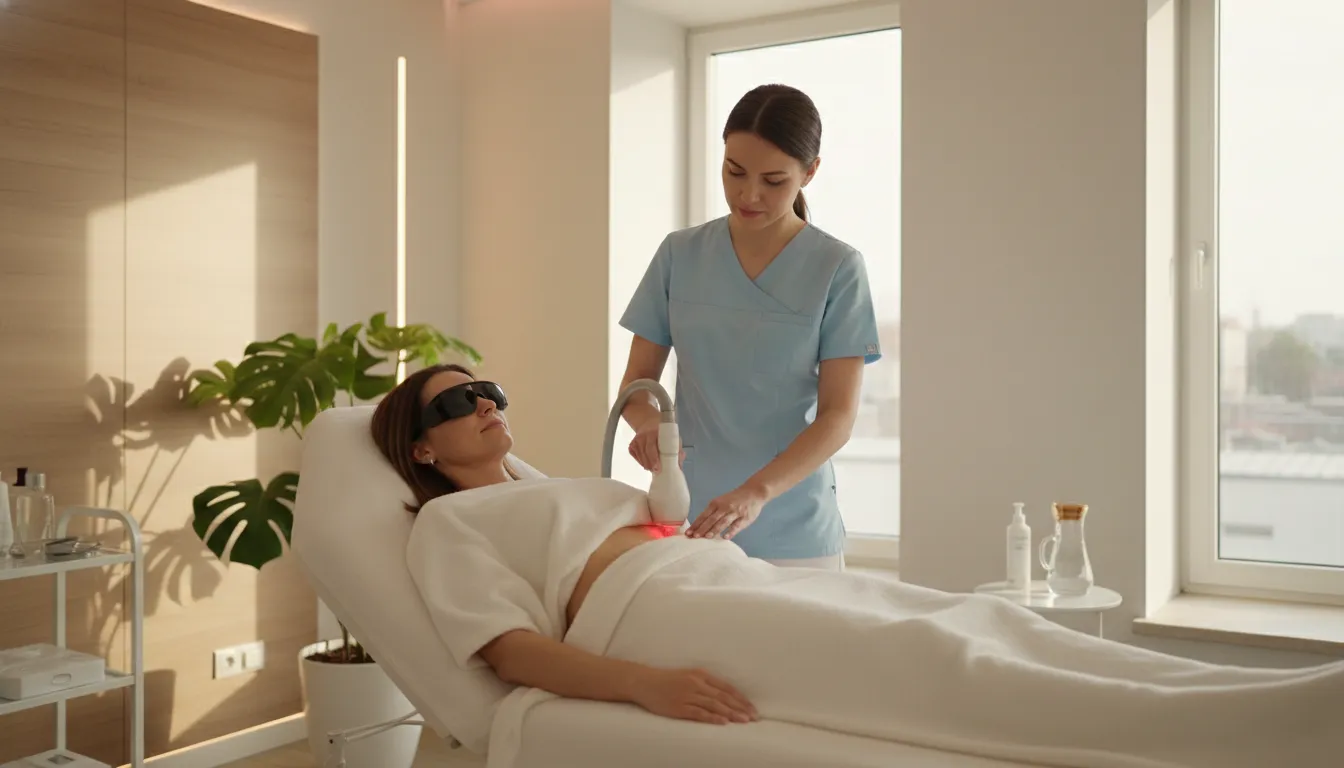
Red light therapy takes a gentler approach, focusing on shrinking fat cells rather than eliminating them completely. This technique uses specific wavelengths of light that penetrate the skin and stimulate the fat cells. This stimulation creates temporary pores in the cells, allowing some of their fatty contents to leak out. As the cells empty, they shrink, leading to a reduction in volume in the treated area. Because this method doesn’t destroy the cells, multiple sessions are usually recommended to achieve and maintain your desired look. It’s one of the many advanced aesthetic treatments available that can be tailored into a plan just for you.
Injectables: How They Dissolve Targeted Fat
For very specific areas, like the fat under the chin (often called a “double chin”), an injectable solution can be a great option. Treatments like Kybella use a synthetic form of deoxycholic acid, a substance your body naturally produces to help absorb fats. When injected into the targeted area, it destroys the fat cells directly. Once those cells are gone, they can no longer store or accumulate fat, which means the results are long-lasting. This makes it a highly effective way to achieve a more defined jawline.
Comparing the Top Non-Surgical Treatment Options
With so many non-surgical fat reduction methods available, it’s easy to feel a little overwhelmed. But think of it this way: having options means you’re more likely to find a treatment that fits your body and your goals perfectly. Each technology works a bit differently to target and eliminate stubborn fat cells, whether it’s through controlled cooling, gentle heating, or injectable solutions. Understanding the basics of each one is the first step toward making a confident decision. These treatments are designed for body sculpting, not significant weight loss. They are ideal for people who are close to their target weight but struggle with localized pockets of fat that don’t respond to diet and exercise.
At LightRx, we focus on clinically proven technologies that deliver real, noticeable results. Our approach to laser fat removal and body contouring is all about creating a personalized plan for you. Below, we’ll walk through some of the most popular and effective treatments on the market. This guide will help you get familiar with the terminology and understand what makes each method unique, so you can have a more productive conversation with a technician during your free consultation.
Laser Lipo: For Targeted Fat Melting
Laser Lipo is a popular and effective way to target unwanted fat. This technique uses laser energy to heat and liquefy fat cells, which are then naturally processed and eliminated by your body. While some forms of laser lipolysis involve tiny incisions to remove the melted fat, many modern treatments, like those offered at LightRx, are completely non-invasive. This means the laser works through the surface of your skin without any cuts. It’s a great option for targeting specific problem areas like the abdomen, thighs, and arms, helping you achieve a more sculpted look.
CoolSculpting: The Fat-Freezing Favorite
You’ve probably heard of CoolSculpting, a treatment that uses a process called cryolipolysis. In simple terms, it freezes fat cells to the point of destruction. An applicator is placed on the target area, delivering controlled cooling that crystallizes the fat cells underneath the skin. Your body then naturally flushes out these dead cells over the following weeks. Surrounding tissues like skin and muscle are left completely unharmed. Most people start to see changes within a month, with the full effect becoming visible after two to three months.
SculpSure: A Laser-Based Alternative
SculpSure works in the opposite way of CoolSculpting, using controlled heat to achieve its results. This laser-based treatment raises the temperature of fat cells, damaging their structure and causing them to break down. All the while, a cooling feature keeps the surface of your skin comfortable. Like with other methods, your body’s lymphatic system takes care of clearing out the treated fat cells over time. Results typically start to show up around the six-week mark, with the final outcome appearing after about twelve weeks.
Vanquish: Contactless Radiofrequency Treatment
Vanquish is another heat-based treatment, but it uses radiofrequency energy instead of a laser. What makes it unique is that the device doesn’t even touch your skin. It hovers over the treatment area, sending magnetic waves that heat and melt fat cells below the surface. This no-contact approach allows it to treat larger areas, like the entire abdomen, in a single session. The process leads to a gradual reduction in fat, helping you achieve a slimmer, more contoured shape without any downtime.
Kybella: The Go-To Fat-Dissolving Injectable
Kybella is a bit different from the other options because it’s an injectable treatment. It contains a synthetic form of deoxycholic acid, a substance your body naturally produces to help absorb fats. When injected into a targeted area, it destroys fat cells on contact. Kybella is specifically FDA-approved to reduce fat under the chin, often called a “double chin.” Once those fat cells are gone, they’re gone for good, making the results permanent. It’s a fantastic, highly targeted solution for a very common concern.
Are You a Good Candidate for Treatment?
Figuring out if non-surgical fat reduction is the right fit for you is a crucial first step. These treatments are incredibly effective, but they’re designed for a specific purpose and candidate. The ideal person for these procedures is someone looking to refine and sculpt their body, not someone seeking a solution for significant weight loss. It’s all about targeting those specific, stubborn areas that diet and exercise can’t seem to touch.
Thinking about your personal health, lifestyle, and aesthetic goals will help you determine if you’re ready to move forward. Let’s walk through what makes someone a great candidate and clear up some common misconceptions along the way.
Are You Close to Your Ideal Body Weight?
The best candidates for non-surgical fat reduction are typically those who are already close to their ideal body weight. Think of these treatments as the finishing touch on your health and wellness efforts. If you have persistent pockets of fat, like on your stomach, thighs, or flanks, that haven’t responded to a healthy diet and consistent exercise, you’re likely a perfect fit. The goal here isn’t to lower the number on the scale; it’s to smooth, shape, and contour your body. Effective body contouring is about targeting specific areas to create a more streamlined silhouette.
Health Checks: What to Consider Before Treatment
Your overall health is a key factor. To get the most out of your treatment and maintain your new look, you should be committed to a healthy lifestyle. The fat cells that are eliminated are gone for good, but the remaining cells can still expand if you don’t maintain a stable weight. It’s also essential to have a thorough consultation with a trained professional before starting any treatment. During your free consultation, we’ll review your medical history and discuss your goals to ensure the procedure is a safe and effective choice for you. This partnership ensures you get beautiful, lasting results.
Busting Myths About Who Qualifies
One of the biggest myths is that non-surgical treatments are a quick fix for weight loss. In reality, these procedures are designed for body shaping, not for shedding pounds. They work by reducing fat in very specific, targeted zones to improve your body’s contours. If your primary goal is significant weight loss, other options may be more appropriate. Our laser fat removal treatments are fantastic for addressing stubborn bulges, but they won’t produce the same results as a comprehensive weight loss program. Understanding this distinction helps set realistic expectations for what you can achieve.
What Kind of Results Can You Expect?
It’s completely normal to be excited about the finish line before you even start. When you invest in yourself with a treatment like laser fat removal, you want to know what’s waiting for you on the other side. The results from non-surgical fat reduction are impressive, but they work on a different timeline than surgical procedures. Think of it as a gradual reveal rather than an instant transformation.
Your body needs time to naturally process and clear away the treated fat cells, which means your new contours emerge over weeks and months. This can actually be a huge plus, as the changes appear subtle and natural. The final outcome depends on a few things: the technology used, the area you’re treating, and your personal treatment plan. Let’s break down what you can realistically anticipate, from the timeline to the amount of fat reduction and why a series of treatments is often the best approach.
How Soon Will You See a Difference?
Patience is key when it comes to non-surgical treatments. Unlike surgery, you won’t see a dramatic difference the moment you leave the medspa. Instead, your body gets to work behind the scenes. After the technology targets the fat cells, your lymphatic system naturally flushes them out over time.
Most people start to notice changes within a few weeks of their first session, with the most significant results typically appearing after two to three months. This slow and steady progression allows your skin to adjust and ensures the transformation looks entirely natural. It’s a discreet process that lets you get back to your life immediately, with your results gradually revealing themselves.
How Much Fat Reduction Is Possible?
While results vary from person to person, clinical studies give us a great benchmark. For example, treatments that use cryolipolysis (fat freezing) can reduce fat in the targeted area by up to 25% in a single session. That’s a significant reduction for a stubborn pocket of fat that just won’t budge with diet and exercise.
Other technologies, like those using laser or radiofrequency energy, achieve similar, measurable fat loss. The goal of these body contouring treatments isn’t to remove a large volume of fat, but to sculpt and refine specific areas, creating a smoother, more toned appearance.
Will One Session Be Enough?
To achieve your ideal outcome, you will likely need more than one treatment. Think of it this way: each session addresses a percentage of the fat cells in the target area. A series of treatments creates a cumulative effect, allowing your technician to fine-tune your results and achieve a more comprehensive reduction.
During your consultation, a specialist will assess your goals and create a personalized treatment plan that outlines the recommended number of sessions. This strategic approach ensures you get the best possible results in a way that is tailored specifically to your body and your aesthetic vision. It’s all about creating a plan that gets you exactly where you want to be.
What to Realistically Expect from Treatment
It’s important to understand what non-surgical fat reduction is designed to do. These treatments are perfect for people who are at or near their ideal body weight but struggle with specific, localized areas of stubborn fat. This isn’t a weight loss solution, but rather a body sculpting tool. It’s the final step to address those frustrating spots that diet and exercise can’t seem to touch.
The results are considered permanent because the treated fat cells are gone for good. However, maintaining a stable weight and a healthy lifestyle is crucial for preserving your new shape. A professional consultation is the best way to discuss your goals and confirm if you’re a good candidate.
What to Know Before You Book: Cost & Prep
Once you’ve decided to explore non-surgical fat reduction, the next step is figuring out the logistics. Understanding the potential costs, how to prepare for your first meeting, and what payment options are available will help you move forward with confidence. Think of this as your practical guide to getting started on the right foot. A little planning goes a long way in making the entire process smooth and stress-free, ensuring you can focus on your goals.
Breaking Down the Costs of Treatment
The cost of non-surgical fat reduction varies quite a bit because it’s tailored to your specific needs. Key factors include the type of technology used, the size of the treatment area, and how many sessions you’ll need to see your desired results. For example, treatments that use freezing technology can average around $1,700, while some laser fat removal options might range from $300 to $1,500 per session.
The number of treatments is the biggest variable. Some people achieve their ideal look after just one or two sessions, while others may need a more comprehensive plan. During your consultation, your specialist will create a personalized treatment plan that outlines the total expected cost, so you’ll know exactly what to expect before you commit.
How to Prepare for Your Consultation
Your consultation is a crucial first step, and coming prepared will help you get the most out of it. Be ready to talk openly about your goals and what you hope to achieve. Your specialist will also need to know about any medical conditions, allergies, and current medications or supplements you’re taking. This information helps them confirm you’re a good candidate for the treatment.
To help your body respond best to the treatment, it’s a good idea to hydrate well before and after your appointment. If you smoke, consider stopping beforehand to support better healing. On the day of your treatment, simply wear loose, comfortable clothing. Your main job is to show up ready to have an open conversation and start planning your transformation.
Exploring Your Payment and Financing Options
Since non-surgical fat reduction is a cosmetic procedure, it’s typically not covered by health insurance. However, that doesn’t mean it’s out of reach. Many medspas offer flexible payment solutions to make the investment more manageable for your budget. These can include in-house payment plans or partnerships with third-party financing companies that offer low-interest options.
At LightRx, we also offer a membership program that provides exclusive pricing and perks, which can be a great way to save on your treatments. During your free consultation, we can walk you through all the available financing options. Our goal is to help you find a plan that fits comfortably within your budget so you can focus on achieving your aesthetic goals.
Understanding the Potential Risks and Side Effects
Let’s talk openly about what you can expect after a non-surgical fat reduction treatment. While these procedures are known for being safe and having minimal downtime, it’s smart to be aware of potential side effects. Understanding the full picture helps you make a confident and informed decision about your body. These treatments are popular precisely because they avoid the significant risks and recovery time associated with surgery, but no cosmetic procedure is entirely without potential side effects.
Most side effects are mild and temporary, but knowing what’s normal and what’s not is key. It’s also why choosing a reputable provider who uses proven technology is so important. During your consultation, a skilled technician will review your medical history and discuss how your body might respond to treatment. They can walk you through what to expect and significantly lower the chance of any complications. Your safety and comfort should always be the top priority.
Common Side Effects to Expect Post-Treatment
After your treatment, it’s completely normal to notice some changes in the targeted area. Most non-surgical fat reduction treatments are well-tolerated, but you might experience temporary redness, swelling, bruising, or tenderness. Think of this as a sign that your body is responding to the treatment and starting the process of flushing out the targeted fat cells. These effects are typically mild and shouldn’t stop you from going about your day. According to the American Society of Plastic Surgeons, these common side effects usually resolve on their own within a few days to a couple of weeks as your body heals.
Rare Complications You Should Know About
While serious complications are uncommon, it’s important to be aware of them. In rare cases, some people may experience skin irregularities, changes in sensation, or nerve damage. Another very rare side effect is called paradoxical adipose hyperplasia, a condition where the treated fat cells grow larger instead of smaller. These risks sound intimidating, but they are not typical outcomes. The American Board of Cosmetic Surgery notes that these issues are rare. Choosing a highly trained and certified technician who performs these procedures regularly is the best way to ensure a safe and effective treatment, minimizing the risk of any unexpected results.
Why You Should Always Choose an FDA-Approved Treatment
This is a big one: always make sure your treatment is FDA-cleared. This clearance means the technology has gone through rigorous testing to prove it is both safe and effective for its intended use. At LightRx, we exclusively use FDA-cleared technologies because your health and results are our primary concern. Opting for a non-approved method or a provider who isn’t certified can increase your risk of complications and lead to disappointing results. An FDA-cleared treatment gives you peace of mind, knowing that the science behind your procedure is solid and has met the highest standards for safety.
A Word of Caution on “Fat Burner” Supplements
When you’re working hard to shape your body, the promise of a “fat burner” supplement can sound pretty appealing. But it’s smart to be cautious. These products often make big claims about targeting stubborn fat, but the reality is they are frequently unregulated and can come with unwanted side effects. Because they aren’t held to high standards, you can’t be sure what’s inside or if it’s safe. Instead of turning to products that often lack scientific backing, it’s better to focus on proven methods. Professional, non-surgical body contouring treatments are designed to safely and effectively target specific areas, giving you peace of mind and results you can actually trust.
How to Choose the Right Treatment for You
With so many effective options on the table, figuring out which non-surgical treatment is the right fit for you can feel like the hardest part. The truth is, there’s no single “best” method for everyone. The ideal choice depends entirely on your unique body, your specific goals, your budget, and your comfort level. Think of it as creating a custom plan for your body. Some treatments are designed to cover larger areas, while others excel at fine-tuning smaller spots. Your skin condition, lifestyle, and timeline all play a role in the decision.
Instead of getting lost in the details of every technology, it’s more helpful to focus on a few key factors. By considering the area you want to treat, understanding the treatment timeline, and getting professional advice, you can confidently select a path that aligns with your desired outcome. This approach takes the guesswork out of the process and sets you up for results you’ll love. Let’s walk through the three most important steps to finding your perfect match.
Matching the Technology to Your Target Area
The first thing to consider is exactly where you want to see a change. Different non-surgical body contouring technologies are designed to work best on specific parts of the body. For example, a treatment that works wonders on a larger area like the abdomen might not be the best tool for sculpting the area under the chin. It’s also important to think about the type of fat you’re dealing with. Some methods are more effective on soft, pinchable fat, while others can address denser fat pockets. Your skin’s elasticity in the target area is another factor, as some treatments also provide a skin-tightening benefit, which is a huge plus for achieving a smooth, toned look.
How Many Sessions Will You Need?
It’s important to know that non-surgical fat reduction is a gradual process. Unlike surgical procedures that offer immediate changes, these treatments work with your body’s natural systems to eliminate fat cells over time. Because of this, you will likely need more than one session to achieve your final goal. The exact number of appointments depends on the technology being used, the amount of fat you want to address, and how your body responds to the treatment. During your initial consultation, a treatment specialist will assess the area and create a personalized plan that maps out the recommended number of sessions to get you the best possible results.
Why a Professional Consultation Is Non-Negotiable
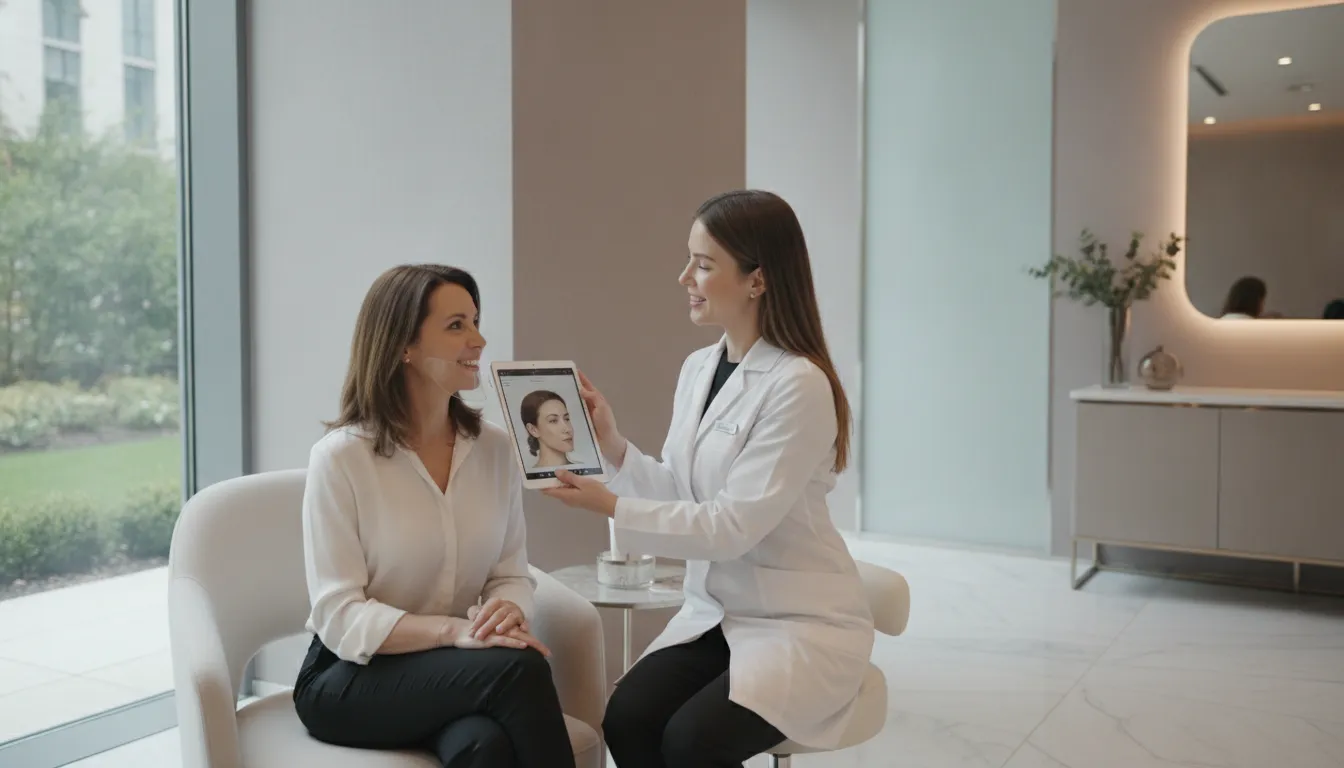
Reading articles online is a fantastic way to get familiar with your options, but it can’t replace a one-on-one conversation with a trained professional. A free consultation is the most critical step in your journey because it’s where you’ll get a plan tailored specifically to you. A specialist can properly assess your target areas, discuss your aesthetic goals, and review your medical history to ensure you’re a good candidate. They have a deep understanding of how each technology works and can recommend the safest and most effective treatment to help you achieve the look you want. This expert guidance ensures you move forward with confidence and clarity.
The Importance of Choosing a Certified Provider
When it comes to your body, the person performing your treatment is just as crucial as the technology they use. The American Board of Cosmetic Surgery makes it clear that choosing a highly trained and certified technician is the best way to ensure a safe and effective procedure. An experienced professional knows the ins and outs of the technology and can customize the treatment for your body, which minimizes risks and helps you get the best results. You should also always confirm that any treatment you’re considering is FDA-cleared. This means the device has passed rigorous testing for both safety and effectiveness, giving you total peace of mind.
Medical Options to Discuss With Your Doctor
Think of your consultation as the time for an open and honest chat about your goals and medical history. Be ready to talk about what you hope to achieve and be clear about your expectations. It’s important to remember these treatments are for body sculpting, not significant weight loss. If your main goal is losing a large amount of weight, your specialist can help you figure out if this is the right path or if other options might be a better fit. This conversation is the most important step to getting a custom treatment plan, confirming you’re a good candidate, and finding the safest, most effective technology for you.
How to Maintain Your New Look
You’ve invested in yourself with a non-surgical treatment, and the results are worth protecting. The great news is that maintaining your new, contoured look doesn’t require a complete life overhaul. Instead, it’s about adopting a few simple, consistent habits that support your body and help your results last for the long haul. Think of it as the final, rewarding step in your body contouring journey. By pairing your treatment with a mindful approach to wellness, you can enjoy your slimmer, more toned appearance for years to come.
Your Post-Treatment Action Plan
One of the best parts of non-surgical fat reduction is the minimal downtime. You can typically get right back to your daily routine. However, a little aftercare can go a long way in supporting your body’s natural processes. Staying well-hydrated is key, as water helps your system flush out the treated fat cells. Gentle movement, like walking, also encourages circulation and aids the process. Some specialists recommend a gentle massage of the treated area for five to ten minutes a few times a day for the first week or two. This simple step can help enhance the fat reduction process and smooth the final results.
How to Make Your Results Last
While treatments like laser lipo permanently remove fat cells from a targeted area, they don’t prevent new fat cells from forming elsewhere. That’s why a healthy lifestyle is your best friend for making results last. This doesn’t mean you need to start an extreme diet or spend hours at the gym. It’s about balance. Focus on a diet rich in whole foods like fruits, vegetables, lean proteins, and healthy fats. Regular exercise, whether it’s a brisk walk, a yoga class, or weight training, helps maintain your overall body composition and keeps you feeling strong and energized. These habits work together with your treatment to support a healthy, confident you.
Dietary Strategies for Long-Term Success
To protect your investment and keep your new shape looking its best, think of your diet as a supportive partner. This isn’t about strict rules, but about making smart, sustainable choices. A great place to start is by focusing on a healthy diet centered around plant-based foods like fruits, vegetables, and whole grains. Add in lean protein sources like fish and choose healthy fats from nuts and certain oils. One of the most impactful changes you can make is cutting back on sugar, especially from sodas and juices. Swapping those for water makes a huge difference. The goal is consistency, not perfection, which helps you maintain your results for the long run.
Building an Effective Exercise Routine
Exercise is your other key partner in maintaining your new contours. The goal is to find a routine you genuinely enjoy. A good target to aim for is at least 150 minutes of moderate activity, like brisk walking, each week. Don’t forget to include strength training exercises at least twice a week. Building muscle is so important because it helps your body burn more calories at rest, making it easier to keep your shape as you get older. Even small changes, like taking a daily walk, can have a big impact on your overall health and help you feel strong in your newly sculpted body.
When to Consider a Follow-Up Treatment
Your body is unique, and so is your aesthetic journey. During your initial consultation, you and your treatment specialist will create a plan tailored to your goals. For some, one series of treatments is enough to achieve their desired look. For others, follow-up sessions can help refine results or address new areas as their goals evolve over time. It’s always a good idea to schedule periodic check-ins to discuss your progress. This gives you a chance to talk about what’s working and decide if additional body contouring treatments could help you continue to look and feel your best.
Related Articles
- Laser Treatment to Remove Belly Fat: A 2025 Guide
- Your Guide to Non Surgical Fat Reduction Near Me
- Non Surgical Lipo San Antonio: A 2025 Guide
- Laser Lipo for Huge Thighs: Your Complete Guide
- 5 Popular Non-Surgical Fat Reduction Procedures
Frequently Asked Questions
Are the results from non-surgical fat reduction permanent? Yes, the fat cells that are targeted and eliminated during the treatment are gone for good. Your body processes and removes them permanently. However, this doesn’t mean the remaining fat cells can’t expand if you gain weight in the future. The best way to protect your investment and enjoy your new shape long-term is to maintain a stable weight through a healthy lifestyle.
Is the treatment painful? Most people describe the sensations as unusual but not painful. Depending on the technology, you might feel intense cold, deep warmth, or a tingling feeling in the treatment area. For instance, with laser-based treatments, you’ll feel heat, but the device simultaneously cools your skin’s surface to keep you comfortable. Any discomfort is temporary and typically resolves as soon as the session is over.
How long does a typical treatment session last? The length of a session really depends on the specific technology being used and the size of the area you’re treating. Many appointments are quite efficient, lasting anywhere from 25 to 60 minutes. This makes it a procedure you can often fit into a lunch break. Your specialist will give you a clear time estimate for your specific treatment plan during your consultation.
Can I treat more than one area of my body? Absolutely. It’s very common for people to want to address multiple areas, like the stomach and the thighs, to achieve their overall body contouring goals. Some technologies are even designed to treat more than one spot during the same appointment. You can discuss all the areas you’re interested in during your consultation, and your specialist will help create a safe and effective plan for you.
Why do I need a consultation if I already know which treatment I want? A professional consultation is the most important step because it ensures the treatment you have in mind is truly the best and safest option for your body. A trained specialist can properly assess your skin, the type of fat you want to address, and your overall health. This expert evaluation is what guarantees you get a personalized plan that will deliver the beautiful, natural-looking results you’re hoping for.