

How to Choose Non-Invasive Fat Removal Offices
The idea of melting or freezing away fat might sound like science fiction, but it’s the real science behind today’s most popular body contouring treatments. Non-surgical fat reduction uses targeted energy, like controlled cooling or laser heat, to disrupt and destroy stubborn fat cells without harming your skin. Your body’s natural metabolic processes then gradually clear these cells away for good. It’s a seriously effective way to address those problem areas. We’ll explain the science, detail what happens during a session, and guide you on how to choose the right non-invasive fat removal offices for your aesthetic goals.
Key Takeaways
- Focus on fine-tuning, not weight loss: These treatments are designed to sculpt specific, stubborn areas for individuals who are already near their target weight, not for significant weight reduction.
- Expect gradual results with minimal downtime: Your body naturally clears the treated fat cells over several weeks, creating a subtle transformation that allows you to return to your routine almost immediately.
- Your provider and lifestyle are key to lasting success: Choosing an experienced professional ensures a safe procedure, while maintaining a stable weight through healthy habits helps you enjoy your new contours for the long term.
So, What Is Non-Surgical Fat Reduction?
Non-surgical fat reduction includes a category of treatments that target and break down fat cells in specific areas of your body. Think of those stubborn spots that just won’t budge, no matter how consistent you are with diet and exercise. These gentle, minimally invasive procedures are designed to address exactly that. Unlike surgical options, they don’t require incisions or general anesthesia, making them a popular choice for people who want to refine their shape without significant downtime.
These treatments are not a solution for weight loss. Instead, they are a form of body contouring intended for individuals who are at or near their ideal body weight but want to address localized pockets of fat. Whether it’s on the abdomen, thighs, or under the chin, different technologies can be used to achieve a smoother, more toned appearance. The goal is to help you feel more confident in your clothes and your skin by fine-tuning your silhouette.
Surgery vs. Non-Surgical: What’s the Real Difference?
When most people think of fat removal, traditional liposuction often comes to mind. Liposuction is a surgical procedure that involves making small incisions in the skin and using a thin tube to physically suction out fat cells. Because it’s surgery, it requires anesthesia and comes with a longer recovery period.
Non-surgical fat reduction, on the other hand, is far less invasive. These treatments work from outside the body, using advanced technology to disrupt and destroy fat cells beneath the skin’s surface. Your body’s natural metabolic processes then gradually clear away these damaged cells over the following weeks and months. The key difference is the approach: surgery physically removes the fat, while non-surgical methods prompt your body to eliminate it naturally.
Why People Are Choosing Non-Surgical Options
One of the biggest advantages of non-surgical fat reduction is the minimal downtime. Most people can return to their normal activities almost immediately after a session. Since there are no incisions, you don’t have to worry about scars. You also get to avoid the risks and recovery associated with general anesthesia.
These treatments are an excellent choice if you’re looking for subtle, natural-looking results. They are designed to reduce the fat pockets that sit just under the skin, helping to create a more sculpted look. If you need a little extra help with small, stubborn areas, a non-surgical treatment like laser lipo can be a fantastic way to achieve your goals without interrupting your life.
What Are the Best Non-Surgical Fat Removal Treatments?
When it comes to reducing stubborn fat, you have more options than ever before. Non-surgical treatments offer effective ways to target specific areas without the downtime of traditional surgery. Each method works a little differently, so understanding the basics can help you figure out which approach might be the right fit for your goals. Let’s look at some of the most popular and proven treatments available today.
Fat Freezing (Cryolipolysis): How It Works
You’ve probably heard of this one as “fat freezing.” Cryolipolysis, known by brand names like CoolSculpting®, uses controlled cooling to freeze and eliminate fat cells. The technology is precise, targeting fat without harming your skin or surrounding tissues. It’s a popular choice for areas like the abdomen, thighs, upper arms, and even under the chin. Most people see up to a 25% fat reduction in the treated area after one session. You’ll likely start to notice changes in about a month, with the full effect becoming visible after two to three months as your body naturally flushes out the targeted cells.
Laser Fat Reduction: What to Know
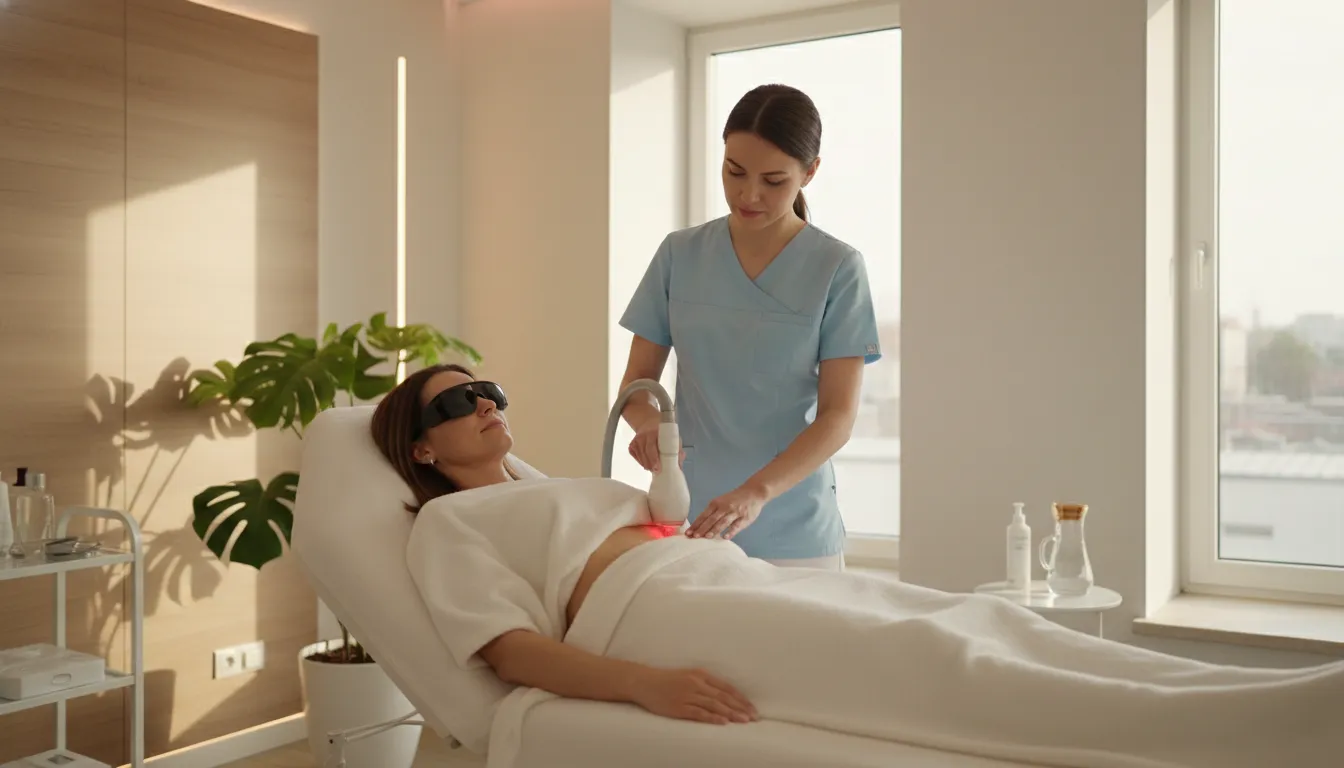
Instead of freezing fat, laser fat removal uses targeted heat to get the job done. This treatment uses laser energy to heat and destroy fat cells beneath the skin. Don’t worry about the heat, though; a built-in cooling system keeps your skin comfortable and protected throughout the session. This method is especially effective for trimming down the belly and flanks (what some people call “love handles”). Results start to show up around the six-week mark, with the final, sculpted look appearing after about twelve weeks. It’s a fantastic way to address those persistent pockets of fat that diet and exercise can’t seem to touch.
Bonus Benefit: Skin Tightening
One of the most exciting aspects of non-surgical fat reduction is that many treatments come with an incredible bonus: tighter skin. This is especially true for heat-based methods like laser fat reduction. The same energy that targets fat cells also gently warms the deeper layers of your skin, which encourages your body to produce more collagen. Collagen is the key protein that gives your skin its firmness and elasticity, so this process helps create a smoother, more toned appearance in the treated area. It’s a fantastic two-in-one benefit that addresses both fat and skin laxity at the same time.
This dual-action effect is a game-changer for achieving a truly sculpted look. As your body naturally processes and removes the treated fat cells, the new collagen helps your skin firm up, leading to a more refined body contour. This means you’re not just reducing unwanted fat; you’re also getting the benefits of skin tightening without a separate procedure. It’s a comprehensive approach that helps ensure your results look natural and feel great, enhancing your overall satisfaction with your new shape.
Injectable Treatments: A Closer Look
For targeted fat reduction in a very specific area, injectables can be a great solution. The most common injectable for fat is Kybella®, which is FDA-approved to treat the area under the chin. It uses a synthetic form of deoxycholic acid, a substance your body naturally produces to help absorb fats. When injected, it destroys fat cells, preventing them from storing or accumulating fat in the future. This makes it a long-lasting solution for reducing the appearance of a double chin. The treatment involves a series of small injections, and once the desired result is achieved, you’re all set.
Radiofrequency: How It Reduces Fat
Radiofrequency (RF) treatments are another heat-based technology used for effective body contouring. This method uses radio waves to heat fat cells deep beneath the skin, causing them to break down so your body can naturally eliminate them. One of the biggest advantages of RF is its ability to treat larger areas of the body efficiently. Sessions are typically quick, lasting between 30 and 60 minutes, and there is absolutely no downtime required. You can get back to your day right after your appointment. Most people need a few sessions to see their ideal results, which also include the added benefit of skin tightening.
Next-Generation RF: Combined Technologies
What makes modern radiofrequency treatments so effective is that they often combine technologies to deliver multiple benefits at once. While the primary goal is to heat and break down fat cells, the thermal energy also stimulates collagen production in the deeper layers of your skin. This process leads to firmer, smoother skin in the treated area. So, as you’re reducing unwanted fat, you’re also getting a skin tightening effect, which helps create a more toned and sculpted final result. This dual-action approach is why RF is a go-to for people looking to address both fat and mild skin laxity simultaneously.
Ultrasound Fat Reduction
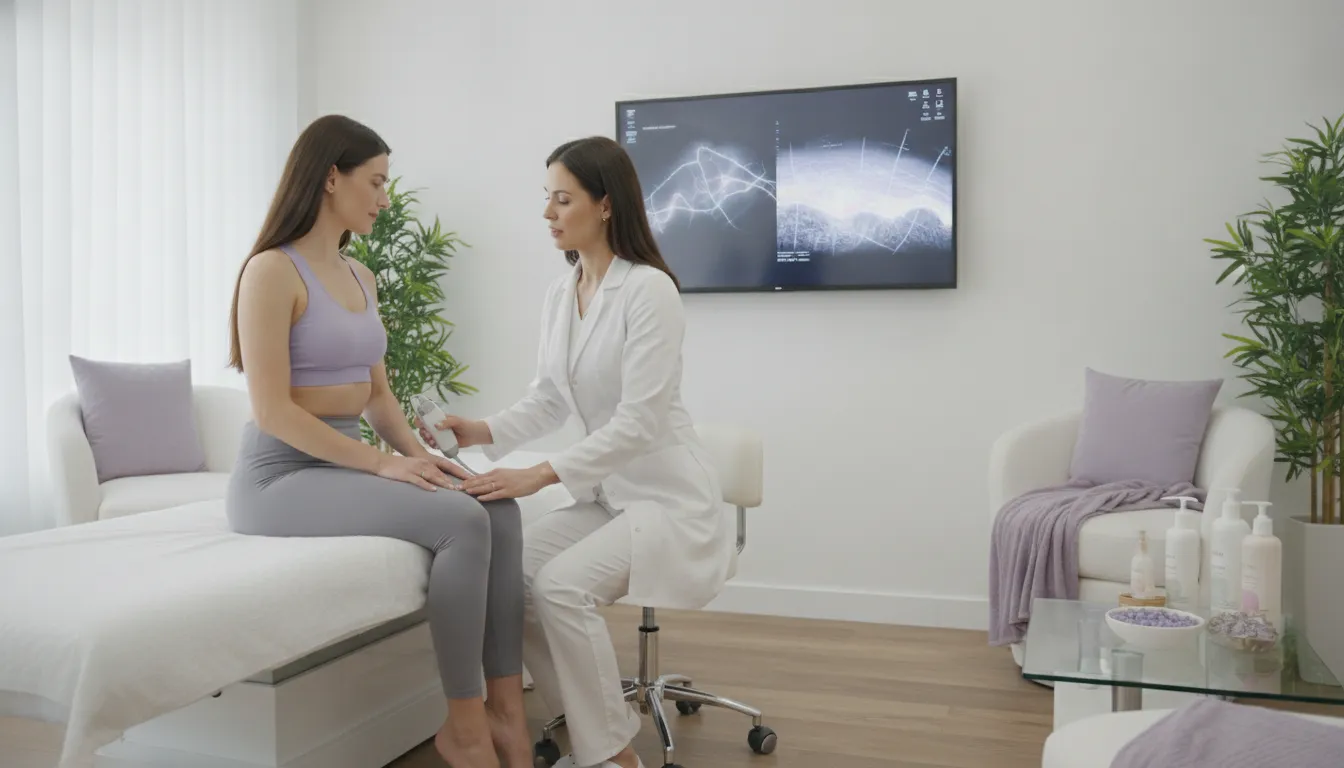
Ultrasound fat reduction is another advanced technique that uses focused sound waves to target and disrupt fat cells. The energy from the ultrasound waves creates rapid pressure changes that cause the fat cell walls to break down without harming the surrounding skin, nerves, or blood vessels. Once the cells are broken down, your body’s lymphatic system takes over, naturally processing and clearing the cellular debris over the next few weeks. This method is known for its precision and is particularly effective for targeting specific, stubborn areas of fat, helping you achieve a smoother and more refined silhouette.
Red Light Therapy
Unlike treatments that destroy fat cells, red light therapy works a bit differently. This technology uses specific wavelengths of red light to penetrate the skin and target fat cells. Instead of killing the cells, the light energy encourages them to create temporary pores and release their fatty contents. The fat cells then shrink in size, and your body naturally flushes out the released lipids. While it doesn’t permanently remove the fat cells, it can be an effective way to reduce the appearance of fat and improve your overall body shape with a completely non-invasive approach that requires no downtime.
Treatment Showdown: Heat vs. Cold and Beyond
With so many options, it helps to think about them in terms of how they work. The two most common approaches are based on temperature: using heat or cold. Heat-based treatments, like laser fat removal and radiofrequency, raise the temperature of fat cells until they are permanently damaged and can be cleared away by the body. On the other end of the spectrum, cryolipolysis uses controlled cooling to freeze fat cells, which also leads to their destruction. Both methods are highly effective at permanently removing fat cells from a targeted area.
Beyond temperature, you have other technologies like injectables and ultrasound. Injectables, such as Kybella, use a specialized acid to dissolve fat cell membranes directly, making them ideal for very small, precise areas like under the chin. Ultrasound uses mechanical vibrations to break down fat cells. Each of these technologies offers a unique way to achieve a similar goal: reducing stubborn fat. The best choice for you often depends on the treatment area, your specific goals, and your personal preferences, which is why a consultation with a professional is so important.
Fat Cell Destruction vs. Fat Cell Shrinking
A crucial difference to understand among these treatments is whether they destroy fat cells or simply shrink them. Most non-surgical methods—including cryolipolysis, laser, radiofrequency, and injectables—are designed for fat cell destruction. This means the targeted fat cells are permanently eliminated from your body. Once they’re gone, they’re gone for good. This is why these treatments offer such long-lasting results, provided you maintain a stable weight. In contrast, treatments like red light therapy cause fat cells to release their contents and shrink, but the cells themselves remain. This can lead to great results, but the fat cells could potentially expand again in the future.
How Do These Treatments Actually Work?
It’s one thing to hear about non-surgical treatments, but it’s another to understand what’s actually happening during a session. The technology behind these services is pretty fascinating. It’s all about using advanced, clinically proven methods to target specific concerns without the need for invasive procedures. Different treatments use different forms of energy, like light, radiofrequency, or controlled cooling, to achieve your desired results. Let’s get into the science and what you can expect when you come in for an appointment.
The Simple Science of Fat Cell Removal
The core idea behind non-surgical body contouring is precision. These technologies are designed to target and eliminate stubborn fat cells without harming the surrounding skin, nerves, or muscle. For example, some treatments use controlled cooling to freeze fat cells. Once frozen, these cells are naturally processed and eliminated by your body over time. Other methods, like laser fat removal, use specific light wavelengths to disrupt fat cells, causing them to release their contents. Your body’s lymphatic system then clears everything away. The result is a gradual, natural-looking reduction in those targeted areas.
What to Expect During Your Appointment
One of the best parts about these treatments is how easily they fit into your life. A typical session is quick, often lasting less than 30 minutes, and you can even treat multiple areas at once. During the procedure, you can just sit back and relax. Many people read, catch up on emails, or even take a quick nap. You might feel a warming or cooling sensation at first, but the area usually becomes numb shortly after the treatment begins. You can start to see changes in as little as six weeks, with the most noticeable results typically appearing around three months after your final session as your body continues its natural clearing process.
How Much Does Non-Surgical Fat Reduction Cost?
Let’s talk about one of the biggest questions on most people’s minds: what is the price tag? When you’re considering a treatment like non-surgical fat reduction, understanding the financial investment is a crucial part of the process. The cost isn’t a simple, one-size-fits-all number. It varies based on your unique body, your specific goals, and the treatment plan designed to help you achieve them.
Think of it less like buying a product off the shelf and more like commissioning a custom piece of work. The final price reflects a personalized service tailored just for you. Several key factors come into play, from the technology used to the number of sessions you’ll need. Getting a clear picture of these elements will help you feel confident and prepared. We’ll break down what goes into the cost so you know exactly what to expect.
What’s the Average Price Tag?
To give you a general idea, the American Society of Plastic Surgeons reports that the average cost for a single non-surgical fat reduction treatment is around $1,157. It’s helpful to see this number as a starting point, not a final quote. This figure is a national average and doesn’t account for things like consultation fees or follow-up appointments, which can influence the total investment. Your personal treatment plan, including the specific areas you want to address and the number of sessions required, will ultimately determine your final cost.
Example Costs for Popular Treatments
To give you a better sense of the numbers, it helps to look at the average costs for some of the most well-known treatments on the market. These figures can serve as a useful benchmark as you explore your options. Remember, these prices reflect national averages, and your own personalized treatment plan will determine the final cost.
- Fat Freezing (Cryolipolysis): This popular fat-freezing treatment, known by brand names like CoolSculpting, averages around $1,723 per session. It works by freezing stubborn fat cells, and most people see up to a 25% fat reduction in the treated area after one session. Results become more noticeable over a few months as your body naturally processes and eliminates the frozen cells.
- Laser Fat Reduction: A heat-based approach like SculpSure typically ranges from $300 to $1,500 per session. This type of laser treatment uses controlled heat to destroy fat cells under the skin. You can often start to see results around the six-week mark, with the final outcome appearing after about twelve weeks.
- Injectable Treatments: For highly targeted areas like under the chin, an injectable like Kybella costs approximately $640 per vial. According to one cost analysis, this treatment uses a synthetic form of deoxycholic acid to permanently destroy fat cells, offering a long-lasting solution for reducing the appearance of a double chin.
Understanding these general costs can help you make a more informed decision. The best way to get an accurate price for your specific goals is to schedule a free consultation, where a specialist can assess your needs and create a plan tailored just for you.
What Influences the Final Cost?
So, what exactly goes into that final number? A few key elements determine the price of your treatment plan. First is the expertise of your technician; you’re investing in their skill and experience to ensure safe, beautiful results. The specific type of technology used, such as laser fat removal, also plays a role. Additionally, the size of the treatment area and the total number of sessions needed to reach your goals are major factors. A smaller area like under the chin will naturally cost less than a larger area like the abdomen.
Your Payment and Financing Options
Feeling good about your body shouldn’t be out of reach because of the price. The best way to get a precise quote is to schedule a free consultation where a specialist can create a plan just for you. During this meeting, don’t hesitate to ask about your payment options. Many clinics offer flexible payment plans to make the investment more manageable. At LightRx, we also offer a membership program that provides exclusive pricing and perks, helping you fit your aesthetic goals into your budget.
How to Choose the Right Clinic for You
Finding the right medspa is just as important as choosing the right treatment. The clinic you select will guide your entire experience, from the initial consultation to your final results. You want a team that is not only skilled but also makes you feel comfortable and confident in your decisions. Think of it as building a partnership for your aesthetic goals. When you find a provider you trust, you can relax knowing you’re in capable hands. Taking the time to research your options ensures you’ll have a positive experience and can focus on enjoying your transformation. A great clinic will be transparent, supportive, and dedicated to helping you achieve the outcome you desire.
Prioritize FDA-Cleared Technology
When you’re researching clinics, make sure their technology is FDA-cleared. This is a non-negotiable. FDA clearance means the equipment and the treatment process have been thoroughly reviewed for both safety and effectiveness. It’s your assurance that the technology does what it claims to do, like precisely targeting fat cells without harming your skin or surrounding tissues. Reputable clinics will be transparent about the technology they use for their body contouring treatments. Choosing a provider who invests in clinically proven, FDA-cleared systems shows a commitment to your well-being and ensures you’re receiving a treatment that is both safe and capable of delivering real results.
Check for These Credentials and Qualifications
The person performing your treatment makes all the difference. The skill and experience of the technician directly impact your safety and your results. Look for a clinic that employs licensed and certified professionals who have extensive training in the specific treatments you’re interested in, whether it’s laser fat removal or another advanced service. A reputable clinic will be proud to share its team’s qualifications. Don’t hesitate to ask about their experience with the technology they use. The best providers continuously update their training to stay current with the latest advancements, ensuring you receive the most effective care possible.
Look for Advanced Provider Training
Your results are only as good as the person performing the treatment. It’s not enough for a clinic to simply have the latest technology; their team needs to be expertly trained to use it. The skill of your technician is what ensures your procedure is both safe and effective. During your consultation, ask about the specific training and certifications the staff holds for the treatments you’re considering. A great provider will be happy to discuss their experience and ongoing education. At LightRx, we make sure our technicians receive extensive, continuous training on all our FDA-cleared technologies, so you can feel confident you’re in the most capable hands.
When to Consult a Board-Certified Surgeon
While non-surgical treatments are fantastic for sculpting and fine-tuning, it’s also smart to understand all your options. If you’re unsure whether a non-surgical approach is the right fit for your goals, a consultation with a board-certified cosmetic surgeon can provide valuable clarity. According to the American Board of Cosmetic Surgery, speaking with an experienced surgeon is the best way to determine if you are a good candidate. They can offer a comprehensive perspective on both surgical and non-surgical paths, helping you make a fully informed decision that aligns with your expectations and desired outcome.
Questions to Ask During Your Consultation
Your consultation is your opportunity to interview the clinic and ensure it’s the right fit for you. This is your time to get all your questions answered so you can make an informed choice. A great provider will welcome your curiosity and give you thorough, honest answers.
Come prepared with a list of questions, including:
- What treatment do you recommend for my specific goals?
- Can you show me before-and-after photos of your own clients?
- What kind of training and experience does the person performing the treatment have?
- What can I realistically expect from the results?
- What are the potential side effects or risks involved?
A trustworthy professional will help you understand all your options and guide you toward the best body contouring plan for your unique needs.
Red Flags to Watch Out For
Knowing what to avoid is key to making a great choice. Be on the lookout for a few warning signs during your search. A major red flag is any clinic that promises results that sound too good to be true or guarantees a specific outcome. It’s important to have realistic expectations, as these treatments are designed for targeted fat reduction, not significant weight loss. Also, be cautious of high-pressure sales tactics. You should feel empowered to make a decision on your own time, without feeling rushed. Finally, if a clinic is hesitant to show you before-and-after photos of their actual clients or can’t provide clear answers about their staff’s credentials, it’s best to continue your search.
Is Non-Surgical Fat Reduction Right for You?
Deciding to pursue a cosmetic treatment is a personal choice, and it’s important to know if you’re a good candidate before you begin. While non-surgical fat reduction treatments offer incredible results for many people, they aren’t a universal solution for every body type or goal. The key is understanding what these procedures are designed to do and aligning that with your own expectations. Think of it less as a weight-loss tool and more as a body sculpting method. It’s for refining, contouring, and targeting those specific areas that just won’t budge, no matter how consistent you are with your diet and exercise routine.
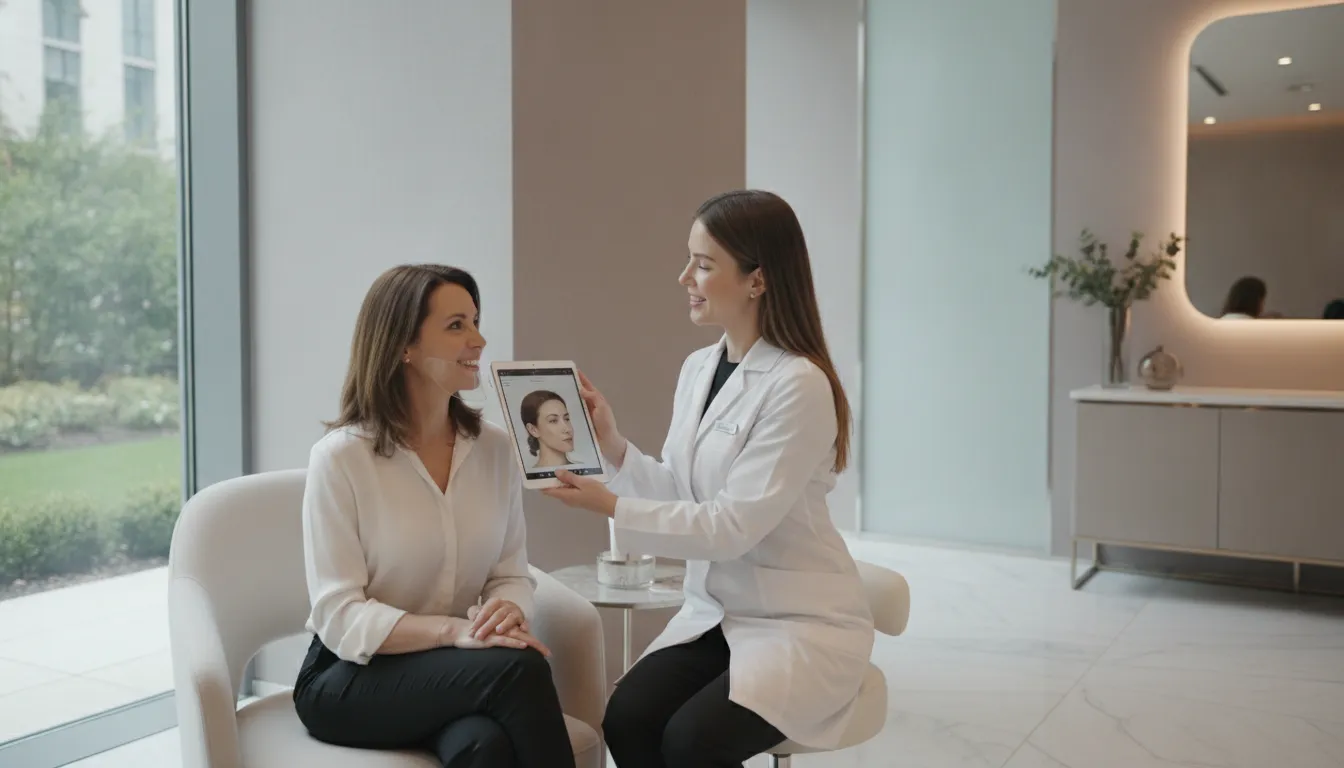
The best way to determine if a treatment like laser fat removal is the right step for you is through a professional consultation. This is where you can discuss your goals, ask questions, and get a personalized plan tailored to your body. A trained technician can assess the treatment area, review your health history, and confirm whether you’re an ideal candidate. This initial conversation is all about making sure the treatment will be safe, effective, and help you achieve the results you’re looking for.
Are You an Ideal Candidate?
So, who gets the best results from non-surgical fat reduction? The ideal candidate is someone who is already living a healthy lifestyle and is at or near their target weight. These treatments are designed for people who have persistent, localized pockets of fat that are resistant to diet and exercise. We’re talking about those stubborn spots on the abdomen, thighs, flanks, or under the chin that just don’t seem to shrink. According to the American Board of Cosmetic Surgery, these procedures are best for individuals with “small, stubborn fat pockets.” If you’re looking for a way to fine-tune your shape and smooth out specific areas, you’re likely a great fit.
Understanding Subcutaneous vs. Visceral Fat
It’s also important to understand that not all fat is the same. Your body has two main types, and non-surgical treatments are designed to target only one of them. The first is subcutaneous fat, which is the layer that sits just beneath your skin. This is the soft, pinchable fat that can accumulate on your stomach, thighs, and arms. It’s the type of fat that often resists diet and exercise, and it’s the exact target of treatments like laser fat removal. While it can be frustrating from an aesthetic standpoint, understanding the two main types of body fat is key to setting the right goals for your treatment.
The second type is visceral fat. This fat is stored deeper in your abdomen, surrounding vital organs like your liver and intestines. Unlike subcutaneous fat, you can’t see or pinch it, and it poses more significant health risks. Non-surgical body contouring treatments cannot reach or reduce visceral fat. The only way to manage this deeper fat is through consistent lifestyle choices, including a healthy diet and regular exercise. Knowing this difference helps set clear expectations: these treatments are fantastic for sculpting your shape by reducing subcutaneous fat, but a healthy lifestyle remains essential for your overall well-being.
Health Factors to Consider Before Treatment
Your overall health is a top priority. Non-surgical fat reduction is a cosmetic procedure intended to contour the body, not a medical treatment for obesity. As the American Society of Plastic Surgeons notes, it’s “not meant for removing large amounts of fat.” For this reason, it’s best for those who are in good general health and have a stable weight. During your consultation, it’s essential to be open about your medical history. This ensures the treatment is safe for you and helps create a plan that aligns with your wellness goals. Our focus is on helping you achieve your aesthetic vision with safe, effective body contouring techniques.
Key Contraindications to Be Aware Of
While these treatments are a great option for many, they aren’t suitable for everyone. It’s important to understand that non-surgical fat reduction is not a weight loss solution. Instead, it’s a form of body contouring designed for individuals who are close to their ideal weight but want to address specific, localized pockets of fat. Certain medical conditions can also make these treatments unsafe. For example, if you are pregnant, have an active infection, or have a known sensitivity to cold like cryoglobulinemia, you would not be a candidate for fat freezing. Your safety is the top priority, so a thorough evaluation is always the first step to ensure the treatment is right for you.
Disclosing Medical History and Implants
Being completely open about your medical history during your consultation is one of the most important things you can do. This conversation ensures your treatment is both safe and effective. Be sure to mention any past surgeries, current medications, and especially if you have any metal implants, like a pacemaker or artificial joint. Technologies like radiofrequency can interact with metal, so your technician needs to know this to create a safe treatment plan. Think of your consultation as a team effort; the more information you provide, the better your specialist can tailor the laser fat removal or body contouring procedure to your unique needs and help you achieve your goals.
Debunking Common Fat Reduction Myths
One of the biggest myths about non-surgical fat reduction is that it’s a quick fix for weight loss. The reality is that these treatments are for body sculpting, not for changing the number on the scale. It’s crucial to have realistic expectations. These procedures are not designed for “major body reshaping or weight loss.” Instead, they offer a fantastic way to get that “little extra help with small, stubborn fat spots.” The most successful clients see these treatments as a final step in their wellness journey, helping them achieve a more toned and defined silhouette that reflects all their hard work.
What Kind of Results Can You Expect?
So, you’re considering a non-surgical fat reduction treatment. It’s exciting to think about the possibilities, but it’s also completely normal to wonder, “What’s actually going to happen?” Let’s walk through what the journey looks like, from the first few weeks after your appointment to the final outcome. Understanding the timeline and what these treatments are designed to do is key to feeling confident and happy with your decision.
The great thing about non-surgical options is that the results tend to appear gradually, giving you a natural-looking transformation. This isn’t an overnight change, but a steady progression toward your goals. It’s all about working with your body’s natural processes to get rid of targeted fat cells for good. We’ll cover when you can expect to see changes, who these treatments are best for, and what to expect during recovery.
When Will You See Results?
Patience is your best friend after a non-surgical fat reduction treatment. Because your body needs time to naturally process and clear away the treated fat cells, you won’t see a dramatic difference the moment you leave the clinic. Some people start to notice subtle changes in as little as six weeks.
The most visible and satisfying results typically show up around three months after your session. Your body can continue to flush out fat cells for up to four months, so you may even see continued improvement during that time. This slow, steady progression is often a plus, as it allows for a discreet transformation that looks completely natural. It’s a process of refinement that unfolds over time, revealing a more contoured you.
What to Realistically Expect from Your Treatment
It’s important to have a clear picture of what these treatments can achieve. Non-surgical body contouring is a fantastic tool for fine-tuning, not for significant weight loss. The ideal candidate is someone who is already close to their target weight but struggles with specific, stubborn pockets of fat that just won’t budge with diet and exercise. Think of those frustrating areas on the abdomen, thighs, or flanks.
These treatments are designed to sculpt and shape those areas, creating a smoother, more defined silhouette. If you’re looking for a solution to reduce your overall body weight, this might not be the right fit. Having an honest conversation during your consultation will help you align your goals with what the technology can realistically deliver.
By the Numbers: Fat Reduction Percentages and Satisfaction Rates
Let’s talk numbers, because they help paint a clear picture. Clinical studies and client results show that a single non-surgical fat reduction session can make a significant impact. Most people see up to a 25% fat reduction in the treated area after just one appointment. This percentage is a great benchmark for what technologies like fat freezing and laser lipo can achieve. While individual results will always vary based on your body and the specific area being treated, these figures show just how effective these treatments are at targeting and eliminating stubborn fat cells for good. It’s a measurable, visible change that helps you achieve a more sculpted look.
How Many Sessions Will You Need?
While one session can deliver noticeable results, the best outcomes often come from a series of treatments. Think of it as a process of refining and perfecting your shape. Most people need between three to six sessions to achieve their ideal look, with appointments typically spaced about a week apart. This approach allows for a gradual, natural-looking transformation. The exact number of sessions you’ll need is unique to you and depends on your personal goals and the area you’re treating. This is why a personalized treatment plan, created during your free consultation, is so important for mapping out your path to success with body contouring.
The Power of Muscle Toning Treatments
Reducing fat is one part of the equation, but what about the muscle underneath? For a truly defined and sculpted appearance, combining fat reduction with muscle toning treatments can be a game-changer. Technologies like Evolve Tone use electrical muscle stimulation to create powerful, involuntary muscle contractions. In fact, a single session can be equivalent to doing thousands of crunches or squats. This helps build and define muscle in a way that’s difficult to achieve with exercise alone. Pairing a laser fat removal treatment with muscle toning helps you not only slim down but also reveal a stronger, more athletic physique.
A Quick Guide to Potential Side Effects
One of the biggest draws of non-surgical treatments is the minimal downtime, but it’s good to know about potential side effects. For most people, these are very mild and temporary. It’s common to experience some redness, minor swelling, tingling, or numbness in the treated area right after your appointment. Some people might also see a little bruising or feel some tenderness.
These effects usually resolve on their own within a few days to a couple of weeks. Most clients find them completely manageable and are able to return to their daily activities right away. During your consultation, your technician will review all the potential side effects associated with the specific aesthetic treatments you’re considering, so you can feel fully prepared and confident.
Your Plan for Recovery and Aftercare
You’ve completed your treatment, and you’re on your way to seeing a more sculpted you. What comes next is just as important as the procedure itself. Proper aftercare is your secret weapon for making sure your results look amazing and last as long as possible. One of the biggest perks of non-surgical treatments is the minimal downtime, but a little bit of care goes a long way. Think of it as protecting your investment. By following a few simple guidelines and adopting some healthy habits, you can enjoy your new contours for years to come. Your technician will give you specific instructions tailored to your treatment, but here are some general tips to help you through the recovery process and beyond.
How to Care for Yourself After Treatment
One of the best things about non-surgical laser fat removal is how quickly you can get back to your life. Most people can return to their daily activities almost immediately. Your technician will provide a detailed list of do’s and don’ts, but common advice includes drinking plenty of water to help your body flush out the targeted fat cells. You might be advised to avoid intense exercise for a day or two, and gentle massage in the treated area can sometimes be beneficial. You may experience some temporary redness, swelling, or tenderness, but these side effects are typically mild and fade quickly. Listening to your body and following your provider’s specific instructions are the most important steps you can take.
How to Maintain Your Long-Term Results
Think of your treatment as a powerful partner to your healthy lifestyle. To keep your results looking fantastic, it’s important to maintain a stable weight. The fat cells removed during your sessions are gone for good, but the remaining fat cells can still expand if you consume more calories than you burn. A balanced diet and regular exercise are key to preserving your new shape. Non-surgical body contouring is incredibly effective for those stubborn areas that just won’t budge with diet and exercise alone. By continuing these healthy habits, you ensure that your results remain a permanent fixture, not a temporary fix.
Do You Need Follow-Up Treatments?
Achieving your ideal outcome isn’t always a one-and-done deal. Depending on your goals and the area being treated, you will likely need a series of sessions. Many people require between two and four treatments to see the best results. During your initial consultation, your specialist will create a personalized treatment plan that outlines the recommended number of sessions to help you reach your desired look. Some clients also choose to schedule periodic maintenance sessions to touch up the area and keep everything looking smooth and contoured. Open communication with your provider is essential for creating a realistic timeline and a long-term plan that works for you.
Related Articles
- Your Guide to Non Surgical Fat Reduction Near Me
- Laser Treatment to Remove Belly Fat: A 2025 Guide
- Laser Lipo for Huge Thighs: Your Complete Guide
- Non Surgical Lipo San Antonio: A 2025 Guide
Frequently Asked Questions
Are the results from non-surgical fat reduction permanent? Yes, the fat cells that are treated are permanently eliminated from your body. However, it’s important to remember that the remaining fat cells in the area can still grow if you gain weight. Think of the treatment as a way to sculpt and refine your shape. Maintaining a stable weight through a healthy diet and regular exercise is the best way to ensure your new contours last for the long haul.
Do these treatments hurt? Most people find these treatments to be very tolerable. You might feel some initial sensations like intense cold or warmth, depending on the technology used. These feelings usually subside quickly as the area becomes numb. The procedures are designed with your comfort in mind, and many clients find the sessions relaxing enough to read or even nap.
How many sessions will I actually need to see results? This really depends on your individual goals, the area you’re treating, and your body’s response. While some people are happy with their results after just one or two sessions, a typical treatment plan often includes a series of appointments to achieve the best outcome. During your free consultation, a specialist will create a personalized plan that outlines the recommended number of sessions to get you the look you want.
Can I get this treatment instead of going to the gym? It’s best to think of these treatments as a partner to your healthy lifestyle, not a replacement for it. Non-surgical fat reduction is designed to target stubborn pockets of fat that don’t respond to diet and exercise. It’s a body contouring tool for fine-tuning your shape, not a method for weight loss. Continuing with regular exercise and a balanced diet is essential for maintaining your results and overall health.
With so many options, how do I know which treatment is right for me? That’s the most important question, and the answer is unique to you. The best treatment depends on the specific area you want to address, your body type, and your aesthetic goals. This is exactly why a one-on-one consultation is so crucial. A trained professional can assess your needs and recommend the technology, whether it’s laser, radiofrequency, or another method, that will give you the safest and most effective results.