
5 Best Alternatives to Botox for Smooth Skin
The desire for smoother, more youthful skin is universal, but the idea of injections isn’t for everyone. If you’re hesitant about needles but still want to see a real, noticeable improvement in your skin, you’re in the right place. The world of medical aesthetics has made incredible technological leaps, offering powerful results without any injections at all. A non-invasive alternative to Botox can address concerns like skin laxity, fine lines, and sun damage by stimulating your body’s own natural healing processes. From advanced skin tightening procedures to laser therapies, we’ll explore the best needle-free options to help you achieve your aesthetic goals with confidence and comfort.
So, What Exactly Is Botox?
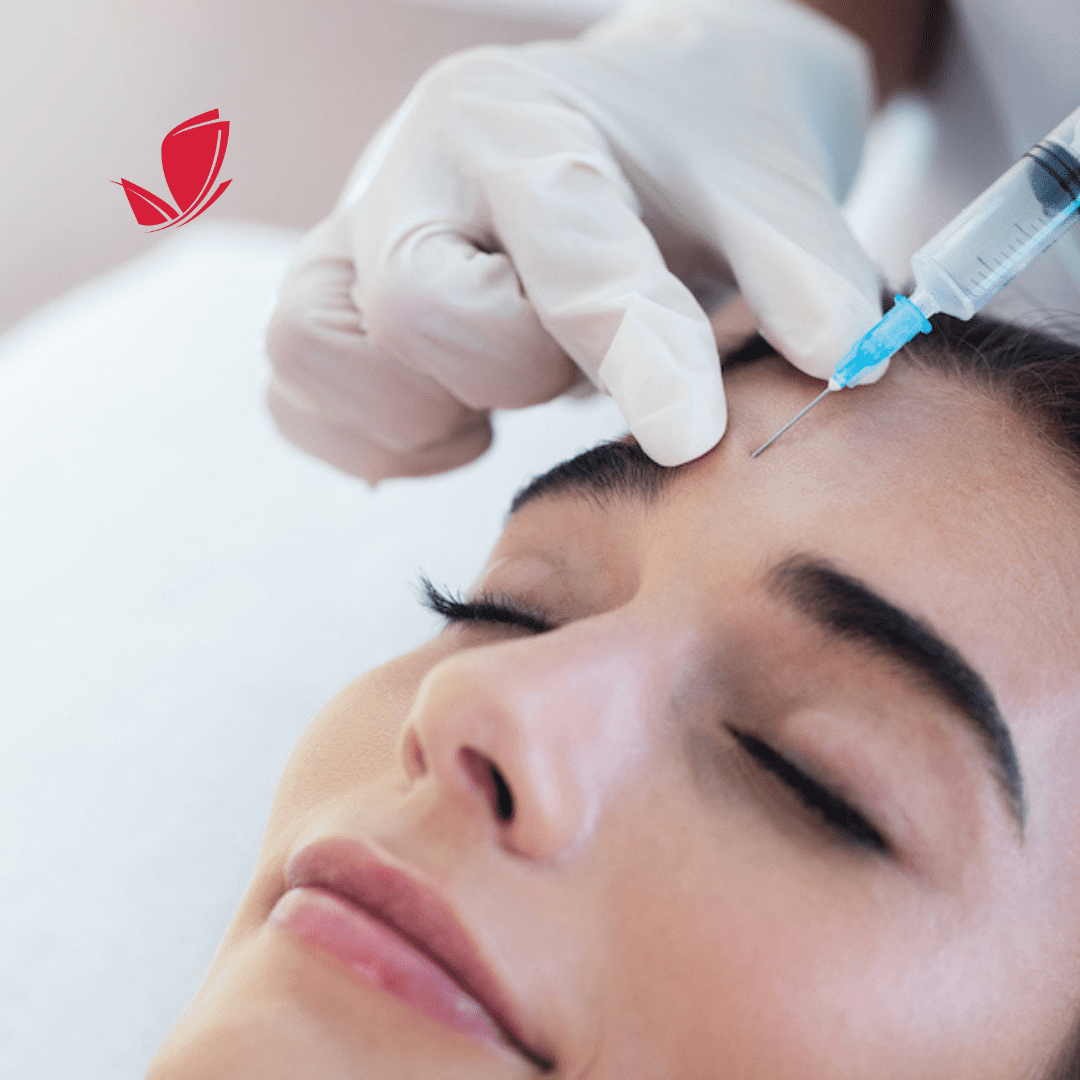
Botox is a drug that is administered through injection to treat skin wrinkles. It is technically a name brand for the toxin that is made by the bacterium Clostridium botulinum. The reason that Botox is so prevalent is because it was the first one developed. Botox works by blocking signals from the nerves to the muscles, which means the muscles can no longer contract. This relaxes the muscles, and consequently the skin that lays on top. The wrinkles in the area then relax and soften. This method works best for crow’s feet, forehead wrinkles, and frown lines. That being said, many of our customers ask about alternatives so we have listed our top 5 below.
How Popular Are Injectable Treatments?
Injectable treatments are incredibly popular, and for good reason. Minimally invasive cosmetic procedures, including Botox and fillers, have seen a massive surge in demand. People love them because they offer noticeable results with minimal downtime. But just because something is popular doesn’t mean it’s the only option. Understanding what these treatments do, and what you can do at home to support your skin, is the key to creating a long-term beauty plan that you feel great about. It’s all about being informed and choosing the path that aligns with your personal goals for your skin.
Understanding the Two Types of Wrinkles
Before we talk about treatments and prevention, it’s important to know that not all wrinkles are created equal. They generally fall into two categories: dynamic and static. Think of it as the difference between a line that appears when you laugh and one that’s still there after your expression has relaxed. Identifying which type you’re most concerned with helps determine the most effective approach. Some treatments are designed for wrinkles caused by movement, while others are better suited for lines that have settled in. This distinction is the foundation of any effective skin rejuvenation plan.
Dynamic Wrinkles (Expression Lines)
Dynamic wrinkles are the lines that show up when you’re expressive. As one expert puts it, “Dynamic wrinkles appear when you make facial expressions (like frowning or squinting) and disappear when your face is relaxed.” These are the crow’s feet that appear when you smile, the horizontal lines on your forehead when you raise your eyebrows in surprise, or the “11s” between your brows when you concentrate. They are caused by the repeated contraction of facial muscles. Because these wrinkles are tied to muscle movement, treatments like Botox are highly effective, as they work by relaxing those specific muscles, which in turn smooths the overlying skin.
Static Wrinkles (Lines at Rest)
Static wrinkles are the lines that stick around. They are “dynamic wrinkles that have become permanent and are visible even when your face is at rest.” Over time, with repeated expressions, sun exposure, and the natural loss of collagen and skin elasticity, those temporary expression lines can etch themselves into your skin. These include lines around the mouth, across the cheeks, and along the neck. While relaxing the underlying muscle can help soften their appearance, static wrinkles often benefit from treatments that restore volume and improve skin texture, such as dermal fillers or other skin tightening procedures.
Proactive Wrinkle Prevention
While professional treatments can work wonders, what you do every day matters just as much. Think of your lifestyle as the foundation for healthy skin. As one dermatologist notes, “Your daily habits affect how long Botox results last. A healthy diet, avoiding too much sun, managing stress, and a good skincare routine can help.” Taking a proactive approach not only supports the results of any treatments you receive but also helps slow down the formation of new lines. It’s about creating a 360-degree strategy that combines professional guidance with smart, consistent habits at home for lasting results.
Lifestyle Habits for Smoother Skin
Simple changes to your daily routine can make a significant difference. First, “be aware of your expressions: Notice when you make faces that cause lines (like raising your eyebrows a lot) and try to do them less often.” This doesn’t mean you should stop showing emotion, but simple awareness can help. Another easy win is to “wear sunglasses: This helps prevent squinting, which can cause crow’s feet.” Beyond that, applying a broad-spectrum sunscreen every single day—rain or shine—is non-negotiable for preventing the collagen breakdown that leads to wrinkles. Staying hydrated and using a quality moisturizer also keeps your skin plump and resilient.
How Sleep Habits Affect Your Skin
The way you sleep can directly impact your skin. Pressing your face into a cotton pillowcase for eight hours a night can create friction and compression, leading to “sleep wrinkles.” To combat this, “sleep on a silk pillowcase (not satin) because it’s smoother, more breathable, and less likely to tug at your skin.” The smooth surface allows your skin to glide, reducing creasing. For those who are serious about preventing sleep lines, you might even “consider a special anti-wrinkle pillow designed to keep your face from getting squished.” Getting enough quality sleep is also crucial, as this is when your body’s natural repair processes kick in to heal and regenerate skin cells.
Your Top 5 Alternatives to Botox
Can Creams and Serums Compete?
One such remedy is a topical solution like a cream or a lotion that claims to remove wrinkling over a period of application. Creams may make the skin appear smoother and firmer, and they add moisture, all of which may help reduce the appearance of wrinkles. Some products reduce the visibility of wrinkling by trying to activate the skin’s collagen. This is done with a chemical called retinol and creams containing it must be used for six months before measurable results. Creams may also cause dryness, redness, peeling, and may make your skin more sensitive to sunlight. Not all creams treat all patients the same and results may vary.
Key Ingredients to Look For: Peptides, Vitamin C, and Hyaluronic Acid
When you’re scanning the labels of serums and creams, a few key players consistently stand out for their anti-aging power. Peptides are a big one; think of them as little messengers that encourage your skin to produce more collagen and elastin, which gives your skin that firm, ‘plumped’ look and helps smooth out fine lines. Then there’s Vitamin C, a powerhouse antioxidant that not only brightens your complexion but also improves hydration and elasticity. Finally, you can’t forget Hyaluronic Acid. This ingredient is a moisture magnet, famous for its ability to hold an incredible amount of water, which deeply hydrates your skin and softens the appearance of wrinkles. While these ingredients are essential for a great at-home regimen, combining them with professional skin rejuvenation treatments can help you achieve even more significant and lasting results.
Exploring Other Injectable Options
There are other injectables similar in nature to Botox that work as alternatives. These include Dysport and Myobloc. Dysport is very similar to Botox, using the same toxin, but it seems to act a bit faster than Botox. Myobloc uses a different toxin, and as a result does not last as long as Botox or Dysport (three to four months rather than five to six). Another surgical option is injectable fillers. These fillers are also inserted into the skin via needles but build facial structure to fill out deep wrinkles. These all come with the same risk as Botox does, such as infections, and other medical issues.
Modern Neurotoxins: Daxxify, Xeomin, Jeuveau, and Letybo
The world of injectables has expanded well beyond the household names, and newer neurotoxins offer unique benefits that might be a better fit for your specific goals. Daxxify, for example, is the newest option on the block and includes a special protein that helps its effects last much longer—typically six to nine months. Then there’s Xeomin, which is sometimes called the “naked” injectable because it doesn’t have the extra proteins found in Botox. This may mean your body is less likely to build up a resistance to it over time. Jeuveau is another modern choice that works similarly to Botox, while Letybo is the latest to get FDA approval, using a neuromodulator to block nerve signals and relax muscles.
Understanding Dysport’s Unique Properties
While Dysport has been around for a while, it’s worth highlighting its key difference from Botox. Dysport tends to spread out a bit more once injected. This isn’t a bad thing; in fact, it can be a major advantage for treating larger surface areas like the forehead. Because it diffuses more, your technician can often use fewer injections to achieve a smooth, natural-looking result across a wider area. This property makes it a popular choice for addressing forehead lines and crow’s feet effectively, offering a subtle and even relaxation of the muscles that cause those expression lines.
Dermal Fillers: Restoring Volume and Fullness
It’s important to know that not all injectables are designed to relax muscles. Dermal fillers are a completely different type of treatment that addresses a different kind of aging sign. Instead of targeting the dynamic wrinkles caused by muscle movements, fillers work to restore volume and fullness to the face. As we age, we naturally lose some of the subcutaneous fat that gives our faces a plump, youthful look. Fillers are gel-like substances that are injected beneath the skin to literally fill in wrinkles that are always there, even when your face is at rest. They can also be used to enhance facial contours, like plumping lips or defining cheekbones.
How Fillers Differ from Neurotoxins
Think of it this way: neurotoxins like Botox and Dysport press pause on the muscle activity that creates expression lines. They work on the cause. Fillers, on the other hand, work on the effect. They add volume back to areas that have hollowed or sunken over time, smoothing out static wrinkles from the inside out. If you have lines that are visible even when your face is completely still, a filler is likely the right solution. At LightRx, our technicians often use a combination of both types of injectables to create a comprehensive and balanced result, relaxing overactive muscles while restoring youthful volume.
Types of Dermal Fillers
The most common and popular dermal fillers are made from hyaluronic acid (HA), a substance that your body naturally produces to keep skin hydrated and plump. Because your body already recognizes HA, these fillers are very safe and well-tolerated. You’ve probably heard of some of the leading brands, like Juvederm and Restylane, which are both HA-based. These treatments are incredibly popular, with millions of procedures performed each year. They provide immediate, natural-looking results for everything from smoothing smile lines to adding a bit of lift to the cheeks, helping you look refreshed and revitalized.
Red Light Therapy for Smoother Skin
Many find success with reducing wrinkles by measured exposure to LED red lights. This can be applied both at home or at a medspa. The key to the treatment is the light waves between 700 and 1000 nanometers, which is the infrared light wavelength. These devices can be bought online, or accessible through other medspas. The main drawback with this treatment is that the effects are not as dramatic as the other treatments available.
Could Acupuncture Be Your Answer?
Acupuncture being used to treat wrinkled skin is a relatively new idea. It is all natural, the treatment seeming to work because it activates the body’s natural healing process to create new collagen. It also seems to tighten muscles behind the skin. The main drawback is that there have only been limited studies into its effectiveness and length of results.
At-Home Tools and Techniques
Microcurrent Devices
You’ve likely seen those futuristic-looking wands popping up in your social media feeds. These at-home microcurrent devices use low-level electrical currents to stimulate your facial muscles, essentially giving them a mini workout. The immediate effect can be a more lifted, sculpted, and glowing look, which is fantastic before a big event. Some devices also use nanocurrent, which works more gradually over several weeks to support skin healing, improve circulation, and stimulate collagen to reduce the appearance of wrinkles. Many of these tools connect to apps that guide you through different routines, making them easy to use. While they offer a great temporary lift, for more significant and lasting results, professional skin tightening treatments can address concerns on a deeper level.
Gua Sha
If you prefer a more hands-on, tech-free approach, Gua Sha is a wonderful alternative. This traditional practice involves gently massaging your face with a smooth-edged tool (or even just your fingers) to reduce puffiness, improve blood flow, and release muscle tension. By encouraging lymphatic drainage and relaxing tight facial muscles, this technique can provide an immediate lifted and sculpted appearance while helping to soften fine lines over time. It’s a relaxing ritual that feels incredible and can easily be incorporated into your morning or evening skincare routine. While Gua Sha is excellent for surface-level results and promoting a healthy glow, it works best alongside a consistent skincare plan and professional treatments for more advanced skin rejuvenation.
A Total Reset: Skin Rejuvenation Treatments
Sun damage, skin disorders, aging, and even your genetics can affect the way your skin looks on your face and on your body. These elements can contribute to textural irregularities such as wrinkling or acne scars, pigmentation changes like sunspots, liver spots, or even visible blood vessels. Moreover, skin sometimes just loses tone, feels less firm, or even just loses that healthy looking glow that is in younger skin. Fortunately, through skin rejuvenation there is a solution to these problems. There are many ways to treat these issues and a combination of treatments may be recommended depending on your skin type, age, goals, and several other factors. A consultation with us at one of our clinics will help to determine the best course of action for treating your skin. These treatments may include anything between aggressive skin resurfacing to simple topical treatments. Unlike Botox, or other treatments, skin rejuvenation treatments work to do more for your skin than simply reduce wrinkling, and it is noninvasive. There is no downtime and very little risk of side effects. It is also the best in technological treatments and is FDA cleared. For example, one of our treatment methods at LightRx is called Sofwave™. Sofwave™ works similarly to how all non-invasive skin tightening treatments work, by heating up the skin and activating the body’s natural healing process to regenerate collagen. However, Sofwave™ stands out with the unique Synchronous Ultrasound Parallel Beam Technology SUPERB™ that delivers the heat to the correct depth of the skin at 1.5mm in the mid dermis. This is the type of precision you can expect with all our skin rejuvenation treatments. Most of our treatments work best with some amount of effort towards weight loss, and skin rejuvenation treatment is no different. Proper dieting and exercising can amplify the effects of treatments such as laser lipo, skin tightening, and skin rejuvenation two or three-fold. If you are interested in our treatments, then give us a call and schedule a consultation.
Laser Resurfacing
If you’re looking for a treatment that addresses both skin texture and wrinkles, laser resurfacing is a fantastic option. These treatments work by carefully removing the outer layer of your skin, which encourages new, healthy skin to grow in its place. This process also gives your collagen production a serious kickstart, leading to firmer, smoother skin over time. Different types of laser treatments, like IPL (Intense Pulsed Light), can target various concerns, from sun damage to fine lines. It’s a more intensive approach than a topical cream, offering more significant and lasting results for those wanting to refresh their complexion and turn back the clock on skin damage.
Microneedling and Radiofrequency
Imagine a treatment that tightens your skin and rebuilds it from the inside out—that’s the power of combining microneedling with radiofrequency (RF). This popular procedure uses tiny needles to create micro-wounds in the skin, which might sound intimidating, but it’s actually a controlled way to trigger your body’s natural healing response. As your skin heals, it produces new collagen and elastin. The radiofrequency adds another layer of effectiveness by delivering heat deep into the skin, further stimulating collagen and tightening the underlying tissues. This dual-action approach is incredibly effective for improving skin laxity, reducing wrinkles, and achieving an overall more youthful appearance without invasive surgery.
Chemical Peels
Don’t let the name scare you; a chemical peel is a safe and highly effective way to reveal the brighter, smoother skin hiding underneath. This treatment involves applying a specialized chemical solution to the skin, which works to exfoliate the top layers. Over the next few days, the old, damaged skin peels away, revealing a fresh layer that is less wrinkled and more even in tone and texture. Peels come in various strengths, from light, superficial peels with no downtime to deeper ones that offer more dramatic results. They are a reliable alternative for improving fine lines, sun damage, and overall skin texture, giving you a refreshed and revitalized look.
Safety First: Why Your Provider’s Expertise is Non-Negotiable
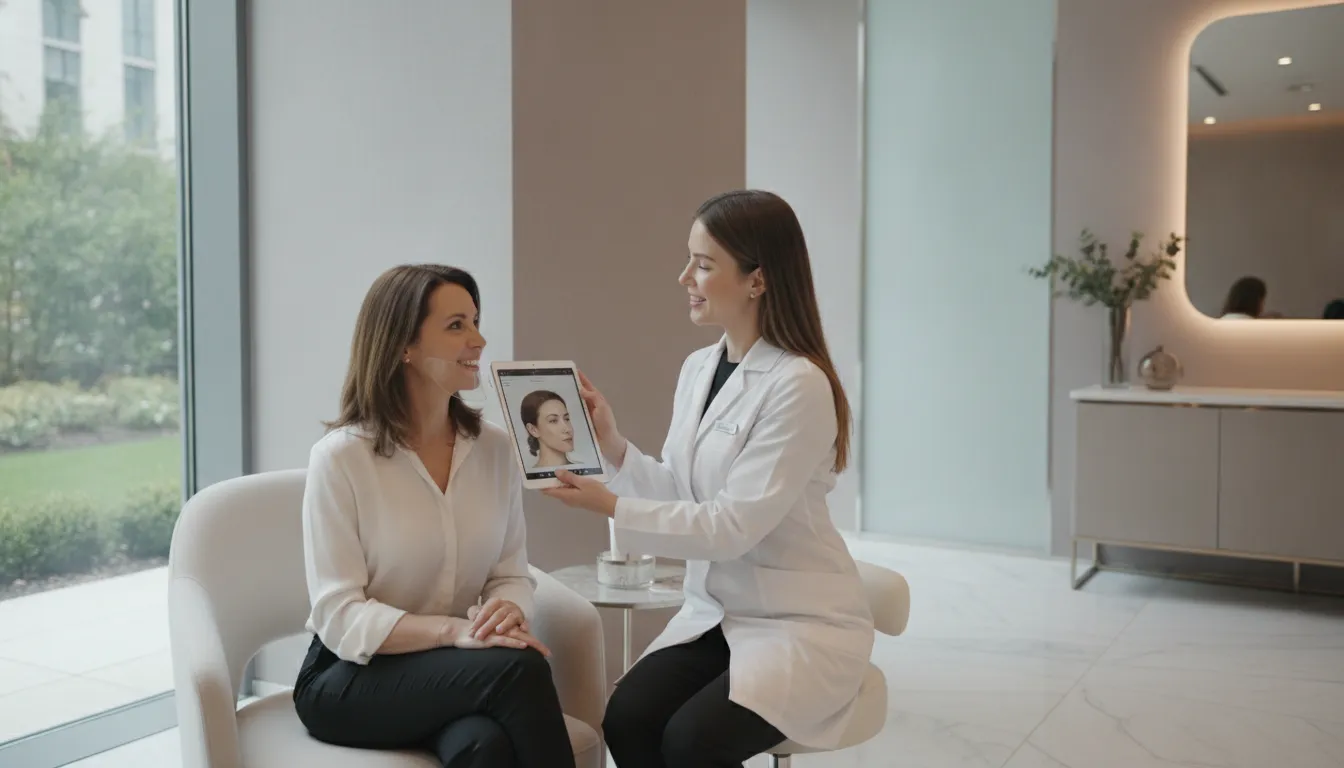
No matter which treatment path you’re considering, the single most important factor is the expertise of your provider. Choosing a qualified and experienced professional is absolutely non-negotiable. Cosmetic treatments, whether they are injectables or advanced skin therapies, require a deep understanding of facial anatomy and precise technique. A thorough consultation should always be the first step. This is your opportunity to discuss your aesthetic goals, and it allows the provider to assess your skin and medical history. At LightRx, our free consultations are designed to create a personalized treatment plan that is both safe and effective for you. A great provider will walk you through the benefits and potential risks, ensuring you feel confident and informed before moving forward with any procedure.
Understanding Facial “Danger Zones”
It’s important to know that certain areas of the face are considered “danger zones” for cosmetic treatments, especially injectables. These zones have a high concentration of critical blood vessels and muscles that control your facial expressions. An injection that is even slightly off-target in one of these areas can lead to undesirable complications, such as a drooping eyelid, facial asymmetry, or even more serious issues. This is precisely why you should only trust a trained medical professional who has extensive knowledge of facial anatomy. Their expertise ensures that treatments are administered safely, targeting the right spots while avoiding these sensitive areas to give you beautiful, natural-looking results without the risks.
Potential Risks of Improper Injections
When treatments like Botox or dermal fillers are performed by someone without the proper training, the risks increase significantly. Improper injection techniques can lead to a range of problems, from allergic reactions and infections to lasting facial asymmetry. Only licensed and trained medical professionals should ever administer these treatments. They understand not just where to inject, but also how much product to use and how to handle any potential side effects that may arise. Choosing a reputable medspa like LightRx ensures you are in the hands of experts who use FDA-cleared technologies and adhere to the highest safety standards, protecting your health and ensuring your results are exactly what you hoped for.
Frequently Asked Questions
I have lines around my mouth that are visible even when I’m not smiling. Will a Botox alternative work for those? Those lines are what we call static wrinkles, and they require a different approach than the expression lines Botox typically treats. Instead of relaxing a muscle, the goal is to restore volume or improve skin texture. Dermal fillers are excellent for this, as they literally fill in the area from underneath. Non-invasive options like skin rejuvenation or laser resurfacing also work well by stimulating your skin’s natural collagen production to rebuild and smooth the area over time.
Are at-home tools like microcurrent devices a good substitute for professional treatments? At-home devices can be fantastic for maintenance and giving your skin a temporary lift, especially before an event. Think of them as a great supporting player in your skincare routine. However, professional treatments like the skin tightening and rejuvenation services we offer work on a much deeper level to create more significant and lasting structural changes in your skin. For truly transformative results, you can’t beat an in-office procedure.
What’s the real difference between Botox and dermal fillers? It’s a common point of confusion, but the distinction is pretty simple. Neurotoxins like Botox work on the muscles that cause wrinkles when you make expressions, essentially pressing pause on the movement. Dermal fillers, on the other hand, add volume back to the skin. They are used to fill in lines that are present even when your face is at rest and can also be used to restore fullness to areas like your cheeks or lips.
If I don’t want any injections at all, what is the most effective treatment for wrinkles? You have some powerful, needle-free options. Treatments like laser resurfacing, microneedling with radiofrequency, and chemical peels are all highly effective. They work by kickstarting your body’s own healing process to produce new collagen and elastin, which are the building blocks of smooth, firm skin. This approach rebuilds your skin from the inside out, improving texture, tone, and tightness without a single injection.
With all these different options, how do I figure out which one is right for my skin? The best first step is always a one-on-one conversation with a professional. Your skin, your concerns, and your goals are unique, so your treatment plan should be, too. A thorough consultation allows an expert to assess your skin and recommend the specific treatments that will give you the results you’re looking for. This ensures you invest in a plan that is perfectly tailored to you.
Key Takeaways
- Know your lines: Figure out if you’re dealing with dynamic wrinkles from expressions or static wrinkles that stick around, as this knowledge helps you choose the most effective treatment for your specific concerns.
- Look beyond injectables: You have many powerful, needle-free ways to achieve smoother skin, including professional treatments like laser resurfacing and consistent at-home routines with targeted ingredients and tools.
- Your provider’s skill is everything: The success of any aesthetic treatment comes down to the expertise of the person performing it, so always select a qualified professional who can create a safe and effective plan tailored just for you.